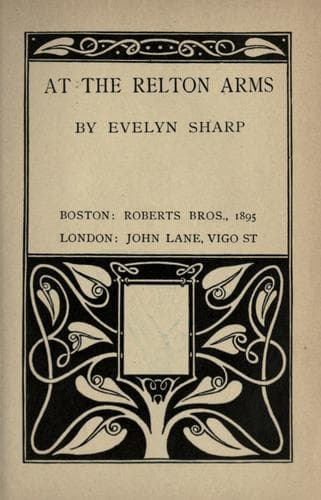
England -- Social life and customs -- 19th century -- Fiction
"Is it?" she answered hastily, seeing she was expected to say something.
"I suppose it is quite good, of course. Who is it by? I suppose you
can't say, though, without looking; and I haven't really the least
desire to know. Talking of music," she continued blandly, chasing the
sugar-plum round the saucer, "I have really had a treat this afternoon
at St. James's Hall. Of course you have often heard Sapolienski? Don't
ask me how to pronounce him; I think another of the horrors added to
modern composers is the length of their names. But I'm ashamed to say I
have never heard him before; I have been abroad, you see, and I am not a
bit musical either. I enjoyed it much more than I expected though, and
you should have seen the ovation he received at the end, ladies crowding
on to the platform and throwing their rings at him! Oh, no, I am clearly
not musical. But still, as he is the greatest musician of the day...."
Here Mrs. Reginald Routh found her opportunity, and used it.
"Oh, indeed? I have never heard of a player of that name, but really
there are so many third-rate 'eskis' now that we cannot be expected to
know them all. I dislike all kinds of sentimental effusion, and society
lions, especially when they are musical ones, are singularly unpleasing
to me. There can be no flattery where true genius exists, and if we were
to reserve our praise for real hidden talent," she paused as the
musician came within hearing and repeated her last words in a louder
tone, "_real hidden_ talent, music would at last find her rightful place
of honor among us. Do you not think so, Mr. Digby?"
Mrs. Reginald maintained a superb air of possession over music by making
it always of the feminine gender, just as she did over the musician by
calling him by his first name.
Mr. Digby Raleigh, thus intercepted in his passage across the room,
turned on his heel and ran his fingers through his hair as he launched
out on his favorite theme with enthusiasm. For besides being an
interesting musician with a studio in the West End, he had views on
metaphysics and Socialism as well, and although his warm discussions of
these and other modern subjects conveyed little but confused notions to
the minds of his feminine hearers, yet his enthusiasm only lent him a
more potent charm in their eyes.
"Not yet, Mrs. Routh, no, no, not yet," he exclaimed earnestly, "we are
not ready, not fit for it yet. Socialism has to come first; the people
must be taught the meaning of life and humanity before they can be made
ready for music. Music is the end and aim of every intelligent
Socialist. The people must suffer first, as _we_ have all had to suffer,
we who do understand and are waiting for the light which cannot shine
because of the materialists who do not even feel the need of it. Life is
a problem, but we at least are happiest who see that it is so, and seek
for the solution with our--with our heart's blood."
Public-domain text, read in full here on John Shaqi.
Reviews
Reviews
No reviews yet
Be the first to share your thoughts on this work.
Join the Discussion
Join the discussion
Sign in to leave a comment or review.
Sign InorCreate an account