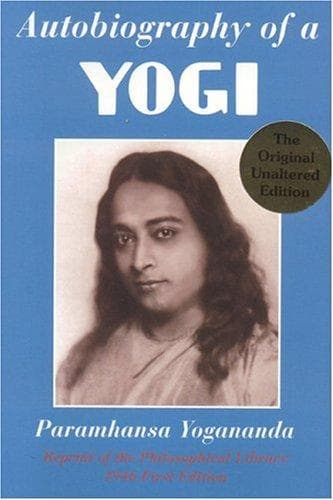
Yogananda, Paramahansa, 1893-1952; Yogis -- India -- Biography
The great Hindu lawgiver Manu {FN41-8} has outlined the duties of
a king. “He should shower amenities like Indra (lord of the gods);
collect taxes gently and imperceptibly as the sun obtains vapor
from water; enter into the life of his subjects as the wind goes
everywhere; mete out even justice to all like Yama (god of death);
bind transgressors in a noose like Varuna (Vedic deity of sky and
wind); please all like the moon, burn up vicious enemies like the
god of fire; and support all like the earth goddess.
“In war a king should not fight with poisonous or fiery weapons nor
kill weak or unready or weaponless foes or men who are in fear or
who pray for protection or who run away. War should be resorted to
only as a last resort. Results are always doubtful in war.”
Madras Presidency on the southeast coast of India contains the
flat, spacious, sea-girt city of Madras, and Conjeeveram, the Golden
City, capital site of the Pallava dynasty whose kings ruled during
the early centuries of the Christian era. In modern Madras Presidency
the nonviolent ideals of Mahatma Gandhi have made great headway;
the white distinguishing “Gandhi caps” are seen everywhere. In
the south generally the Mahatma has effected many important temple
reforms for “untouchables” as well as caste-system reforms.
The origin of the caste system, formulated by the great legislator
Manu, was admirable. He saw clearly that men are distinguished by
natural evolution into four great classes: those capable of offering
service to society through their bodily labor (SUDRAS); those who
serve through mentality, skill, agriculture, trade, commerce, business
life in general (VAISYAS); those whose talents are administrative,
executive, and protective-rulers and warriors (KSHATRIYAS);
those of contemplative nature, spiritually inspired and inspiring
(BRAHMINS). “Neither birth nor sacraments nor study nor ancestry
can decide whether a person is twice-born (i.e., a BRAHMIN);” the
MAHABHARATA declares, “character and conduct only can decide.”
{FN41-9} Manu instructed society to show respect to its members
insofar as they possessed wisdom, virtue, age, kinship or, lastly,
wealth. Riches in Vedic India were always despised if they were
hoarded or unavailable for charitable purposes. Ungenerous men of
great wealth were assigned a low rank in society.
Serious evils arose when the caste system became hardened through
the centuries into a hereditary halter. Social reformers like
Gandhi and the members of very numerous societies in India today
are making slow but sure progress in restoring the ancient values
of caste, based solely on natural qualification and not on birth.
Every nation on earth has its own distinctive misery-producing
karma to deal with and remove; India, too, with her versatile
and invulnerable spirit, shall prove herself equal to the task of
caste-reformation.
Public-domain text, read in full here on John Shaqi.
Reviews
Reviews
No reviews yet
Be the first to share your thoughts on this work.
Elsewhere in the archive
Join the Discussion
Join the discussion
Sign in to leave a comment or review.
Sign InorCreate an account