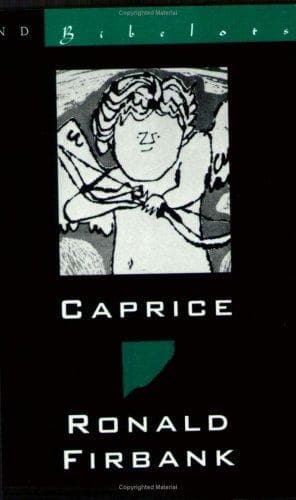
English fiction -- 20th century; London (England) -- Fiction; Theater -- Fiction; Young women -- Fiction
Through the shadowy palings it slipped away, abundantly dotted with
lovers. Some were plighting themselves on little chairs, others
preferred the green ground: and beyond them, behind the whispering
trees, the sky gleamed pale and luminous as church glass.
Glory to have a lover too, she reflected, and to stroll leisurely-united
through the evening streets, between an avenue of sparkling lamps....
Her thoughts turned back to the young man in the Café Royal.
“Of all the bonny loves!” she breathed, as her taxi stopped.
“Angrezini!”
A sturdy negro helped her out.
“For Thou knowest very well——” her lips moved faintly.
The swinging doors whirled her in.
She found herself directly in a small bemirrored room with a hatch on
one side of it, in which an old woman in a voluminous cap was serenely
knitting.
Behind her dangled furs and wraps that scintillated or made pools of
heavy shade as they caught or missed the light.
Relinquishing her own strip of tulle, Miss Sinquier turned about her.
Through a glass door she could make out Mrs. Sixsmith herself, seated in
a cosy red-walled sitting-room beyond.
She was looking staid as a porcelain goddess in a garment of trailing
white with a minute griffin-eared dog peeping out its sheeny paws and
head wakefully from beneath her train.
At sight of her guest Mrs. Sixsmith smiled and rose.
“Sir Oliver hasn’t yet come!” she said, imprinting on Miss Sinquier’s
youthful cheek a salute of _hospitality._
“He hasn’t? And I made sure I should be last.”
Mrs. Sixsmith consulted the time.
“From the Bank to the Poultry, and from the Poultry on...; just
consider,” she calculated, subsiding leisurely with Miss Sinquier upon a
spindle-legged settee.
“You telephoned?”
“I told him all your story.”
“Well?”
“He has promised me to do his utmost.”
“He will?”
“You should have heard us. This Mrs. Bromley, he pretends.... Oh, well
... one must not be too harsh on the dead.”
“Poor little woman.”
“Let me admire your frock.”
“You like it?”
“I never saw anything so waggish.”
“No, no, _please_——!”
“Tell me where they are!”
“What?”
“I’m looking for your pearls.”
“They’re in my hair.”
“Show me.”
“I’ll miss them terribly.”
“Incline!”
“How?”
“More.”
“I can’t!”
“They’re very nice. But bear in mind one thing——”
“Yes?”
Mrs. Sixsmith slipped an encircling arm about Miss Sinquier’s waist.
“Always remember,” she said, “to a City man, twelve hundred sounds less
than a thousand. Just as a year, to you and me, sounds more than
eighteen months!”
“I’ll not forget.”
“Here is Sir Oliver now.”
Through the swing doors an elderly man with a ruddy, rather apoplectic
face, and close-set opaque eyes, precipitantly advanced.
“Ladies!”
“‘Ladies’ indeed, Sir Oliver.”
“As if——”
“Monster.”
“Excuse me, Serephine.”
“Your pardon rests with Miss Sinquier,” Mrs. Sixsmith said with
melodious inflections as she showed the way towards the restaurant.
“Address your petitions to her.”
Public-domain text, read in full here on John Shaqi.
Reviews
Reviews
No reviews yet
Be the first to share your thoughts on this work.
Join the Discussion
Join the discussion
Sign in to leave a comment or review.
Sign InorCreate an account