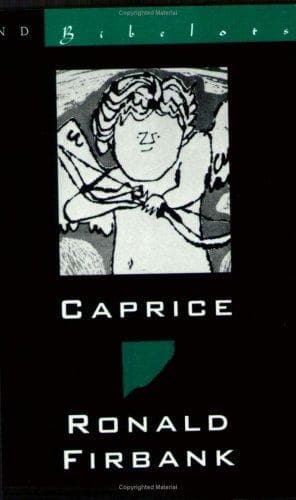
English fiction -- 20th century; London (England) -- Fiction; Theater -- Fiction; Young women -- Fiction
“That was one of my dreams,” she was saying, “and last night again I had
another—in spite of a night-light, too! It began by a ring formed of
crags and boulders enclosing a troop of deer—oh, such a herd of
them—delicate, distinguished animals with little pom-pom horns, and some
had poodles’ tails. Sitting behind a rhododendron bush was an old
gentleman on a white horse; he never moved a muscle. Suddenly I became
aware of a pack of dogs.... And then, before my very eyes, one of the
dogs transformed itself into a giraffe....”
“You must have been out to supper.”
“It’s true I had. Oh, it was a merry meal.”
“Who gave it?”
“Dore Davis did: to meet her betrothed—Sir Francis Four.”
“What’s he like?”
“Don’t ask me. It makes one tired to look at him.”
“Was it a party?”
“Nothing but literary-people with their Beatrices.... My dear _the
scum_! Half-way through supper, Dore got her revolver out and began
shooting the glass drops off her chandelier.”
“I should like to see her trousseau,” Mrs. Sixsmith sighed.
“It isn’t up to much. Anything good she sells—on account of bailiffs.”
“Pooh! She should treat them all _en reine._”
Mrs. Smee looked wise.
“Always be civil with bailiffs,” she said; “never ruffle them! If you
queen a sheriff’s officer remember there’s no getting rid of him. He
clings on—like a poor relation.”
“Oh, well,” Mrs. Sixsmith replied, “I always treat the worms _en reine_,
not,” she added wittily, “that I ever have....”
Miss Sinquier twirled herself finally about.
“There,” she murmured, “I’m going out into the wings.”
“When’s your call?”
“After Lady Mary.”
For her unofficial first appearance she was resolved to woo the world
with a dance—a dance all fearless somersaults and quivering
_battements;_ a young Hungarian meanwhile recording her movements
sensitively upon a violin.
She was looking well in an obedient little ballet skirt that made action
a delight. Her hair, piled high in a towering toupee, had a white flower
in it.
“Down a step and through an arch,” a pierrette who passed her in the
corridor directed her to the stage.
It was Miss Ita Iris of the Dream.
Miss Sinquier tingled.
How often on the cold flags of the great church at home had she asked
the way before!
“Oh, Lord,” she prayed now, “let me conquer. Let me! Amen.”
She was in the wings.
Above her, stars sparkled lavishly in a darkling sky, controlled by a
bare-armed mechanic who was endeavouring, it seemed, to deliver himself
of a moon; craning from a ladder at the risk of his life, he pushed it
gently with a big soft hand.
Miss Sinquier turned her eyes to the stage.
The round of applause accorded Lady Mary on her entry was gradually
dying away.
From her shelter Miss Sinquier could observe her, in opulent silhouette,
perfectly at her ease.
She stood waiting for the last huzzas to subside with bowed head and
folded hands—like some great sinner—looking reverently up through her
eyelashes at the blue silk hangings of the Royal box.
Public-domain text, read in full here on John Shaqi.
Reviews
Reviews
No reviews yet
Be the first to share your thoughts on this work.
Join the Discussion
Join the discussion
Sign in to leave a comment or review.
Sign InorCreate an account