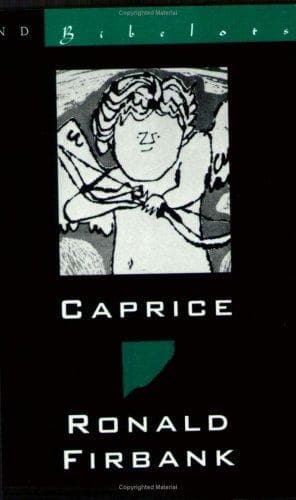
English fiction -- 20th century; London (England) -- Fiction; Theater -- Fiction; Young women -- Fiction
“Missed conveyance York,” she read. “Bishopthorpe to-night
archiepiscopal blessings.”
“Ah, well, ...” she professionally philosophized, “there’ll be
_deadheads_ besides, I’ve no doubt.”
“Any answer, Miss?”
“Go, Smith, to the box office, and say G 2 and 3 (orchestra) have been
returned; there’s no answer,” she added, moving towards the brightly lit
dressing-room beyond.
Ensconced in an easy chair, before a folding mirror that, rich in
reflections, encompassed her screen-like about, sat Mrs. Sixsmith
pensively polishing her nails.
Miss Sinquier bit her lip.
“I thought——” she began.
“Sh——! Be Juliet now. We’re in Verona,” Mrs. Sixsmith exclaimed.
“_Fuori_ the doors.”
“Fancy finding _you._”
“Me?”
“What are you doing in _my Italy_?”
Mrs. Sixsmith threw a glance at herself in the glass. “I’m a girl
friend,” she said; “a Venetian acquaintance: someone _Julie_ met while
paddling in the Adriatic—in fact, _cara cuore_, I’m a daughter of the
Doge. Yes; I’m one of the Dolfin-Trons.”
“Don’t be ridiculous.”
“I’m Catarina Dolfin-Tron.”
“Kitty Tron!”
“Your own true Kate.”
“When are you going round?”
“Let me finish my hands. My manicurist has left me with such claws....
Poor little soul! When she came to my wedding-finger she just twiddled
her rasp and broke out crying. ‘To be filing people’s nails,’ she said,
‘while my husband is filing a petition!’”
“Wonderful that she could.”
“This city has its sadness. Your maid, Smith, while you were in the
other room said, ‘Oh, marm,’ she said, ‘what you must have endured; _one
Smith_ was enough for me.’”
“Poor Kate!”
“Ah, Julie ...” Mrs. Sixsmith sighed, when the door opening gently was
followed by the entry of Mrs. Smee.
“Am I disturbing you?” she asked.
“No, come in.”
“I want to tell you, my husband isn’t himself.”
“He’s ill?”
“He’s not himself.”
“In what way?”
“It’s a hard thing for a wife to confess. But for a première he’s nearly
always in wine.”
“Is he ... _much_?”
“I never knew him like it!”
Mrs. Sixsmith examined her nails.
“So violent?” she ventured.
“He’s more confused, dear, than violent,” Mrs. Smee explained. “He seems
to think we’re doing _The Tempest;_ Romeo’s tanned breast he takes for
Ferdinand’s. ‘Mind, Ferdy, boy,’ I heard him say, ‘and keep the —— out.’
Whereupon, his mind wandered to the Russian plays I love, and he ran
through some of Irina’s lines from _The Three Sisters_: ‘My soul,’ you
know she says, ‘my soul is like an expensive piano which is locked and
the key lost.’ Ah, there’s for you; Shakespeare never wrote that. He
couldn’t. Even by making piano, spinet. Oh, Russia! Russia! land of
Tchekhov, land of Andrief, of Solugub, of Korelenko, of
Artzibashef—Maria Capulet salutes thee! And then my man was moved to
sing. His love, she was in Otaheite.... But as soon as he saw me he was
back at _The Tempest_ again, calling me Caliban, Countess, and I don’t
know what.”
“Oh, how disgraceful.”
“After the performance I’ll pop home—Home!—in a drosky and shut him
out.”
Public-domain text, read in full here on John Shaqi.
Reviews
Reviews
No reviews yet
Be the first to share your thoughts on this work.
Join the Discussion
Join the discussion
Sign in to leave a comment or review.
Sign InorCreate an account