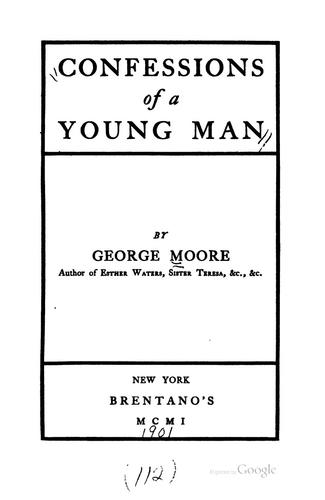
Moore, George, 1852-1933; Paris (France) -- Intellectual life
Each century has its special ideal, the ideal of the nineteenth is a young
man. The seventeenth century is only woman--see the tapestries, the
delightful goddesses who have discarded their hoops and heels to appear in
still more delightful nakedness, the noble woods, the tall castles, with
the hunters looking round; no servile archaeology chills the fancy, it is
but a delightful whim; and this treatment of antiquity is the highest proof
of the genius of the seventeenth century. See the Fragonards--the ladies in
high-peaked bodices, their little ankles showing amid the snow of the
petticoats. Up they go; you can almost hear their light false voices into
the summer of the leaves, where Loves are garlanded even as of roses. Masks
and arrows are everywhere, all the machinery of light and gracious days. In
the Watteaus the note is more pensive; there is satin and sunset, plausive
gestures and reluctance--false reluctance; the guitar is tinkling, and
exquisite are the notes in the languid evening; and there is the Pierrot,
that marvellous white animal, sensual and witty and glad, the soul of the
century--ankles and epigrams everywhere, for love was not then sentimental,
it was false and a little cruel; see the furniture and the polished floor,
and the tapestries with whose delicate tints and decorations the high hair
blends, the footstool and the heel and the calf of the leg that is
withdrawn, showing in the shadows of the lace; look at the satin of the
bodices, the fan outspread, the wigs so adorably false, the knee-breeches,
the buckles on the shoes, how false; adorable little comedy, adorably
mendacious; and how sweet it is to feast on these sweet lies, it is a
divine delight to us, wearied with the hideous sincerity of newspapers.
Then it was the man who knelt at the woman's feet, it was the man who
pleaded and the woman who acceded; but in our century the place of the man
is changed, it is he who holds the fan, it is he who is besought; and if
one were to dream of continuing the tradition of Watteau and Fragonard in
the nineteenth century, he would have to take note of and meditate deeply
and profoundly on this, as he sought to formulate and synthesize the erotic
spirit of our age.
Public-domain text, read in full here on John Shaqi.
Reviews
Reviews
No reviews yet
Be the first to share your thoughts on this work.
Elsewhere in the archive
Join the Discussion
Join the discussion
Sign in to leave a comment or review.
Sign InorCreate an account