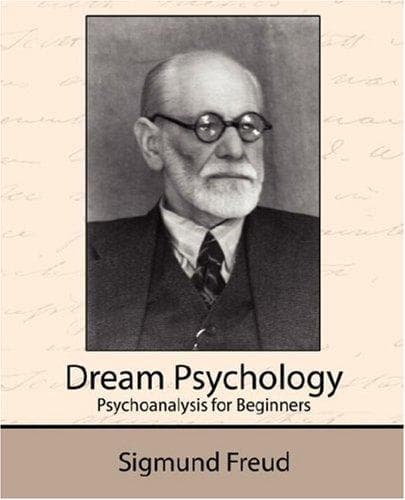
Dream Psychology: Psychoanalysis for BeginnersFreud, Sigmund
Science
Dream Psychology: Psychoanalysis for Beginners
Freud, Sigmund
Dreams; Psychoanalysis
Whilst the procedure in which we recognize our normal ego reposes upon
the desire for sleep, it appears compelled by the psycho-physiological
conditions of sleep to abandon some of the energy with which it was wont
during the day to keep down what was repressed. This neglect is really
harmless; however much the emotions of the child's spirit may be
stirred, they find the approach to consciousness rendered difficult, and
that to movement blocked in consequence of the state of sleep. The
danger of their disturbing sleep must, however, be avoided. Moreover, we
must admit that even in deep sleep some amount of free attention is
exerted as a protection against sense-stimuli which might, perchance,
make an awakening seem wiser than the continuance of sleep. Otherwise we
could not explain the fact of our being always awakened by stimuli of
certain quality. As the old physiologist Burdach pointed out, the mother
is awakened by the whimpering of her child, the miller by the cessation
of his mill, most people by gently calling out their names. This
attention, thus on the alert, makes use of the internal stimuli arising
from repressed desires, and fuses them into the dream, which as a
compromise satisfies both procedures at the same time. The dream creates
a form of psychical release for the wish which is either suppressed or
formed by the aid of repression, inasmuch as it presents it as realized.
The other procedure is also satisfied, since the continuance of the
sleep is assured. Our ego here gladly behaves like a child; it makes the
dream pictures believable, saying, as it were, "Quite right, but let me
sleep." The contempt which, once awakened, we bear the dream, and which
rests upon the absurdity and apparent illogicality of the dream, is
probably nothing but the reasoning of our sleeping ego on the feelings
about what was repressed; with greater right it should rest upon the
incompetency of this disturber of our sleep. In sleep we are now and
then aware of this contempt; the dream content transcends the censorship
rather too much, we think, "It's only a dream," and sleep on.
It is no objection to this view if there are borderlines for the dream
where its function, to preserve sleep from interruption, can no longer
be maintained--as in the dreams of impending dread. It is here changed
for another function--to suspend the sleep at the proper time. It acts
like a conscientious night-watchman, who first does his duty by quelling
disturbances so as not to waken the citizen, but equally does his duty
quite properly when he awakens the street should the causes of the
trouble seem to him serious and himself unable to cope with them alone.
Public-domain text, read in full here on John Shaqi.
Reviews
Reviews
No reviews yet
Be the first to share your thoughts on this work.
Join the Discussion
Join the discussion
Sign in to leave a comment or review.
Sign InorCreate an account