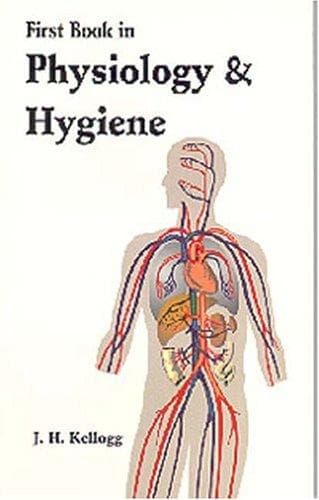
First Book in Physiology and HygieneKellogg, John Harvey
General
First Book in Physiology and Hygiene
Kellogg, John Harvey
Health -- Juvenile literature; Human physiology -- Juvenile literature; Hygiene -- Juvenile literature
~23. Opium, Chloral, etc.~--There are several drugs which are given by
physicians to relieve pain or to produce sleep. They are sometimes
helpful, but their use is very dangerous. Opium and chloral belong to
this class of medicines. The danger is that, after a person has used the
medicine a little while, he will continue to use it. If a person takes a
poisonous drug every time he has a little pain, he will soon form the
habit of using it, and may never break it off. There are many thousands
of people who use opium all the time, and they are very much injured by
it in mind and body. The mind becomes dull and stupid and the body weak
and feeble. No medicine of this sort should ever be taken unless
prescribed by a physician.
SUMMARY.
1. In order to be well and useful we must keep the brain and nerves
healthy.
2. To keep the brain healthy we need plenty of pure air to breathe;
proper exercise of the brain by study; sufficient exercise of the
muscles in play and work; plenty of good food to make pure blood; a
proper amount of rest and sleep.
3. There are several things we ought not to do. We should not read or
study too much. We should not allow ourselves to become excited or
angry. We should avoid learning bad habits.
4. Alcohol paralyzes the brain and nerves.
5. Alcohol deceives a person who takes it by making him feel strong when
he is weak; warm when he is cold; rich when he is poor; well when he is
sick.
6. Alcohol makes men wicked. Most men who commit crimes are men who use
liquor.
7. The effects of tobacco upon the brain and nerves are much the same as
those of alcohol. Tobacco is very injurious to the mind.
8. Tobacco-using often leads boys to drunkenness and other vices.
9. The use of opium and chloral produces even worse effects than the use
of alcohol or tobacco.
CHAPTER XXV.
HOW WE HEAR, SEE, SMELL, TASTE, AND FEEL.
~1. The Senses.~--We have five senses--_hearing_, _seeing_, _smelling_,
_tasting_, and _feeling_. These are called special senses because they
are very different from each other. They also differ from the general
sense of feeling by means of which we feel pain when any part is hurt.
~2. Organs of the Special Senses.~--Each of the special senses has a
special set of nerves and also special cells in the brain which have
charge of them. We say that we see with our eyes, hear with our ears,
feel with our fingers, etc.; but, really, we see, hear, taste, and smell
in the brain just as we feel in the brain. The eyes, ears, nose, and
other organs of the special senses are the instruments by means of which
the brain sees, hears, smells, etc.
Public-domain text, read in full here on John Shaqi.
Reviews
Reviews
No reviews yet
Be the first to share your thoughts on this work.
Join the Discussion
Join the discussion
Sign in to leave a comment or review.
Sign InorCreate an account