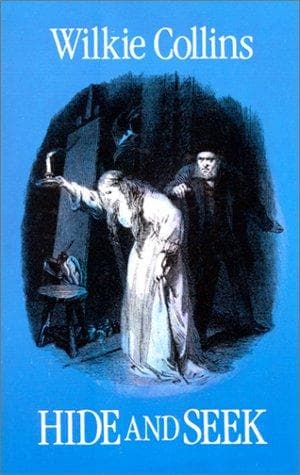
Deaf women -- Fiction; Father figures -- Fiction; Painters -- Fiction; Psychological fiction; Young men -- Fiction
Alexander’s armies were great makers of conquests; and Napoleon’s armies
were great makers of conquests; but the modern Guerilla regiments of the
hod, the trowel, and the brick-kiln, are the greatest conquerors of all;
for they hold the longest the soil that they have once possessed. How
mighty the devastation which follows in the wake of these tremendous
aggressors, as they march through the kingdom of nature, triumphantly
bricklaying beauty wherever they go! What dismantled castle, with the
enemy’s flag flying over its crumbling walls, ever looked so utterly
forlorn as a poor field-fortress of nature, imprisoned on all sides by
the walled camp of the enemy, and degraded by a hostile banner of pole
and board, with the conqueror’s device inscribed on it--“THIS GROUND TO
BE LET ON BUILDING LEASES?” What is the historical spectacle of
Marius sitting among the ruins of Carthage, but a trumpery theatrical
set-scene, compared with the mournful modern sight of the last tree
left standing, on the last few feet of grass left growing, amid the
greenly-festering stucco of a finished Paradise Row, or the naked
scaffolding poles of a half-completed Prospect Place? Oh, gritty-natured
Guerilla regiments of the hod, the trowel, and the brick-kiln! the
town-pilgrim of nature, when he wanders out at fall of day into the
domains which you have spared for a little while, hears strange things
said of you in secret, as he duteously interprets the old, primeval
language of the leaves; as he listens to the death-doomed trees,
still whispering mournfully around him the last notes of their ancient
even-song!
But what avails the voice of lamentation? What new neighborhood
ever stopped on its way into the country, to hearken to the passive
remonstrance of the fields, or to bow to the indignation of outraged
admirers of the picturesque? Never was suburb more impervious to any
faint influences of this sort, than that especial suburb which grew
up between Baregrove Square and the country; removing a walk among
the hedge-rows a mile off from the resident families, with a ruthless
rapidity at which sufferers on all sides stared aghast. First stories
were built, and mortgaged by the enterprising proprietors to get
money enough to go on with the second; old speculators failed and were
succeeded by new; foundations sank from bad digging; walls were blown
down in high winds from hasty building; bricks were called for in such
quantities, and seized on in such haste, half-baked from the kilns,
that they set the carts on fire, and had to be cooled in pails of water
before they could be erected into walls--and still the new suburb defied
all accidents, and grew irrepressibly into a little town of houses,
ready to be let and lived in, from the one end to the other.
Public-domain text, read in full here on John Shaqi.
Reviews
Reviews
No reviews yet
Be the first to share your thoughts on this work.
Join the Discussion
Join the discussion
Sign in to leave a comment or review.
Sign InorCreate an account