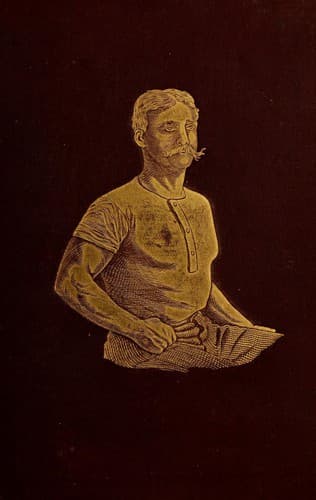
How to Get Strong and How to Stay SoBlaikie, William
Science
How to Get Strong and How to Stay So
Blaikie, William
Physical education and training
The moment it is conceded that a delicate body can be made a robust one,
that moment it is equally plain that there can be an almost incalculable
gain in the comfort and usefulness of the possessor of that body, not
only during all the last half of her life, but through the first half as
well. And yet, to persons familiar with what judicious, daily physical
exercise has done, and can do, for a delicate body, there is no more
doubt but that this later strength, and even sturdiness, can be acquired
than that the algebra or geometry, which at first seems impenetrable,
can be gradually mastered. The rules which bring success in each are in
many respects identical. Begin to give the muscles of the hand and
forearm, for instance, as vigorous and assiduous use as these
mathematical studies bring to the brain, and the physical grasp will as
surely and steadily improve as does the mental. Give not only the
delicate girls, but all girls, exercises which shall insure strong and
shapely limbs, and chests deep, full, and high, beginning these
exercises mildly, and progressing very gradually, correcting this high
shoulder, or that stoop, or this hollow chest, or that overstep, and
carrying on this development as long as the school-days last. Let this
be done under a teacher as familiar with her work as the mathematical
instructor is with his, and what incalculable benefit would accrue, not
to this generation alone, but to their descendants as well!
But will not this physical training dull the mind for its work? If
protracted several hours, or the greater part of each day, as with the
German peasant-woman in the field, or the Scotch fish-woman with her
wares, no doubt it would. But if Maclaren of Oxford wanted but a little
while each day to increase the girth of the chests of a dozen British
soldiers three inches apiece in four months, is this very moderate
allowance likely to work much mental dulness? Did Charles Dickens's
seven to twelve miles afoot daily interfere with some masterly work
which his pen produced each day? Did Napoleon's whole days spent in the
saddle tell very seriously on his mental operations, and prevent him
from conceiving and carrying out military and strategic work which will
compare favorably with any the world's history tells of?
And what if this daily exercise, beside the bodily benefit and improvement
which ensues, should also bring actually better mental work? Unbending the
bow for a little while, taking the tension from the brain for a few
minutes, and depleting it by expanding the chest to its fullest capacity,
and increasing the circulation in the limbs--these, instead of impairing
that brain, will repair it, and markedly improve its tone and vigor.
Public-domain text, read in full here on John Shaqi.
Reviews
Reviews
No reviews yet
Be the first to share your thoughts on this work.
Join the Discussion
Join the discussion
Sign in to leave a comment or review.
Sign InorCreate an account