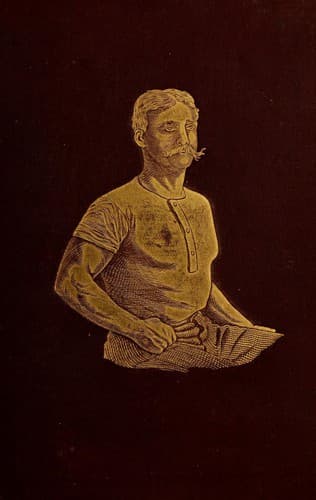
How to Get Strong and How to Stay SoBlaikie, William
Science
How to Get Strong and How to Stay So
Blaikie, William
Physical education and training
And what a benefit a gymnasium conducted on some plan similar to that above
suggested would be to any college or university! And yet almost any
college, even of limited means, could afford it. Change the plan a little,
and make the attendance by all students just as it is in other
branches--just as it is at West Point in horseback practice--compulsory.
Give the director a salary adequate to secure a first-class man in his
calling--not merely an accomplished gymnast, acrobat, boxer, or fencer, but
an educated physician, the peer of any of his brother-members of the
faculty, fond of his calling, fond of the field before him, thoroughly
acquainted with the plainer kinds of gymnastics and of acrobatic work, and
a good boxer, an instructor especially quick in detecting the physical
defects in his pupil, in knowing what exercise will cure them, zealous in
interesting him, in encouraging him on, what incalculable good he could do!
Every student in that college would practically have to be made over. Long
before the four years, or even one of them, were through, that instructor
would have made all the men erect (as is daily being done with the West
Pointer). But his pupils, instead of being like the latter, developed
simply in those muscles which his business called into play, would each be
well developed all over, would each be up to what a well-built man of his
years and size ought to be in the way of strength, and skill, and staying
powers, and--a most important thing--would know what he could do, and what
he could not; and so would not, as is now every day the case with many,
attempt physical efforts long before he was fitted for them.
If he wanted to go into racing, the director would be his best friend,
and would point out to him that the only safe way to get one's heart and
lungs used to the violent action which they must undergo in racing,
especially after the racer gets tired, would be by gradually increasing
his speed from slow up to the desired pace, instead of, as too often
happens, getting up to racing pace before he is half fit for it.
But he would also show him how one-sided it would make him, developing
some parts, and letting others remain idle and fall behind in development,
and--more important still--how brief and ephemeral was the fame which he
was working for, and the risks of overdoing which it entailed.
Public-domain text, read in full here on John Shaqi.
Reviews
Reviews
No reviews yet
Be the first to share your thoughts on this work.
Join the Discussion
Join the discussion
Sign in to leave a comment or review.
Sign InorCreate an account