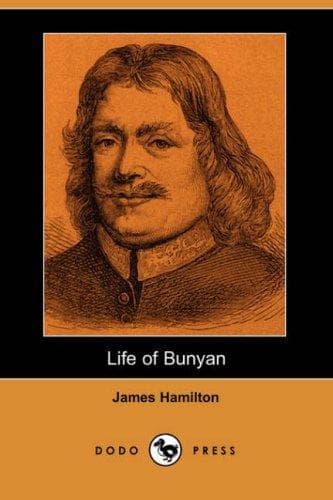
There is such a thing as cant. It is possible for flippant pretenders to
acquire a peculiar phraseology, and use it with a painful dexterity; and
it is also possible for genuine Christians to subside into a state of
mind so listless or secular, that their talk on religious topics will
have the inane and heartless sound of the tinkling cymbal. But as there
is an experimental religion, so is it possible for those who have felt
religion in its vitality to exchange their thoughts regarding it, and to
relate what it—or rather, God in it—has done for them. There are few
things which indicate a healthier state of personal piety than such a
frank and full-hearted Christian intercourse. It was a specimen of such
communings which impressed on the mind of Bunyan the need of something
beyond an outside reformation. He had gone to Bedford in prosecution of
his calling, when, passing along the street, he noticed a few poor women
sitting in a doorway, and talking together. He drew near to listen to
their discourse. It surprised him; for though he had by this time become
a great talker on sacred subjects, their themes were far beyond his
reach. God’s work in their souls, the views they had obtained of their
natural misery and of God’s love in Christ Jesus, what words and promises
had particularly refreshed them and strengthened them against the
temptations of Satan; it was of matters so personal and vital that they
spake to one another. “And methough they spake as if you had made them
speak; they spoke with such pleasantness of Scripture language, and with
such appearance of grace in all they said, that they were to me as if
they had found a new world—as if they were ‘people that dwelt alone, and
were not to be reckoned among their neighbours!’”
The conversation of these poor people made a deep impression on Bunyan’s
mind. He saw that there was something in real religion into which he had
not yet penetrated. He sought the society of these humble instructors,
and learned from them much that he had not known before. He began to
read the Bible with new avidity; and that portion which had formerly been
most distasteful, the Epistles of Paul, now became the subject of his
special study. A sect of Antinomians, who boasted that they could do
whatsoever they pleased without sinning, now fell in his way. Professors
of religion were rapidly embracing their opinions, and there was
something in their wild fervour and apparent raptures, prepossessing to
the ardent mind of Bunyan. He read their books, and pondered their
principles; but prefaced his examination with the simple prayer,—“O Lord,
I am a fool, and not able to know the truths from error. Lord, leave me
not to my own blindness. If this doctrine be of God, let me not despise
it; if it be of the devil, let me not embrace it. Lord, in this matter I
lay my soul only at thy foot: let me not be deceived, I humbly beseech
thee.” His prayer was heard, and he was saved from this snare of the
devil.
Public-domain text, read in full here on John Shaqi.
Reviews
Reviews
No reviews yet
Be the first to share your thoughts on this work.
Join the Discussion
Join the discussion
Sign in to leave a comment or review.
Sign InorCreate an account