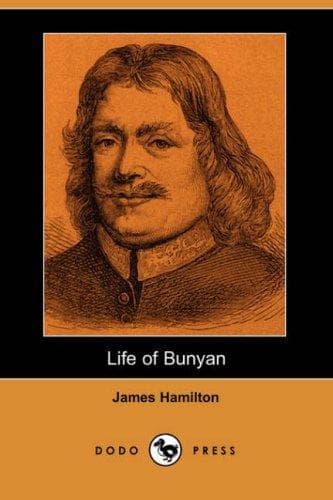
Though not acting from enlightened _motives_, Bunyan was now under the
guidance of new _influences_. For just as the Spirit of God puts forth a
restraining influence on many during the days of their carnality, which
makes the change at their conversion less conspicuous than if they had
been lifted from the depths of a flagitious reprobacy; so others he long
subjects to a preparatory process, during which some of the old and most
offensive things of their ungodliness pass away; and when the revolution,
effected by the entrance of the evangelic motive, at last takes place, it
is rather to personal consciousness than to outward observation that the
change is perceptible. The real and final transformation is rather
within the man than upon him. So was it with John Bunyan. One by one he
abandoned his besetting sins, and made many concessions to conscience,
while as yet he had not yielded his heart to the Saviour. It was slowly
and regretfully, however, that he severed the “right hand.” One of his
principal amusements was one which he could not comfortably continue. It
was _bell-ringing_; by which he probably means the merry peals with which
they used to desecrate their Sabbath evenings. It was only by degrees
that he was able to abandon this favourite diversion. “What if one of
the bells should fall?” To provide against this contingency, he took his
stand under a beam fastened across the tower. “But what if the falling
bell should rebound from one of the side walls, and hit me after all?”
This thought sent him down stairs, and made him take his station, rope in
hand, at the steeple door. “But what if the steeple itself should come
down?” This thought banished him altogether, and he bade adieu to
bell-ringing. And by a similar series of concessions, eventually, but
with longer delay, he gave up another practice, for which his conscience
checked him—dancing. All these improvements in his conduct were a source
of much complacency to himself, though all this while he wanted the
soul-emancipating and sin-subduing knowledge of Jesus Christ. The Son
had not made him free.
Public-domain text, read in full here on John Shaqi.
Reviews
Reviews
No reviews yet
Be the first to share your thoughts on this work.
Join the Discussion
Join the discussion
Sign in to leave a comment or review.
Sign InorCreate an account