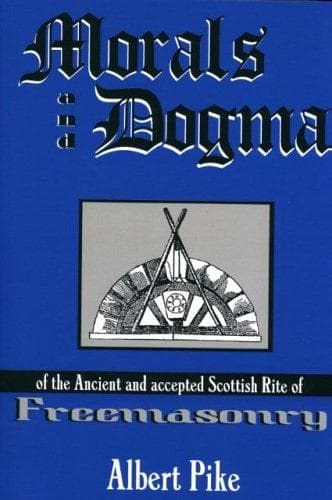
Morals and Dogma of the Ancient and Accepted Scottish Rite of FreemasonryPike, Albert
Religion
Morals and Dogma of the Ancient and Accepted Scottish Rite of Freemasonry
Pike, Albert
Freemasons
The faults and crimes and follies of other men are not unimportant to
us; but form a part of our moral discipline. War and bloodshed at a
distance, and frauds which do not affect our pecuniary interest, yet
touch us in our feelings, and concern our moral welfare. They have much
to do with all thoughtful hearts. The public eye may look unconcernedly
on the miserable victim of vice, and that shattered wreck of a man may
move the multitude to laughter or to scorn. But to the Mason, it is the
form of sacred humanity that is before him; it is an erring
fellow-being; a desolate, forlorn, forsaken soul; and his thoughts,
enfolding the poor wretch, will be far deeper than those of
indifference, ridicule, or contempt. All human offences, the whole
system of dishonesty, evasion, circumventing, forbidden indulgence, and
intriguing ambition, in which men are struggling with each other, will
be looked upon by a thoughtful Mason, not merely as a scene of mean
toils and strifes, but as the solemn conflicts of immortal minds, for
ends vast and momentous as their own being. It is a sad and unworthy
strife, and may well be viewed with indignation; but that indignation
must melt into pity. For the stakes for which these gamesters play are
not those which they imagine, not those which are in sight. For example,
this man plays for a petty office, and gains it; but the real stake he
gains is sycophancy, uncharitableness, slander, and deceit.
Good men are too proud of their goodness. They are respectable; dishonor
comes not near them; their countenance has weight and influence; their
robes are unstained; the poisonous breath of calumny has never been
breathed upon their fair name. How easy it is for them to look down with
scorn upon the poor degraded offender; to pass him by with a lofty step;
to draw up the folds of their garment around them, that they may not be
soiled by his touch! Yet the Great Master of Virtue did not so; but
descended to familiar intercourse with publicans and sinners, with the
Samaritan woman, with the outcasts and the Pariahs of the Hebrew world.
Many men think themselves better, in proportion as they can detect sin
in others! When they go over the catalogue of their neighbor's unhappy
derelictions of temper or conduct, they often, amidst much apparent
concern, feel a secret exultation, that destroys all their own
pretensions to wisdom and moderation, and even to virtue. Many even take
actual pleasure in the sins of others; and this is the case with every
one whose thoughts are often employed in agreeable comparisons of his
own virtues with his neighbors' faults.
Public-domain text, read in full here on John Shaqi.
Reviews
Reviews
No reviews yet
Be the first to share your thoughts on this work.
Elsewhere in the archive
Join the Discussion
Join the discussion
Sign in to leave a comment or review.
Sign InorCreate an account