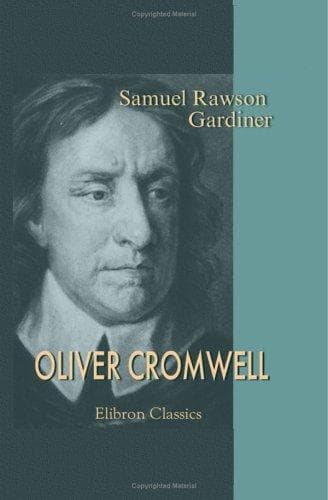
Cromwell, Oliver, 1599-1658; Great Britain -- History -- Commonwealth and Protectorate, 1649-1660
Of Cromwell's feelings during these weeks we have little evidence.
From the house which, since the preceding year, he had occupied with
his family in Drury Lane, he watched events, without attempting to
modify them. In the latter part of April both he and Vane, who was
now his fast friend, with a tie cemented by a common interest in
religious liberty, absented themselves, save on a few rare occasions,
from the sittings of Parliament. The incalculable stupidity of the
Presbyterian leaders must have made Cromwell more than ever doubtful
of the possibility of getting from them a remedy for the evils of the
nation. By the end of April it was known that only 2,320 soldiers had
volunteered for Ireland. Then, and not till then, Parliament came to
the conclusion that something ought to be done about the arrears,
and ordered that six weeks' pay should be offered to every disbanded
soldier. It was a mere fraction of what was due, and a soldier need
not be abnormally suspicious to come to the conclusion that, when
once he had left the ranks, his prospect of getting satisfaction for
the remainder of his claim was exceedingly slight. Thus driven to
the wall, eight of the cavalry regiments chose, each of them, two
Agitators, or, as in modern speech they would be styled, Agents, to
represent them in the impending negotiation for their rights, and the
sixteen thus chosen drew up letters to the Generals, Fairfax, Cromwell,
Ireton and Skippon. As the cavalry was the most distinctively political
portion of the army, the writers of these letters for the first time
stepped beyond the bounds of material grievance, complaining of a
design to break and ruin the army, and of the intention of 'some who
had lately tasted of sovereignty to become masters and degenerate into
tyrants'. The House, beyond measure indignant, summoned to the bar
three of the Agitators who brought the letters to Westminster; but on
their refusal to answer questions put to them without order from their
military constituents, sent Cromwell, Ireton and Skippon to assure the
soldiers that they should have the indemnity they craved, together with
a considerable part of their arrears and debentures for the rest.
Public-domain text, read in full here on John Shaqi.
Reviews
Reviews
No reviews yet
Be the first to share your thoughts on this work.
Join the Discussion
Join the discussion
Sign in to leave a comment or review.
Sign InorCreate an account