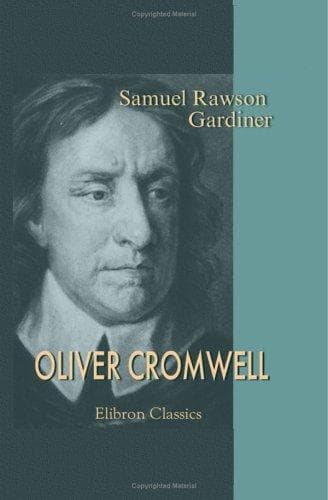
Cromwell, Oliver, 1599-1658; Great Britain -- History -- Commonwealth and Protectorate, 1649-1660
In 1636 Cromwell removed to Ely, where he farmed the Cathedral tithes
in succession to his maternal uncle, Sir Thomas Steward. Soon after
he was settled in his new home, there were disturbances in the fen
country which the Earl of Bedford and his associates were endeavouring
to drain. On the plea that the work was already accomplished, the new
proprietors ordered the expulsion of cattle from the pastures scattered
amongst the waters. The owners, egged on by one at least of the
neighbouring gentry, tumultuously resisted the attempt to exclude them
from their rights of commonage. We are told, too, that 'it is commonly
reported by the commoners in the said fens and the fens adjoining, that
Mr. Cromwell, of Ely, hath undertaken--they paying him a groat for
every cow they have upon the common--to hold the drainers in writ of
law for five years, and that in the mean time they should enjoy every
foot of their commons'. That Cromwell should have taken up the cause
of the weak, and at the same time should have attempted to serve them
by legal proceedings, whilst keeping aloof from their riotous action,
is a fair indication of the character of the man. No wonder he grew in
popularity, or that in 1640 he was elected by the borough of Cambridge
to both the Parliaments which met in that year.
In the Short Parliament Cromwell sat, so far as we know, as a
silent member. Of his appearance in the Long Parliament we have the
often-quoted description of his personal appearance from a young
courtier. "I came into the House," wrote Sir Philip Warwick, "one
morning well clad, and perceived a gentleman speaking whom I knew
not, very ordinarily apparelled, for it was a plain cloth suit which
seemed to be made by an ill country tailor; his linen was plain, and
not very clean; and I remember a speck or two of blood upon his little
band, which was not larger than his collar. His hat was without a
hat-band. His stature was of a good size; his sword stuck close to
his side; his countenance swollen and reddish, his voice sharp and
untuneable, and his eloquence full of fervour, for the subject matter
would not bear much of reason, it being on behalf of a servant of Mr
Prynne's who had dispersed libels against the Queen for her dancing
and such like innocent and courtly sports; and he aggravated the
imprisonment of this man by the council-table unto that height that
one would have believed the very Government itself had been in great
danger by it. I sincerely profess it lessened much my reverence unto
that great council, for he was very much hearkened unto; and yet I
lived to see this very gentleman whom, by multiplied good escapes,
and by real but usurped power, having had a better tailor, and more
converse among good company, appear of great and majestic deportment
and comely presence." Curiously enough the so-called servant of
Prynne--he was never actually in Prynne's service at all--was no other
than John Lilburne, who was such a thorn in the flesh to Cromwell
Public-domain text, read in full here on John Shaqi.
Reviews
Reviews
No reviews yet
Be the first to share your thoughts on this work.
Join the Discussion
Join the discussion
Sign in to leave a comment or review.
Sign InorCreate an account