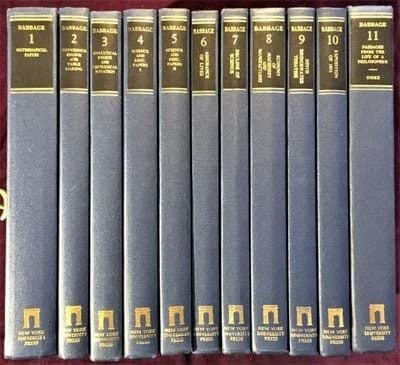
On the Economy of Machinery and ManufacturesBabbage, Charles
ReligionComparative
On the Economy of Machinery and Manufactures
Babbage, Charles
Machinery; Manufactures
367. That combinations are, while they last, productive of
serious inconveniences to the workmen themselves, is admitted by
all parties; and it is equally true, that, in most cases, a
successful result does not leave them in so good a condition as
they were in before 'the strike'. The little capital they
possessed, which ought to have been hoarded with care for days of
illness or distress, is exhausted; and frequently, in order to
gratify a pride, at the existence of which we cannot but rejoice,
even whilst we regret its misdirected energy, they will undergo
the severest privations rather than return to work at their
former wages. With many of the workmen, unfortunately, during
such periods, bad habits are formed which it is very difficult to
eradicate; and, in all those engaged in such transactions, the
kinder feelings of the heart are chilled, and passions are called
into action which are permanently injurious to the happiness of
the individual, and destructive of those sentiments of confidence
which it is equally the interest of the master manufacturer and
of his workman to maintain. If any of the trade refuse to join in
the strike, the majority too frequently forget, in the excitement
of their feelings, the dictates of justice, and endeavour to
exert a species of tyranny, which can never be permitted to exist
in a free country. In conceding therefore to the working classes,
that they have a right, if they consider it expedient, to combine
for the purpose of procuring higher wages (provided always, that
they have completed all their existing contracts), it ought ever
to be kept before their attention, that the same freedom which
they claim for themselves they are bound to allow to others, who
may have different views of the advantages of combination. Every
effort which reason and kindness can dictate, should be made, not
merely to remove their grievances, but to satisfy their own
reason and feelings, and to show them the consequences which will
probably result from their conduct: but the strong arm of the
law, backed, as in such cases it will always be, by public
opinion, should be instantly and unhesitatingly applied, to
prevent them from violating the liberty of a portion of their
own, or of any other class of society.
Public-domain text, read in full here on John Shaqi.
Reviews
Reviews
No reviews yet
Be the first to share your thoughts on this work.
Elsewhere in the archive
Join the Discussion
Join the discussion
Sign in to leave a comment or review.
Sign InorCreate an account