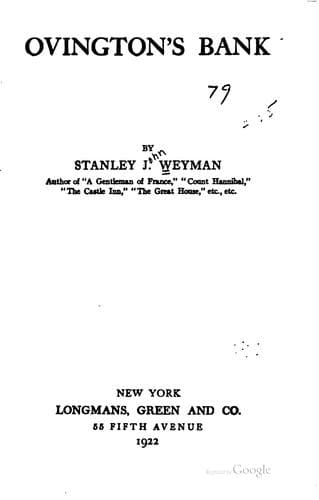
Banks and banking -- Fiction; England -- Social life and customs -- 19th century -- Fiction; Love stories
And it was still less possible to sell shares, for shares, even sound
shares, had on a sudden become waste paper. The bubble companies,
created during the frenzy of the past two years, were bursting on every
side, and the public, unable to discriminate, no longer put faith in
anything. Rudely awakened, they opened their eyes to reality. They saw
that they had dreamed, and been helped to dream. They discovered that
skates and warming pans were in no great request in the tropics, and
could not be exported thither at a profit of five hundred per cent.
They saw that churns and milkmaids, freighted to lands where the cattle
ran wild on the pampas and oil was preferred to butter, were no certain
basis on which to build a fortune. Their visions of South American
argosies melted into thin air. The silver from La Plata which they had
pictured as entering the mouth of the Thames, or at worst as within
sight from the Lizard, was discovered to be reposing in the darkness of
unopened seams. The pearling ships were yet to build, the divers to
teach, and, for the diamonds of the Brazils which this man or that man
had seen lying in skin packages at the door of the Bank of England,
they now twinkled in a cold and distant heaven, as unapproachable as
the Seven Stars of Orion. The canals existed on paper, the railways
were in the air, the harbors could not be found even on the map.
The shares of companies which had passed from hand to hand at fourfold
and tenfold their face value fell with appalling rapidity. They fell
and fell until they were in many cases worth no more than the paper on
which they were printed. And the bursting of these shams, which had
never owned the smallest chance of success, brought about the fall of
ventures better founded. The good suffered with the bad. Presently no
man would buy a share, no man would look at a share, no bank advance on
its security. Men saw their fortunes melt day by day as snow melts
under an April sun. They saw themselves stripped, within a few weeks or
even days, of wealth, of a competence, in too many cases of their all.
And the ruin was widespread. It reached many a man who had never
gambled or speculated. Business runs on the wheels of credit, and those
wheels are connected by a million unseen cogs. Let one wheel stop and
it is impossible to say where the stoppage will cease, or how many will
be affected by it. So it was now. The honest tradesman and the
manufacturer, striving to leave a competence to a family nurtured in
comfort, were involved in one common ruin with the spendthrift and the
speculator. The credit of all was suspect; from all alike the sources
of accommodation were cut off. Each in his turn involved his neighbor,
and brought him down.
Public-domain text, read in full here on John Shaqi.
Reviews
Reviews
No reviews yet
Be the first to share your thoughts on this work.
Elsewhere in the archive
Join the Discussion
Join the discussion
Sign in to leave a comment or review.
Sign InorCreate an account