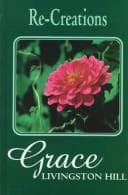
Christian fiction; Domestic fiction; Families -- Fiction; Man-woman relationships -- Fiction; Young women -- Fiction
The stairs ascended at the back of the hall, with a cloak-closet
under them now stuffed with old coats and hats belonging to the
whole family. Opposite this closet the dining-room door opened. All
the space in front was devoted to the large front room known as the
“parlor.” Cornelia flung the door open wide, and stepped in. The
blinds were closed, letting in only a slant ray of light from a
broken slat over the desolation of half-unpacked boxes and barrels
that prevailed. Evidently the children had mauled everything over
in search of certain articles they needed, and had not put back
or put away anything. Pictures and dishes and clothing lay about
miscellaneously in a confused heap, and a single step into the room
was liable to do damage, for one might step into a china meat-platter
under an eider-down quilt, or knock over a cut-glass pitcher in the
dark. Cornelia stopped, and rescued several of her mother’s best
dishes from a row about the first barrel by the door, transferring
them to the hall-rack before she dared go in to look around.
The piano was still encased in burlap, standing with its keyboard
to the wall, an emblem of the family’s desolation. As her eyes grew
accustomed to the dim light, Cornelia gradually began to identify
various familiar objects. There were the old sofa and upholstered
chairs that used to be in the nursery when Louise and Harry were mere
babies. The springs were sagging and the tapestry faded.
She searched in vain for the better suite of furniture that had been
bought for the living room before she went to college. Where was it?
It hadn’t been in the dining-room the night before, she was sure; and
of course it couldn’t be in the kitchen. Could there be a shed at
the back somewhere, with more things that were not as yet unpacked?
With a growing fear she slipped behind some barrels, and tried to
find the big bookcase with the glass doors, and the mahogany tables
that mother had been so proud of because they had belonged to her
great-grandmother, and the claw-legged desk with the cabinet on the
top. Not one of them was to be found.
A horrible suspicion was dawning in her mind. She waited only to turn
back the corners of several rolls of carpet and rugs, and make sure
the Oriental rugs were missing, before she fled in a panic to the
back of the house.
Through the bare little kitchen she passed without even noticing
how hard the children had worked to clear it up. Perhaps she would
not have called it cleared up, her standard being on an entirely
different scale from theirs. Yes, there was a door at the farther
side. She flung it open, and found the hoped-for shed, but no
furniture. Its meagre space was choked with tubs and an old
washing-machine, broken boxes and barrel-staves, a marble table-top
broken in two, and a rusty wash-boiler. With a shiver of conviction
she stood and stared at them, and then slammed the door shut, and,
flinging herself into a kitchen chair, burst into tears.
Public-domain text, read in full here on John Shaqi.
Reviews
Reviews
No reviews yet
Be the first to share your thoughts on this work.
Join the Discussion
Join the discussion
Sign in to leave a comment or review.
Sign InorCreate an account