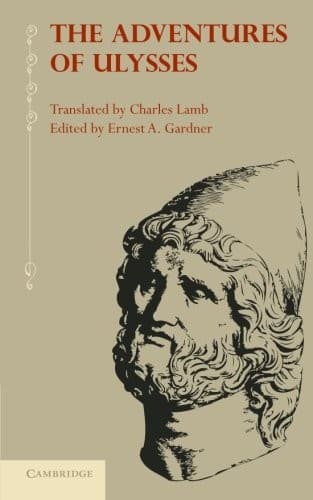
Homer. Odyssey -- Adaptations; Odysseus, King of Ithaca (Mythological character) -- Juvenile literature
Next followed dancing in the Phaeacian fashion, when they would show
respect to their guests; which was succeeded by trials of skill, games of
strength, running, racing, hurling of the quoit, mock fights, hurling of
the javelin, shooting with the bow: in some of which Ulysses modestly
challenging his entertainers, performed such feats of strength and prowess
as gave the admiring Phaeacians fresh reason to imagine that he was either
some god, or hero of the race of the gods.
These solemn shows and pageants in honour of his guest king Alcinous
continued for the space of many days, as if he could never be weary of
showing courtesies to so worthy a stranger. In all this time he never
asked him his name, nor sought to know more of him than he of his own
accord disclosed; till on a day as they were seated feasting, after the
feast was ended, Demodocus being called, as was the custom, to sing some
grave matter, sang how Ulysses, on that night when Troy was fired, made
dreadful proof of his valour, maintaining singly a combat against the
whole household of Deiphobus, to which the divine expresser gave both act
and passion, and breathed such a fire into Ulysses's deeds that it
inspired old death with life in the lively expressing of slaughters, and
rendered life so sweet and passionate in the hearers that all who heard
felt it fleet from them in the narration: which made Ulysses even pity his
own slaughterous deeds, and feel touches of remorse, to see how song can
revive a dead man from the grave, yet no way can it defend a living man
from death; and in imagination he underwent some part of death's horrors,
and felt in his living body a taste of those dying pangs which he had
dealt to others; that with the strong conceit, tears (the true
interpreters of unutterable emotion) stood in his eyes.
Which king Alcinous noting, and that this was now the second time that he
had perceived him to be moved at the mention of events touching the Trojan
wars, he took occasion to ask whether his guest had lost any friend or
kinsman at Troy, that Demodocus's singing had brought into his mind. Then
Ulysses, drying the tears with his cloak, and observing that the eyes of
all the company were upon him, desirous to give them satisfaction in what
he could, and thinking this a fit time to reveal his true name and
destination, spake as follows:
Public-domain text, read in full here on John Shaqi.
Reviews
Reviews
No reviews yet
Be the first to share your thoughts on this work.
Join the Discussion
Join the discussion
Sign in to leave a comment or review.
Sign InorCreate an account