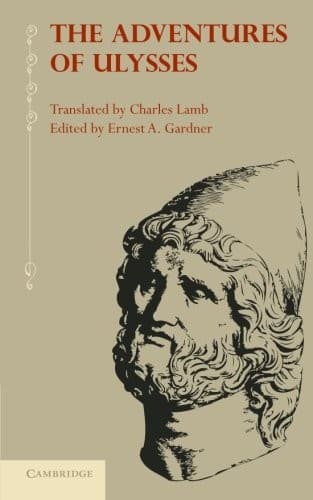
Homer. Odyssey -- Adaptations; Odysseus, King of Ithaca (Mythological character) -- Juvenile literature
The tale pleased the herdsmen; and Eumaeus, who more than all the rest was
gratified to hear tales of Ulysses, true or false, said that for his story
he deserved a mantle, and a night's lodging, which he should have; and he
spread for him a bed of goat and sheep skins by the fire; and the seeming
beggar, who was indeed the true Ulysses, lay down and slept under that
poor roof, in that abject disguise to which the will of Minerva had
subjected him.
When morning was come, Ulysses made offer to depart, as if he were not
willing to burden his host's hospitality any longer, but said that he
would go and try the humanity of the townsfolk, if any there would bestow
upon him a bit of bread or a cup of drink. Perhaps the queen's suitors (he
said), out of their full feasts, would bestow a scrap on him; for he could
wait at table, if need were, and play the nimble serving-man; he could
fetch wood (he said) or build a fire, prepare roast meat or boiled, mix
the wine with water, or do any of those offices which recommended poor men
like him to services in great men's houses.
"Alas! poor guest," said Eumaeus, "you know not what you speak. What
should so poor and old a man as you do at the suitors' tables? Their light
minds are not given to such grave servitors. They must have youths, richly
tricked out in flowing vests, with curled hair, like so many of Jove's
cupbearers, to fill out the wine to them as they sit at table, and to
shift their trenchers. Their gorged insolence would but despise and make a
mock at thy age. Stay here. Perhaps the queen, or Telemachus, hearing of
thy arrival, may send to thee of their bounty."
As he spake these words, the steps of one crossing the front court were
heard, and a noise of the dogs fawning and leaping about as for joy; by
which token Eumaeus guessed that it was the prince, who, hearing of a
traveller being arrived at Eumaeus's cottage that brought tidings of his
father, was come to search the truth; and Eumaeus said, "It is the tread
of Telemachus, the son of king Ulysses." Before he could well speak the
words, the prince was at the door, whom Ulysses rising to receive,
Telemachus would not suffer that so aged a man, as he appeared, should
rise to do respect to him, but he courteously and reverently took him by
the hand, and inclined his head to him, as if he had surely known that it
was his father indeed; but Ulysses covered his eyes with his hands, that
he might not show the waters which stood in them. And Telemachus said, "Is
this the man who can tell us tidings of the king my father?"
"He brags himself to be a Cretan born," said Eumaeus, "and that he has
been a soldier and a traveller, but whether he speak the truth or not he
alone can tell. But whatsoever he has been, what he is now is apparent.
Such as he appears, I give him to you; do what you will with him; his
boast at present is that he is at the very best a supplicant."
Public-domain text, read in full here on John Shaqi.
Reviews
Reviews
No reviews yet
Be the first to share your thoughts on this work.
Join the Discussion
Join the discussion
Sign in to leave a comment or review.
Sign InorCreate an account