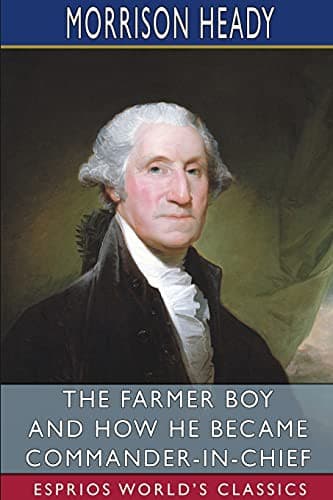
The Farmer Boy, and How He Became Commander-In-ChiefHeady, Morrison
History
The Farmer Boy, and How He Became Commander-In-Chief
Heady, Morrison
Washington, George, 1732-1799
Had it gone into effect, it must needs have
borne on the dead as well as on the living: for, if the last will and
testament of a deceased and lamented relative were not written on
paper with the proper stamp, it could not have been good and valid in
the king's eyes; and this would have led to grievous misunderstandings
between the bereaved and affectionate heirs, and perhaps the deceased
himself, in consequence, would have slept uneasily in his grave.
Another oppressive measure--the design whereof, however, was for
saving money, rather than for raising revenue--was that of quartering
troops upon the country in time of peace; by which means they must
needs be supported to a great extent by the people so sponged upon.
But the most brilliant stroke of all was an act forbidding the
Colonies from trading with any foreign ports, and from manufacturing
certain articles, lest the value and sale of the same articles
manufactured in England, and to be sold in America, might be lowered
or hindered thereby.
I have already mentioned, how that the right of choosing their judges
and other civil officers, and the right of trial by jury, had been
taken from them,--measures that had a meanness and odium quite their
own; as serving no end of profit, but merely as safety-valves, through
which the royal bile might find vent now and then.
Now, the good people of the Colonies, as I have hinted elsewhere,
would not have raised the hue and outcry that they did against these
measures, had it not been for one thing, which to them, as Englishmen,
was all in all; to wit, the right of taxing themselves, and
legislating or making laws for themselves through persons of their own
choosing, called representatives. And this is, my little folks, what
is meant by taxation, and legislation by representation, in a nation.
You will do well to bear this in mind continually; for it is the very
keystone to the arch of all true government.
This right of representation, however, was denied them; for what
earthly reason, no one, not in the secret, could imagine. As the king
himself was never able to render a reason for any thing he did, his
ministers would not for any thing they did, and the parliament dared
not for any thing they did.
What could they do, then, but send petitions to the king, and
remonstrances to the parliament, complaining of, and crying out
against, their many grievances, and deploring and demanding that they
be removed and redressed. Although they did this with more dignity and
respectfulness, with more clearness and ability, than the like thing
had ever been done before, or has been since, by any people, yet their
petitions were spurned by the king, because they were just and manly,
and he was not; and their remonstrances went unheeded by the
parliament, because they were wise and reasonable, and it was not.
Public-domain text, read in full here on John Shaqi.
Reviews
Reviews
No reviews yet
Be the first to share your thoughts on this work.
Elsewhere in the archive
Join the Discussion
Join the discussion
Sign in to leave a comment or review.
Sign InorCreate an account