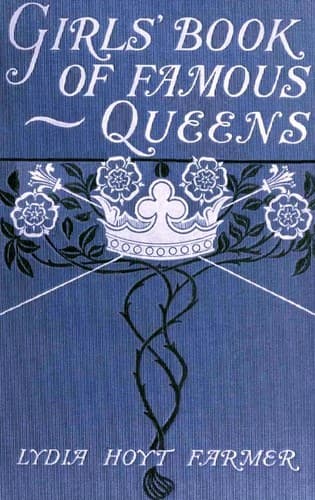
The Girls' Book of Famous QueensFarmer, Lydia Hoyt
History
The Girls' Book of Famous Queens
Farmer, Lydia Hoyt
Queens -- Biography -- Juvenile literature
But were this the case, why did Elizabeth not clear her own reputation
from the stain of this infamous deed by denouncing her unscrupulous
ministers who had dared thus tamper with her royal name and royal
authority? Miss Strickland claims that she could not, giving the
reason in these words: “The position in which her ministers had placed
Elizabeth, was the more painful because, unless she could have brought
them to a public trial, convicted them of the treasonable crime of
procuring her royal signature to be forged, she could not explain
the offence of which they had been guilty. The impossibility of
proclaiming the whole truth, rendered her passionate protestations
of her own innocence not only unsatisfactory, but apparently false
and equivocating. While she denied the deed, she was in a manner
compelled to act as if it were her own, being unable to inflict condign
punishment on the subtle junta who had combined to make unauthorized
use of her name for the immolation of the heiress-presumptive of the
crown.”
But if Elizabeth was innocent of the death of Mary, Queen of Scots,
it seems evident that with her imperious nature, she would have most
daringly and publicly resented and punished such audacious villany.
Had she in reality desired the death of Mary, and yet refused to sign
the warrant, and had her name been forged upon it, this would have
given her the very opportunity to clear her own name from infamy and
the condemnation of the powers of Europe, which she well knew this
execution would call forth; and yet the very end she dared to _wish
for_, if not to _command_, would have been accomplished, and the blame
would rest upon others rather than herself.
That Elizabeth desired the death of Mary all her previous conduct
would prove; and if that death was accomplished at last through the
crimes of others, unknown to the queen of England, surely she could
not have had a better opportunity for proving her own innocence than
the denunciation of the treacherous ministers who had committed the
crime. That she denounced them it is true; but the strength and manner
of those denunciations were more in keeping with the supposition that
she was hypocritically screening her own aid and connivance in the
treachery, than that they had dared commit so criminal a villany as
the forging of her own royal name, and the commission of so grave an
offence upon the strength of that forged signature.
Public-domain text, read in full here on John Shaqi.
Reviews
Reviews
No reviews yet
Be the first to share your thoughts on this work.
Elsewhere in the archive
Join the Discussion
Join the discussion
Sign in to leave a comment or review.
Sign InorCreate an account