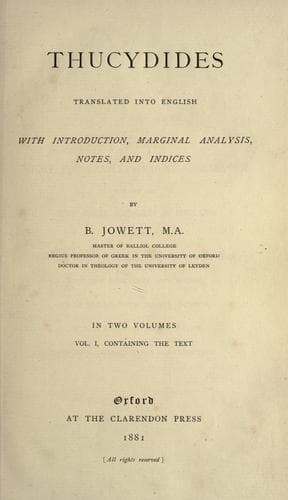
Greece -- History -- Peloponnesian War, 431-404 B.C.
After the engagement the Corcyraeans set up a trophy on Leukimme, a
headland of Corcyra, and slew all their captives except the
Corinthians, whom they kept as prisoners of war. Defeated at sea, the
Corinthians and their allies repaired home, and left the Corcyraeans
masters of all the sea about those parts. Sailing to Leucas, a
Corinthian colony, they ravaged their territory, and burnt Cyllene, the
harbour of the Eleans, because they had furnished ships and money to
Corinth. For almost the whole of the period that followed the battle
they remained masters of the sea, and the allies of Corinth were
harassed by Corcyraean cruisers. At last Corinth, roused by the
sufferings of her allies, sent out ships and troops in the fall of the
summer, who formed an encampment at Actium and about Chimerium, in
Thesprotis, for the protection of Leucas and the rest of the friendly
cities. The Corcyraeans on their part formed a similar station on
Leukimme. Neither party made any movement, but they remained
confronting each other till the end of the summer, and winter was at
hand before either of them returned home.
Corinth, exasperated by the war with the Corcyraeans, spent the whole
of the year after the engagement and that succeeding it in building
ships, and in straining every nerve to form an efficient fleet; rowers
being drawn from Peloponnese and the rest of Hellas by the inducement
of large bounties. The Corcyraeans, alarmed at the news of their
preparations, being without a single ally in Hellas (for they had not
enrolled themselves either in the Athenian or in the Lacedaemonian
confederacy), decided to repair to Athens in order to enter into
alliance and to endeavour to procure support from her. Corinth also,
hearing of their intentions, sent an embassy to Athens to prevent the
Corcyraean navy being joined by the Athenian, and her prospect of
ordering the war according to her wishes being thus impeded. An
assembly was convoked, and the rival advocates appeared: the
Corcyraeans spoke as follows:
Public-domain text, read in full here on John Shaqi.
Reviews
Reviews
No reviews yet
Be the first to share your thoughts on this work.
Join the Discussion
Join the discussion
Sign in to leave a comment or review.
Sign InorCreate an account