Epic poetry, Greek -- Translations into English; Homer -- Translations into English; Odysseus, King of Ithaca (Mythological character) -- Poetry
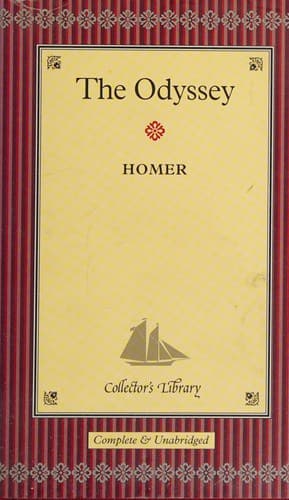
The Odyssey
by Homer
Translated by Alexander Pope
Contents
INTRODUCTION.
THE ODYSSEY OF HOMER
BOOK I.
BOOK II.
BOOK III.
BOOK IV.
BOOK V.
BOOK VI.
BOOK VII.
BOOK VIII.
BOOK IX.
BOOK X.
BOOK XI.
BOOK XII.
BOOK XIII.
BOOK XIV.
BOOK XV.
BOOK XVI.
BOOK XVII.
BOOK XVIII.
BOOK XIX.
BOOK XX.
BOOK XXI.
BOOK XXII.
BOOK XXIII.
BOOK XXIV.
INTRODUCTION.
Scepticism is as much the result of knowledge, as knowledge is of
scepticism. To be content with what we at present know, is, for the
most part, to shut our ears against conviction; since, from the very
gradual character of our education, we must continually forget, and
emancipate ourselves from, knowledge previously acquired; we must set
aside old notions and embrace fresh ones; and, as we learn, we must be
daily unlearning something which it has cost us no small labour and
anxiety to acquire.
And this difficulty attaches itself more closely to an age in which
progress has gained a strong ascendency over prejudice, and in which
persons and things are, day by day, finding their real level, in lieu
of their conventional value. The same principles which have swept away
traditional abuses, and which are making rapid havoc among the revenues
of sinecurists, and stripping the thin, tawdry veil from attractive
superstitions, are working as actively in literature as in society. The
credulity of one writer, or the partiality of another, finds as
powerful a touchstone and as wholesome a chastisement in the healthy
scepticism of a temperate class of antagonists, as the dreams of
conservatism, or the impostures of pluralist sinecures in the Church.
History and tradition, whether of ancient or comparatively recent
times, are subjected to very different handling from that which the
indulgence or credulity of former ages could allow. Mere statements are
jealously watched, and the motives of the writer form as important an
ingredient in the analysis of his history, as the facts he records.
Probability is a powerful and troublesome test; and it is by this
troublesome standard that a large portion of historical evidence is
sifted. Consistency is no less pertinacious and exacting in its
demands. In brief, to write a history, we must know more than mere
facts. Human nature, viewed under an introduction of extended
experience, is the best help to the criticism of human history.
Historical characters can only be estimated by the standard which human
experience, whether actual or traditionary, has furnished. To form
correct views of individuals we must regard them as forming parts of a
great whole—we must measure them by their relation to the mass of
beings by whom they are surrounded; and, in contemplating the incidents
in their lives or condition which tradition has handed down to us, we
must rather consider the general bearing of the whole narrative, than
the respective probability of its details.
Public-domain text, read in full here on John Shaqi.
Reviews
Reviews
No reviews yet
Be the first to share your thoughts on this work.
Join the Discussion
Join the discussion
Sign in to leave a comment or review.
Sign InorCreate an account