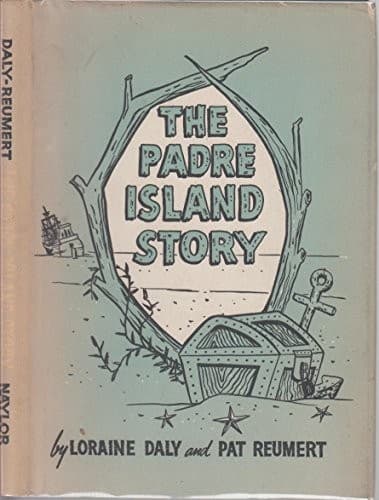
Padre Island (Tex.); Rio Grande Valley (Colo.-Mexico and Tex.) -- Description and travel
Poised at the entrance to the Lower Rio Grande Valley is RAYMONDVILLE,
and the nearby LA SAL VIEJA, a great salt lake, which for the most of
two centuries provided salt for South Texas and northern Mexico. From
Raymondville it is only a twenty minute drive to the Gulf of Mexico at
PORT MANSFIELD.
Next are HARLINGEN and SAN BENITO, two palm-studded cities, situated
side by side, frilled with tropical plants and fruits. Plush motels,
lavish restaurants, reminiscent of Las Vegas with dazzling neon finery,
dramatize the wide, sparkling, clean streets. The warm winter season is
entertaining with its fiestas and cultural festivities. In San Benito a
beautiful wide _resaca_ (Spanish for old river bed) is one of the
largest and most picturesque left by the Rio Grande in its meandering
around. Besides being the home of the Valley cotton industry, tremendous
canning plants are located in this area. Every February the Municipal
Golf Course is the scene of the nationally famous “Life Begins at Forty”
invitational tournament.
Once this beautiful valley setting was a tangle of thorny mesquite and
cactus, but irrigation has turned it into a productive tropical
resortland. The slogan of the Valley is “land of fruit, flowers and
funshine.” Amid nature’s lavish display of grapefruit, oranges, lemons,
limes, tangerines and tangelos, solemnly sit weathered old missions. Art
here often takes the form of the weird figurine shapes of cactus
huddling near the ground or jutting against the sky.
About two-thirds of the people in the Lower Rio Grande Valley are of
Latin-American descent. As a result, the Valley is bilingual. Even stop
signs read “stop” and “alto.” Noted for their friendliness, the populace
of the Valley (at this writing) is numbered around a half million.
At the scene of the first shots fired in the Mexican War sits
BROWNSVILLE, largest city in the Valley, named after Fort Brown, a
military establishment that was earlier named Fort Taylor. Here are
battle sites marking places where General Zachary Taylor defeated the
Mexicans during his victorious march through the Valley. Just outside
the city is Palmetto, a site that has the distinction of being the
actual last battleground of the Civil War, when three hundred
Confederates stationed at Fort Brown defeated seventeen hundred
Federalists who tried to capture the cotton stored in Brownsville
warehouses. This was six weeks after the surrender of Lee at Appomattox;
due to poor communications of the time news of the surrender had not
reached Texas. Now Fort Brown serves as Texas Southmost College. The old
buildings and breastworks of the fort still remain.
Public-domain text, read in full here on John Shaqi.
Reviews
Reviews
No reviews yet
Be the first to share your thoughts on this work.
Join the Discussion
Join the discussion
Sign in to leave a comment or review.
Sign InorCreate an account