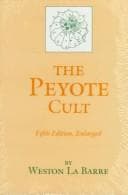
Indians of North America -- Religion; Indians of North America -- Rites and ceremonies; Peyotism
_Note to the Reprint Edition_
In the twenty years since the original publication of this book, studies
of peyotism have continued to appear, until there are at present over one
thousand bibliographic items on the ethnography of peyotism and related
subjects. The author has summarized recent studies in an extended review
of “Twenty Years of Peyote Studies,” which is in press for appearance in
an early issue of _Current Anthropology_. Readers interested in following
two decades of developments in peyotism may wish to be referred to this
publication.
CONTENTS
PAGE
PREFACE 3
INTRODUCTION 7
BOTANICAL AND PHYSIOLOGICAL ASPECTS OF PEYOTE 10
Botany 10
Ethnobotany 11
Names for peyote 14
Etymology of “peyotl” 16
Identification of peyote 17
Physiology of Peyote Intoxication 17
THE ETHNOLOGY OF PEYOTISM 23
Non-ritual Uses of Peyote 23
Ritual Uses of Peyotl 29
Huichol 30
Tarahumari 33
Comparison of Mexican peyote rituals 35
Mescalero Apache and transitional forms of ritual 40
Kiowa-Comanche type rite 43
Comparison of Mexican, transitional, and Plains peyotism 54
COMPARATIVE STUDY OF PLAINS PEYOTISM 57
PSYCHOLOGICAL ASPECTS OF PEYOTISM 93
HISTORICAL INTERPRETATIONS 105
The Pre-peyote Mescal Bean Cult 105
History of the Diffusion of Peyotism 109
APPENDIX 1: Peyote in Mexico 124
APPENDIX 2: Peyote and the Mescal Bean 126
APPENDIX 3: Peyote and Teo-nanacatl 128
APPENDIX 4: “Plant Worship” in Mexico and the United States 131
APPENDIX 5: Chemistry of Peyote 138
APPENDIX 6: Physiology of Peyote 139
APPENDIX 7: John Wilson, the Revealer of Peyote 151
APPENDIX 8: Christian Elements in the Peyote Cult 162
Public-domain text, read in full here on John Shaqi.
Reviews
Reviews
No reviews yet
Be the first to share your thoughts on this work.
Join the Discussion
Join the discussion
Sign in to leave a comment or review.
Sign InorCreate an account