Authors -- Fiction; Canadian fiction; Impostors and imposture -- Fiction; New York (N.Y.) -- Social life and customs -- Fiction
Then, as time went on and brought with it an increase of prosperity, she
hungered, as a millionaire's wife, for that mystic urban El Dorado of
the affluent American, New York. Though he felt that he was sacrificing
a few hundred thousand by the migration, Alfred Spaulding finally came
East and built a handsome home for himself and his wife on West
Seventy-second Street.
It was all very dreary and very lonely for them both during their first
two years in this new home. But little by little Alfred Spaulding
drifted back to that world of business and strenuous effort which
constituted life for him. And day by day Mrs. Spaulding hovered more and
more closely about that high-walled garden where worldly wealth flowered
into sensuous affluence, though as the mere wife of an unknown
millionaire she seldom alighted on the borders of society, which to the
end she insisted in describing as "The Four Hundred."
But if she could not dine and dance and drive with them, she still had
left to her the compensating pleasures of dining and dancing and driving
in their wake. She could still reserve their tables at the cafés on off
evenings, and their boxes at the theaters when they were elsewhere.
There was nothing to prevent their milliners from making hats for her
own aspiring head, and she could still buy her jewelry and her flowers
in the same shops with them, and even drive bewilderingly near them in
the Park.
Then came the advent of Cordelia Vaughan. The young authoress from
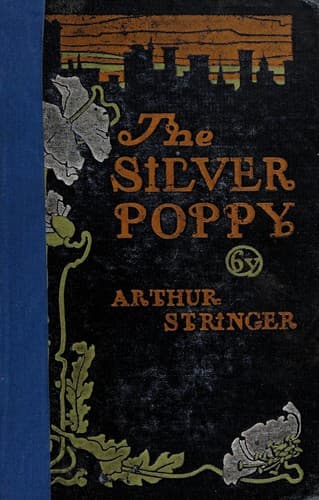
Kentucky was just at the zenith of her fame; The Silver Poppy had, as
Mr. Henry Slater described it, "set the Hudson on fire"; her new-found
friends were still reprovingly demanding why she held back her second
volume, and publishers, it was said, were besieging her for manuscripts.
The public press, too, was hinting from time to time that the new
Kentucky beauty was laboring on a mysterious volume that was to shake
society to its very foundations. Then it was whispered about that she
wrote only from memory, that she was living the romance which later
should appear in type. Photographers sent to her, begging for a sitting.
Niccia, the sculptor, made a little bust of her, and declared she had
the only Greek nose in America, and there was a poem or two indited to
her "sad, sad crown of golden hair," as one melancholy versifier had put
it.
Public-domain text, read in full here on John Shaqi.
Reviews
Reviews
No reviews yet
Be the first to share your thoughts on this work.
Join the Discussion
Join the discussion
Sign in to leave a comment or review.
Sign InorCreate an account