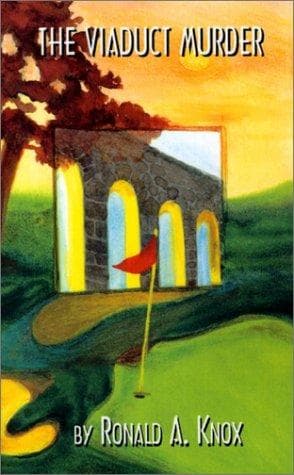
Detective and mystery stories; England -- Fiction; Murder -- Investigation -- Fiction
The heroine of the afternoon was undoubtedly Mrs. Bramston. The
coroner was not ready for her, and she got right in under his guard,
pouring out a flood of promiscuous information which he neither
demanded nor desired. Then strangers came—people from Brotherhood’s
office in London, people from the Insurance Company, people
representing the creditors: people, too, who represented the railway
company, and dilated for hours on the impossibility of falling out of
their trains by accident. In fact, nobody seemed to care a straw about
the mangled temple of humanity that lay in the next room, or whether
it cried to heaven for vengeance. Only two points mattered, whether
the Insurance Company had got to pay up, and whether the Railway
Company owed Compensation. Brotherhood had, as far as could be
discovered, neither kith nor kin in the world, and it was perhaps not
unnatural that the verdict given was one of death by suicide. Yet
Marryatt was to be freed of his apprehensions: Brotherhood had looked
worried lately at the office—had said, “Damn you, get out of the way”
to the lift-boy—had complained of headaches. He had committed suicide,
clearly while of unsound mind; and Marryatt might get on with the
funeral.
Marryatt seemed five years younger when they met afterwards to discuss
the situation. Strange, Reeves reflected, how in certain natures the
wish is father to the thought. Only last night Marryatt had seemed
eager to follow up the clues of a murder, so as to get the bugbear of
suicide off his mind; now that the act of suicide was declared
inculpable, he showed no great interest in prosecuting the inquiry.
“It’s a mystery,” he kept on saying, “and I don’t think we’re ever
likely to get to the bottom of it. If we could have hunted Davenant,
we should have had something to go on. Now that we know Davenant was a
fictitious personage, what’s the use of worrying? We’ve no clues that
can help us to any further action. Unless, of course, you like to go
to the police and tell them what you know.”
But to this Reeves would not consent. Ever since the apparent
indifference with which the police had treated his warning chits when
he was in the Military Intelligence, he had longed for an opportunity
to show them in the wrong.
“There are one or two things,” he pointed out, “which we’ve still got
to account for. There’s that cipher message we found in Brotherhood’s
pocket. There’s the list we found on the back of it; only four words,
but full of suggestion. And there’s the golf ball we found on the
embankment—there we have the actual clue in our pockets.”
“A precious poor sort of clue,” objected Gordon. “Leave that ball
lying about, and every third man in the club will be prepared to adopt
it as his long-lost property.”
Public-domain text, read in full here on John Shaqi.
Reviews
Reviews
No reviews yet
Be the first to share your thoughts on this work.
Join the Discussion
Join the discussion
Sign in to leave a comment or review.
Sign InorCreate an account