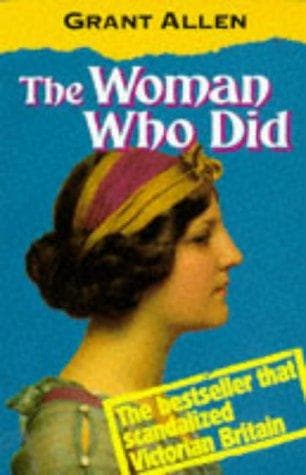
Domestic fiction; England -- Fiction; Feminists -- Fiction; Mothers and daughters -- Fiction; Women -- England -- Fiction
“That’s true,” she said frankly. “The magic link of sex that severs and
unites us makes all the difference. And, indeed, I confess I wouldn’t
so have spoken of my inmost feelings to another woman.”
CHAPTER III
From that day forth, Alan and Herminia met frequently. Alan was given
to sketching, and he sketched a great deal in his idle times on the
common. He translated the cottages from real estate into poetry. On
such occasions, Herminia’s walks often led her in the same direction.
For Herminia was frank; she liked the young man, and, the truth having
made her free, she knew no reason why she should avoid or pretend to
avoid his company. She had no fear of that sordid impersonal goddess
who rules Philistia; it mattered not to her what “people said,” or
whether or not they said anything about her. “Aiunt: quid aiunt?
aiant,” was her motto. Could she have known to a certainty that her
meetings on the common with Alan Merrick had excited unfavourable
comment among the old ladies of Holmwood, the point would have seemed
to her unworthy of an emancipated soul’s consideration. She could
estimate at its true worth the value of all human criticism upon human
action.
So, day after day, she met Alan Merrick, half by accident, half by
design, on the slopes of the Holmwood. They talked much together, for
Alan liked her and understood her. His heart went out to her. Compact
of like clay, he knew the meaning of her hopes and aspirations. Often
as he sketched he would look up and wait, expecting to catch the faint
sound of her light step, or see her lithe figure poised breezy against
the sky on the neighbouring ridges. Whenever she drew near, his pulse
thrilled at her coming—a somewhat unusual experience with Alan Merrick.
For Alan, though a pure soul in his way, and mixed of the finer paste,
was not quite like those best of men, who are, so to speak, born
married. A man with an innate genius for loving and being loved cannot
long remain single. He _must_ marry young; or at least, if he does not
marry, he must find a companion, a woman to his heart, a help that is
meet for him. What is commonly called prudence in such concerns is only
another name for vice and cruelty. The purest and best of men
necessarily mate themselves before they are twenty. As a rule, it is
the selfish, the mean, the calculating, who wait, as they say, “till
they can afford to marry.” That vile phrase scarcely veils hidden
depths of depravity. A man who is really a man, and who has a genius
for loving, must love from the very first, and must feel himself
surrounded by those who love him. ’Tis the first necessity of life to
him; bread, meat, raiment, a house, an income, rank far second to that
prime want in the good man’s economy.
Public-domain text, read in full here on John Shaqi.
Reviews
Reviews
No reviews yet
Be the first to share your thoughts on this work.
Join the Discussion
Join the discussion
Sign in to leave a comment or review.
Sign InorCreate an account