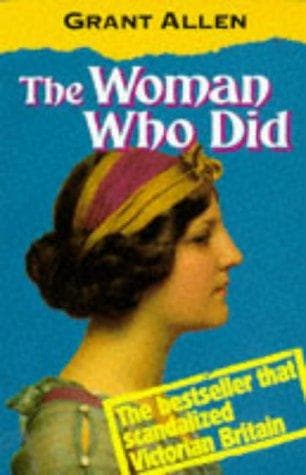
Domestic fiction; England -- Fiction; Feminists -- Fiction; Mothers and daughters -- Fiction; Women -- England -- Fiction
That night Alan slept little. Even at dinner his hostess, Mrs Waterton,
noticed his preoccupation; and, on the pretext of a headache, he
retired early to his own bedroom. His mind was full of Herminia and
these strange ideas of hers; how could he listen with a becoming show
of interest to Ethel Waterton’s aspirations on the grand piano after a
gipsy life—oh, a gipsy life for her!—when in point of fact she was a
most insipid blonde from the cover of a chocolate box? So he went to
bed betimes, and there lay long awake, deep wondering to himself how to
act about Herminia.
He was really in love with her. That much he acknowledged frankly. More
profoundly in love than he had ever conceived it possible he could find
himself with any one. Hitherto, he had “considered” this girl or that,
mostly on his mother’s or sister’s recommendation; and after observing
her critically for a day or two, as he might have observed a horse or
any other intended purchase, he had come to the conclusion “she
wouldn’t do,” and had ceased to entertain her. But with Herminia, he
was in love. The potent god had come upon him. That imperious inner
monitor which cries aloud to a man, “You must have this girl, because
you can’t do without her; you must strive to make her happy, because
her happiness is more to you now ten thousandfold than your own,”—that
imperious inner monitor had spoken out at last in no uncertain tone to
Alan Merrick. He knew for the first time what it is to be in love; in
love with a true and beautiful woman, not with his own future
convenience and comfort. The keen fresh sense it quickened within him
raised him for the moment some levels above himself. For Herminia’s
sake, he felt, he could do or dare anything.
Nay, more; as Herminia herself had said to him, it was her better, her
inner self he was in love with, not the mere statuesque face, the full
and faultless figure. He saw how pure, how pellucid, how noble the
woman was; treading her own ideal world of high seraphic harmonies. He
was in love with her stainless soul; he could not have loved her so
well, could not have admired her so profoundly, had she been other than
she was, had she shared the common prejudices and preconceptions of
women. It was just because she was Herminia that he felt so
irresistibly attracted towards her. She drew him like a magnet. What he
loved and admired was not so much the fair, frank face itself, as the
lofty Cornelia-like spirit behind it.
And yet—he hesitated.
Public-domain text, read in full here on John Shaqi.
Reviews
Reviews
No reviews yet
Be the first to share your thoughts on this work.
Join the Discussion
Join the discussion
Sign in to leave a comment or review.
Sign InorCreate an account