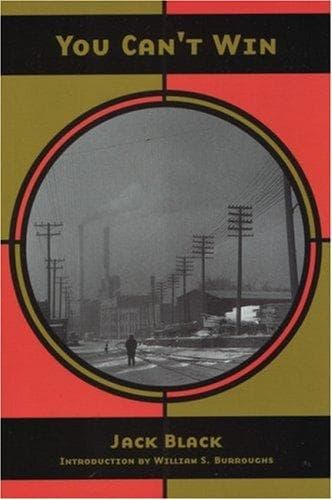
Black, Jack, 1871-1932; Criminals -- Canada -- Biography; Criminals -- United States -- Biography
The big negro wielded his ladle, filling the tin pans nearest him. Bread
was being served from a large box in another spot, but there appeared to
be plenty of it and there was no scramble there. Several new-looking
prisoners walked about, making no effort to get food. They were “fresh
fish,” new arrivals, who had not yet acquired the “chuck horrors,” that
awful animal craving for food that comes after missing half a dozen
meals.
At last the weaker ones were served. The cursing, shouting, and fighting
were stilled. The big negro wheeled his stew pot away and the empty
bread box disappeared. Some of the prisoners went into their cells to
eat; some sat down outside on the floor, while others ate standing. Some
had spoons, others ate with their fingers, sopping at the bottom of the
pan with a piece of bread.
The meal was quickly over. The tin pans, unwashed, were thrown into the
cells. The young negroes began singing and buck dancing. White men who
had been tearing at each other ten minutes before around the big pot
were now laughing and talking in a friendly fashion, and everybody lit
up a smoke. The air was so filled with tobacco smoke and steam from the
stew that I could barely distinguish forms below.
It was growing dark and gas jets were lighted but gave no light. I heard
a rattling of keys; somewhere some one shouted “Inside.” The shadowy
forms shuffled into their cells, and there came the tremendous din of
iron doors being slammed shut. The prison was locked up for the night.
I do not know how long I had been standing there. Not more than fifteen
minutes, but it seemed a lifetime. A trusty prisoner appeared at my
side.
“Come on, you.”
I followed him up a short stairway where he opened a door and we went
into a short hall with cells on either side. It was directly above the
city prison. As we passed down the hall I heard women’s voices; one of
them shouted, “Fresh fish, girls.”
Faces appeared at the barred doors. A colored girl, as we passed her
cell, said: “Hello, boy, what you-all been doin’?”
At the end of the hall the trusty stopped at a large room with a barred
door. I could look inside. The room was well lighted. Newspapers were
lying about. I saw two clean-looking cots, a table on which were books
and a box of cigars, and a couple of chairs.
A man was pacing up and down the room, smoking. He wore a
comfortable-looking pair of slippers and was in his shirt sleeves. He
paid no attention to us till the trusty said: “George, the skipper sent
up some company for you.”
He turned sharply and came to the door. He was a fine-looking man about
forty years of age, well groomed, fresh shaven. He was tall. His hair
was gray. His face was pleasant to look at. He might have been a doctor
or lawyer. I found myself wondering what he could have done to get
locked in a jail. He looked at me carefully for a minute. When he spoke
his voice was surprisingly pleasant. There was a suggestion of the South
in his drawl.
Public-domain text, read in full here on John Shaqi.
Reviews
Reviews
No reviews yet
Be the first to share your thoughts on this work.
Join the Discussion
Join the discussion
Sign in to leave a comment or review.
Sign InorCreate an account