Kharijites
Zoroastrian1500 BCE – present
Kharijites
Ancient Persia
The Kharijites were an Islamic sect which emerged during the First Fitna (656–661). The first Kharijites were supporter…
Read →
Research Index
An archive of 3,493 gods, deified rulers, and mythological figures across civilizations — from living gods of Egypt to the dying gods of antiquity.
Ancient Persia
The Kharijites were an Islamic sect which emerged during the First Fitna (656–661). The first Kharijites were supporter…
Read →
Indian subcontinent
Khemukhi is the name of one of the 64 yoginis, which was a secret and esoteric female cult between the 9th and 13th cent…
Read →
Ancient Egypt
In Egyptian mythology, Khensit, which means "placenta", was the patron goddess of the twentieth nome of Lower Egypt. Kh…
Read →

Ancient Egypt
Khonsu is an ancient Egyptian god of the Moon. His name means 'traveller', and this may relate to the perceived nightly…
Read →
Ancient Egypt
Khenti-Amentiu, also Khentiamentiu, Khenti-Amenti, Kenti-Amentiu and many other spellings, is an ancient Egyptian deity …
Read →

Ancient Egypt
In Egyptian mythology, Khenti-kheti, was a crocodile-god, though he was later represented as a falcon-god. His name mea…
Read →
Ancient Egypt
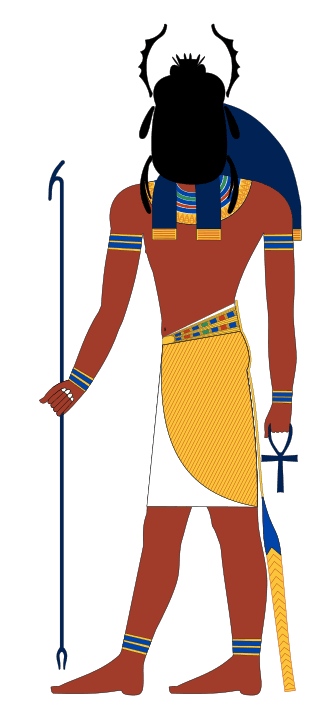
Khepri is a scarab-faced god in ancient Egyptian religion who represents the rising or morning sun. By extension, he ca…
Read →
Ancient Egypt
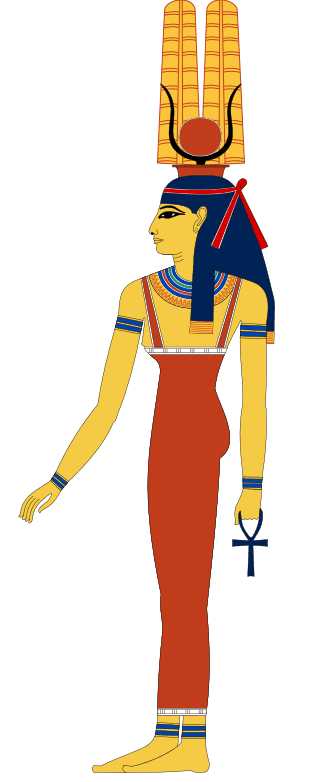
Khereduankh is a goddess who is credited as being the mother of Imhotep in Late Period and Ptolemaic Period Ancient Egyp…
Read →
Ancient Egypt
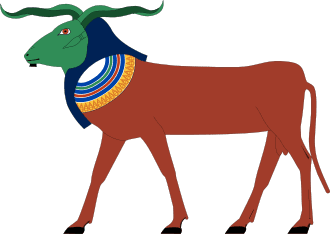
Kherty is an ancient Egyptian deity. Despite being archaeologically attested since the early 2nd Dynasty, his original …
Read →
Ancient Egypt
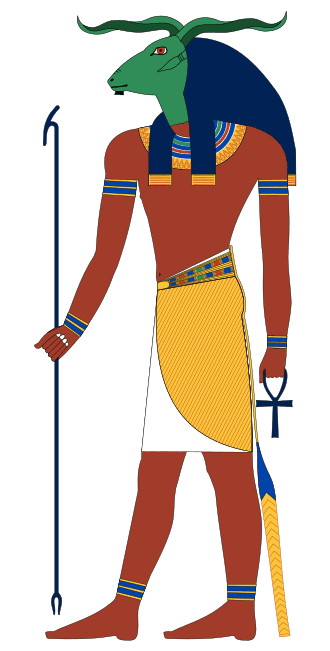
Khnum, also romanised Khnemu, was one of the earliest-known Egyptian deities in Upper Egypt, originally associated with …
Read →
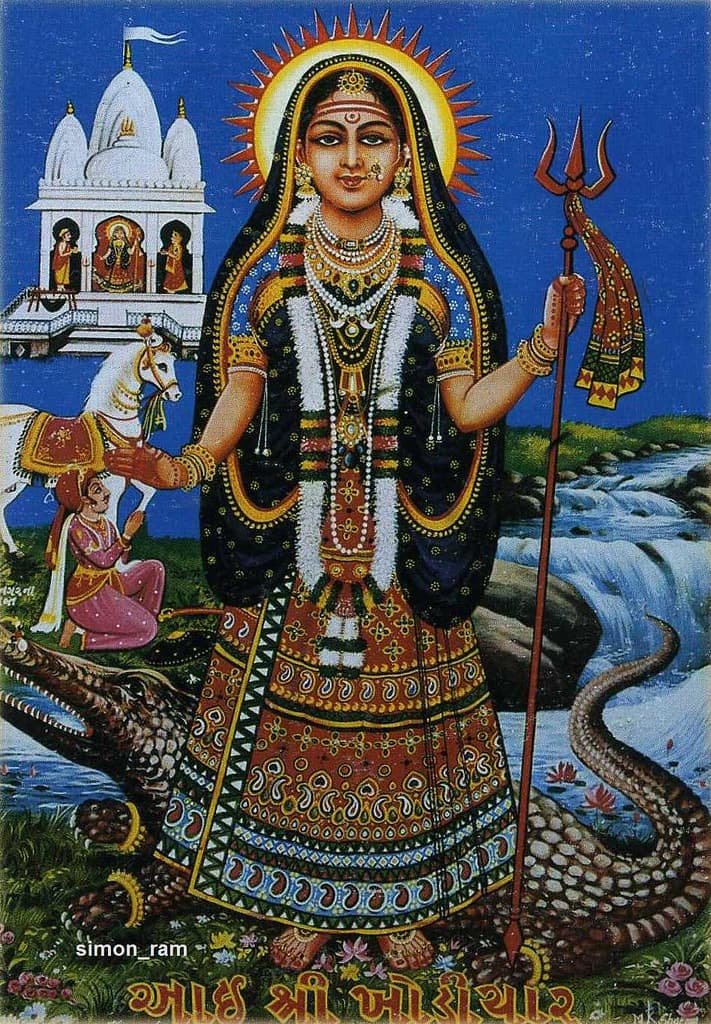
Indian subcontinent
Khoḍiyār is a Hindu folk goddess worshiped in Gujarat and Rajasthan states in India.
Read →
Ancient Egypt
Khonsu is an ancient Egyptian god of the Moon. His name means 'traveller', and this may relate to the perceived nightly…
Read →
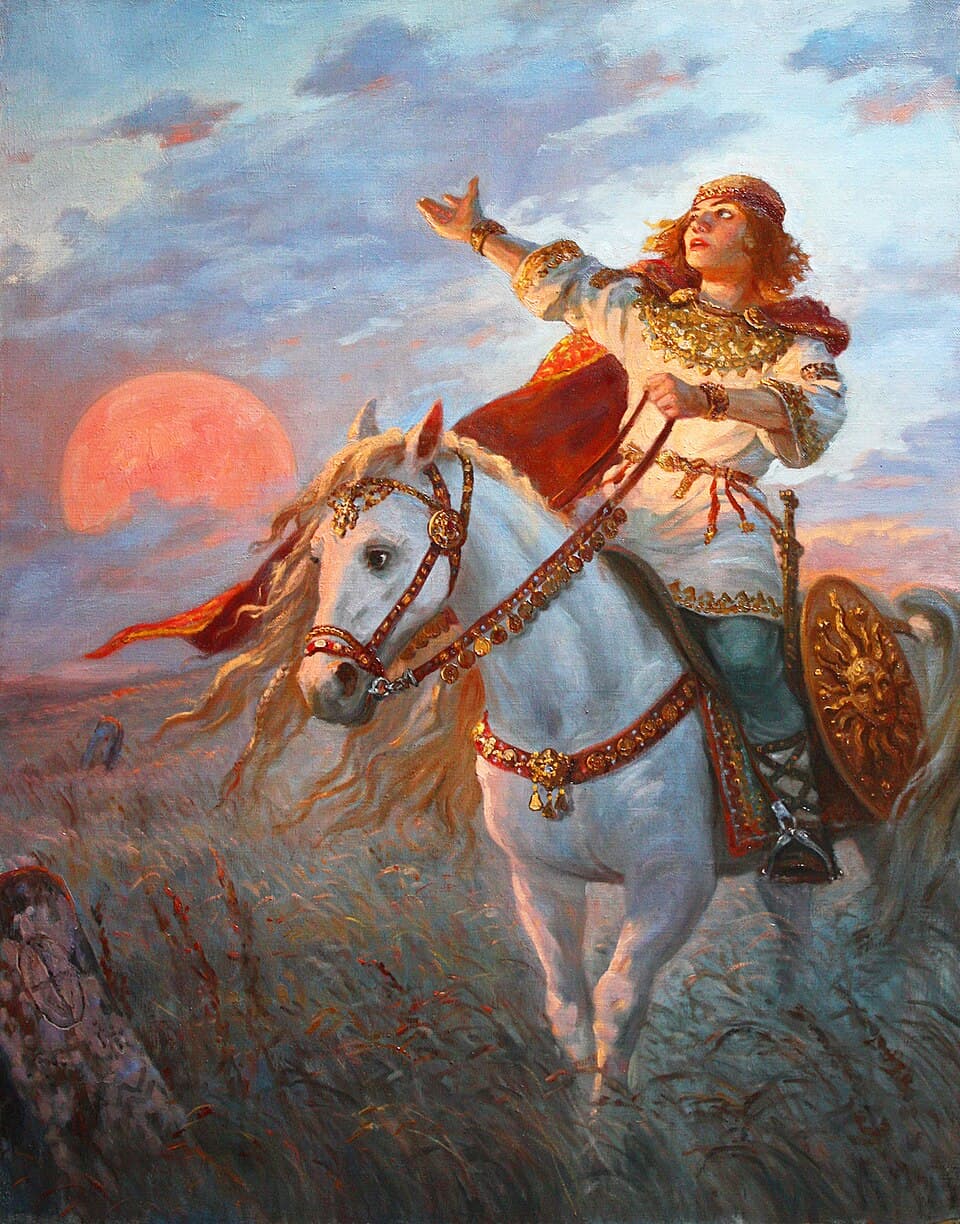
Early Slavs
Khors is a Slavic god of uncertain functions mentioned since the 12th century. Generally interpreted as a sun god, some…
Read →
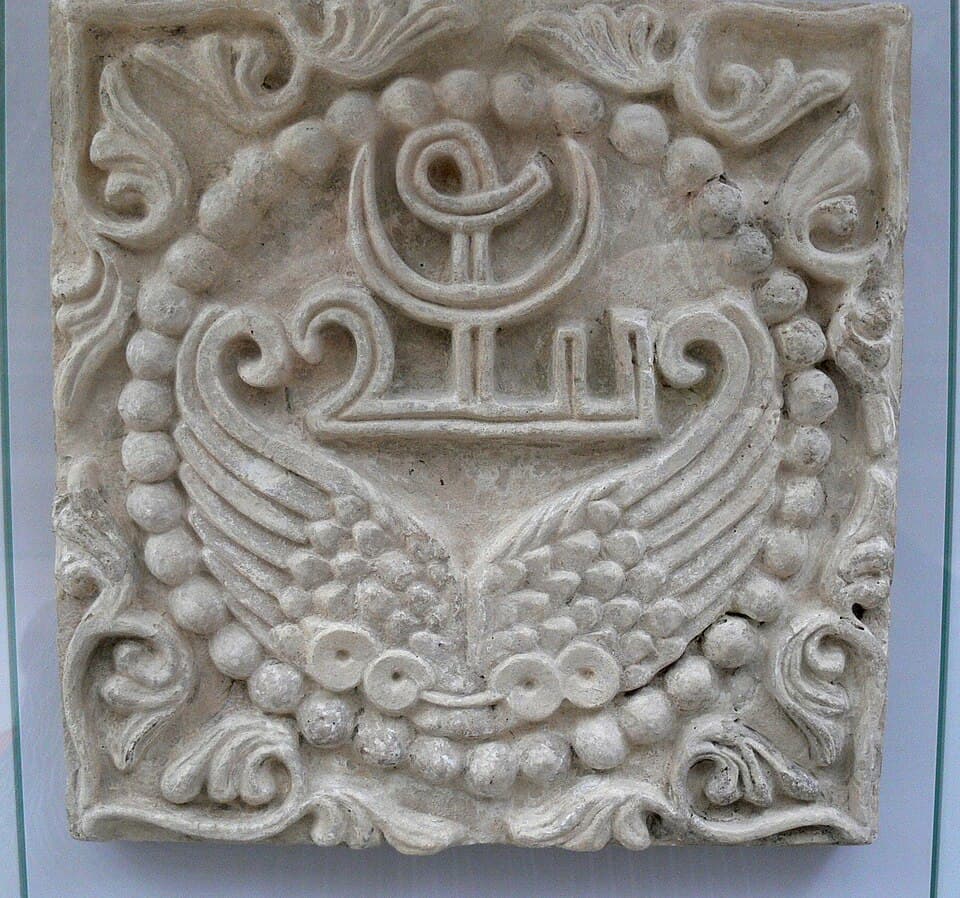
Ancient Persia
Khvarenah (Avestan: 𐬓𐬀𐬭𐬆𐬥𐬀𐬵, romanized: xvarənah), also spelled khwarenah or xwarra(h), in New Persian Farr, is a…
Read →
Indian subcontinent
Khyati is one of the 24 daughters of Daksha, born to his wife Prasuti. Her father is regarded to have another 62 from h…
Read →
Ancient Mesopotamia
Ki was the earth goddess in Sumerian religion, chief consort of the sky god An. In some legends, Ki and An were brother…
Read →
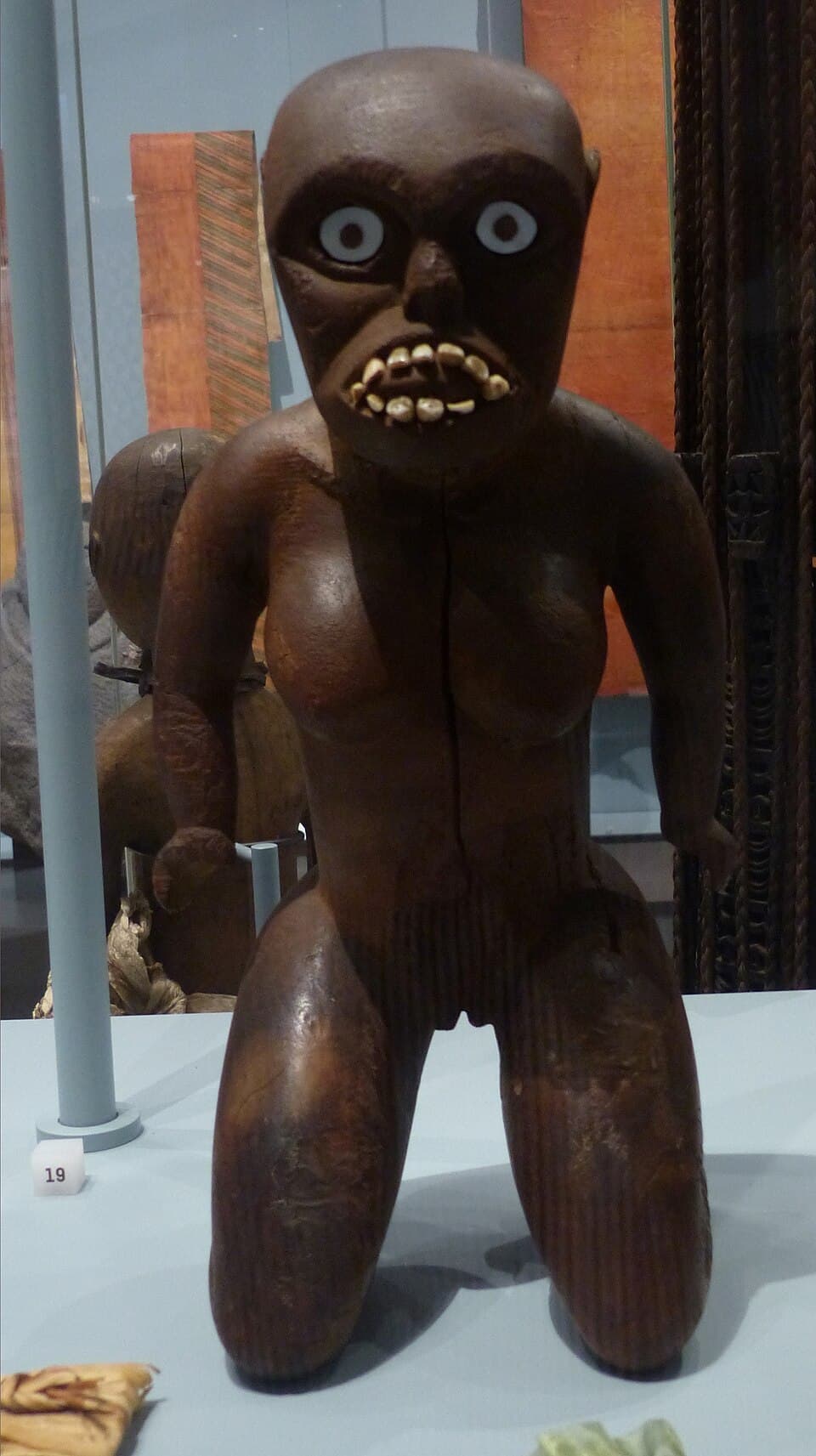
Polynesia
Kihawahine is a Hawaiian shapeshifting lizard goddess (moʻo). When Kihawahine Mokuhinia Kalamaʻula Kalāʻaiheana, the da…
Read →
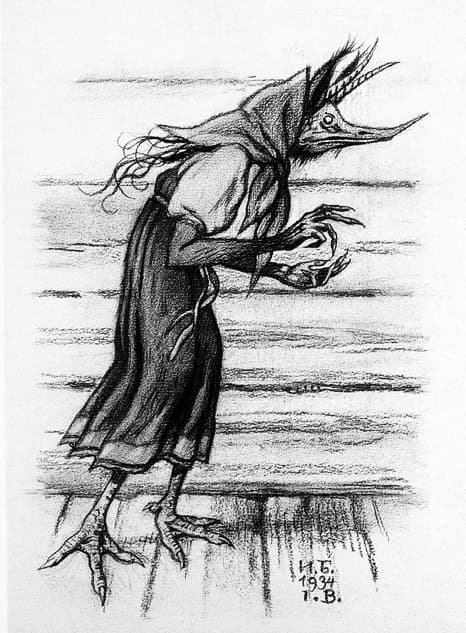
Early Slavs
Kikimora is a legendary creature, a female house spirit in Slavic mythology. Her role in the house is usually juxtapose…
Read →

Japan
Kikurihime no Kami (菊理媛神), also Kikurihime no Mikoto (菊理媛命), is a Japanese Shinto goddess venerated as Shirayama Hime (白…
Read →

Ancient Mesopotamia
In ancient Mesopotamian religion, Kilili, ki. li. li; was a female demon of Sumerian origin, likely associated with owls…
Read →
Indian subcontinent
The kimpurushas are a race of beings featured in Hindu literature, described as possessing the bodies of human beings an…
Read →

Ancient Mesopotamia
Kindazi was a minor Sumerian god. He was a "divine barber" and an acolyte of god Ningirsu.
Read →

China
King Father of the East, also known as Dongwanggong (東王公), is the tutelary deity of the Taoist immortals. Legends say t…
Read →

Ancient Mesopotamia
As polytheistic systems evolve, there is a tendency for one deity to achieve preeminence as king of the gods, for exampl…
Read →

Polynesia
As polytheistic systems evolve, there is a tendency for one deity to achieve preeminence as king of the gods, for exampl…
Read →
Ancient Mesopotamia
Qingu was a Mesopotamian god. He is best known from the Enūma Eliš, where he acts as a subordinate and spouse of Tiamat…
Read →
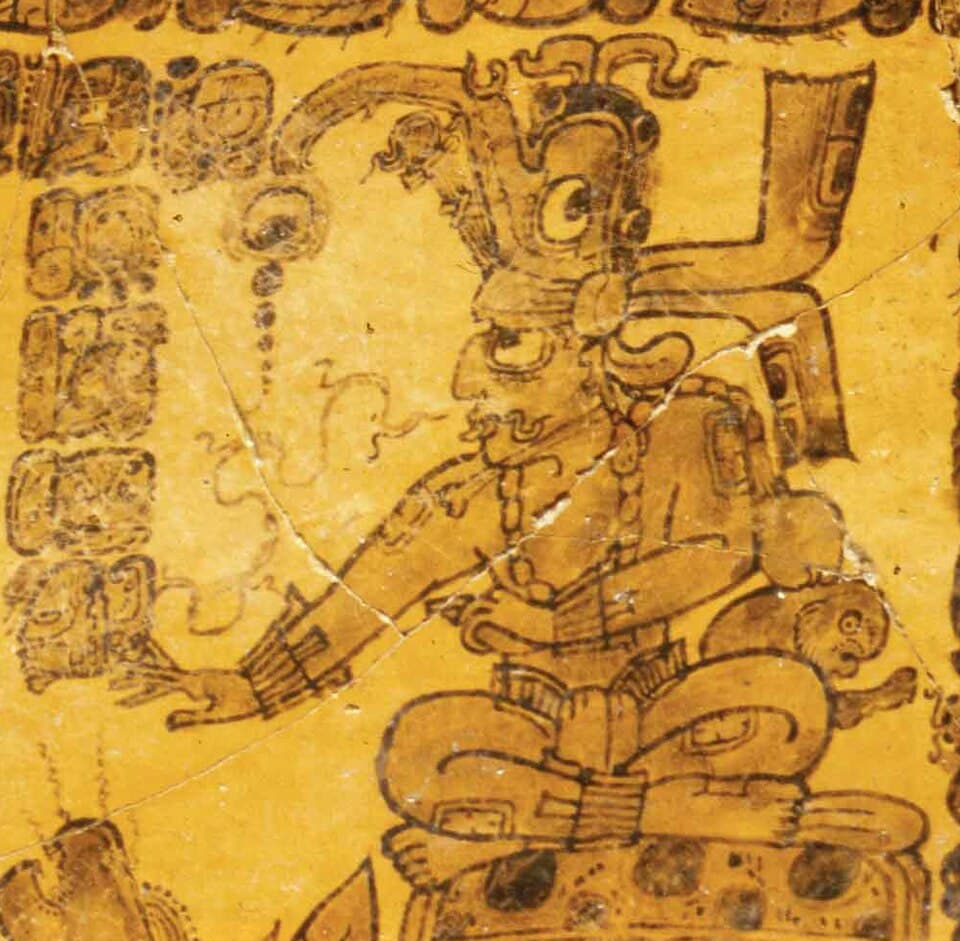
Maya civilization
Kinich Ahau is the 16th-century Yucatec name of the Maya sun god, designated as God G when referring to the codices. In…
Read →
Ancient Mesopotamia
Kippat-māti or Kippatu was a Mesopotamian goddess. She is almost exclusively attested in Neo-Assyrian state rituals. I…
Read →

Ancient Mesopotamia
Kiririsha was a major goddess worshiped in Elam, referred to as "mother of gods" in some texts.
Read →

Ancient Mesopotamia
In the Babylonian epic Enuma Elish, Kishar is the daughter of Lahamu and Lahmu, the first children of Tiamat and Abzu. …
Read →
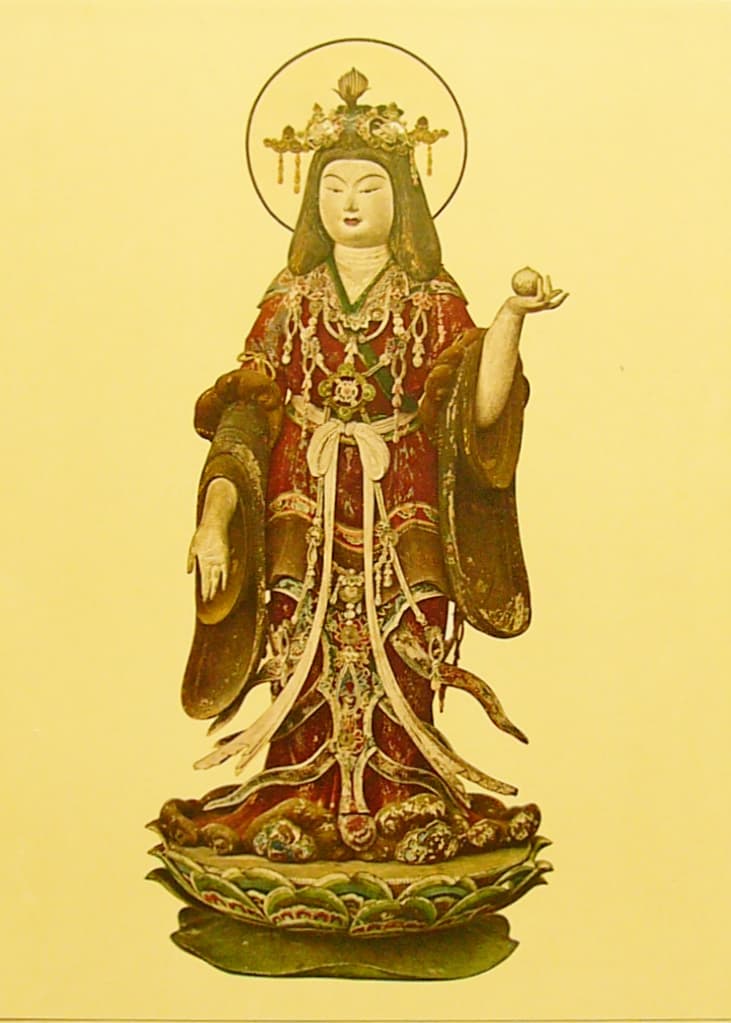
Indian subcontinent
Śrīmahādevī,, also known as Lakshmi, is a devi in Mahayana Buddhism. She is particularly respected in East Asian Buddhi…
Read →
Japan
Kisumimi-no-mikoto is a character in Japanese mythology, a male deity and the son of the first Emperor Jimmu. He is the…
Read →

China
The kitchen deity – also known as the Stove God, named Zao Jun, Zao Shen, Zao kimjah, Cokimjah or Zhang Lang – is the mo…
Read →
Ancient Mesopotamia
Kitītum was a Mesopotamian goddess closely associated with Tell Ishchali. Her name was derived from the oldest known na…
Read →
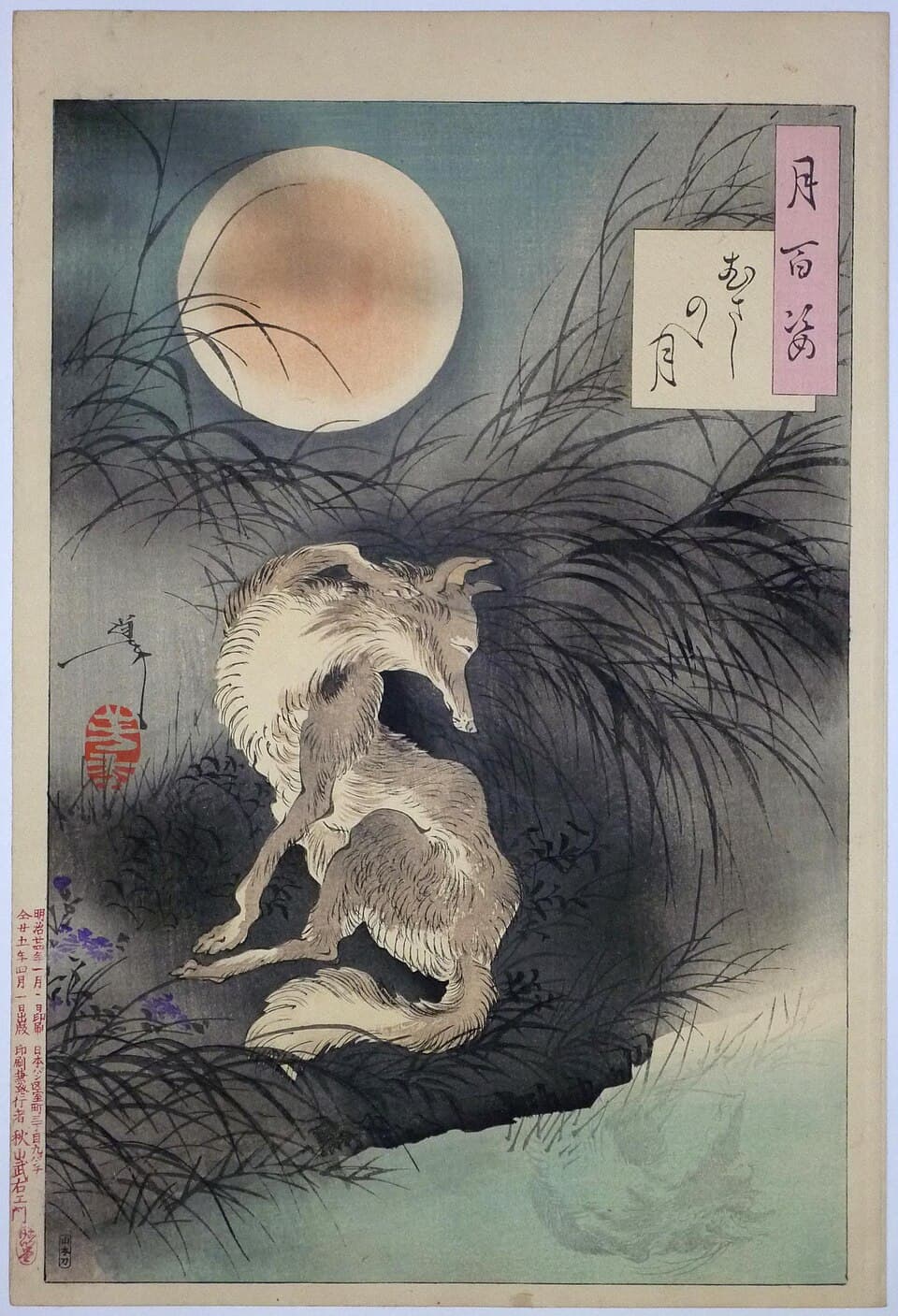
Japan
The kitsune , in popular Japanese folklore, is a fox or fox spirit which possesses the supernatural ability to shapeshif…
Read →
Ancient Mesopotamia
Kittum, also known as Niĝgina, was a Mesopotamian goddess who was regarded as the embodiment of truth. She belonged to …
Read →

Ancient Egypt
Kneph, also as Kmeph, is a god and motif of divinity in ancient Egyptian religious art, variously represented as a winge…
Read →
Ancient Greece
It's commonly believed that, in Greek mythology, Koalemos is the deity or daemon of stupidity, found in a play by Aristo…
Read →
Japan
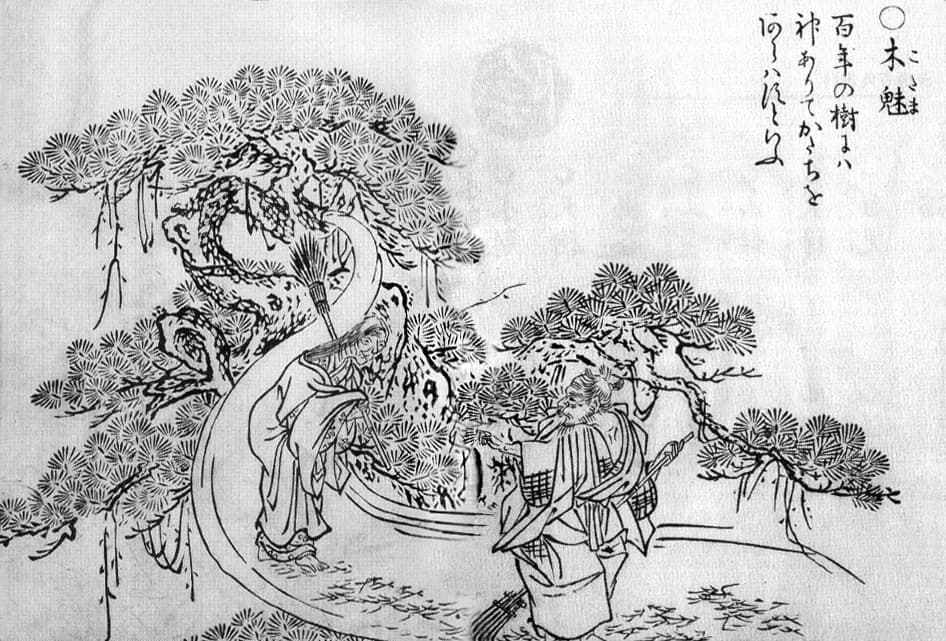
Kodama are spirits in Japanese folklore that inhabit trees. The term is also used to denote a tree in which a kodama su…
Read →
Japan
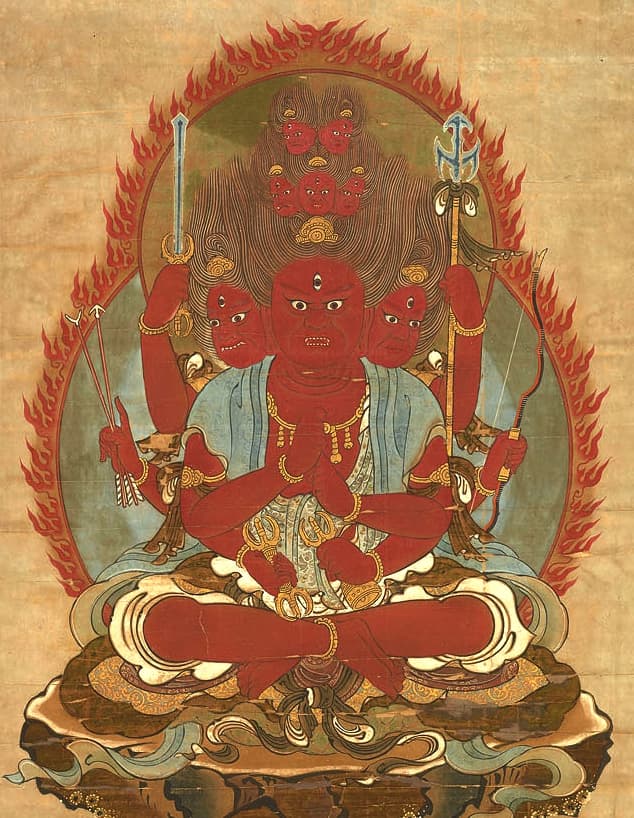
Kōjin, also known as Sambō-Kōjin or Sanbō-Kōjin , is the Japanese kami (god) of fire, the hearth and the kitchen. He is…
Read →
Ancient Egypt
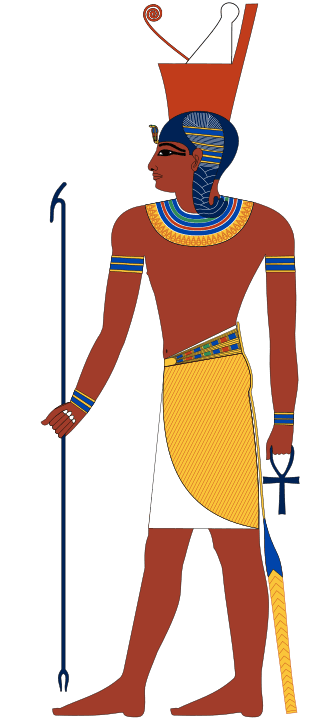
Kolanthes or Kolanthes the Child is a child deity from the late period of ancient Egyptian religion. He has been docume…
Read →
Indian subcontinent
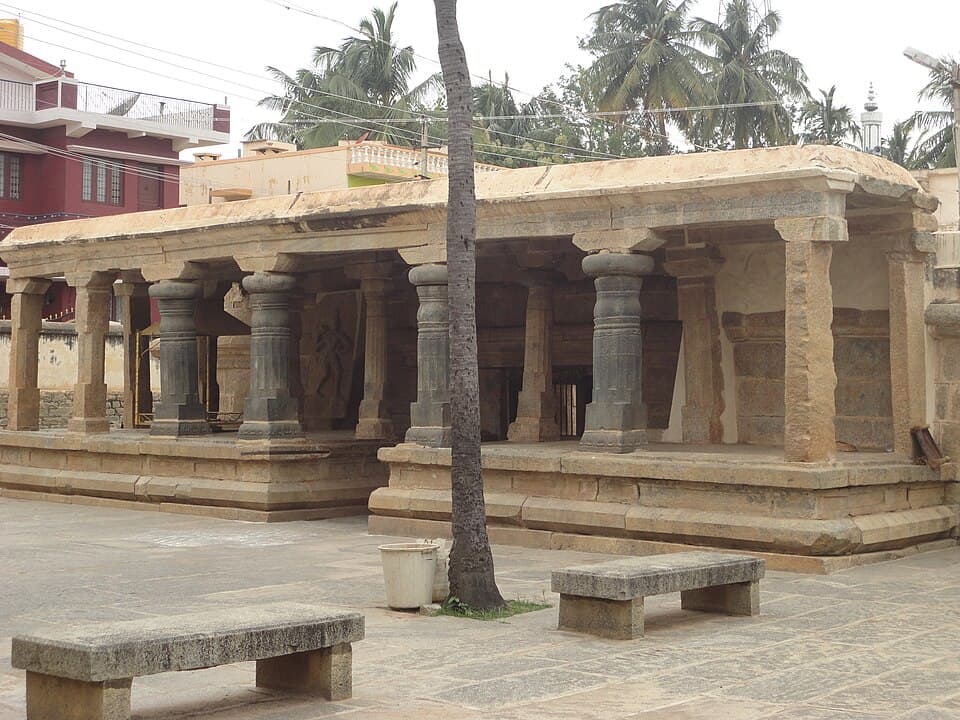
Kolaramma is the presiding deity of the town of Kolar in Karnataka, India. The Kolaramma temple is thousand years old a…
Read →
Early Slavs
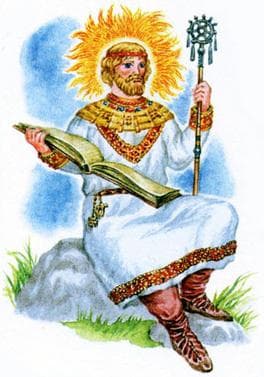
Koliada or Koleda is a Slavic pseudo-deity, a personification of the newborn winter Sun and symbol of the New Year's cyc…
Read →
Japan
Konohanachiru-hime is a Japanese goddess.
Read →

Japan
Konohanasakuya-hime is the kami of Mount Fuji and all volcanoes in Japanese mythology; she is also the 'blossom princess…
Read →

Ancient Egypt
The Koptos colossi, or Coptos colossi, are a series of three monumental statues, now in the Ashmolean Museum and the Cai…
Read →
Indian subcontinent
Kotravai, is the Tamil goddess of war and victory. She is also a mother goddess and the goddess of fertility, agricultu…
Read →
Ancient Greece
According to Greek mythology, the Korybantes, also spelled Corybantes or Corybants, were the armed and crested dancers w…
Read →

Early Slavs
Kostroma is an East Slavic fertility goddess. Her name is derived from костёр (kostyor), the Russian word for "bonfire"…
Read →
Indian subcontinent
Kotavi is an asuri in Hindu mythology and the tutelary goddess of the race of daityas. She is also identified with the …
Read →
Ancient Levant
Kothar-wa-Khasis, also known as Kothar or Hayyānu, was an Ugaritic god regarded as a divine artisan. He could variously…
Read →
Ancient Mesopotamia
Kotharat were a group of seven goddesses associated with conception, pregnancy, birth and marriage, worshiped chiefly in…
Read →
Japan
In Shinto, Kotoamatsukami is the collective name for the first gods which came into existence at the time of the creatio…
Read →

Japan
Kotoshironushi (事代主神), also known as Yae Kotoshironushi no kami (八重言代主神), is a Shinto kami.
Read →
Ancient Greece
According to Greek mythology, the Korybantes, also spelled Corybantes or Corybants, were the armed and crested dancers w…
Read →
Ancient Greece
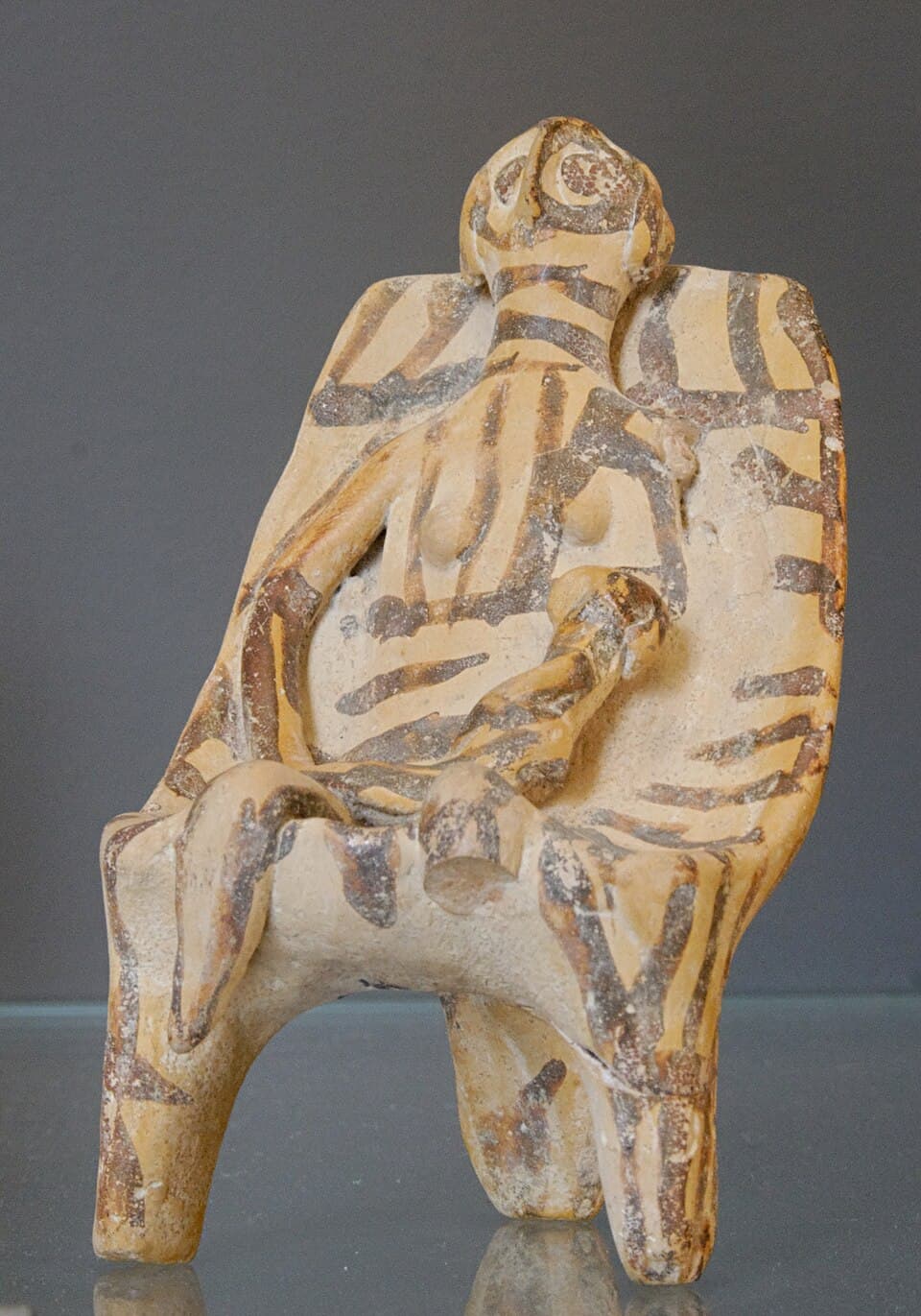
Kourotrophos is the name that was given in ancient Greece to gods and goddesses whose properties included their ability …
Read →

Early Slavs
Kresnik is a Slavic god associated with fire, the summer solstice, and storms. His mythical home, a sacred mountain at …
Read →
Indian subcontinent
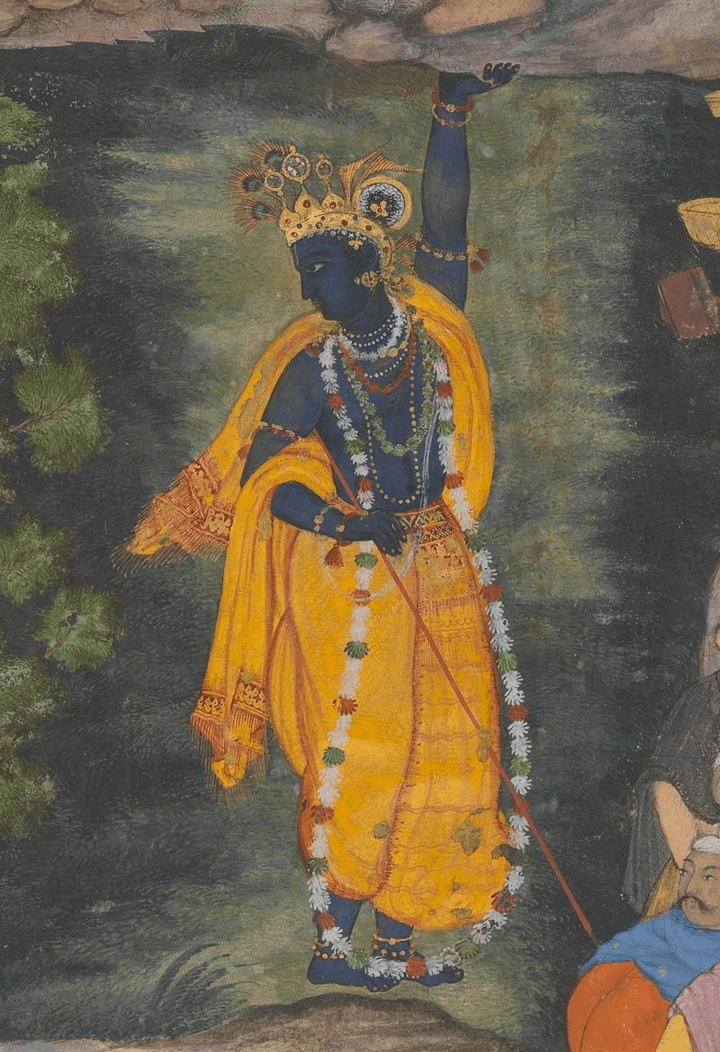
Krishna also known as Govinda, Madhava, Gopala and other names and titles is a major deity in Hinduism. He is worshippe…
Read →

Ancient Persia
Krishnaism is a term used in scholarly circles to describe large group of independent Hindu traditions—sampradayas relat…
Read →

Indian subcontinent
Swami Krishnananda Saraswati (IAST: Swāmī Kṛṣṇānanda Sarasvatī, 25 April 1922 – 23 November 2001) was a disciple of Siva…
Read →
Early Slavs
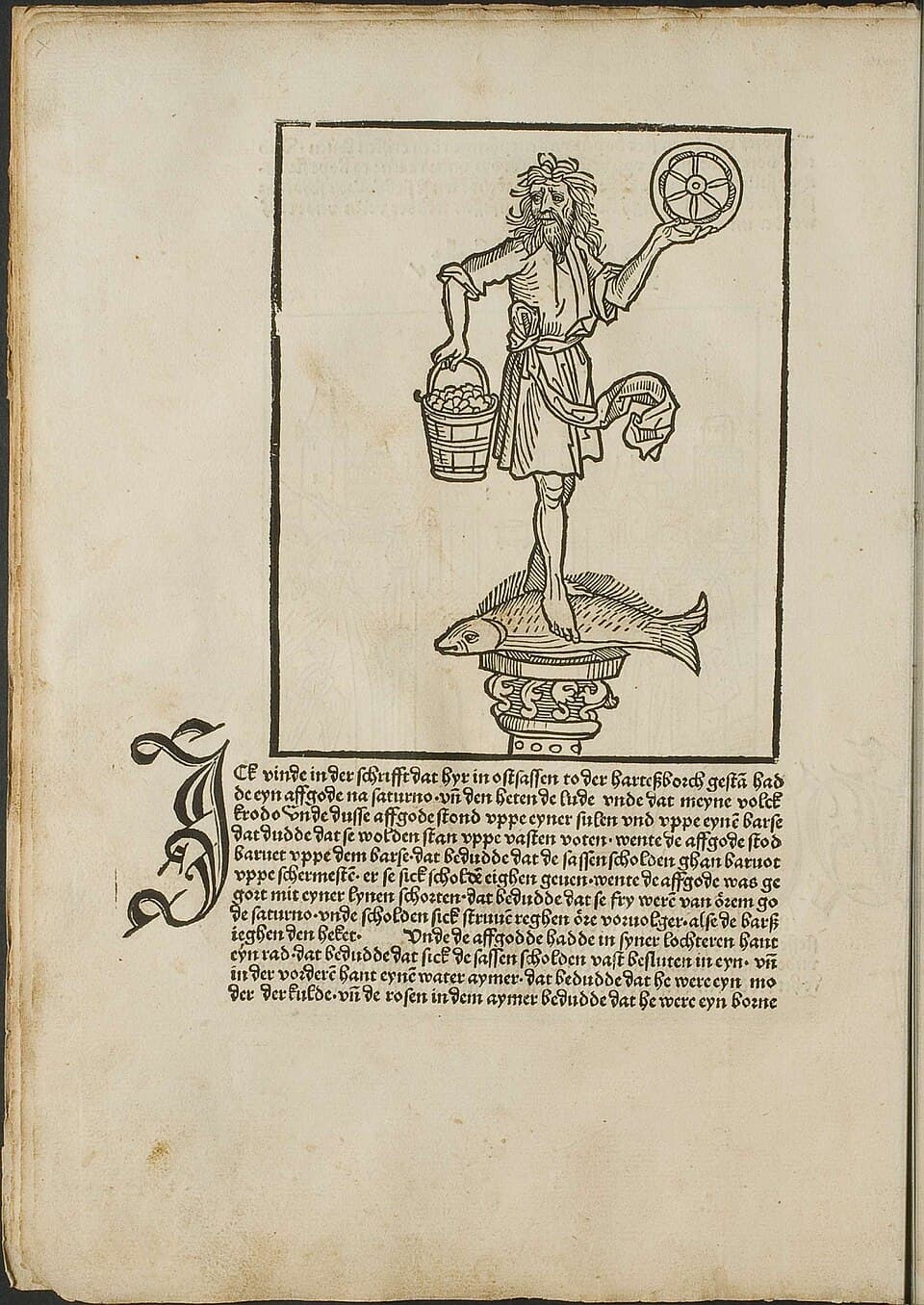
Krodo was a purported Germanic god of the Saxons, according to the 1492 Saxon Chronicle incunable probably written by th…
Read →
Early Slavs
In Slavic mythology, a krsnik or kresnik is a type of vampire hunter and a shaman whose spirit wanders from the body in …
Read →

Ancient Persia
Kshatra Vairya is one of the great seven "Amesha Spenta" of Ahura Mazda in the Zoroastrian religion.
Read →
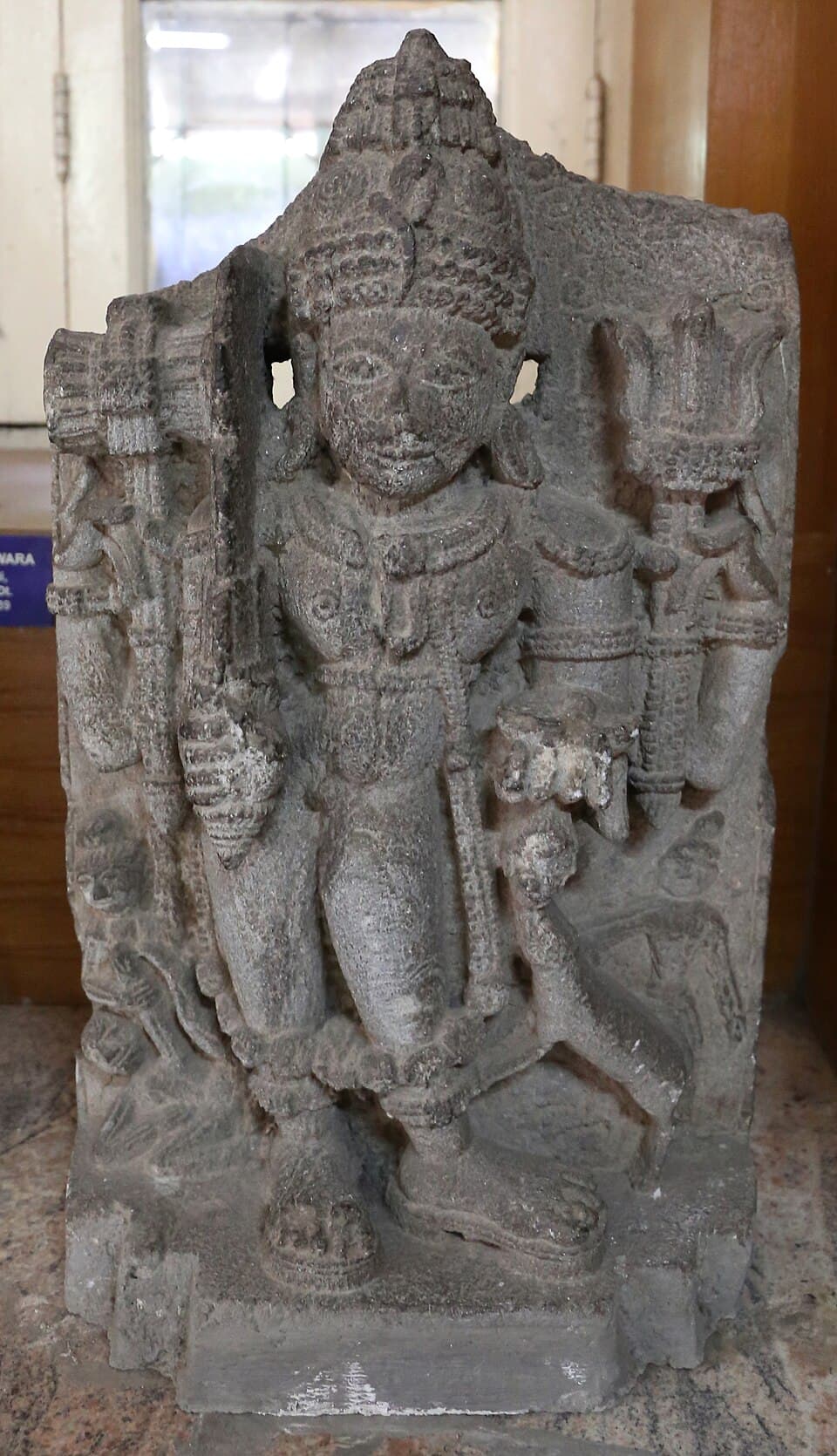
Indian subcontinent
Kshetrapala is a guardian deity featured in Indian religions primarily tasked with the protection of a specific territor…
Read →
Asia
Kṣitigarbha is a bodhisattva primarily revered in East Asian Buddhism and usually depicted as a Buddhist monk. His name…
Read →
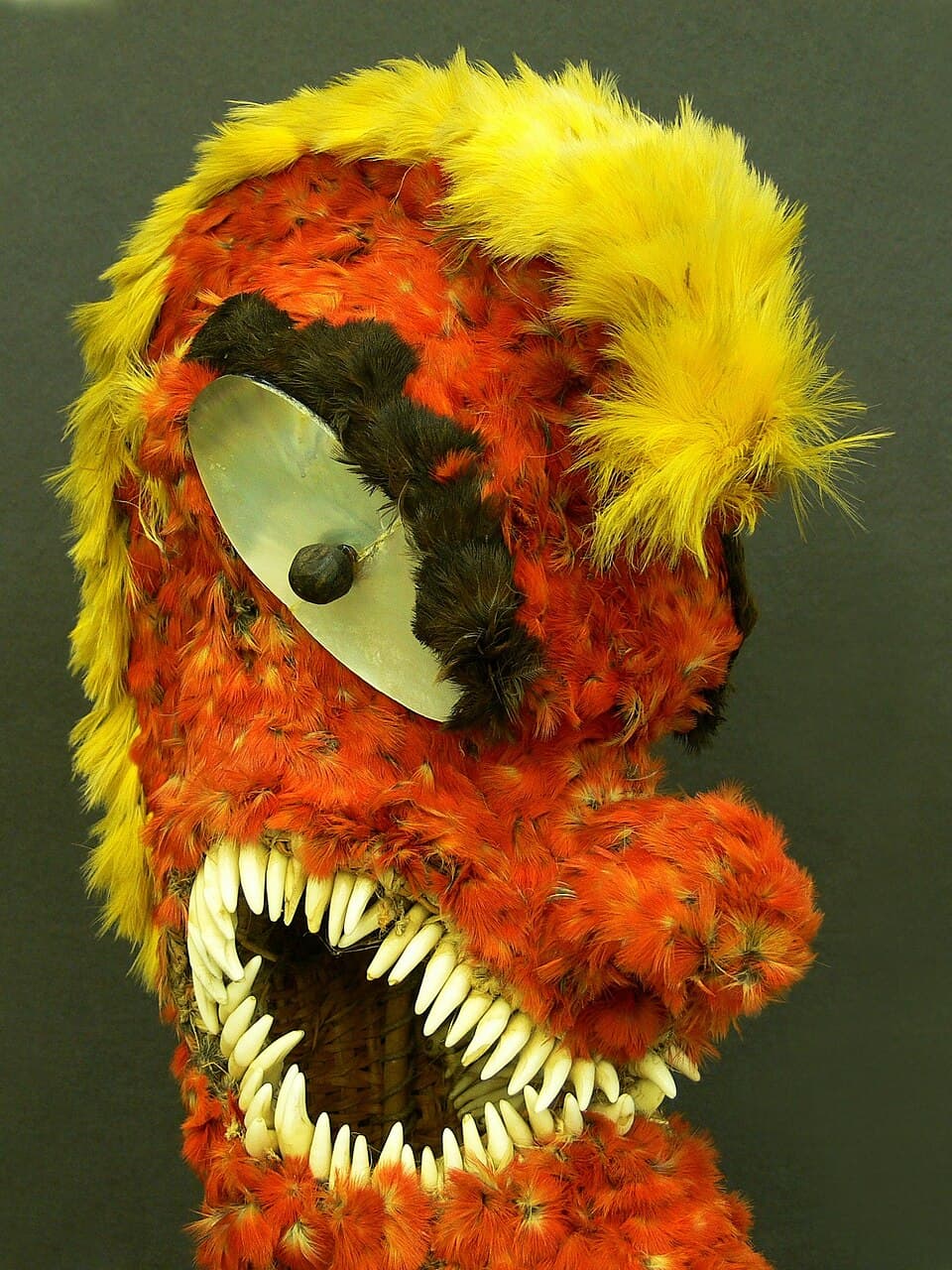
Polynesia
In Hawaiian religion, Kū is one of the four great gods. The other three are Kanaloa, Kāne, and Lono. Some feathered go…
Read →
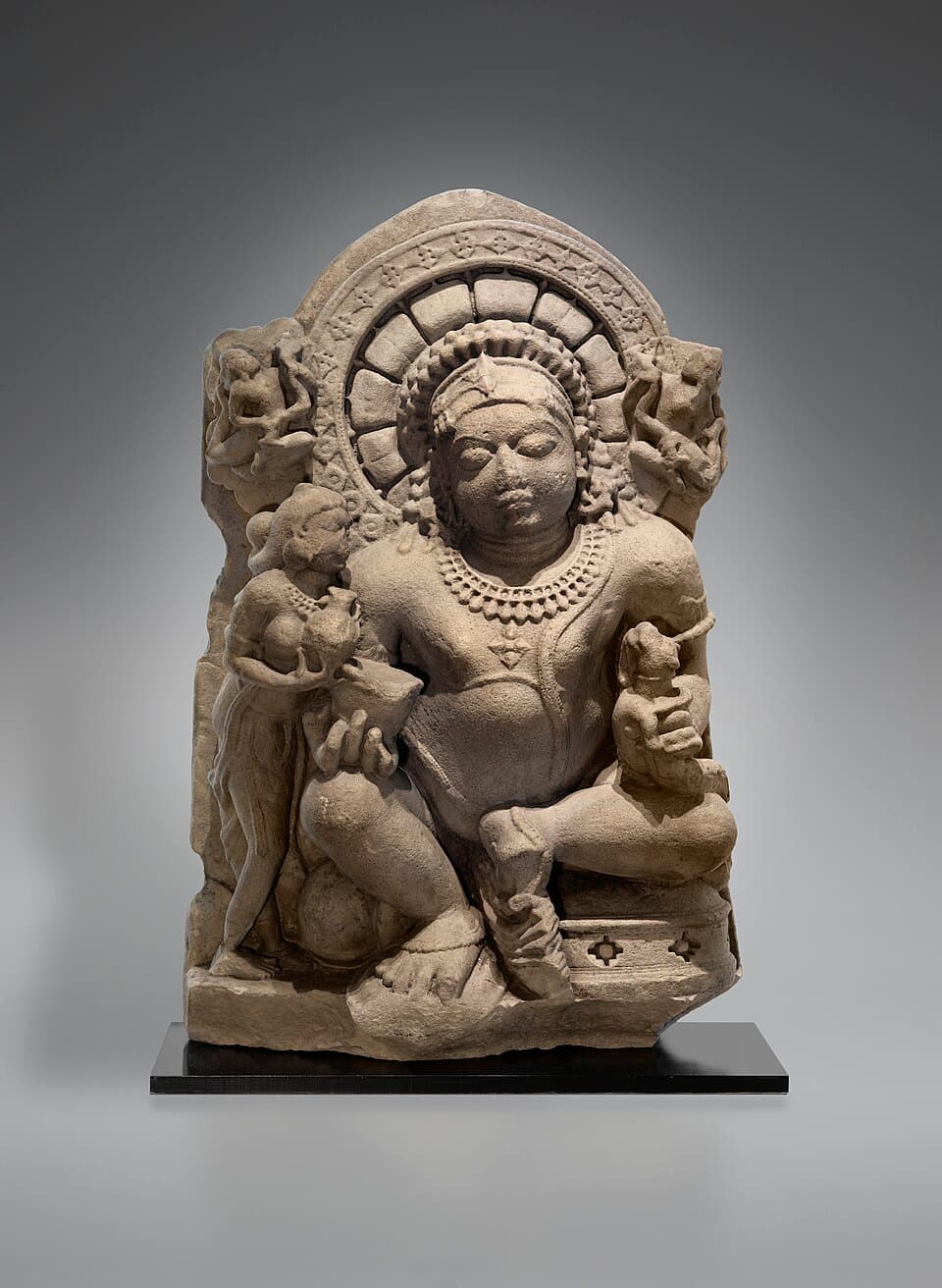
Indian subcontinent
Kubera also known as Kuvera, Kuber and Kuberan, is the god of wealth, and the god-king of the semi-divine yakshas in Hin…
Read →
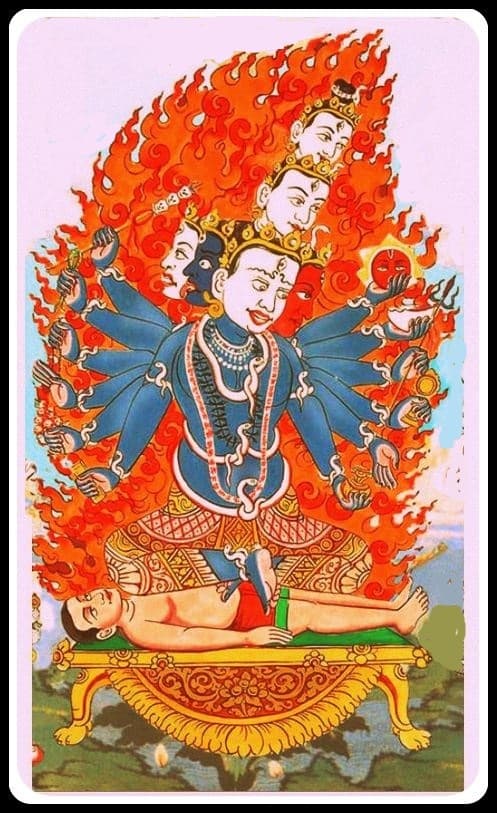
Indian subcontinent
Kubjika is the primary deity of Kubjikāmata, a sect of non-Siddhāntika mantra marga sect. The worship of Kubjikā as one…
Read →
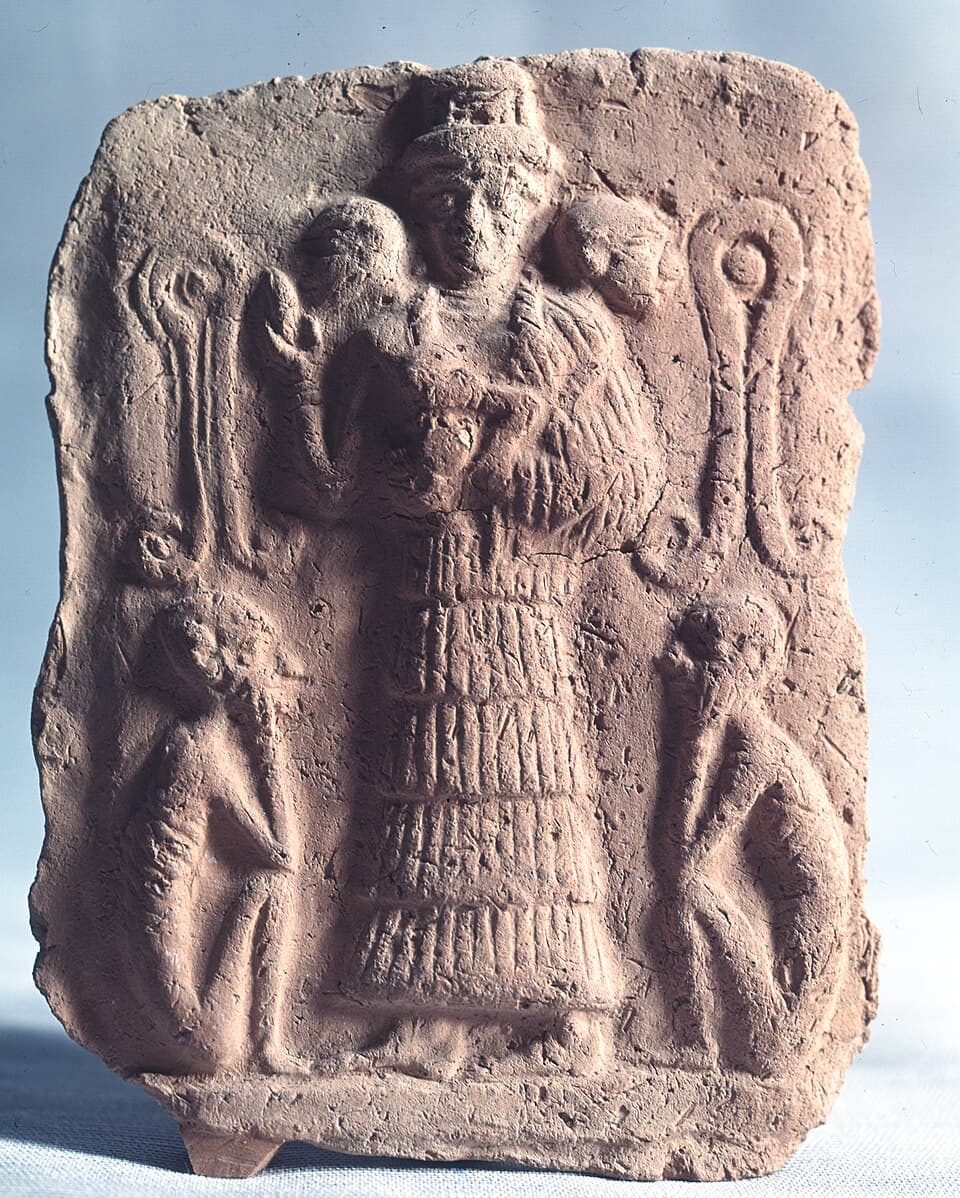
Ancient Mesopotamia
Kūbu were a class of supernatural beings in ancient Mesopotamian religion. They were believed to be the ghosts of still…
Read →
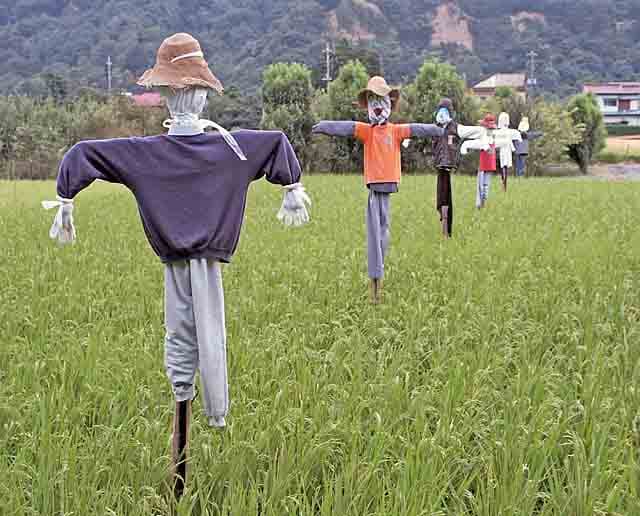
Japan
Kuebiko (久延毘古) is the Shinto kami of folk wisdom, knowledge and agriculture, and is represented in Japanese mythology as…
Read →
Polynesia
In Hawaiian mythology, Kuhimana was a god of soothsayers.
Read →
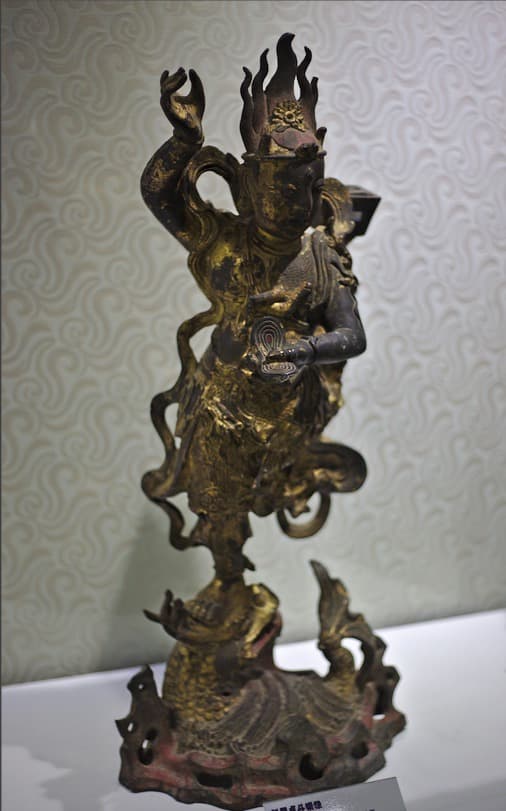
China
Kuixing, or Kui Xing, is translated as "Chief Star" and is the deification of the Pole Star. He is said to be the helpe…
Read →
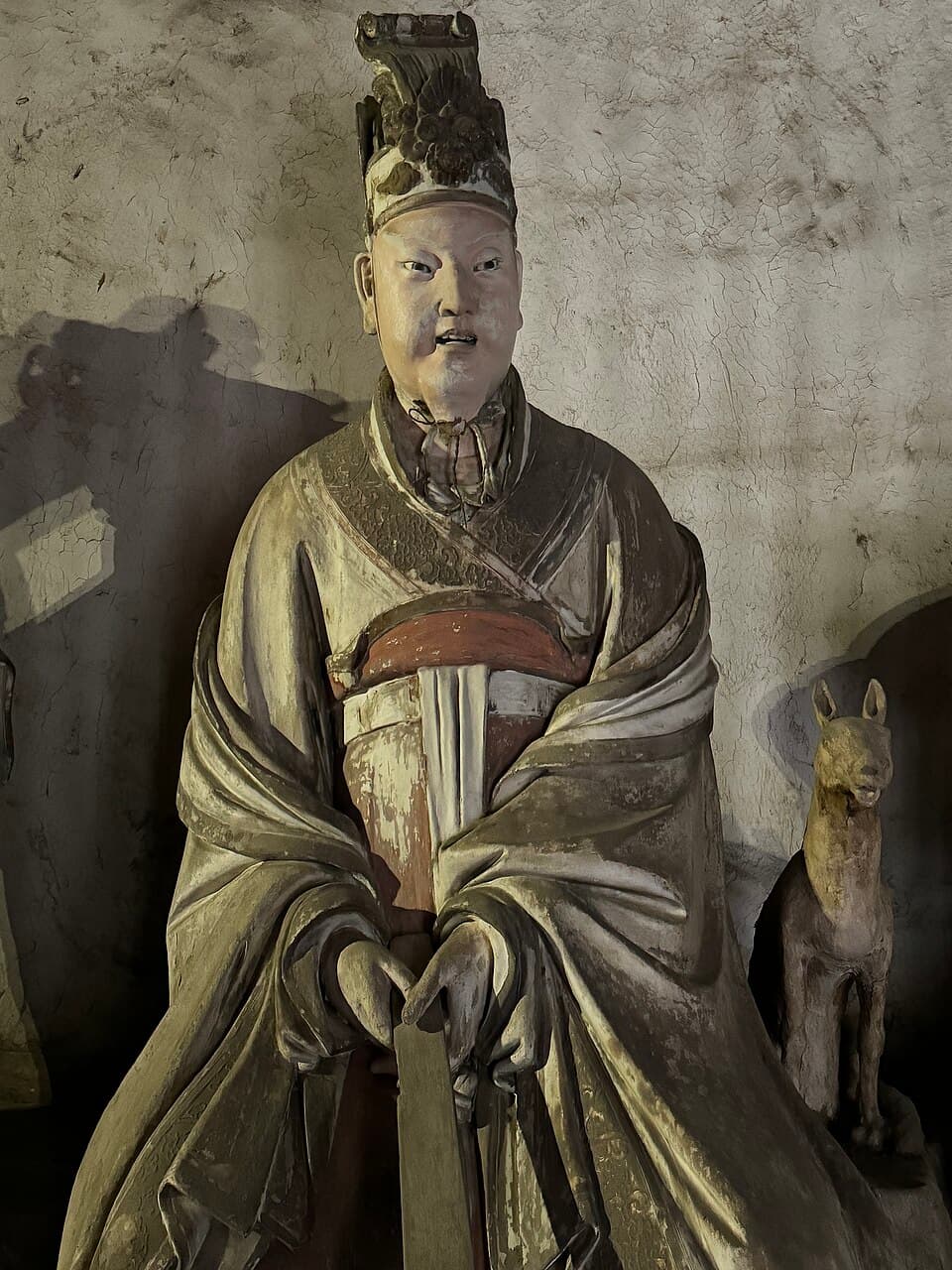
China
Kuimulang is a deity in traditional Chinese spiritual beliefs. He is considered to be one of the 28 Mansions, which are…
Read →
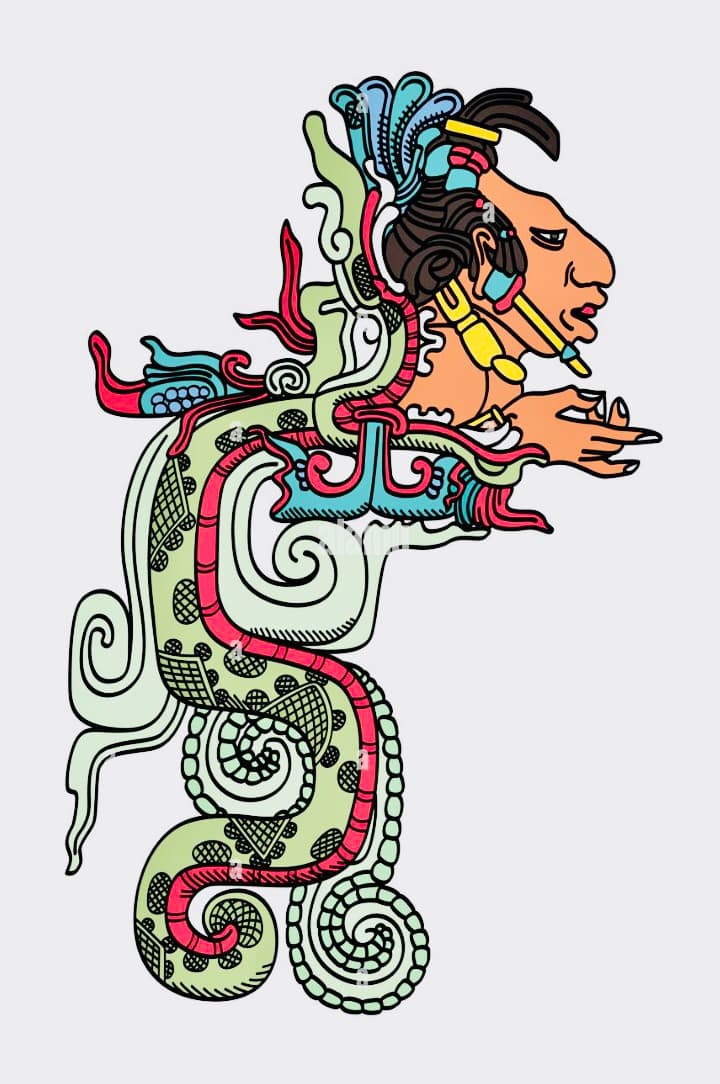
Maya civilization
Kukulkan, also spelled K’uk’ulkan, is the serpent deity of Maya mythology. It is closely related to the deity Qʼuqʼumat…
Read →
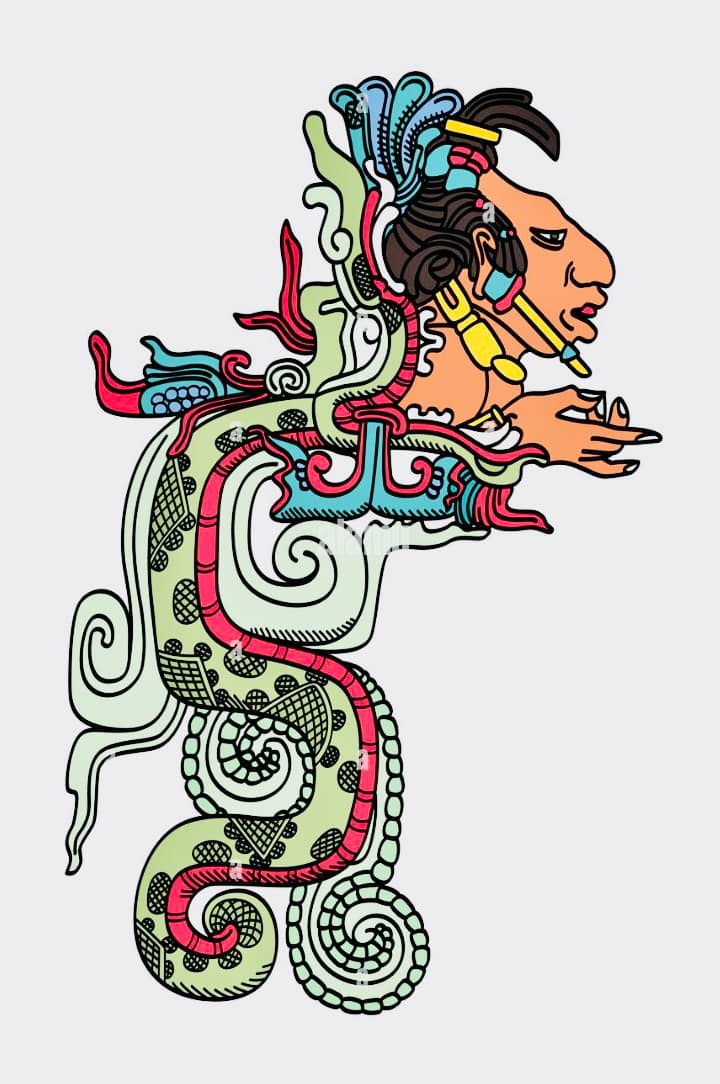
Maya civilization
Kukulkan, also spelled K’uk’ulkan, is the serpent deity of Maya mythology. It is closely related to the deity Qʼuqʼumat…
Read →
Asia
Kukuraja was a mahasiddha within the lineages of Esoteric Buddhism and he was contemporaneous with Indrabhuti of Sahor a…
Read →
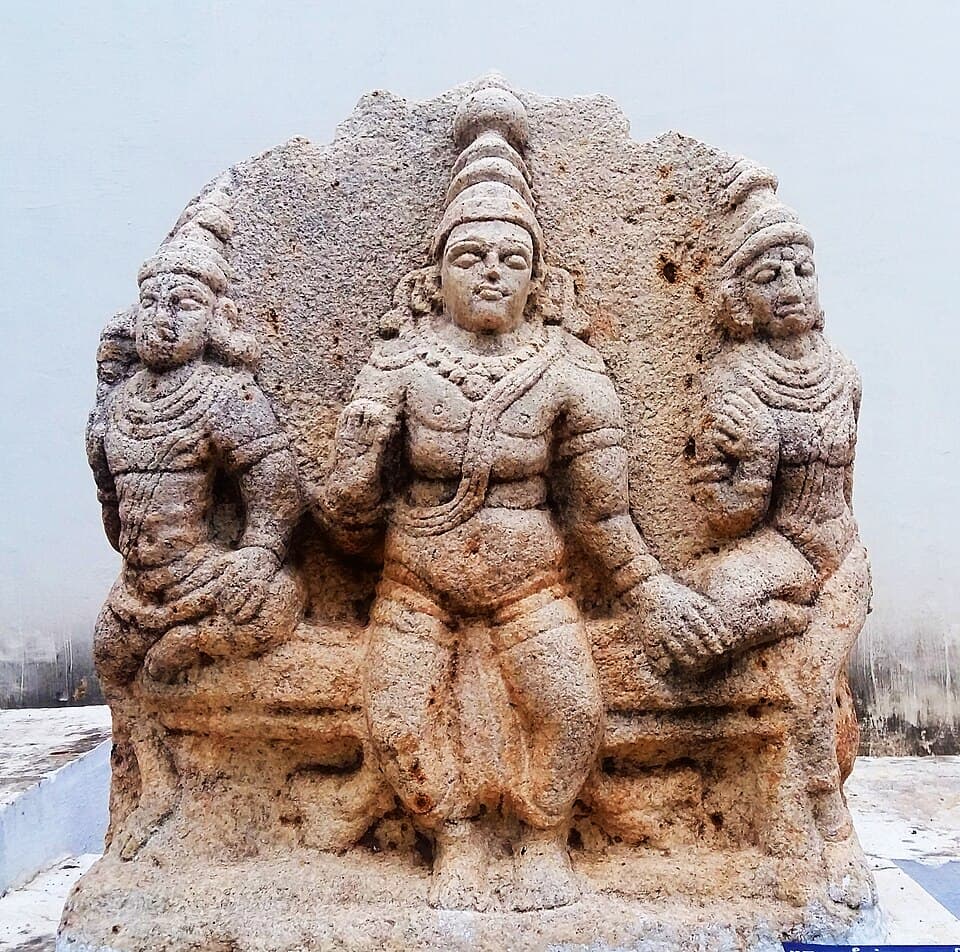
Indian subcontinent
A kuladevata, also known as a kuladaivaṃ, is an ancestral tutelary deity in Hinduism and Jainism.
Read →
Ancient Mesopotamia
Kulla, inscribed in cuneiform as dSIG4, where SIG4 was the Sumerogram for the Akkadian word libittu, meaning “brick,” wa…
Read →
Ancient Mesopotamia
Kumarbi, also known as Kumurwe, Kumarwi and Kumarma, was a Hurrian god. He held a senior position in the Hurrian panthe…
Read →

Indian subcontinent
The Kumari, also known as the Living Goddess, is a centuries‑old tradition in Nepal in which a prepubescent girl from th…
Read →
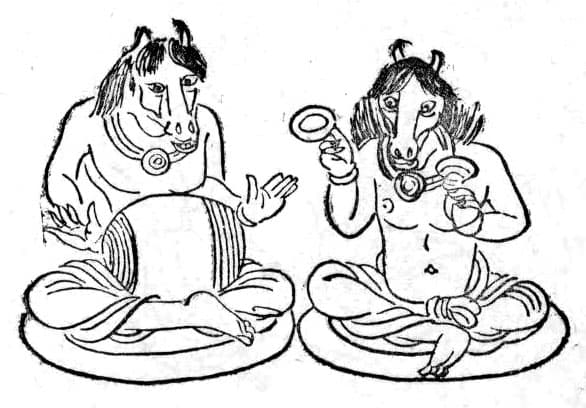
Asia
A kumbhāṇḍa (Sanskrit) or kumbhaṇḍa (Pāli) is one of a group of dwarfish, misshapen spirits among the lesser deities of …
Read →
Japan
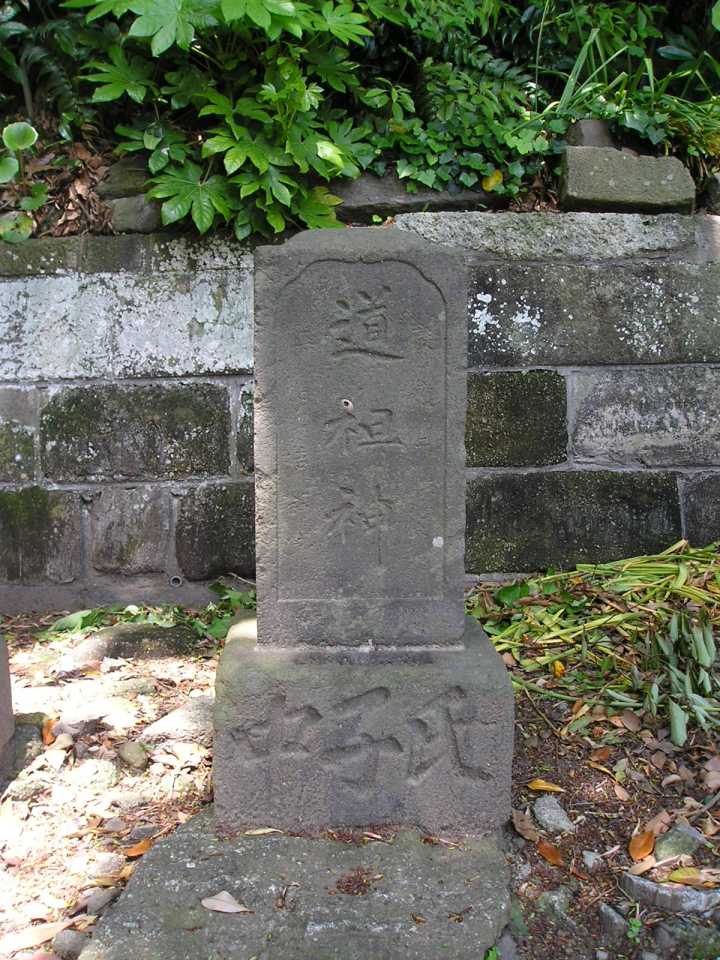
Kunado-no-Kami, alternately Kunato-no-Kami, Funado-no-Kami, Funato-no-Kami, or Chimata-no-Kami, are Japanese local gods …
Read →
Japan
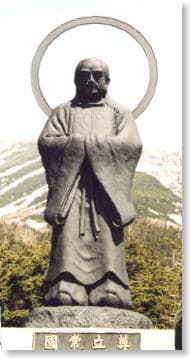
In Shinto faith, Kuninotokotachi (国之常立神; Kuninotokotachi-no-Kami, in Kojiki) (国常立尊; Kuninotokotachi-no-Mikoto, in Nihon …
Read →
Japan
Kunitama (国魂) is a type of kami or god who acts as a tutelary deity or guardian of a province of Japan or sometimes othe…
Read →
Early Slavs
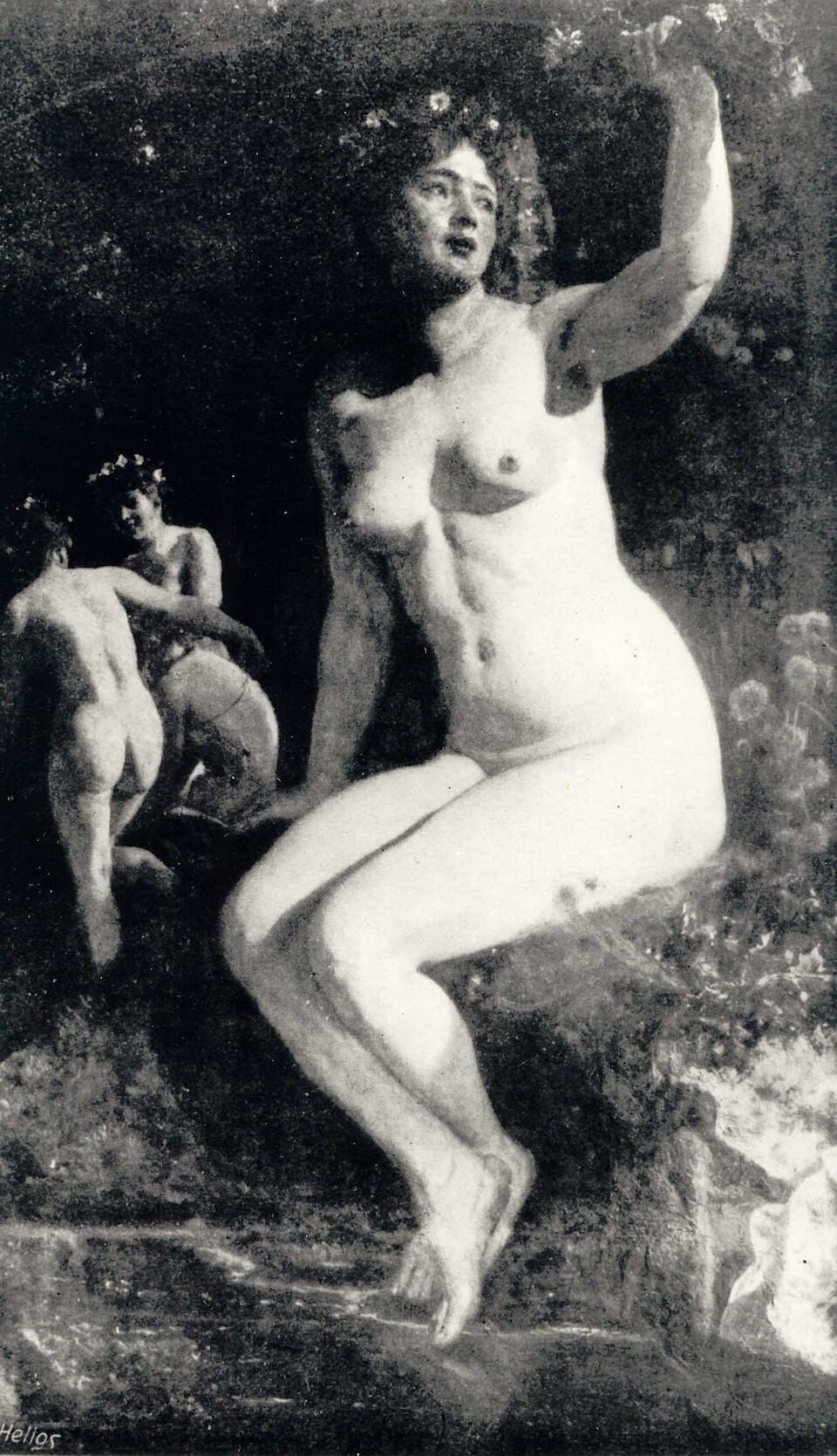
Kupala or Kupalo is an alleged Slavic deity who was first mentioned in the 17th century and compared to the Greek goddes…
Read →
Indian subcontinent
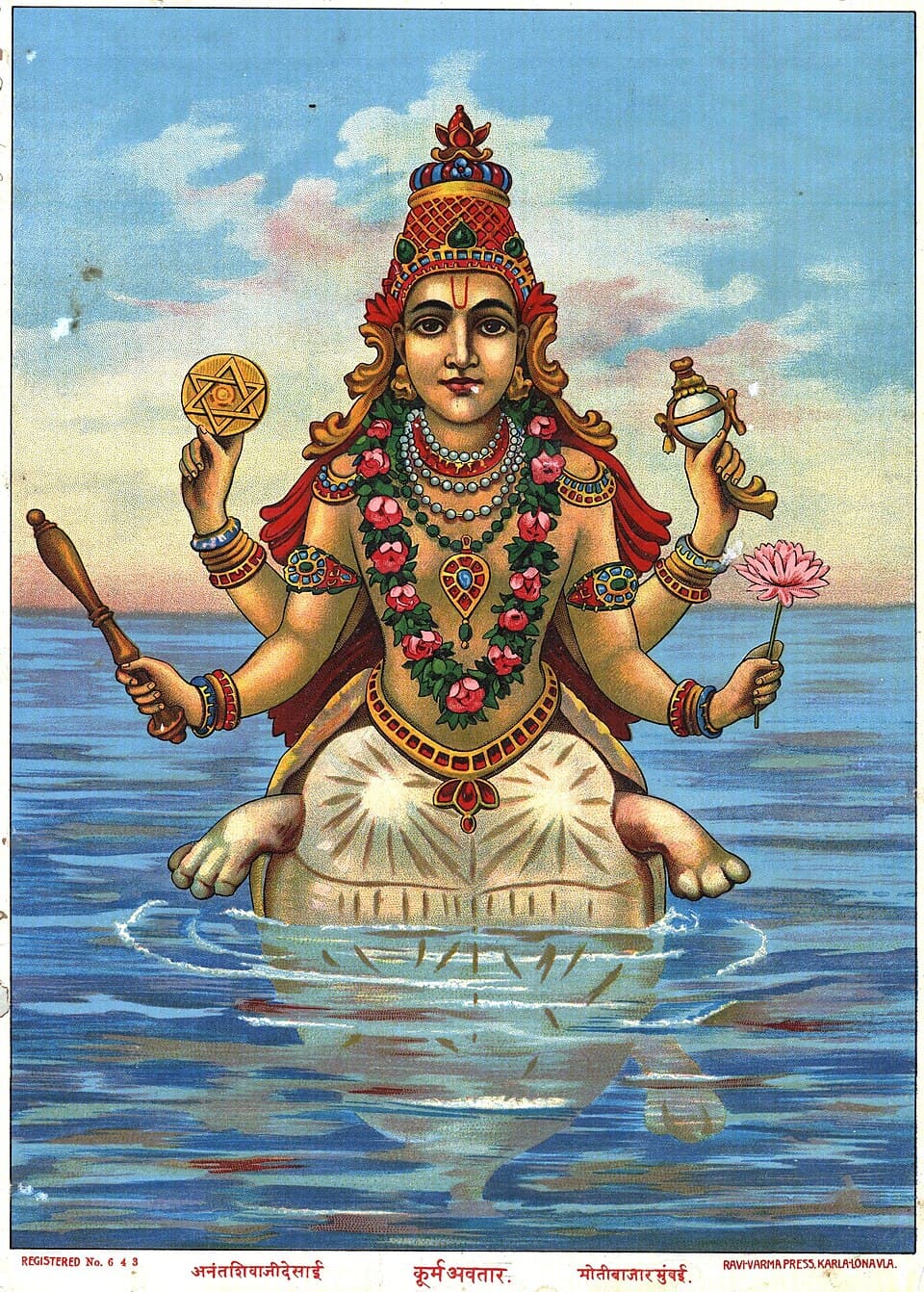
Kurma, is the second avatar of the Hindu preserver deity, Vishnu. Originating in Vedic literature such as the Yajurveda…
Read →
Indian subcontinent
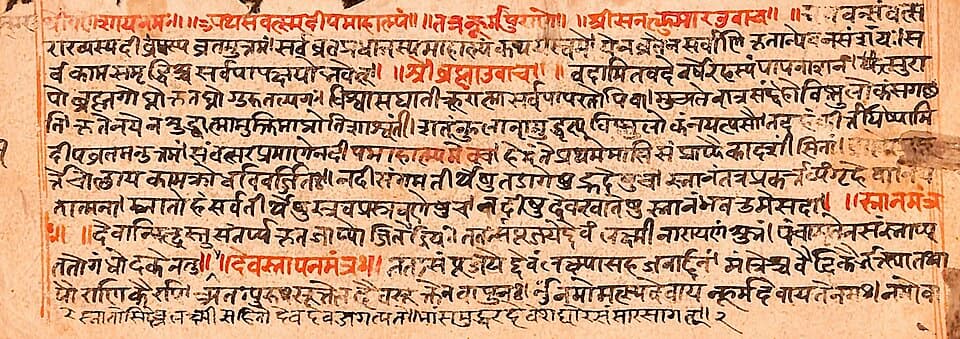
The Kurma Purana is one of the eighteen Mahapurana, and a medieval era text of Hinduism. The text is named after the to…
Read →
Asia
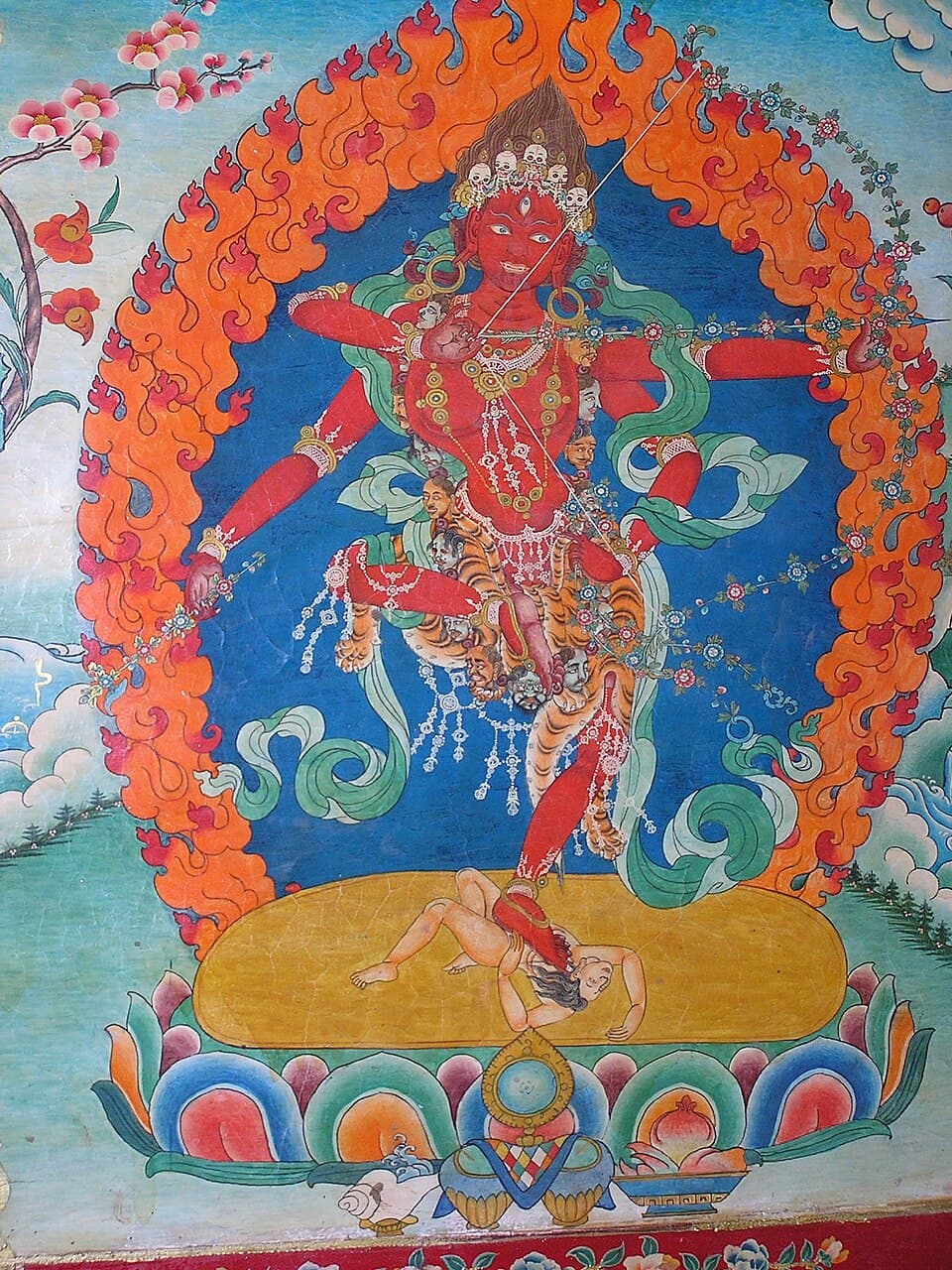
Kurukullā is a female, peaceful to semi-wrathful Yidam in Tibetan Buddhism particularly associated with rites of magneti…
Read →
Indian subcontinent
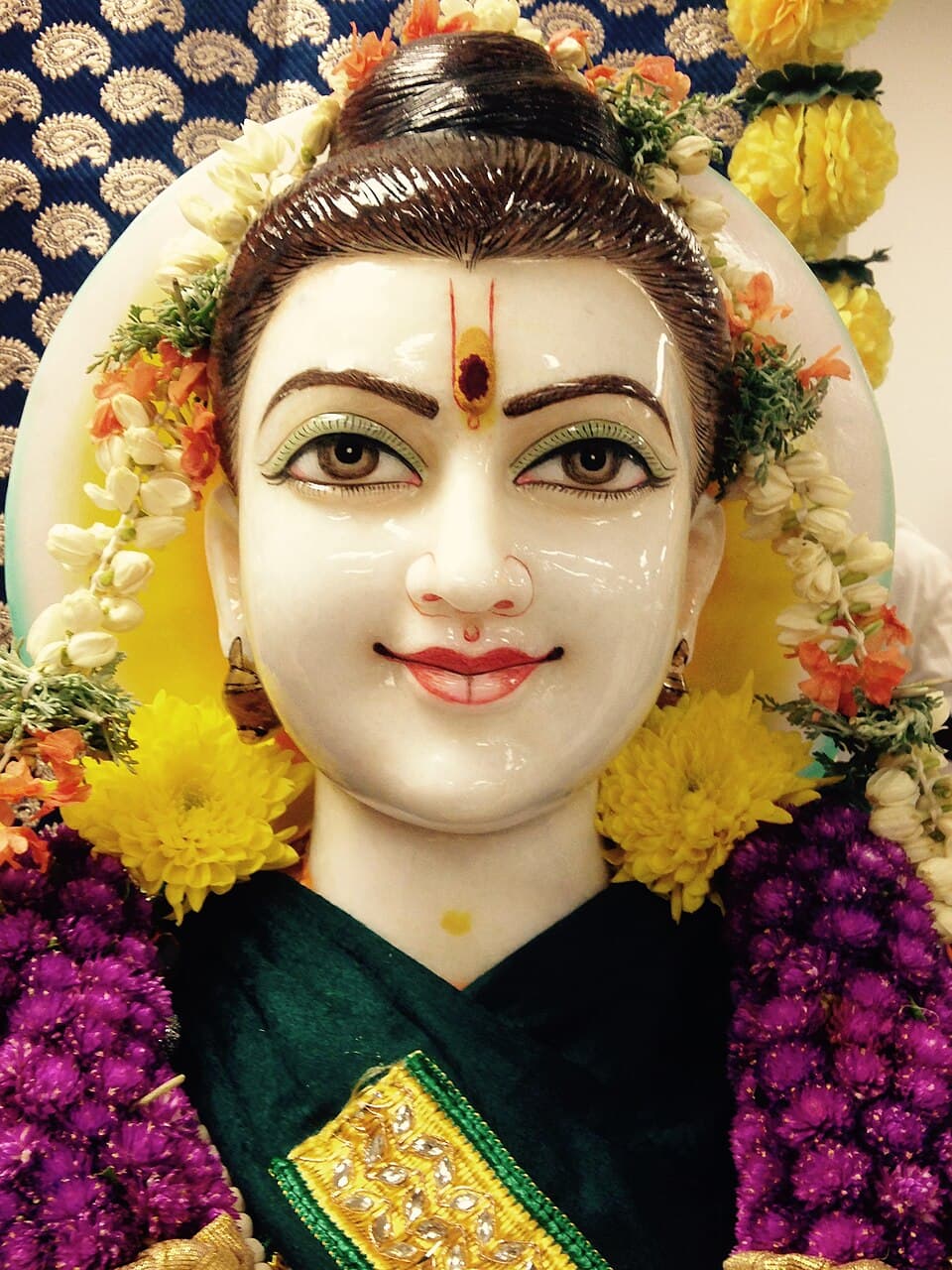
Kurupuram, also known as Kuruvapur, Kurugadda, or Kurugaddi is a holy place associated with Shripad Shri Vallabha who is…
Read →
Ancient Mesopotamia
Kus is a god of herdsmen in Sumerian, Babylonian, and Akkadian mythology. He is identified in the Theogony of Dunnu.
Read →
Ancient Mesopotamia
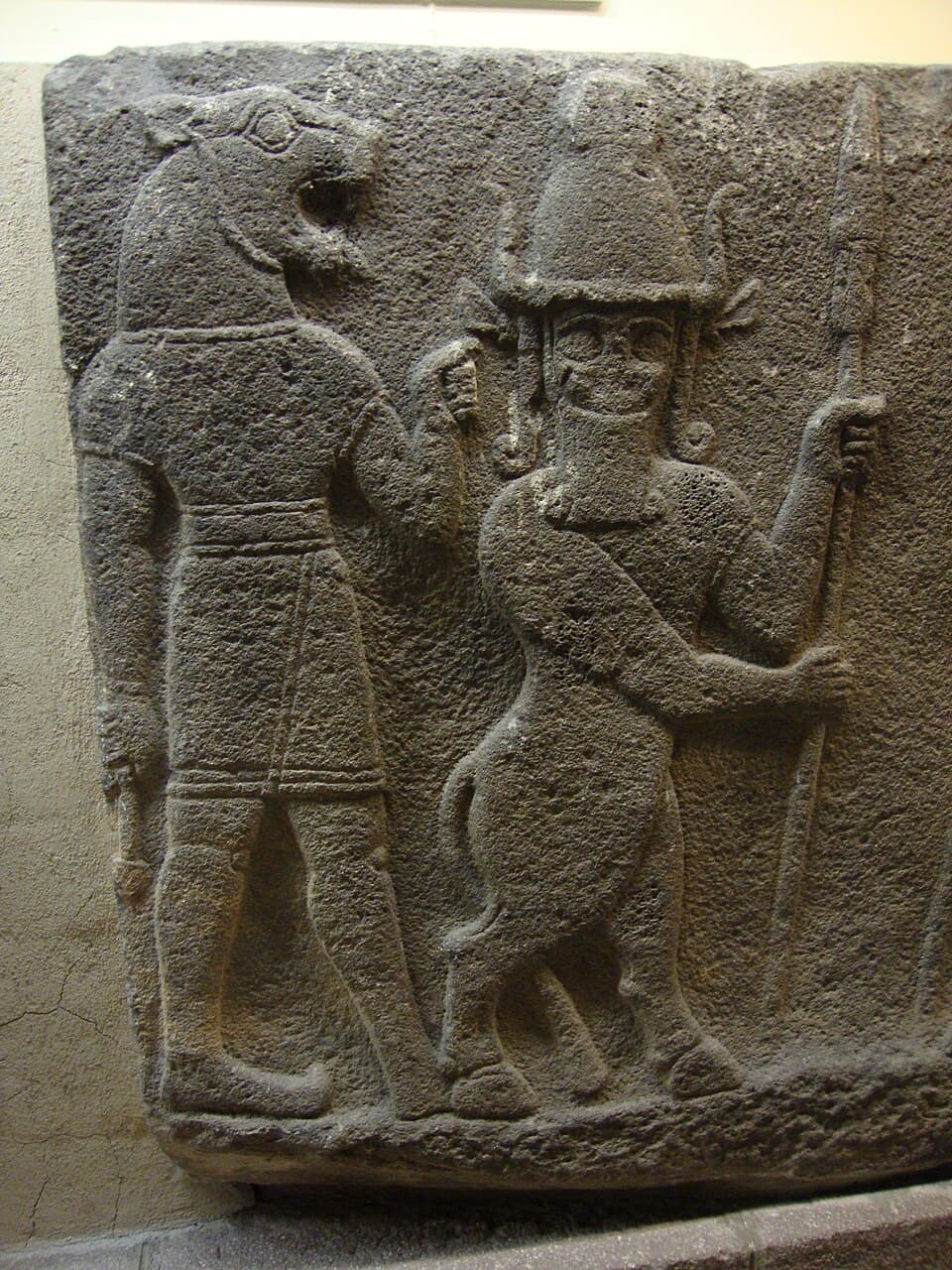
Kusarikku ("Bull-Man") was an ancient Mesopotamian mythological demon shown in artistic representation from the earliest…
Read →

Japan
Kushinadahime (櫛名田比売、くしなだひめ), also known as Kushiinadahime (奇稲田姫、くしいなだひめ) or Inadahime (稲田姫、いなだひめ) among other names, is…
Read →
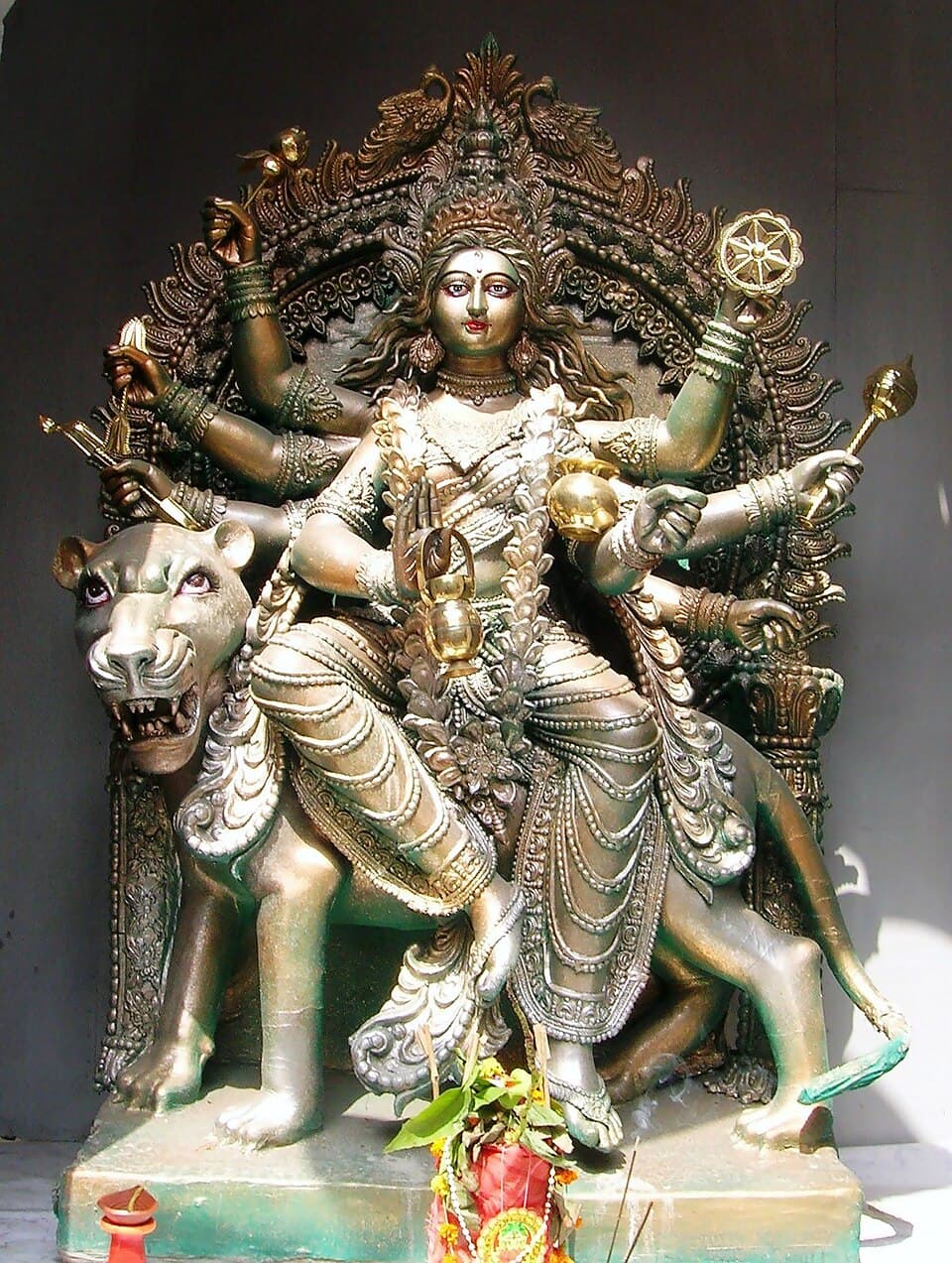
Indian subcontinent
Kushmanda is a form of the Hindu goddess Mahadevi, venerated as the creator of the universe, best-known for her act of l…
Read →
Ancient Mesopotamia
Kusibanda (Kusigbanda), also known under the disputed older reading of the name, Guškinbanda, was a Mesopotamian god reg…
Read →
Ancient Mesopotamia
Kusu was a Mesopotamian goddess associated with purification and with grain. It is not certain which aspect of her char…
Read →
Scandinavia
In Norse mythology, Kvasir was a being born of the saliva of the Æsir and the Vanir, two groups of gods. Extremely wise…
Read →
Ancient Greece
In Greek mythology, Kydoimos or Cydoemus was the personification of the din of battle, confusion, uproar and hubbub. He…
Read →
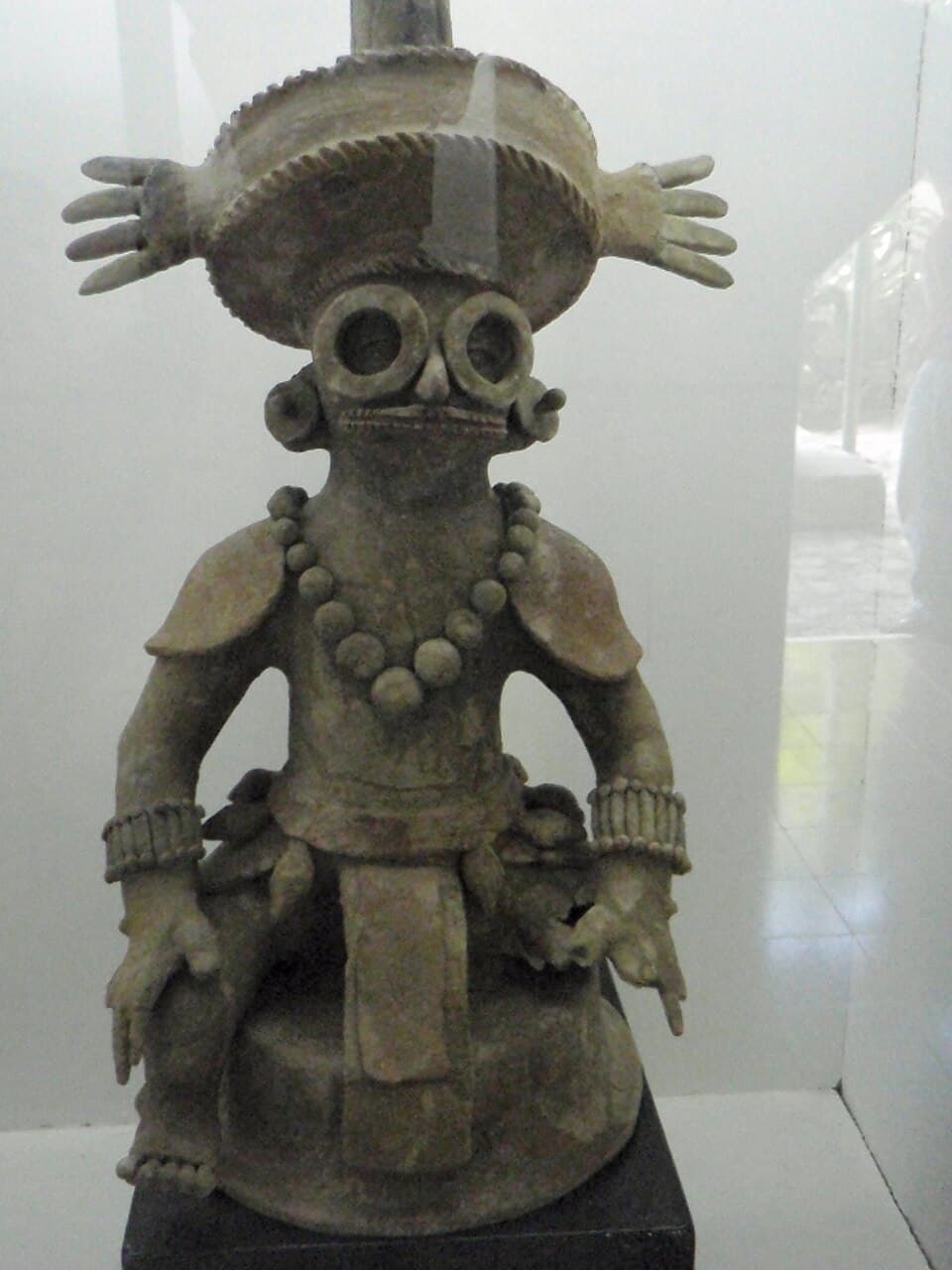
Maya civilization
Kʼinich Yax Kʼukʼ Moʼ is named in Maya inscriptions as the founder and first ruler, kʼul ajaw, of the pre-Columbian Maya…
Read →
Iron Age Europe
Labraid Loingsech, also known as Labraid Lorc, son of Ailill Áine, son of Lóegaire Lorc, was, according to medieval Iris…
Read →
Ancient Rome
In ancient Roman religion, agricultural deities were thought to care for every aspect of growing, harvesting, and storin…
Read →
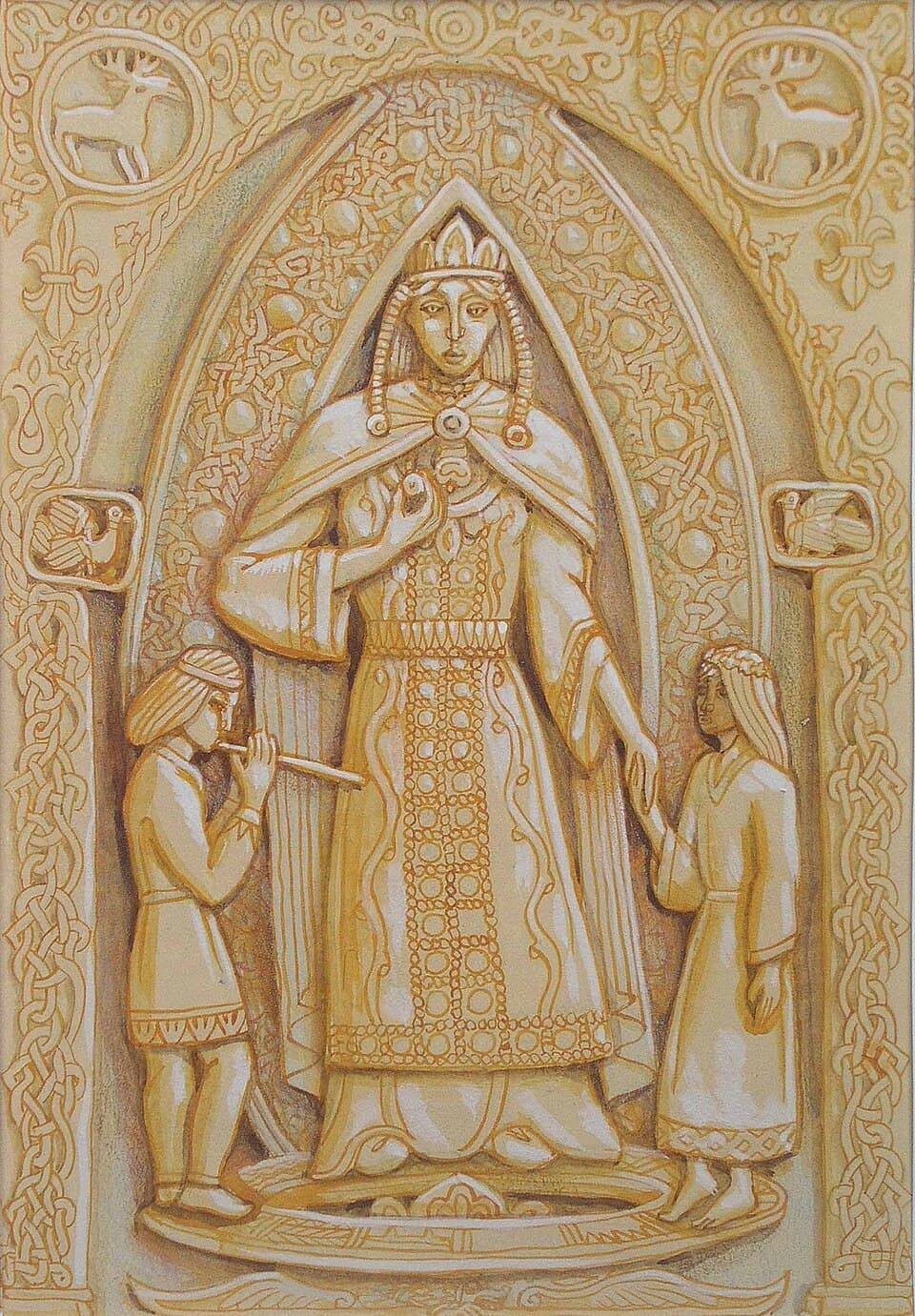
Early Slavs
Lada and Lado are alleged Slavic deities. Lada was first mentioned around 1405–1412 in the sermons of Lucas of Wielki K…
Read →

Ancient Rome
Lady Justice is an allegorical personification of the moral force in judicial systems. Her attributes are scales, a swo…
Read →
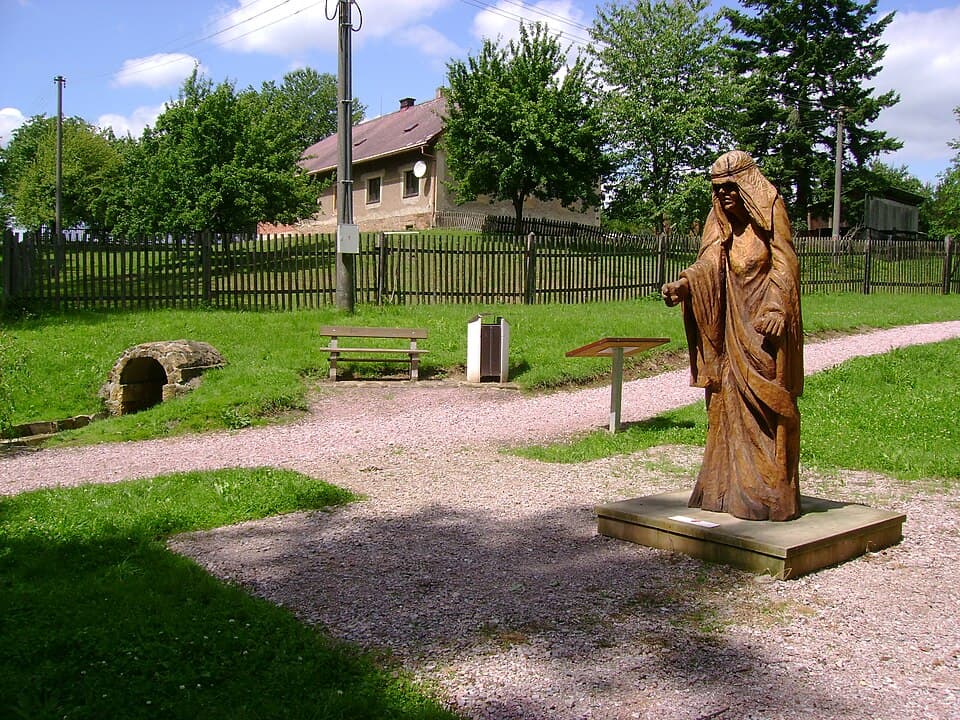
Early Slavs
Poludnitsa is a mythical character common to the various Slavic countries of Eastern Europe. She is referred to as Połu…
Read →
Maya civilization
Lady of Itzan (7th-century) was a queen of Dos Pilas.
Read →
China
Lady Xian is a deity of the Chinese pantheon.
Read →

China
Lady Yin is a deity of the Chinese pantheon.
Read →

Ancient Rome
Laetitia, also spelled Laëtitia deriving from the root word laeta, meaning "happy", "glad", "lucky", "successful", "pros…
Read →
Ancient Mesopotamia
Lagamal or Lagamar was a Mesopotamian deity associated chiefly with Dilbat. A female form of Lagamal was worshiped in T…
Read →