Hindu1500 BCE – present
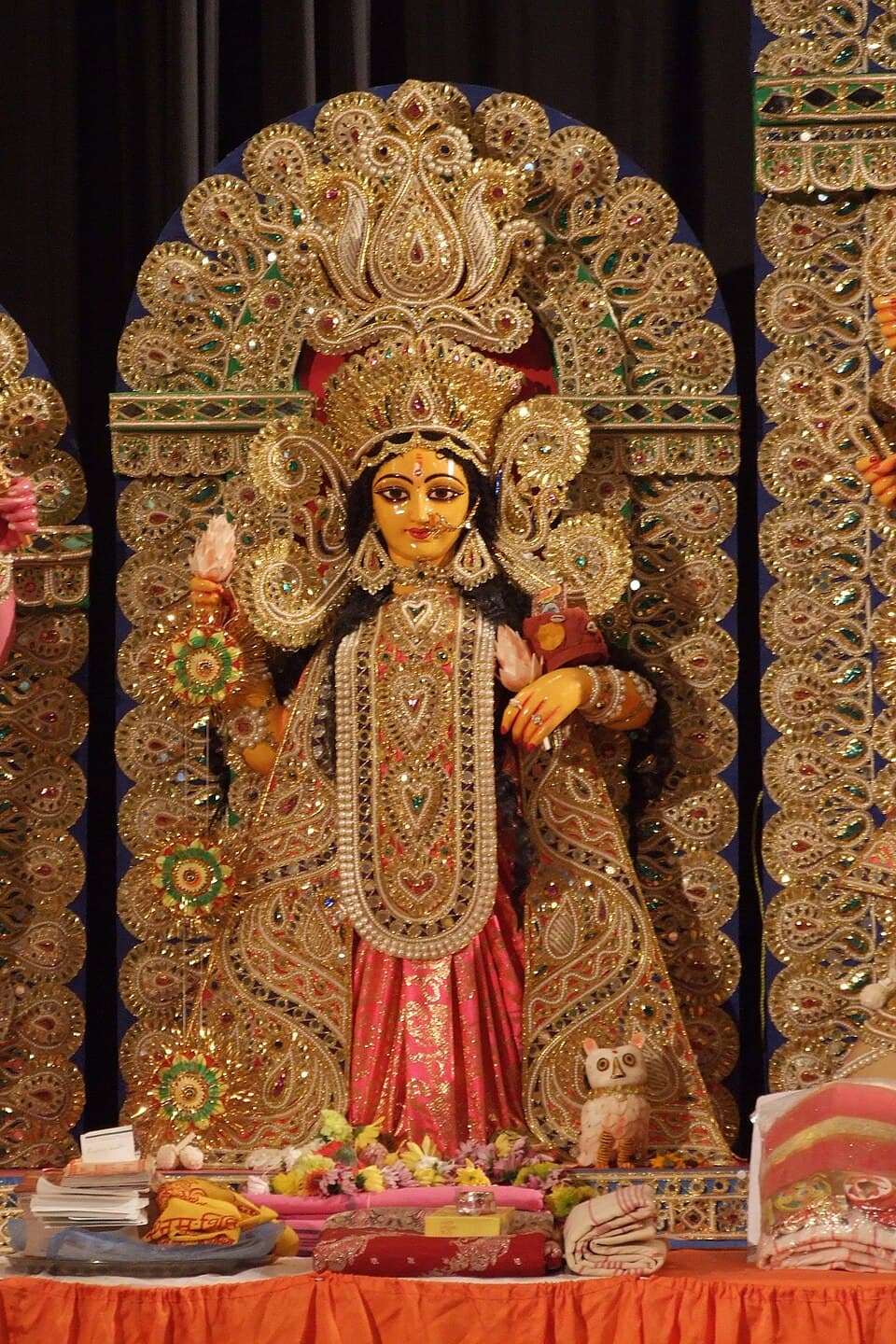
Jagdamba
Indian subcontinent
Jagadamba is an epithet used to address a Hindu goddess, primarily applied to Durga, Lakshmi and Parvati in literature.
Read →
Research Index
An archive of 3,493 gods, deified rulers, and mythological figures across civilizations — from living gods of Egypt to the dying gods of antiquity.
Indian subcontinent
Jagadamba is an epithet used to address a Hindu goddess, primarily applied to Durga, Lakshmi and Parvati in literature.
Read →
Ancient Mesopotamia
Jah or Yah is a short form of the Tetragrammaton יהוה (YHWH), the personal name of God: Yahweh, which the ancient Israel…
Read →
Asia
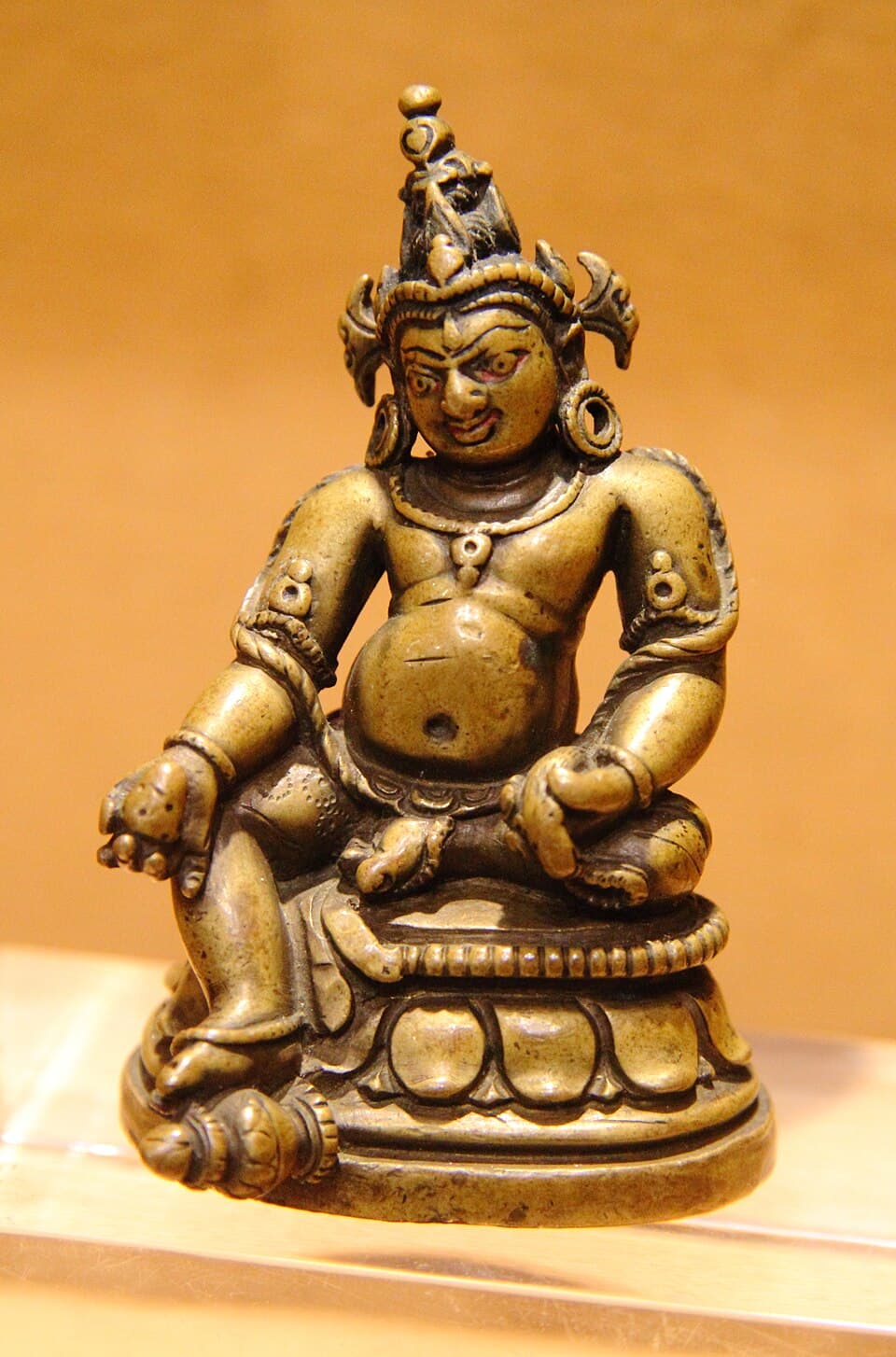
Jambhala, also known as Dzambhala, Dzambala, Zambala or Jambala, is the Buddhist deity of fortune and wealth and a membe…
Read →
Ancient Rome
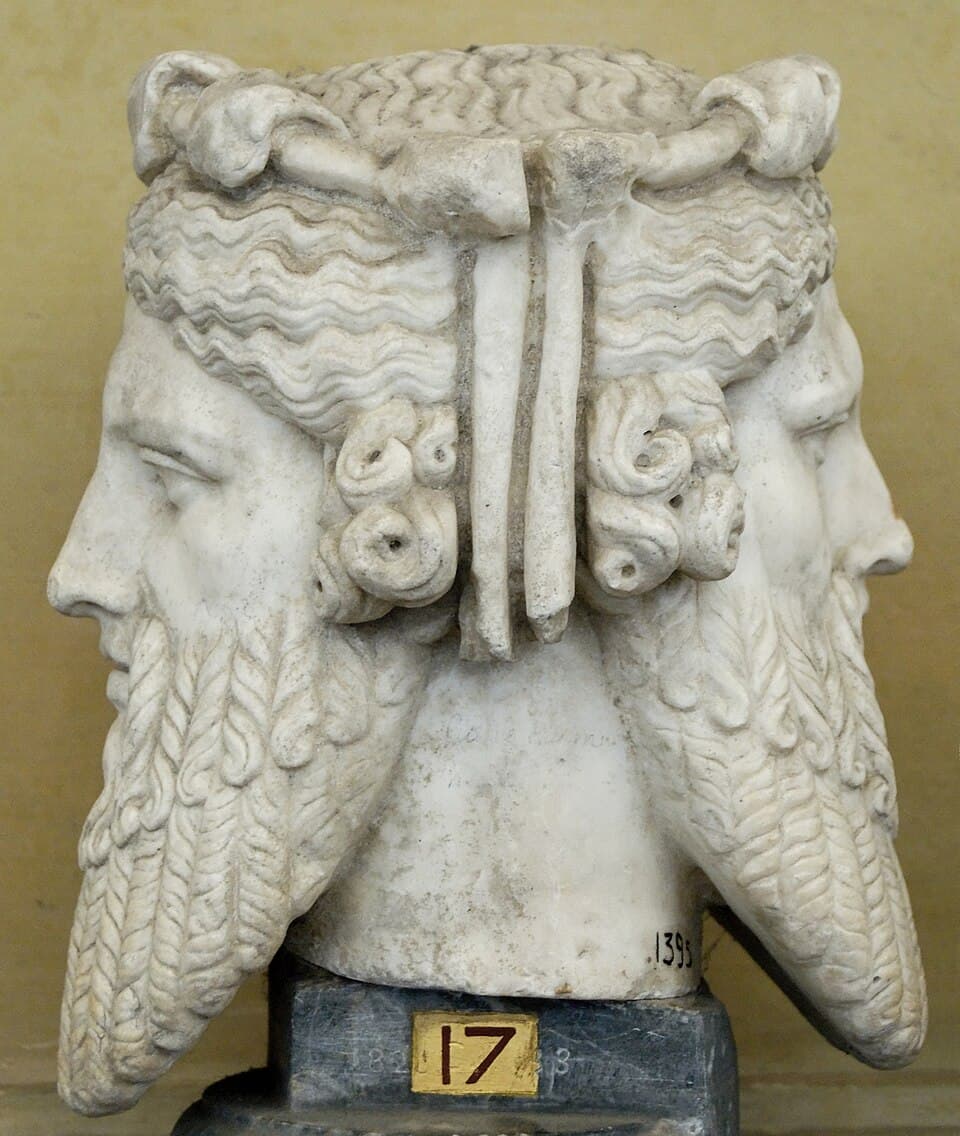
In ancient Roman religion and myth, Janus is the god of beginnings, gates, transitions, time, duality, doorways, passage…
Read →
Indian subcontinent
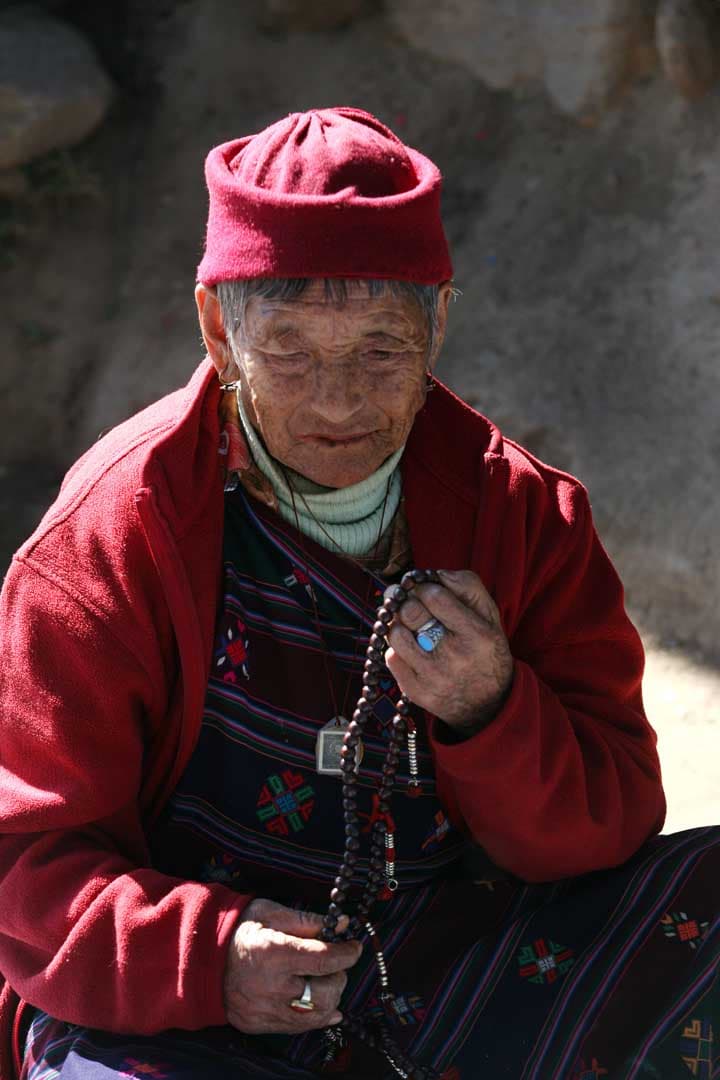
Japa is the meditative repetition of a mantra or a divine name. It is a practice found in Hinduism, Jainism, Sikhism, a…
Read →

Japan
The Japanese wolf, also known as the Honshū wolf, is an extinct subspecies of the gray wolf that was once endemic to the…
Read →
Early Slavs
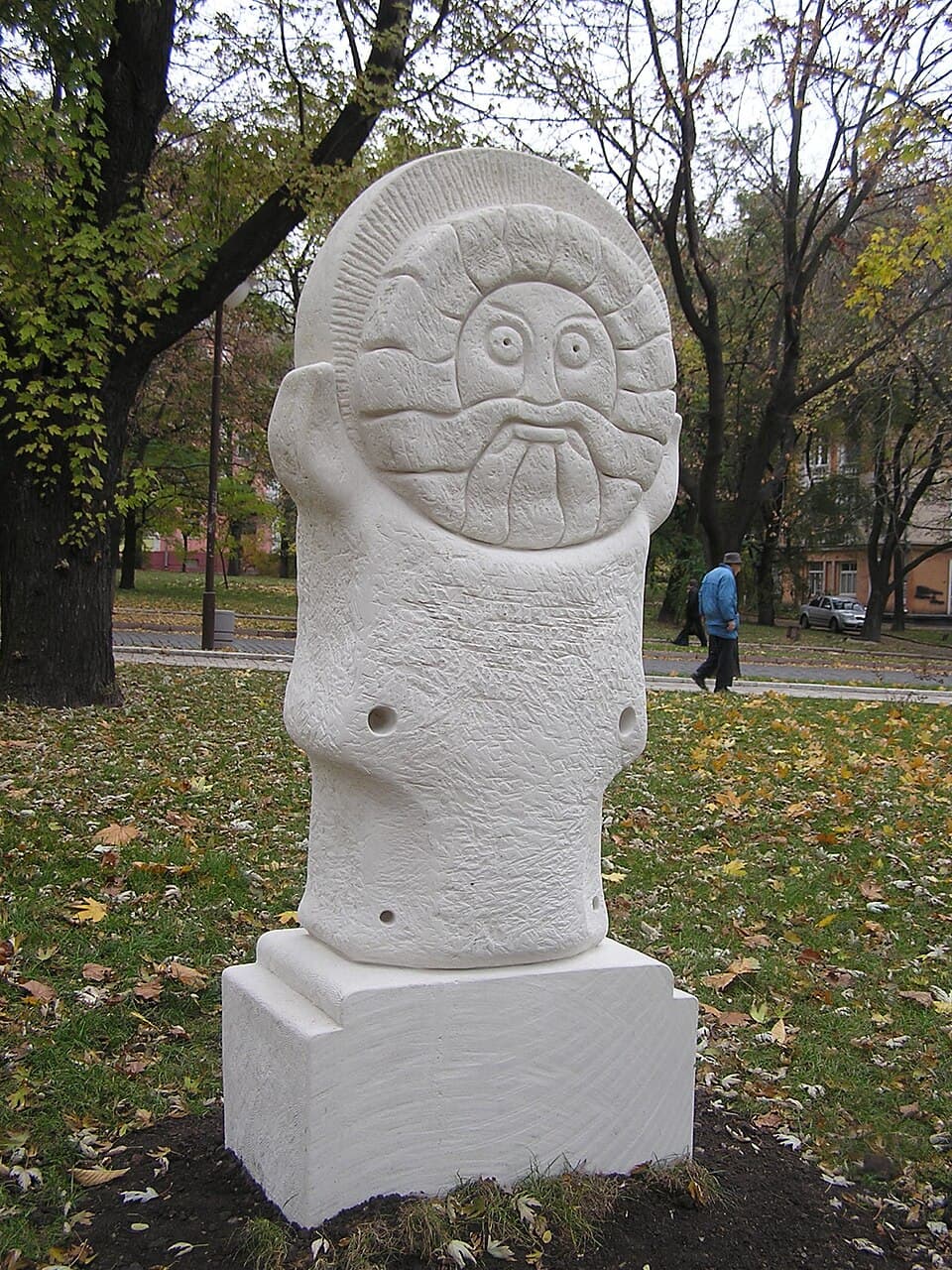
Jarylo, alternatively Yaryla, Yarilo, Iarilo, Juraj, Jurij, or Gerovit, is an alleged East and South Slavic god of veget…
Read →
Indian subcontinent
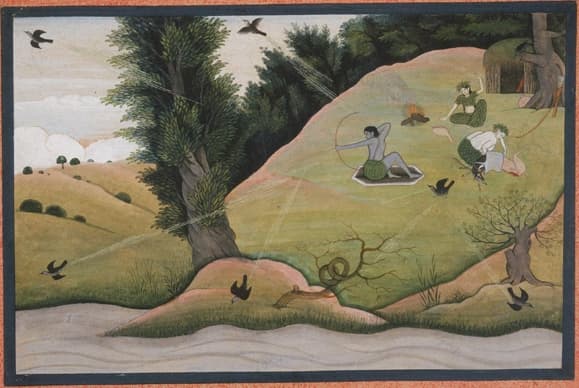
Jayanta ), is a character who appears in Hindu literature. He is the son of Indra, the king of the devas (gods), and hi…
Read →
Indian subcontinent
Jayanti is a character in Hindu mythology. She is the daughter of Indra, the king of the devas and the ruler of Svarga,…
Read →
Indian subcontinent
Jayatirtha, also known as Teekacharya, was a Hindu philosopher, dialectician, polemicist and the sixth pontiff of Madhva…
Read →
Scandinavia
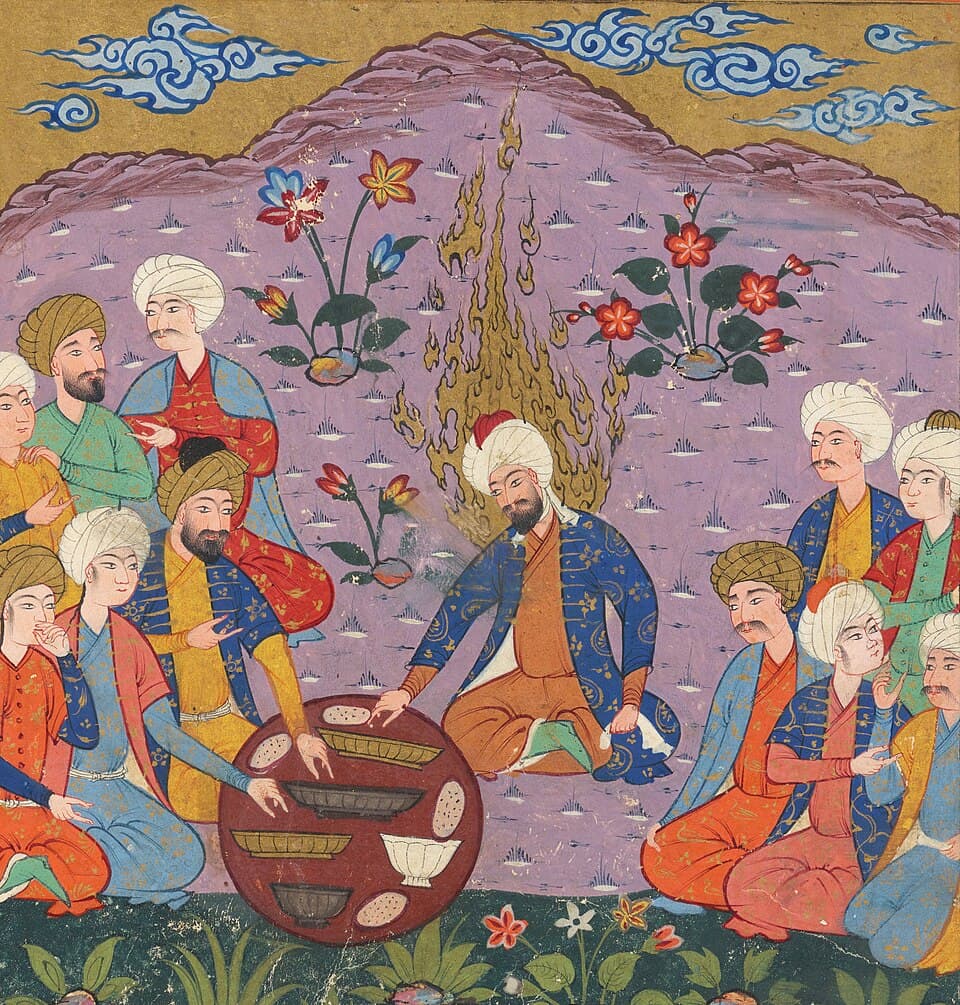
In Islam, Jesus, referred to by the Arabic rendering of his name Isa, is believed to be the penultimate prophet and mess…
Read →
Early Slavs
Jesza or Jasza is an alleged Polish god. He was first mentioned around 1405–1412 in the sermons of Lucas of Wielki Koźm…
Read →

Ancient Persia
Jeung San Do (Korean: 증산도), occasionally called Jeungsanism, meaning "The Dao/Tao of Jeung-san", although this term is b…
Read →

Indian subcontinent
Jhandewali Mata , a form of Mahadevi. The name "Jhandewalan" or "Jhandewali" means "She of the flags" or "associated wi…
Read →
China
Jiang Yuan is a deity of the Chinese pantheon.
Read →
North America
Jiibayaabooz is a figure in Ojibwe mythology, also known as Chipiapoos or Cheeby-aub-oozoo, meaning "Spirit Rabbit" or "…
Read →
China
Jingwei is a deity of the Chinese pantheon.
Read →

China
Jinjia Yinsuo, also known as the Shackle and Chain Generals, are deities of the underworld Diyu, tasked with escorting s…
Read →
China
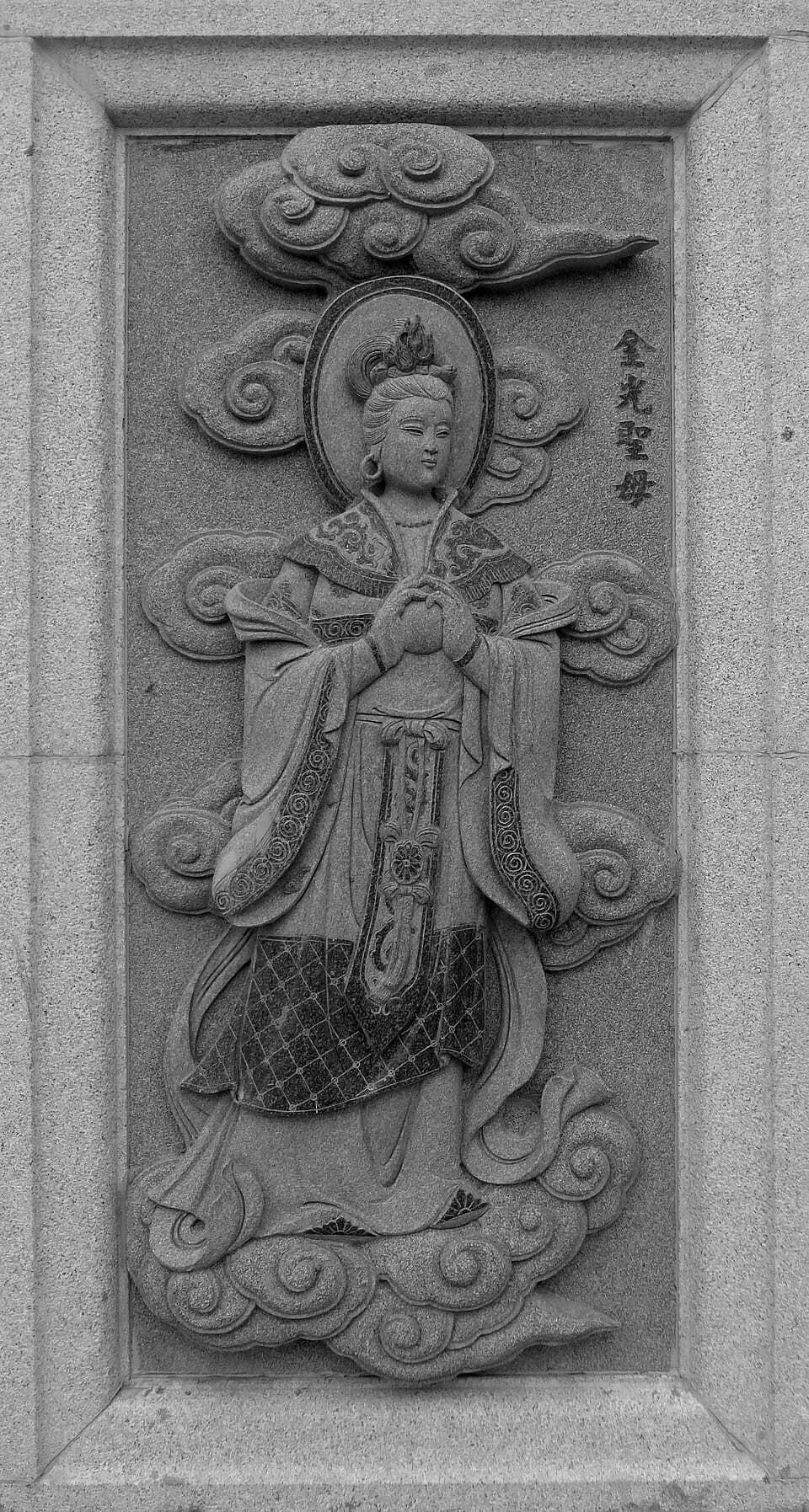
Jinling Shengmu is a deity of the Chinese pantheon.
Read →
China
Jinqianbo is a deity associated with wealth and prosperity in Chinese folk religion. The name Jinqianbo translates to "…
Read →
Japan
Jinushigami (地主神), also known as jigami (地神), tochigami (土地神), chi no kami , or jinushisama (地主様), are Shinto folk deiti…
Read →
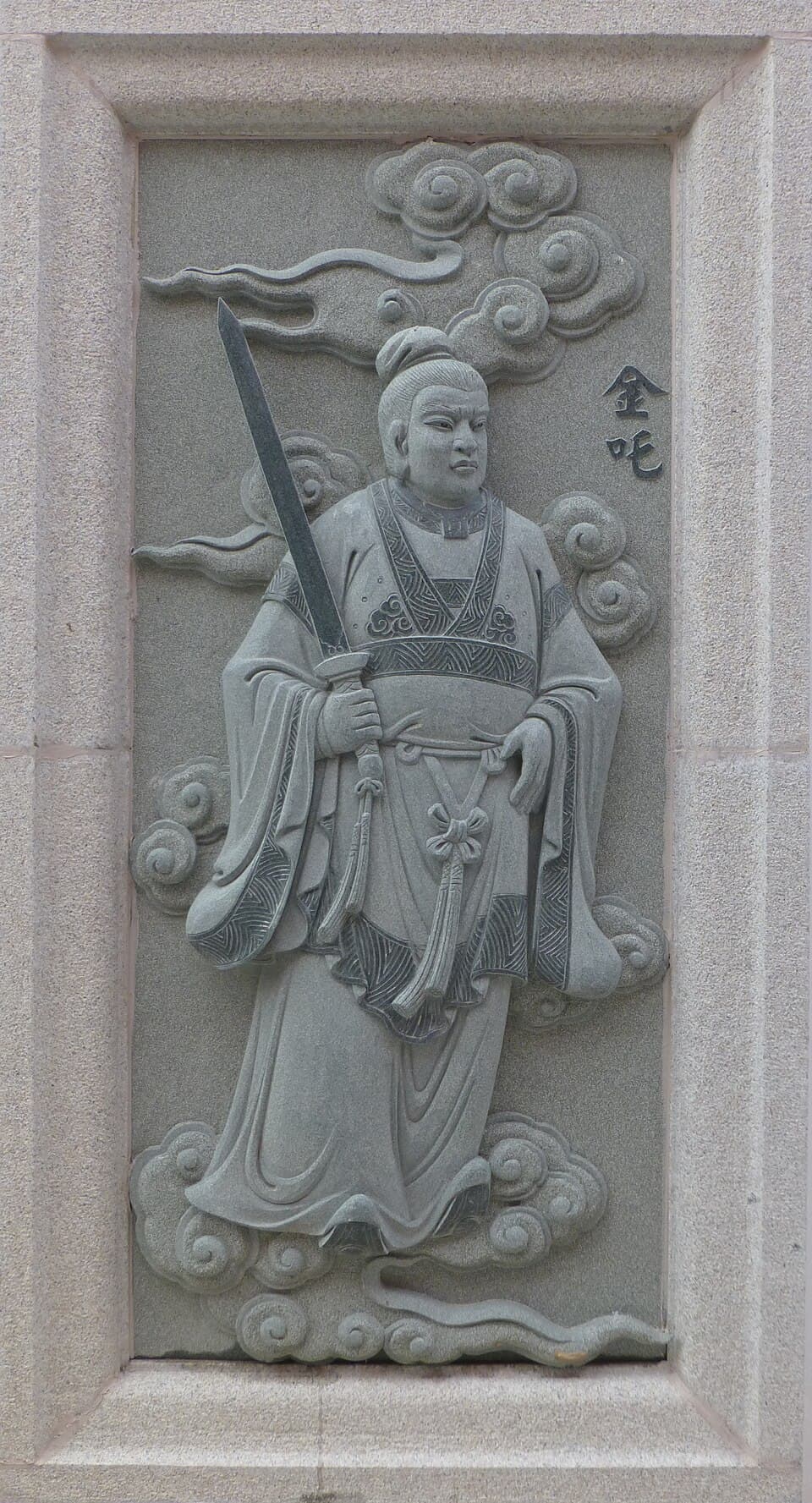
China
Jinzha is a figure in Chinese mythology, appearing in works such as Investiture of the Gods. A disciple of the superior…
Read →
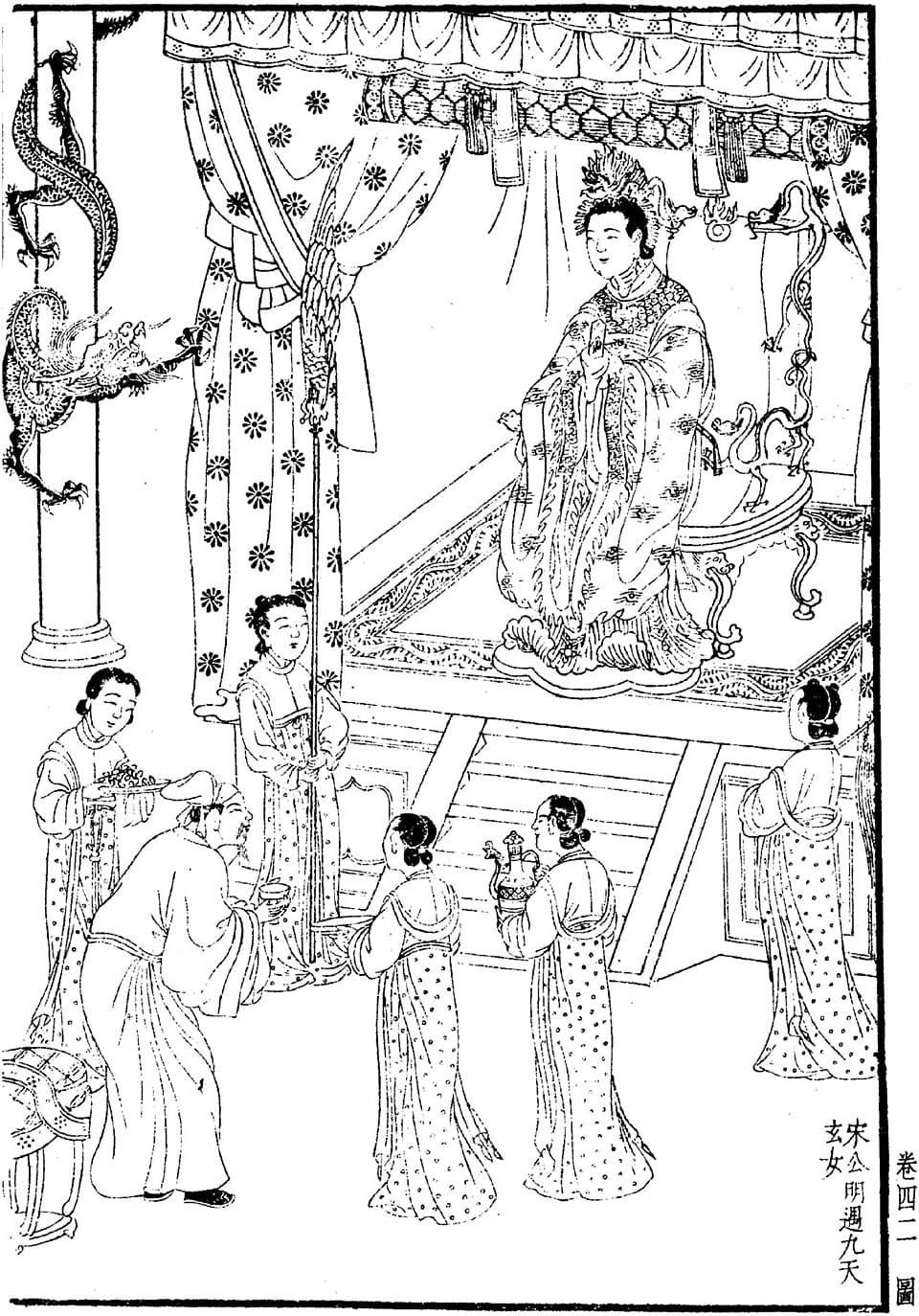
China
Jiutian Xuannü is a deity of the Chinese pantheon.
Read →
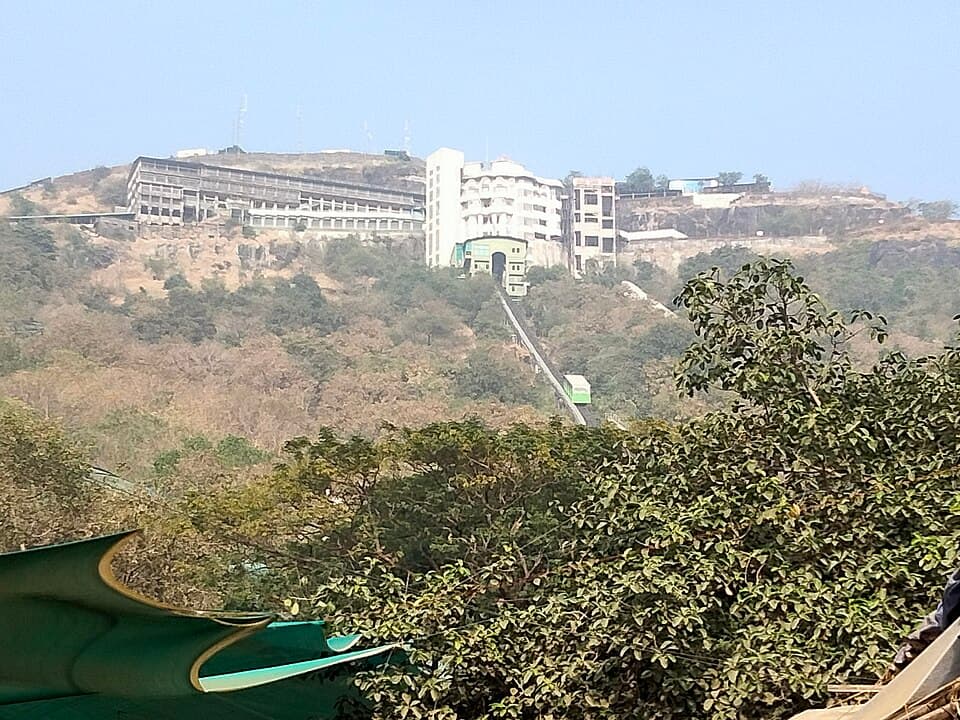
Indian subcontinent
Jivdani Mata is a Hindu goddess whose main temple is atop a hill in Virar, Maharashtra, India.
Read →
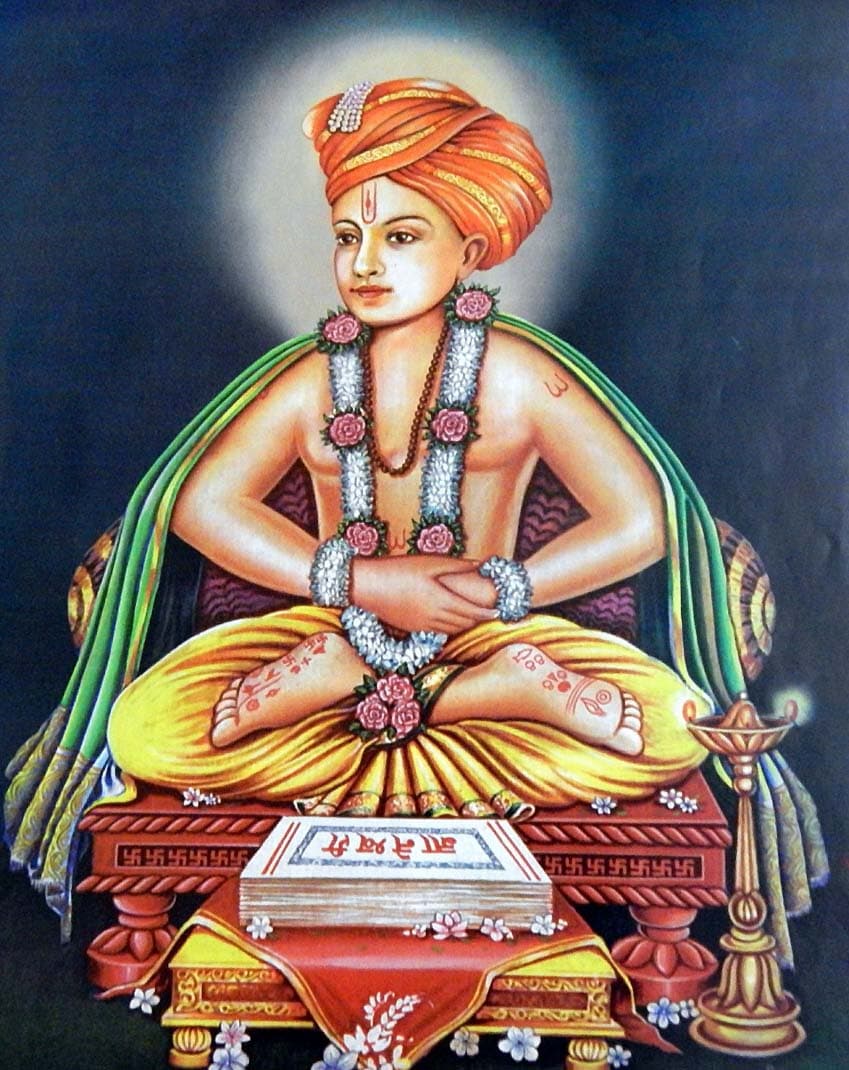
Indian subcontinent
Sant Dnyaneshwar, , also referred to as Jñāneśvara, Jñānadeva, Dnyandev or Mauli or Dnyandev Vitthal Kulkarni, was a 13t…
Read →
Scandinavia
Jofur is a name used in Nordic literature for the thunder god, mainly as a synonym for Jupiter. Jofur probably originat…
Read →
Scandinavia
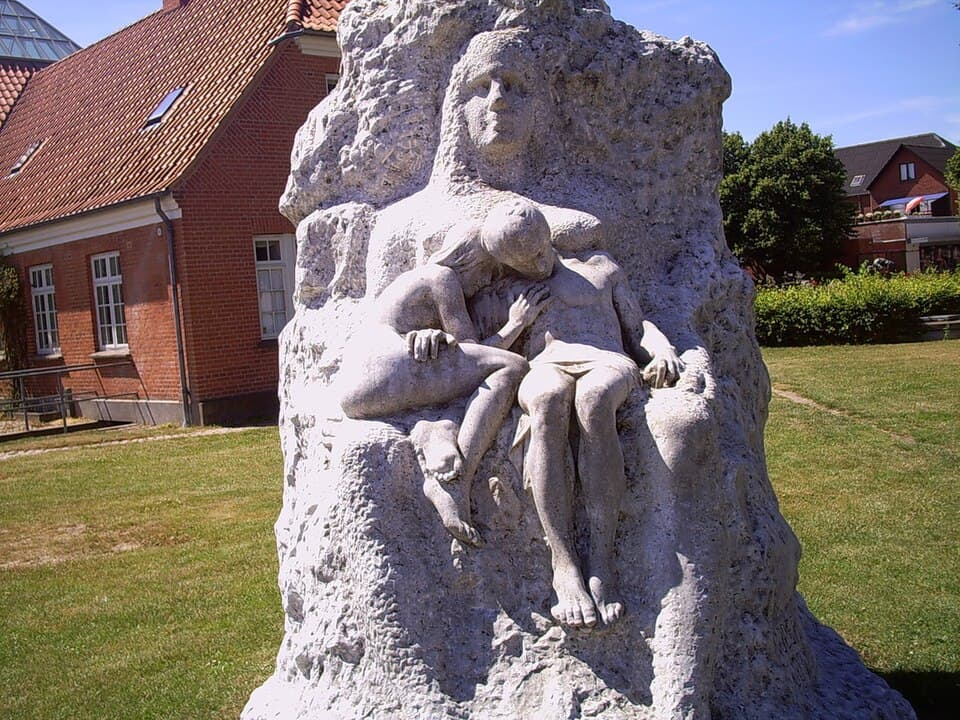
Jörð, also named Fjörgyn or Hlödyn, is the personification of Earth and a goddess in Norse mythology. She is the mother…
Read →

Ancient Persia
Judaism is an Abrahamic, monotheistic, ethnic religion that comprises the collective spiritual, cultural, and legal trad…
Read →
Ancient Rome
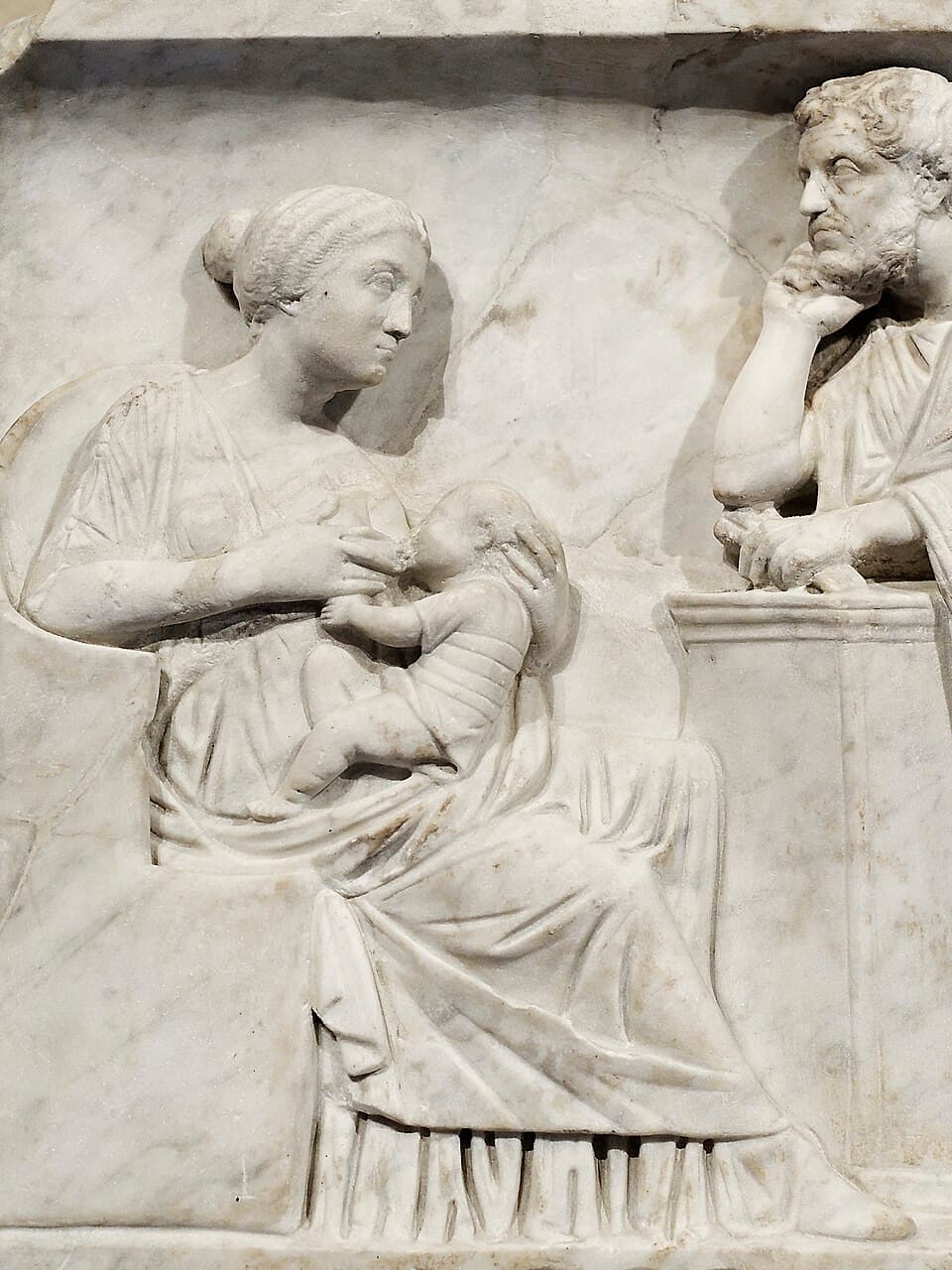
In ancient Roman religion, birth and childhood deities were thought to care for every aspect of conception, pregnancy, c…
Read →
Indian subcontinent
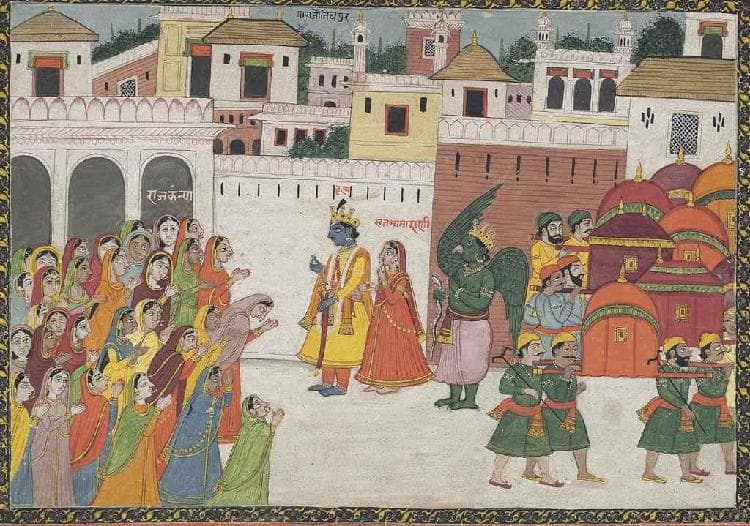
Besides the Ashtabharya, Krishna is described to have married several thousand women whom he rescued from the demon Nara…
Read →

Ancient Mesopotamia
Jupiter is the fifth planet from the Sun, and the largest in the Solar System. It is a gas giant with a mass nearly 2. …
Read →

Ancient Egypt
In ancient Roman religion and mythology, Jupiter, also known as Jove, is the god of the sky and thunder, and king of the…
Read →
Ancient Egypt
Amun was a major ancient Egyptian deity who appears as a member of the Hermopolitan Ogdoad. Amun was attested from the …
Read →
Ancient Rome
According to the Roman historian Livy, Jupiter Indiges is the name given to the deified hero Aeneas. In some versions o…
Read →

Ancient Rome
Jupiter Tonans was the aspect (numen) of Jupiter venerated in the Temple of Jupiter Tonans, which Augustus vowed in 26 B…
Read →
Ancient Rome
According to Cicero, the cult statue Jupiter-puer stood directly adjacent to the site where the sacred lots of ancient P…
Read →
Ancient Rome
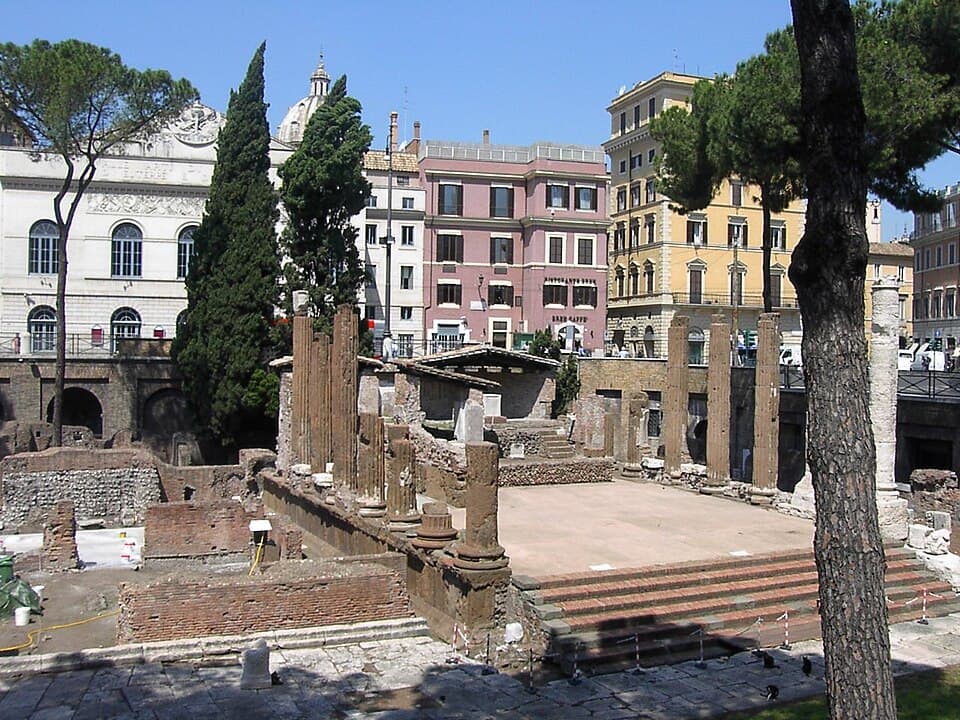
In the myth and religion of ancient Rome, Juturna, or Diuturna, was a goddess of fountains, wells and springs, and the m…
Read →
Ancient Rome
Juventas, also known as Iuventus or Juventus (Greek equivalent: Hebe), was the ancient Roman goddess whose sphere of tut…
Read →
Japan
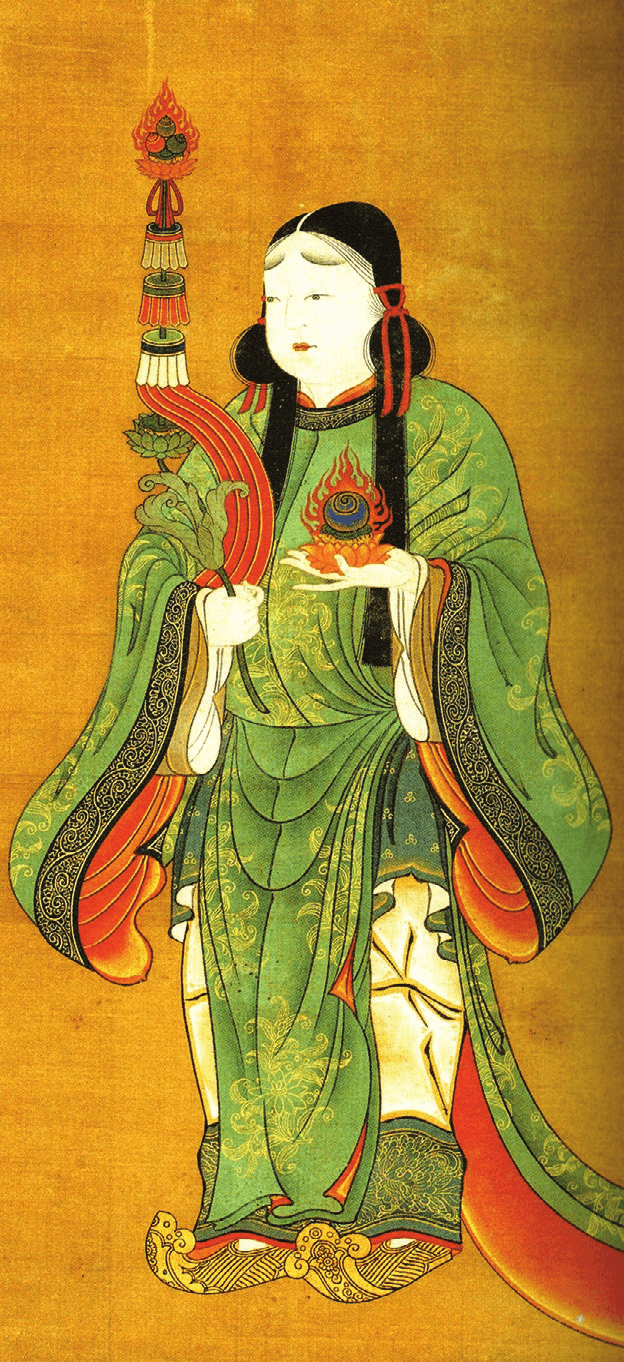
Jūzenji (十禅師) is a Japanese deity associated with Hiyoshi Taisha and Enryaku-ji. He was worshipped as one of the seven …
Read →

Indian subcontinent
Jwala is a Hindu goddess. The physical manifestation of Jwala is typically a set of eternal flames. In Hindu culture s…
Read →

Indian subcontinent
Jyestha or Jyeshtha is the Hindu goddess of adversity and misfortune. She is regarded as the elder sister and antithesi…
Read →

Indian subcontinent
In modern Tamil Shaiva tradition, Jyoti is sometimes considered to be the personification of the female principle, an em…
Read →
Indian subcontinent
Ujjain
Read →
Maya civilization
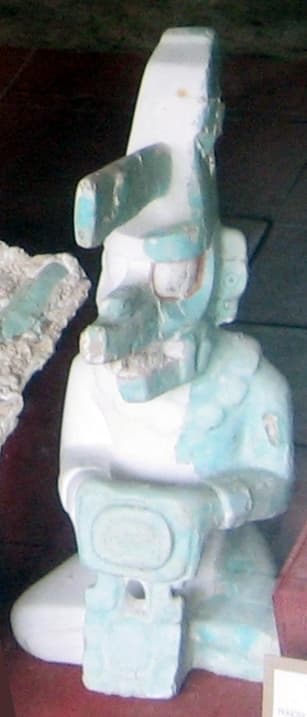
Kʼawiil, in the Post-Classic codices corresponding to God K, is a Maya deity identified with power, creation, and lightn…
Read →
Inca Empire
In the pre-Inca mythology of the Lake Titicaca Ka-Ata-Killa is the moon goddess.
Read →
Ancient Mesopotamia
Kabta, inscribed dkab-ta, dka-ab-ta, dTA-gu-nû, or later dTAxMI, was a rather obscure Mesopotamian deity who appears in …
Read →
Japan
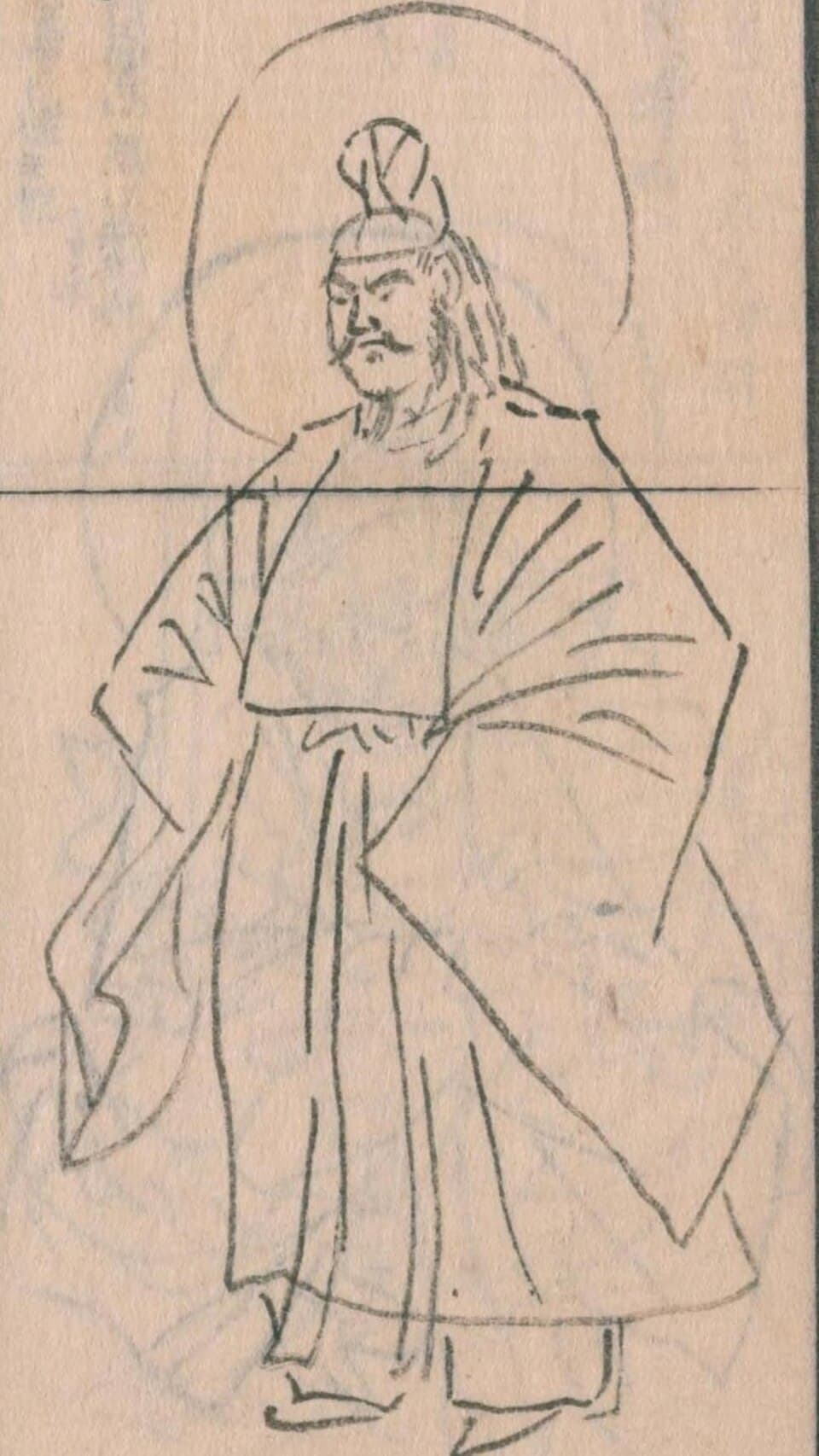
Kagutsuchi, also known as Hi-no-Kagutsuchi or Homusubi among other names, is the kami of fire in classical Japanese myth…
Read →
Polynesia
Kahiko-Lua-Mea is a god in Hawaiian mythology, who was once a chief on the Earth and lived in Olalowaia. He is mentione…
Read →

Polynesia
In the religion of Kauaʻi, Hawaii, Kahōʻāliʻi is a god sometimes associated with Lua-o-Milu. Kahōʻāliʻi also means King…
Read →

Polynesia
Kaʻahumanu was queen consort and acted as regent of the Hawaiian Kingdom as Kuhina Nui. She was the favorite wife of Ki…
Read →
Ancient Mesopotamia
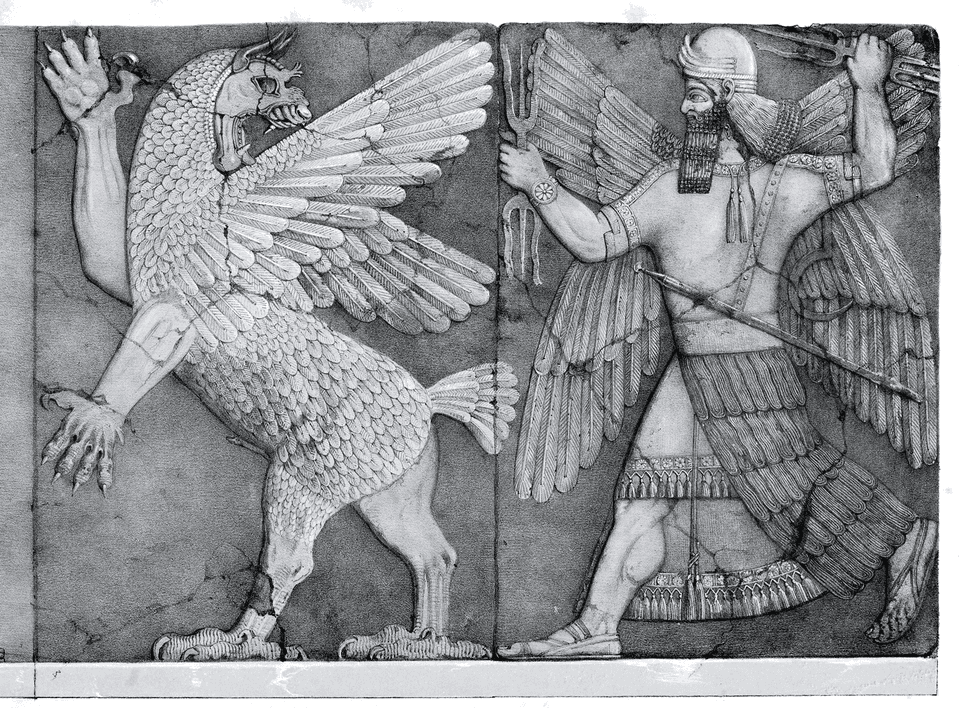
Kajamānu or Kayyamanu or Uduimin-saĝuš is the ancient Mesopotamian name for the planet Saturn. In ancient Mesopotamia, …
Read →
Ancient Greece
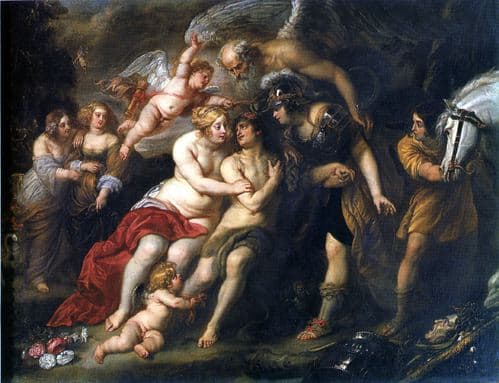
Kakia is the Greek goddess of vice and moral badness. She was depicted as a vain and heavily made-up woman dressed in r…
Read →
Ancient Mesopotamia
Kakka was a Mesopotamian deity. She was originally worshiped across Upper Mesopotamia as a healing goddess, but later o…
Read →
Indian subcontinent
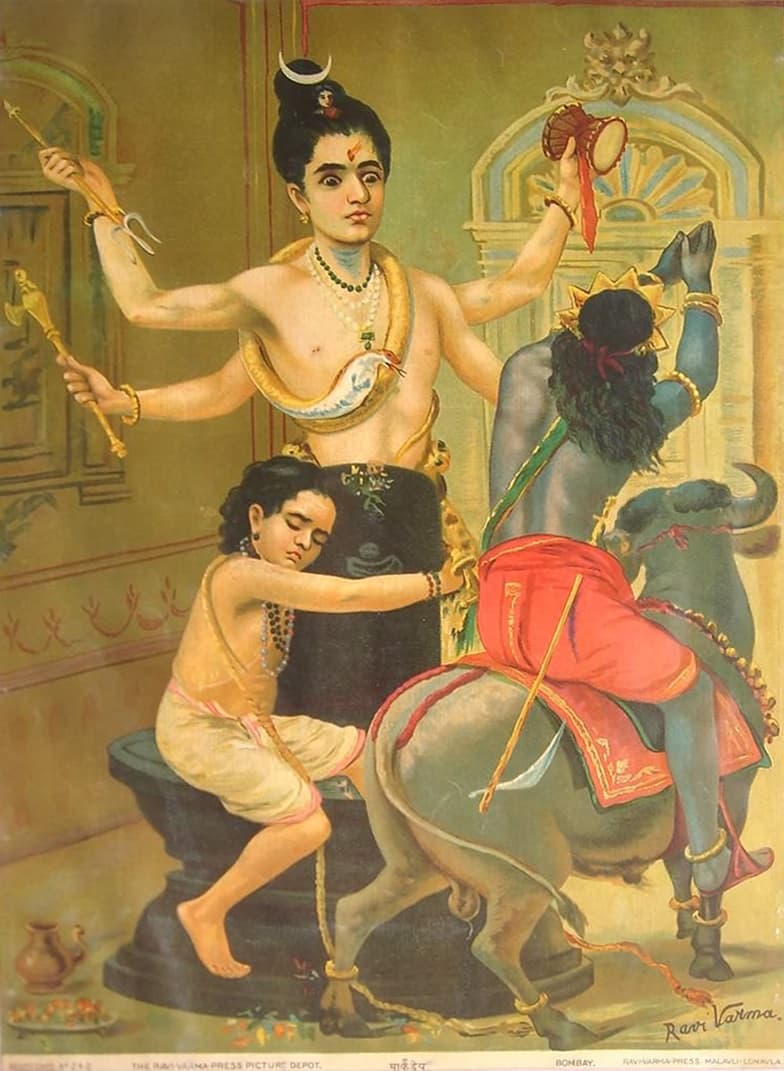
Kalantaka is an aspect of the Hindu god Shiva as the conqueror of time and death, itself personified by the god Yama. H…
Read →
Indian subcontinent
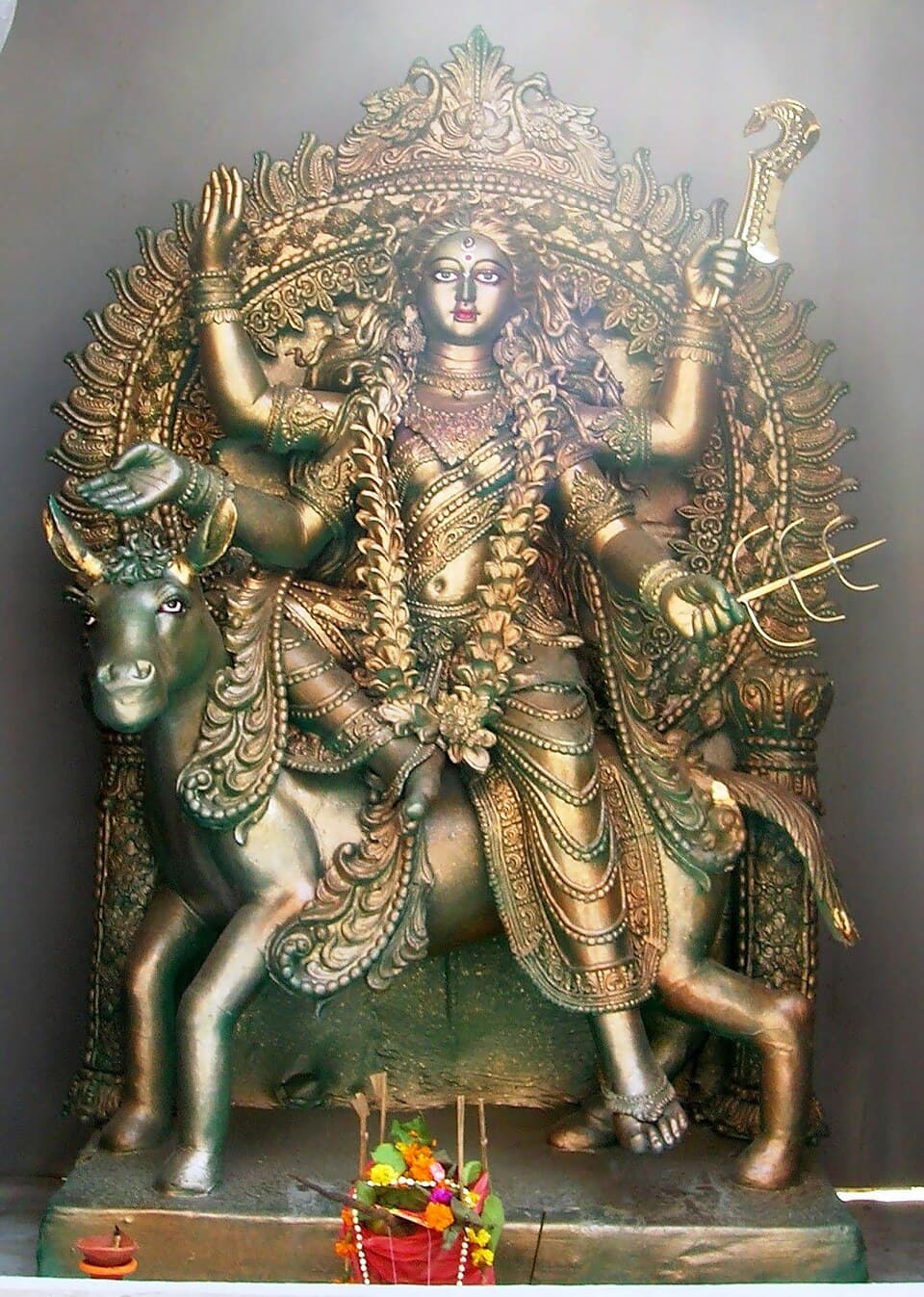
Kalaratri is the seventh of the nine Navadurga forms of the goddess Mahadevi. She is first referenced in the Devi Mahat…
Read →
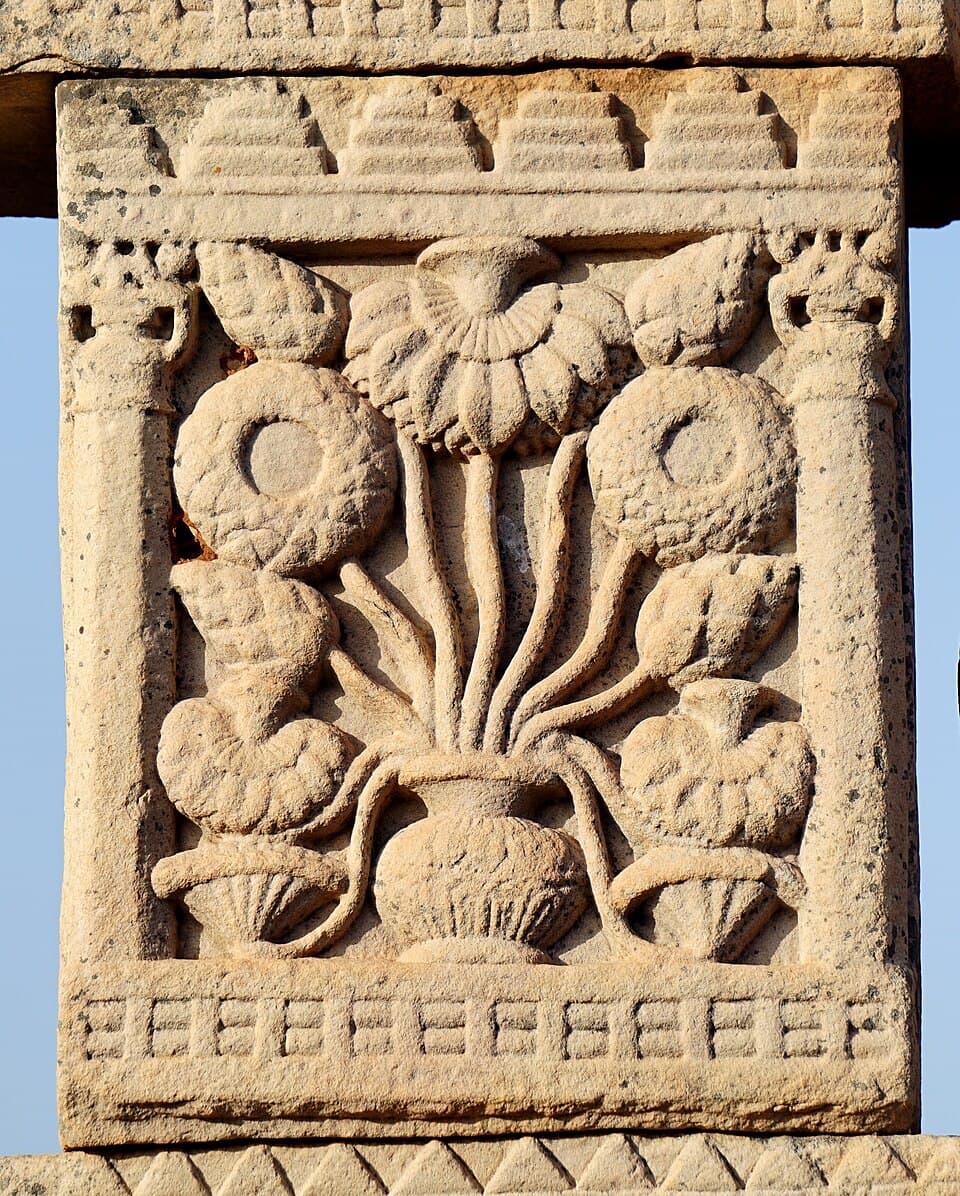
Indian subcontinent
A kalasha, also called Pūrṇa-Kalaśa, Pūrṇa-Kumbha, Pūrṇa-Ghaṭa, also called ghat or ghot or kumbh, is a metal pot with a…
Read →
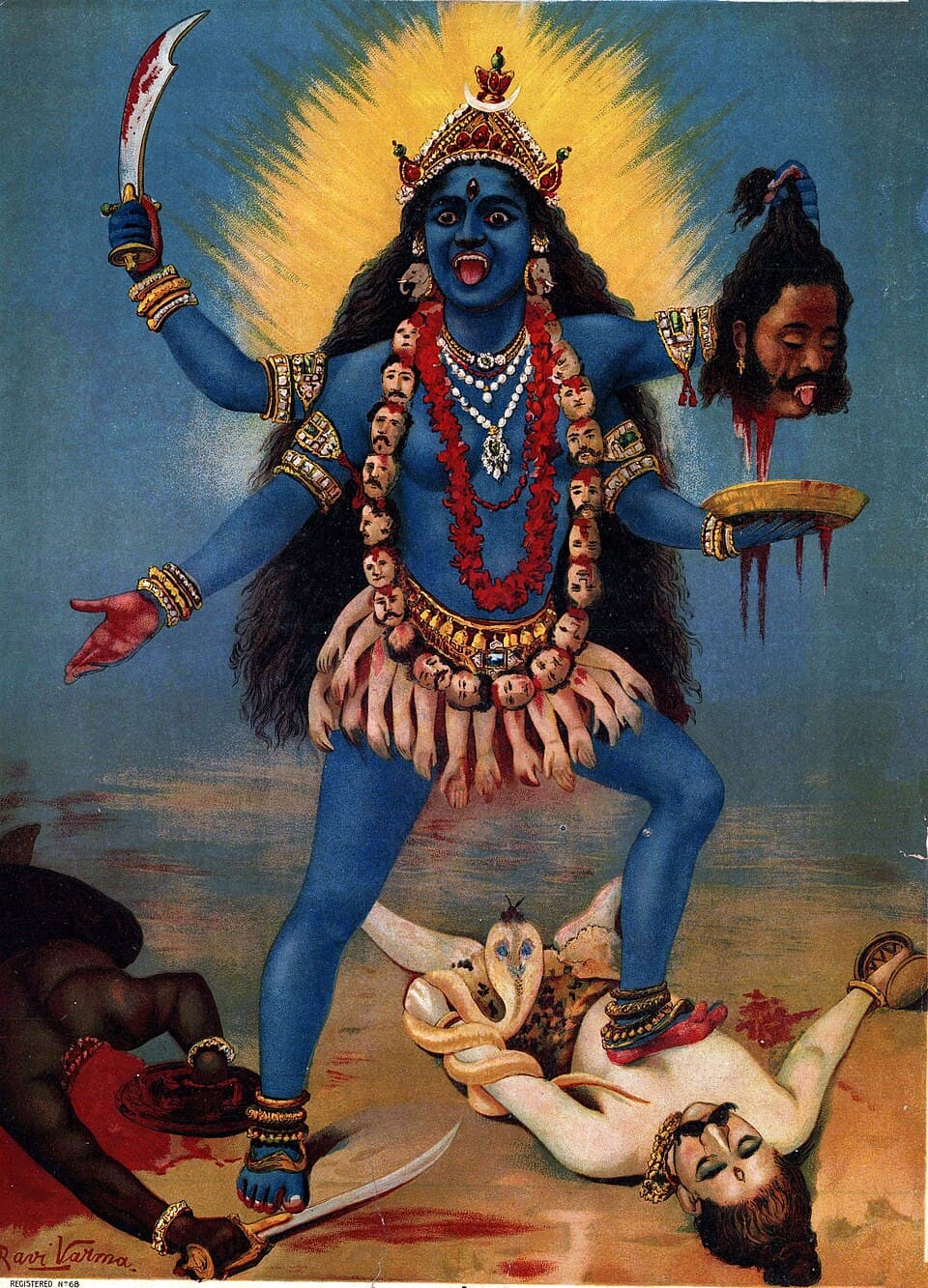
Indian subcontinent
Kali, also called Kalika, is a major goddess in Hinduism, primarily associated with time, death, and destruction. Kali …
Read →
Ancient Mesopotamia
Kalkal was a Mesopotamian god regarded as a divine doorkeeper. He was associated with the Ekur, the temple of Enlil in …
Read →
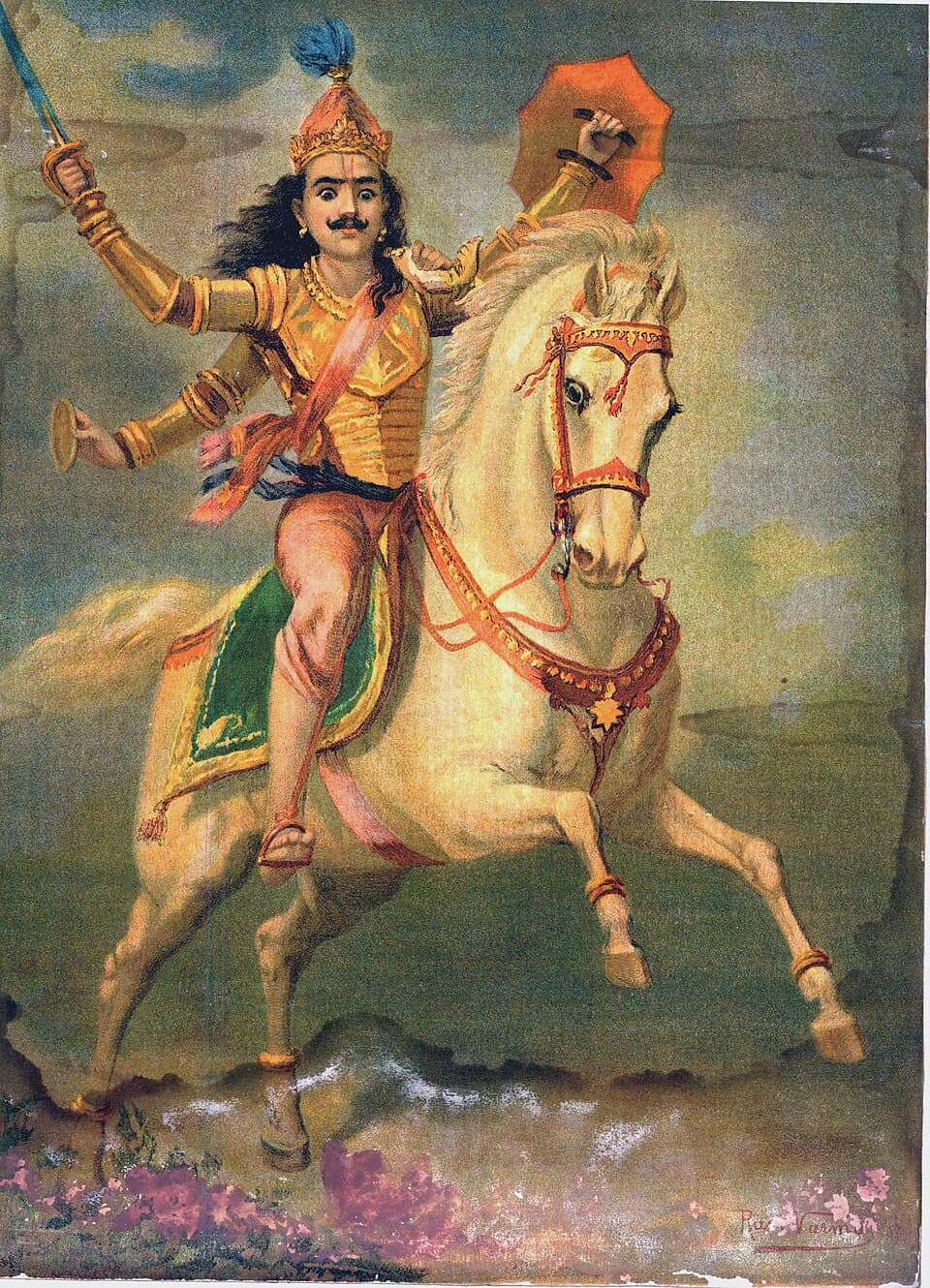
Indian subcontinent
Kalki, also called Kalkin, is the prophesied tenth and final incarnation of the Hindu god Vishnu. According to Vaishnav…
Read →
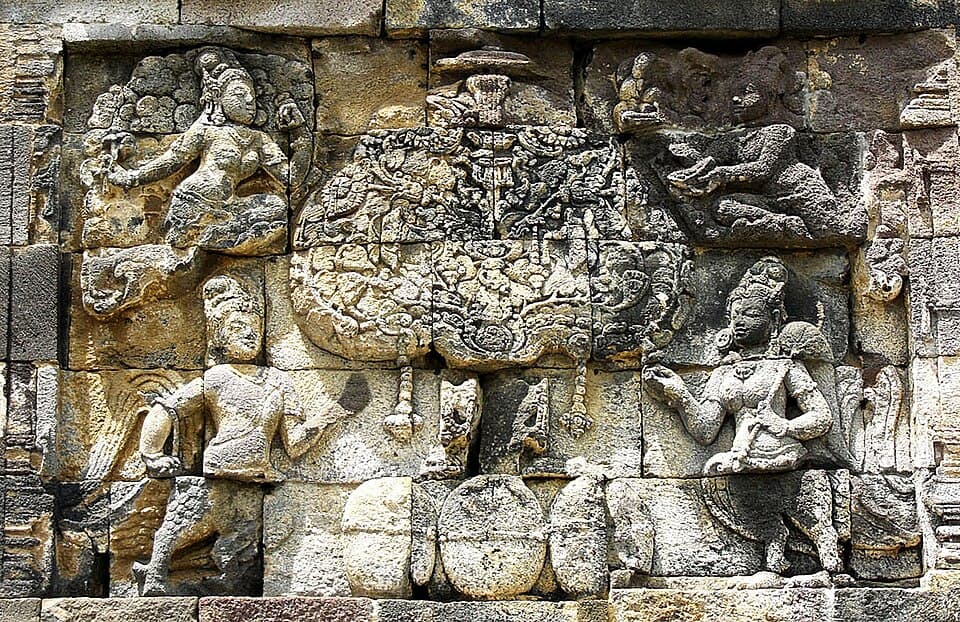
Indian subcontinent
Kalpavriksha is a wish-fulfilling divine tree in religions like Hinduism, Jainism, and Buddhism. In Buddhism, another t…
Read →
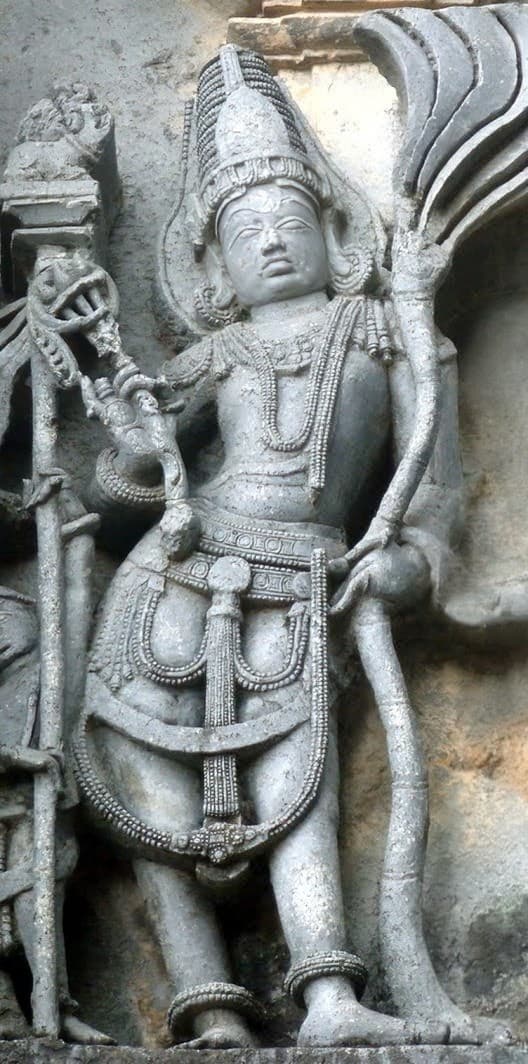
Indian subcontinent
Kamadeva, also known as Kama, Manmatha, and Madana is the Hindu god of love, attraction, pleasure and beauty, as well as…
Read →
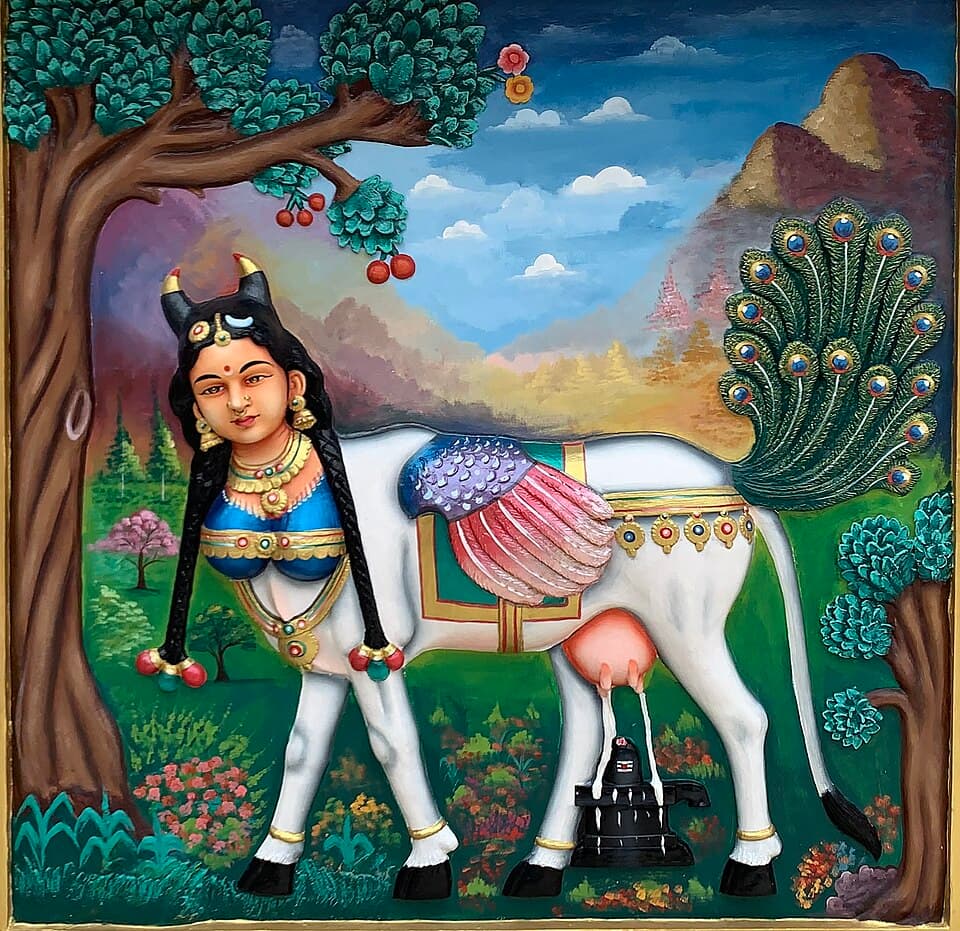
Indian subcontinent
Kamadhenu, also known as Surabhi, is a divine bovine-goddess described in Hinduism as the mother of all cows. She is a …
Read →
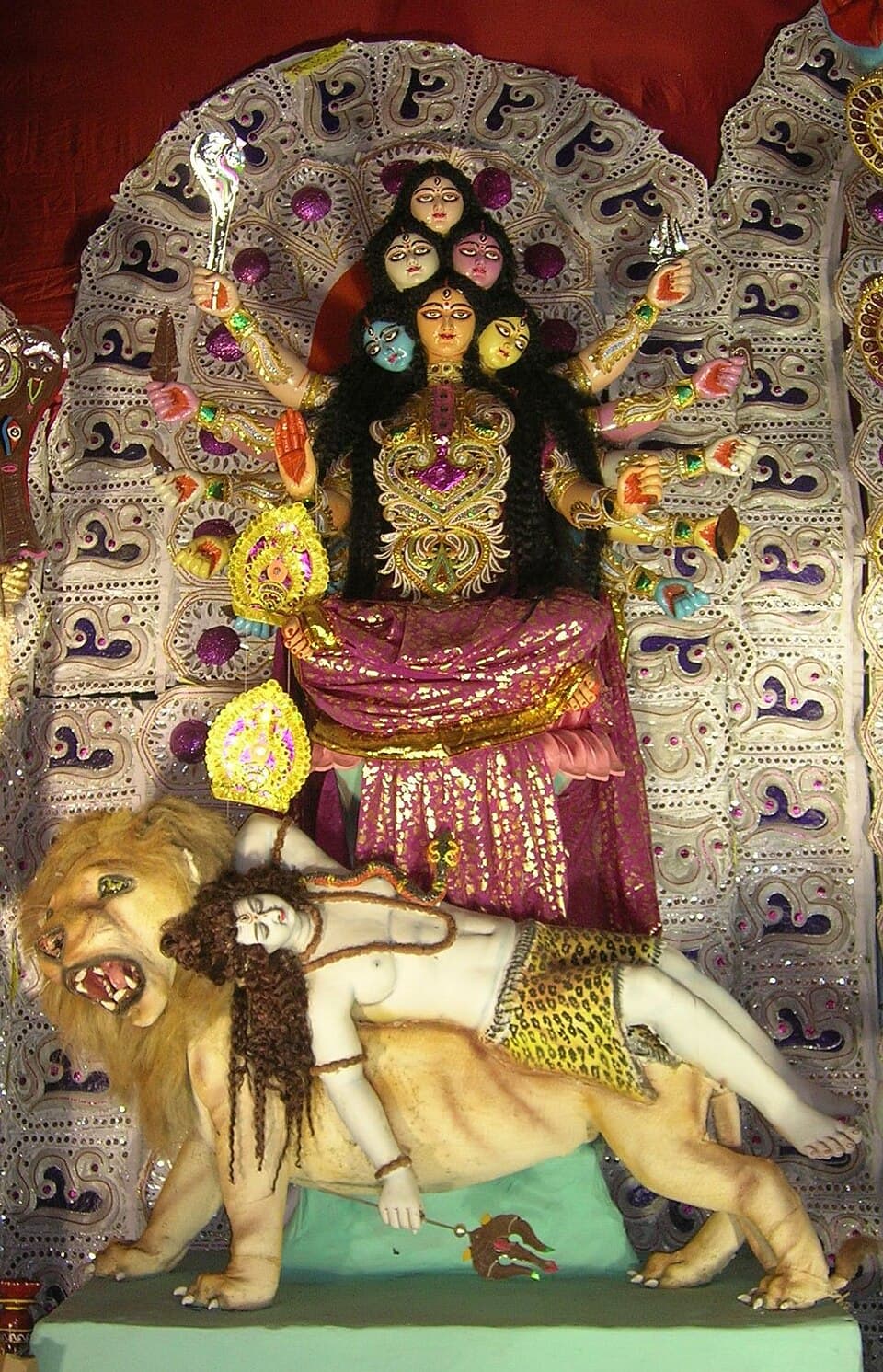
Indian subcontinent
Kamakhya, a mother goddess, is a Shakta Tantric deity; considered to be the embodiment of Kama (desire), she is regarded…
Read →
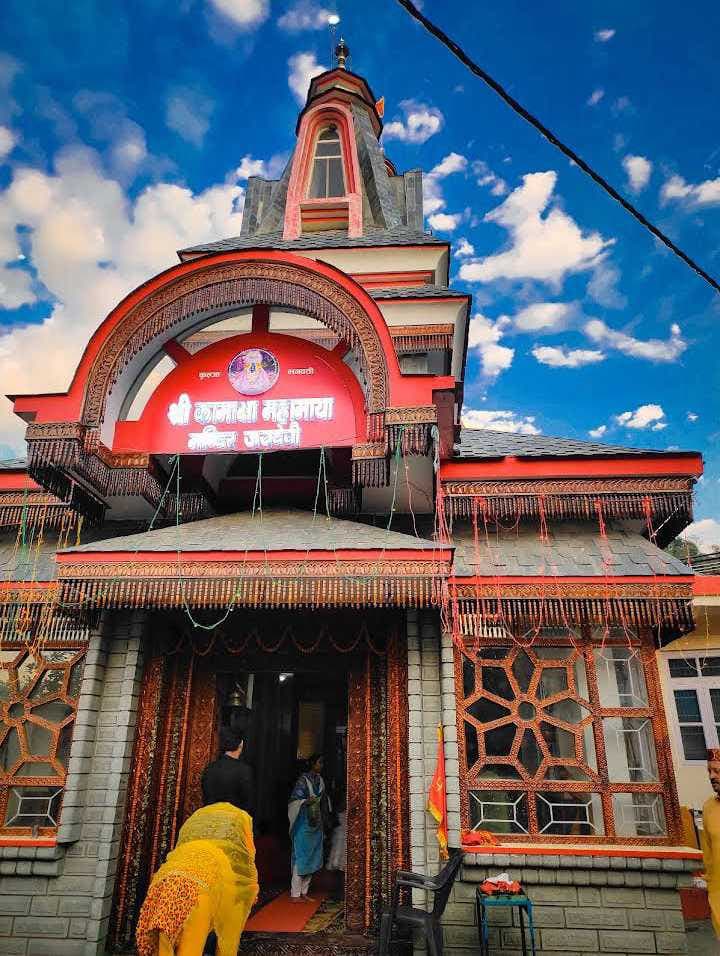
Indian subcontinent
Kamaksha means the goddess who fulfills all kinds of desires. Kamaksha is considered the embodiment of the Hindu goddes…
Read →
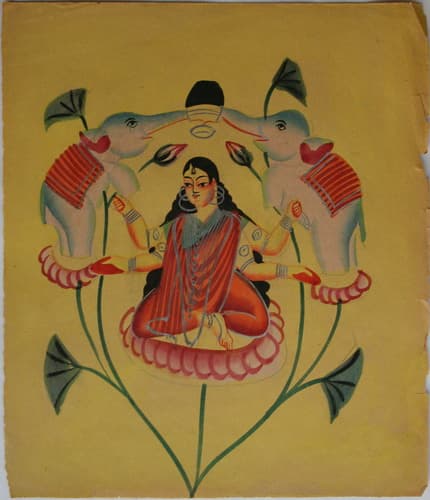
Indian subcontinent
In Hinduism, Kamalā transl. 'lotus' or Kamalātmikā, also known as Kamalālayā is considered to be the Tantric characteri…
Read →

Polynesia
In Hawaiian mythology, Kamapuaʻa is a hog-man fertility superhuman associated with Lono, the god of agriculture. The so…
Read →
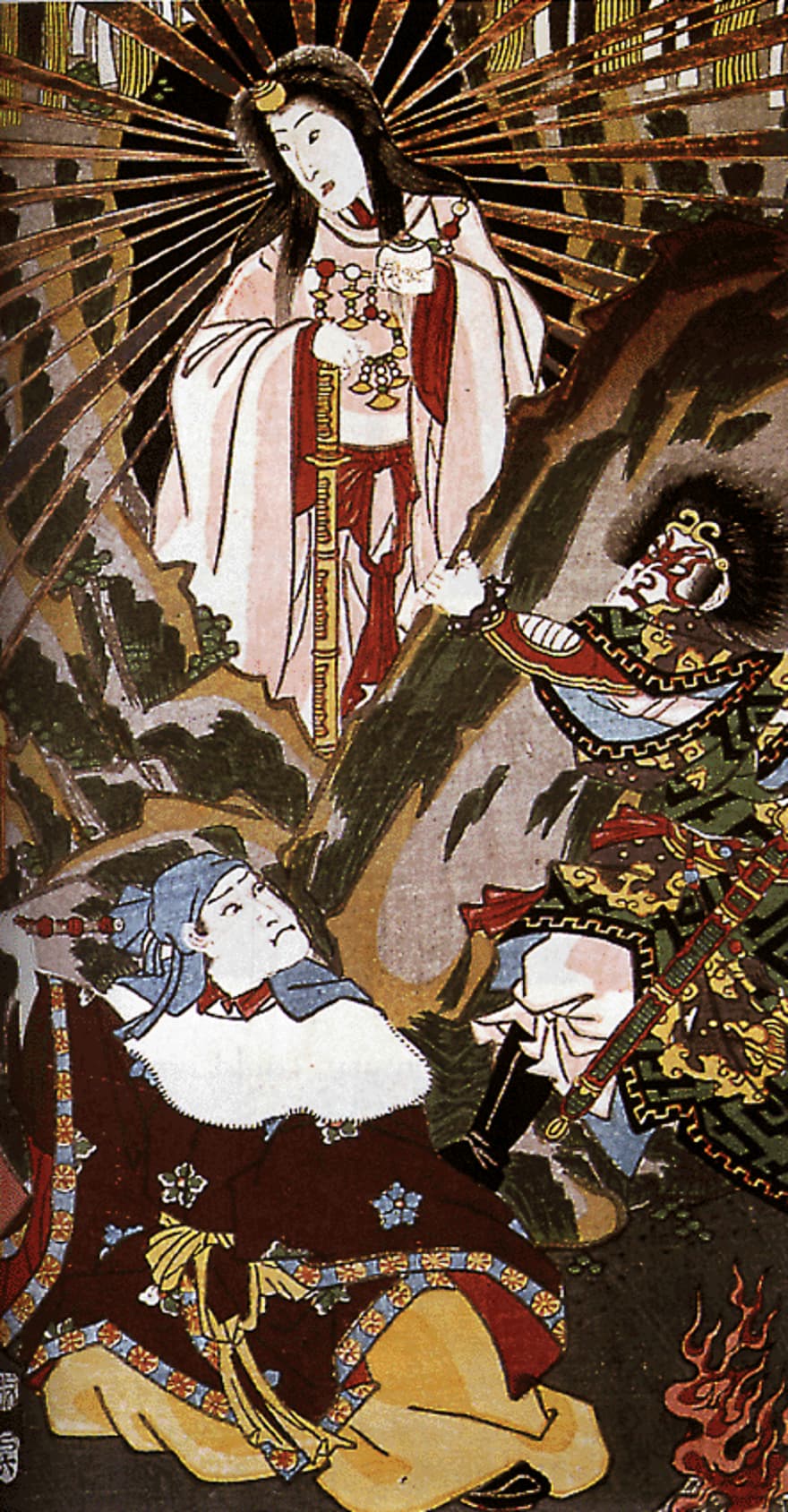
Japan
Kami are the deities, divinities, spirits, and mythological, spiritual, or natural phenomena that are venerated in the t…
Read →
Japan
Kamimusubi, also known as Kamimusuhi among other variants, is a kami and god of creation in Japanese mythology. They ar…
Read →
Japan
In Japanese mythology, the Kamiyonanayo are the seven generations of kami that emerged after the formation of heaven and…
Read →
Japan
Kamo no Okimi was the son of Kotoshironushi and Tamakushi-hime, and brother of Himetataraisuzu-hime. He was an ancestor…
Read →
Polynesia
In Hawaiian religion, Kamohoaliʻi is a shark god and a brother of Kāne Milohaʻi, Pele, Kapo, Nāmaka, and Hiʻiaka. He is…
Read →
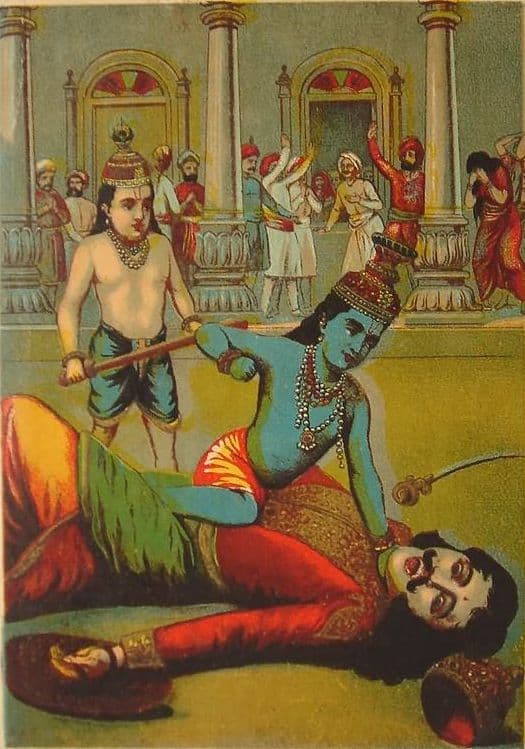
Indian subcontinent
Kamsa was the tyrant ruler of the Vrishni kingdom, with its capital at Mathura. He is variously described in Hindu lite…
Read →
Japan
Kamuō Ichihime is a Japanese goddess. She is a daughter of Ōyamatsumi.
Read →
Polynesia
In the traditions of ancient Hawaiʻi, Kanaloa is a god symbolized by the squid or by the octopus, and is typically assoc…
Read →
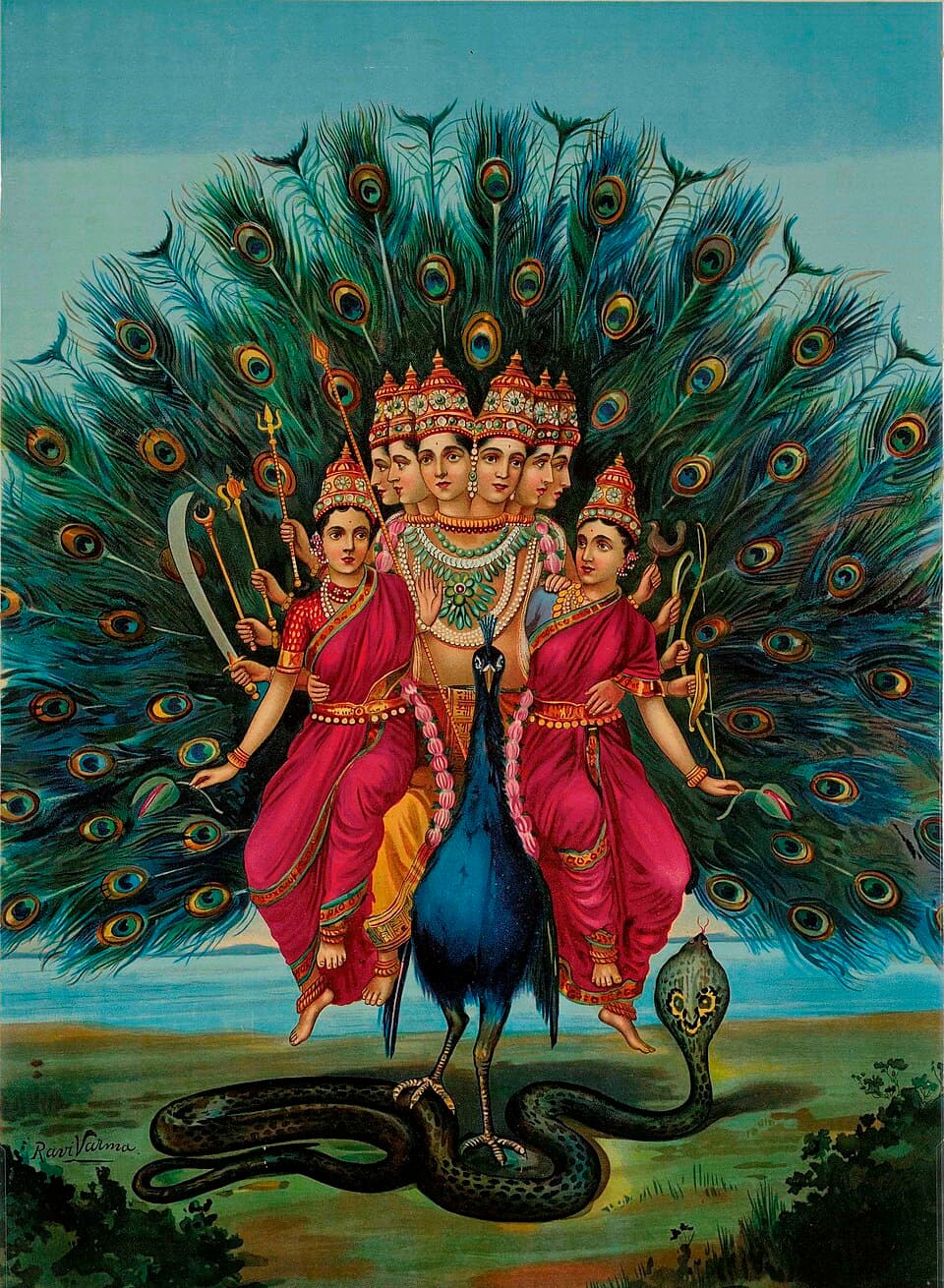
Indian subcontinent
Kanda Sashti Kavasam or Skanda Shashti Kavacham is a Tamil devotional song composed for the Hindu god Kartikeya. It was…
Read →
Polynesia
In Hawaiian mythology, Kāne is considered the highest of the three major Hawaiian deities, along with Kū and Lono. He r…
Read →
Polynesia
In Hawaiian mythology, Kāne-milo-hai is the brother of Kāmohoaliʻi, Pele, Kapo, Nāmaka and Hiʻiaka by Haumea.
Read →
Polynesia
In Hawaiian mythology, Kāne-milo-hai is the brother of Kāmohoaliʻi, Pele, Kapo, Nāmaka and Hiʻiaka by Haumea.
Read →
Polynesia
In Hawaiian mythology, Kanehekili is the brother of Pele and Hiʻiaka by Haumea. He is the god of thunder.
Read →
Polynesia
Kāneikokala is a Hawaiian shark god who was worshiped as an ʻaumakua in the Kahikinui district of Maui. He rescued peop…
Read →
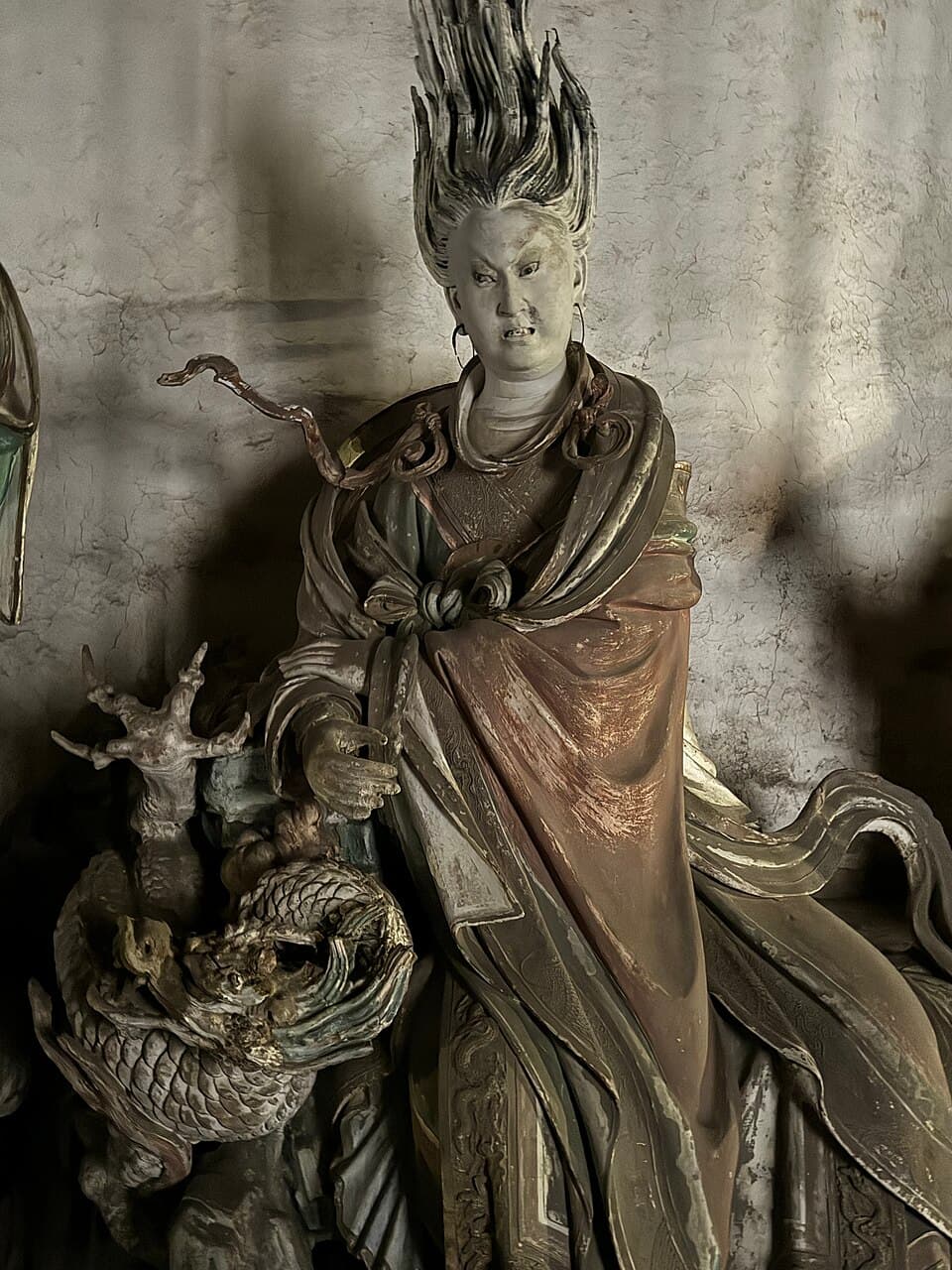
China
Kang Jinlong is a star deity from traditional Chinese mythology and astrology. The star god is one of the Twenty-Eight …
Read →
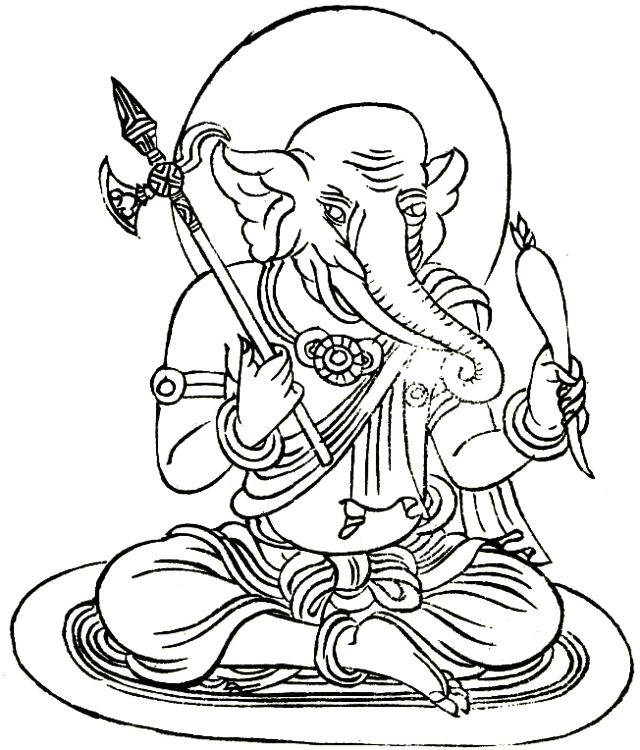
Indian subcontinent
Kangiten or Kankiten, also known as Binayaka, Ganabachi, or more commonly, Shōten or Shōden, is a deva (ten) venerated m…
Read →
Ancient Mesopotamia
Kanisurra was a Mesopotamian goddess who belonged to the entourage of Nanaya. Much about her character remains poorly u…
Read →
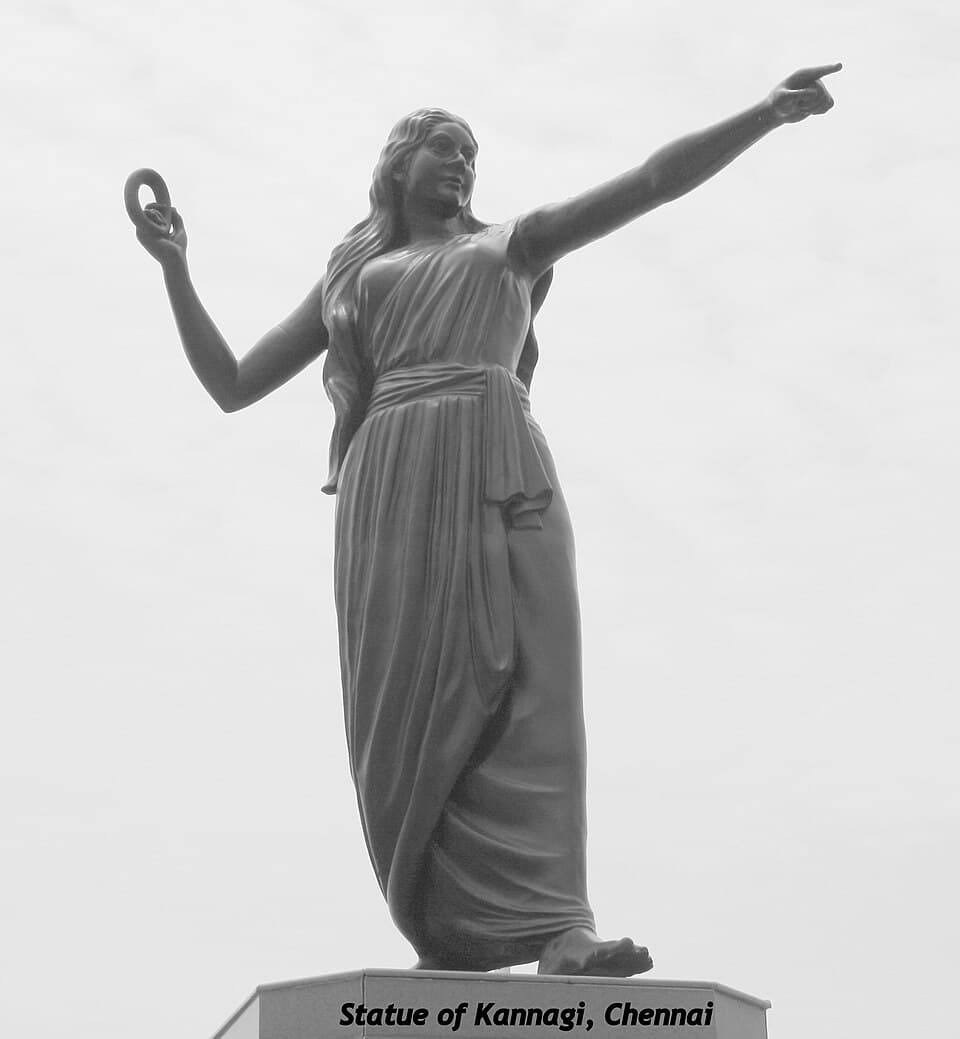
Indian subcontinent
Kannagi, sometimes spelled Kannaki, is the titual character of the Tamil in Ilango Adigal's Cilappatikaram, one of the F…
Read →
Ancient Persia
Karaite Judaism or Karaism is a Jewish sect characterized by the recognition of the written Tanakh alone as its supreme …
Read →
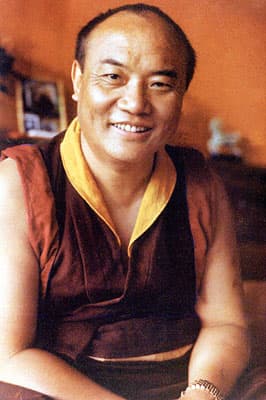
Asia
The Karmapa Tulku lineage of the Gyalwa Karmapa is the oldest among the major incarnating lineages of Tibetan Buddhism, …
Read →
Indian subcontinent
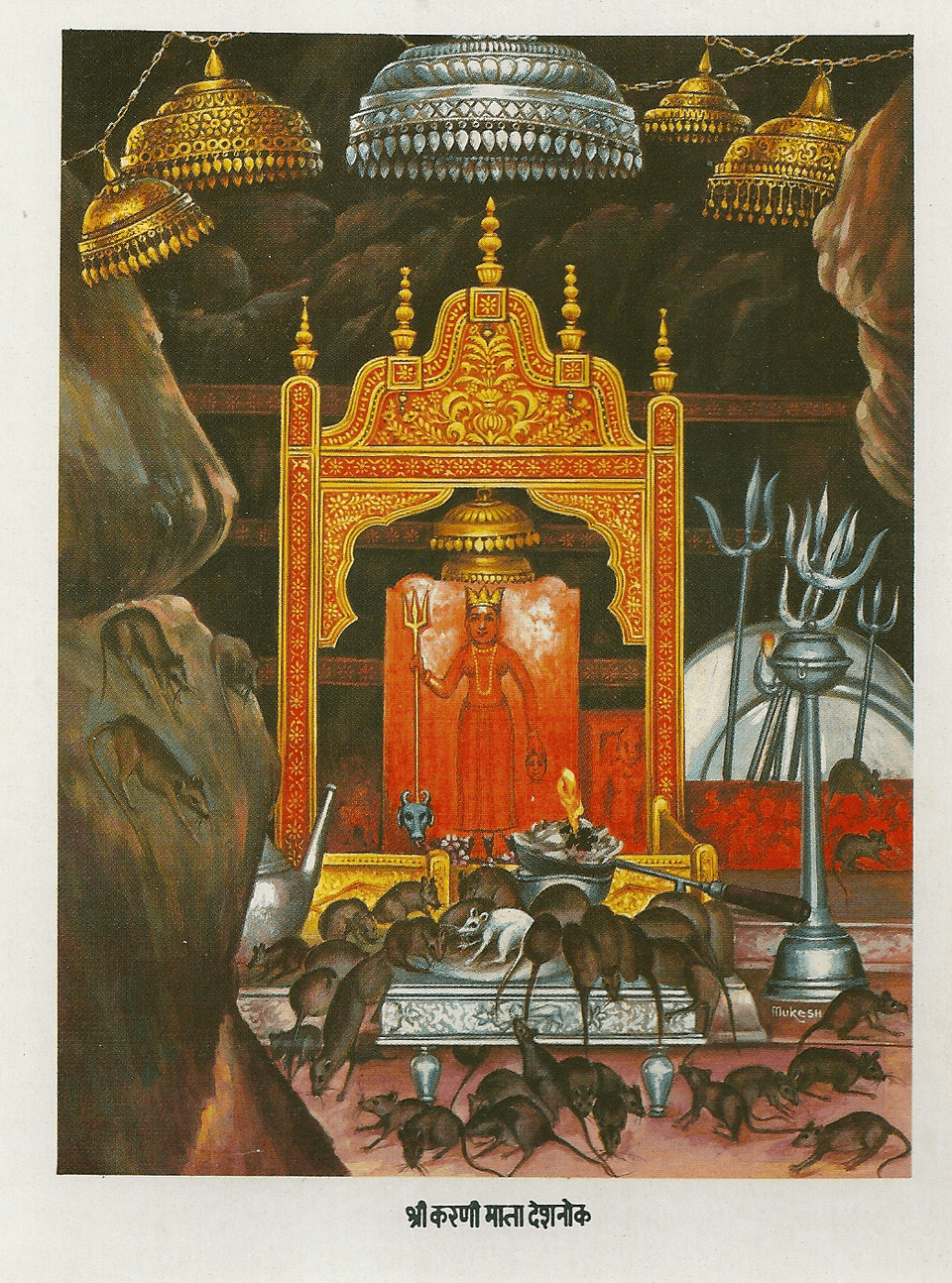
Karni Mata was a 14th–16th century warrior-sage and ascetic from western Rajasthan, revered as the tutelary deity of the…
Read →
Indian subcontinent
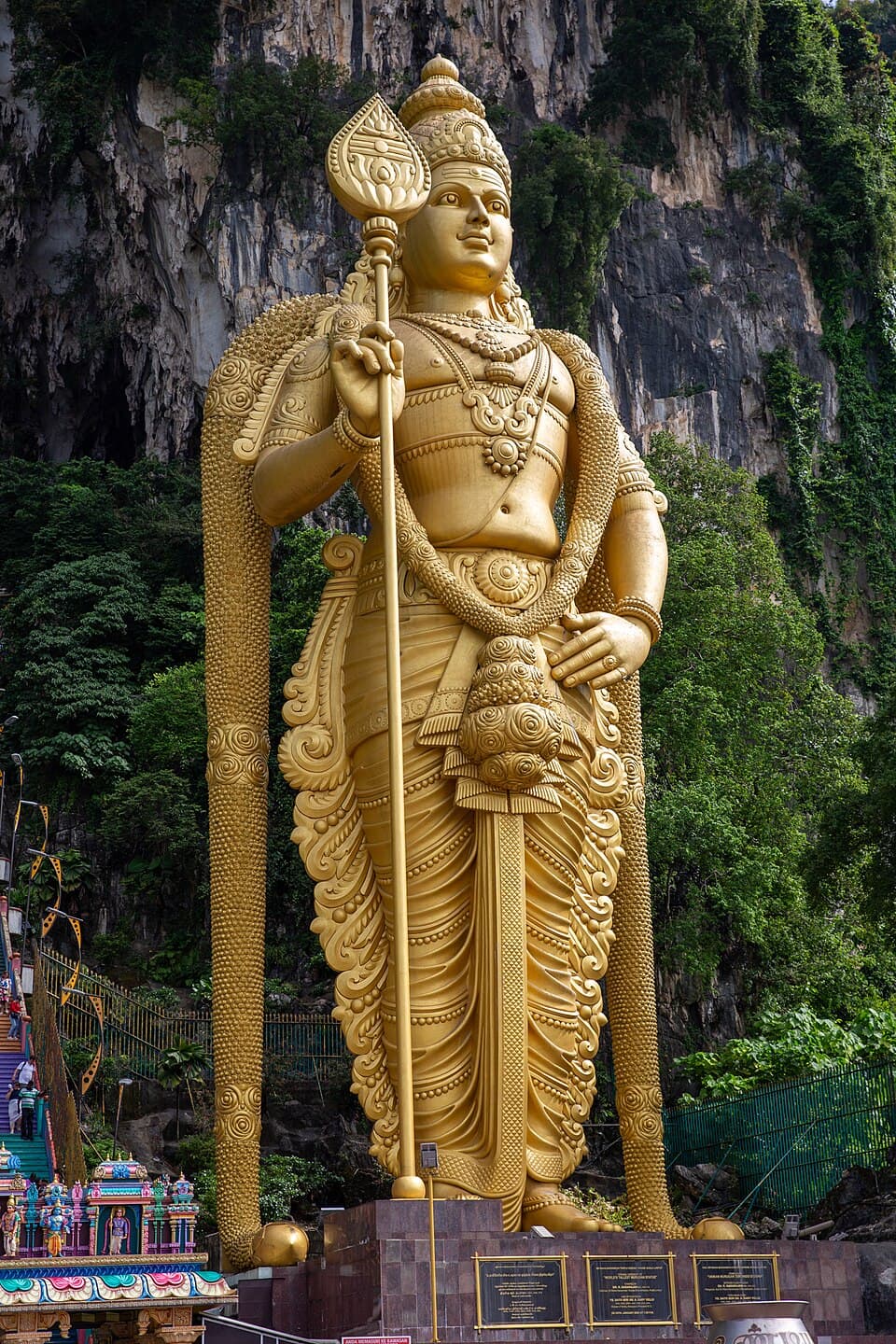
Kartikeya (IAST: Kārttikeya), also known as Skanda, Subrahmanya, Shanmukha or Muruga(n), is the Hindu god of war. He is…
Read →

Indian subcontinent
Karumariamman, also known as Karumari, is a Tamil Dravidian folk religion goddess of smallpox, health and cure. She has…
Read →

Ancient Mesopotamia
Kassite deities were the pantheon of the Kassites, a group inhabiting parts of modern Iraq, as well as Iran and Syria, i…
Read →
Indian subcontinent
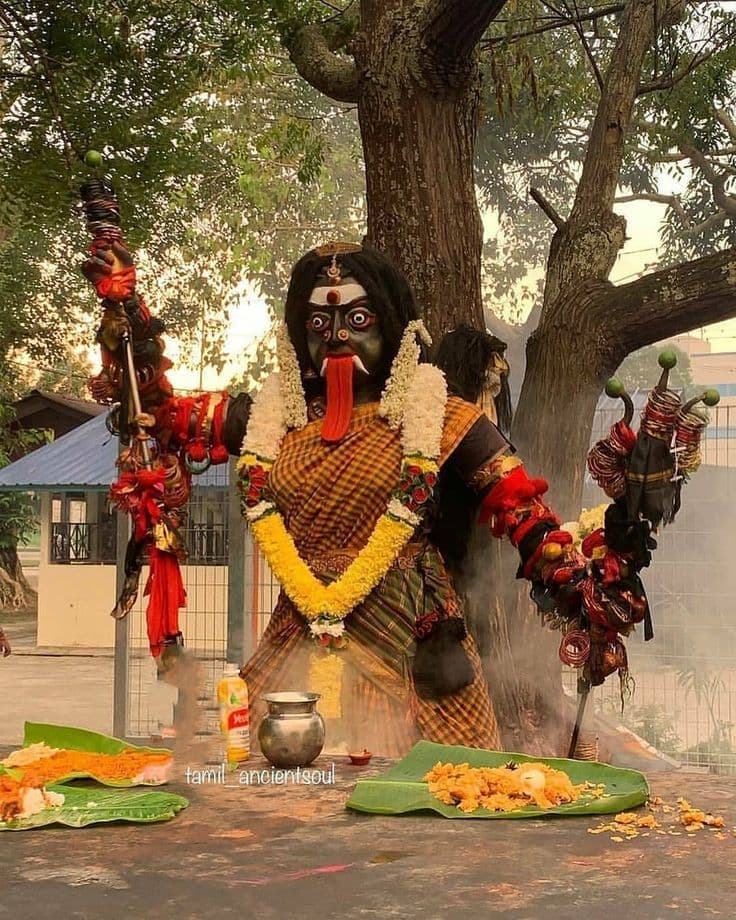
Kateri Amman, also abbreviated to Kateri, is a Tamil guardian deity associated with protecting specific towns and villag…
Read →
Indian subcontinent
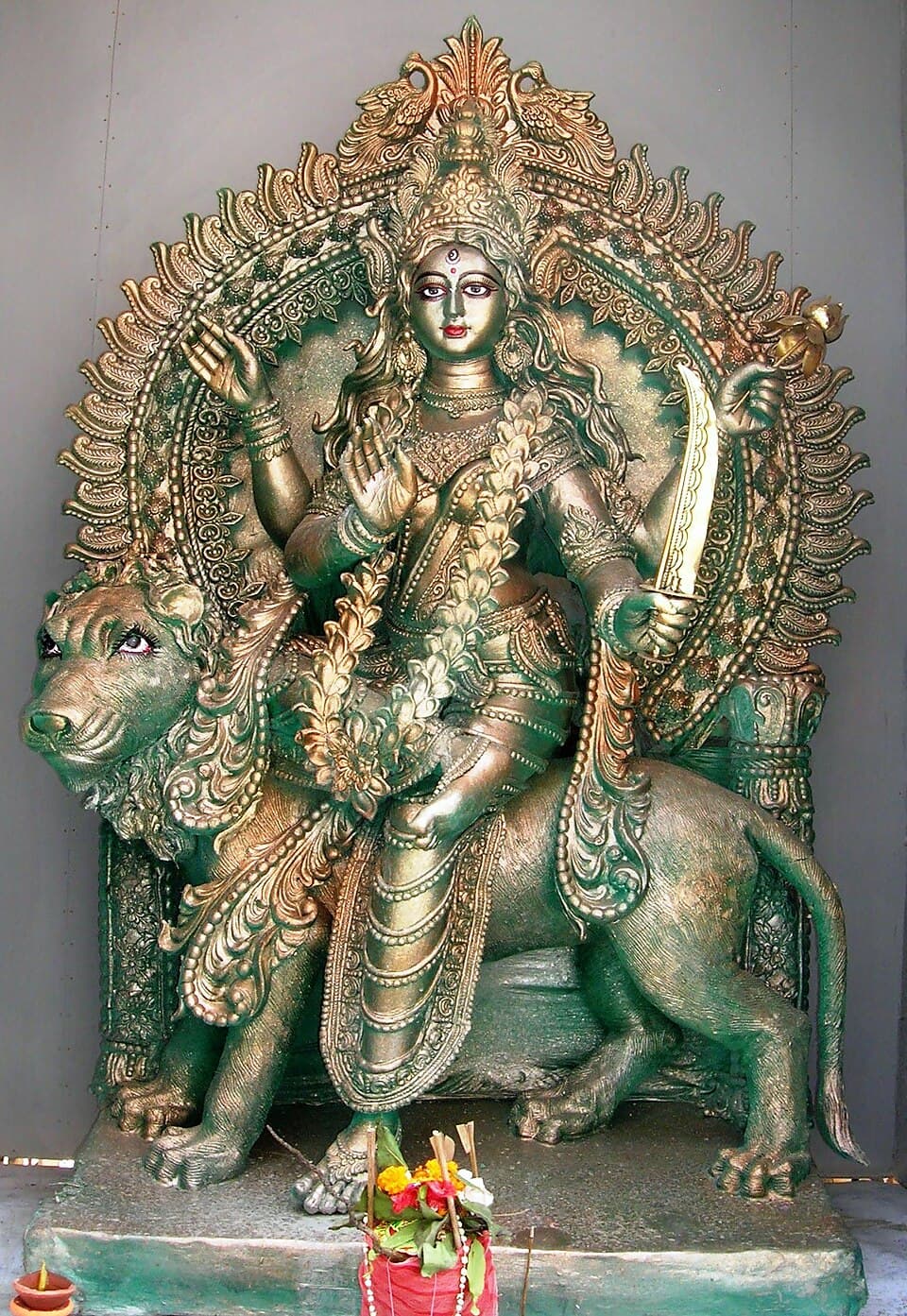
Katyayani is a form of the Hindu goddess Mahadevi, venerated as the slayer of the tyrannical asura Mahisha. She is the …
Read →
Polynesia
In Hawaiian religion, Kaulu is a trickster god who killed goddess Haumea at Niuhelewai, by catching her in a net obtaine…
Read →

Ancient Persia
Kaumaram is a Hindu denomination that primarily venerates the Hindu deity of war, Kartikeya, also known as Kumaran, Muru…
Read →
Indian subcontinent
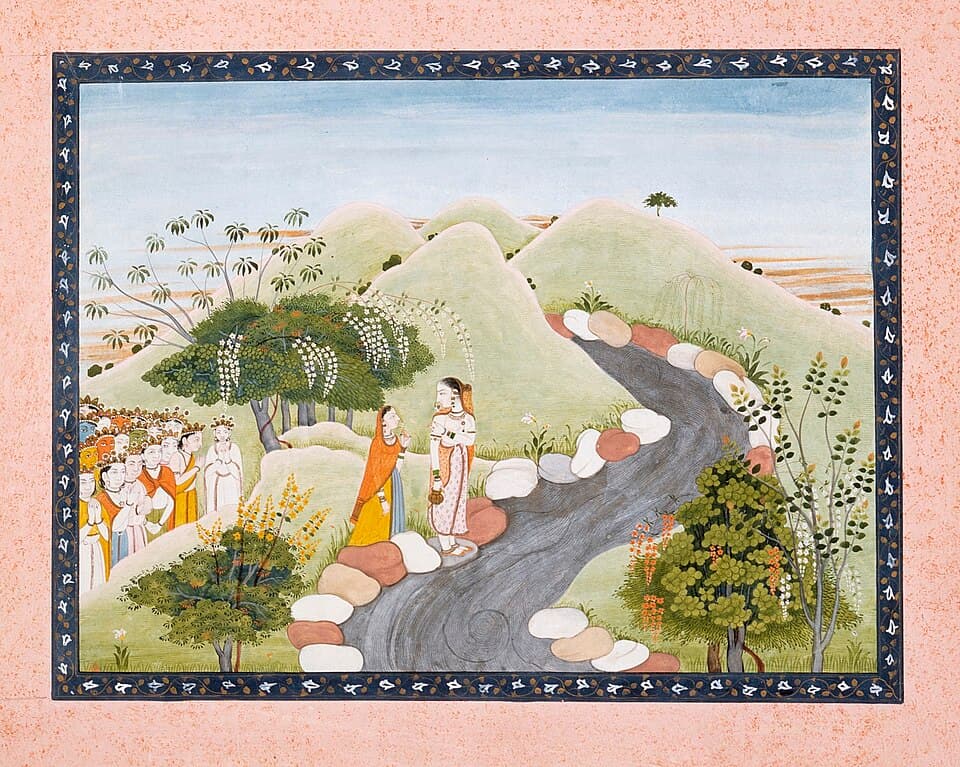
Kaushiki is a Hindu goddess, a deity who emerged from the sheath of Parvati. She was emerged from Parvati's cells to de…
Read →
Indian subcontinent
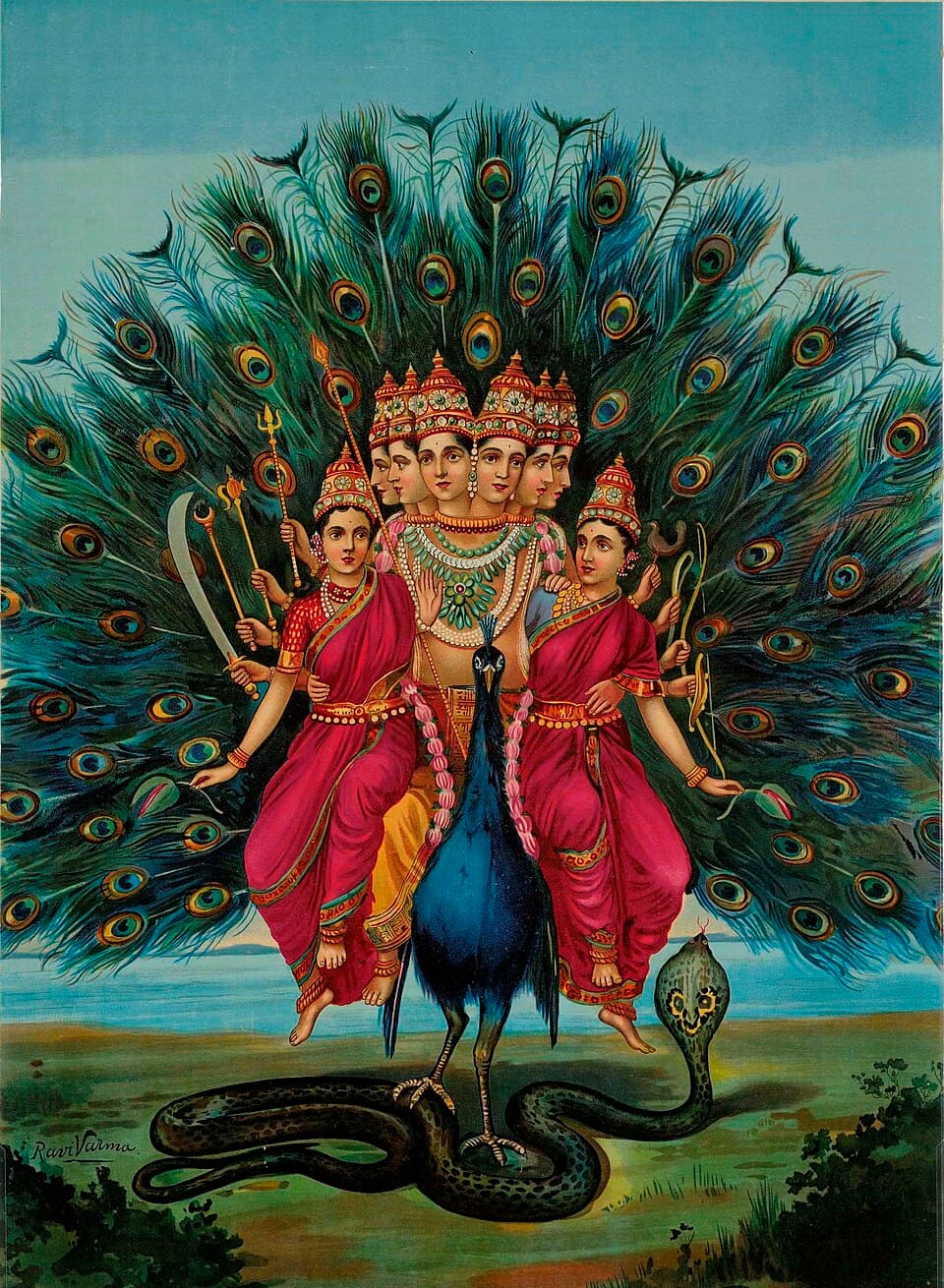
Kavadi Aattam is a ceremonial sacrifice and offering practiced by devotees during the worship of Murugan, the Hindu god …
Read →
Indian subcontinent
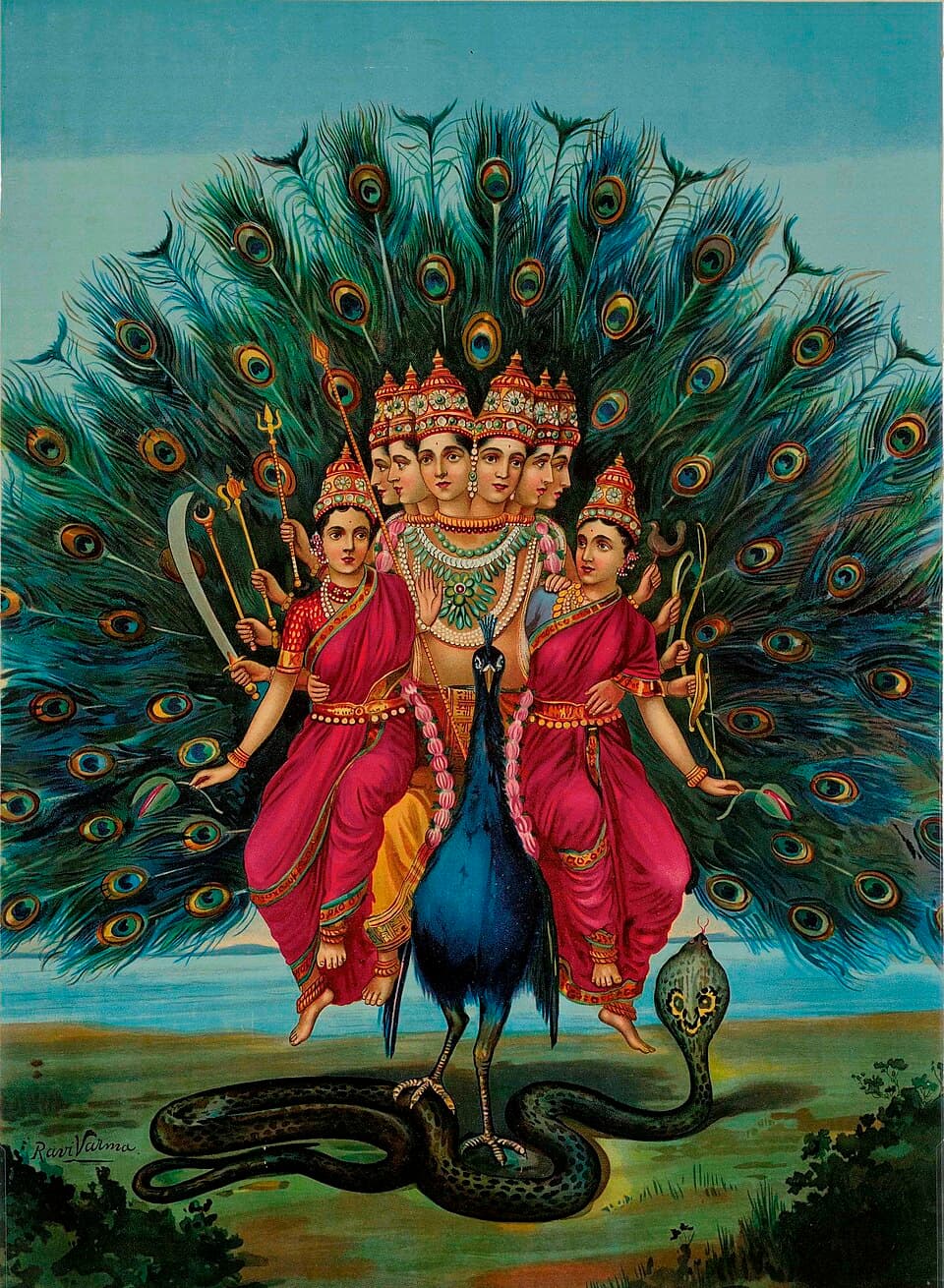
Kavadi Aattam is a ceremonial sacrifice and offering practiced by devotees during the worship of Murugan, the Hindu god …
Read →
Indian subcontinent
Kavyamata is a consort of the rishi Bhrigu In Hinduism. She is the mother of Shukra, the god of the planet Venus and th…
Read →
Polynesia
According to the Hawaiian mythology, Kawalakiʻi is a name of one male god, but his ancestry in the myth and the attribut…
Read →
Ancient Mesopotamia
Kazalla or Kazallu (Ka-zal-luki) is the name given in Akkadian sources to a city in central Mesopotamia whose specific l…
Read →
Ancient Egypt
In Egyptian mythology, Kebechet is a goddess, a deification of embalming liquid. Her name means cooling water.
Read →
Indian subcontinent
Kecaikhati is a prominent goddess from Northeast India. Her main shrine is considered to be the Tamreswari Temple, near…
Read →
West Africa
Kélé is an Afro-Saint Lucian religion, originated from the Djiné people of the Babonneau region. Its primary deities ar…
Read →

Polynesia
Kalanikauikaʻalaneo Kai Keōpūolani-Ahu-i-Kekai-Makuahine-a-Kama-Kalani-Kau-i-Kealaneo (1778–1823) was a queen consort of…
Read →
Ancient Greece
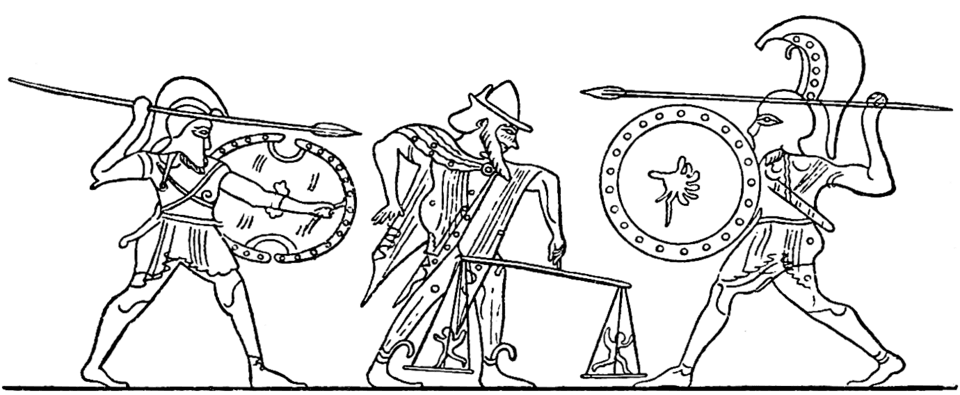
In Greek mythology, the Keres were female death-spirits. They were the goddesses who personified violent death and who …
Read →
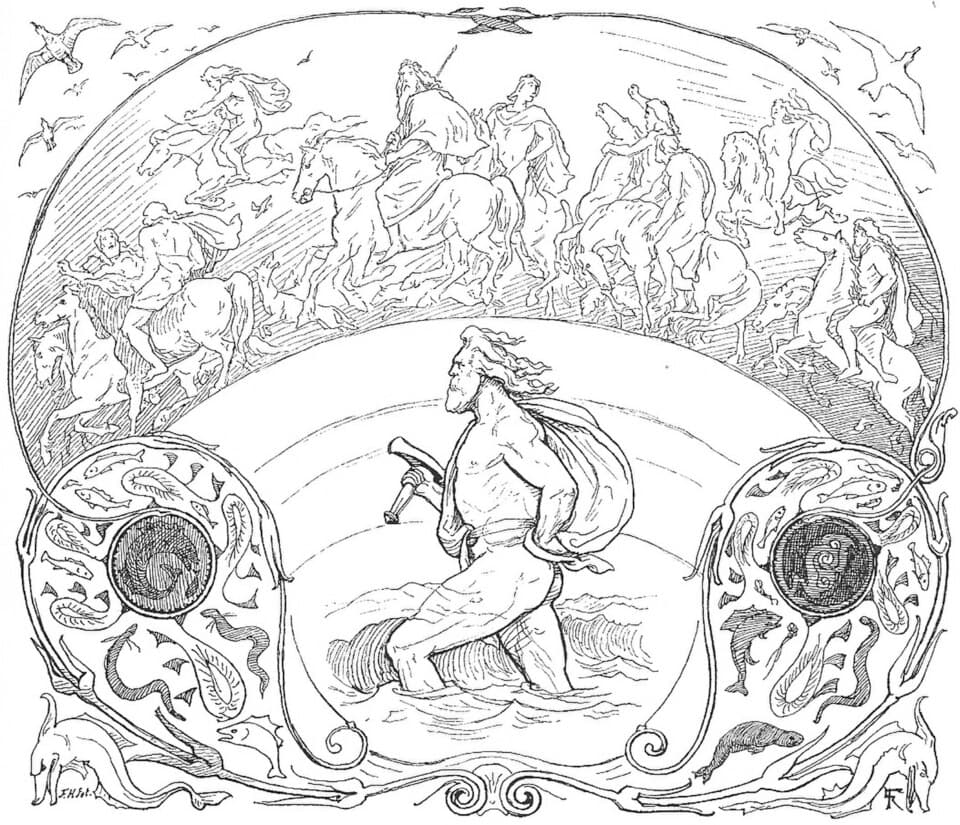
Scandinavia
In Norse mythology, the Kerlaugar i. e. "bath-tub", are two rivers through which the god Thor wades.
Read →
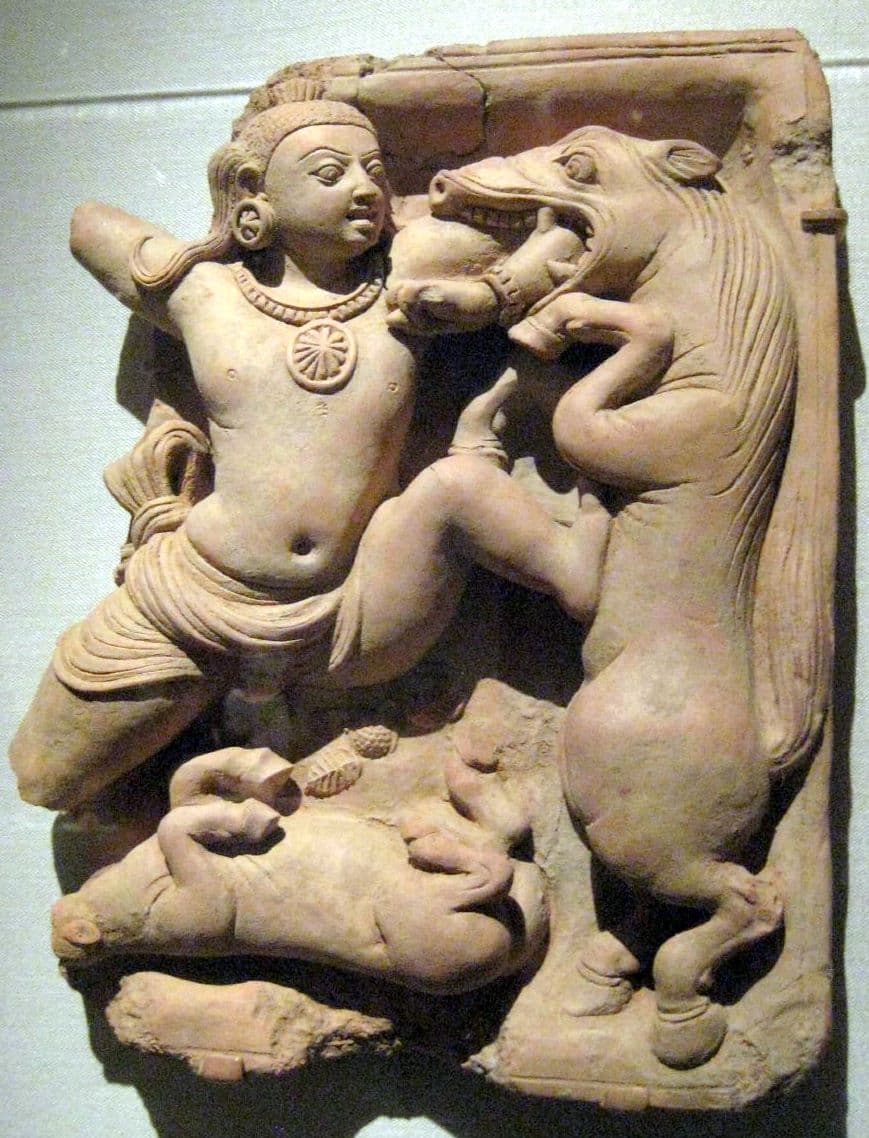
Indian subcontinent
Keshava is an epithet of Vishnu in Hindu tradition. The name appears as the 23rd and 648th names in the Vishnu Sahasran…
Read →
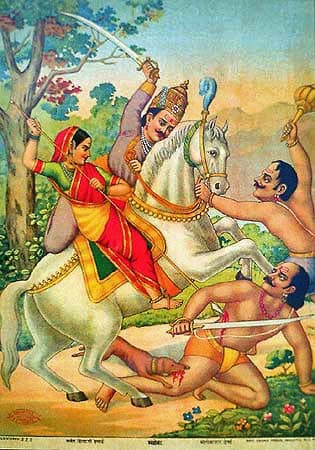
Indian subcontinent
Khandoba, also known as Martanda Bhairava and Malhari, is a Hindu deity worshiped generally as a manifestation of Shiva …
Read →