Pakaʻa
Polynesian1000 BCE – present
Pakaʻa
Polynesia
In Hawaiian mythology, Pakaʻa is the god of the wind and the inventor of the sail.
Read →
Research Index
An archive of 3,493 gods, deified rulers, and mythological figures across civilizations — from living gods of Egypt to the dying gods of antiquity.
Polynesia
In Hawaiian mythology, Pakaʻa is the god of the wind and the inventor of the sail.
Read →
Ancient Egypt
In Egyptian mythology, Pakhet, Egyptian Pḫ. t, meaning she who scratches is a lioness goddess of war.
Read →
Ancient Rome
Palatua was a Roman goddess who was provided an official priest or flamen, the Flamen Palatualis. She was the guardian …
Read →
Ancient Rome
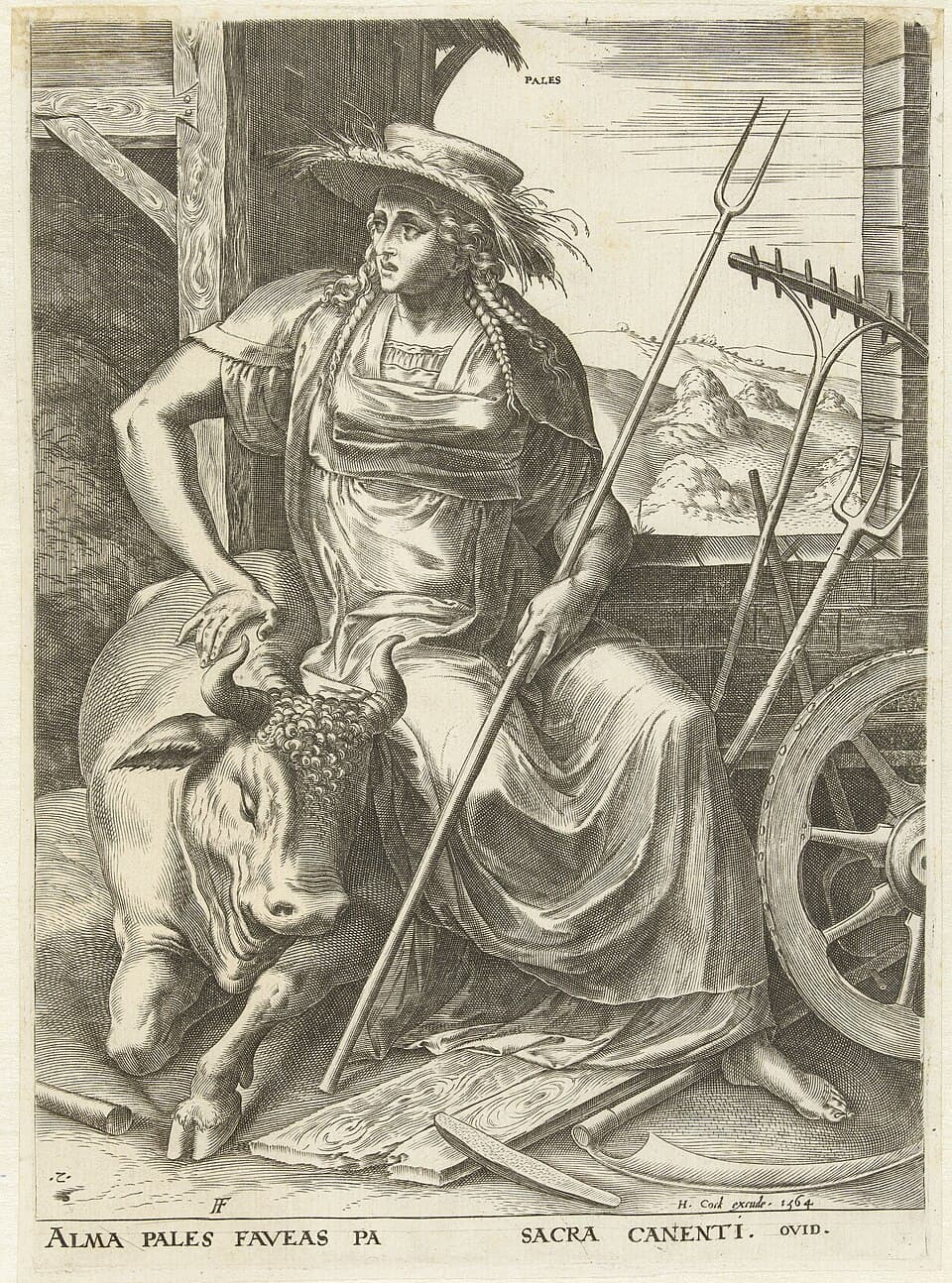
In ancient Roman religion, Pales was a deity of shepherds, flocks and livestock. Regarded as male by some sources and f…
Read →
Ancient Greece
The Palici, or Palaci, were a pair of indigenous Sicilian chthonic deities in Roman mythology, and to a lesser extent in…
Read →
Ancient Greece
In Greek mythology, Palioxis was the personification of backrush, flight and retreat in battle. She and her sister Proi…
Read →
Ancient Greece
In Greek mythology, Pallas was, according to Hesiod, the son of the Titans Crius and Eurybia, the brother of Astraeus an…
Read →
North America
Pamola is a legendary bird spirit and thunder god that appears in Abenaki mythology, specifically Penobscot folklore. I…
Read →
Ancient Greece
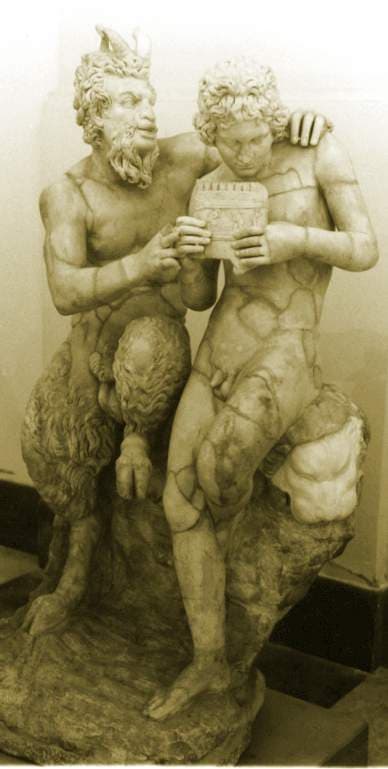
In ancient Greek religion and mythology, Pan is the god of the wild, shepherds and flocks, rustic music and impromptus, …
Read →
China
Pan Jinlian is a deity of the Chinese pantheon.
Read →
Ancient Greece
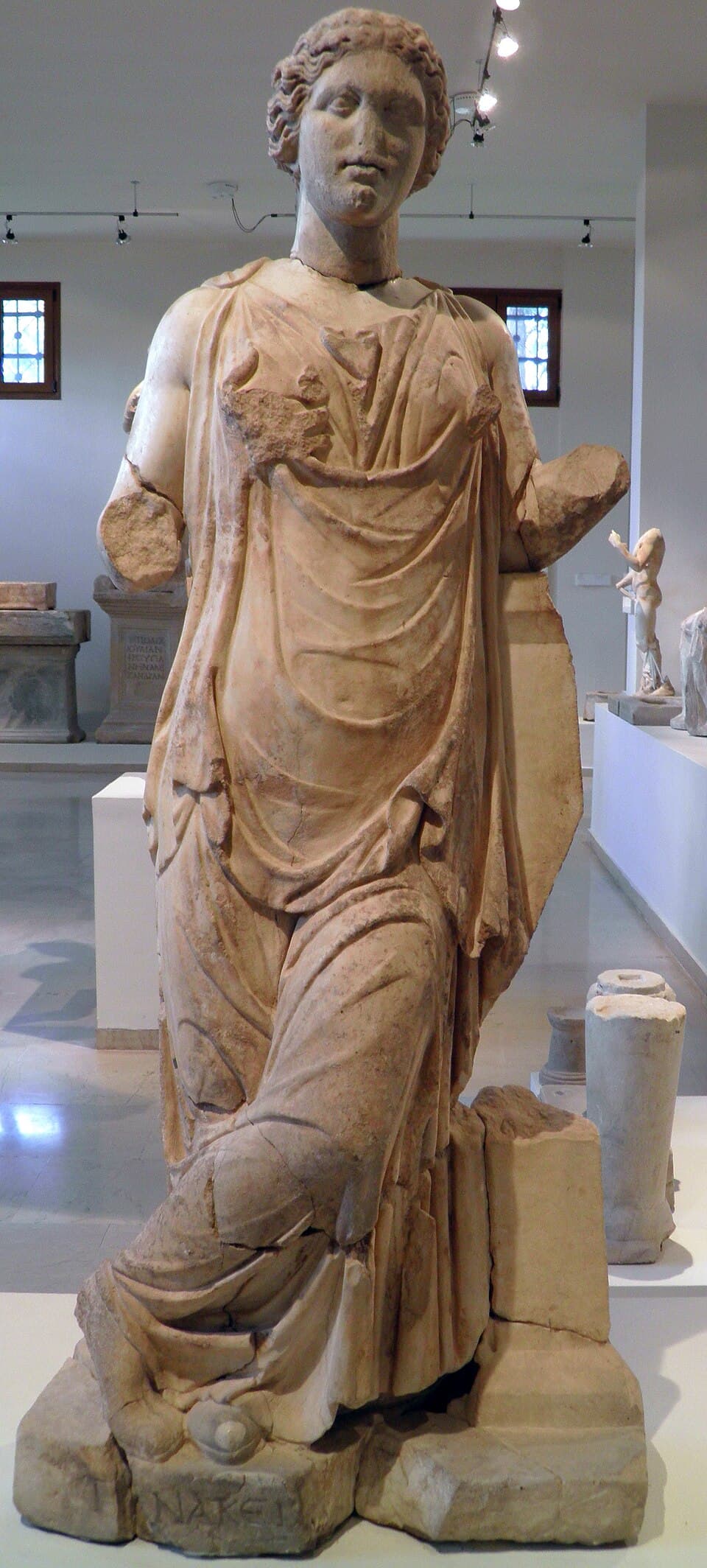
In Greek mythology and religion, Panacea, a goddess of universal remedy, was the daughter of Asclepius and Epione.
Read →
Indian subcontinent
Pancha Prakriti refers to the five supreme manifestations of the divine feminine in Hinduism, particularly within Shakta…
Read →
Indian subcontinent
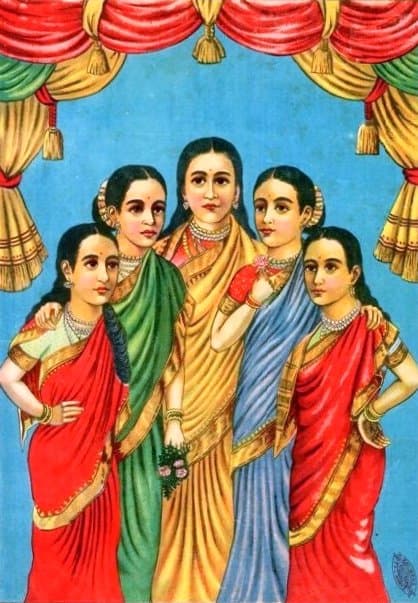
The Panchakanya is a group of five iconic women of the Hindu epics, extolled in a hymn and whose names are believed to d…
Read →
Indian subcontinent
Pancharatra was a religious movement in Hinduism that originated in the late 3rd-century BCE around the ideas of Narayan…
Read →
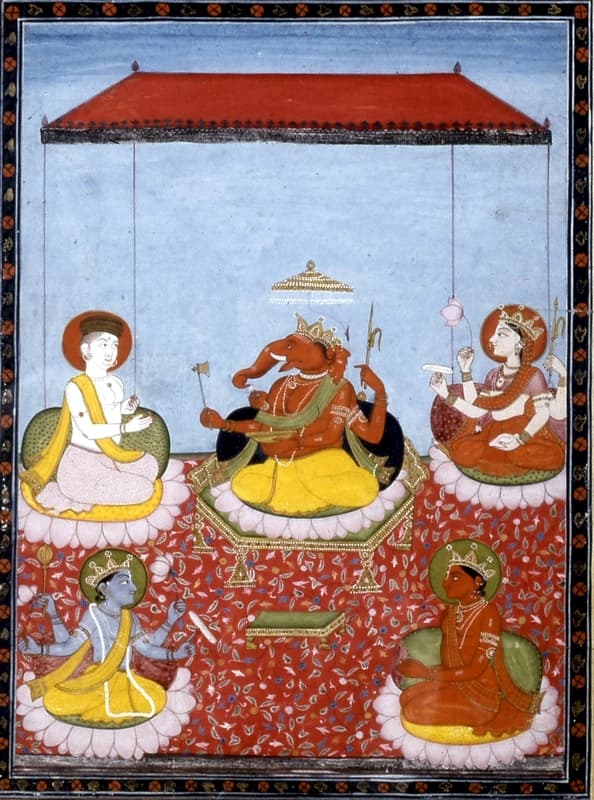
Indian subcontinent
Panchayatana puja also known as Pancha Devi Deva Puja is a system of puja (worship) in the Smarta sampradaya, which is o…
Read →
Indian subcontinent
Pancikarana is a Vedantic theory of how matter came into existence, originating from the primordial five subtle elements…
Read →

Ancient Persia
Pandeism, or pan-deism, is a theological doctrine that combines aspects of pantheism with aspects of deism. Unlike clas…
Read →
Ancient Greece
In Greek mythology, the goddess Pandia or Pandeia was a daughter of Zeus and the goddess Selene, the Greek personificati…
Read →
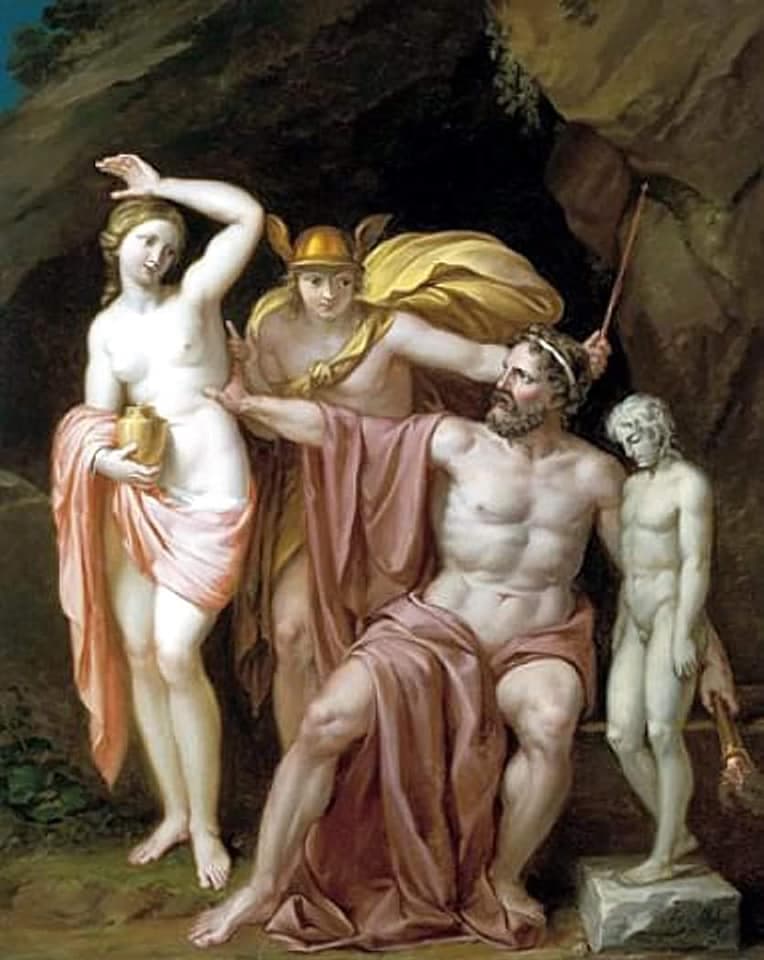
Ancient Greece
In Greek mythology, Pandora was the first human woman, created by Hephaestus on the instructions of Zeus. As Hesiod rel…
Read →
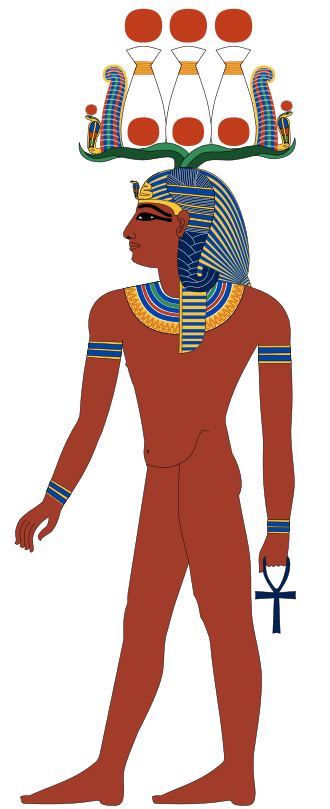
Ancient Egypt
Panebtawy is an Egyptian deity representing the Pharaoh as the son of Haroeris (Heru-ur). His name translates to “the l…
Read →
Ancient Persia
Panentheism is the belief that the divine intersects every part of the universe and also extends beyond space and time. …
Read →
China
Pang Juan was an ancient Chinese military general of the Wei state during the Warring States period.
Read →
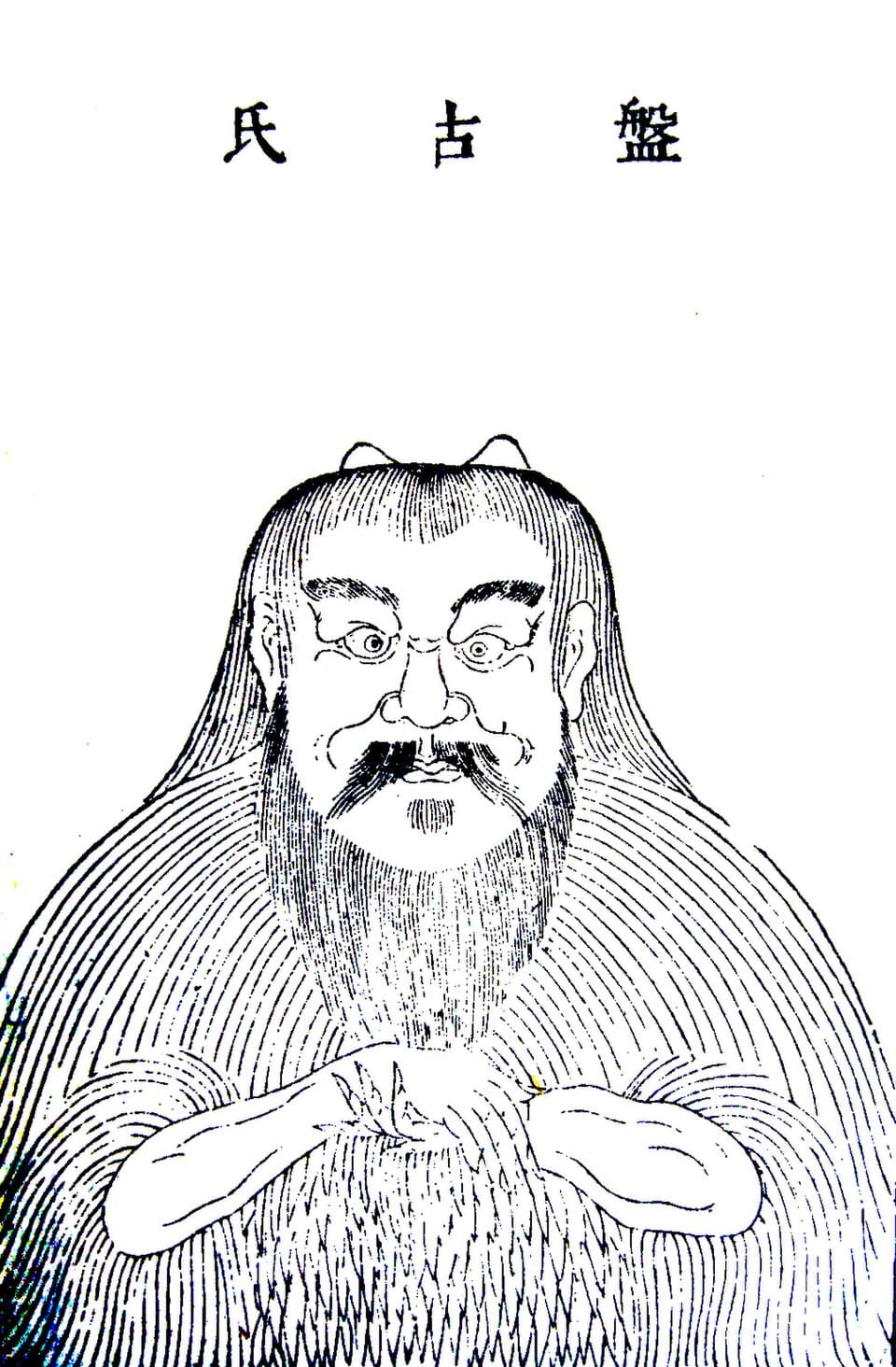
China
Pangu or Pan Gu (Chinese: 盤古; pinyin: Pángǔ ; PAN-koo) is a primordial being and creation figure in Chinese mythology an…
Read →
China
Panhu is an important figure in Han and Yao mythologies. The Panhu mythological complex includes myths in Chinese and a…
Read →
Ancient Mesopotamia
Paniĝinĝarra was a Mesopotamian god worshiped in Adab. His name could be contracted, and as a result in Old Babylonian …
Read →
Ancient Persia
Pantheism is a diverse family of philosophical and religious beliefs that equate reality with divinity. Pantheistic con…
Read →
Ancient Egypt
Pantheism is a diverse family of philosophical and religious beliefs that equate reality with divinity. Pantheistic con…
Read →
Polynesia
In the religion and mythology of the ancient Hawaiians, Papahānaumoku — often simply called Papa — is a goddess and the …
Read →
Ancient Mesopotamia
Papsukkal (𒀭𒉽𒈛) was a Mesopotamian god regarded as the sukkal of Anu and his wife Antu in Seleucid Uruk. In earlier …
Read →

Indian subcontinent
Para Brahman in Hindu philosophy is the "Supreme Brahman" that which is beyond all descriptions and conceptualisations. …
Read →
Indian subcontinent
Paramatman or Paramātmā is the absolute Atman, or supreme Self, in various philosophies such as the Vedanta and Yoga sch…
Read →
Indian subcontinent
Parameshvara is an epithet used in Hindu literature. The term indicates the Supreme Being and Supreme Reality in Hindui…
Read →
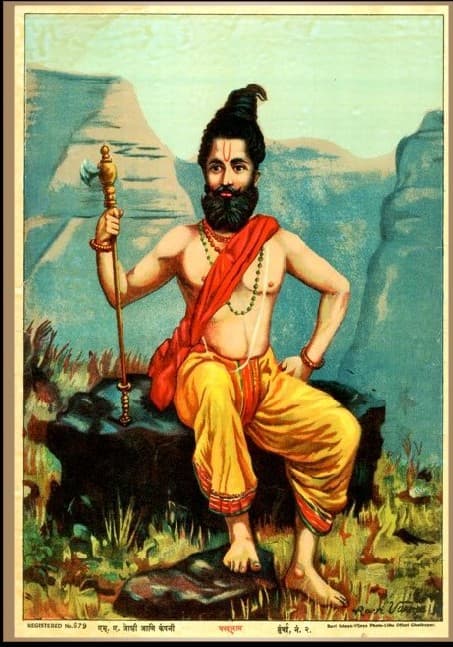
Indian subcontinent
Parashurama, also referred to as Rama Jamadagnya, Bhargava Rama, and Virarama, is the sixth avatar among the Dashavatara…
Read →

Early Slavs
In the folk Christianity of Slavic Eastern Orthodox Christians, Paraskeva Friday is a mythologized image based on a pers…
Read →
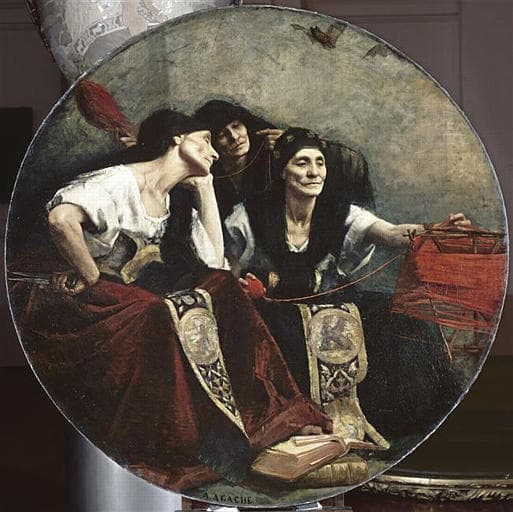
Ancient Rome
In ancient Roman religion and myth, the Parcae were the female personifications of destiny who directed the lives of hum…
Read →
Ancient Greece
In ancient Greek religion, Paregoros is the name of a goddess venerated at Megara. According to the geographer Pausania…
Read →
Inca Empire
In Incan and pre-Incan mythology, Pariacaca was a god of storms, as well as a creator god. His life is described in the…
Read →
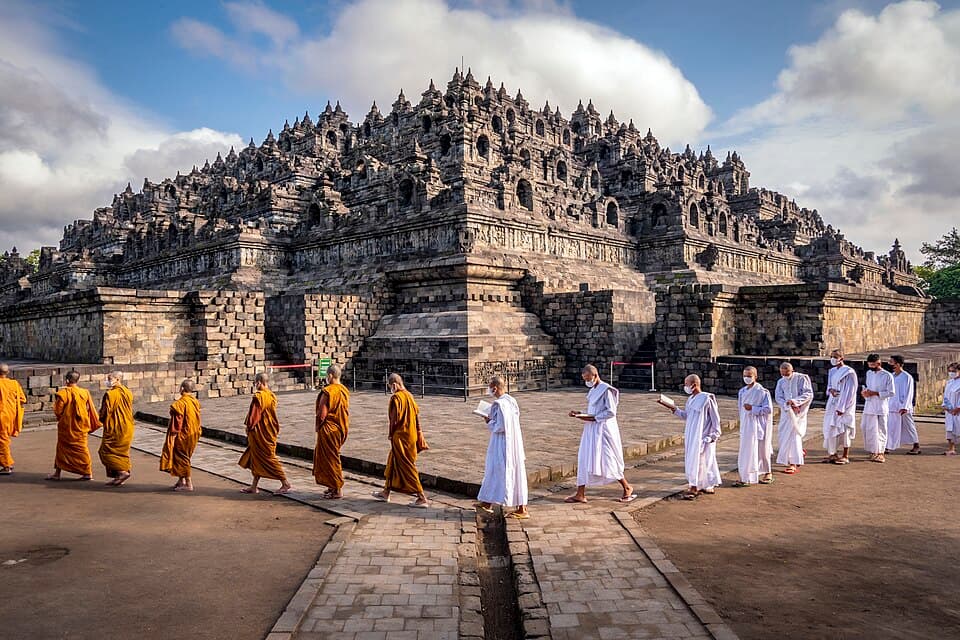
Indian subcontinent
Parikrama or Pradakshina is clockwise circumambulation of sacred entities, and the path along which this is performed, a…
Read →

Indian subcontinent
Parjanya according to the Vedas is a deity of rain, thunder, lightning, and the one who fertilizes the earth. It is ano…
Read →
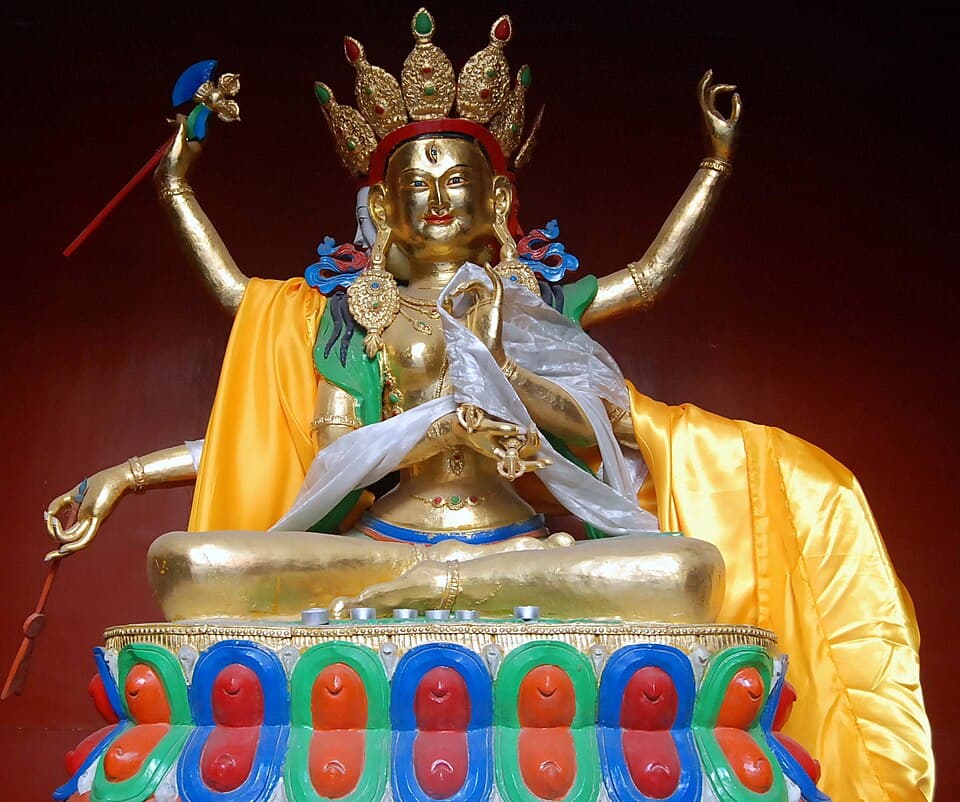
Indian subcontinent
Parnashavari, also spelt as Paranasavari (Paranasabari), is a Hindu deity adopted as Buddhist deity of diseases, worship…
Read →
Indian subcontinent
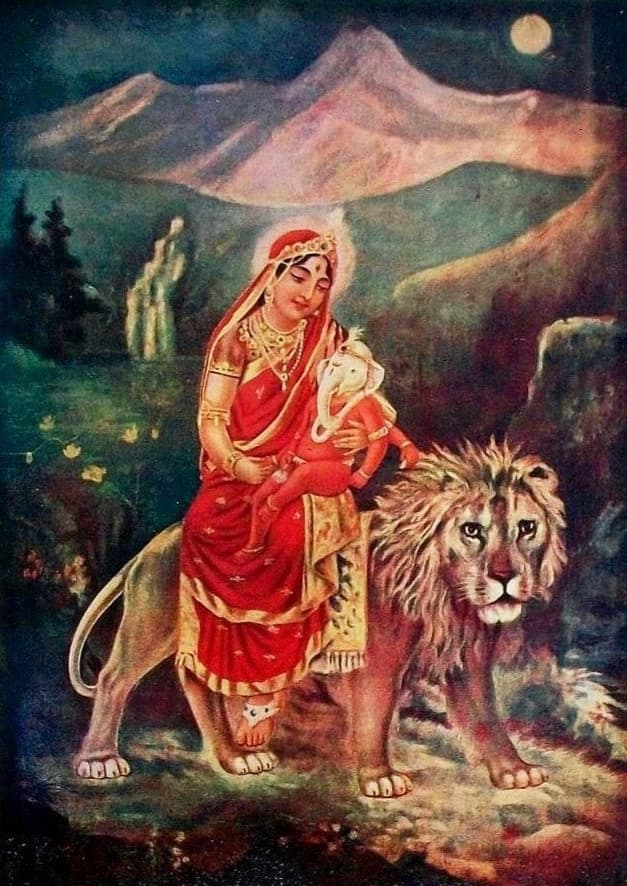
Parvati, also known as Uma and Gauri, is one of the principal goddesses in Hinduism, revered as the goddess of power, en…
Read →
Asia
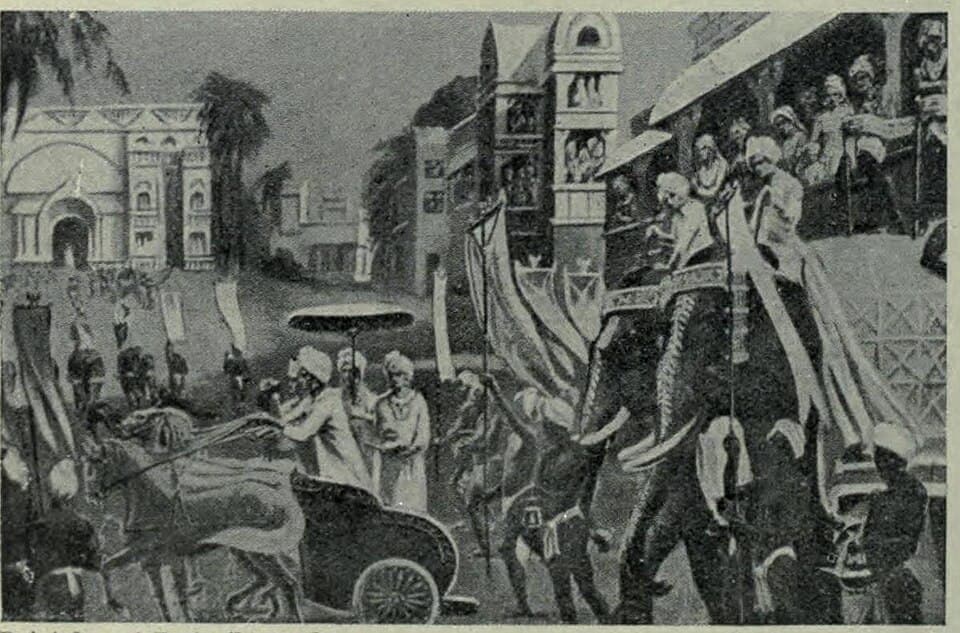
Pasenadi or Prasenajit was a 6th or 5th century BCE Aikṣvāka ruler of Kosala, where Shravasti was his capital. He succe…
Read →

Indian subcontinent
Pashupati is an epithet of Rudra in the Vedic period and later, a form of the Hindu deity Shiva, in his benign aspect as…
Read →
Ancient Greece
Pasikrata was the name of a goddess worshiped as a local cult in certain places of Greece in classical and Hellenistic p…
Read →
Ancient Greece
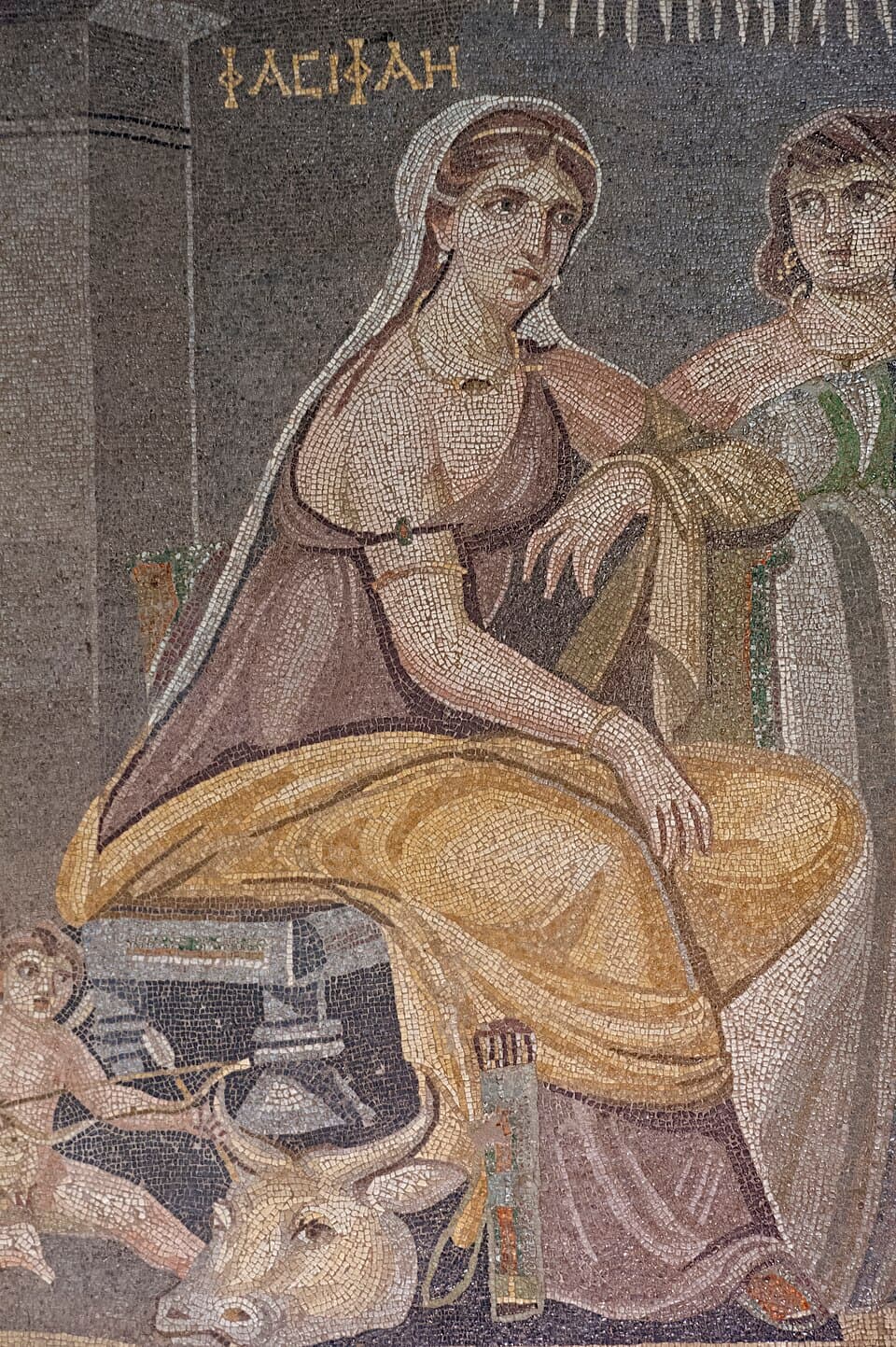
In Greek mythology, Pasiphaë was the daughter of Helios, queen of Crete, and mother of the Minotaur. After her husband …
Read →
Ancient Greece
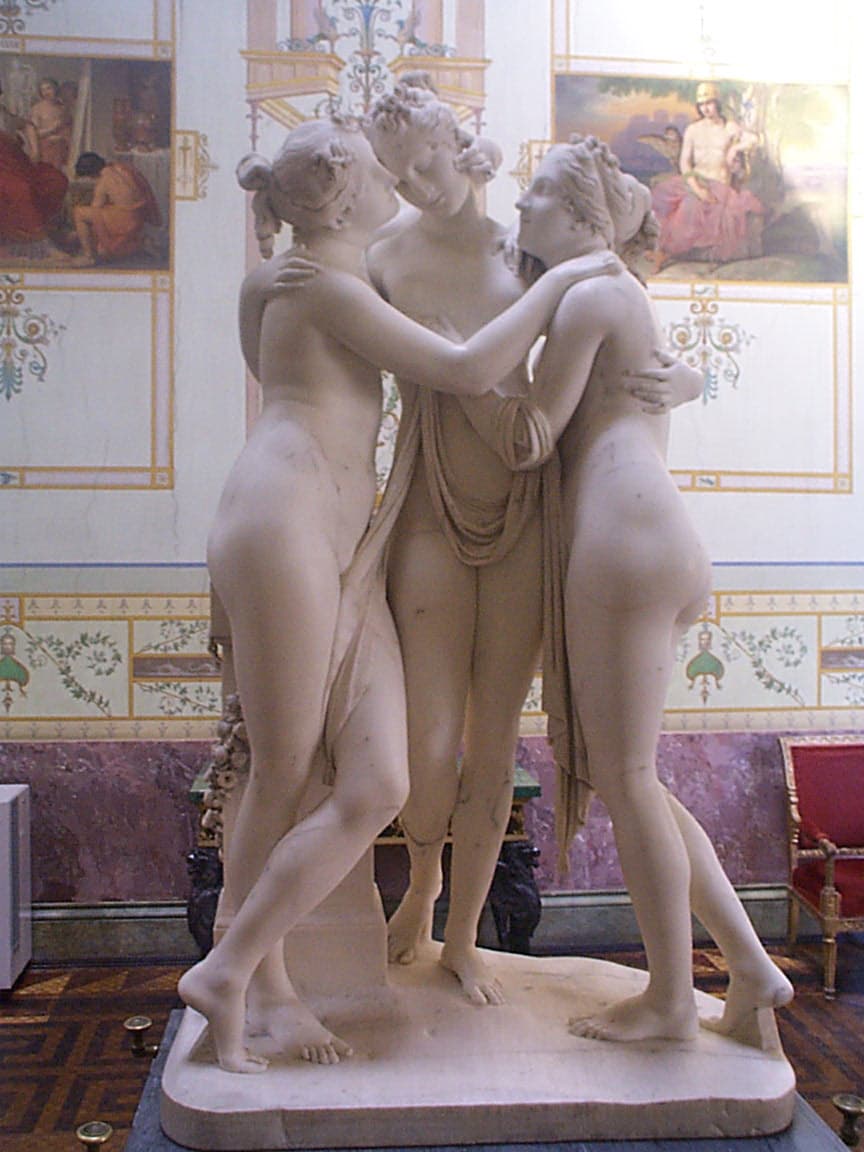
In Greek mythology, Pasithea, Pasithee or Pasitheia, was one of the Graces and the wife of Hypnos. In the Dionysiaca, t…
Read →
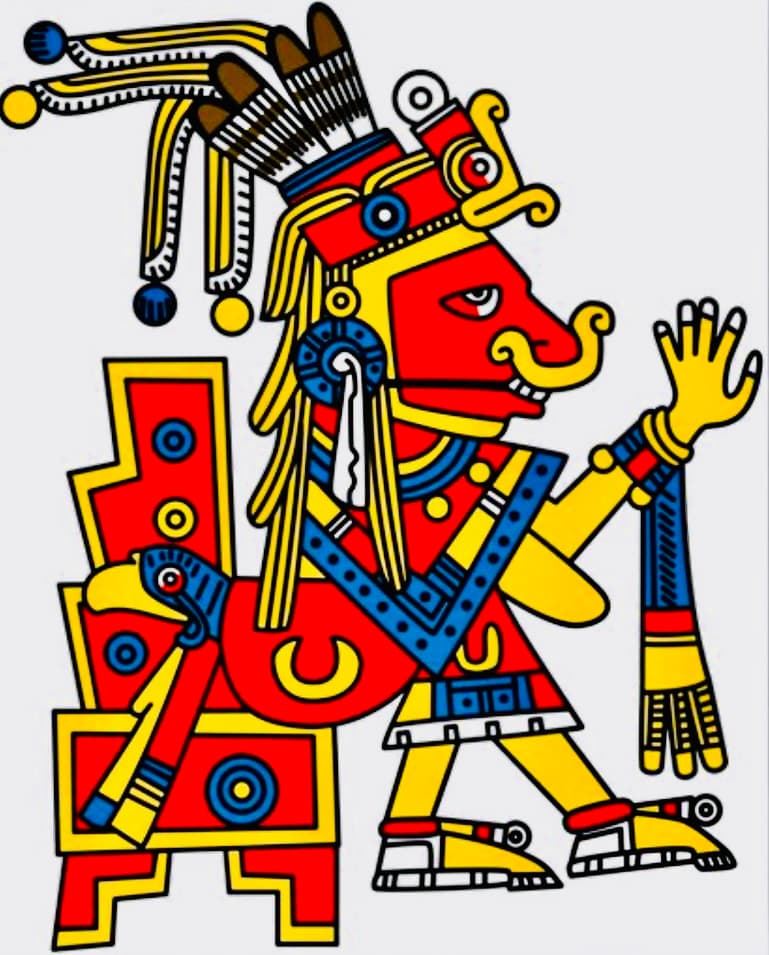
Aztec Empire
In Aztec mythology, Patecatl is a god of healing and fertility and the discoverer of peyote as well as the "lord of the …
Read →
Ancient Rome
In ancient Roman religion, agricultural deities were thought to care for every aspect of growing, harvesting, and storin…
Read →
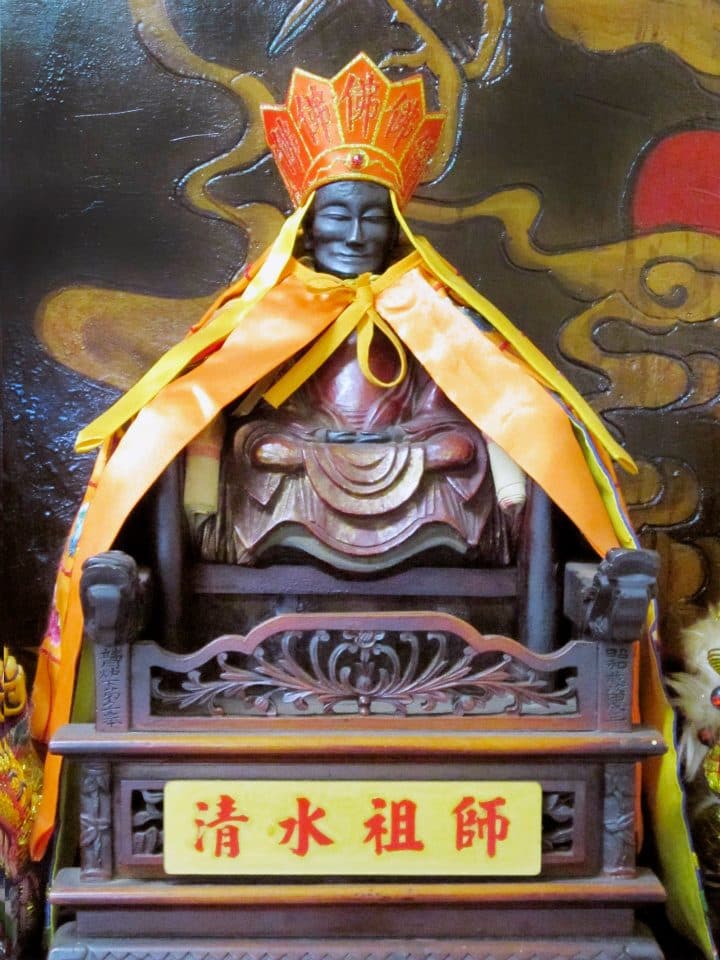
China
Patriarch Ching Chwee, also known as Chó͘-su-kong, born Tan Chiau Eng was a Chan/Zen Buddhist monk during the Northern S…
Read →
Ancient Egypt
A tutelary is a deity or a spirit who is a guardian, patron, or protector of a particular place, geographic feature, per…
Read →
Polynesia
In Hawaiian mythology, Paupueo is the owl god. He sends his owls after the Menehune when they become too uncontrollable…
Read →
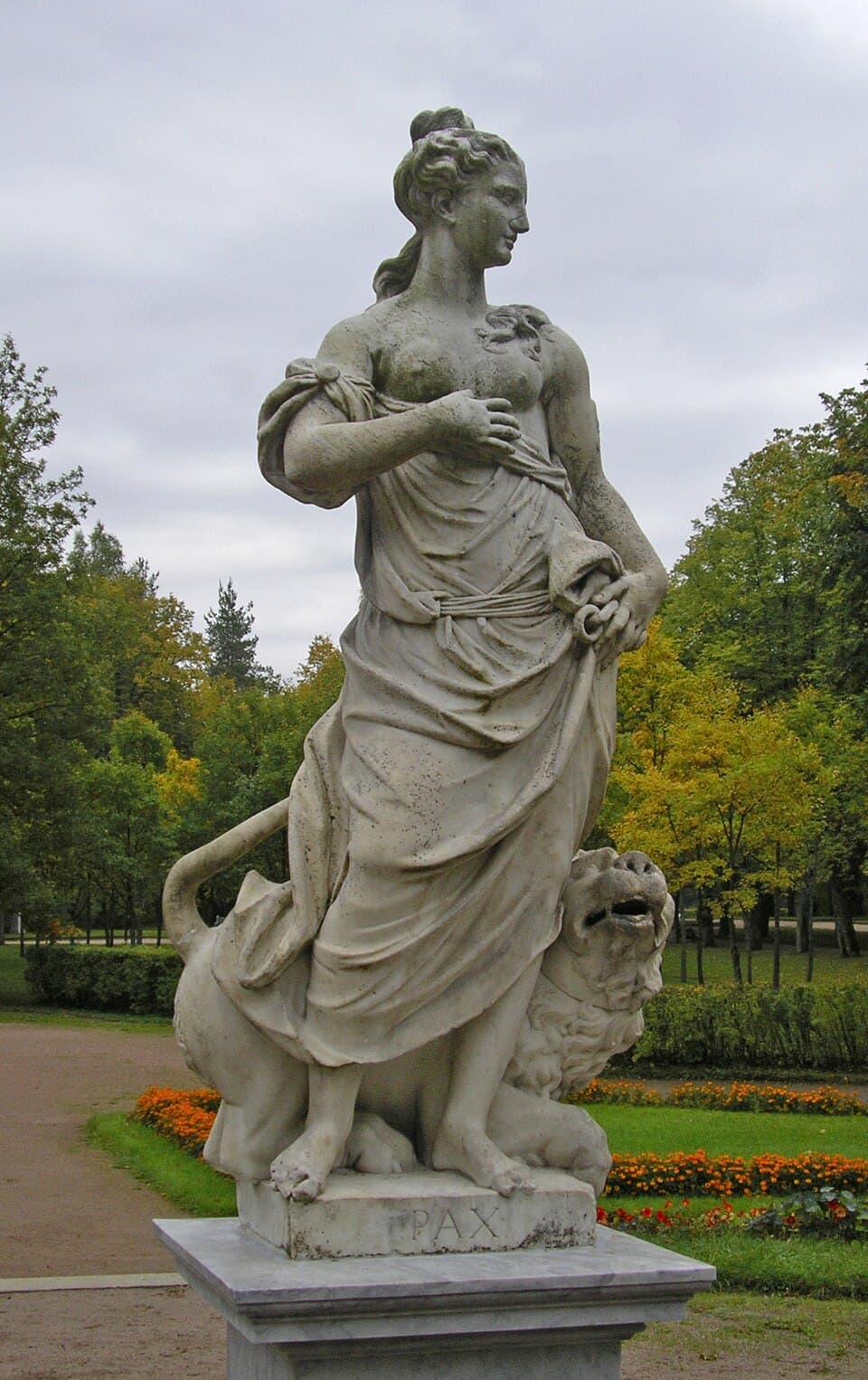
Ancient Rome
Pax, more commonly known in English as Peace, was the Roman goddess of peace derived and adopted from the ancient Greek …
Read →

Ancient Mesopotamia
In ancient Mesopotamian religion, Pazuzu is a demonic deity who was well known to the Babylonians and Assyrians througho…
Read →
Ancient Greece
In Greek mythology, Peitharchia was the personification of obedience.
Read →
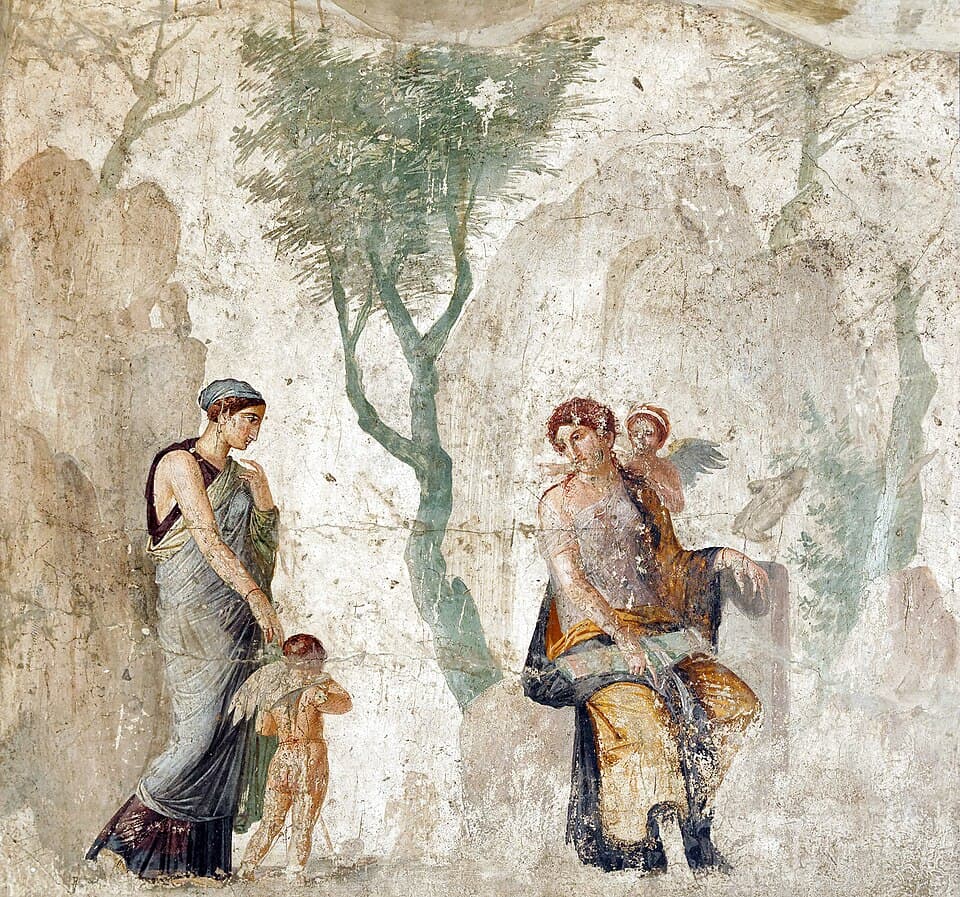
Ancient Greece
In Greek mythology, Peitho is the personification of persuasion. She is a goddess of charming speech. She is typically…
Read →
Polynesia
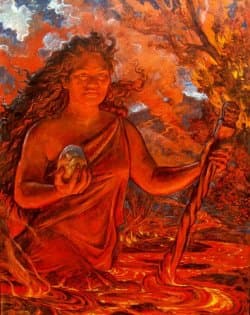
In Hawaiian religion, Pele is the goddess of volcanoes and fire and the creator of the Hawaiian Islands. Often referred…
Read →
Ancient Rome
In Roman mythology, Pellonia was a goddess who was believed to protect people from their enemies by driving the latter o…
Read →
Ancient Rome
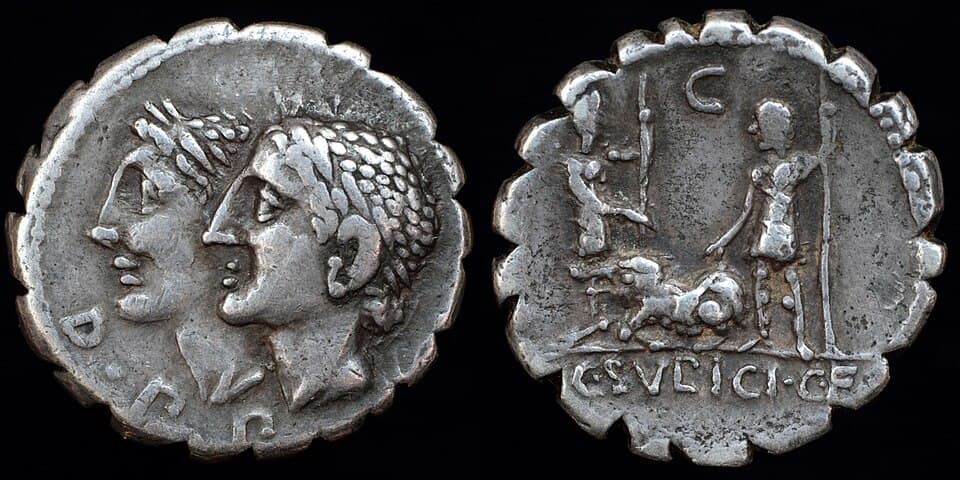
In ancient Roman religion, the Di Penates or Penates were among the dii familiares, or household deities, invoked most o…
Read →
Ancient Greece
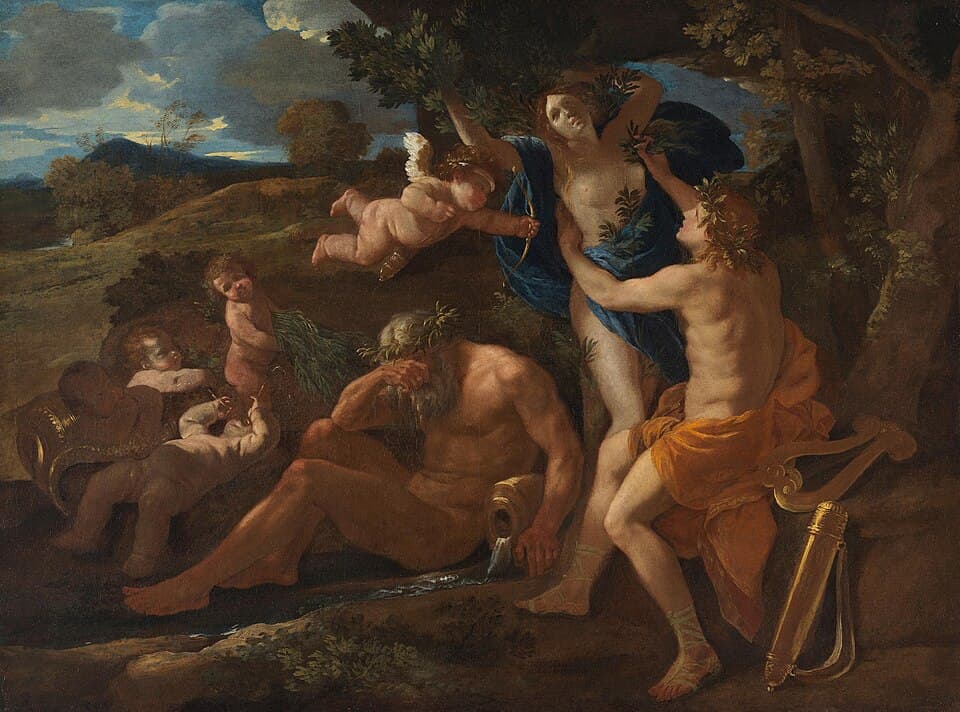
In Greek mythology, Peneus was a Thessalian river god, one of the three thousand Rivers, a child of Oceanus and Tethys.
Read →
China
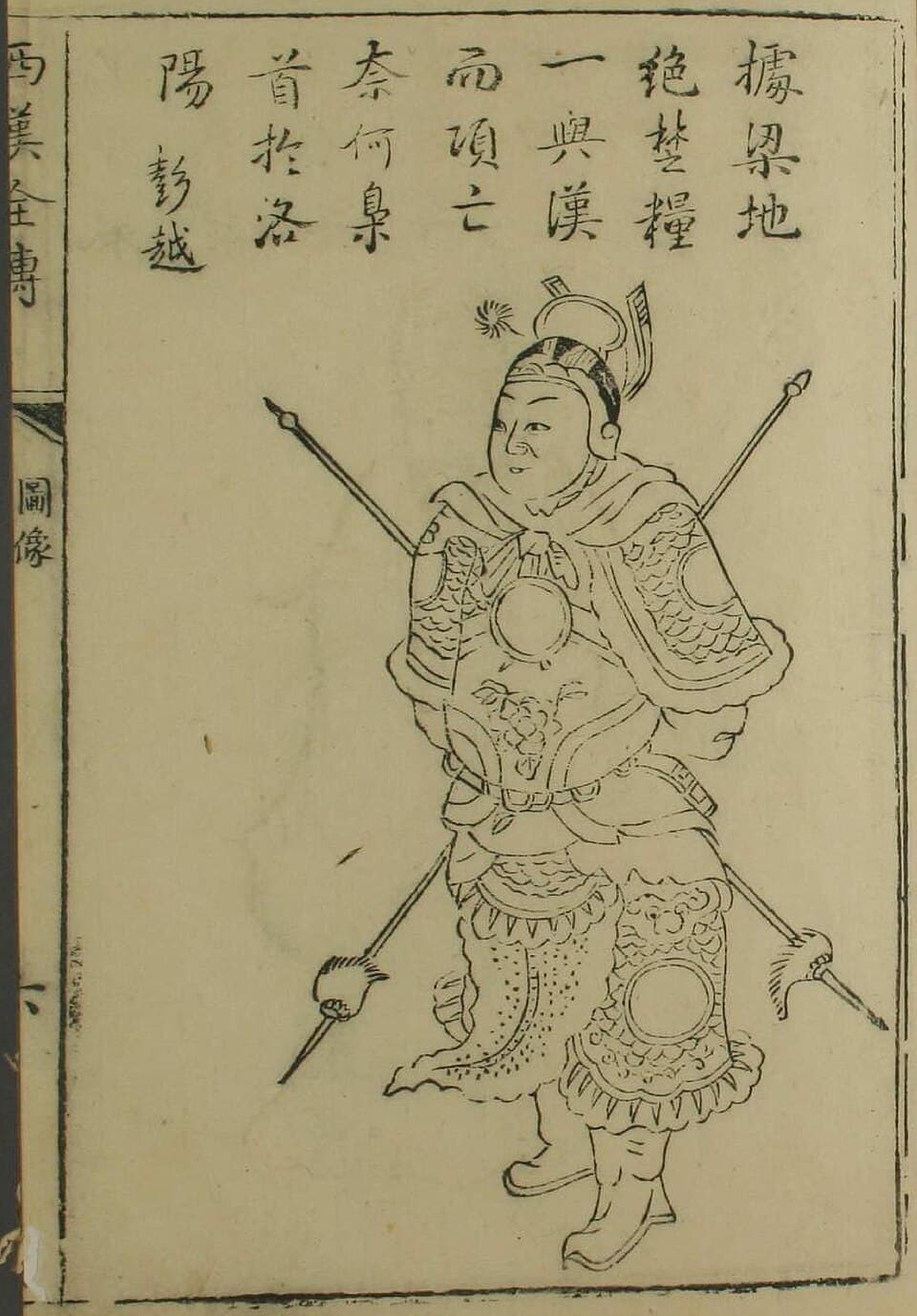
Peng Yue, courtesy name Zhong, was a Chinese military general who lived during the late Qin dynasty and early Han dynast…
Read →
Ancient Greece
In Plato's Symposium, Penia, or Penae, is the personification of poverty and need. She conceived Eros with an intoxicat…
Read →
Ancient Persia
Pentecostalism, also known as classical Pentecostalism, is a movement within the evangelical wing of Protestant Christia…
Read →
Ancient Greece
In Greek mythology, Penthus (Πενθος) or Penthos was the personification of grief. He favors those who weep for the dead…
Read →
Ancient Greece
Pepromene is a goddess and being of fate/destiny in Greek mythology. The ancient perception of her being gives the name…
Read →
Scandinavia
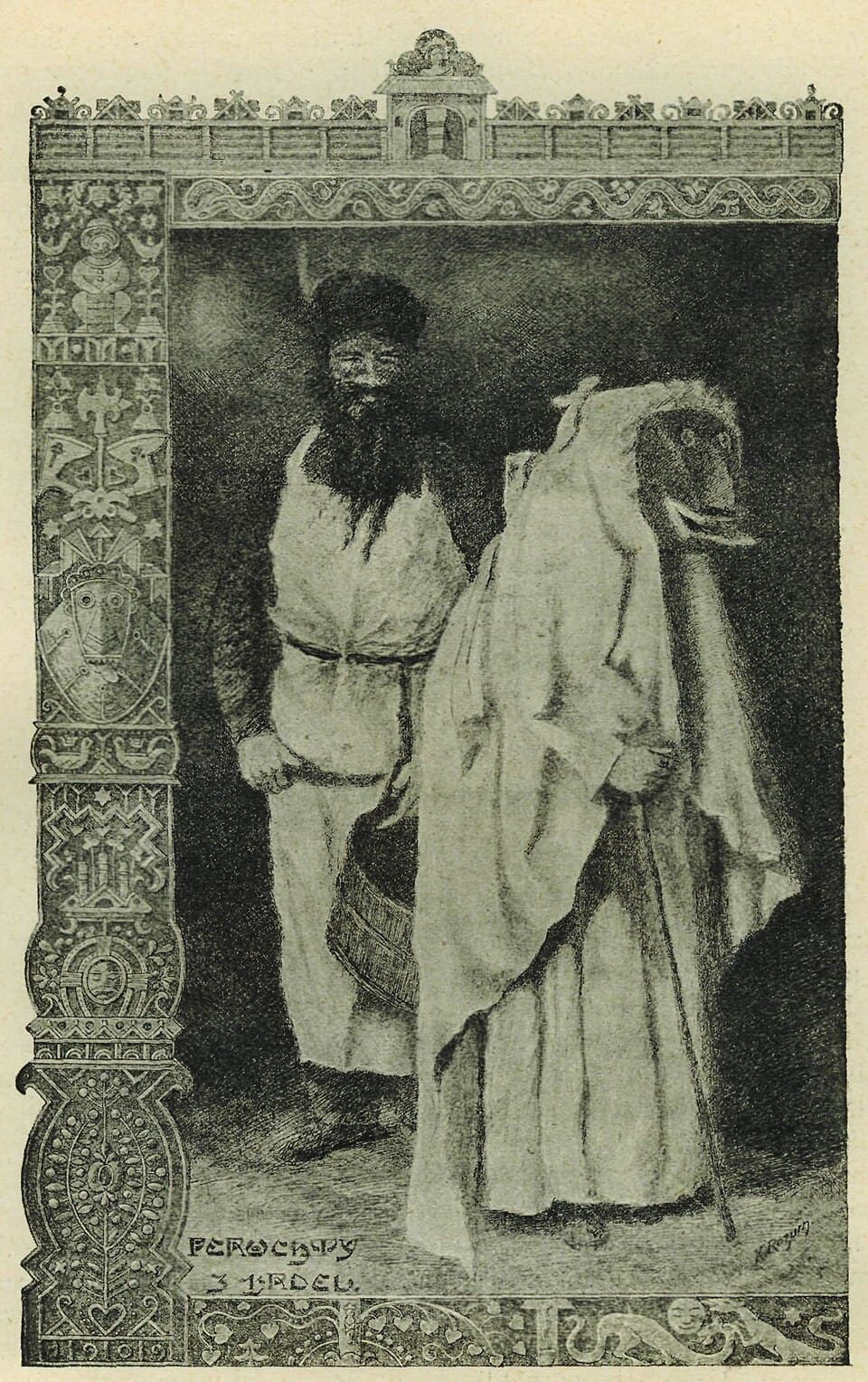
Perchta or Berchta, also commonly known as Percht and other variations, was thought to be a goddess in Alpine paganism i…
Read →
Early Slavs
Perkunatete, Perkunatele or Perkūnėlė is in Baltic mythology the thunder goddess mother of Perkūnas, in Slavic mythology…
Read →
Early Slavs
Pereplut is a Slavic deity or a demon with an unclear function. It appears in the list of gods and demons of the 12th-c…
Read →
Ancient Greece
In Greek mythology, the name Periboea refers to multiple figures:Periboea, one of the 3,000 Oceanids, water-nymph daught…
Read →
Ancient Egypt
Perit is an underworld deity in Egyptian mythology. She is one of the twelve goddesses in the ninth sector of Duat.
Read →
Indian subcontinent
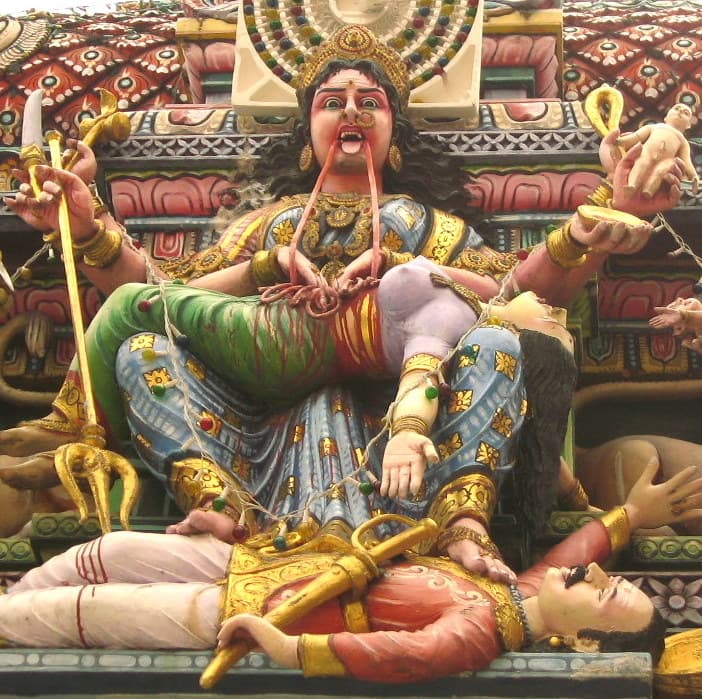
Periyachi, also called Pechi Amman, is a ferocious aspect of Parvati in Hinduism. She is also known as Periyachi Amman …
Read →
Early Slavs
A Proto-Indo-European thunder god, reconstructed as *Perkʷūnos, was the weather god in Proto-Indo-European mythology. T…
Read →
Ancient Greece
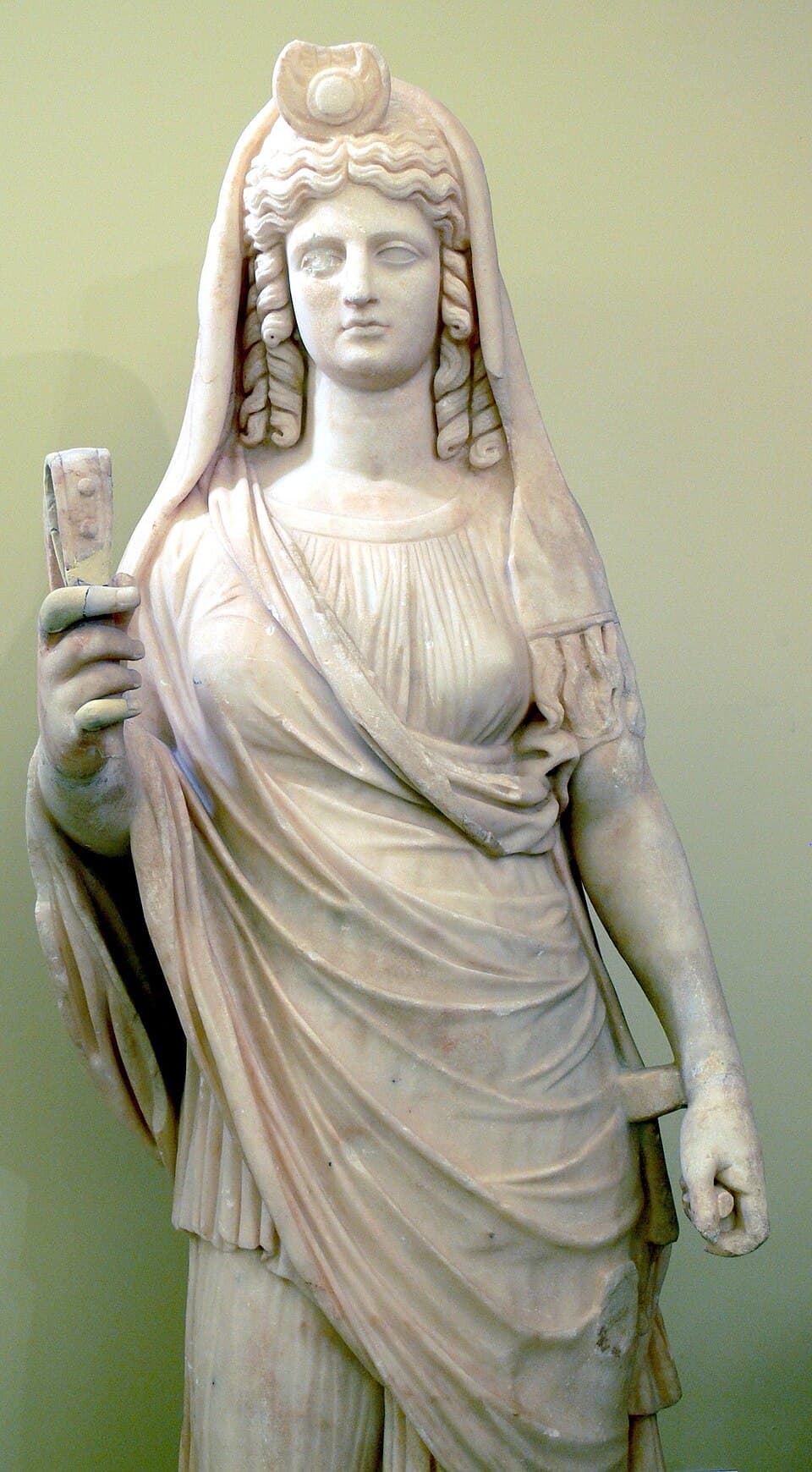
In ancient Greek mythology and religion, Persephone, also called Kore or Cora, is the daughter of Zeus and Demeter. She…
Read →
Ancient Greece
In Greek mythology, Perses is the son of the Titan Crius and Eurybia, and thus brother to Astraeus and Pallas. Ancient …
Read →
Ancient Greece
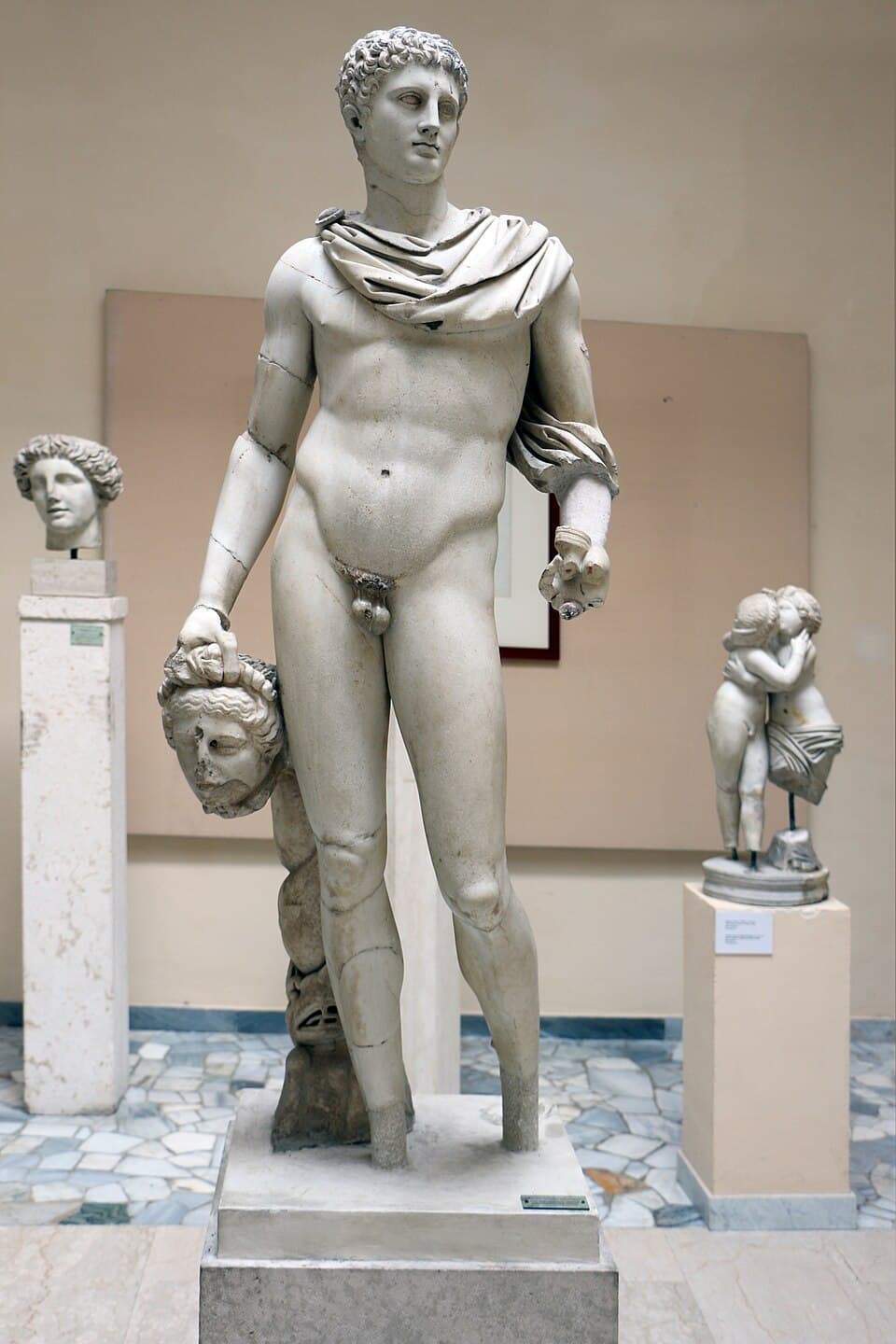
In Greek mythology, Perseus is the legendary founder of the Perseid dynasty. He was, alongside Cadmus and Bellerophon, …
Read →

Ancient Rome
Personification is the representation of any thing, being, or abstraction as a person or with person-like qualities. In…
Read →

Indian subcontinent
Perumal or Tirumal is a Hindu deity. Perumal is worshipped mainly among Tamil Hindus in South India and the Tamil diasp…
Read →
Early Slavs
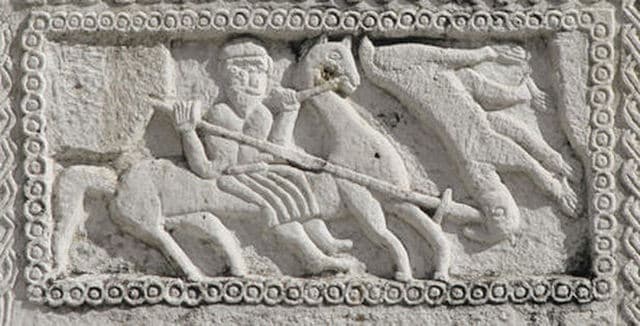
In Slavic mythology, Perun is the highest god of the pantheon and the god of sky, thunder, lightning, storms, rain, law,…
Read →
Ancient Egypt
In Egyptian mythology, Petbe was the god of revenge, worshipped in the area around Akhmim, in central Egypt. His name t…
Read →

Asia
Pha Trelgen Changchup Sempa is a mythical monkey-ancestor of the Tibetan people. With King Gesar and Avalokiteśvara, of…
Read →
Ancient Greece
Phaenon or Phainon in Greek mythology is the sky god of the star of Cronus. The name Phaenon is sometimes used poetical…
Read →
Ancient Greece
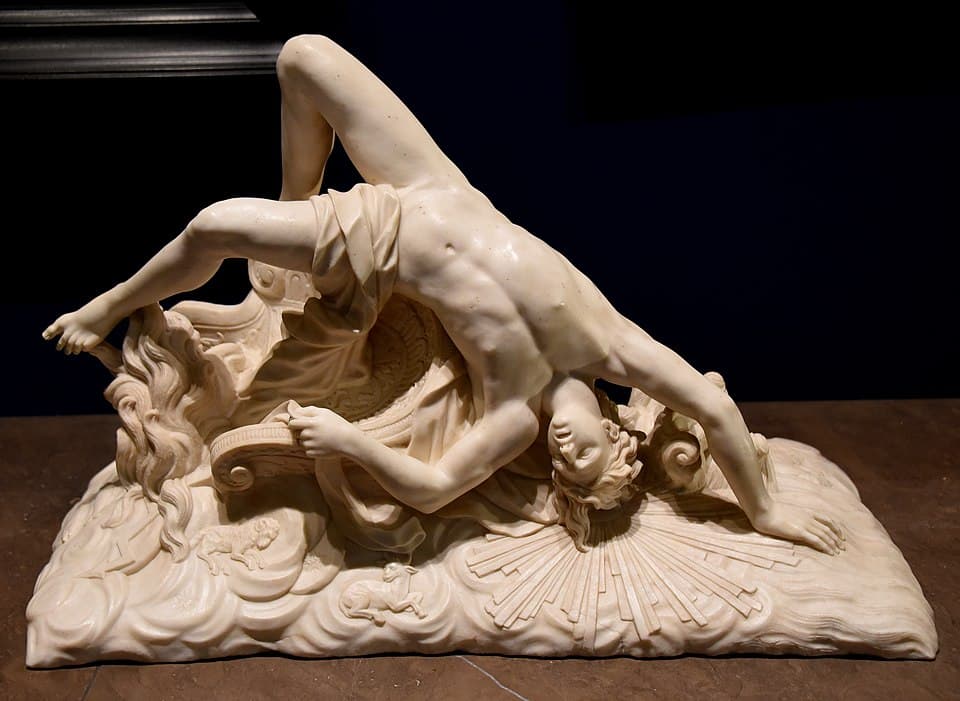
Phaethon, also spelled Phaëthon, is the son of the Oceanid Clymene and the sun god Helios in Greek mythology.
Read →
Ancient Greece
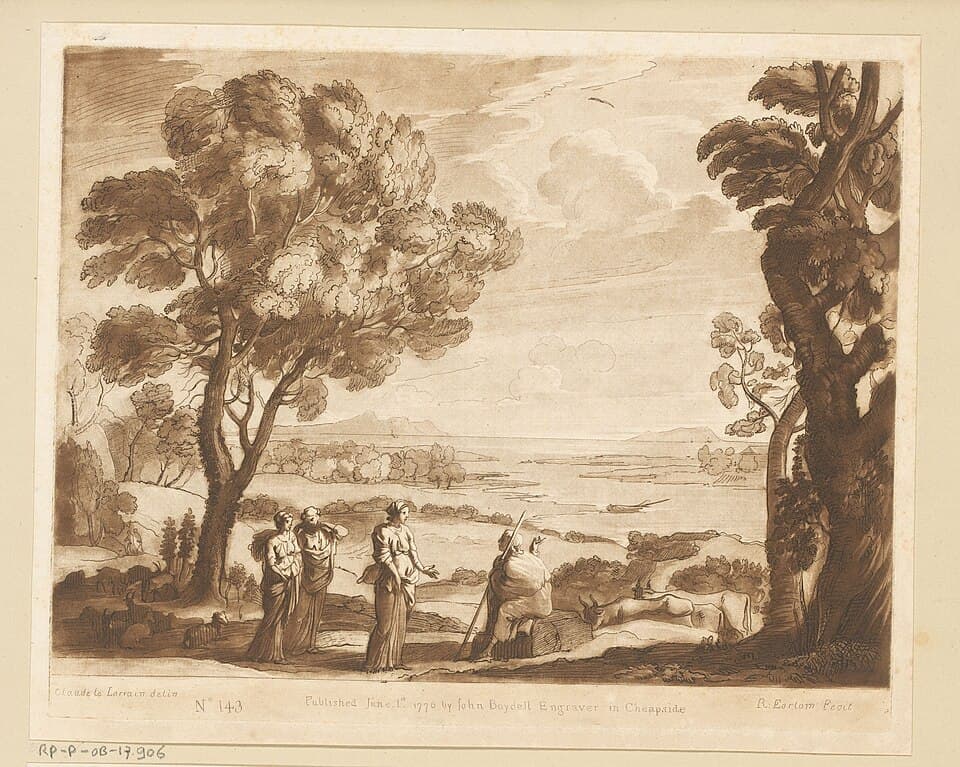
In Greek mythology, Phaethusa or Phaëthusa was a nymph or goddess and a daughter of the sun god, Helios. She and her si…
Read →
Ancient Greece
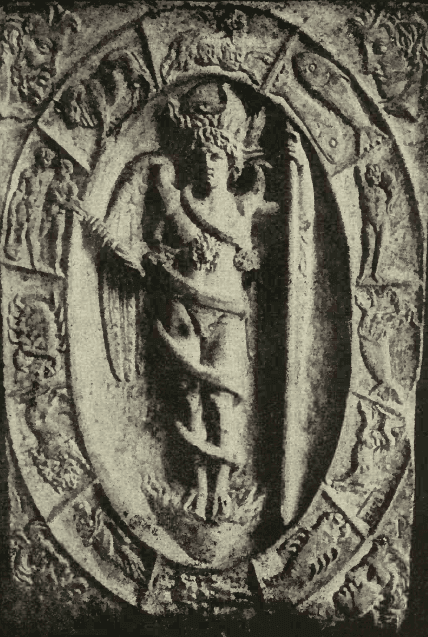
In Orphic cosmogony, Phanes or Protogonos is a primeval deity who was born from the cosmic egg at the beginning of creat…
Read →

Ancient Greece
In Ovid's Metamorphoses, Phantasos is one of the thousand sons of Somnus. He appeared in dreams in the form of inanimat…
Read →
Asia
Man Nương Phật Mẫu (蠻娘佛母) is a Vietnamese Buddhist deity associated with the belief of Tứ Pháp. During the reign of Shi…
Read →
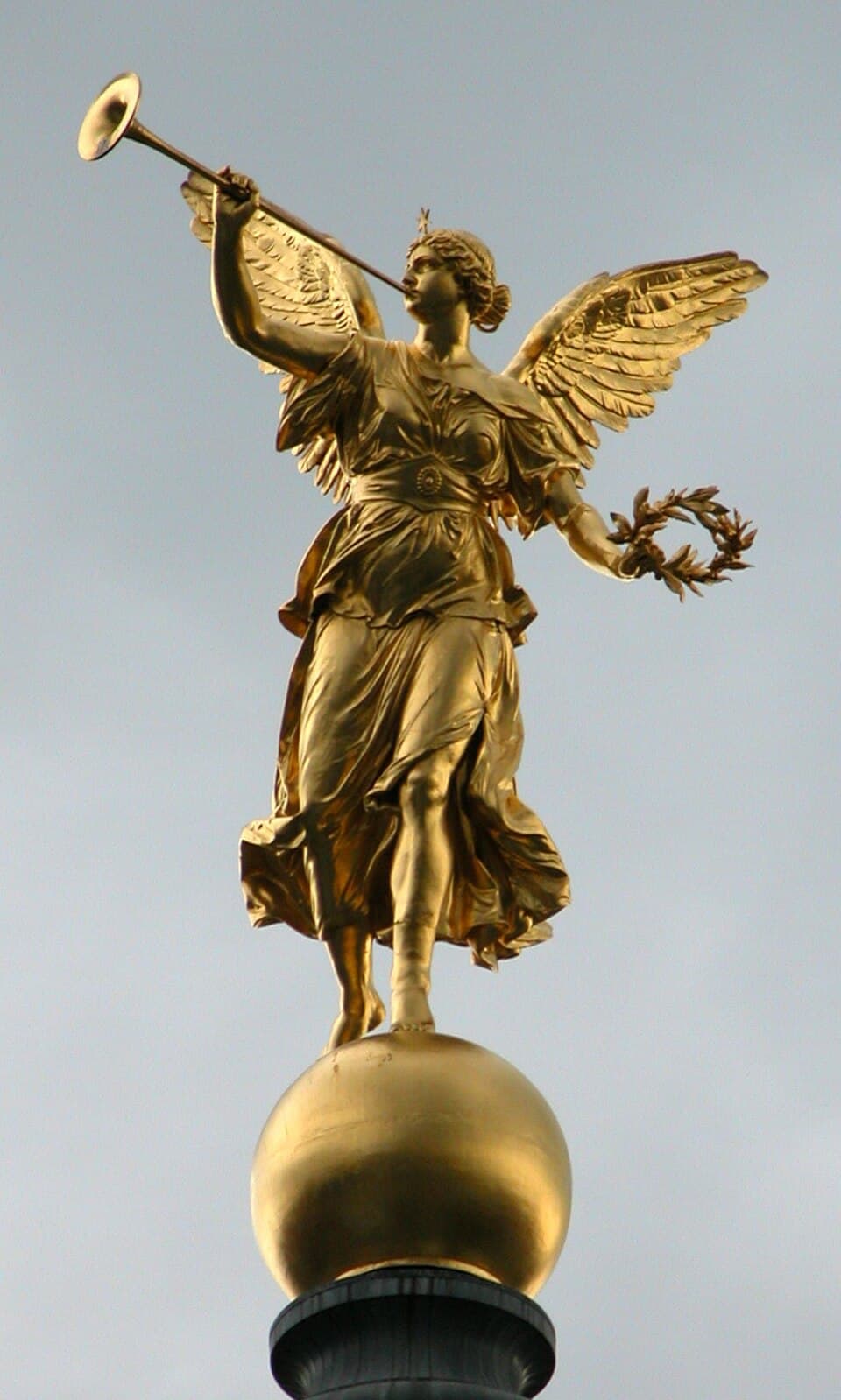
Ancient Greece
In Greek mythology, Pheme, also known as Ossa ("Rumor") in Homeric literature, was the divine personification of fame, r…
Read →
Ancient Greece
In Greek mythology, Philomelus, Philomelos, Philomenus or Philomenos was a demigod and inventor of the wagon that became…
Read →

Ancient Greece
In Greek mythology, Philotes was a minor goddess or spirit (daimones) personifying affection, friendship, and sexual int…
Read →
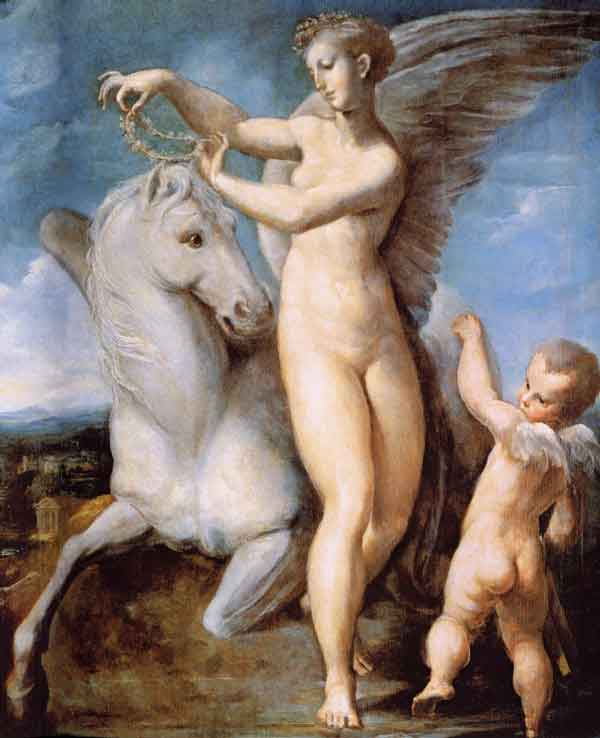
Ancient Greece
In Greek mythology, Philyra or Phillyra was one of the 3,000 Oceanids, water-nymph daughters of the Titans Oceanus and T…
Read →
Ancient Greece
In Ovid's Metamorphoses, Phobetor, so called by humans, or Icelus/Icelos, so called by the gods, is one of the thousand …
Read →

Ancient Greece
In ancient Greek religion and mythology, Phoebe was one of the Titans, the children of Uranus (Sky) and Gaia (Earth). S…
Read →
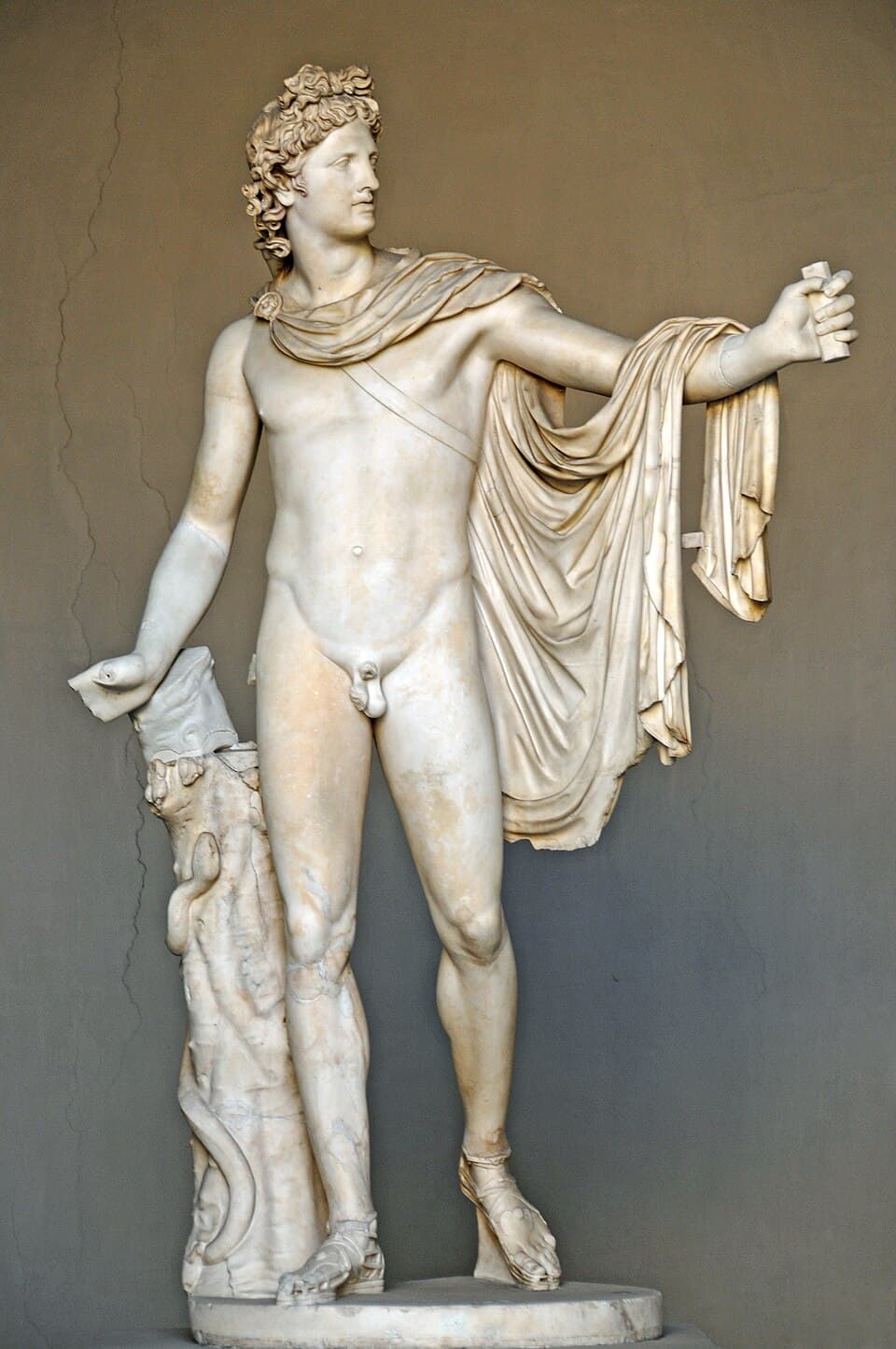
Ancient Rome
Apollo is one of the Olympian deities in ancient Greek religion and mythology. His numerous functions include healing, …
Read →
Ancient Greece
In Greek mythology, the Phonoi are collectively the personification of murder. In Hesiod's Theogony, the Phonoi are lis…
Read →
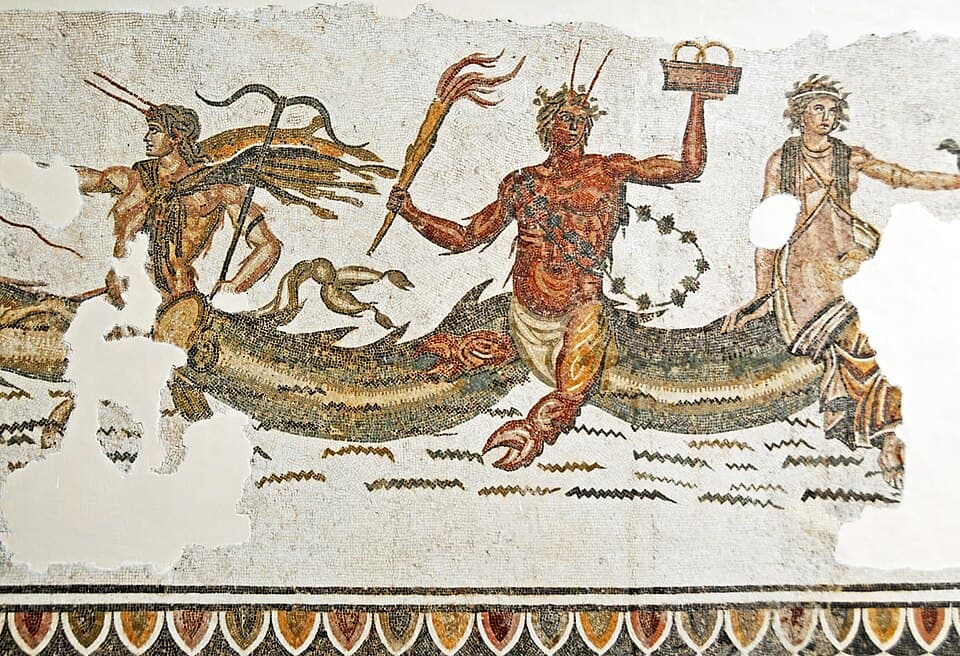
Ancient Greece
In Greek mythology, Phorcys or Phorcus is a primordial sea god, generally cited as the son of Pontus and Gaia (Earth). …
Read →
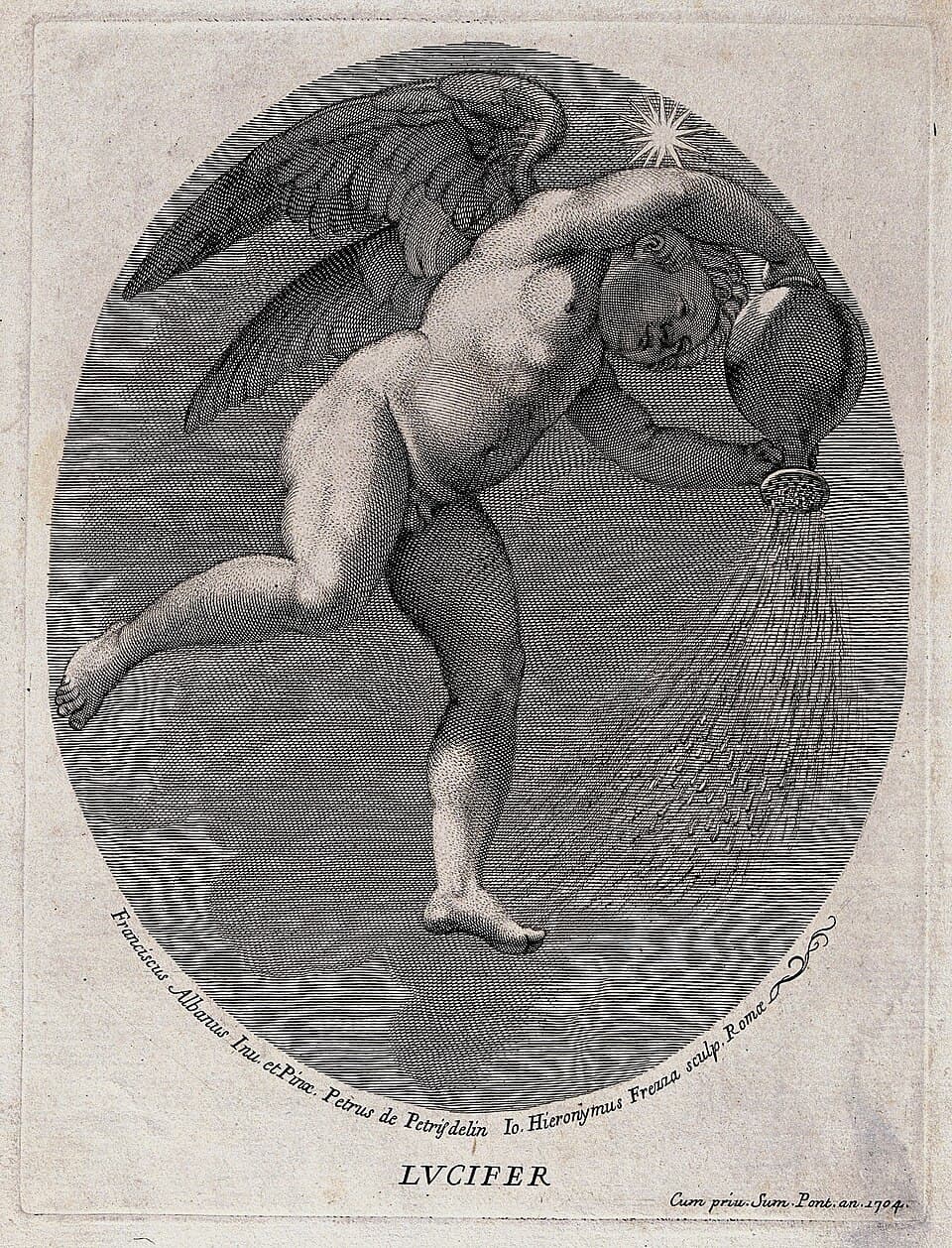
Ancient Greece
Phosphorus is the god of the planet Venus in its appearance as the Morning Star. Another Greek name for the Morning Sta…
Read →
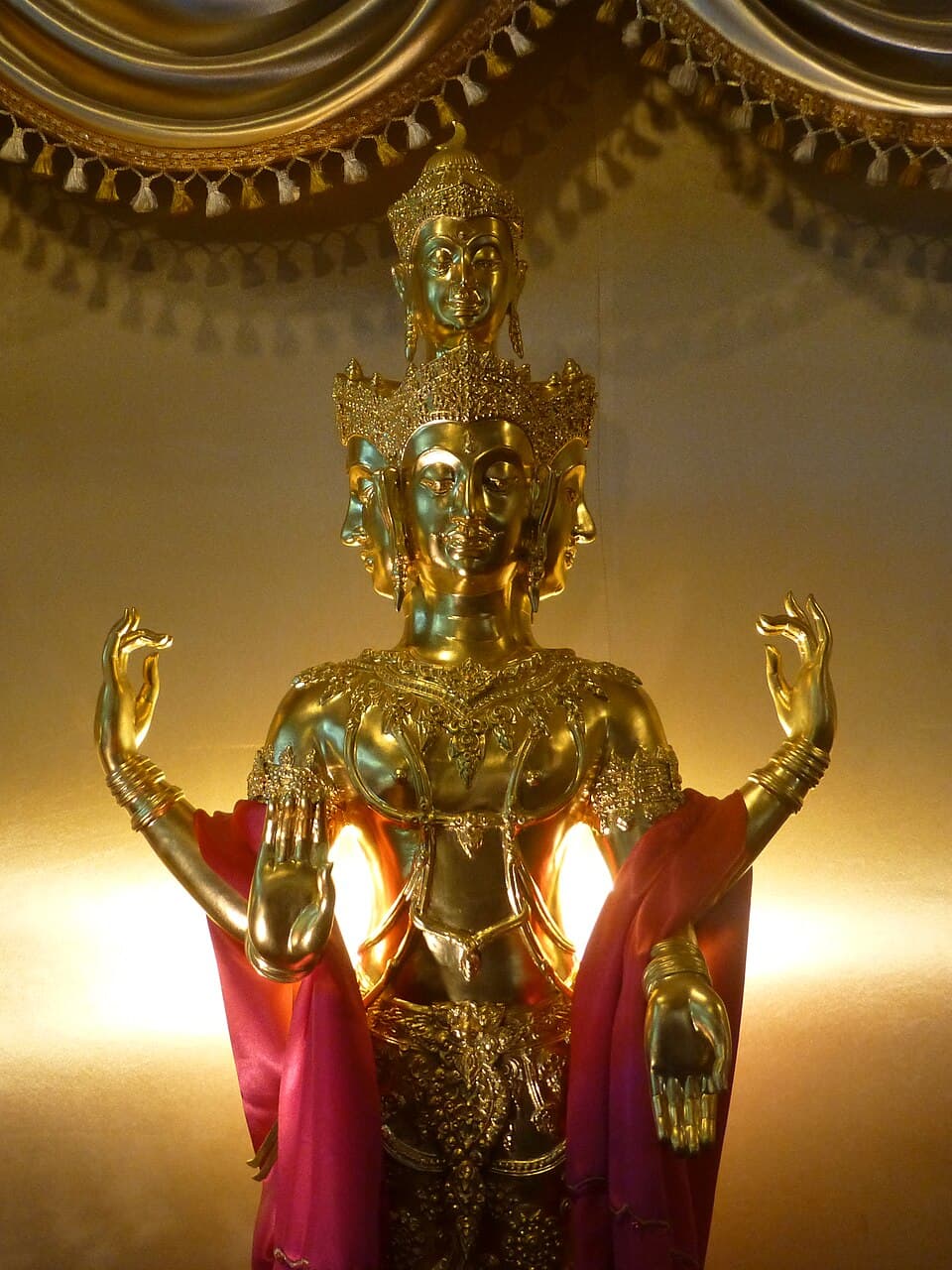
Indian subcontinent
Phra Phrom is the Thai representation of the Hindu creator god Brahma. In modern Thailand, Phra Phrom is often worshipp…
Read →
Ancient Greece
In Greek mythology, Phthonus, or sometimes Zelus, was the personification of jealousy and envy, most prominently in matt…
Read →
Indian subcontinent
Phul Mata is a Hindu goddess of disease, one of a group of seven sister goddesses with similar associations. Her sister…
Read →
Ancient Greece
In Greek mythology, Phyllis (Φύλλις) was the god of the homonymous river in Bithynia. By a local meadow nymph, he becam…
Read →
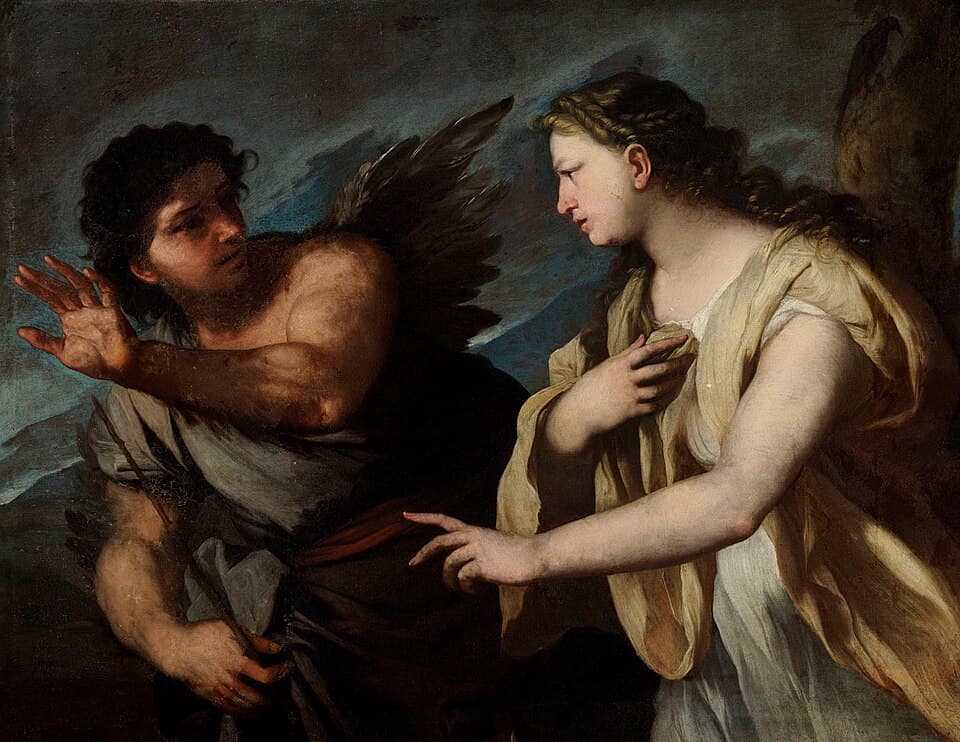
Ancient Rome
Picus was a figure in Roman mythology, the first king of Latium. He was the son of Saturn, also known as Stercutus. He…
Read →
Ancient Rome
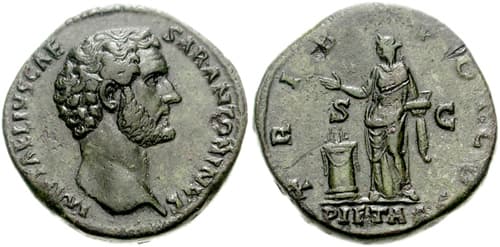
Pietas, translated variously as "duty", "religiosity" or "religious behavior", "loyalty", "devotion", or "filial piety",…
Read →
Ancient Rome
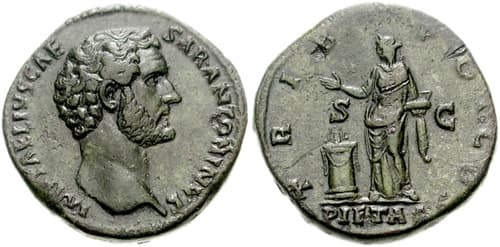
Pietas, translated variously as "duty", "religiosity" or "religious behavior", "loyalty", "devotion", or "filial piety",…
Read →

Indian subcontinent
Pillaiyar Suḻi, also rendered Ganesha's curl or Ganesha's circle, is a sacred textual symbol. It is dedicated to the Hi…
Read →

Aztec Empire
In Aztec mythology, Piltzintecuhtli was a god of the rising sun, healing, and visions, associated with Tōnatiuh. The na…
Read →
Ancient Rome
In Roman mythology, Pilumnus ("staker") was a nature deity, brother of Picumnus. He ensured children grew properly and …
Read →
Indian subcontinent
Pindi are decked stones or tree stumps viewed in Hinduism as abstract manifestations of the mother goddess Shakti. Most…
Read →
Ancient Mesopotamia
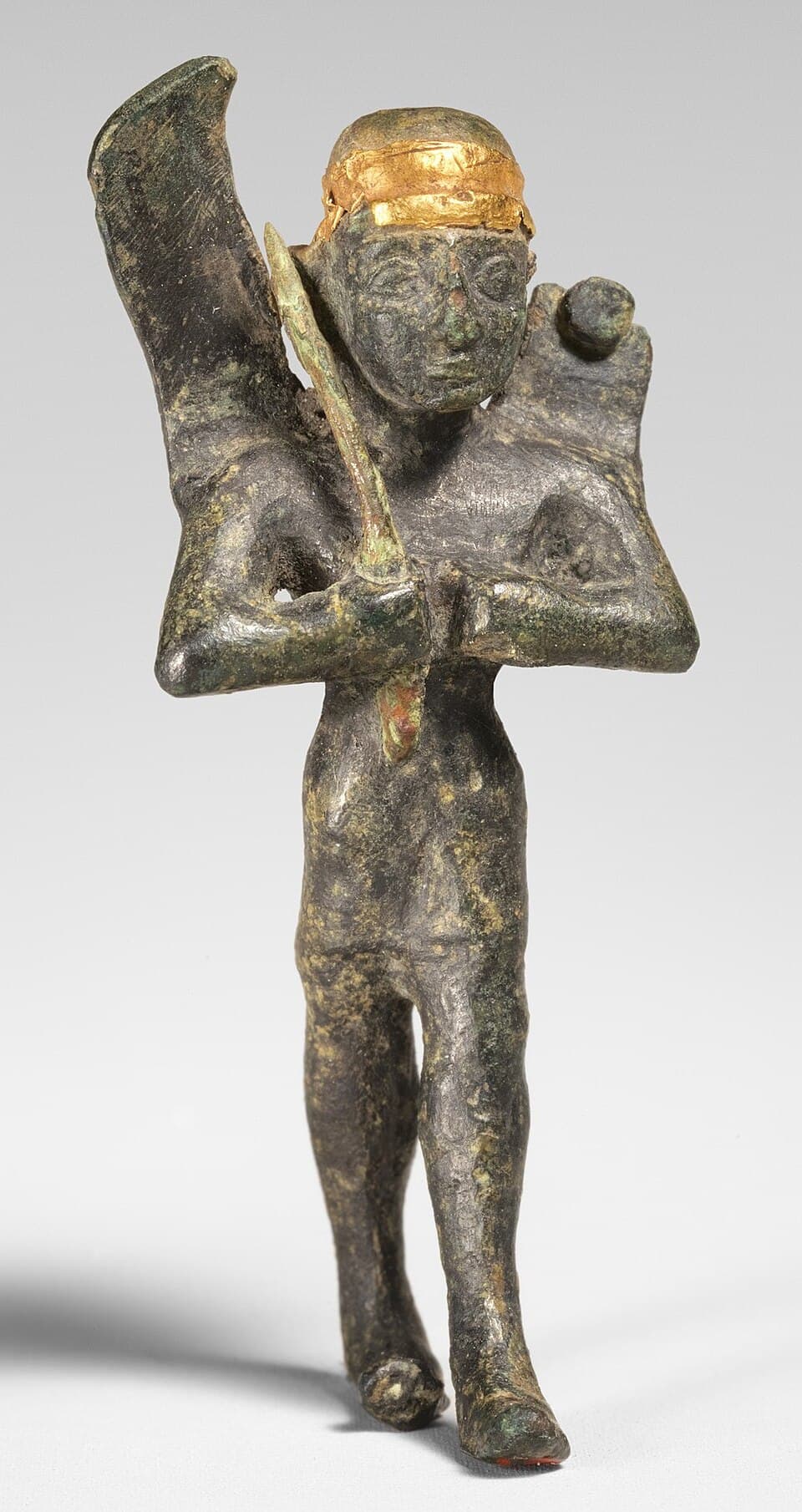
Pinikir, also known as Pinigir, Pirengir, Pirinkir, and Parakaras, was an Ancient Near Eastern astral goddess who origin…
Read →
Ancient Greece
In Greek mythology, Pistis was the personification of good faith, trust and reliability. In Christianity and in the New…
Read →