Pizamar
Slavic500 CE – 1100 CE
Pizamar
Early Slavs
Pizamar is a Slavic deity worshipped on Rügen. His statue was overthrown by the Danes in 1168 together with statues of …
Read →
Research Index
An archive of 3,493 gods, deified rulers, and mythological figures across civilizations — from living gods of Egypt to the dying gods of antiquity.
Early Slavs
Pizamar is a Slavic deity worshipped on Rügen. His statue was overthrown by the Danes in 1168 together with statues of …
Read →
Ancient Greece
The planetae, were the five naked-eye planets known to ancient Greek and Roman astronomers, who assigned them a variety …
Read →
Ancient Greece
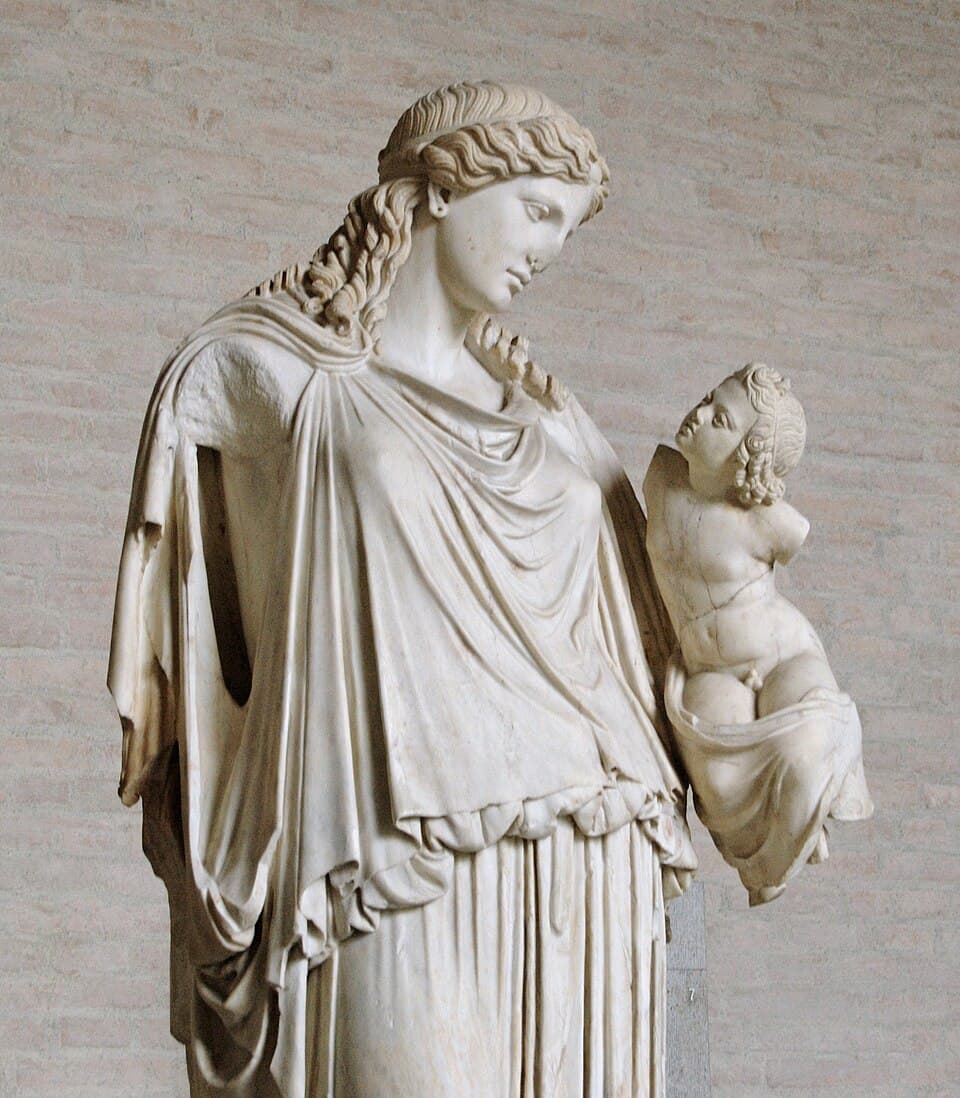
In ancient Greek religion and mythology, Plutus is the god and the personification of wealth, and the son of the goddess…
Read →
Early Slavs
Podaga is a Polabian deity who had his statue in a temple in Plön. Mentioned only in Helmold's Chronicle, which does no…
Read →
Ancient Greece
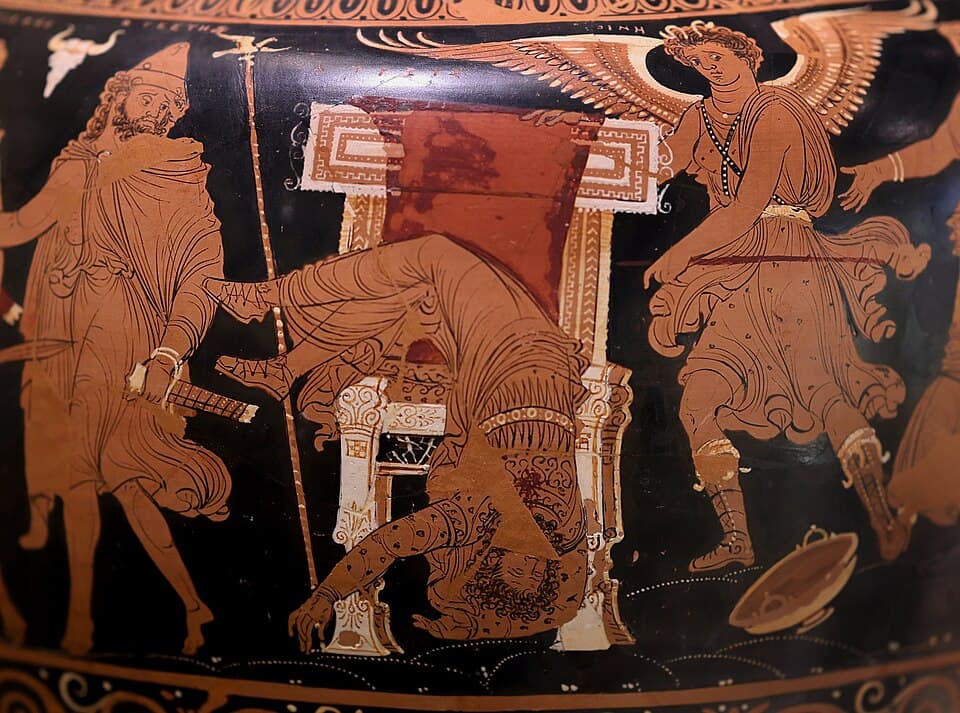
In Greek mythology, Poena or Poine is the spirit of punishment and the attendant of punishment to Nemesis, the goddess o…
Read →
China
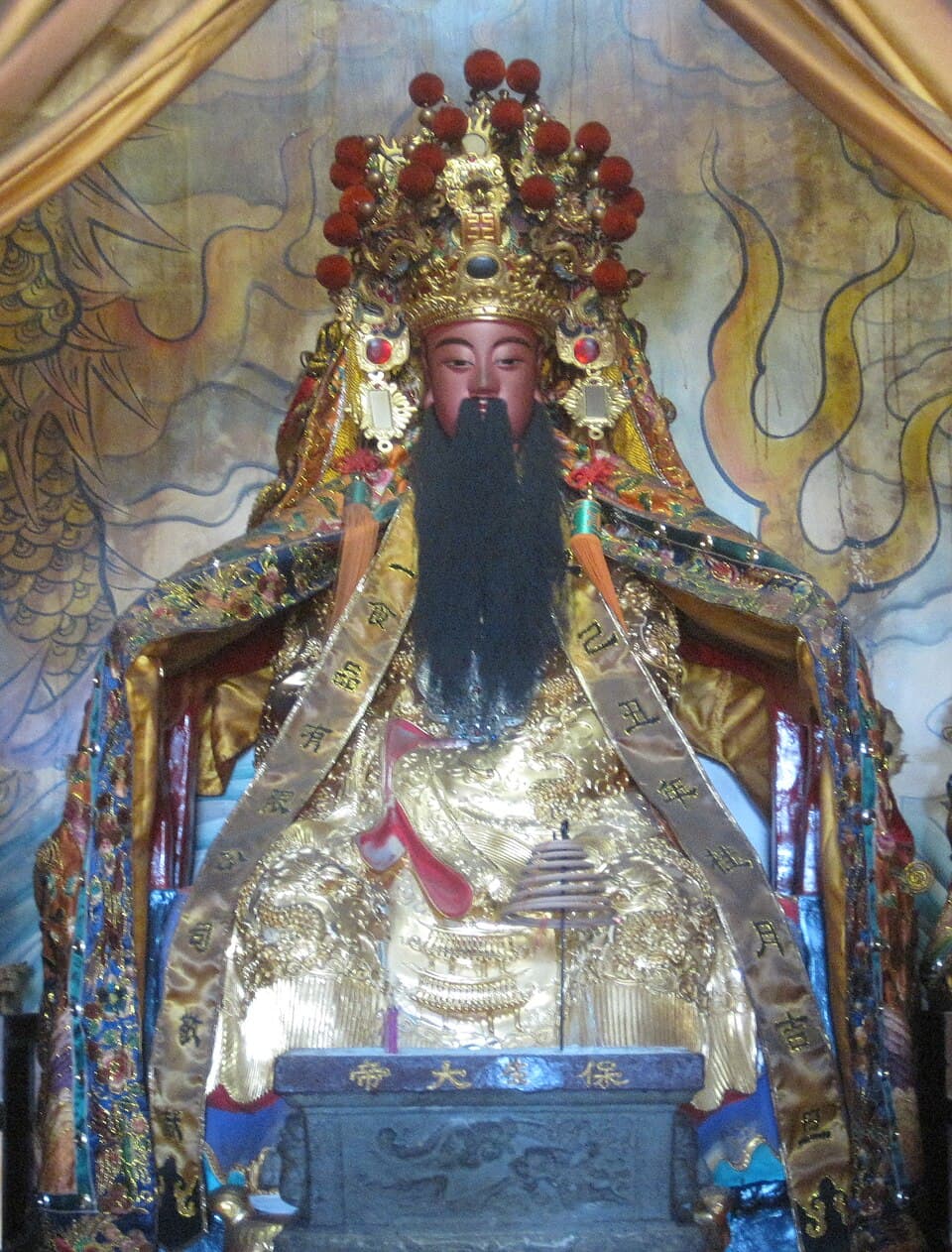
Poh Seng Tai Tay, also known as Taitokong, is the God of Medicine worshiped among the Hoklo people in Fujian, Taiwan, an…
Read →
Ancient Greece
In Greek mythology, Polemos or Polemus was a daemon; a divine personification or embodiment of war. No cult practices o…
Read →
Indian subcontinent
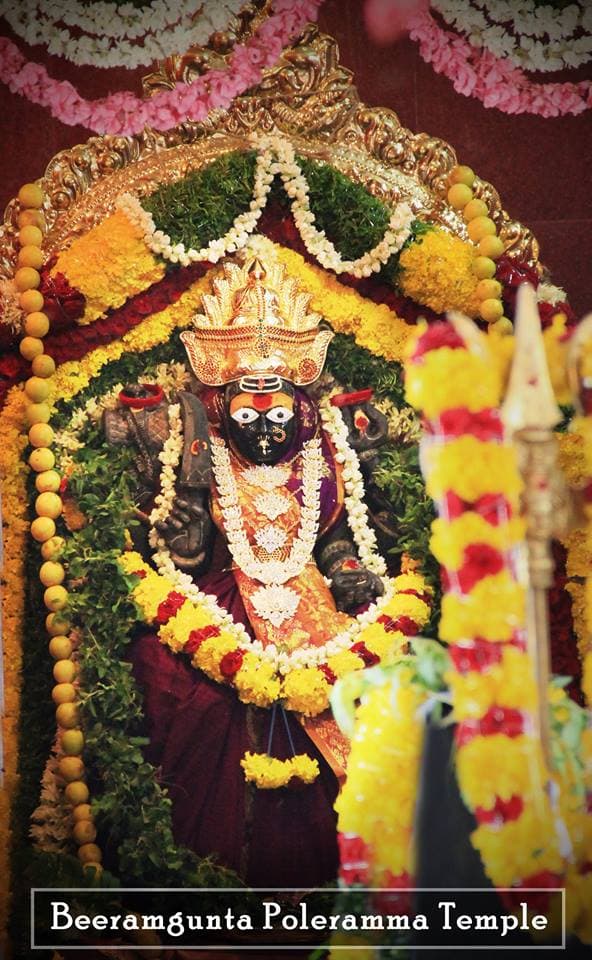
Poleramma (Telugu: పోలేరమ్మ) is a Hindu goddess of plague and smallpox. She is predominantly worshipped in the villages…
Read →
Ancient Greece
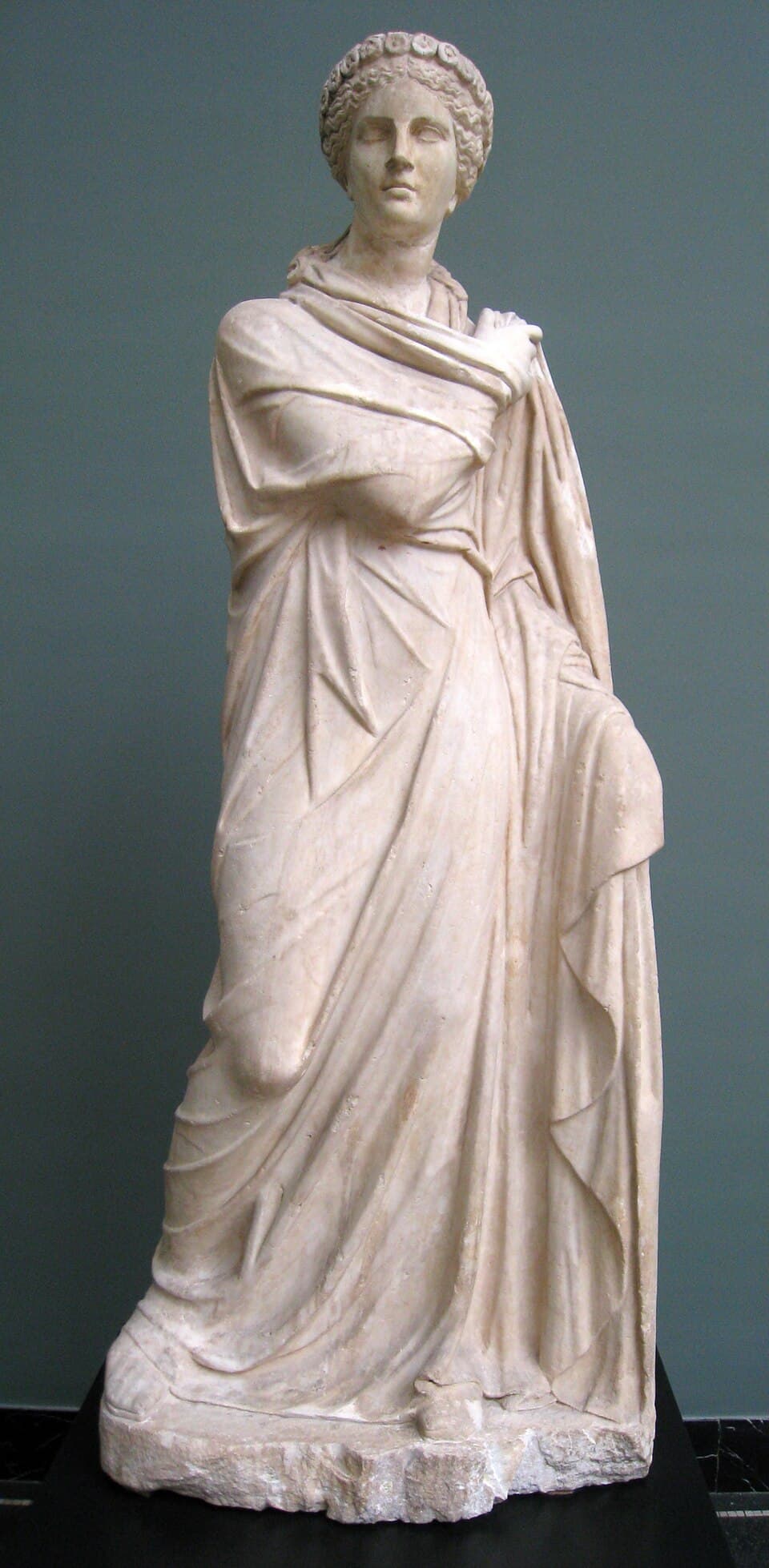
Polyhymnia, alternatively Polymnia (Πολύμνια), is, in Greek mythology, the Muse of sacred poetry, sacred hymn, dance and…
Read →
Ancient Greece
Polymatheia in Greek mythology was one of the three Muses recognized at Sicyon, as remarked by Plutarch. Her name liter…
Read →

Ancient Egypt
Polytheism is the belief in or worship of more than one deity, a type of theism; it contrasts with monotheism, the belie…
Read →
Ancient Greece
In Greek mythology, Ponos or Ponus is the personification of toil and stress. According to Hesiod's Theogony, "painful"…
Read →
Early Slavs
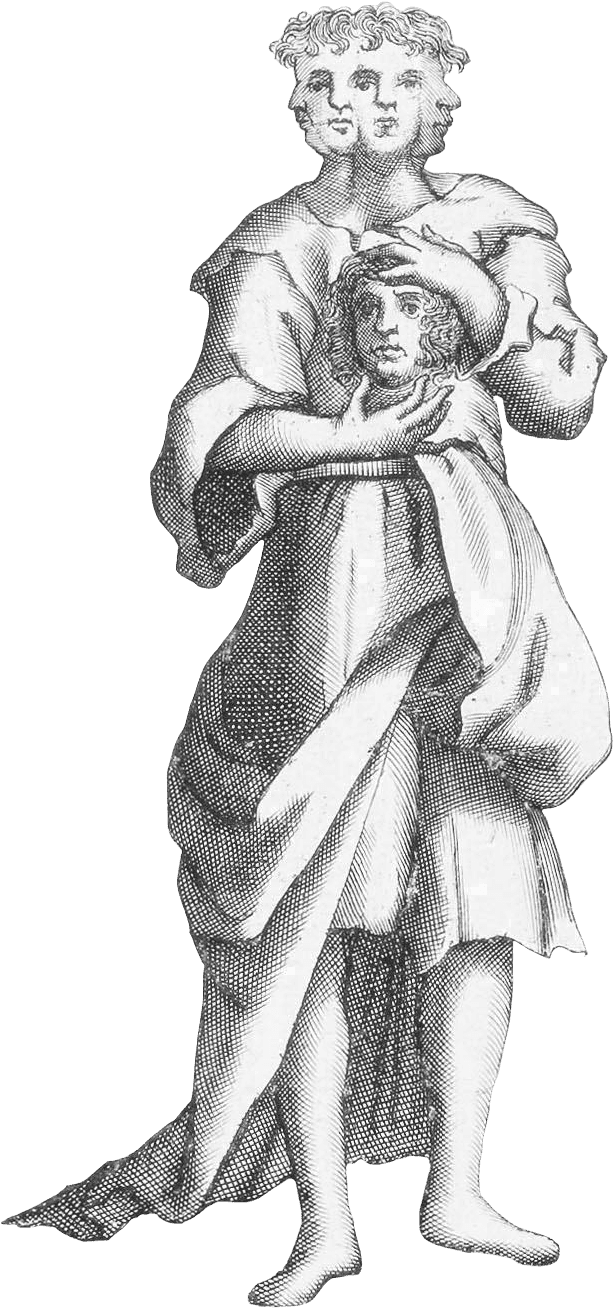
Porenut is a god with unknown functions mentioned in only two sources: Gesta Danorum and in Knýtlinga saga. The only hi…
Read →
Early Slavs
Porevit, Porovit or Borovit is a Slavic god with unknown functions mentioned in only two sources: Gesta Danorum and in K…
Read →
Ancient Greece
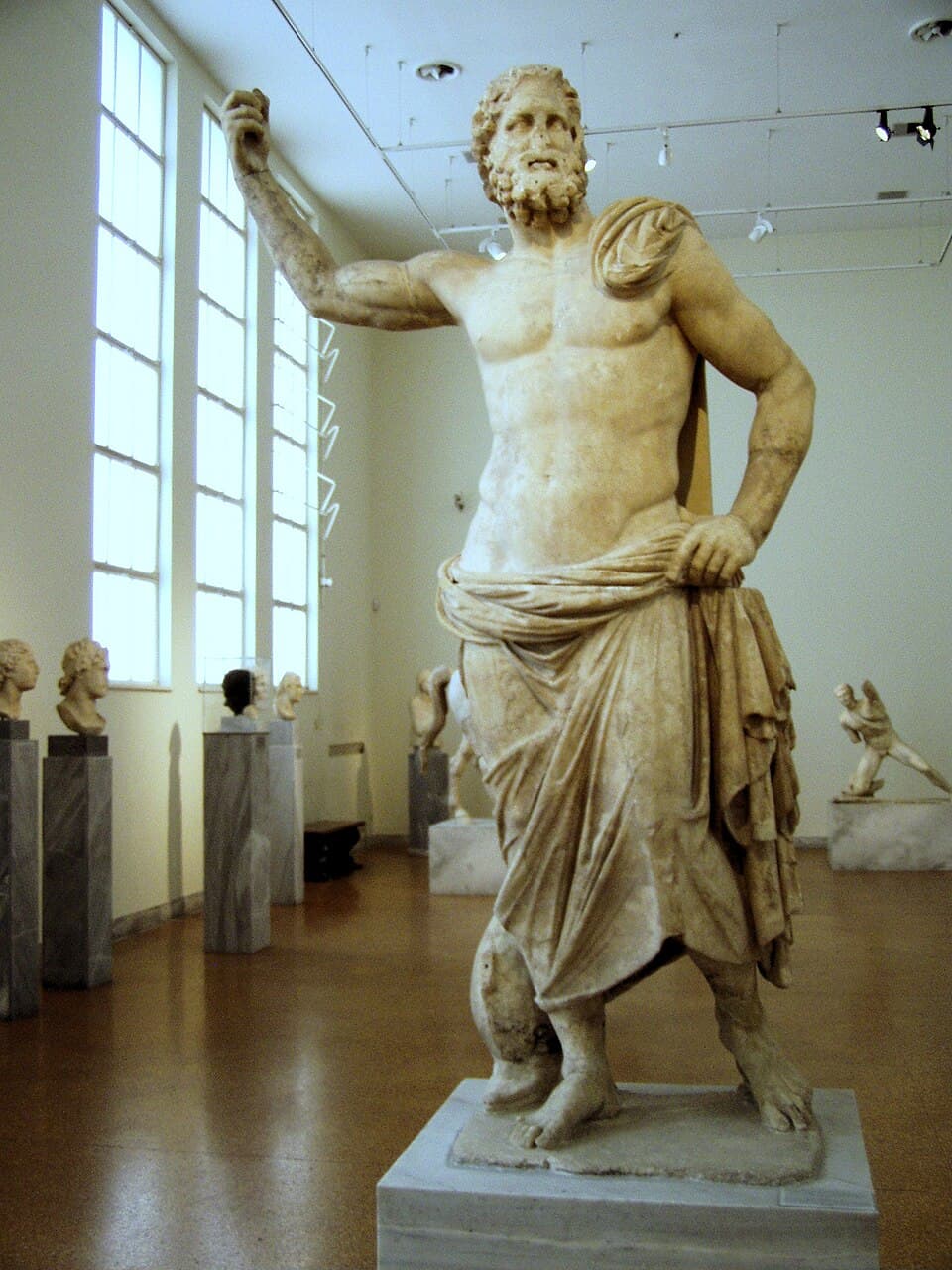
Poseidon is one of the twelve Olympians in ancient Greek religion and mythology, presiding over the sea, storms, earthqu…
Read →
Ancient Rome
In Roman mythology, Postverta or Postvorta was the goddess of the past and one of the two Carmentes. They were companio…
Read →
Ancient Greece
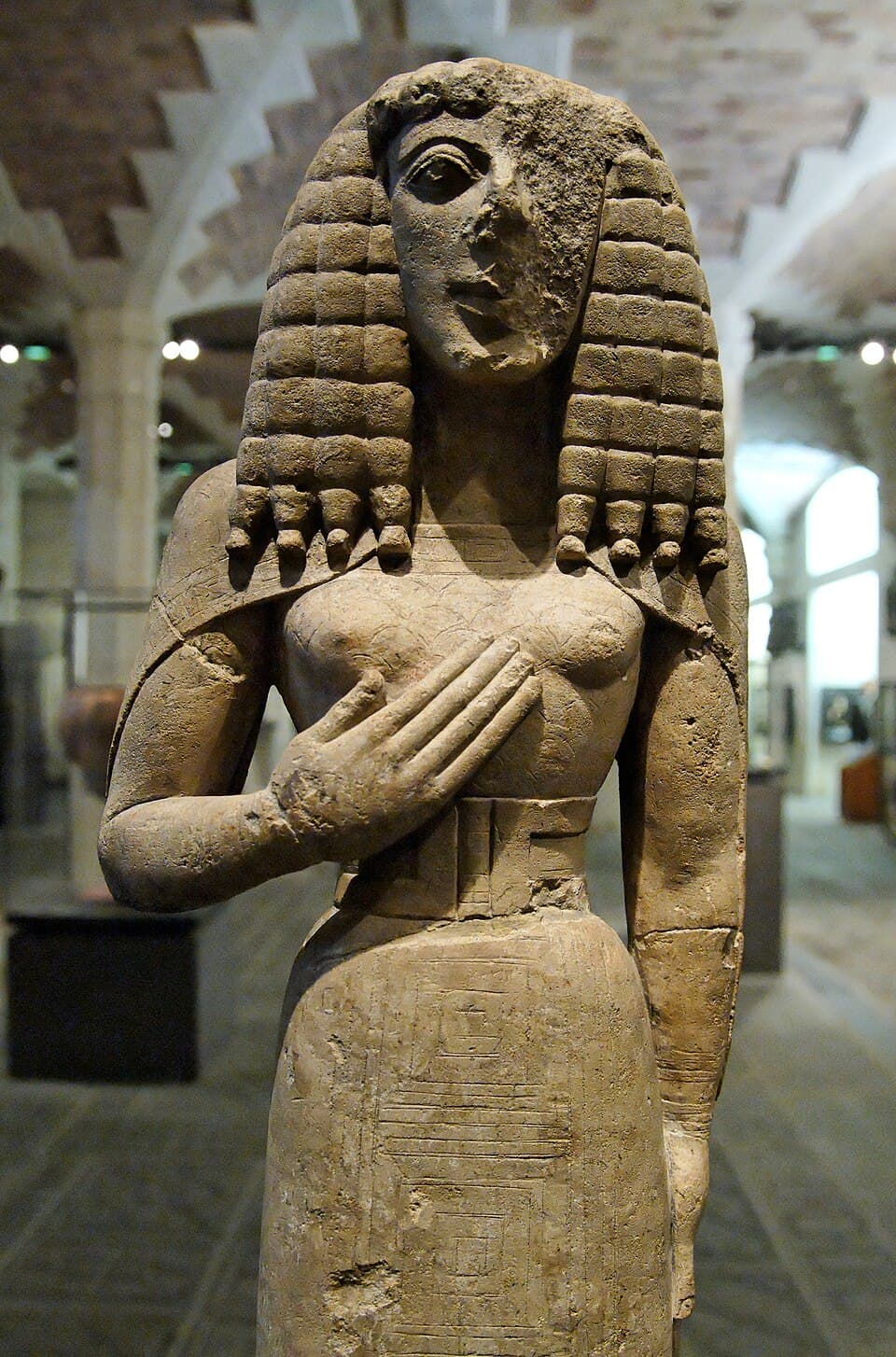
Potnia is an Ancient Greek word for "Mistress, Lady" and a title of a goddess. The word was inherited by Classical Gree…
Read →
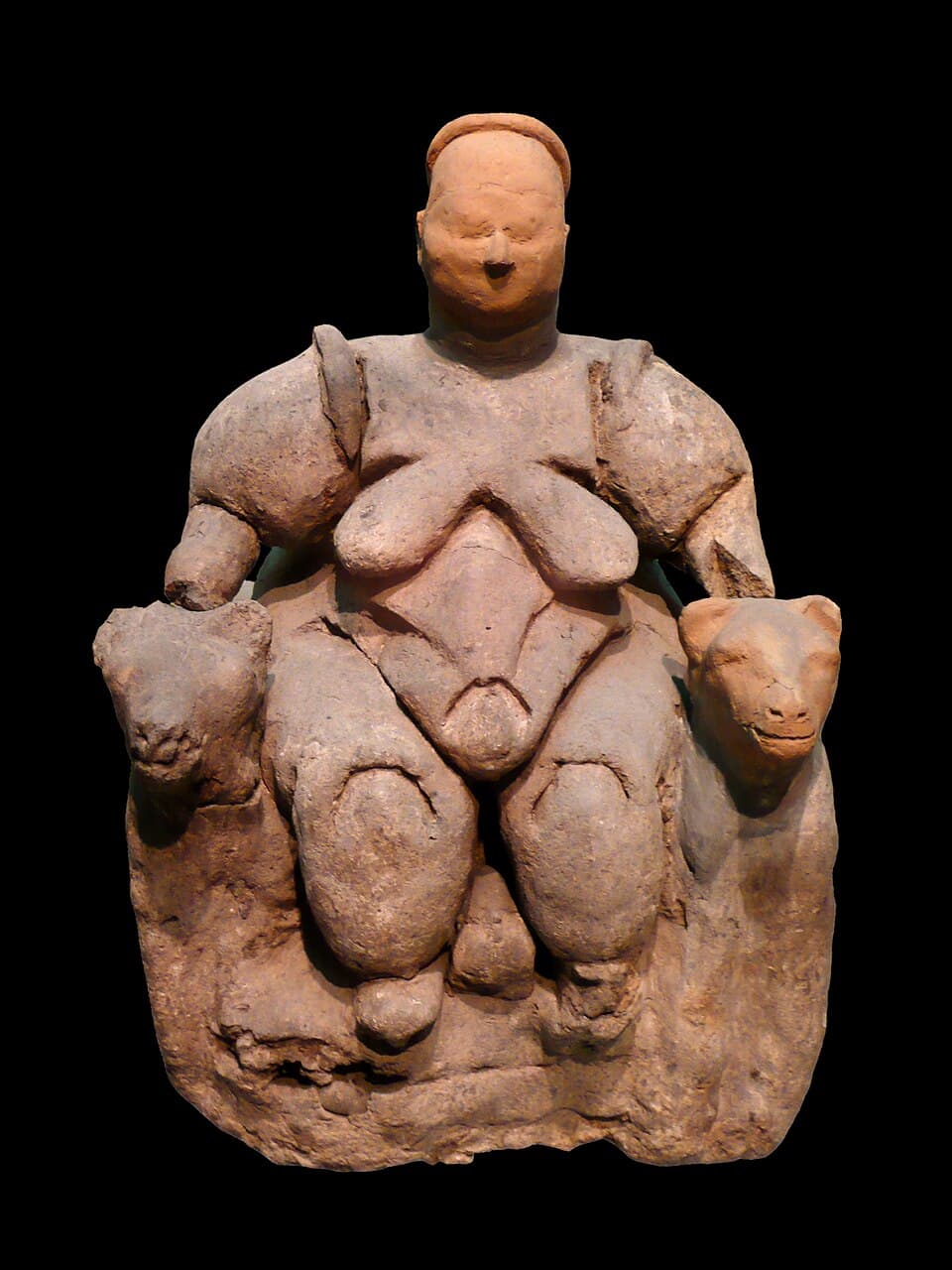
Ancient Greece
The Potnia Theron or Mistress of Animals is a widespread motif in ancient art from the Mediterranean world and the ancie…
Read →
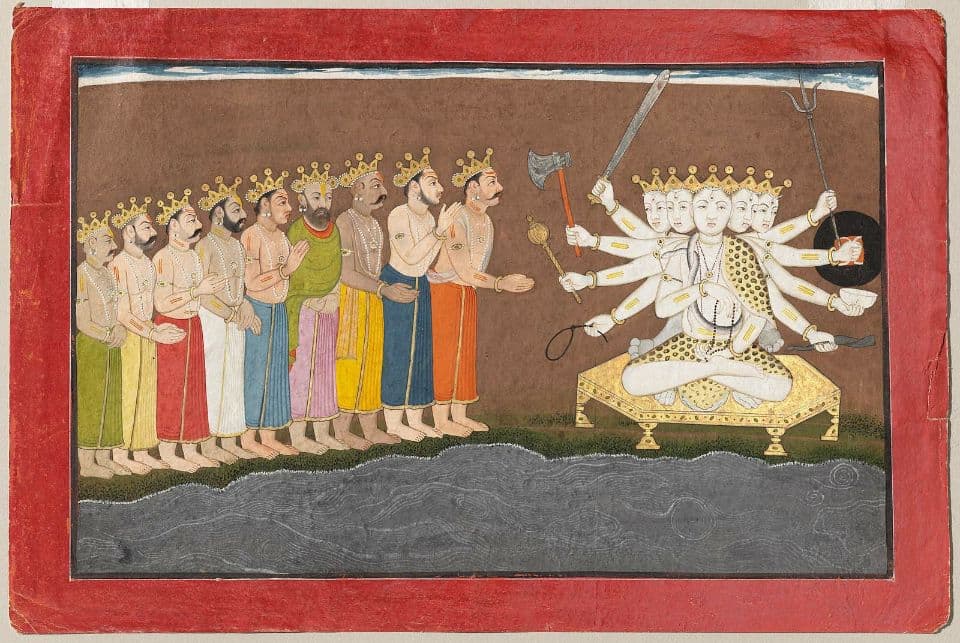
Indian subcontinent
Prachetas lit. '"the prescient one"' is a term in Hindu mythology with a number of definitions:It is the designation fo…
Read →
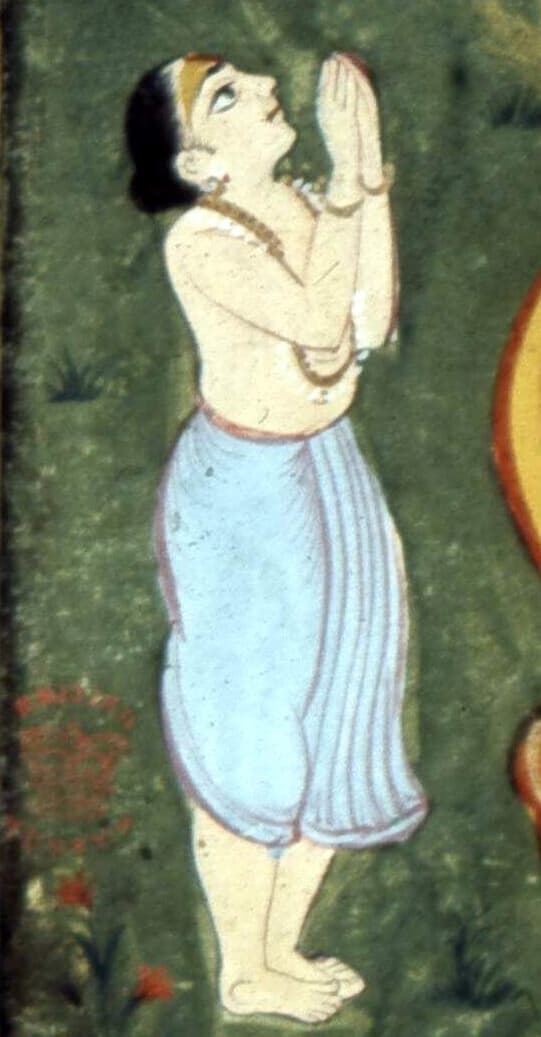
Indian subcontinent
Prahlada is an asura prince in Hindu scriptures. He is known for his staunch devotion to the preserver deity Vishnu. H…
Read →
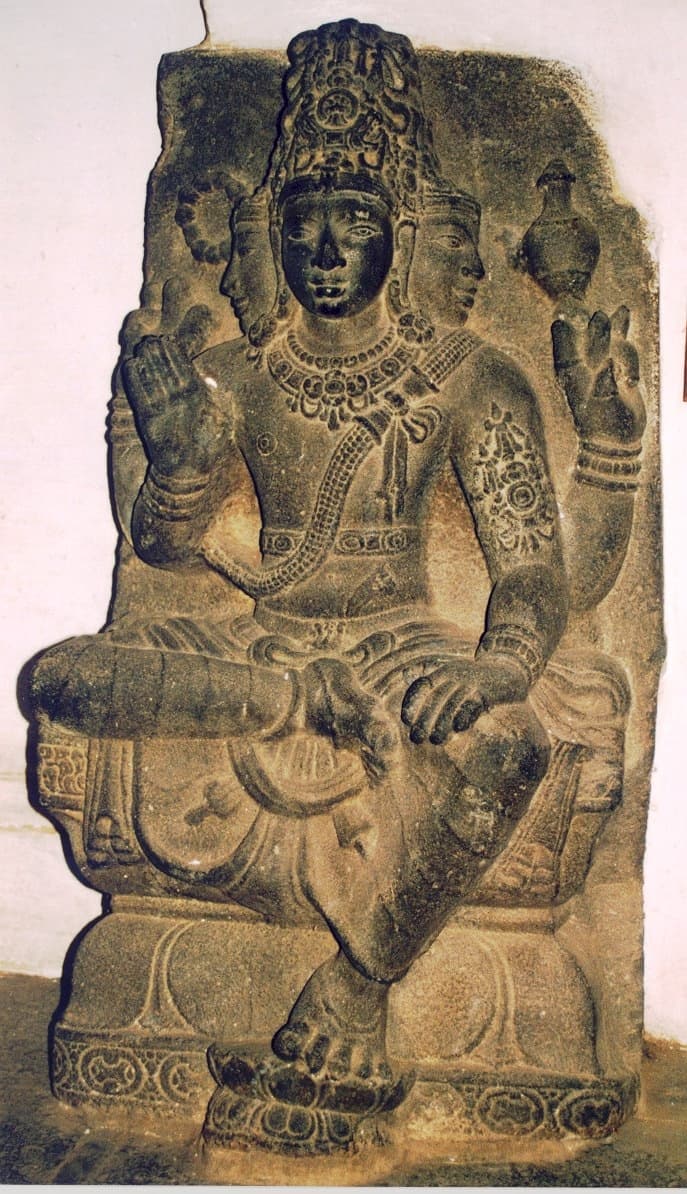
Indian subcontinent
Prajapati is an important deity in ancient Vedic religion, who is identified with Brahma, the creator god in Hinduism.
Read →
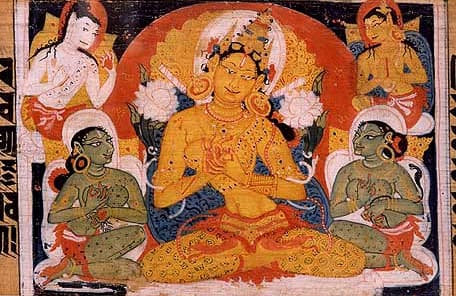
Asia
Prajñāpāramitā Devī is a female Buddha that symbolizes and embodies Prajñāpāramitā, the perfection of transcendent wisdo…
Read →
Indian subcontinent
Prana pratishtha is the rite or ceremony by which a murti is consecrated in a Hindu temple. The Sanskrit terms prana me…
Read →
Indian subcontinent
Pranāma is a form of respectful or reverential salutation before something or another person – usually one's elders, spo…
Read →
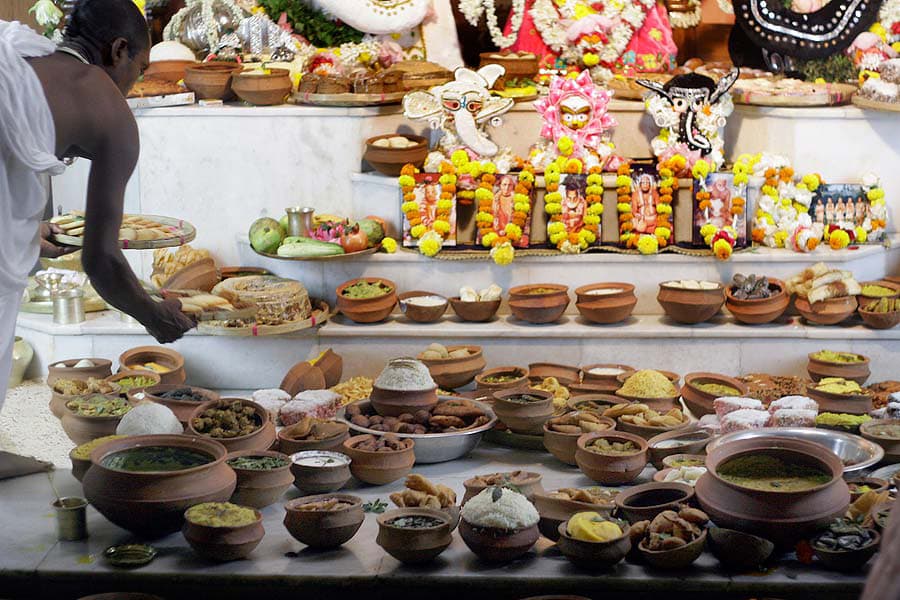
Indian subcontinent
Prasāda, prasad or prasadam is a religious offering in Hinduism. Most often prasada is vegetarian food especially cooke…
Read →
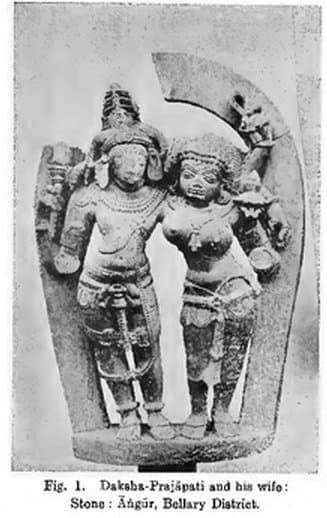
Indian subcontinent
Prasuti is the consort of Daksha and mother of many daughters by him, including the goddess Sati. Prasuti is the daught…
Read →
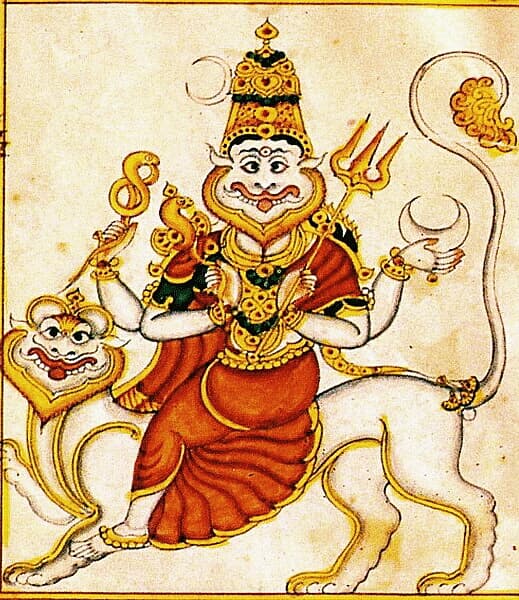
Indian subcontinent
Pratyangira, also called Atharvana Bhadrakali, Narasimhi and Nikumbhala, is a Hindu goddess associated with Shaktism. S…
Read →
Ancient Greece
In Greek mythology, Praxidice or Praxidike may refer to the following characters:Praxidice was a goddess of enforced jus…
Read →
Ancient Greece
In Greek mythology, Praxidice or Praxidike may refer to the following characters:Praxidice was a goddess of enforced jus…
Read →
Ancient Persia
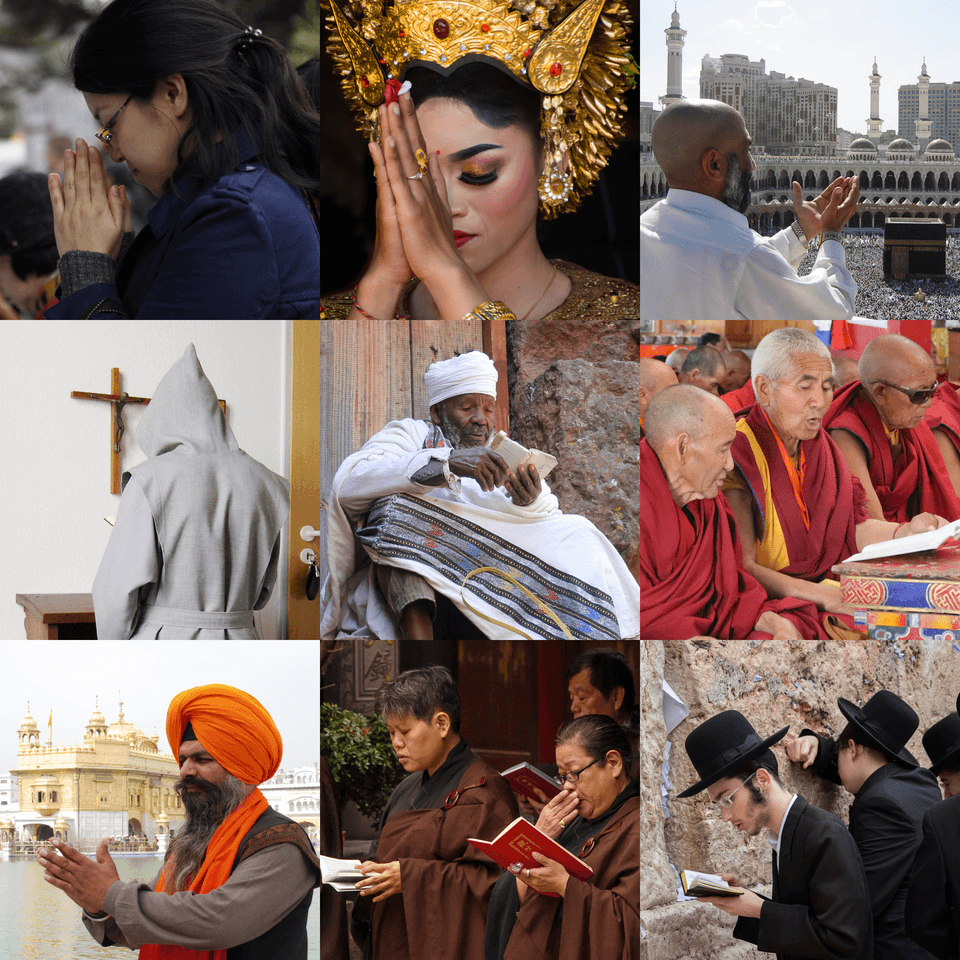
Prayer is an invocation or act that seeks to activate a rapport with an object of worship through deliberate communicati…
Read →
Indian subcontinent
Pretākṣī is one of the sixty-four Yoginis in the Shakta-Tantric tradition of Hinduism. The name is a compound of preta …
Read →
Ancient Greece
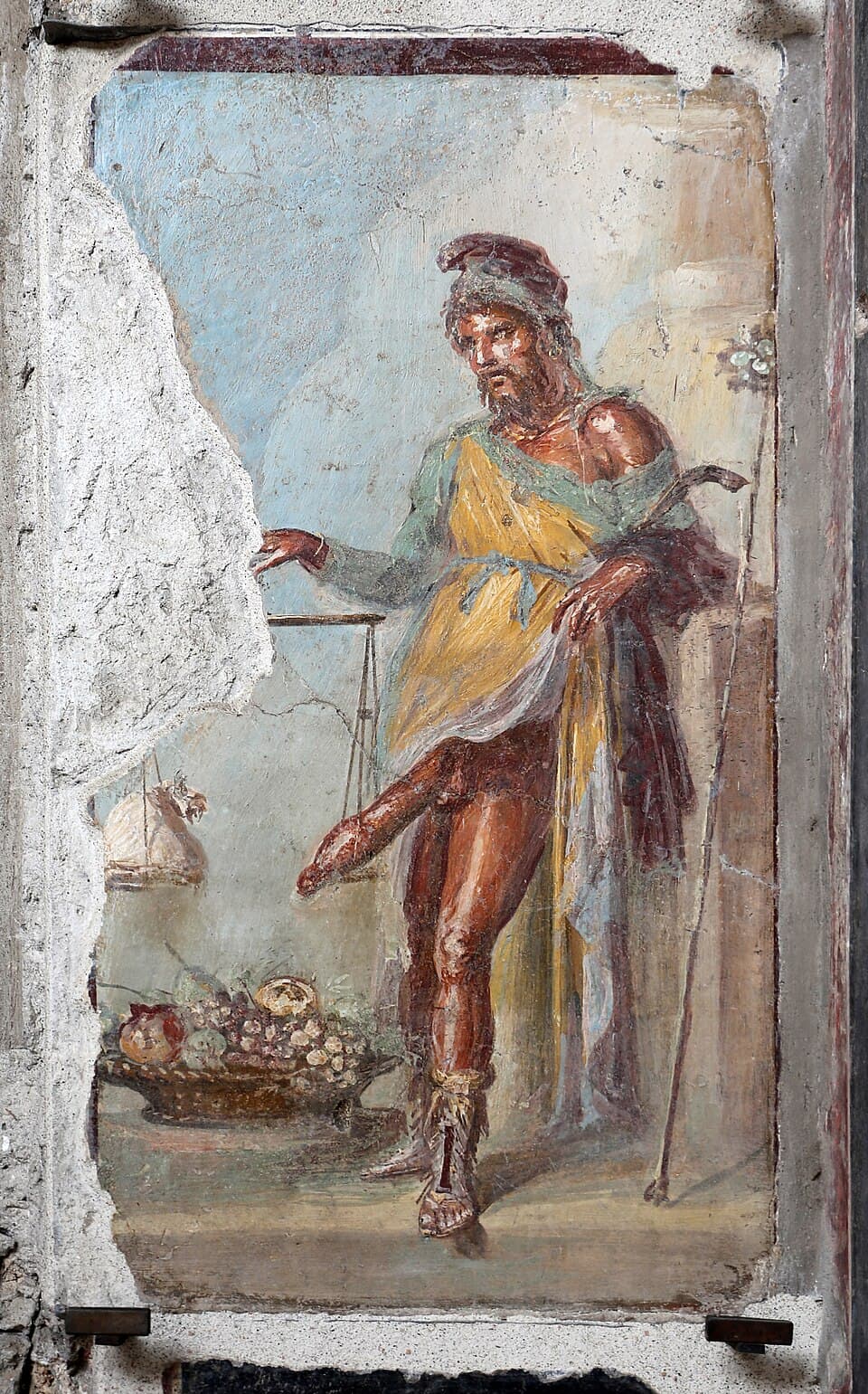
In Greek mythology, Priapus is a minor rustic fertility god, protector of livestock, fruit plants, gardens, and male gen…
Read →
China
Princess Longji is a deity of the Chinese pantheon.
Read →
Early Slavs
Pripegala is a god of the Polabian Slavs, mentioned in a 1108 letter by the Magdeburg Bishop Adelgot, calling for a batt…
Read →
Indian subcontinent
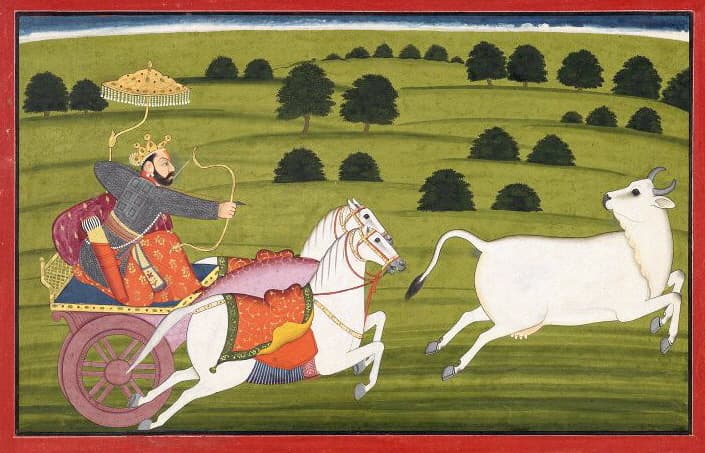
Prithu is a sovereign (chakravarti), featured in the Puranas. According to Hinduism, he is an avatar (incarnation) of t…
Read →
Indian subcontinent
Prithvi, is the Sanskrit name for the Earth, as well as the name of the goddess-personification of it in Hinduism. The …
Read →

Indian subcontinent
Priti, also known as Karnotpala, is a Hindu goddess. She is one of the two consorts of the god of love, Kamadeva, along…
Read →
Ancient Greece
In Greek mythology, Proioxis was the personification of onrush or pursuit in battle. She and her sister Palioxis (Backr…
Read →
Ancient Greece
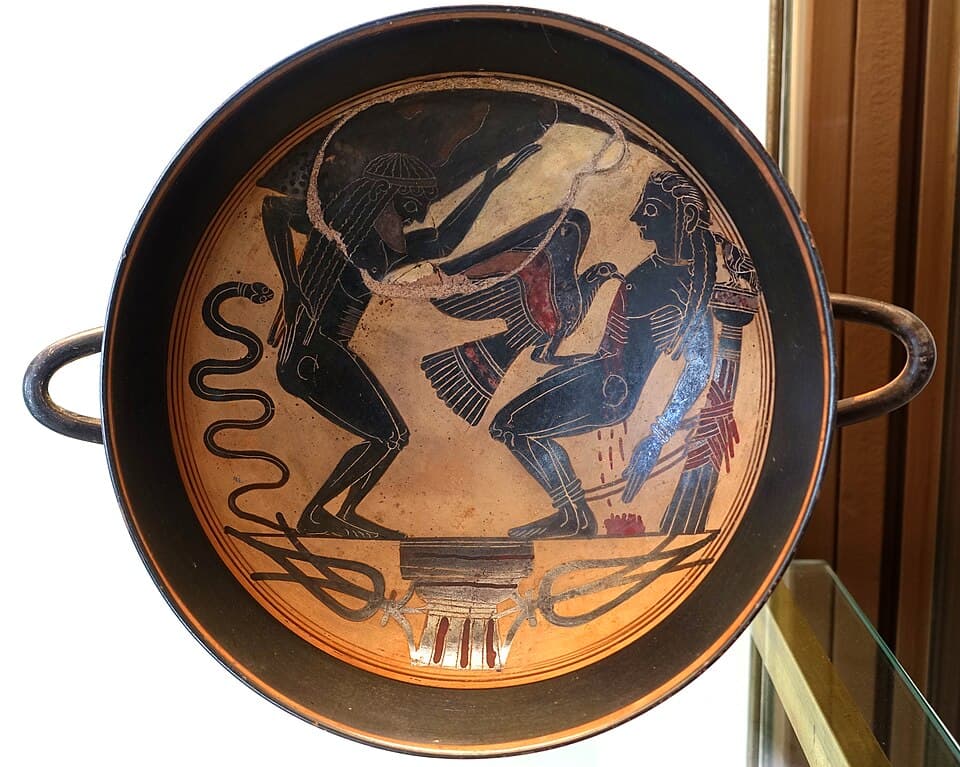
In Greek mythology, Prometheus is a Titan responsible for creating or aiding humanity in its earliest days. He defied t…
Read →

Ancient Greece
Prometheus Bound is an ancient Greek tragedy traditionally attributed to Aeschylus and thought to have been composed som…
Read →
Ancient Greece
In Greek mythology, Eunostus was a goddess whose image was set up in mills, and who was believed to keep watch over the …
Read →
Ancient Greece
In Greek mythology, Prophasis was the personification of excuse. According to Pindar, she was the daughter of Epimetheu…
Read →

Ancient Persia
In religion, mythology, and fiction, a prophecy is a message that has been communicated to a person by a supernatural en…
Read →
Ancient Rome
In Roman mythology, Postverta or Postvorta was the goddess of the past and one of the two Carmentes. They were companio…
Read →
Ancient Rome
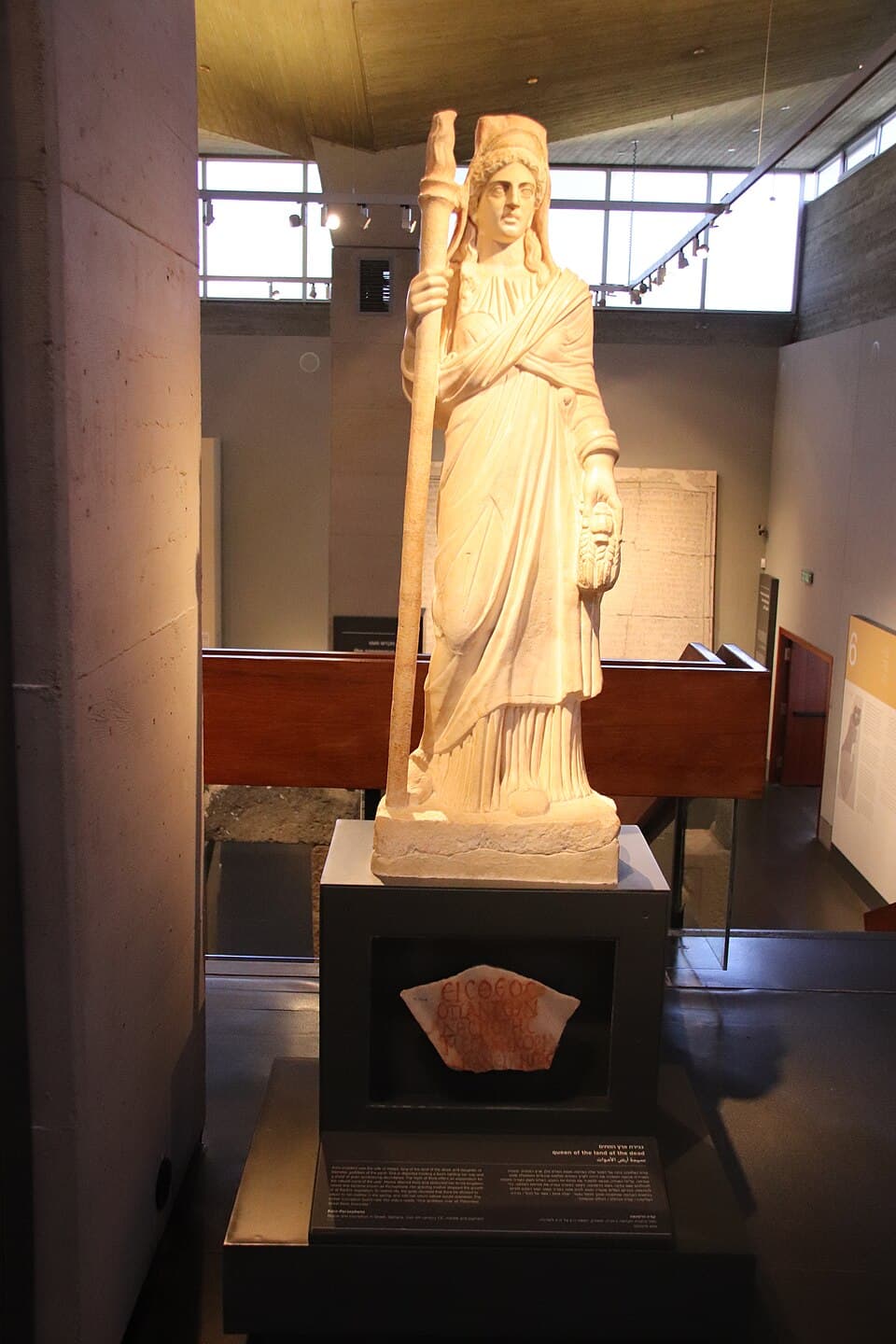
Proserpina or Proserpine is an ancient Roman goddess whose iconography, functions and myths are virtually identical to t…
Read →
Ancient Persia
Protestantism is a form of Christianity that emphasizes justification of sinners through faith alone, the teaching that …
Read →
Ancient Greece
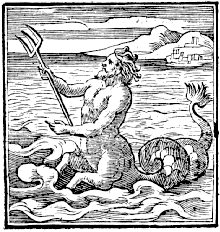
In Greek mythology, Proteus is an early prophetic sea god or god of rivers and oceanic bodies of water, one of several d…
Read →
Ancient Rome
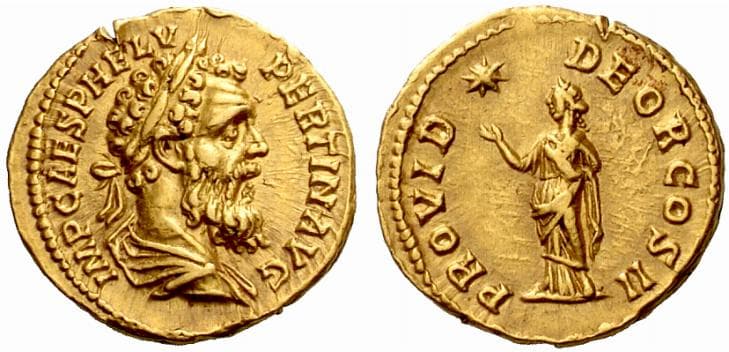
In ancient Roman religion, Providentia is a divine personification of the ability to foresee and make provision. She wa…
Read →
Iron Age Europe
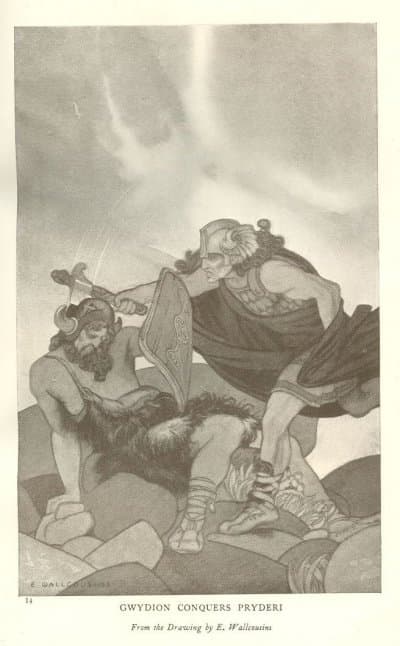
Pryderi fab Pwyll is a prominent figure in Welsh mythology, the son of Pwyll and Rhiannon, and king of Dyfed after his f…
Read →
Ancient Greece
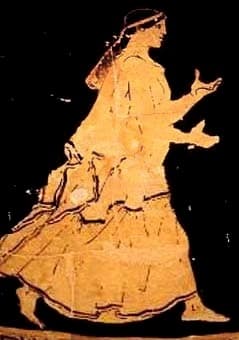
In Greek mythology, Psamathe is a Nereid, one of the fifty daughters of the sea god Nereus and the Oceanid Doris. By Ae…
Read →
Ancient Greece
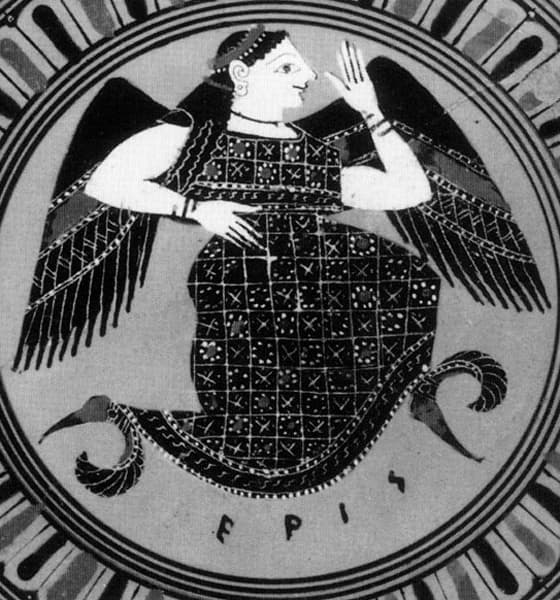
In Greek mythology, Eris is the goddess and personification of strife and discord, particularly in war, and in the Iliad…
Read →

Ancient Mesopotamia
Psychopomps are creatures, spirits, angels, demons, or deities in many religions whose responsibility is to escort newly…
Read →

Ancient Egypt
Ptah is an ancient Egyptian deity, a creator god, and a patron deity of craftsmen and architects. In the triad of Memph…
Read →

Ancient Egypt
Ptah-Patek, or Pataikos, is protective dwarf deity in ancient Egyptian religion that appears primarily on amulets. Many…
Read →
Ancient Greece
Ptocheia or Ptokheia was the ancient Greek female spirit of beggary. She was regarded as a companion of Penia and Amech…
Read →

Ancient Rome
In ancient Roman culture and religion, Pudicitia was a virtue and central concept in Roman sexual ethics. Pudicitia was…
Read →
Polynesia
According to Māori mythology, Pūhaorangi is a celestial being who descended from the heavens to sleep with the beautiful…
Read →

Indian subcontinent
Puja is a worship ritual performed by Hindus to offer devotional homage and prayer to one or more deities, to host and h…
Read →
Indian subcontinent
Pulastya is one of the ten Prajapati, and one of the mind-born sons of Brahma in Hinduism. He is also one of the Saptar…
Read →
Ancient Levant
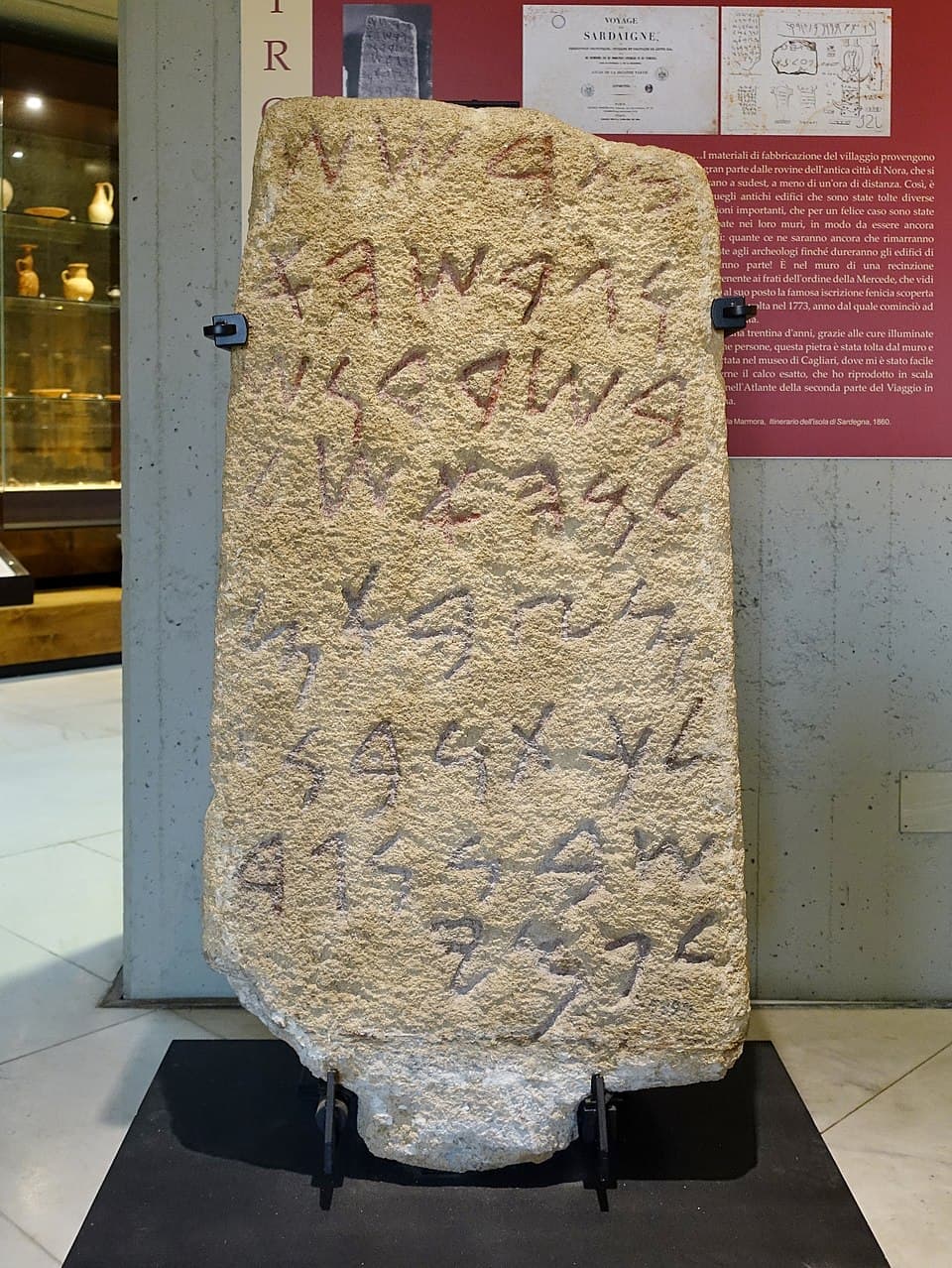
Pummay is a putative Phoenician deity of whom little is known. Pummay is attested to primarily in theophoric names, suc…
Read →
China
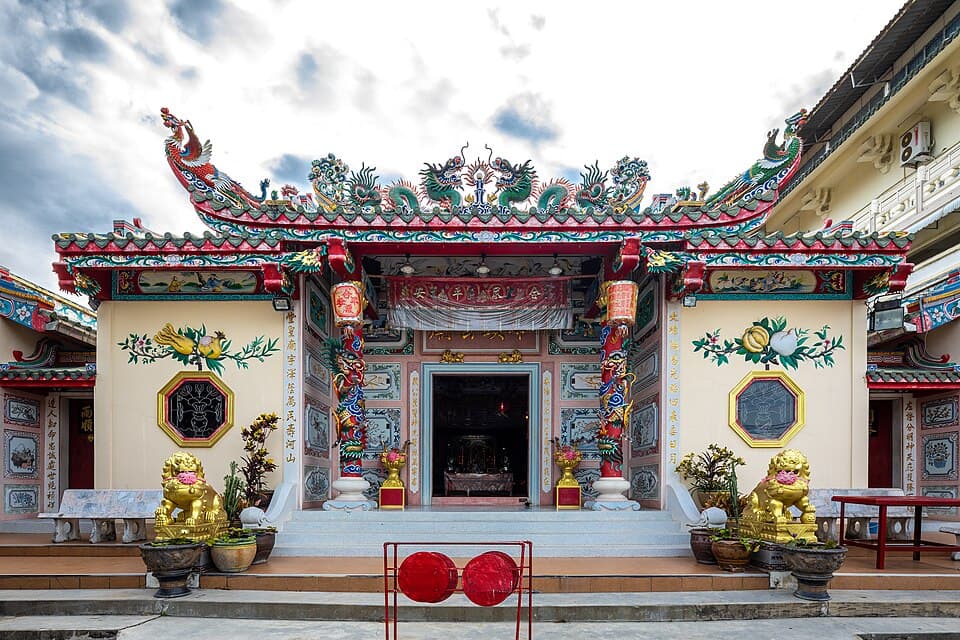
Pun Tao Kong or Lao Pun Tao Kong is a deity who is highly respected and broadly regarded by overseas Chinese but does no…
Read →
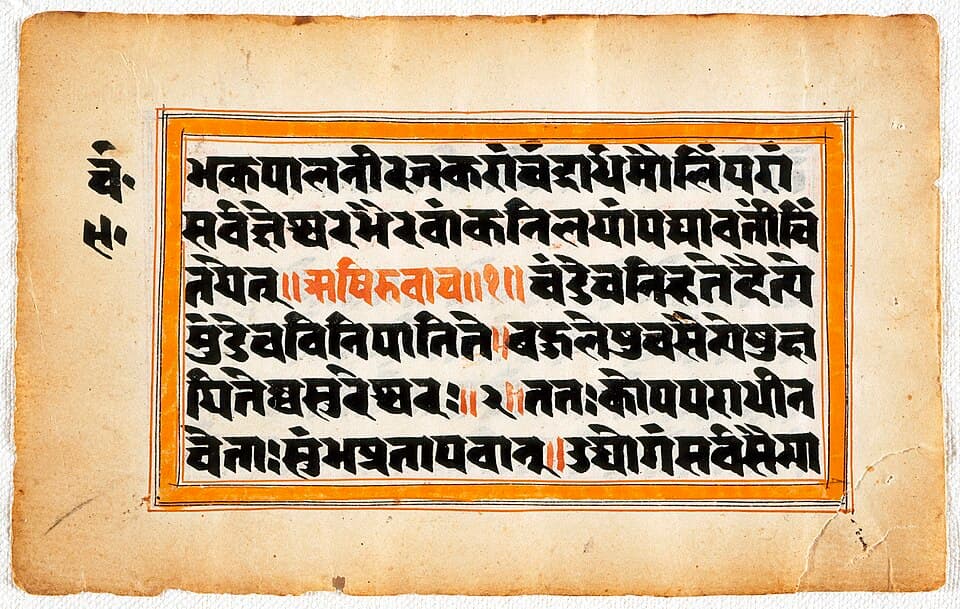
Indian subcontinent
Puranas are a vast genre of Hindu literature that include a wide range of topics, especially legends and other tradition…
Read →

Indian subcontinent
Purandara Dasa (IAST: Purandara Dāsa; was a composer, singer and a Haridasa philosopher from present-day Karnataka, Indi…
Read →
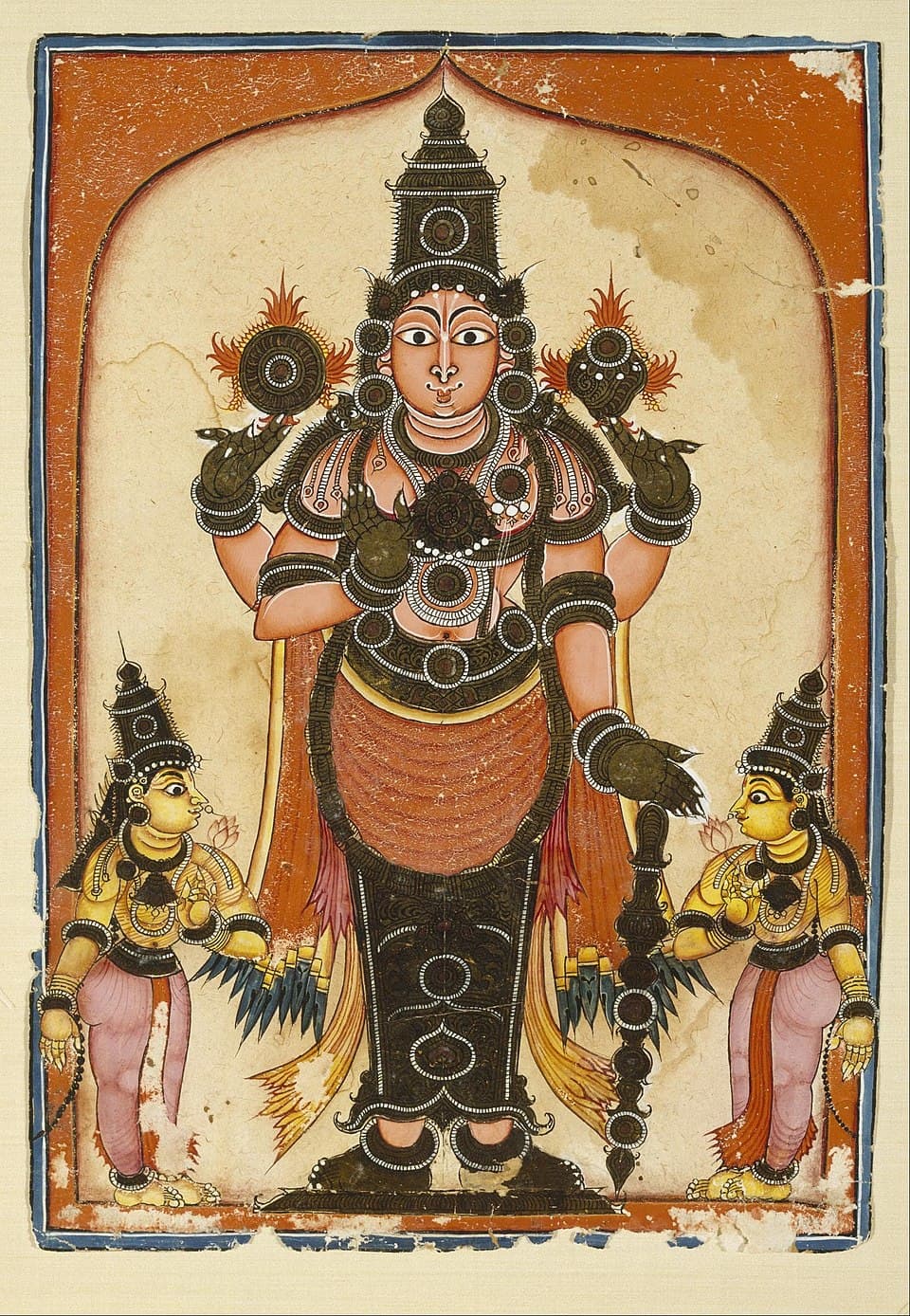
Indian subcontinent
Purushottama is an epithet of the Hindu preserver deity, Vishnu. According to Vaishnavism, Vishnu is the source of moks…
Read →
Indian subcontinent
Pushan is a Hindu Vedic solar deity and one of the Adityas. He is the god of meeting. Pushan is responsible for marria…
Read →
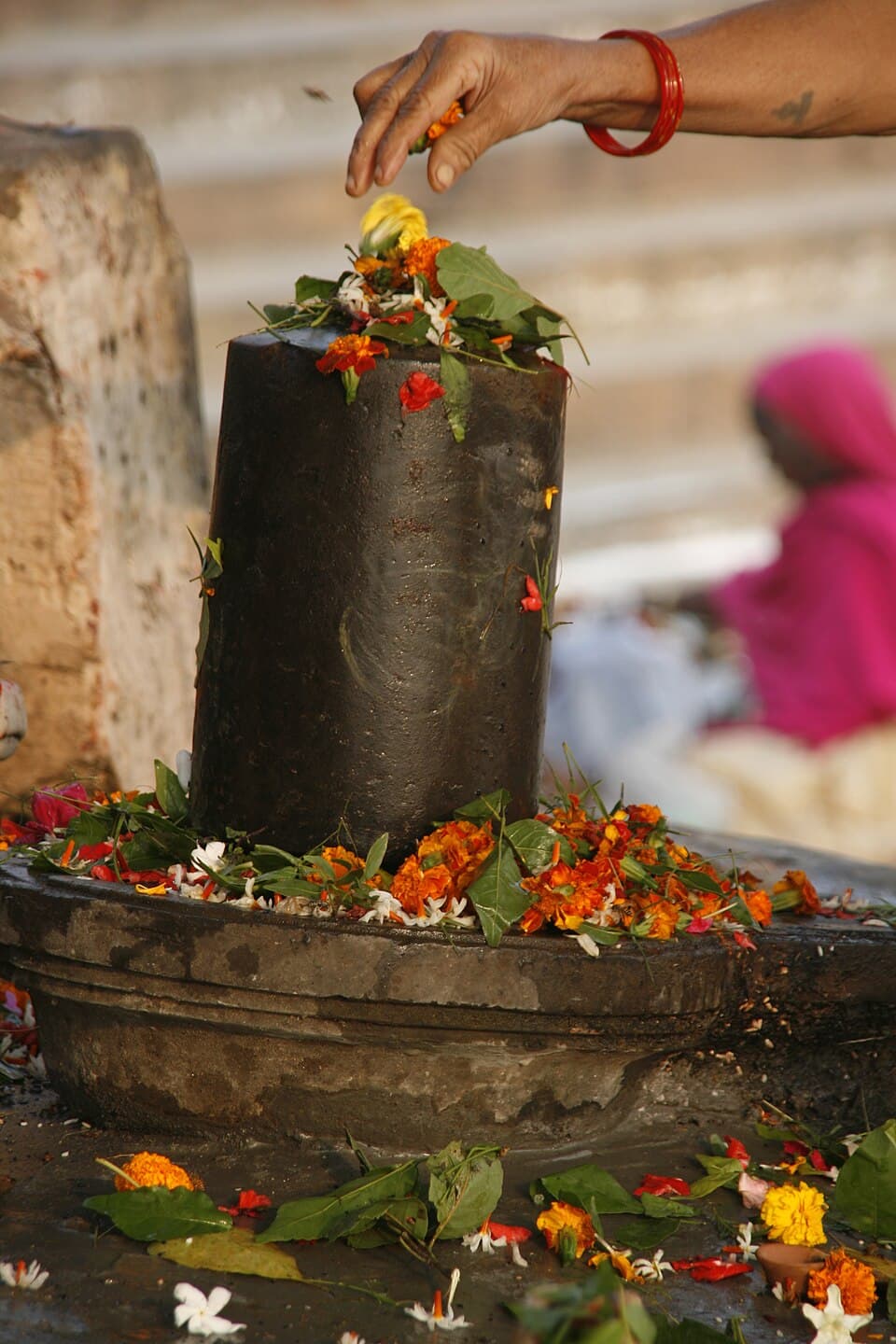
Indian subcontinent
Pushpanjali is an offering of flowers to Hindu deities.
Read →
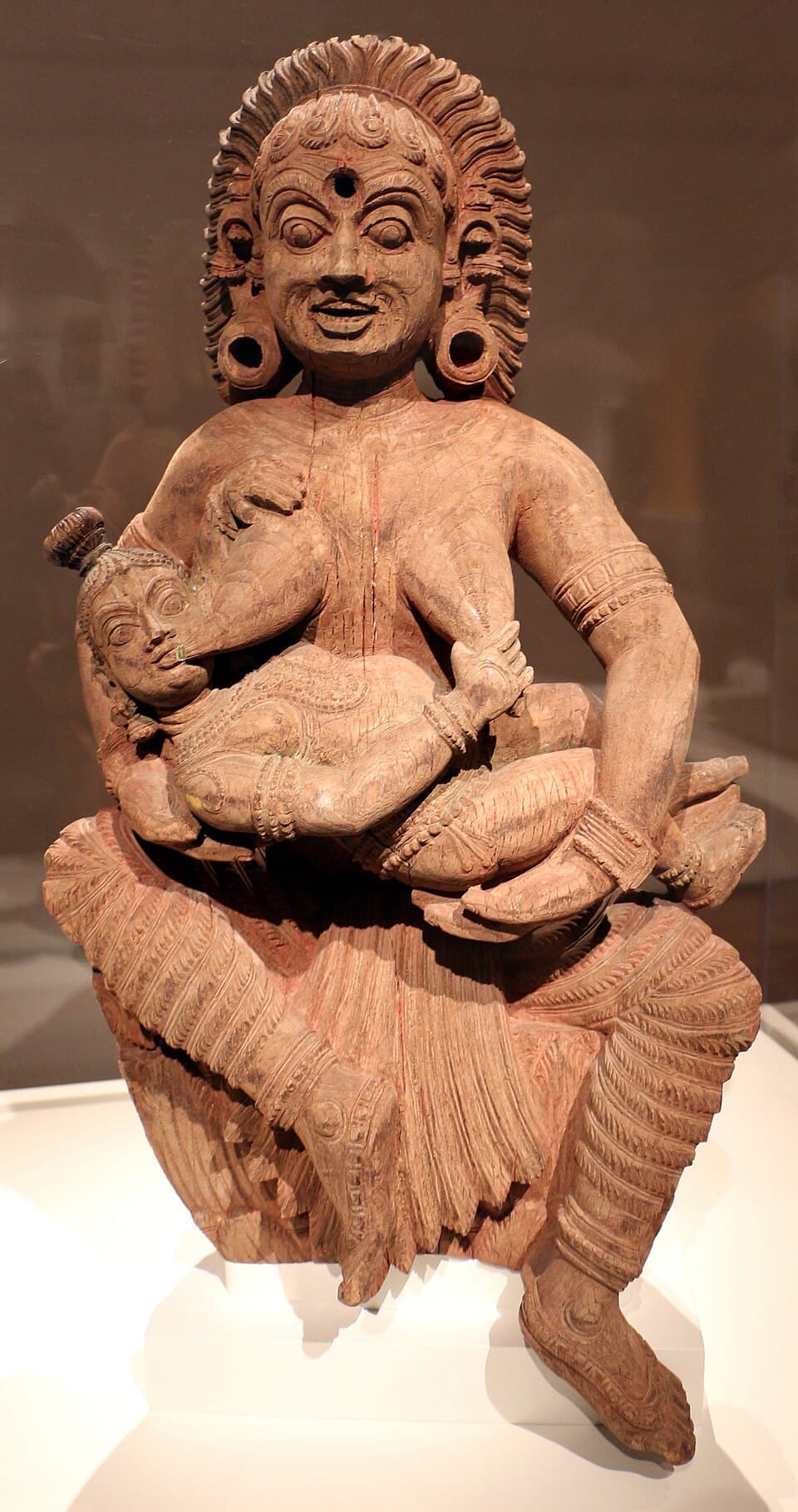
Indian subcontinent
In Hinduism, Pūtanā is a rakshasi (demoness) in Hindu mythology, who was killed by the infant-god Krishna. Putana disgu…
Read →
China
Puti Shushen is a deity of the Chinese pantheon.
Read →
China
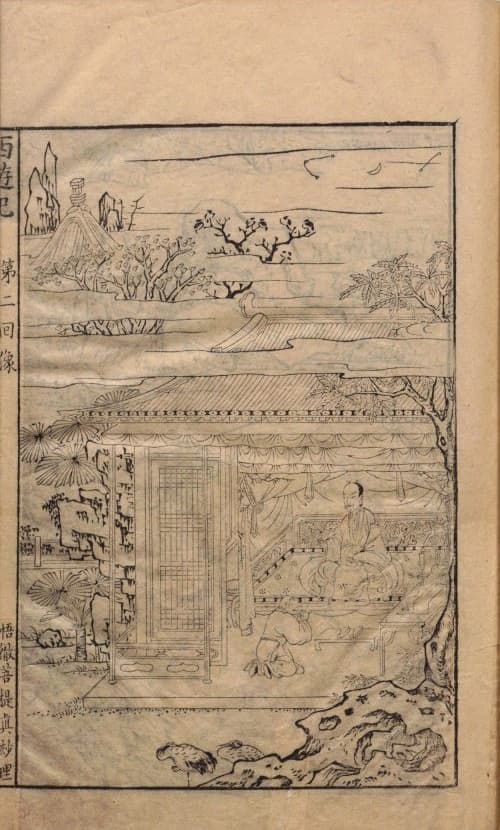
Puti Zushi, is a character from the 16th century Chinese novel Journey to the West. The character is believed to be der…
Read →

Etruria
The Pyrgi Tablets are three golden plates inscribed with a bilingual Phoenician–Etruscan dedicatory text. They are the …
Read →
Ancient Greece
Pyroeis in ancient Greek religion is the god of the wandering star Areios, identified with the planet Mars.
Read →
Ancient Greece
Pyrrhichos in Greek mythology is the god of the rustic dance. The word Pyrrhichos translates as 'rustic war dance'.
Read →

Ancient Egypt
The four sons of Horus were a group of four deities in ancient Egyptian religion who were believed to protect the dead i…
Read →
Ancient Egypt
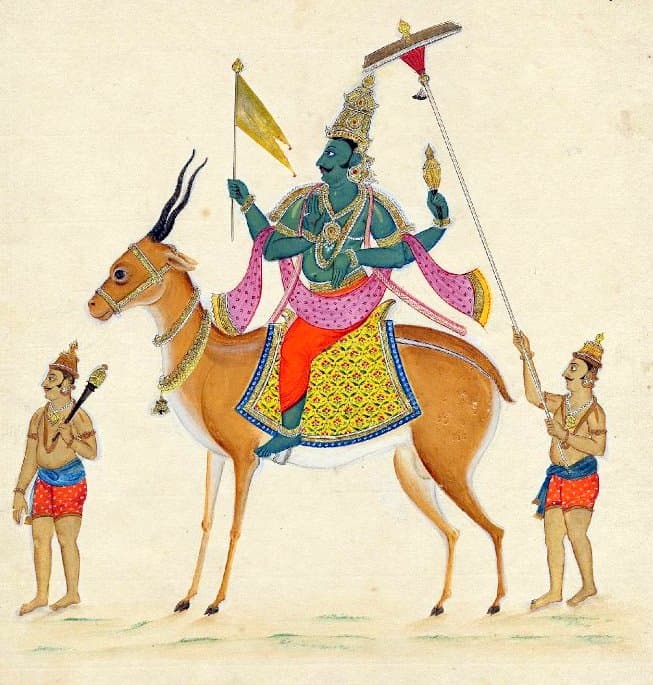
A wind god is a god who controls the wind(s). Air deities may also be considered here as wind is nothing more than movi…
Read →
Ancient Egypt
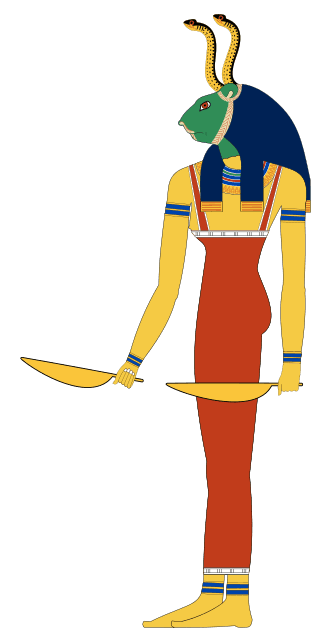
Qed-her was an ancient Egyptian minor warrior and gate goddess of the underworld.
Read →
Ancient Egypt
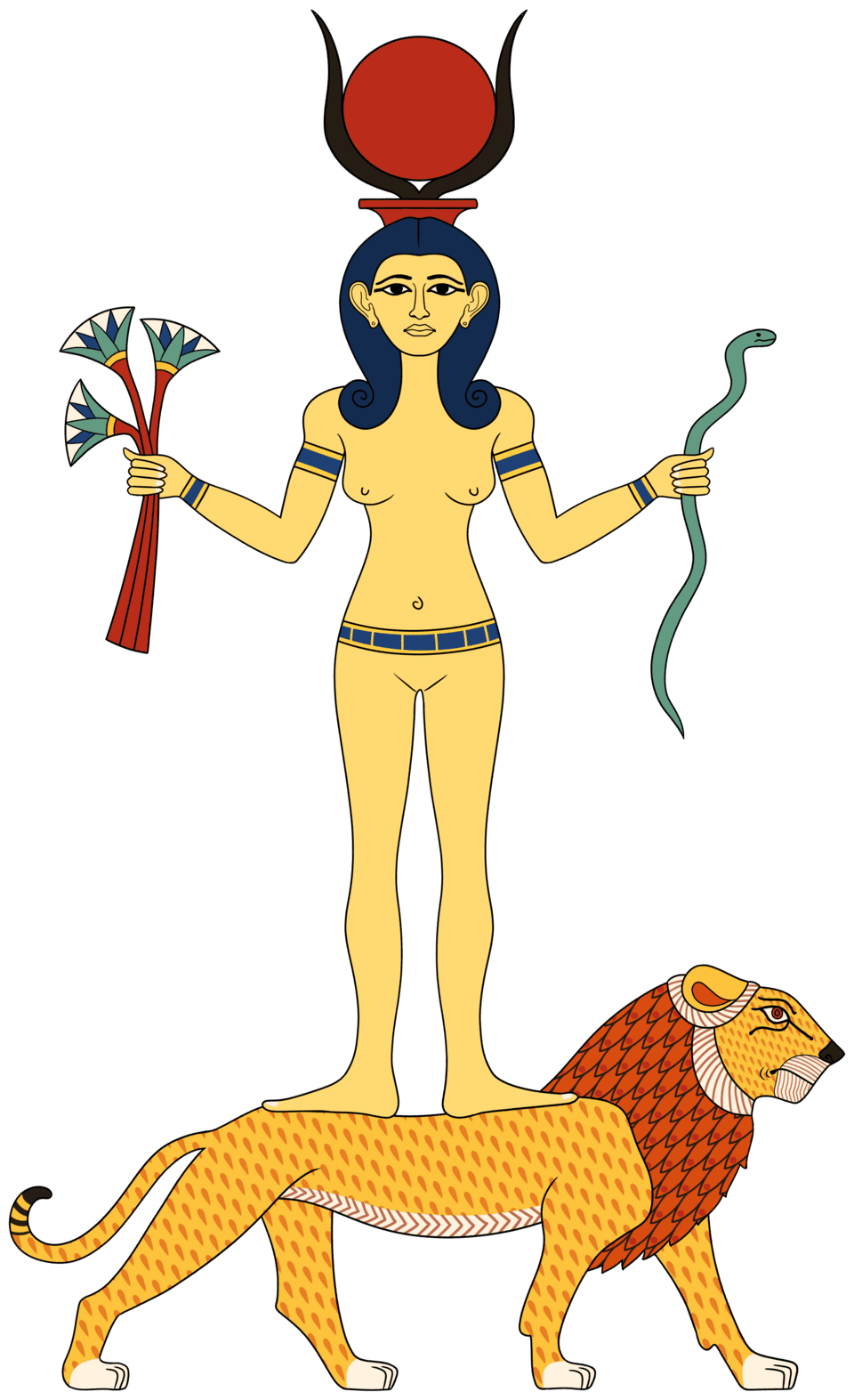
Qetesh was a goddess who was incorporated into the ancient Egyptian religion in the late Bronze Age. The Egyptians like…
Read →
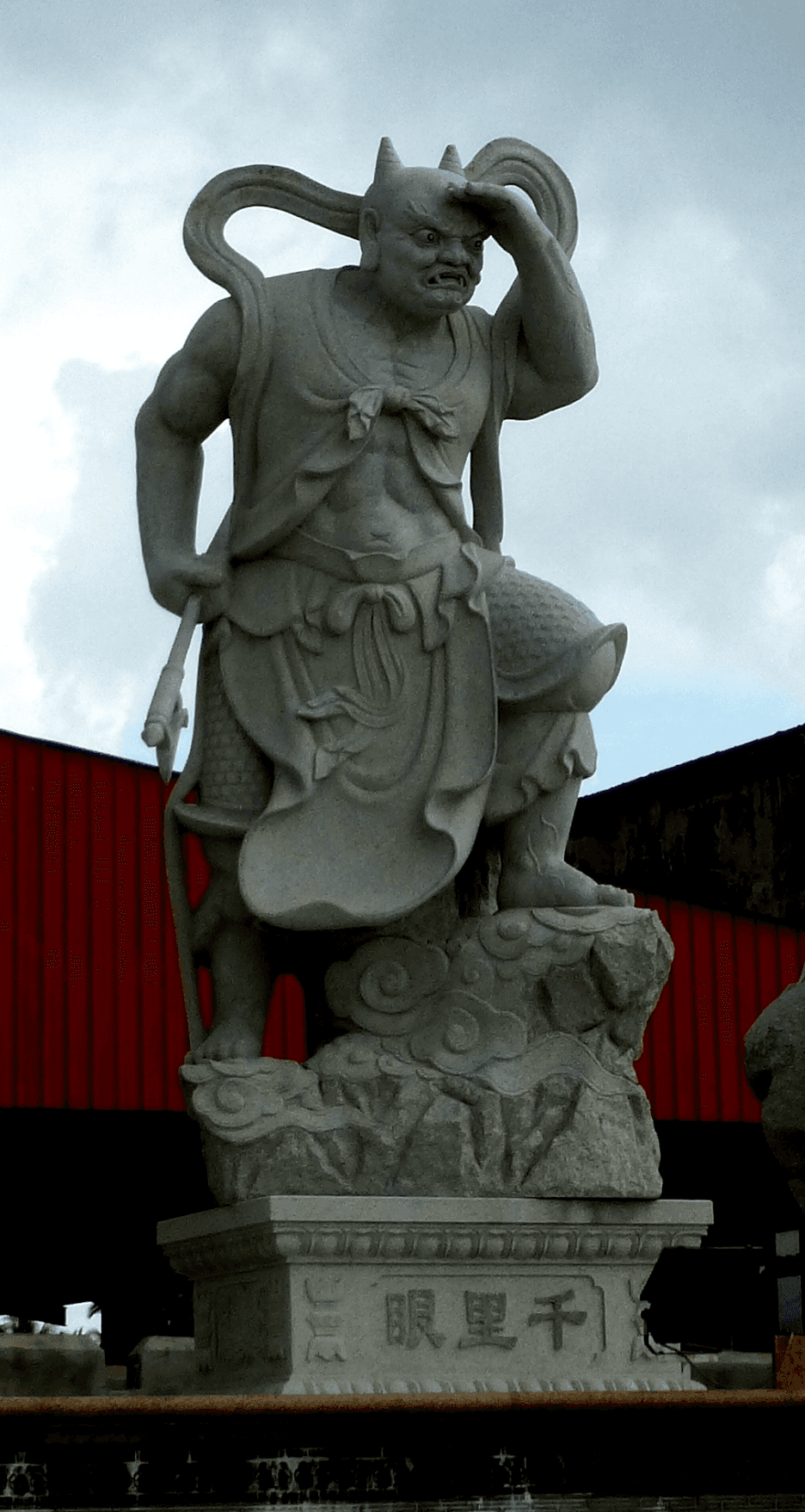
China
Qianliyan is a Chinese sea and door god. He usually appears with Shunfeng'er as a guardian of the temples of the sea go…
Read →
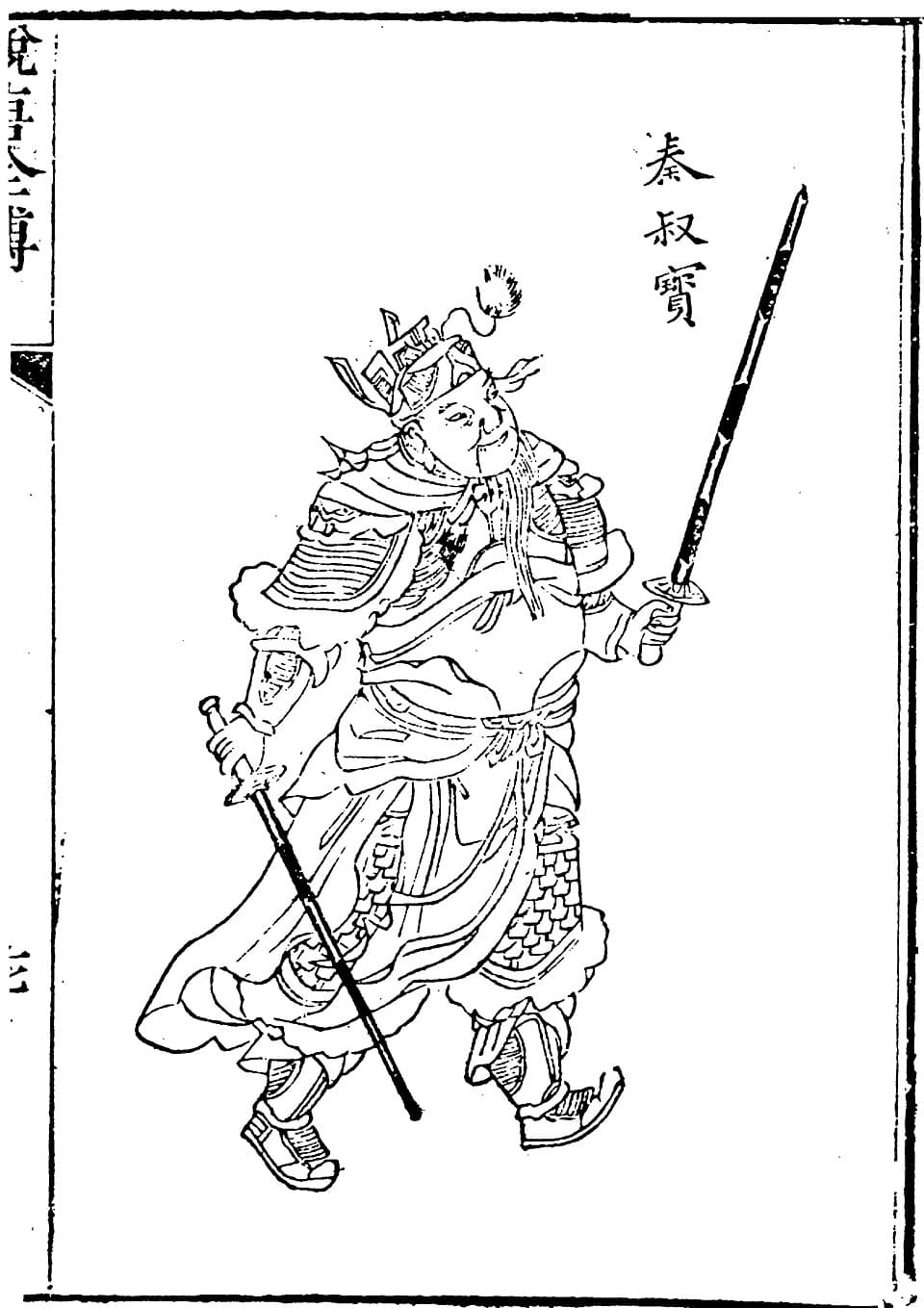
China
Qin Qiong, courtesy name Shubao, better known as Qin Shubao, was a Chinese general who lived in the early Tang dynasty o…
Read →
Ancient Mesopotamia
Qingu was a Mesopotamian god. He is best known from the Enūma Eliš, where he acts as a subordinate and spouse of Tiamat…
Read →
China
Qingxu Daode Zhenjun is a character featured within the famed classic Chinese novel Investiture of the Gods. He is one …
Read →
China
Qiongxiao Niangniang is a deity of the Chinese pantheon.
Read →
Ancient Levant
Qos also Qaus, or Koze was the national god of the Edomites. He was the Idumean structural parallel to Yahweh. The nam…
Read →
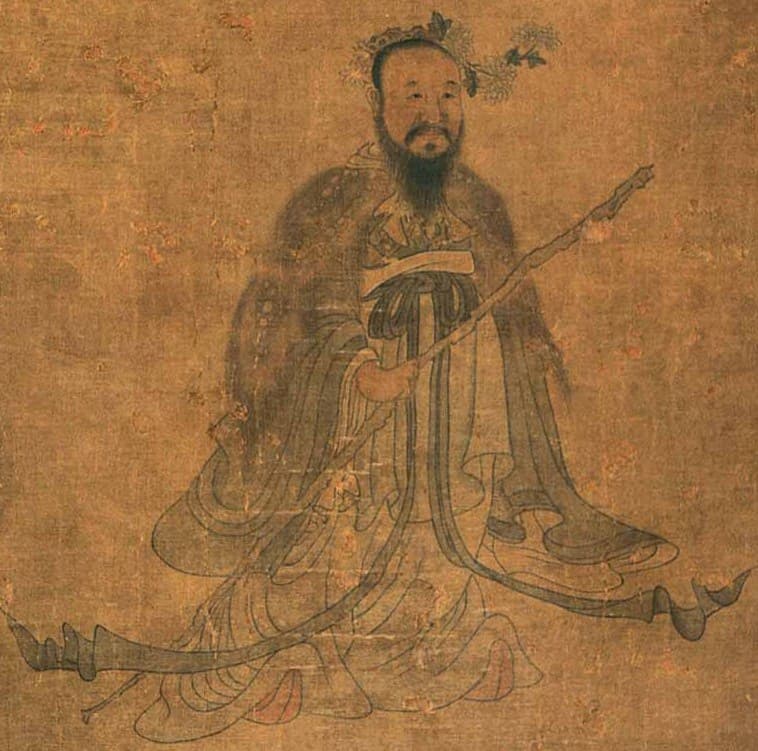
China
Qu Yuan was a Chinese poet and aristocrat in the State of Chu during the Warring States period. He is known for his pat…
Read →

Ancient Persia
Quakers are people who belong to the Religious Society of Friends, originally known as simply the Society of Friends, a …
Read →
China
Queen Mother of the West is a deity of the Chinese pantheon.
Read →
Ancient Rome
Queen of Heaven was a title given to several ancient sky goddesses worshipped throughout the ancient Mediterranean and t…
Read →
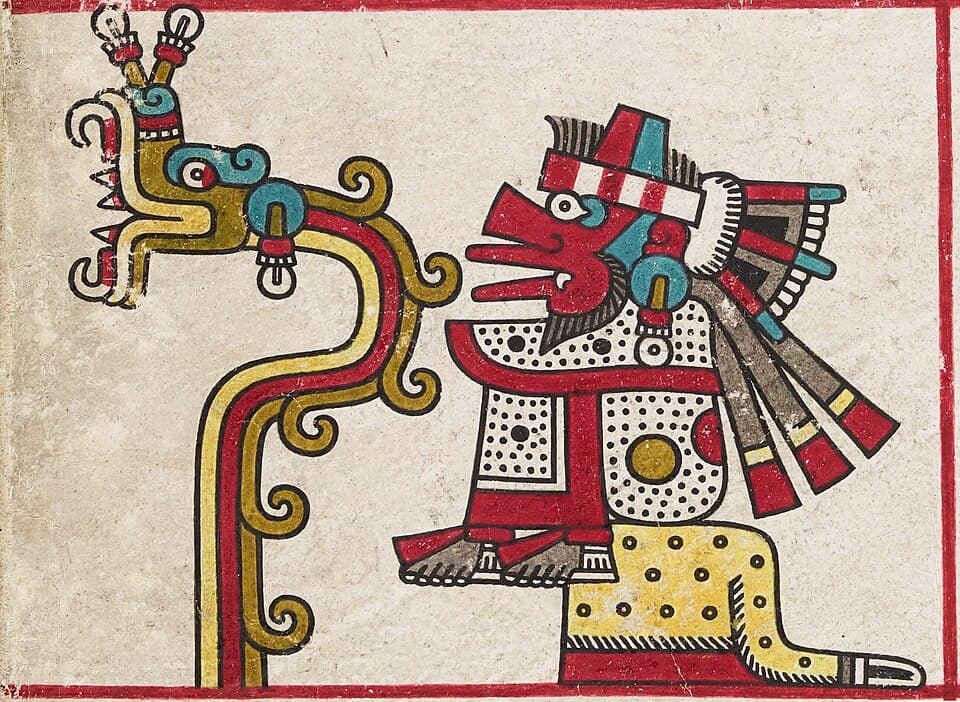
Maya civilization
Quetzalcoatl is a deity in Aztec culture and literature. Among the Aztecs, he was related to wind, Venus, Sun, merchant…
Read →
Aztec Empire
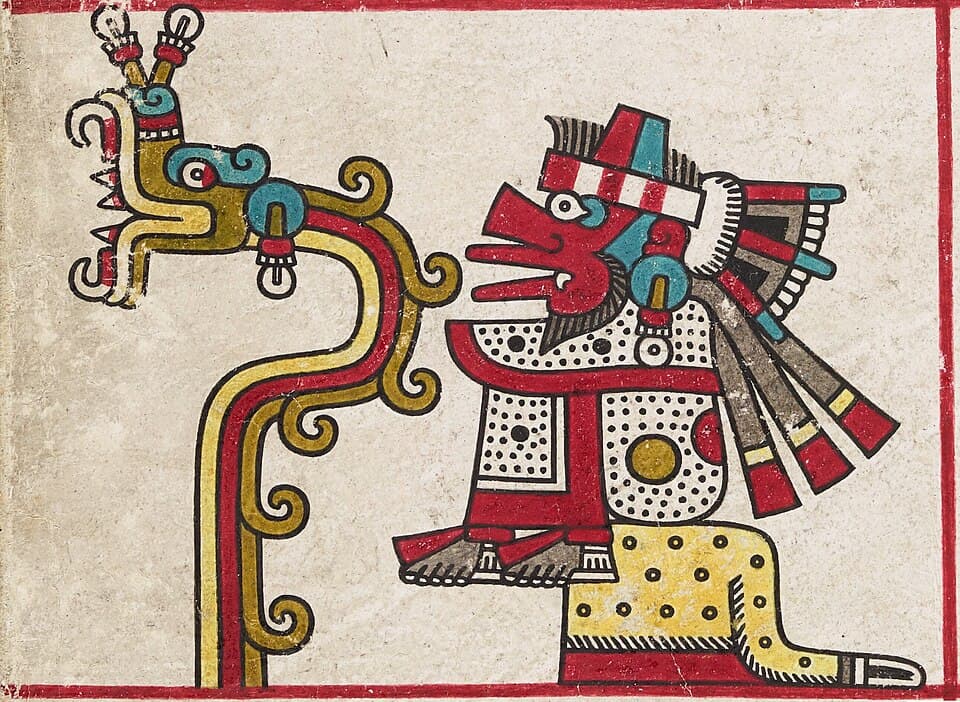
Quetzalcoatl is a deity in Aztec culture and literature. Among the Aztecs, he was related to wind, Venus, Sun, merchant…
Read →
Ancient Rome
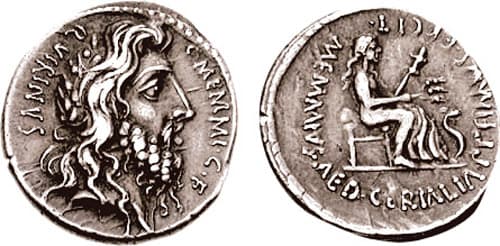
In Roman mythology and religion, Quirinus is an early god of the Roman state. In Augustan Rome, Quirinus was also an ep…
Read →
Ancient Rome
Quiritis was a Sabine (pre-Roman) goddess of motherhood. She was often associated with protection. In later years, Qui…
Read →
Maya civilization
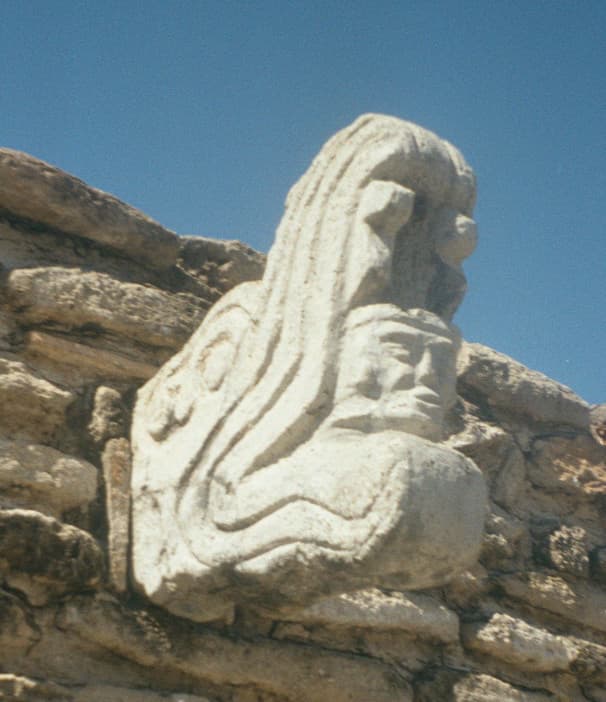
Qʼuqʼumatz was a god of wind and rain of the Postclassic Kʼicheʼ Maya. It was the Feathered Serpent that according to t…
Read →
Ancient Egypt
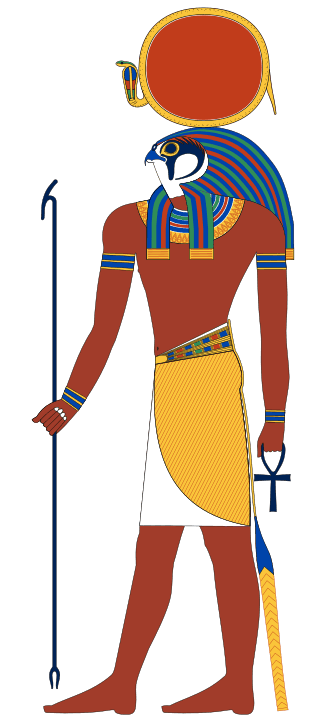
Ra or Re was the ancient Egyptian deity of the Sun. By the Fifth Dynasty, in the 25th and 24th centuries BC, Ra had bec…
Read →
Ancient Egypt
Ra or Re was the ancient Egyptian deity of the Sun. By the Fifth Dynasty, in the 25th and 24th centuries BC, Ra had bec…
Read →
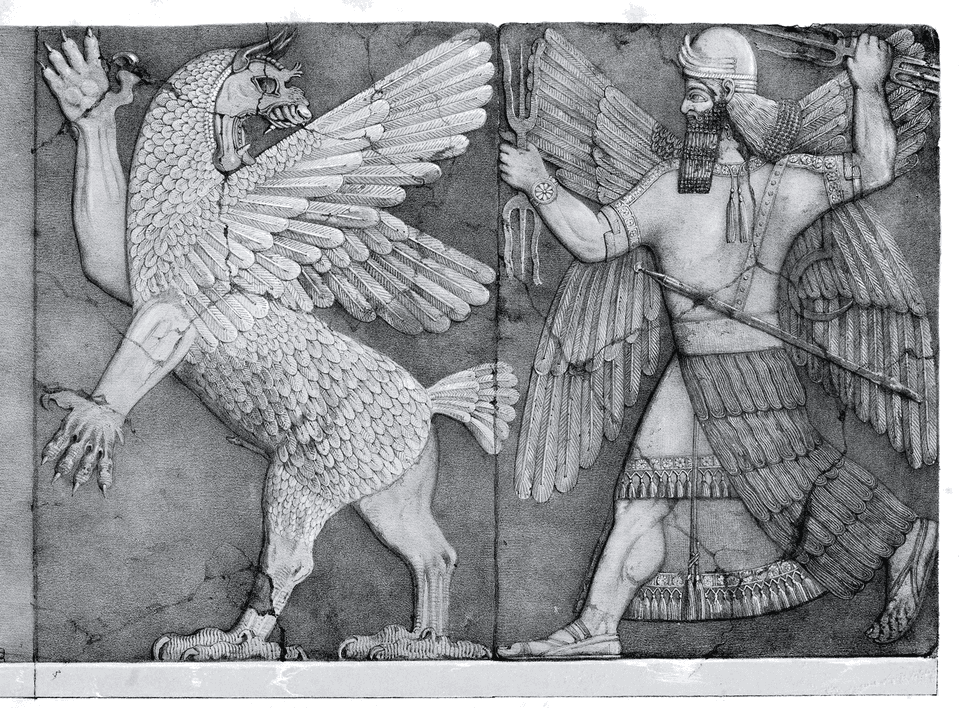
Ancient Mesopotamia
In Akkadian mythology the Rabisu, or possibly Rabasa, are vampiric spirits, daimons, or demons. The Rabisu are associat…
Read →
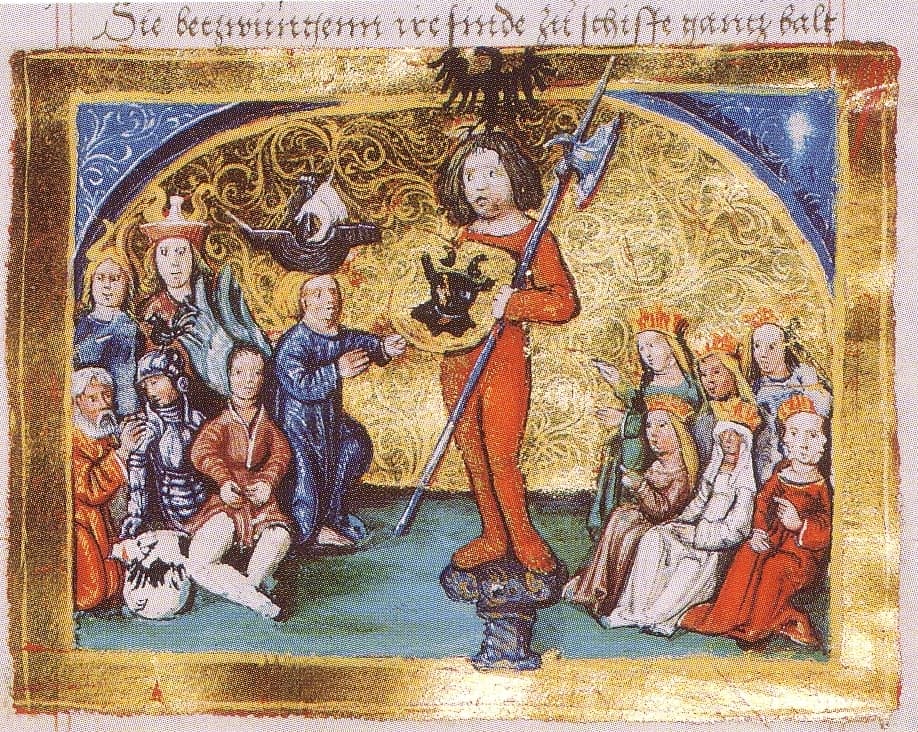
Early Slavs
Radegast or Radogost is, according to medieval chroniclers, the god of the Polabian Slavs, whose temple was located in R…
Read →
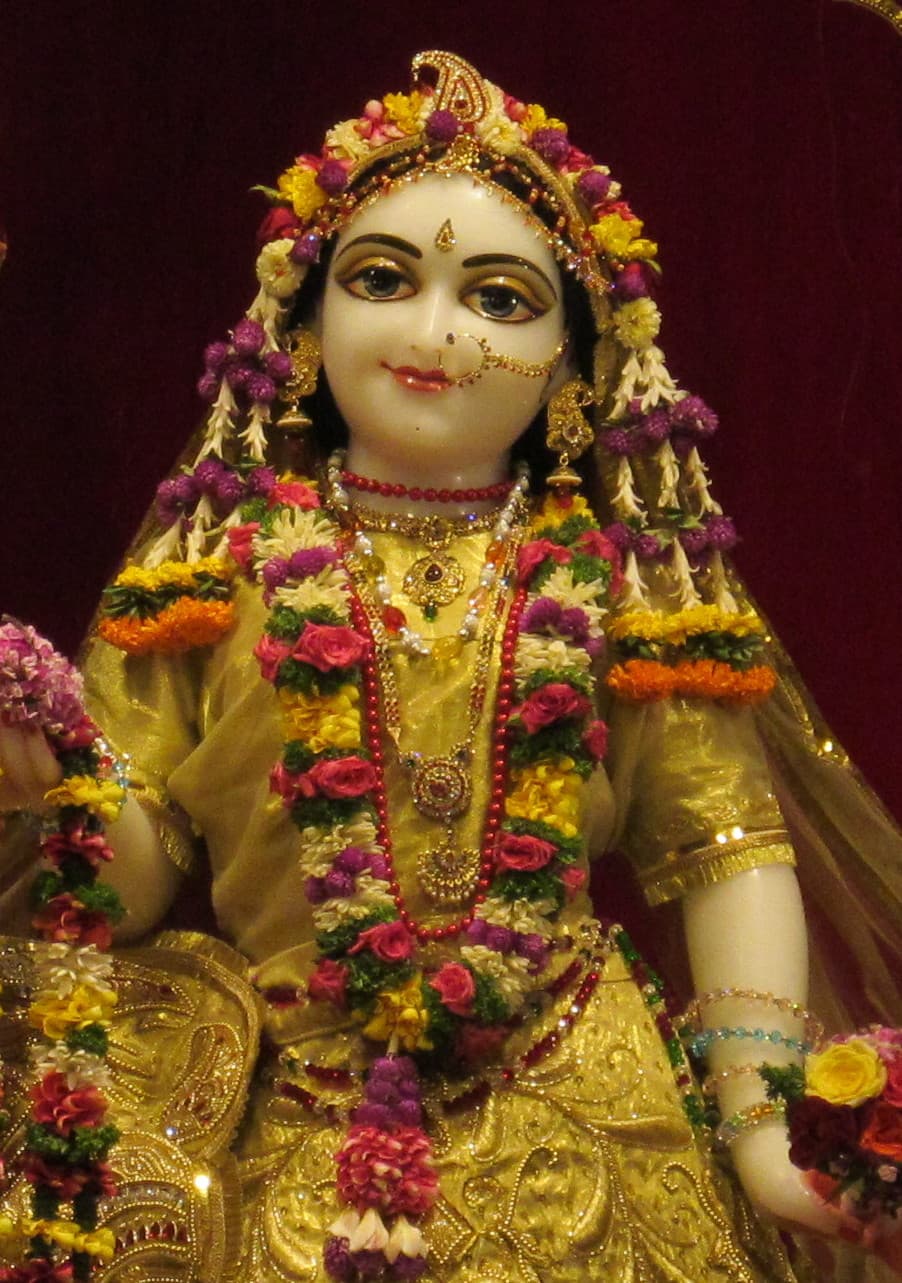
Indian subcontinent
Radha, also called Radhika, is a Hindu goddess and the chief consort of the god Krishna. She is the goddess of love, te…
Read →
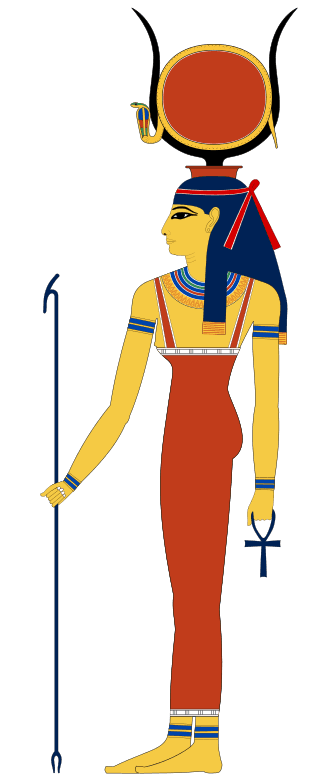
Ancient Egypt
Raet-Tawy or Raet is an ancient Egyptian solar deity, the female aspect of Ra. Her name is simply the female form of Ra…
Read →
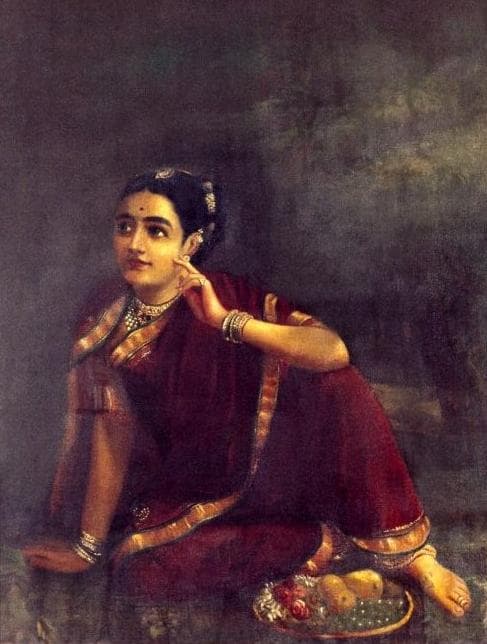
Indian subcontinent
Rahi, also called Rahimai, is a regional form of the Hindu goddess Radha in the Indian state of Maharashtra. She is ass…
Read →
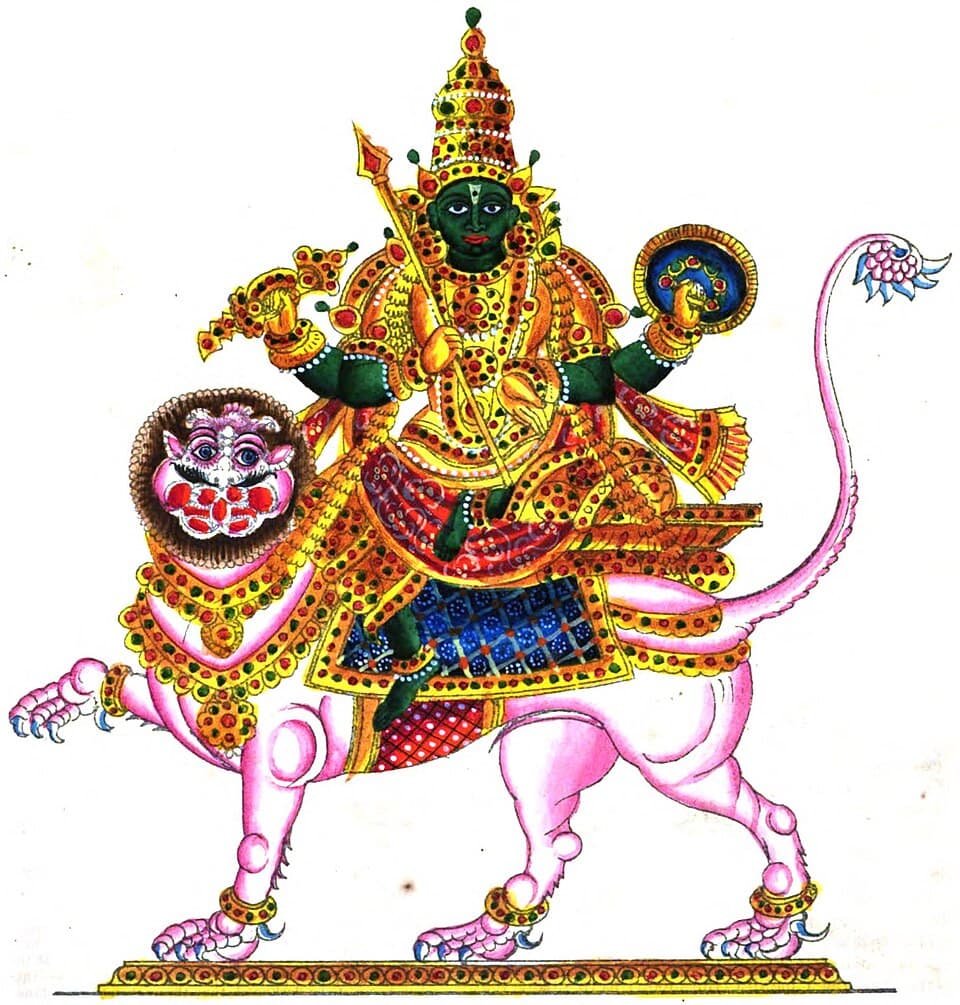
Indian subcontinent
Rāhu is one of the nine major celestial bodies (navagraha) in Hindu texts and the king of meteors. It represents the as…
Read →
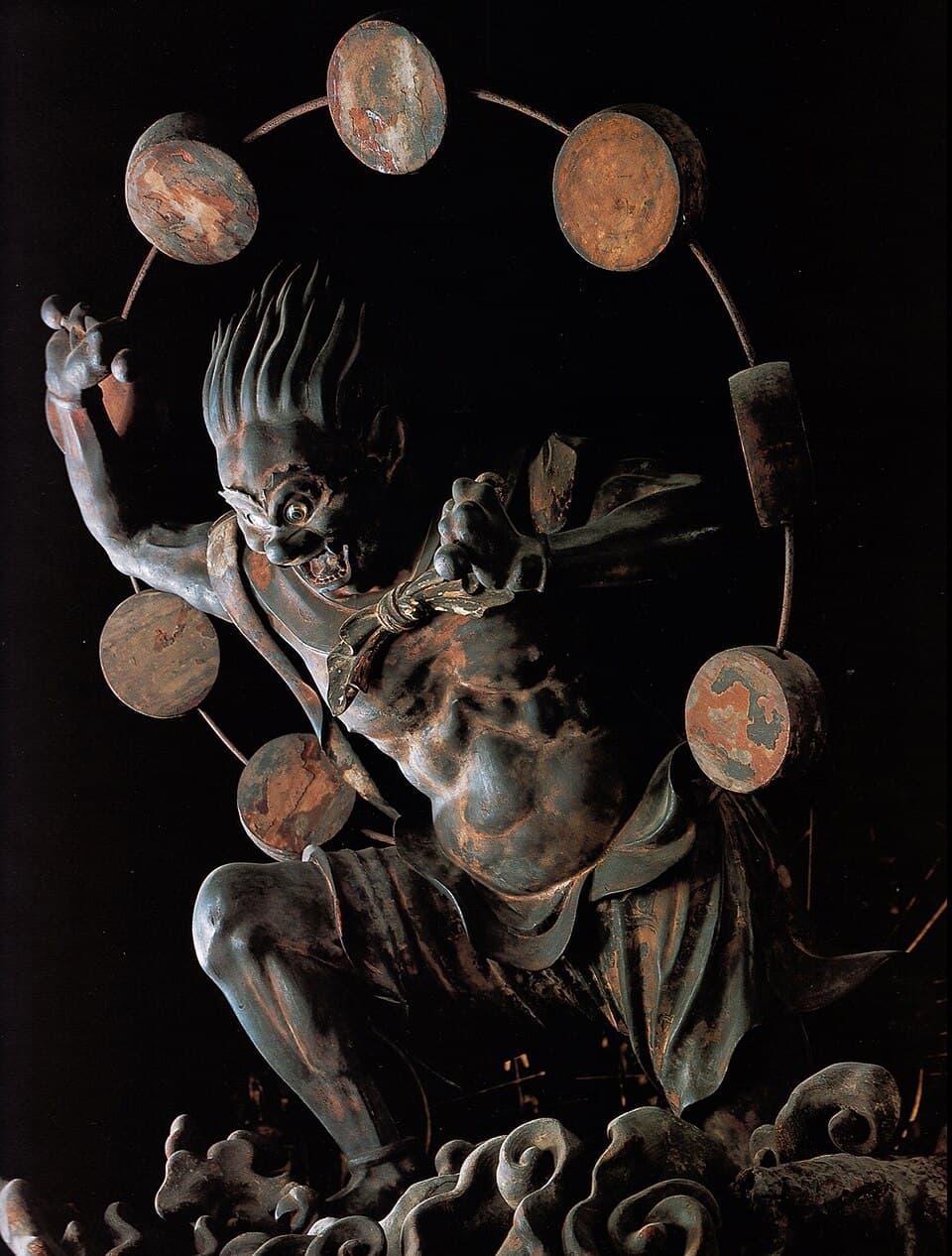
Japan
Raijin , also known as Kaminari-sama (雷様), Raiden-sama (雷電様), Narukami (鳴る神), Raikō (雷公), and Kamowakeikazuchi-no-kami i…
Read →
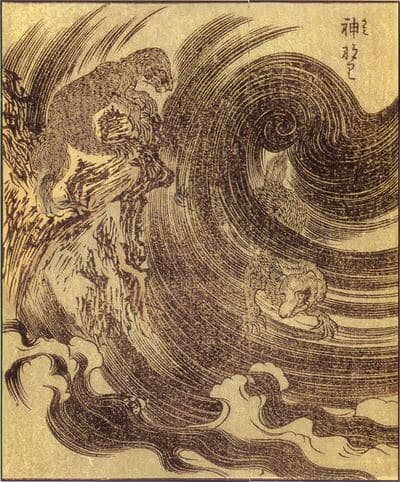
Japan
In Japanese mythology, the raijū is a legendary creature and yōkai associated with lightning and thunder, as well as the…
Read →
Polynesia
Raka-maomao or Rakamaomao, in Māori mythology, is a god of wind. He is the god of ordinary winds, in contrast to Tāwhir…
Read →
Indian subcontinent
Raktadantika is a form of the Hindu goddess Durga. According to the Devi Mahatmya, Raktadantika incarnated to slay the …
Read →
Indian subcontinent
Rakteswari, identified as an aspect of Adi Parashakti, also known as Durga Parameswari, is a principal and popular form …
Read →

Indian subcontinent
Ram Charan (1720–1799)) is the Rajasthani Hindu guru, inspirator of a religious tradition called Ramsnehi Sampradaya or …
Read →
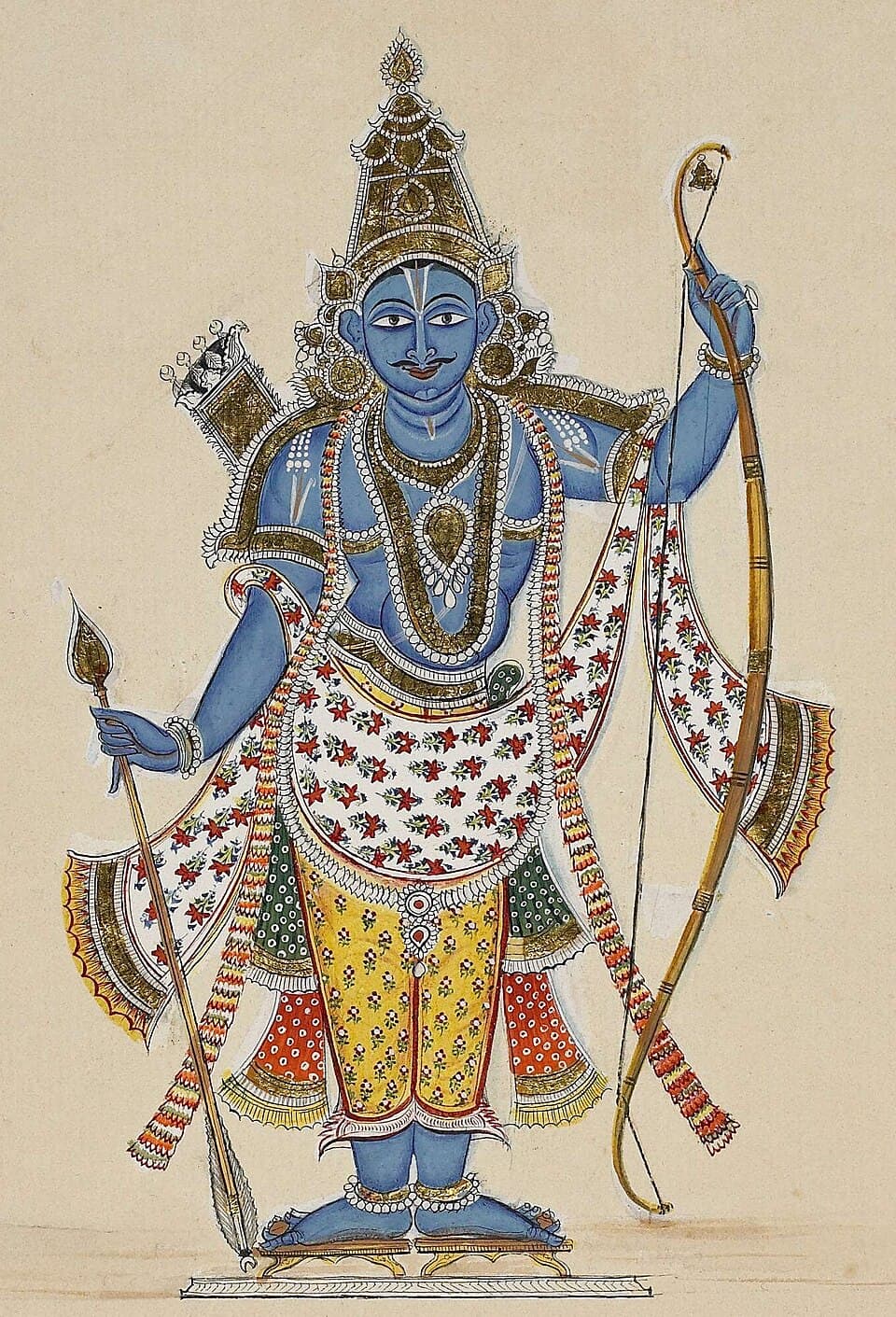
Indian subcontinent
Rama is a major deity in Hinduism. He is worshipped as the seventh and one of the most popular avatars of Vishnu. In R…
Read →
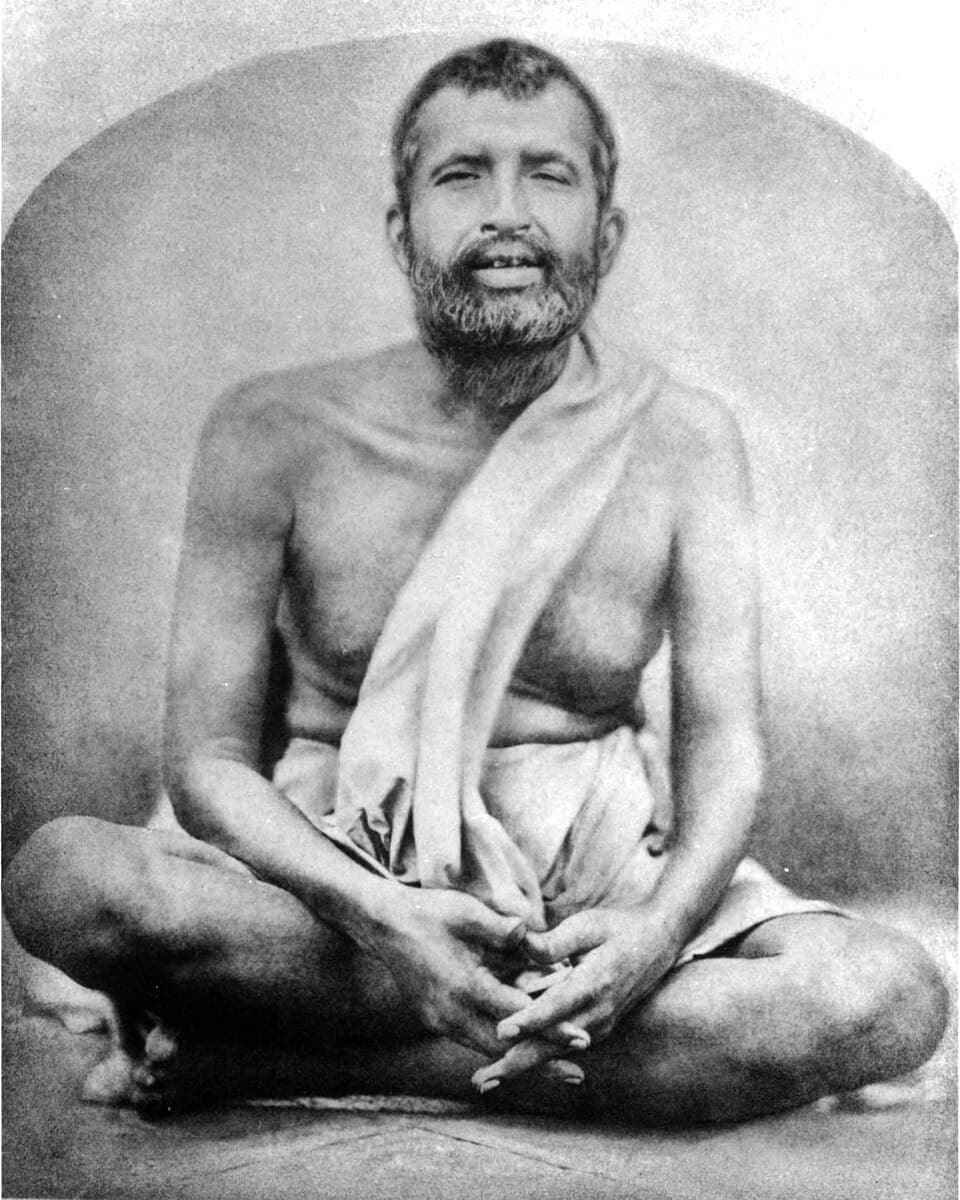
Indian subcontinent
Ramakrishna, also called Ramakrishna Paramahamsa, born Ramakrishna Chattopadhyay, was an Indian Hindu mystic. He was a …
Read →
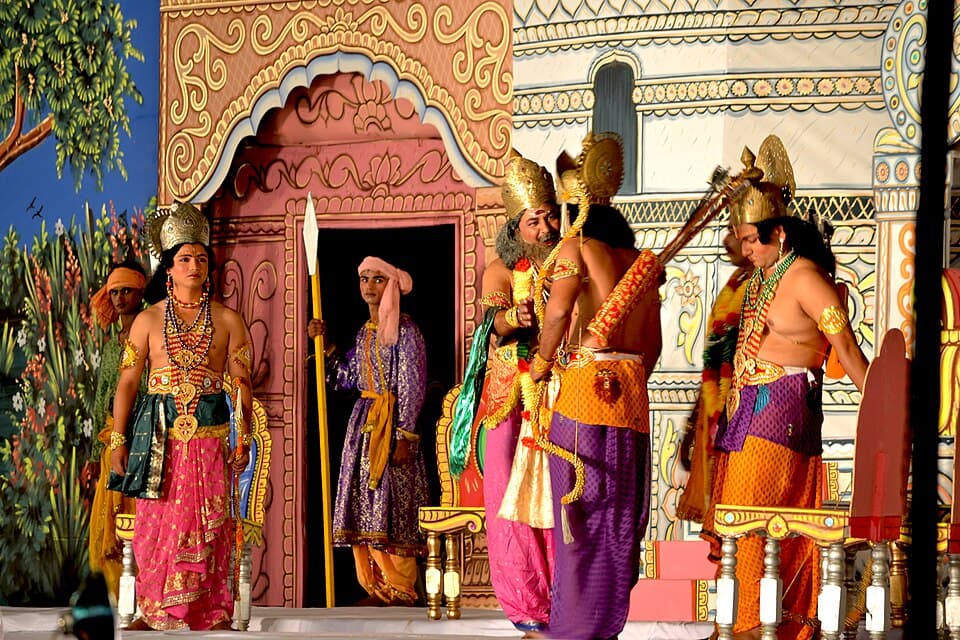
Indian subcontinent
Ramlila or Ramleela is any dramatic folk re-enactment of the life of Rama according to the ancient Hindu epic Ramayana o…
Read →