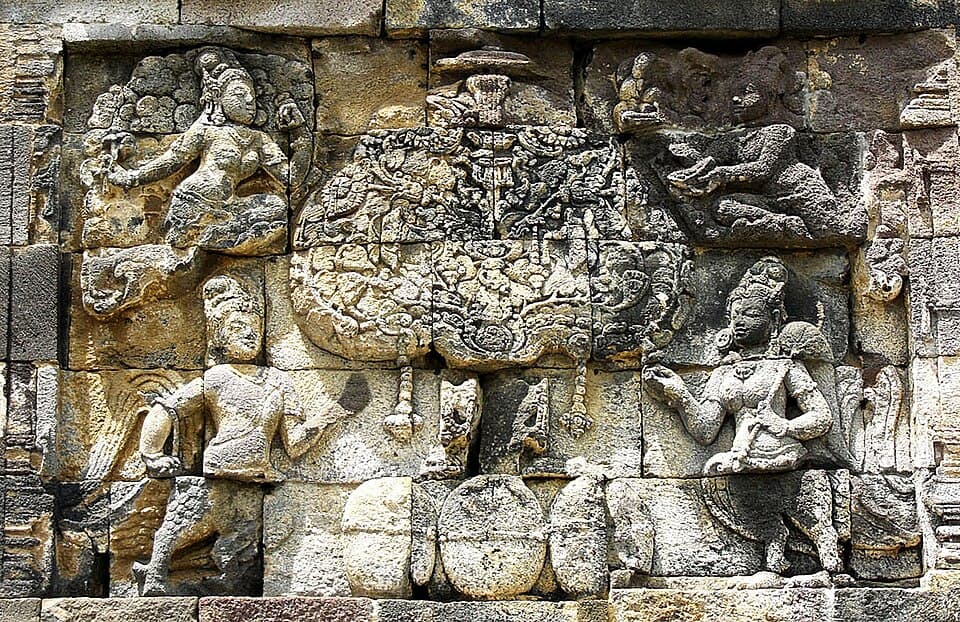
Kalpavriksha
Kalpavriksha is a wish-fulfilling divine tree in religions like Hinduism, Jainism, and Buddhism. In Buddhism, another term, ratnavṛkṣa , is also common. Its earliest descriptions are mentioned in Sanskrit literature.
Pantheon
Page 3 of 6.
549 entries
These three are recorded for the Hindu pantheon as a whole. The archive holds no separate culture, civilization or period for the individual entries below.
Page 3 of 6
Showing 217–324 of 549, alphabetically.
Kalpavriksha is a wish-fulfilling divine tree in religions like Hinduism, Jainism, and Buddhism. In Buddhism, another term, ratnavṛkṣa , is also common. Its earliest descriptions are mentioned in Sanskrit literature.
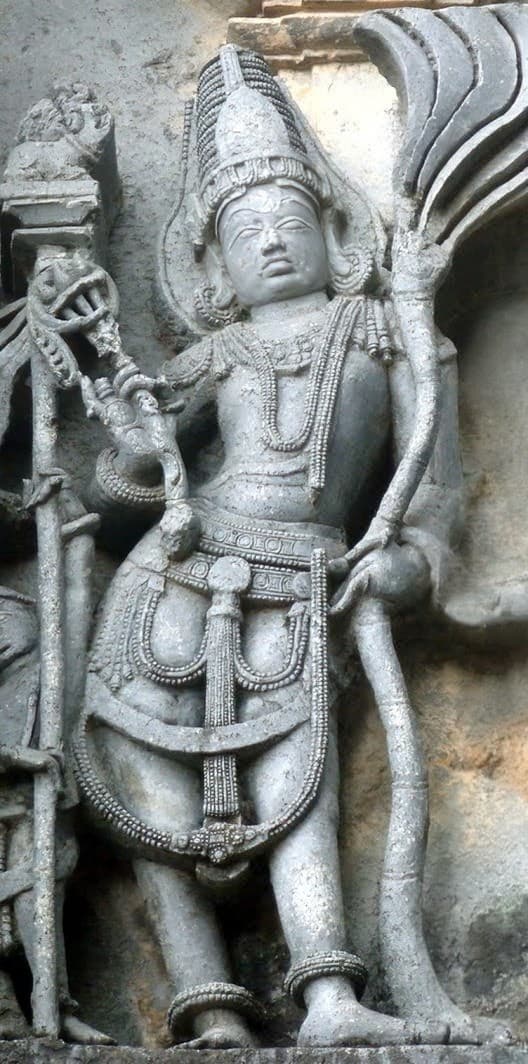
Kamadeva, also known as Kama, Manmatha, and Madana is the Hindu god of love, attraction, pleasure and beauty, as well as the personification of the concept of kāma. He is depicted as a handsome young man decked with ornaments and flowers, armed with a bow of sugarcane and shooting arrows of flowers. He is often portrayed alongside his consort and female counterpart, Rati.
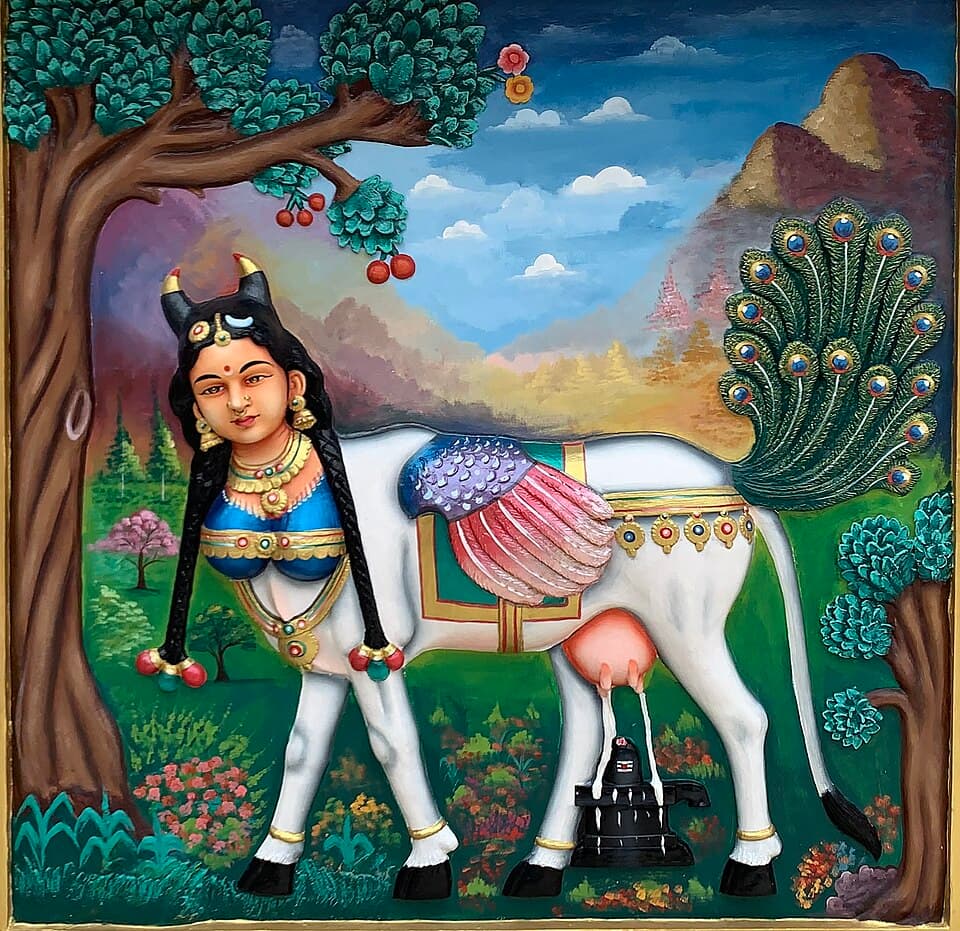
Kamadhenu, also known as Surabhi, is a divine bovine-goddess described in Hinduism as the mother of all cows. She is a miraculous cow of plenty who provides her owner whatever they desire and is often portrayed as the mother of other cattle. In iconography, she is generally depicted as a white cow with a female head and breasts, the wings of a bird, and the tail of a peafowl or as a white cow containing various deities within her body.
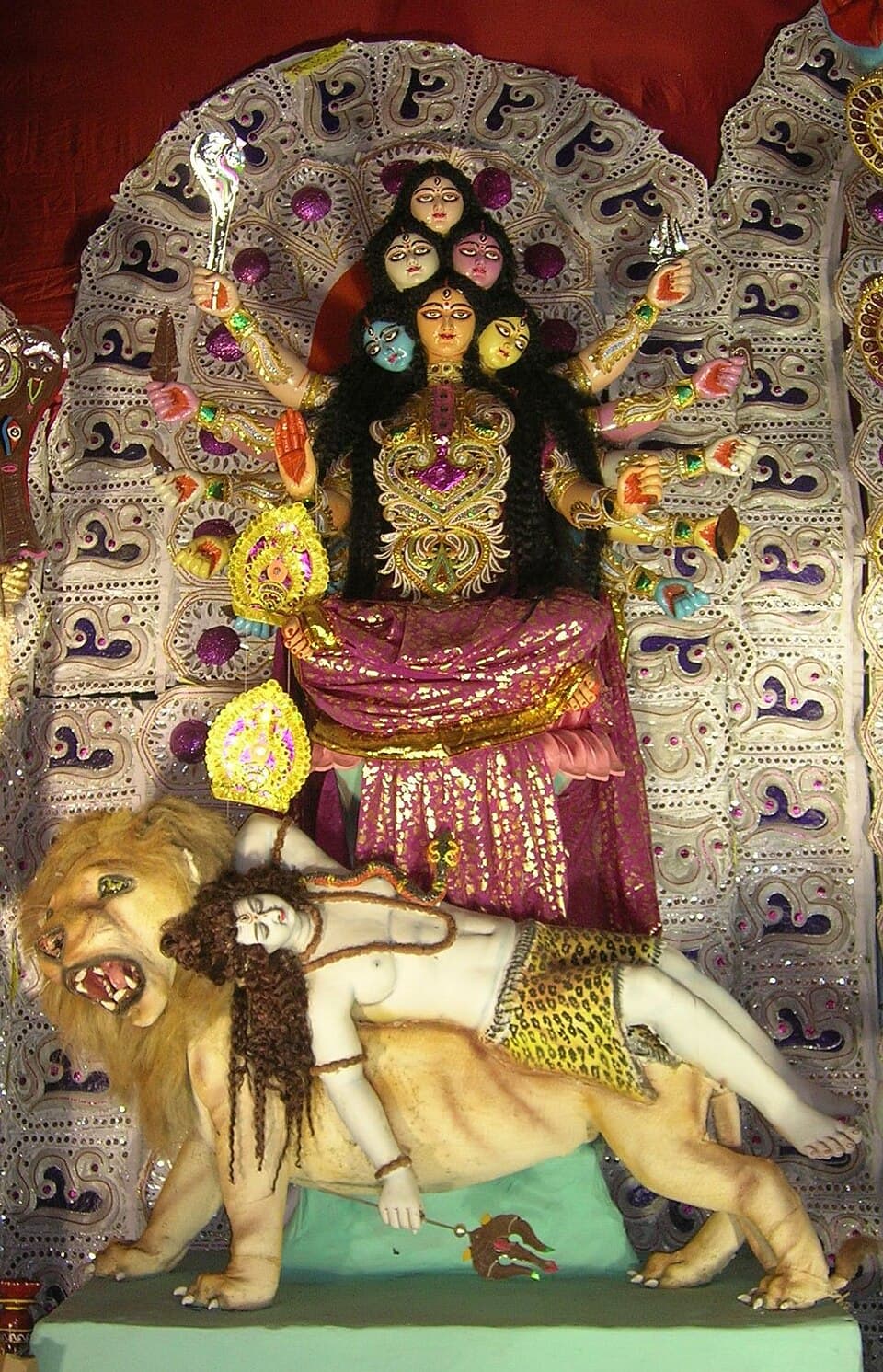
Kamakhya, a mother goddess, is a Shakta Tantric deity; considered to be the embodiment of Kama (desire), she is regarded as the goddess of desire. Her abode–Kamakhya Temple is located in the Kamarupa region of Assam, India. Originally a Kirata goddess, Residing on Nilachal hills across the banks of the Brahmaputra River, west of Guwahati in the 10th/11th century Temple rebuilt in 1565 CE, she is worshiped in a non-iconic and un-anthropomorphic form of stone shaped like yoni fed by a perennial stream.
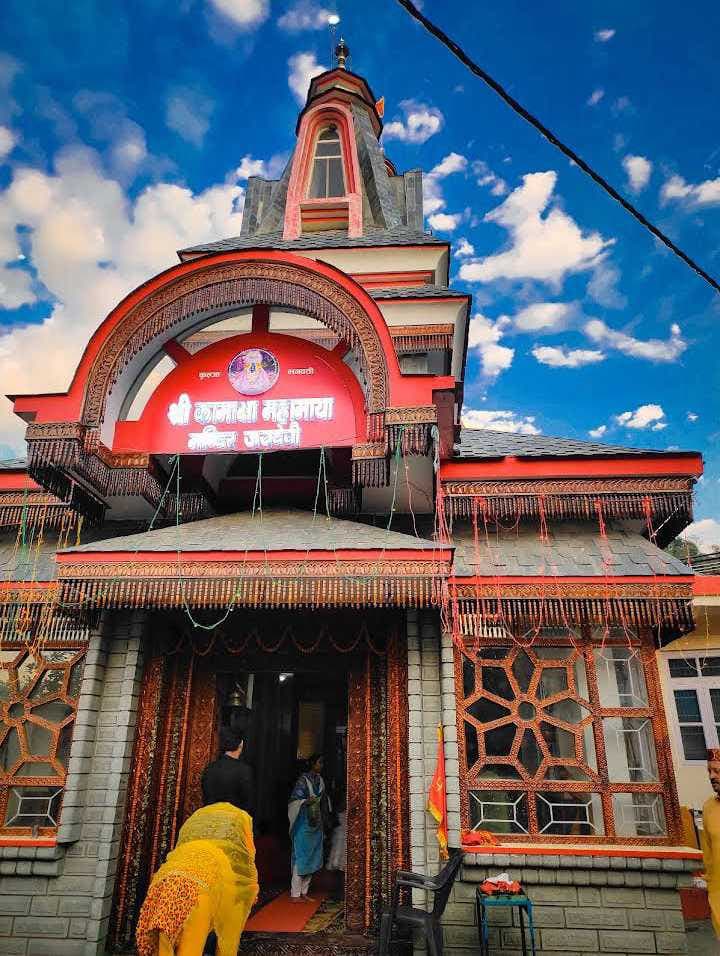
Kamaksha means the goddess who fulfills all kinds of desires. Kamaksha is considered the embodiment of the Hindu goddess Mahishasuramardini.
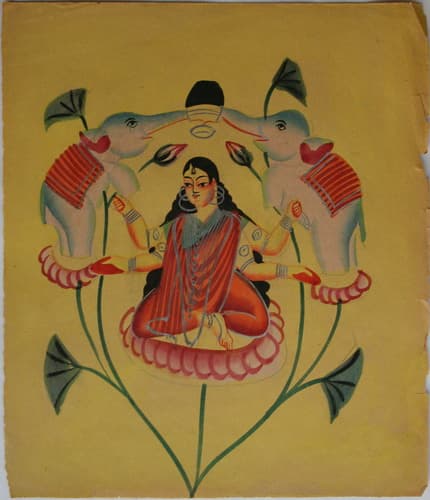
In Hinduism, Kamalā transl. 'lotus' or Kamalātmikā, also known as Kamalālayā is considered to be the Tantric characterisation of the goddess of prosperity, Lakshmi. In Shaktism, she is represented as the Devi in the fullness of her graceful aspect.
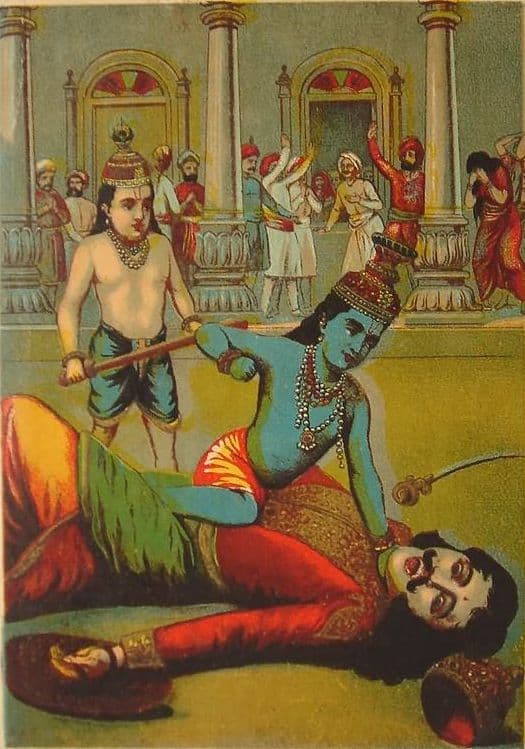
Kamsa was the tyrant ruler of the Vrishni kingdom, with its capital at Mathura. He is variously described in Hindu literature as either a human or an asura; The Puranas describe him as an asura, while the Harivamśa describes him as an asura reborn in the body of a man. His royal house was called Bhoja; thus, another of his names was Bhojapati.
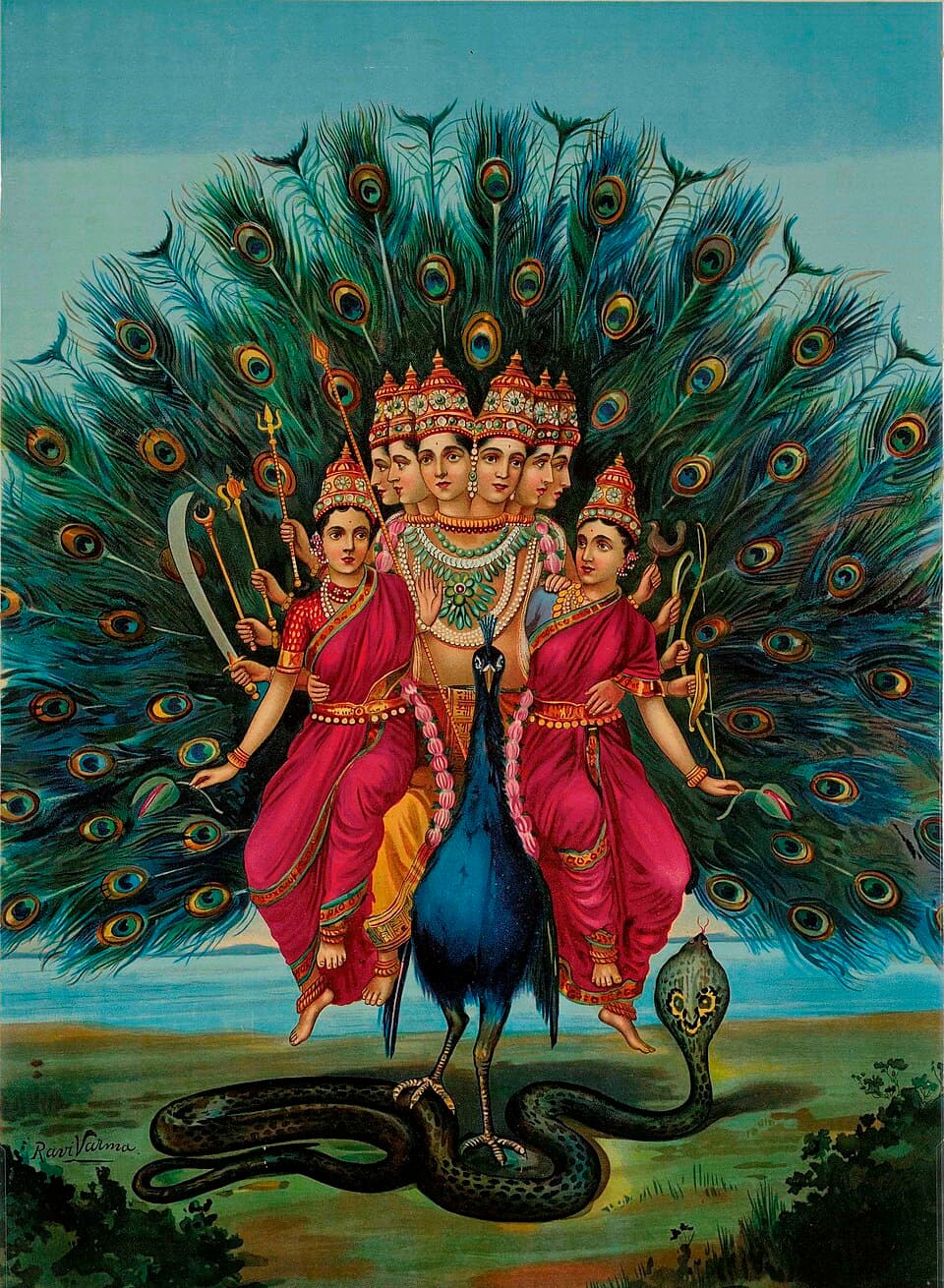
Kanda Sashti Kavasam or Skanda Shashti Kavacham is a Tamil devotional song composed for the Hindu god Kartikeya. It was composed by Devaraya Swamigal, in 19th century CE in Chennimalai.
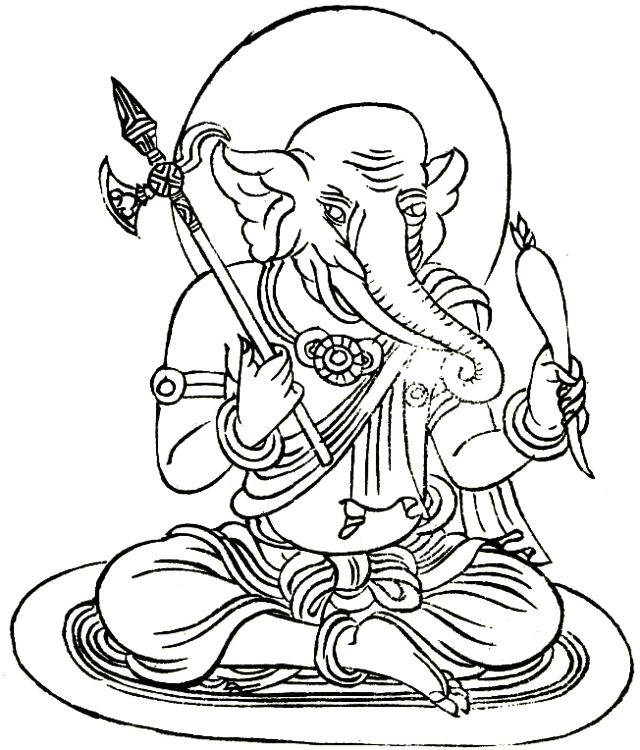
Kangiten or Kankiten, also known as Binayaka, Ganabachi, or more commonly, Shōten or Shōden, is a deva (ten) venerated mainly in the Shingon and Tendai schools of Japanese Buddhism.
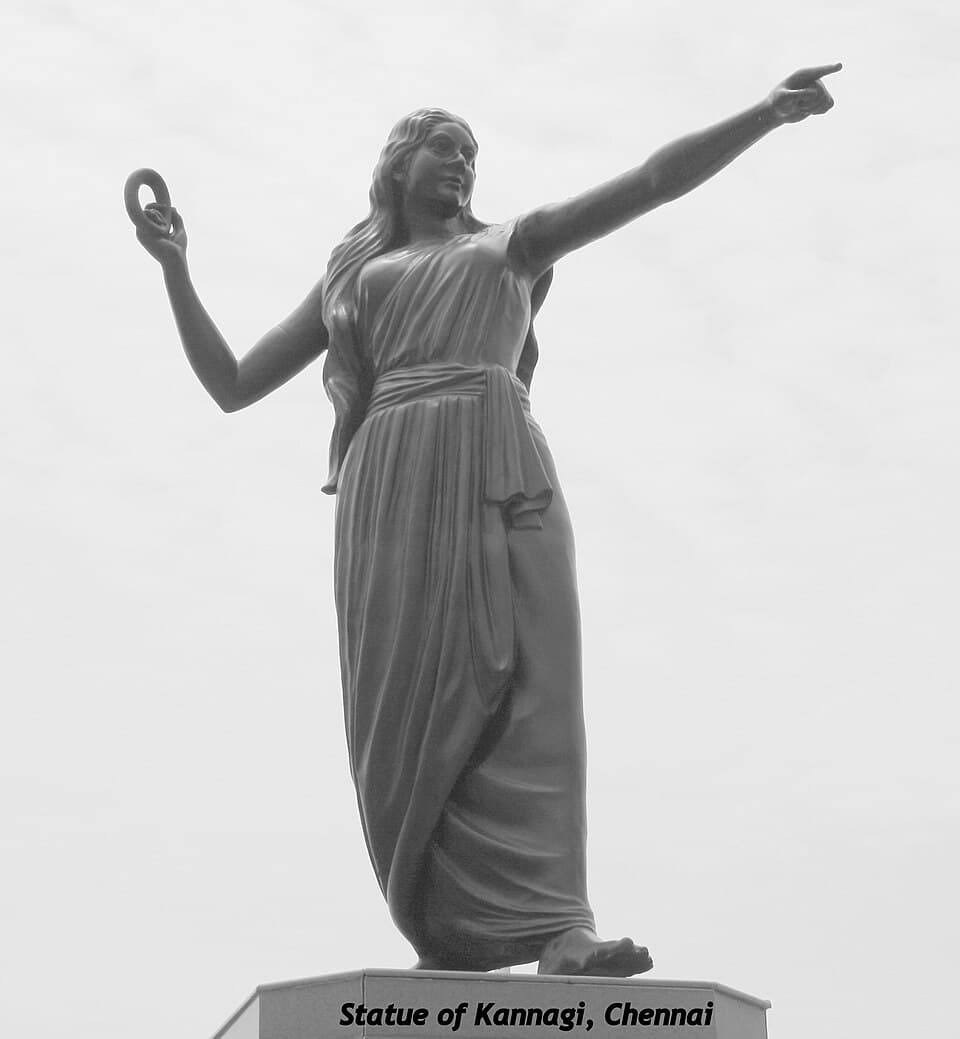
Kannagi, sometimes spelled Kannaki, is the titual character of the Tamil in Ilango Adigal's Cilappatikaram, one of the Five Great Epics in Tamil literature. She is described as a chaste woman who stays with her husband Kovalan despite his adultery. The epic further describes the couple's attempt to rebuild their marriage after her unrepentant husband had lost everything, how he is framed for a crime that he did not commit, and Kannagi's quest for justice.
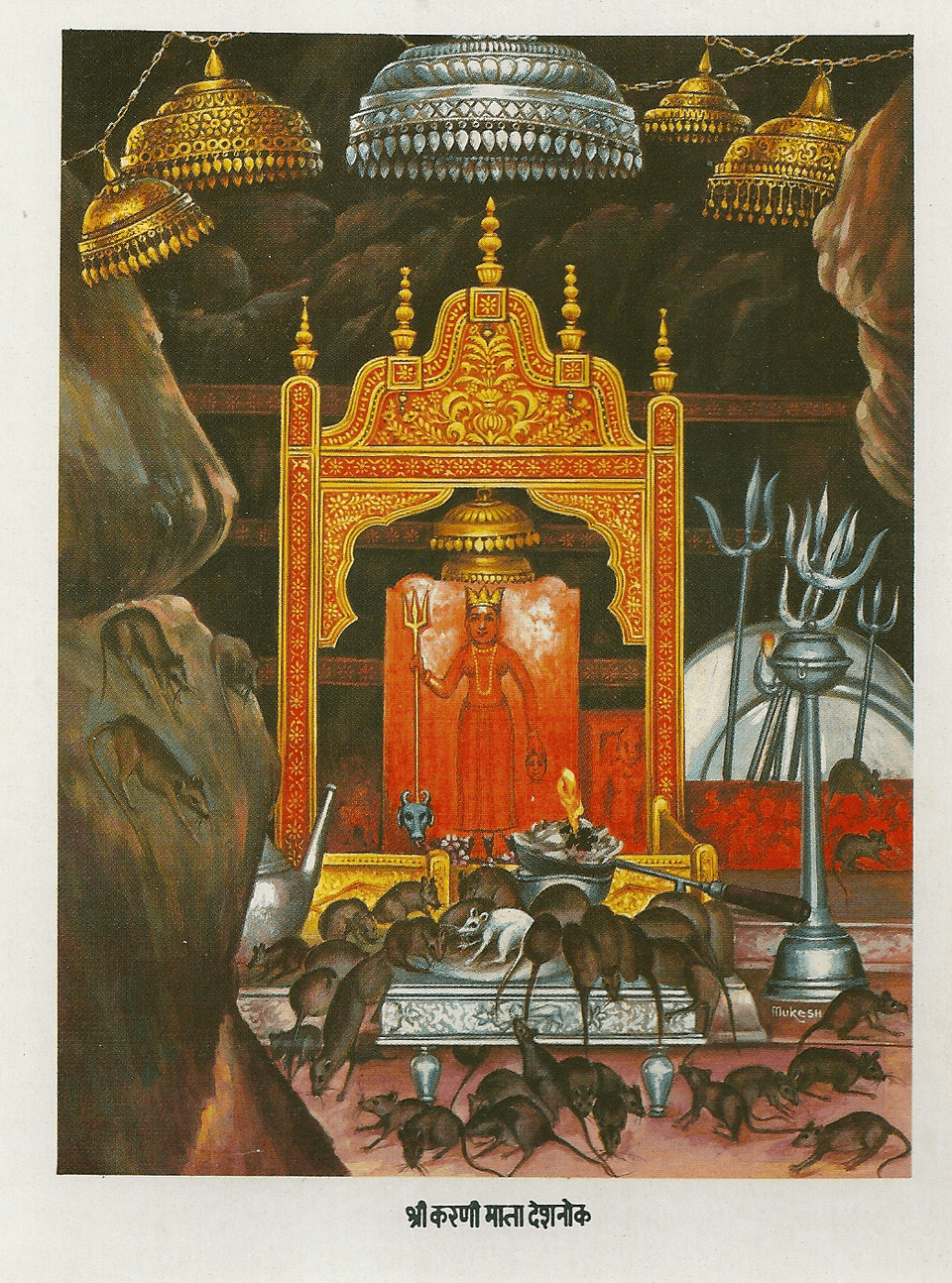
Karni Mata was a 14th–16th century warrior-sage and ascetic from western Rajasthan, revered as the tutelary deity of the Rajputs and Charans of northwestern India. Locally known by names such as Bhagwati, Mehai, Jagadamba, and Kiniyani, She is worshipped as the goddess of power and victory, and is regarded in bardic and local traditions as an incarnation of Hinglaj Mata or Durga. However, Hindu scriptures neither mention her nor identify her as an incarnation of any Hindu or Vedic goddess.
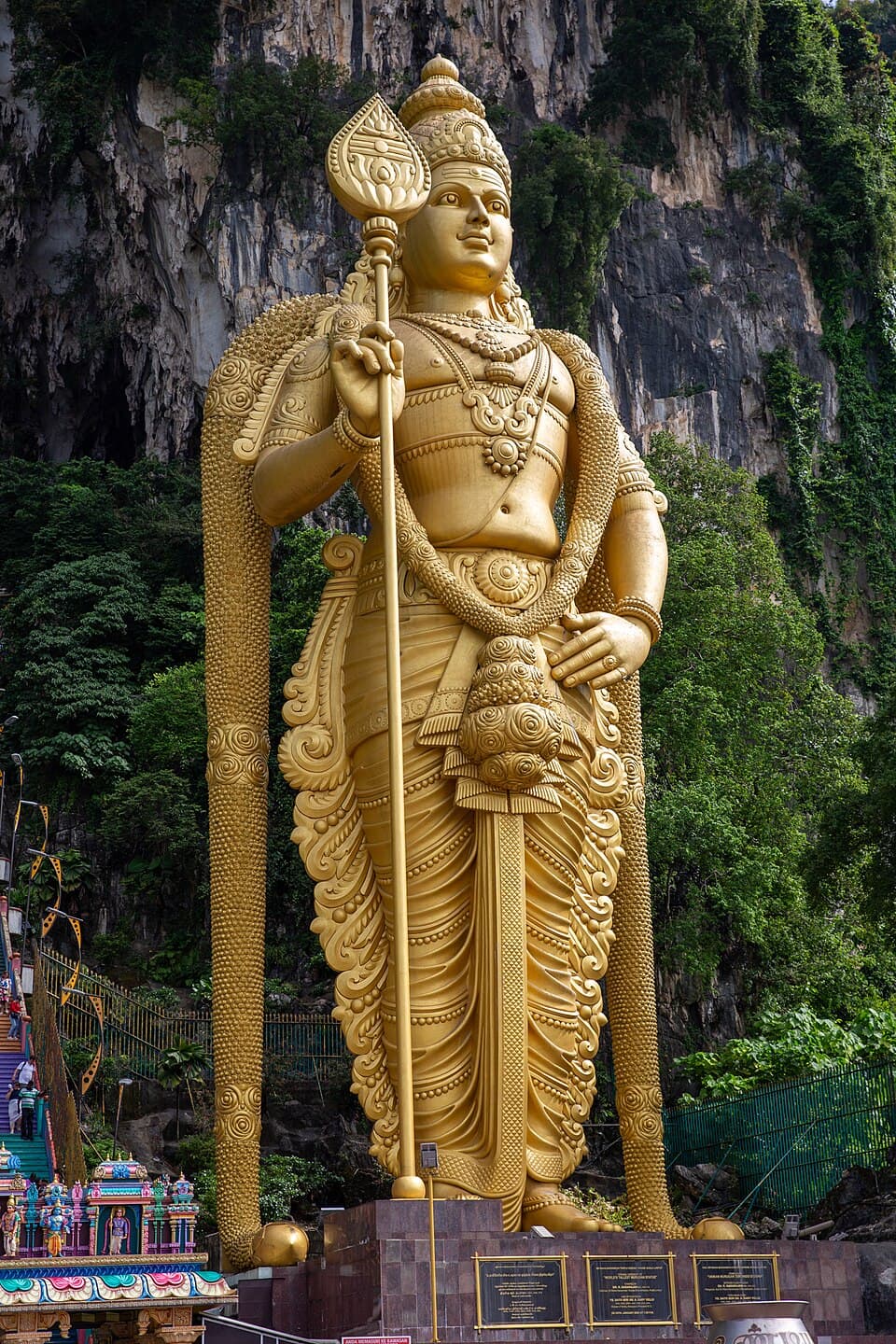
Kartikeya (IAST: Kārttikeya), also known as Skanda, Subrahmanya, Shanmukha or Muruga(n), is the Hindu god of war. He is generally described as the son of the deities Shiva and Parvati and the brother of Ganesha.

Karumariamman, also known as Karumari, is a Tamil Dravidian folk religion goddess of smallpox, health and cure. She has since been assimilated with Hinduism as an aspect of the Hindu goddess Parvati or Kali and another form of goddess Mariammanand Renuka. She is primarily worshipped in the villages of South India such as Thiruverkadu which is believed to be her abode.
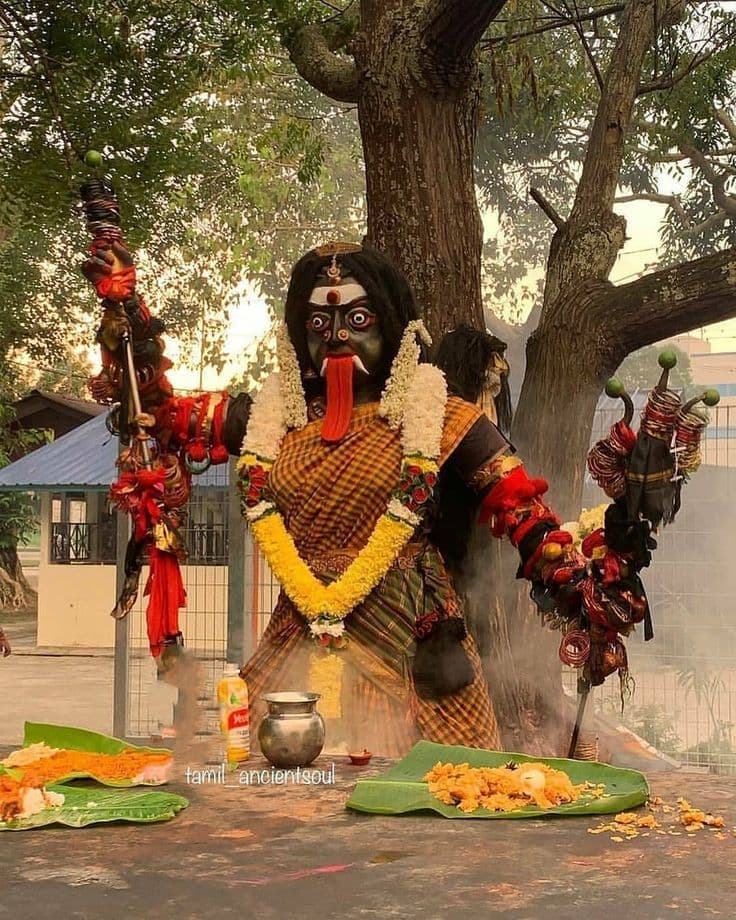
Kateri Amman, also abbreviated to Kateri, is a Tamil guardian deity associated with protecting specific towns and villages. Her worship originates in the Dravidian folk religion and Tamil folklore and later assimilated into mainstream Hinduism as a form of Parvati. Some of her adherents also regard her to be a form of Mahadevi, tasked with the responsibility of destroying sicknesses during the Kali Yuga.
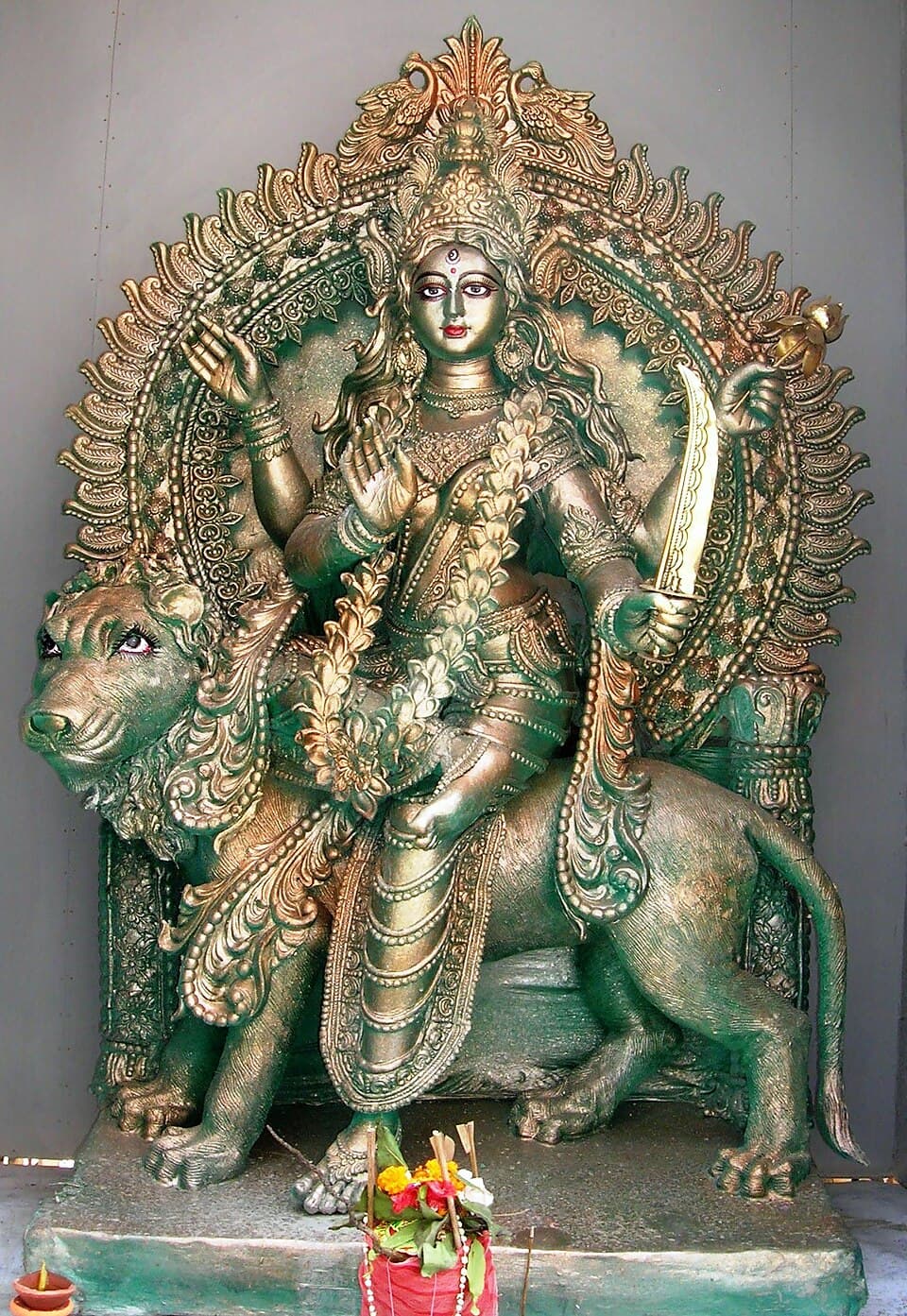
Katyayani is a form of the Hindu goddess Mahadevi, venerated as the slayer of the tyrannical asura Mahisha. She is the sixth of the Navadurga, and is worshipped on the sixth day of Navaratri.
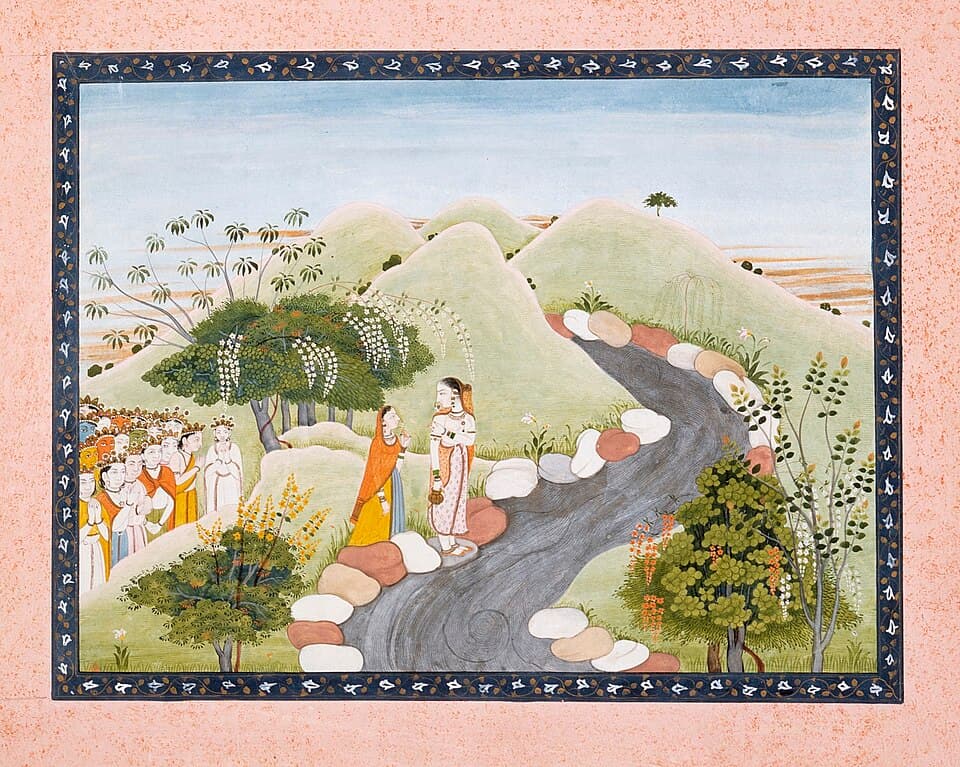
Kaushiki is a Hindu goddess, a deity who emerged from the sheath of Parvati. She was emerged from Parvati's cells to defeat the asura brothers Shumbha and Nishumbha, and was also the reason the Matrikas come into existence.
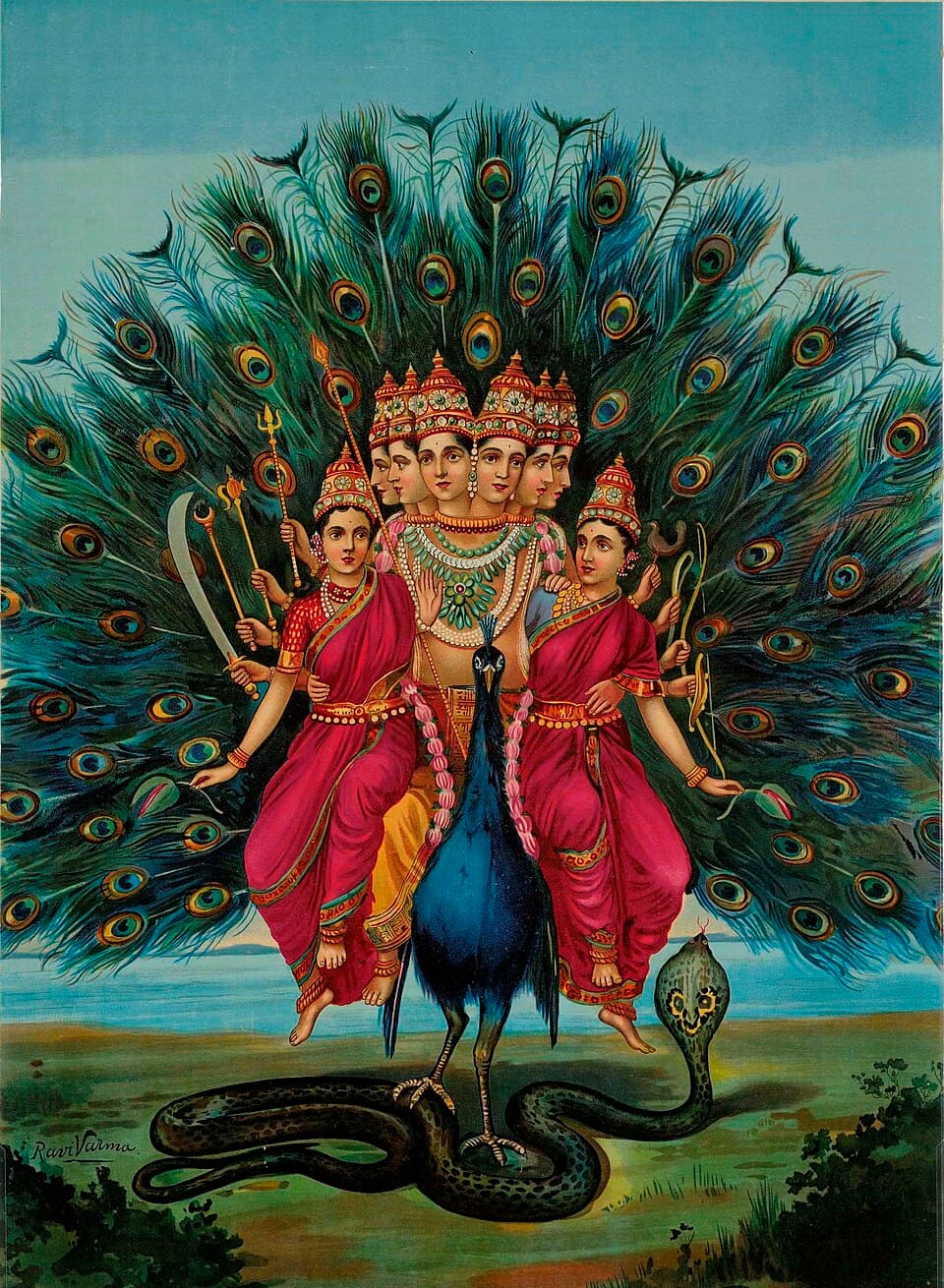
Kavadi Aattam is a ceremonial sacrifice and offering practiced by devotees during the worship of Murugan, the Hindu god of war. It is a central part of the festival of Thaipusam and emphasizes debt bondage. The Kavadi ("burden") itself is a physical burden, the bearing of which is used by the devotee to implore Murugan for assistance, usually on behalf of a loved one who is in need of healing, or as a means of balancing a spiritual debt.
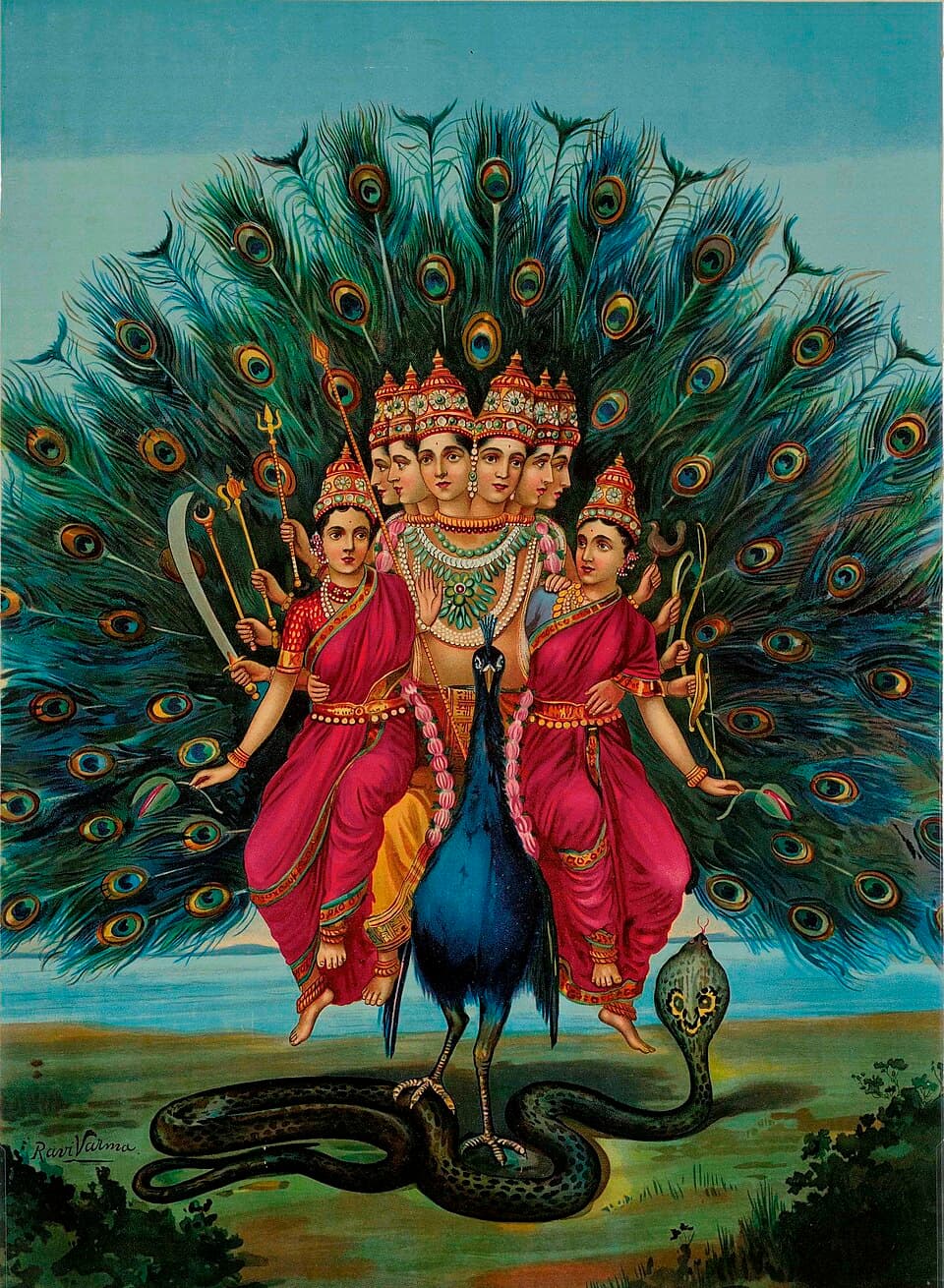
Kavadi Aattam is a ceremonial sacrifice and offering practiced by devotees during the worship of Murugan, the Hindu god of war. It is a central part of the festival of Thaipusam and emphasizes debt bondage. The Kavadi ("burden") itself is a physical burden, the bearing of which is used by the devotee to implore Murugan for assistance, usually on behalf of a loved one who is in need of healing, or as a means of balancing a spiritual debt.
Kavyamata is a consort of the rishi Bhrigu In Hinduism. She is the mother of Shukra, the god of the planet Venus and the preceptor of the asuras. She was beheaded by the preserver deity, Vishnu, for protecting the asuras.
Kecaikhati is a prominent goddess from Northeast India. Her main shrine is considered to be the Tamreswari Temple, near Paya Reserve forest area in Arunachal Pradesh, next to Chunpura, close to Assam border along Sadiya - Tezu route; and she is referred to as Dikkaravasini in the 9th century Kalika Purana whose temple formed the eastern limit of Kamarupa. Unlike Kamakhya and Kamakhya Temple, which acquired Brahmin priests and became associated with the legendary Narakasura and the historical Kamarupa kings, Kecaikhati continued to remain outside the ambit of Brahminical influence and remained under the control of Deori priests during the time of the Chutia kingdom and after up to the present time.
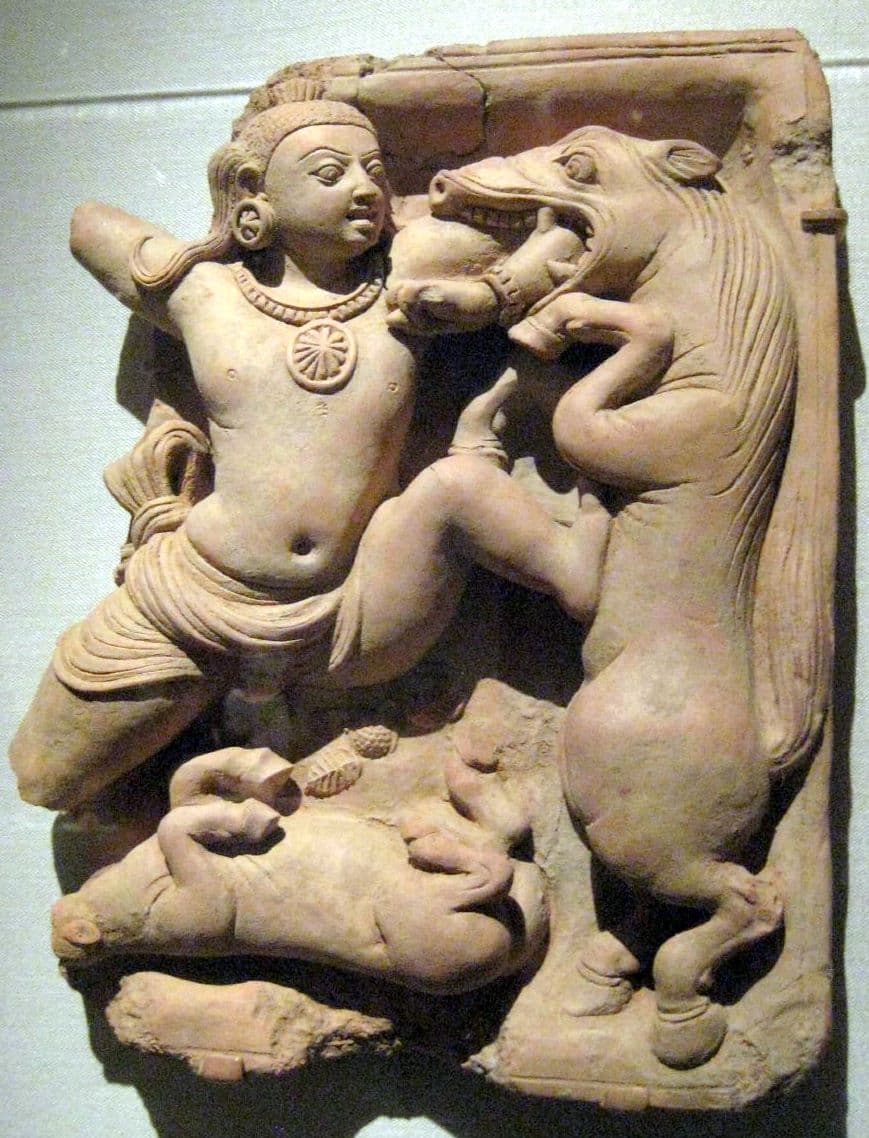
Keshava is an epithet of Vishnu in Hindu tradition. The name appears as the 23rd and 648th names in the Vishnu Sahasranama of the Mahabharata. Keshava is also venerated by those persons wanting to avert bad luck or ill-omens.
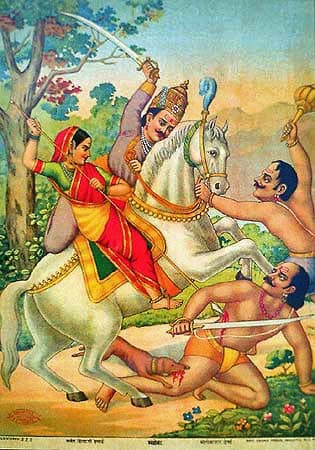
Khandoba, also known as Martanda Bhairava and Malhari, is a Hindu deity worshiped generally as a manifestation of Shiva mainly in the Deccan region of India, especially in the state of Maharashtra and North Karnataka. He is the most popular Kuladevata in Maharashtra. He is also the patron deity of some Kshatriya Marathas (warriors), farming castes, shepherd community and Brahmin (priestly) castes as well as several of the hunter/gatherer tribes that are native to the hills and forests of this region.
Khemukhi is the name of one of the 64 yoginis, which was a secret and esoteric female cult between the 9th and 13th century. In Hinduism, the term yogini refers to a female yogi in general, but the term 64 yoginis refers to a tantric and secret female cult worshiping Hindu Goddess Durga. Khemukhi is the goddess whose broken statue is found in the 64 yogini temple in Bhedaghat in the Jabalpur District in India.
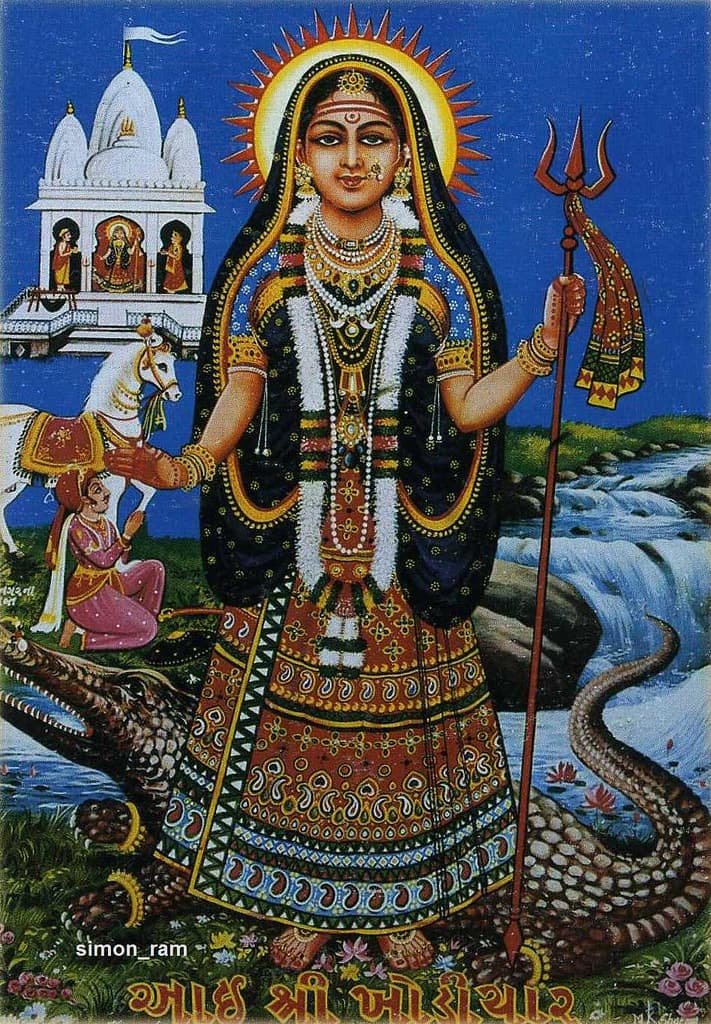
Khoḍiyār is a Hindu folk goddess worshiped in Gujarat and Rajasthan states in India.
Khyati is one of the 24 daughters of Daksha, born to his wife Prasuti. Her father is regarded to have another 62 from his wife Panchajani (Virini/Virani). One of his daughters is called Khyati, who is married to the sage Bhrigu.
The kimpurushas are a race of beings featured in Hindu literature, described as possessing the bodies of human beings and lion heads. They are associated with, and sometimes considered the same as the kinnaras, though some Puranas distinguish between them. They are attendants of the god of wealth, Kubera.
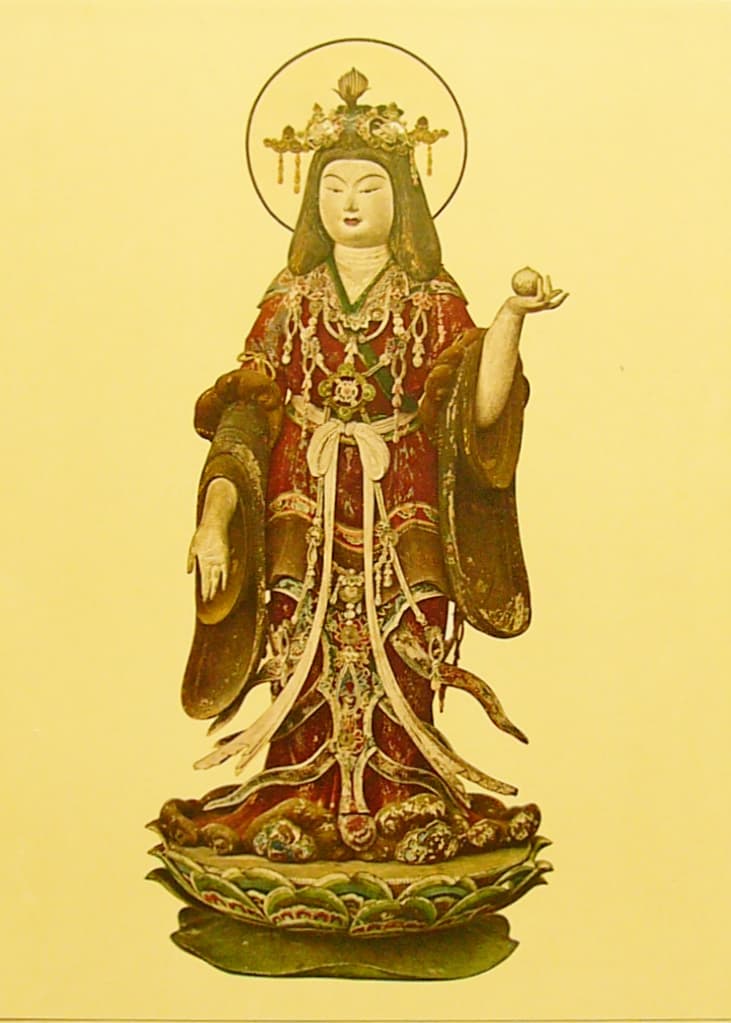
Śrīmahādevī,, also known as Lakshmi, is a devi in Mahayana Buddhism. She is particularly respected in East Asian Buddhist traditions as a protector deity due to her appearance in the Golden Light Sutra where she introduced her mantra and made vows to protect any bhikṣu who will uphold and teach the sutra.
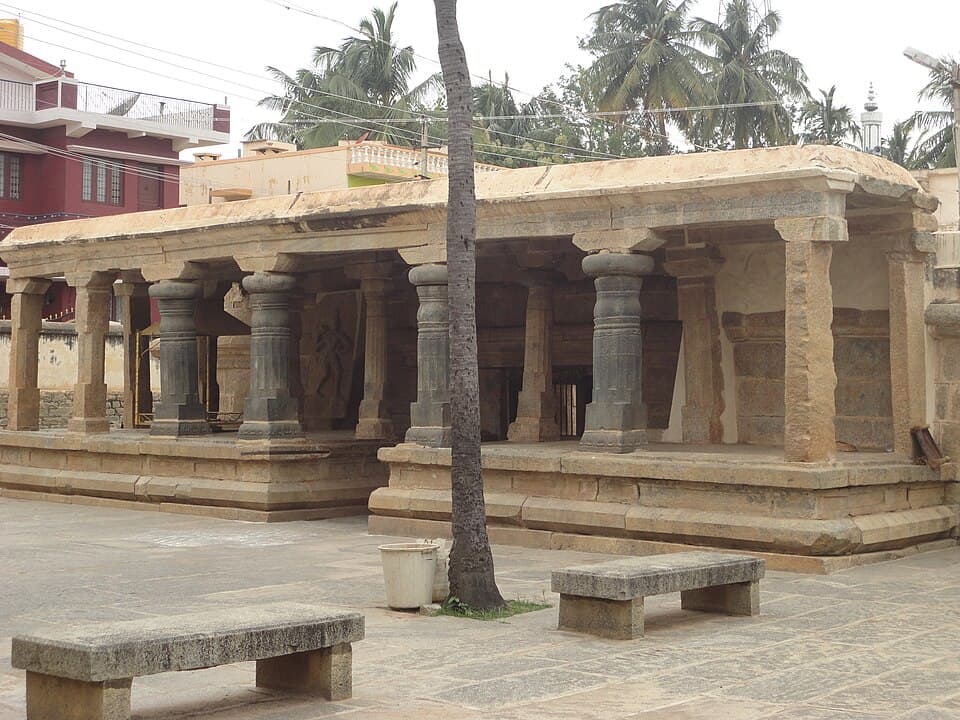
Kolaramma is the presiding deity of the town of Kolar in Karnataka, India. The Kolaramma temple is thousand years old and built by the Thalakadu Gangas in the South Indian style. Later it was developed by the Cholas.
Kotravai, is the Tamil goddess of war and victory. She is also a mother goddess and the goddess of fertility, agriculture, and hunters. In the latter form, she is sometimes referred to by other names and epithets in the Tamil tradition of South India and Sri Lanka, such as Atha, Mari, Suli, and Neeli.
Kotavi is an asuri in Hindu mythology and the tutelary goddess of the race of daityas. She is also identified with the goddess Durga. In the Puranas, she is depicted as the mother of Banasura.
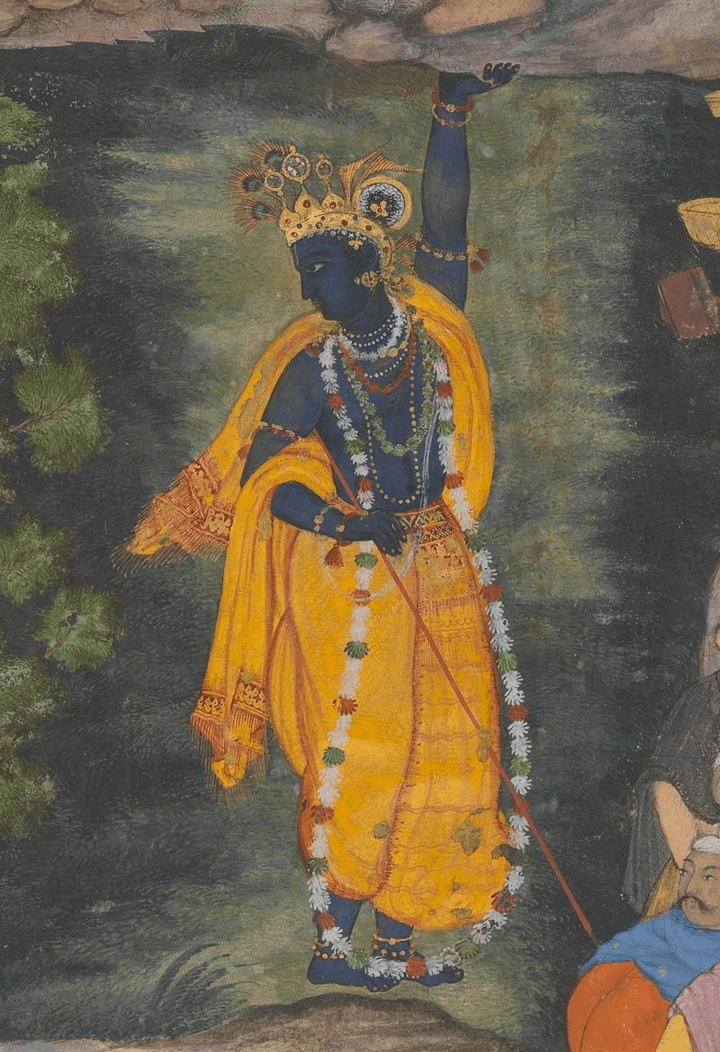
Krishna also known as Govinda, Madhava, Gopala and other names and titles is a major deity in Hinduism. He is worshipped as the eighth avatar of Vishnu and also as the Supreme God in his own right. He is widely revered for his divine qualities of love, compassion, protection and tenderness.

Swami Krishnananda Saraswati (IAST: Swāmī Kṛṣṇānanda Sarasvatī, 25 April 1922 – 23 November 2001) was a disciple of Sivananda Saraswati and served as the General Secretary of the Divine Life Society in Rishikesh, India from 1958 until 2001. Author of more than 40 texts, and lecturing extensively, on yoga, dharma, and metaphysics, Krishnananda was a theologian, saint, yogi, and philosopher.
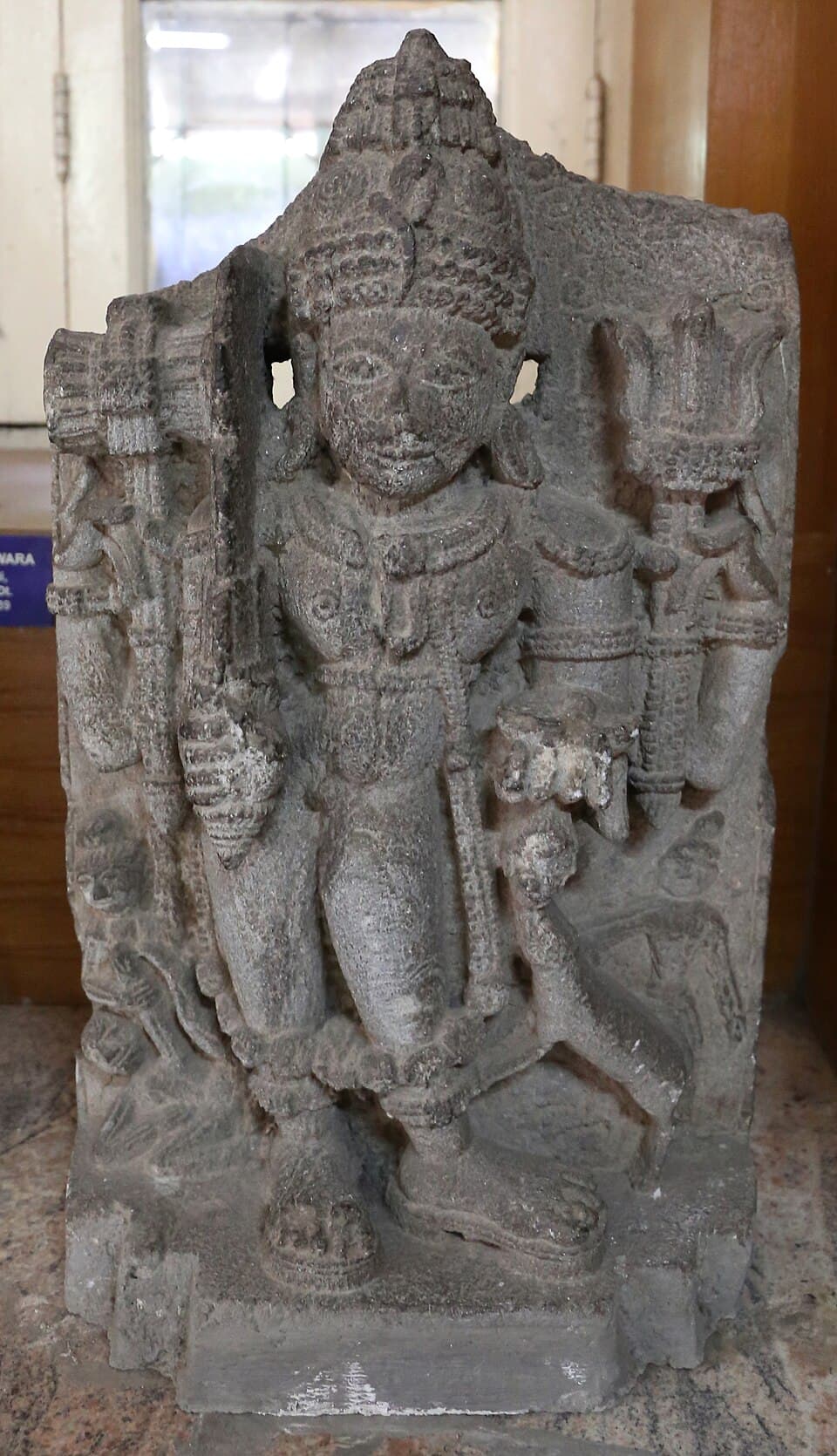
Kshetrapala is a guardian deity featured in Indian religions primarily tasked with the protection of a specific territory, locality or field. The deity is widely worshipped across various regions of India and appears in Hindu, Jain and occasionally folk contexts.
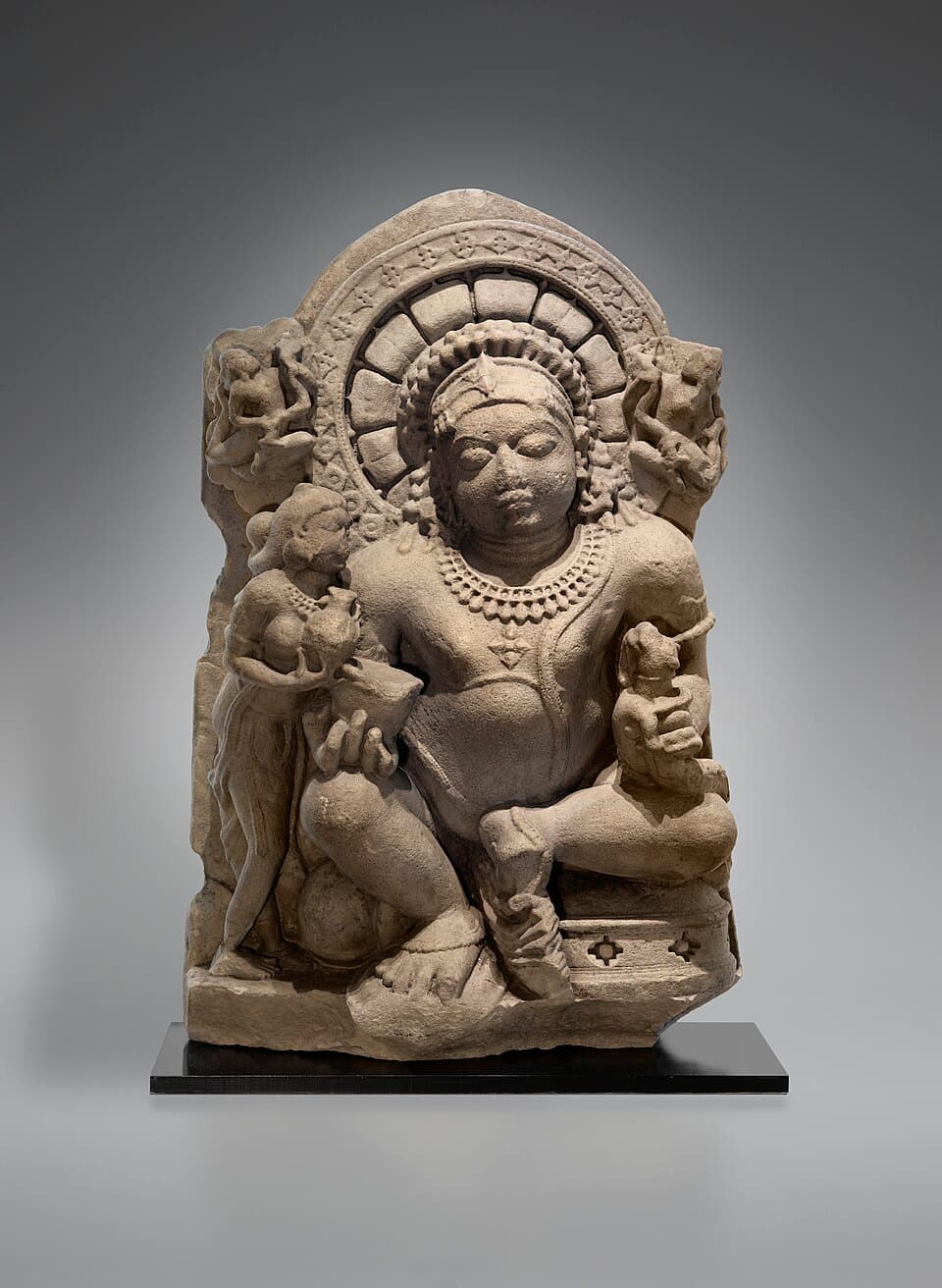
Kubera also known as Kuvera, Kuber and Kuberan, is the god of wealth, and the god-king of the semi-divine yakshas in Hinduism. He is regarded as the regent of the north (Dikpala), and a protector of the world (Lokapala). His many epithets extol him as the overlord of numerous semi-divine species, and the owner of the treasures of the world.
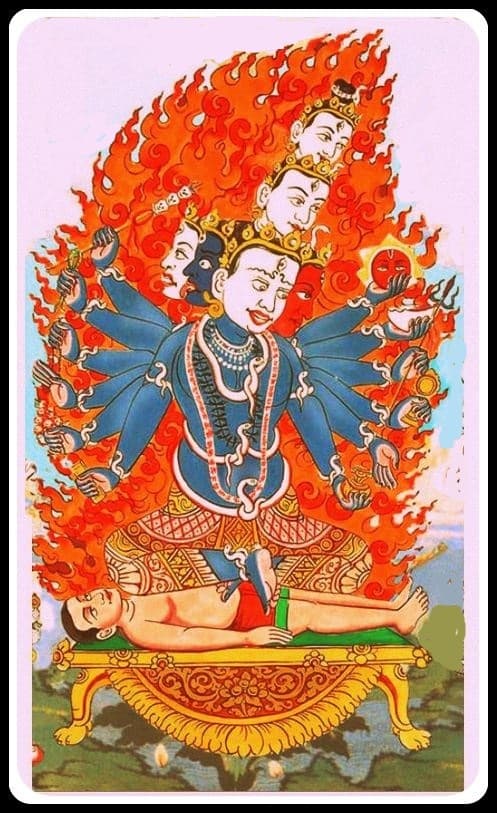
Kubjika is the primary deity of Kubjikāmata, a sect of non-Siddhāntika mantra marga sect. The worship of Kubjikā as one of the main aspect of Adishakti was in its peak in 12th century CE. She is still praised in tantric practices that are followed in Kaula tradition.
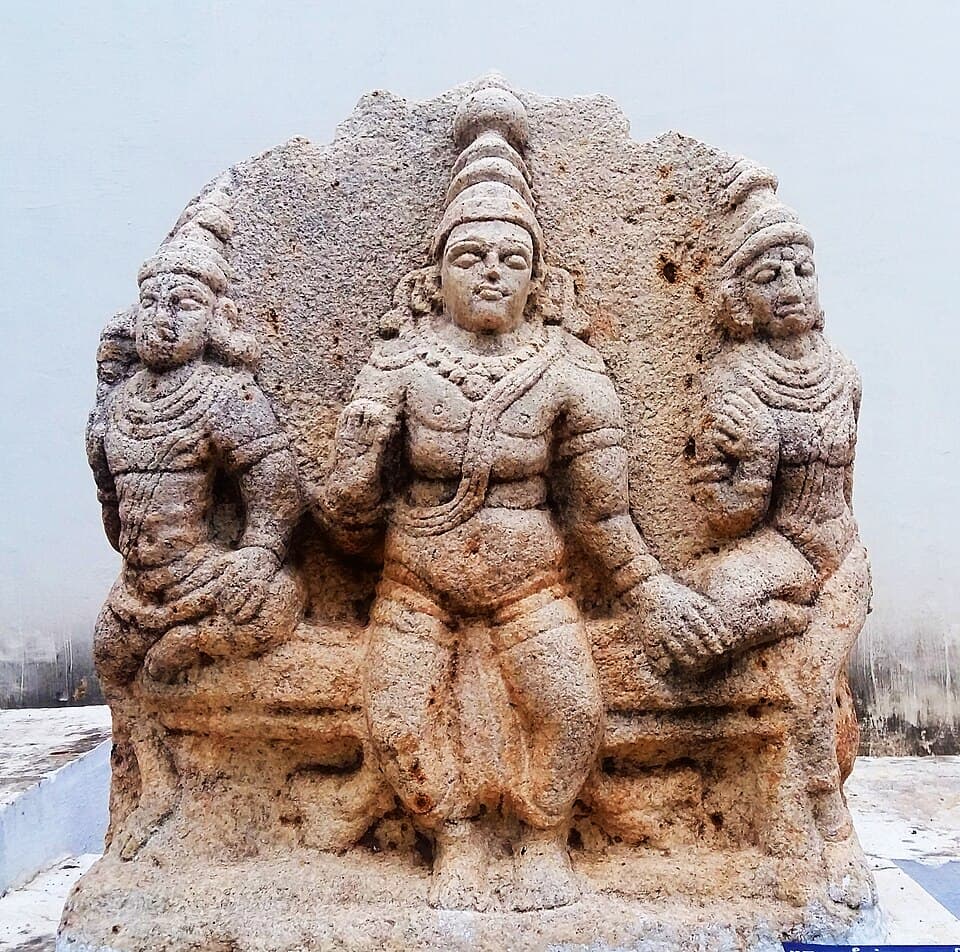
A kuladevata, also known as a kuladaivaṃ, is an ancestral tutelary deity in Hinduism and Jainism.

The Kumari, also known as the Living Goddess, is a centuries‑old tradition in Nepal in which a prepubescent girl from the Newar community is venerated as a living embodiment of the goddess Taleju Bhawani. The practice is central to the religious life of the Kathmandu Valley and draws devotees from both Hindu and Buddhist traditions. While several Kumaris exist across the valley, the most prominent is the Royal Kumari of Kathmandu, who resides in the Kumari Ghar at Durbar Square.
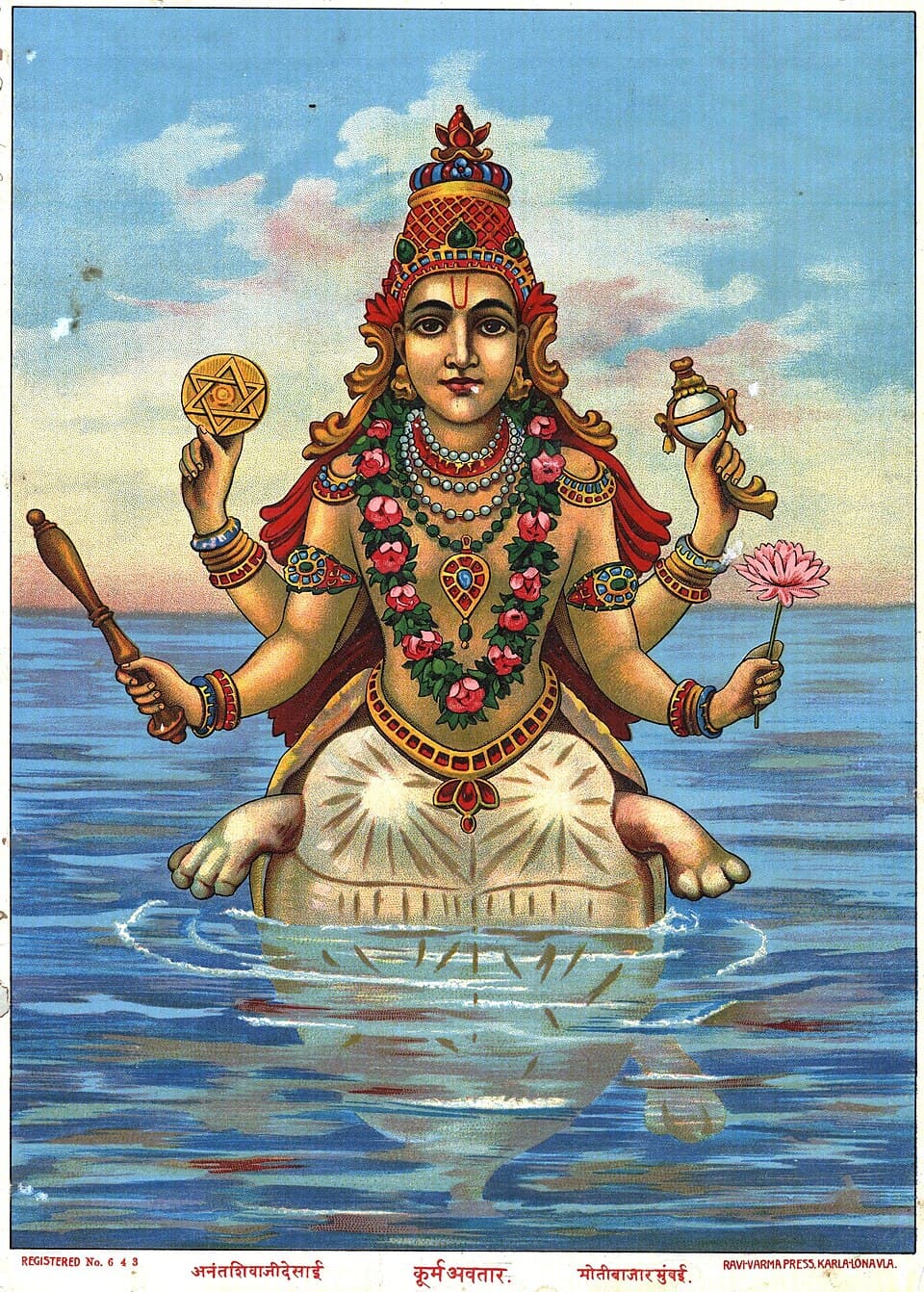
Kurma, is the second avatar of the Hindu preserver deity, Vishnu. Originating in Vedic literature such as the Yajurveda as being synonymous with the Saptarishi called Kashyapa, Kurma is most commonly associated in post-Vedic literature such as the Puranas. He prominently appears in the legend of the churning of the Ocean of Milk, referred to as the Samudra Manthana.
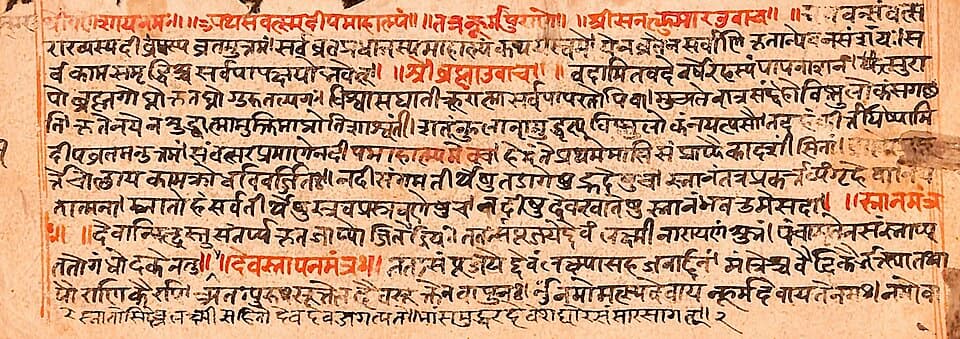
The Kurma Purana is one of the eighteen Mahapurana, and a medieval era text of Hinduism. The text is named after the tortoise avatar of Vishnu.
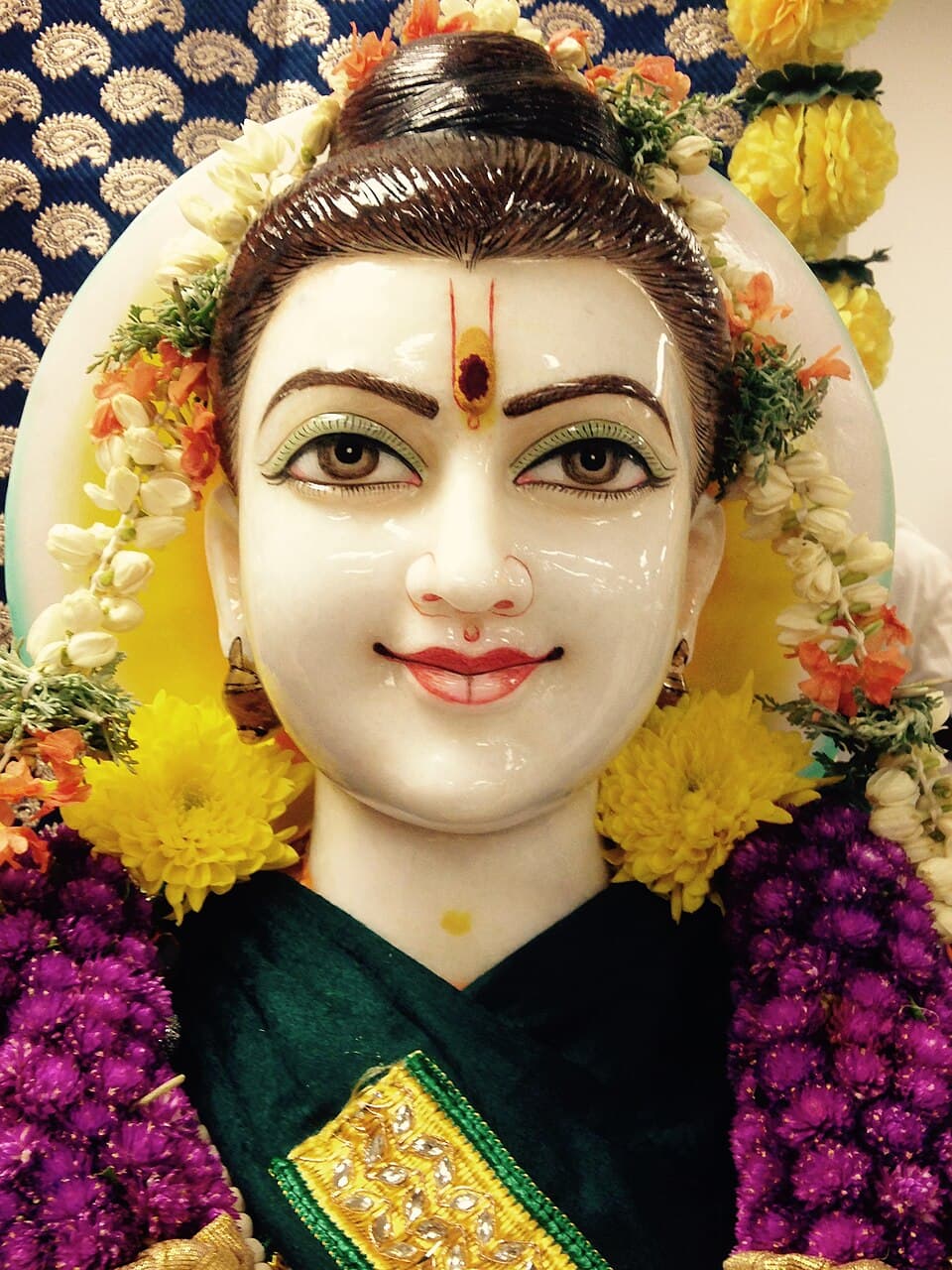
Kurupuram, also known as Kuruvapur, Kurugadda, or Kurugaddi is a holy place associated with Shripad Shri Vallabha who is considered as first avatars (incarnations) of the deity Shri Dattatreya in Kali Yuga. This village is located on the banks of the Krishna River in border of Telangana & Karnataka states, India. On the opposite bank of the river is Vallabhapuram belonging to Telangana state which is also sacred.
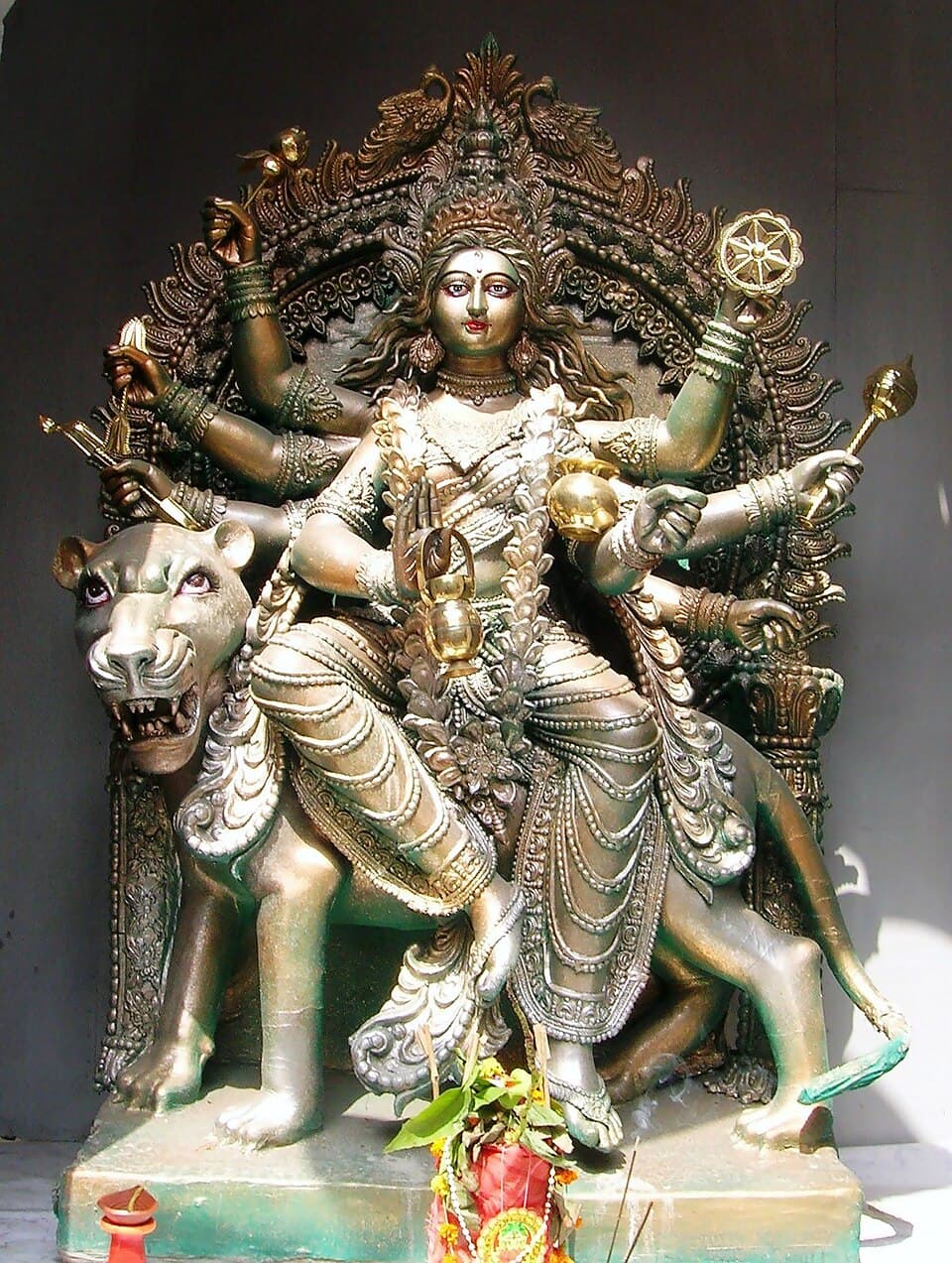
Kushmanda is a form of the Hindu goddess Mahadevi, venerated as the creator of the universe, best-known for her act of liberating the energy of the Sun to the rest of creation. She is the fourth of the Navadurga, and is worshipped on the fourth day of Navaratri.
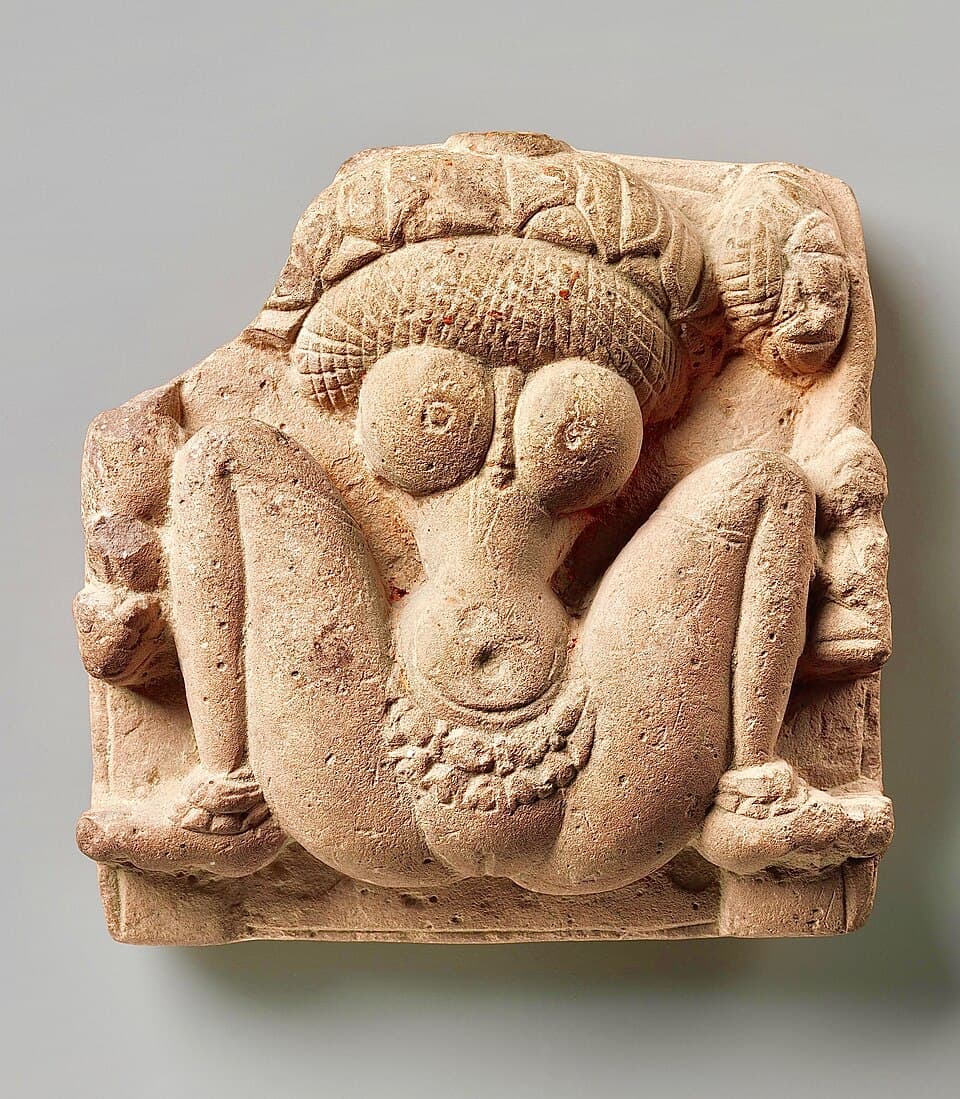
Lajjā Gaurī is a lotus-headed Hindu goddess associated with abundance, fertility and sexuality, sometimes euphemistically described as Lajja ("modesty"). She is sometimes shown in a birthing posture, but without outward signs of pregnancy.
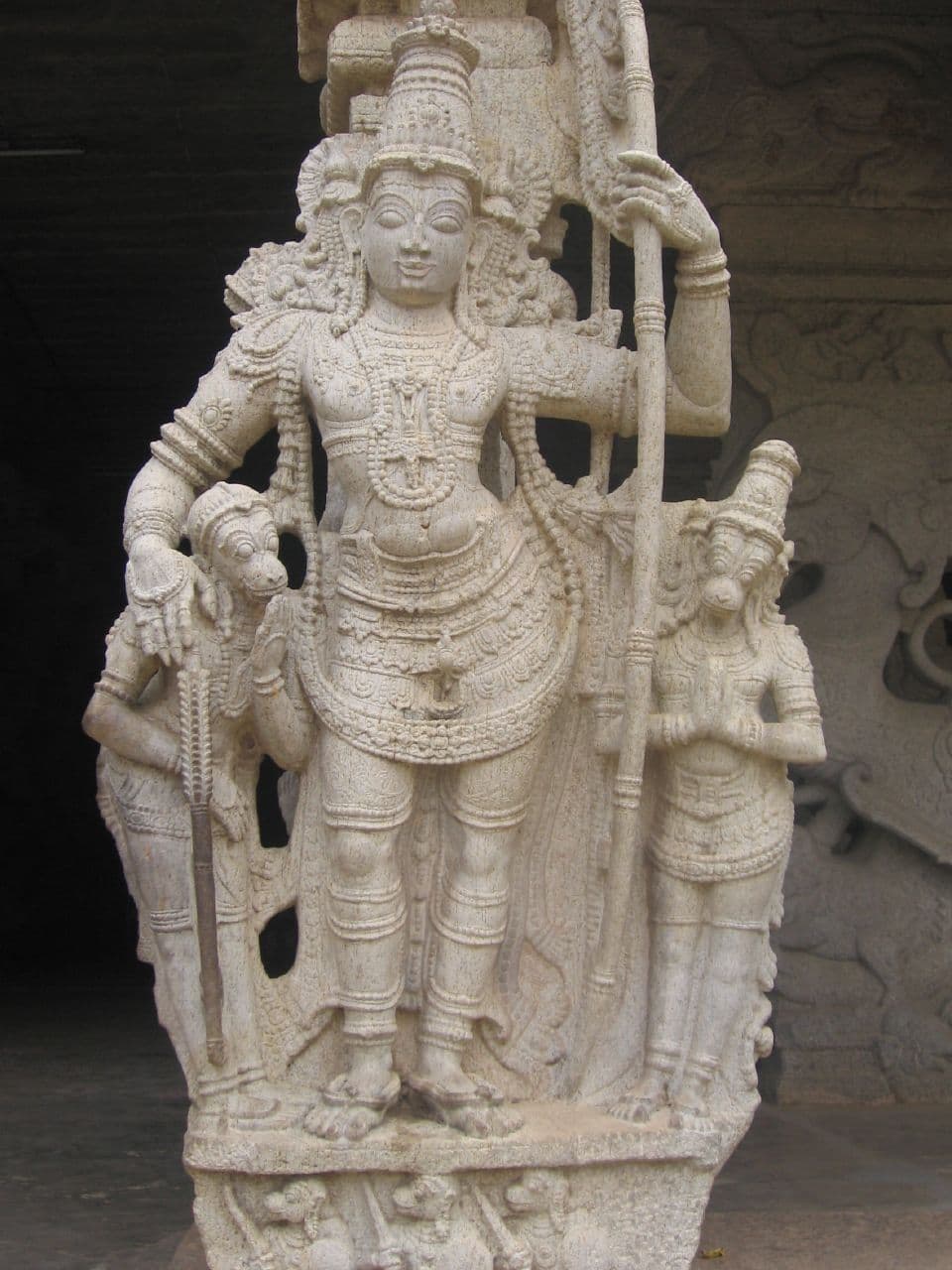
Lakshmana, also known as Laxmana, Lakhan, Saumitra, and Ramanuja, is the younger half-brother of Rama in the Hindu epic Ramayana. He is considered as an incarnation of Shesha, the lord of serpents. Lakshmana was married to Urmila, and is known for his loyalty and dedication towards Rama.
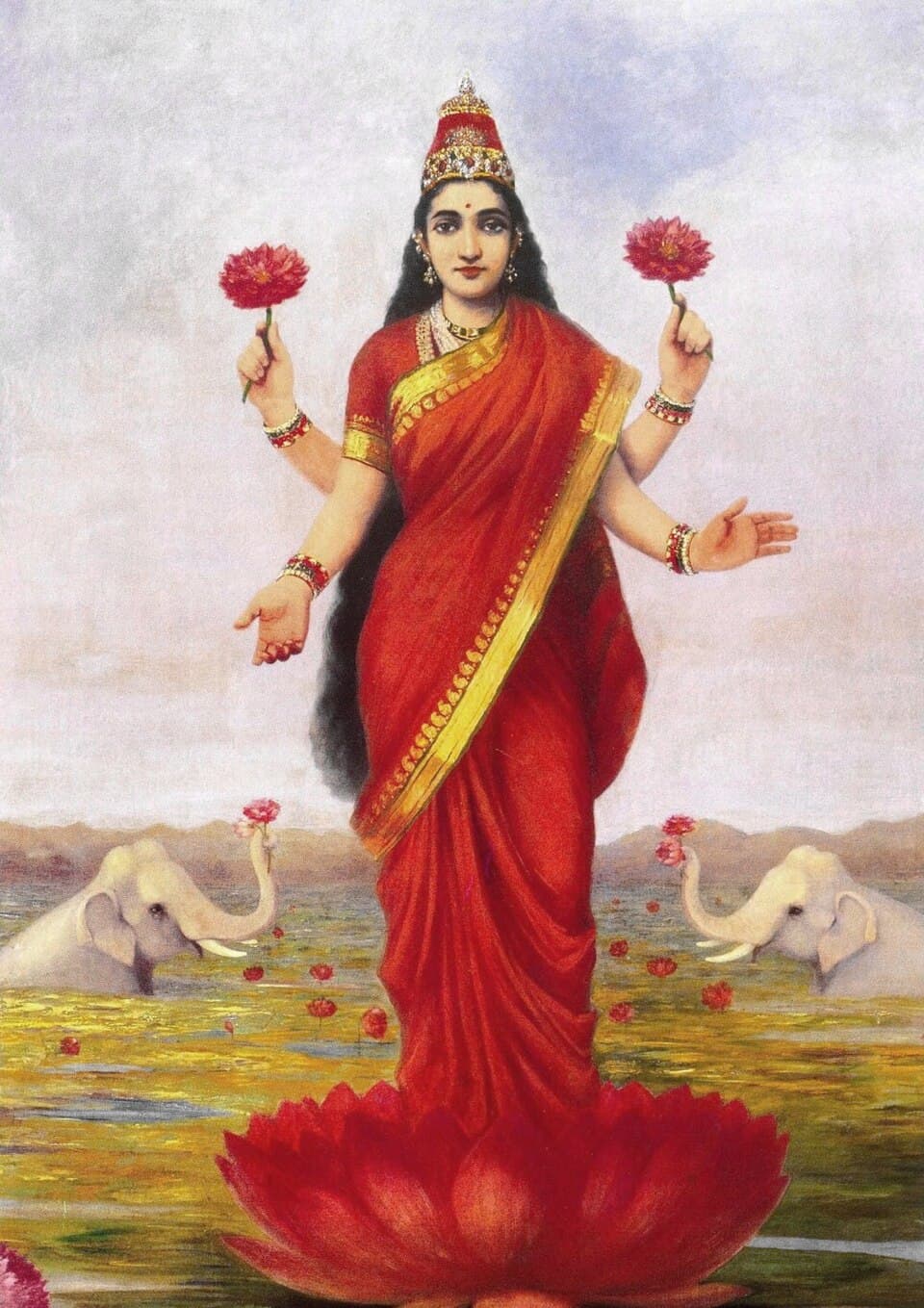
Lakshmi, also known as Shri, is one of the principal goddesses in Hinduism, revered as the goddess of fortune, wealth, prosperity, beauty, fertility, sovereignty, and abundance. She, Parvati, and Sarasvati form the trinity of goddesses called the Tridevi.
Chandralamba Parameshwari, also known as Sri Lakshmi Chandrala Parmeshwari or Chandrala Parmeshwari, is a revered Hindu goddess who is primarily worshipped as an incarnation of the goddess Lakshmi. She is particularly significant in the state of Karnataka, India, and is also considered a family deity (kuladevi) by many Hindu families in the neighboring states of Maharashtra and Andhra Pradesh. The goddess is essentily Lakshmi holding a Shankha and Chakra.
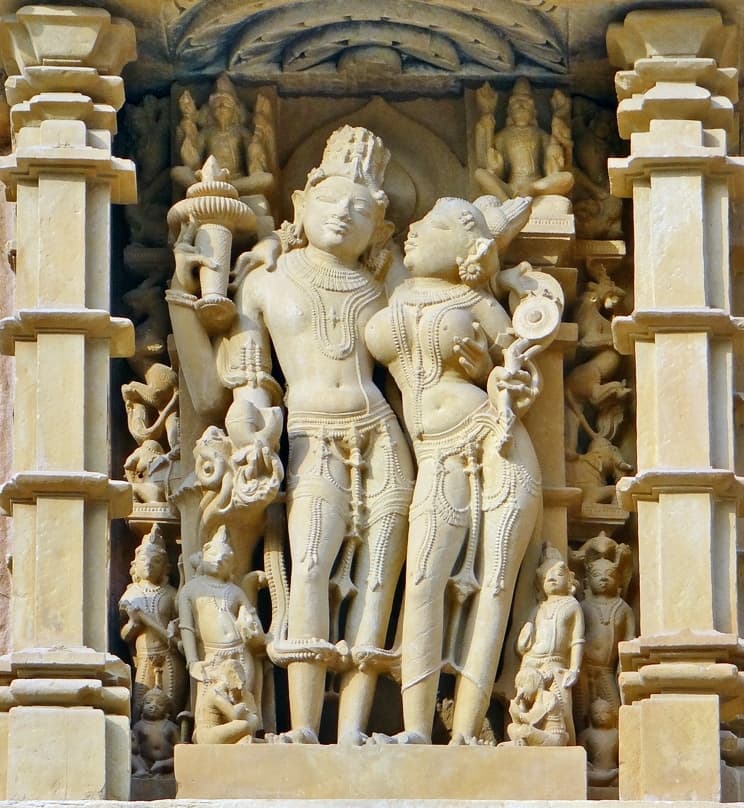
Lakshmi Narayana or Lakshmi Narayan is the dual representation of the Hindu deities Vishnu, also known as Narayana, and his consort, Lakshmi, traditionally featured in their abode, Vaikuntha. The goddess of wealth and prosperity, Lakshmi, is depicted standing beside Vishnu, who holds the Panchajanya (conch), Kaumodaki (mace), Padma (lotus), and the Sudarshana Chakra (discus). Another depiction of Lakshmi Narayana portrays Lakshmi in the service of Narayana, who reclines on the serpent Shesha, floating in Kshira Sagara, the Ocean of Milk.

The Lakshmi Tantra is one of the Pancharatra texts that is dedicated to the goddess Lakshmi and Narayana (Vishnu) in Hinduism. It forms a part of the Agamas. The Lakshmi Tantra is devoted to the worship of the goddess Lakshmi, although it also glorifies all women in general.
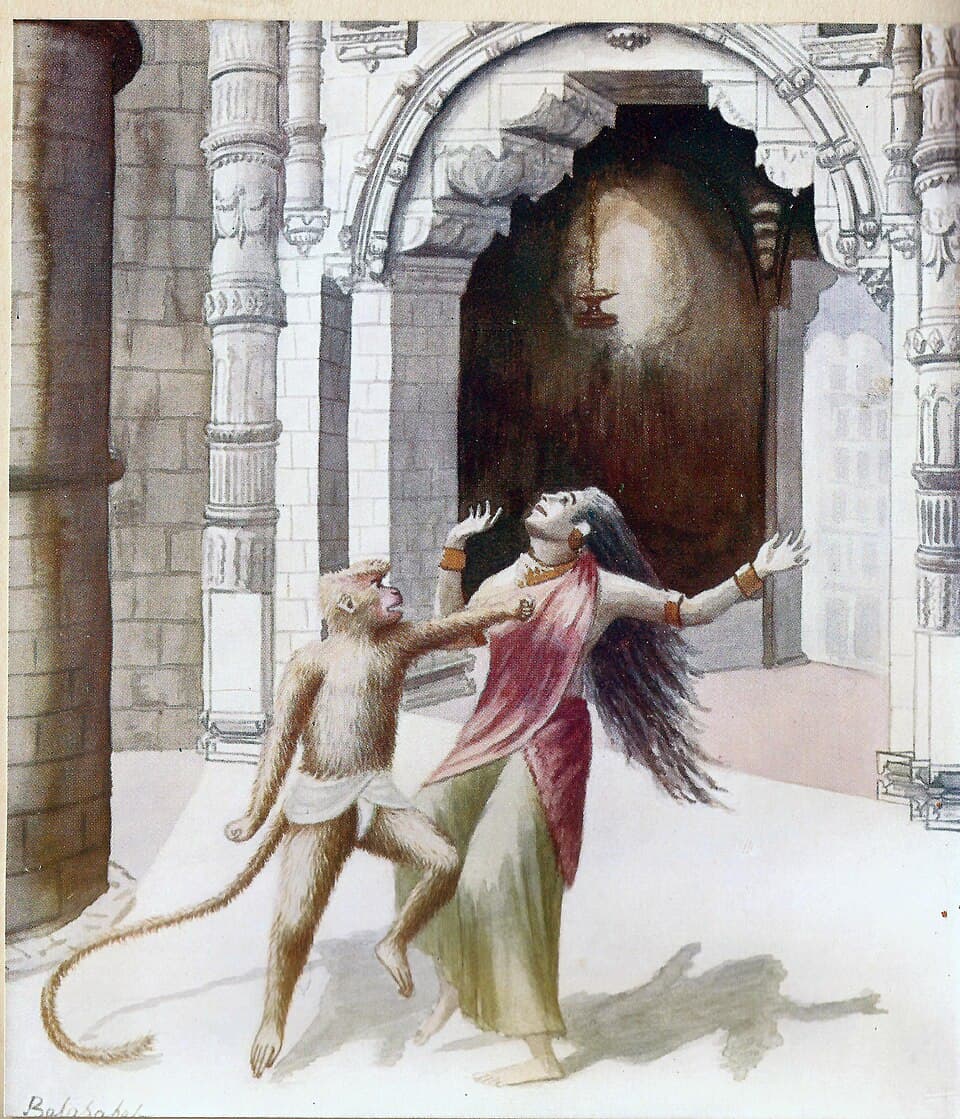
Lankini was a powerful demoness from the ancient Hindu epic Ramayana. Her name literally means "The woman of Lanka" as she was the female personification of the city itself and was the guardian to the doors of Lanka.
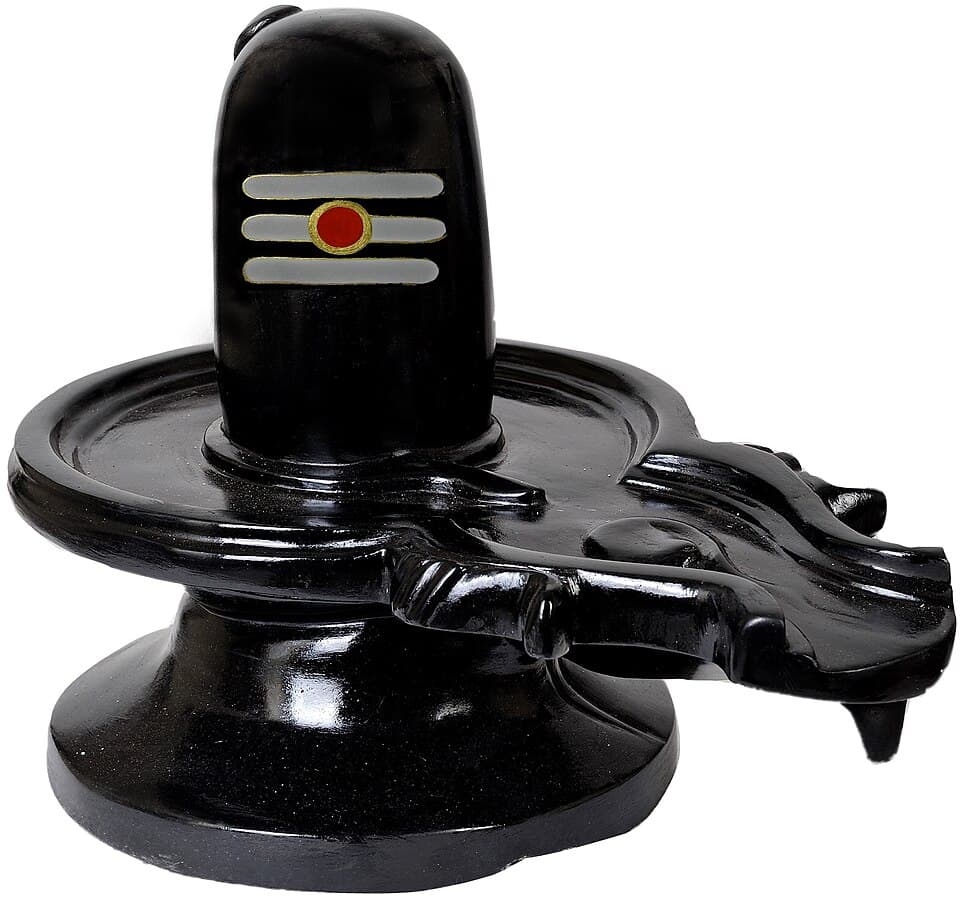
A lingam, sometimes referred to as linga or Shiva linga, is an abstract or aniconic representation of the Hindu god Shiva in Shaivism. The word lingam is found in the Upanishads and epic literature, where it means a "mark, sign, emblem, characteristic", the "evidence, proof, symptom" of Shiva and Shiva's power.
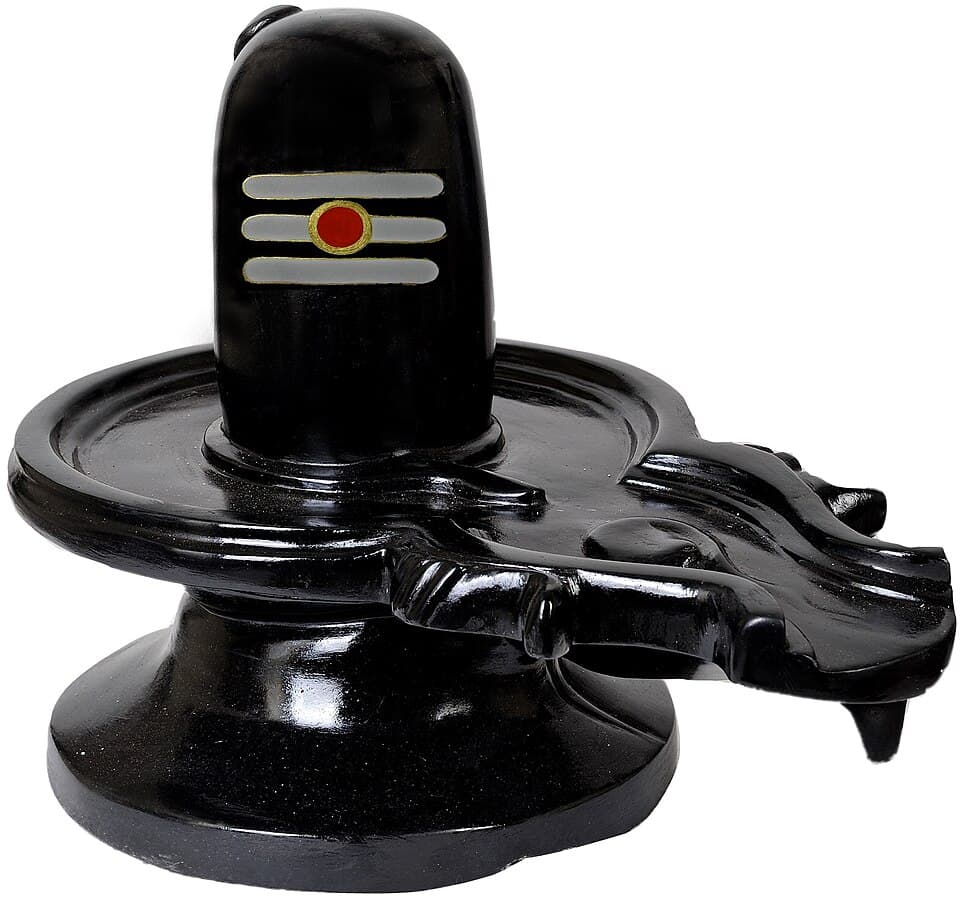
A lingam, sometimes referred to as linga or Shiva linga, is an abstract or aniconic representation of the Hindu god Shiva in Shaivism. The word lingam is found in the Upanishads and epic literature, where it means a "mark, sign, emblem, characteristic", the "evidence, proof, symptom" of Shiva and Shiva's power.
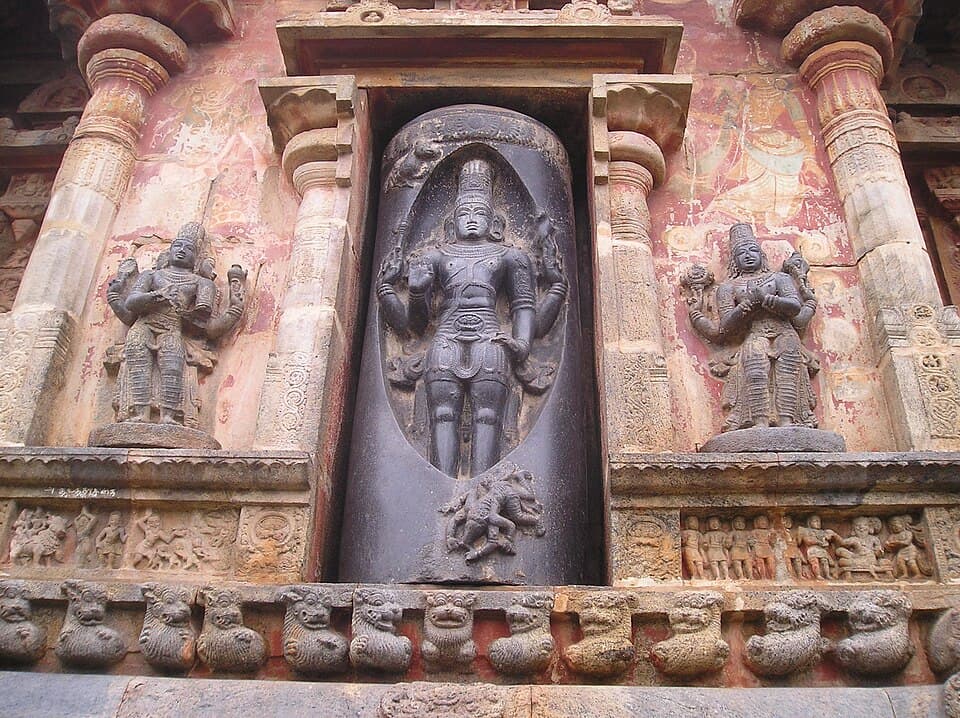
Lingōdbhava (also called Lingobhava, the "emergence of the Linga") is an iconic representation of the Hindu god Shiva, commonly seen in temples in Tamil Nadu.
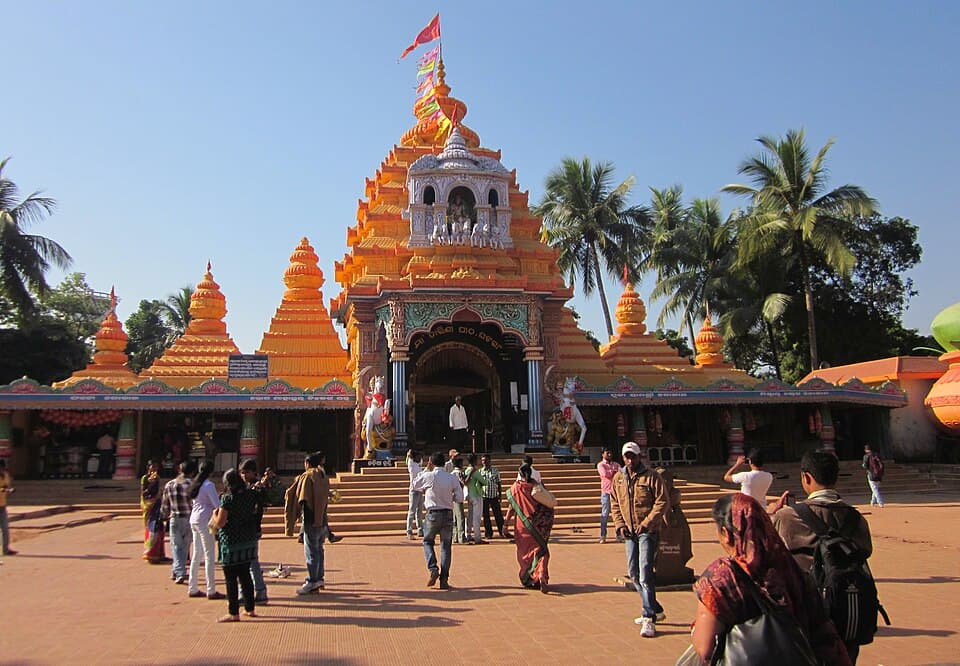
The Maa Tarini Temple in Ghatgaon, Odisha, India, is a famous temple dedicated to the Hindu goddess Maa Tarini.
Maalikapurathamma is a Hindu goddess enshrined in a small temple at Sabarimala Ayyappan temple. The Maalikapurathamma temple is located within the Sabarimala temple complex and is visited after visiting the main shrine.
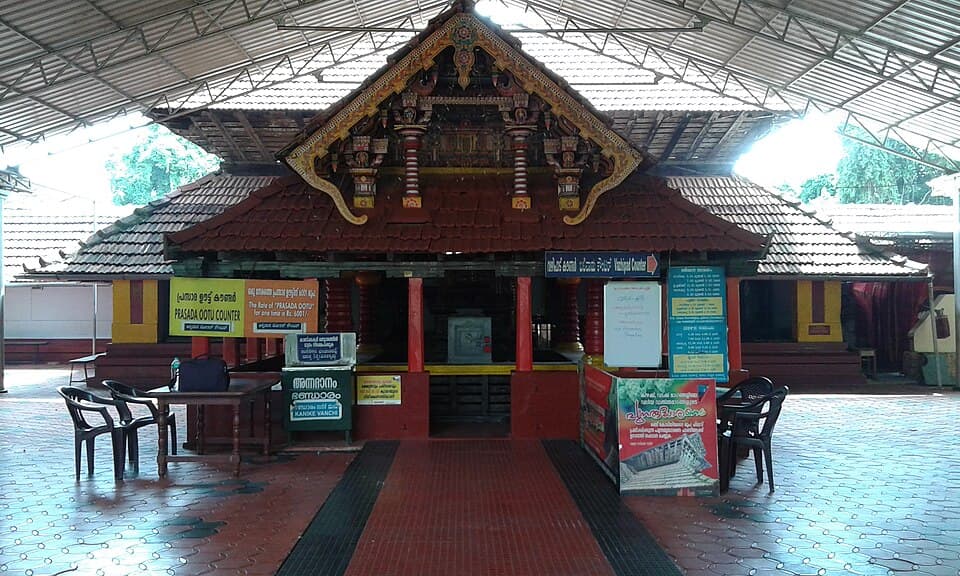
Thiruvarkadu Bhagavathi Temple is a famous temple dedicated to Bhadrakali in Kerala. The deity is the Fierce form of Bhadrakali. The Bhagavathy is addressed by tantrics in the vicinity as Tiruvarkkad Achchi due to this.

Madhava is one of the primary epithets of Vishnu or Krishna. The word Mādhava in Sanskrit is a vṛddhi derivation of the word Madhu, which means honey. It is a title of Krishna, referring to his lineage as 'he who appeared the Madhu dynasty'.
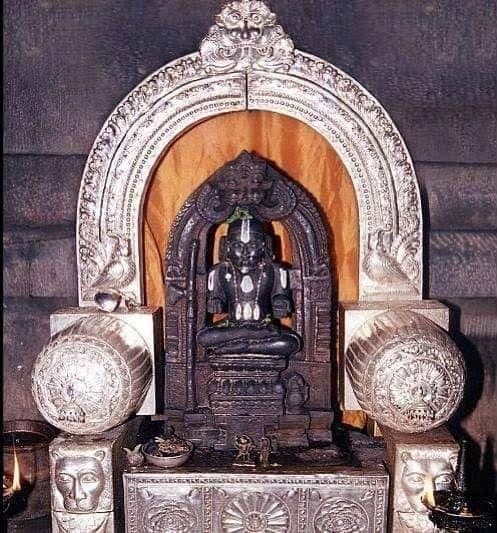
Madhvacharya, also known as Purna Prajna and Ānanda Tīrtha, was an Indian philosopher, theologian and the chief proponent of the Dvaita (dualism) school of Vedanta. Madhva called his philosophy Tattvavāda meaning "arguments from a realist viewpoint". Madhvacharya was born at Pajaka near Udupi on the west coast of Karnataka state in 13th-century India.
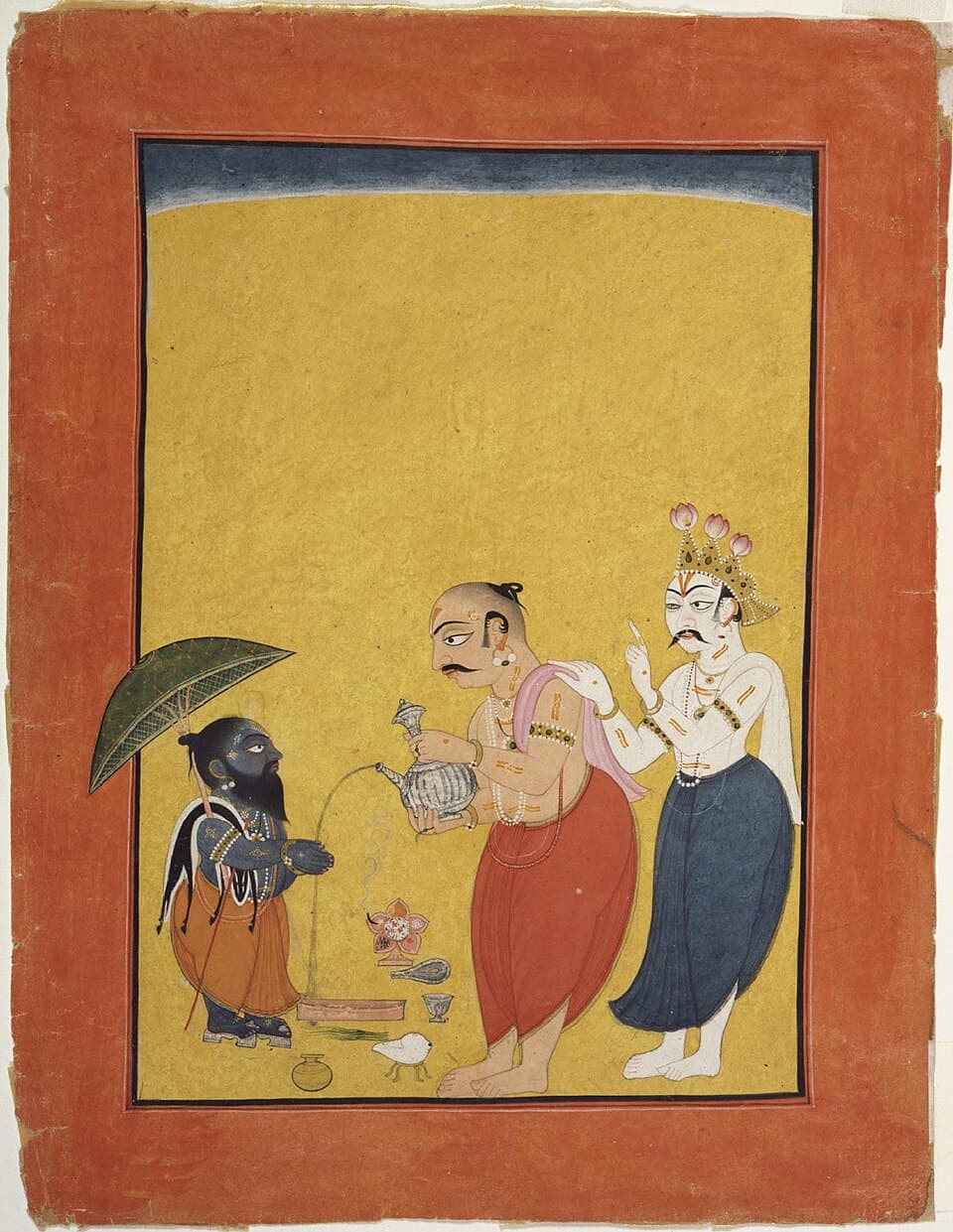
Mahabali, also known as Bali, Indrasenan, or Māveli, is a daitya king featured in Hinduism. He is the grandson of Prahlada, and a descendant of the sage Kashyapa. There are many versions of his legend in ancient texts such as Ramayana, Mahabharata, Shatapatha Brahmana, and many Puranas.
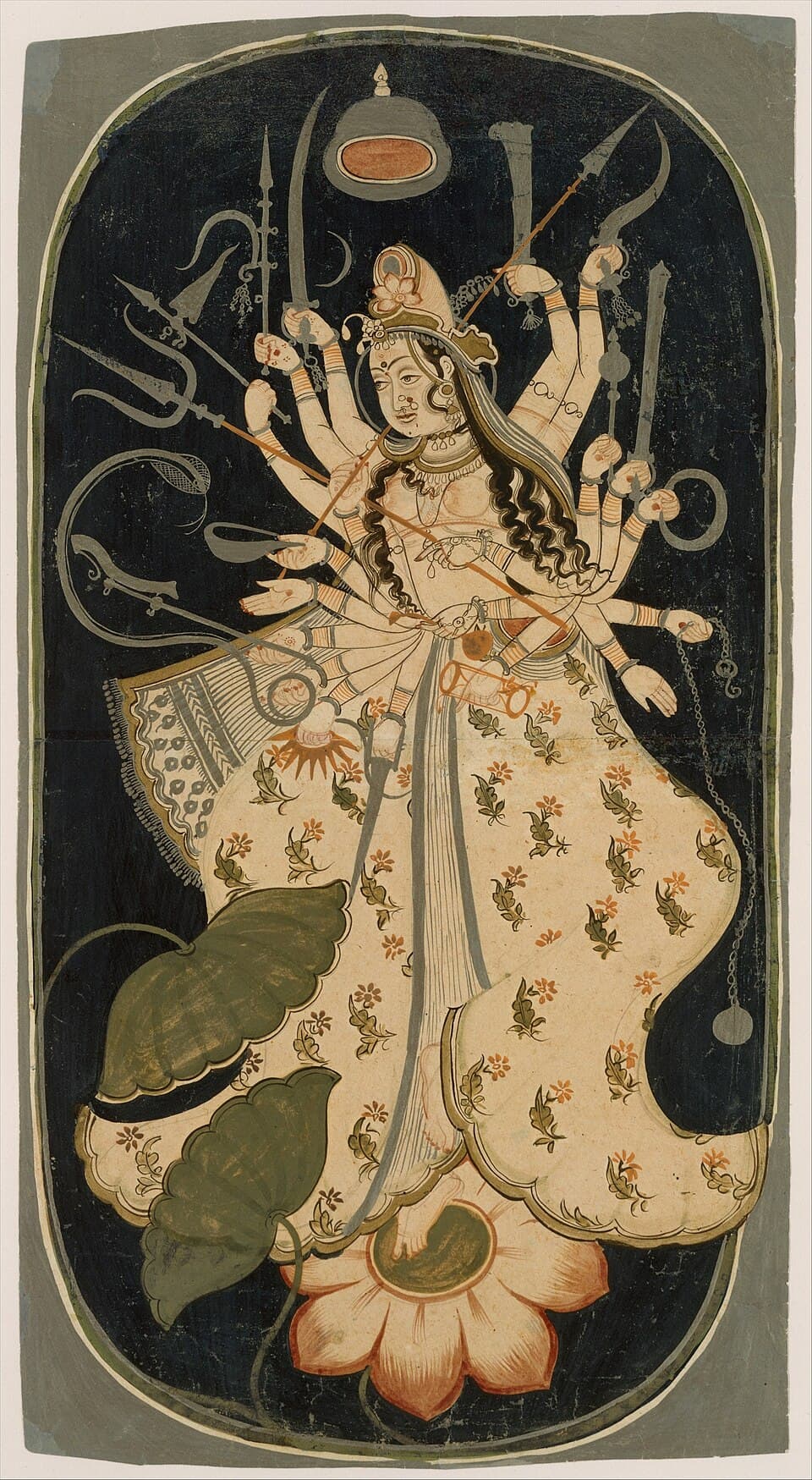
Mahadevi, also referred to as Devi, Mahamaya and Adi Parashakti, is the supreme goddess in Hinduism. According to the goddess-centric sect Shaktism, all Hindu gods and goddesses are manifestations of this great goddess, considered the ultimate reality or Para Brahman. In Shakta texts, Mahadevi is mentioned as Mulaprakriti, having five primary forms—Parvati, Lakshmi, Sarasvati, Gayatri and Radha, collectively known as Panchaprakriti.
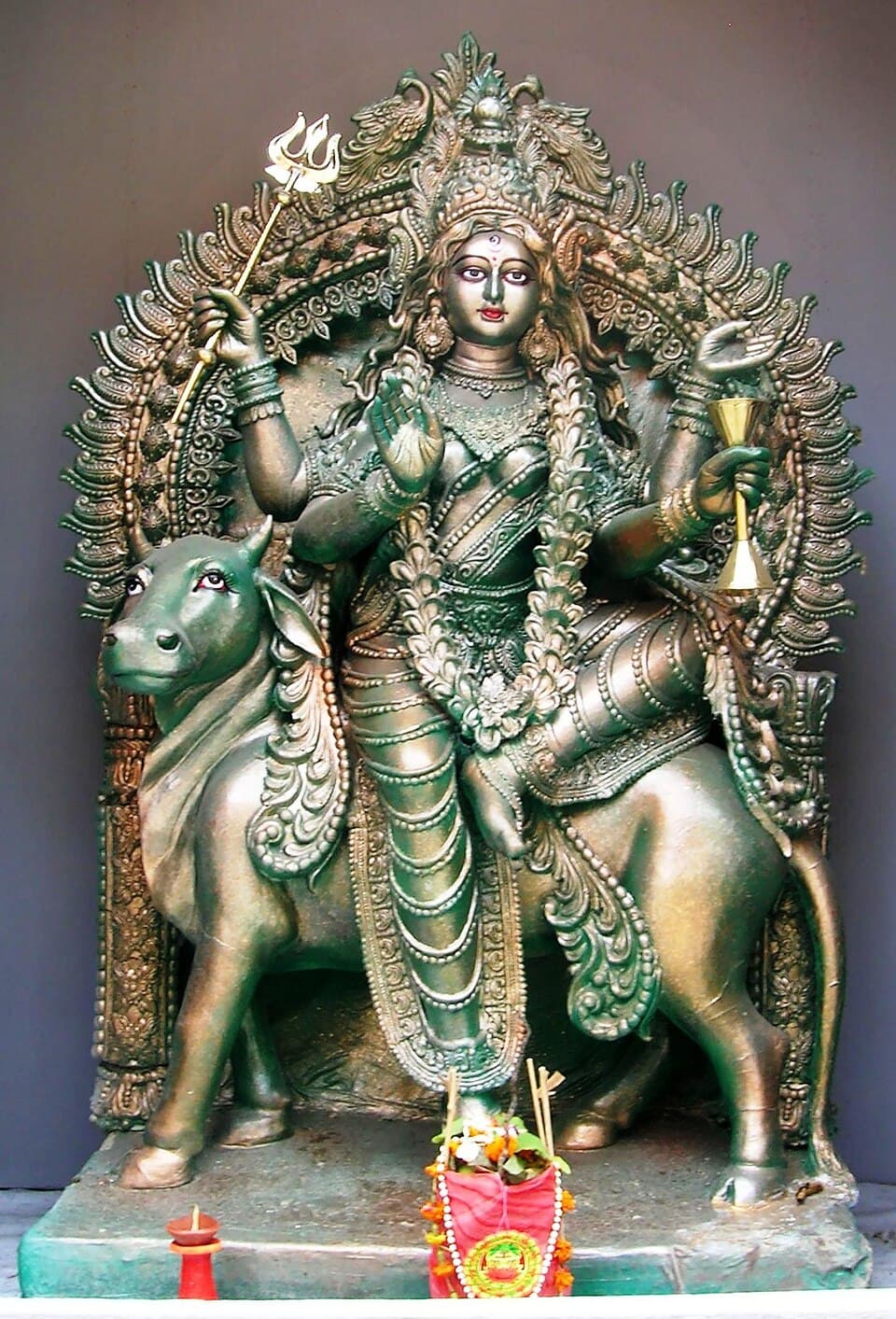
Mahagauri is a form of the Hindu goddess Mahadevi, venerated as the goddess of beauty and purity. She is the eighth of the Navadurga, and is worshipped on the eighth day of Navaratri.
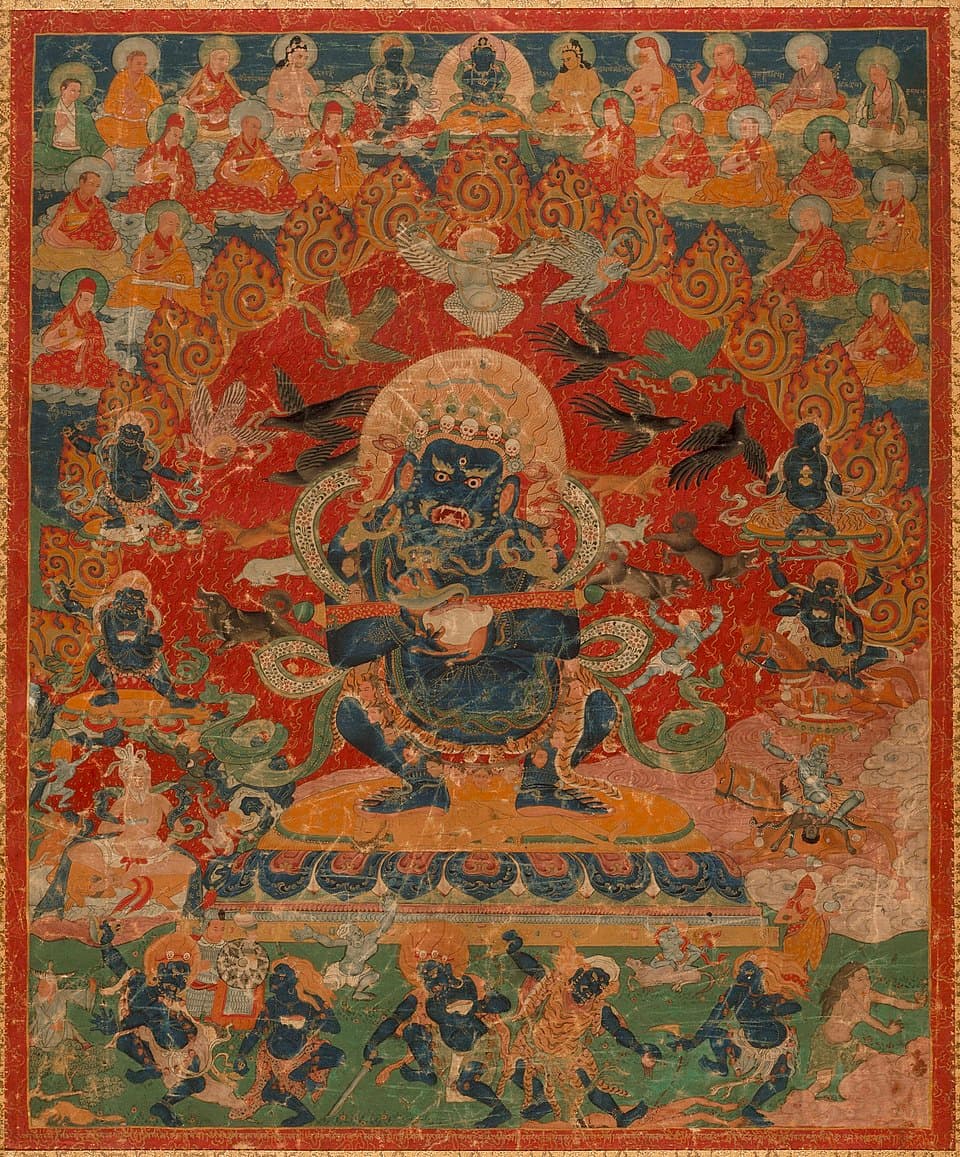
Mahākāla is a deity common to Hinduism and Buddhism.
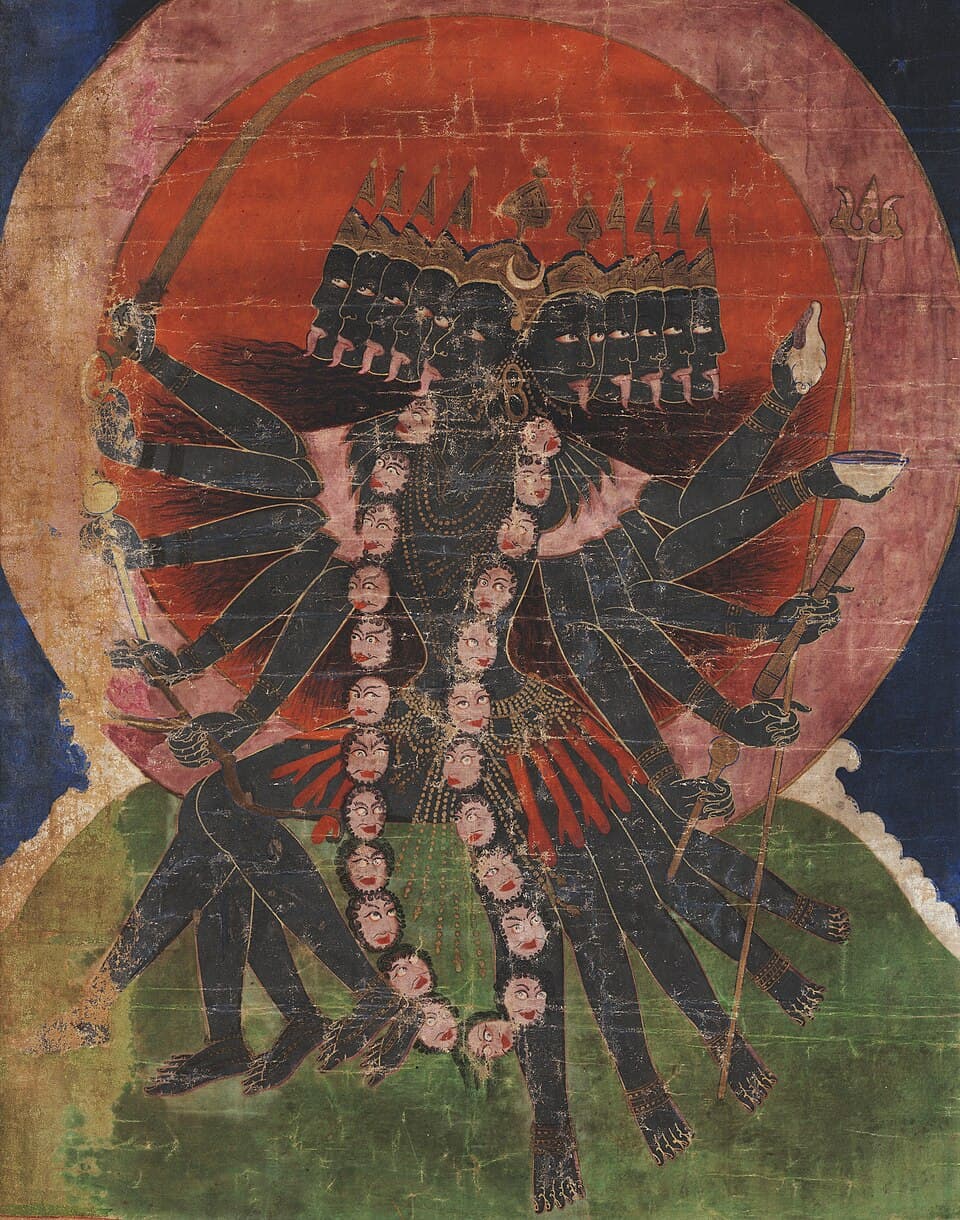
Mahakali is a deity common to Hinduism and Buddhism. In Hinduism, she is the goddess of time and death in the goddess-centric tradition of Shaktism. She is also known as the supreme being in various Hindu tantras and Puranas.
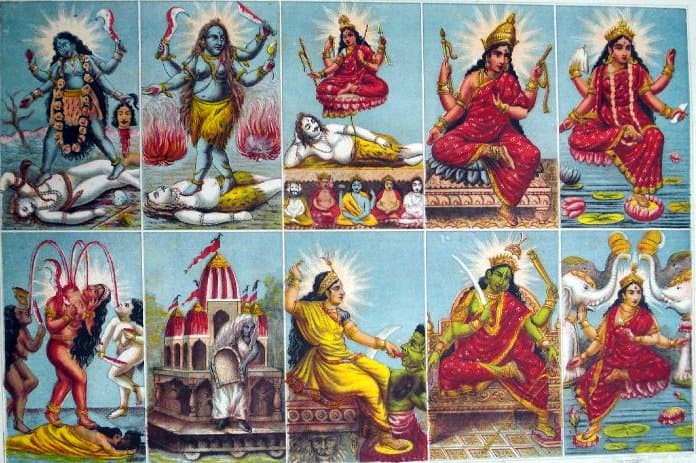
The Mahavidya are a group of ten Hindu Tantric goddesses. The ten Mahavidyas are usually named in the following sequence: Kali, Tara, Tripura Sundari, Bhuvaneshvari, Bhairavi, Chhinnamasta, Dhumavati, Bagalamukhi, Matangi and Kamalatmika.
Maheshwari, also spelled Maheshvari, is a Hindu caste of India, originally from what is now the state of Rajasthan. Their traditional occupation is that of commerce and as such they form part of the wider Bania occupation-based community that also includes castes such as the Khandelwals, Oswals and Agrawals. The Banias of Rajasthan are often known as Marwaris, and are also known as Mahajans, a term which community members prefer because Bania can have negative connotations and imply a lower social position than that which they believe themselves to hold.
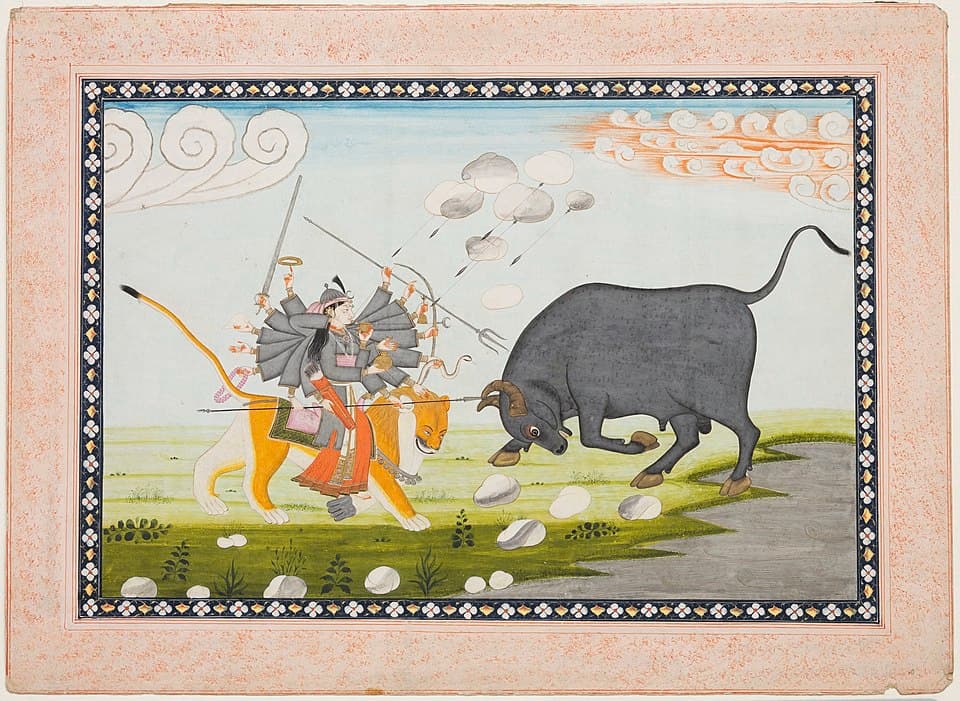
Mahishasura is a bovine asura in Hinduism. He is depicted in Hindu literature as a deceitful demon who pursued his evil ways by shape-shifting. Mahishasura was the son of the asura Rambha and the brother of buffalo-demoness named Mahishi.
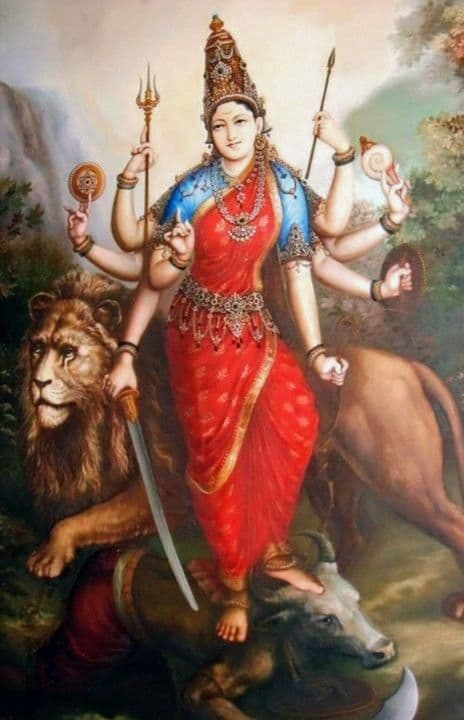
Durga is one of the most important deities in Hinduism. She is widely worshipped by the followers of the goddess-centric sect, Shaktism, regarded as the principal aspect of Mahadevi, the Ultimate Reality in this sect. Durga has importance in other denominations like Shaivism and Vaishnavism.
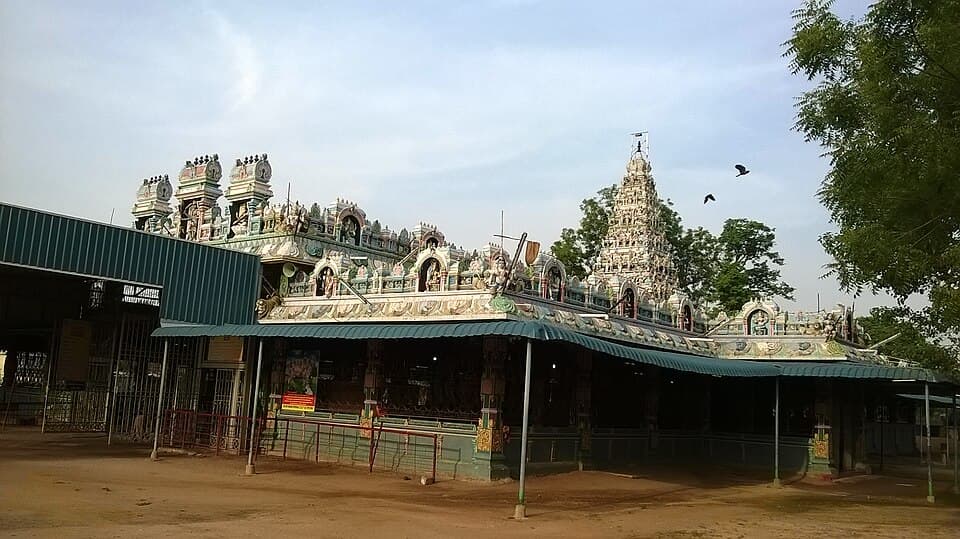
Maisamma, also known as Mesai and additionally spelt Mesko, Amma in Telugu or Aai in Marathi is a Hindu folk goddess. She is mainly worshipped as a South Indian mother goddess, predominantly in the rural areas of Telangana, Karnataka and Maharashtra. She is believed to protect the cattle.
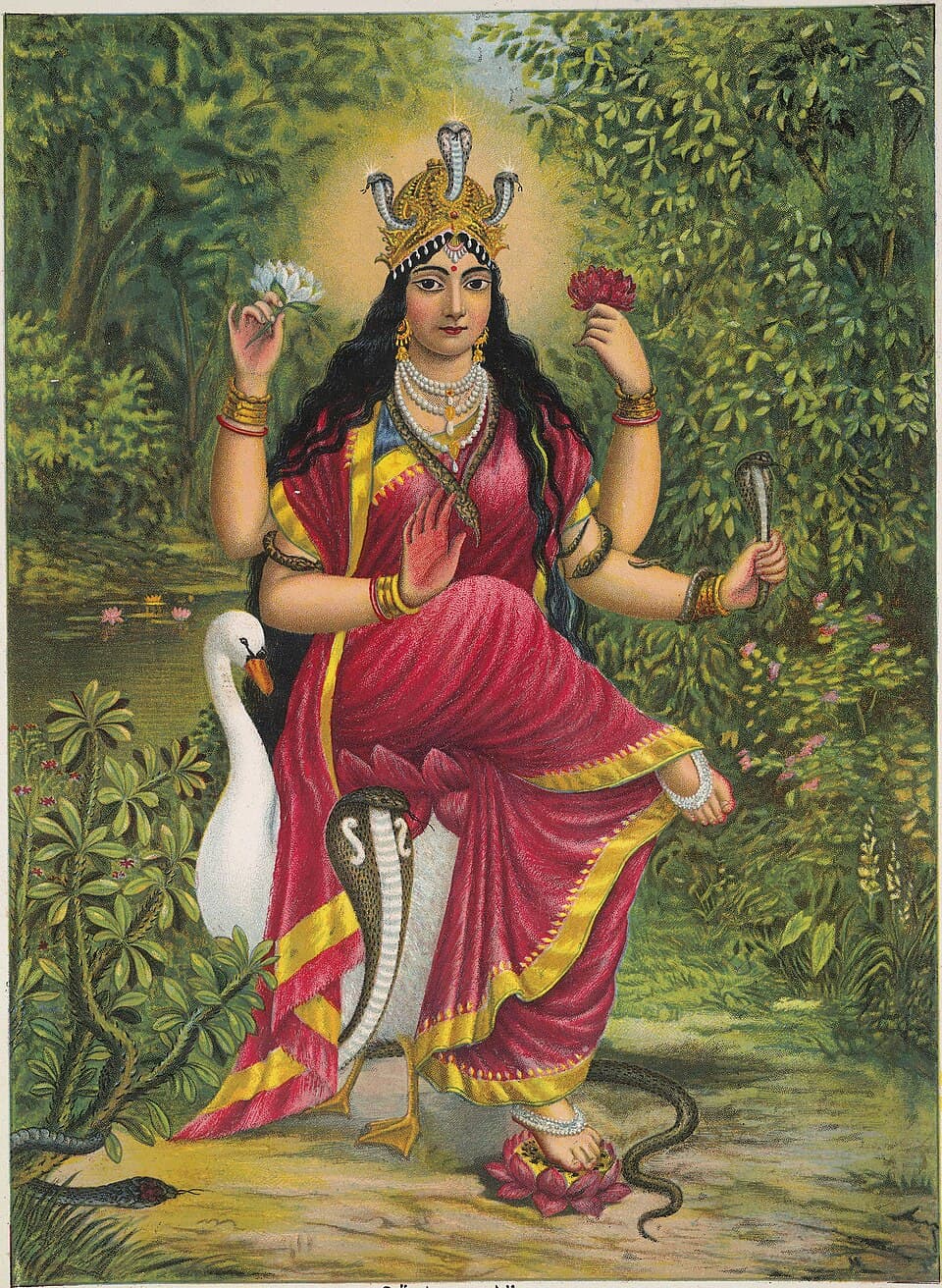
Manasa is a Hindu goddess of snakes. She is worshipped mainly in Bihar, Odisha, Bengal, Andhra Pradesh, Chhattisgarh, Jharkhand, Uttarakhand, Uttar Pradesh, Haryana, Punjab, Rajasthan, Assam and other parts of northeastern India, chiefly for the prevention and cure of snakebite, and also for fertility and prosperity. In Hindu texts, Manasa is the daughter of sage Kashyapa, sister of Vasuki—king of Nāgas (serpents)—and wife of sage Jaratkaru.
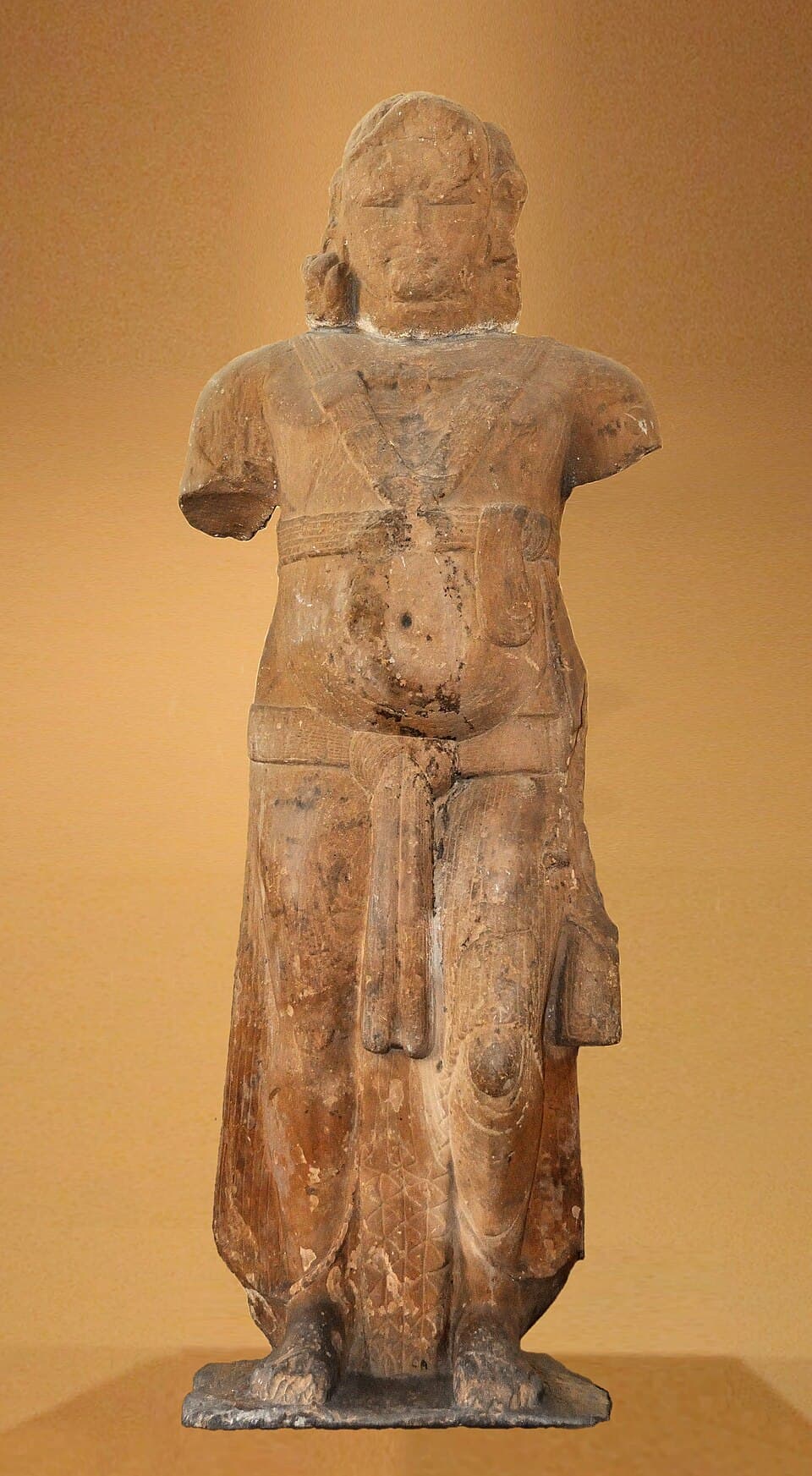
Maṇibhadra is one of the major yakshas. He was a popular deity in ancient India.

Manikeswari is one of the popular Hindu deities in Odisha. There are many Manikeswari temples present in the Western and Southern parts of Odisha.
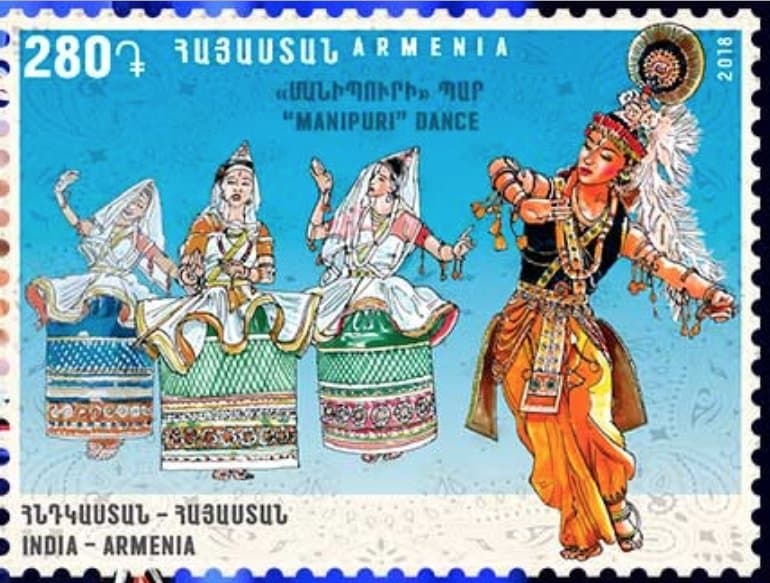
Manipuri dance, sometimes also referred to as the Manipuri Raas Leela, is a jagoi and is one of the major Indian classical dance forms, originating from the state of Manipur. It is one of the Meitei intangible cultural heritage. The "Manipuri dance" is a confluence of four ritualistic traditions – Lai Haraoba, Huyen Langlon, Meitei Nata Sankirtana and Raaslila.
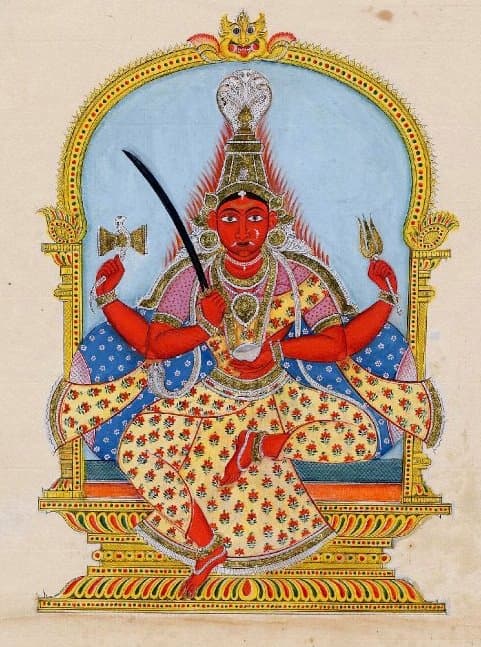
Mariamman, often abbreviated to Amman, is a Tamil goddess of weather, predominantly venerated in the rural areas of South India. Originally from the ancient religious practices and beliefs deemed as Dravidian folk religion, she has since been assimilated with Hinduism. Her festivals are held during the late summer/early autumn season of Ādi throughout Tamil Nadu and the Deccan region, the largest being the Ādi Thiruviḻa.
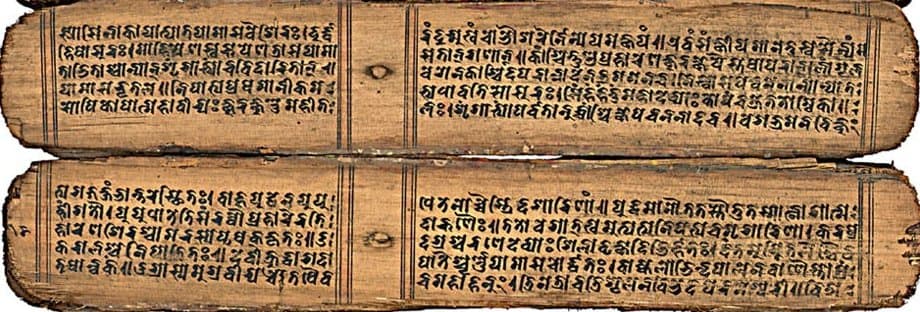
The Markandeya Purana is a Sanskrit text of Hinduism, and one of the eighteen major Puranas. The text's title Markandeya refers to a sage in Hindu literature who is the central character in two legends, one linked to Shiva and other to Vishnu. The Markandeya text is one of the Puranas that lacks a sectarian presentation of ideas in favor of any particular god, and it is rare to read any deity being invoked or deity prayers in the entire text.
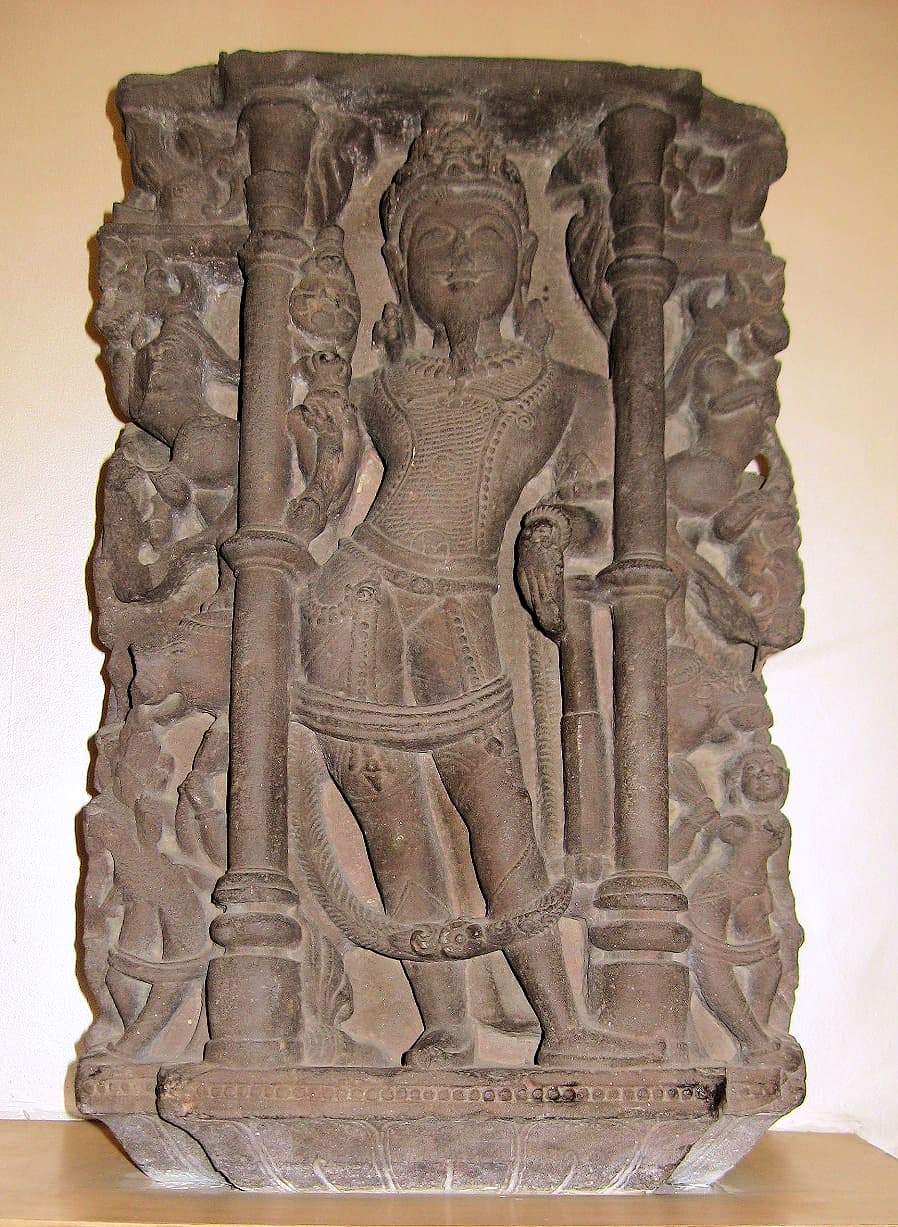
Martanda in Hinduism is the eighth and last of the Vedic solar deities called Adityas. He is known as an Aditya by virtue of being born to Aditi.
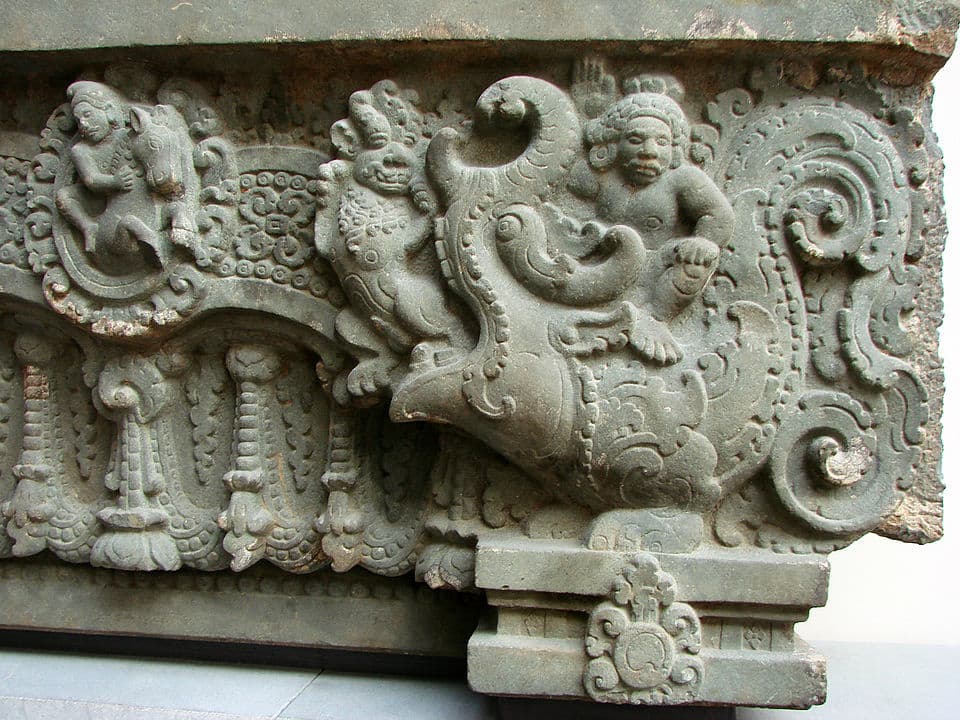
In Hinduism, the Maruts, also known as the Marutagana and sometimes identified with Rudras, are storm deities and sons of Rudra and Prisni. The number of Maruts varies from 27 to sixty. They are very violent and aggressive, described as armed with golden weapons i.
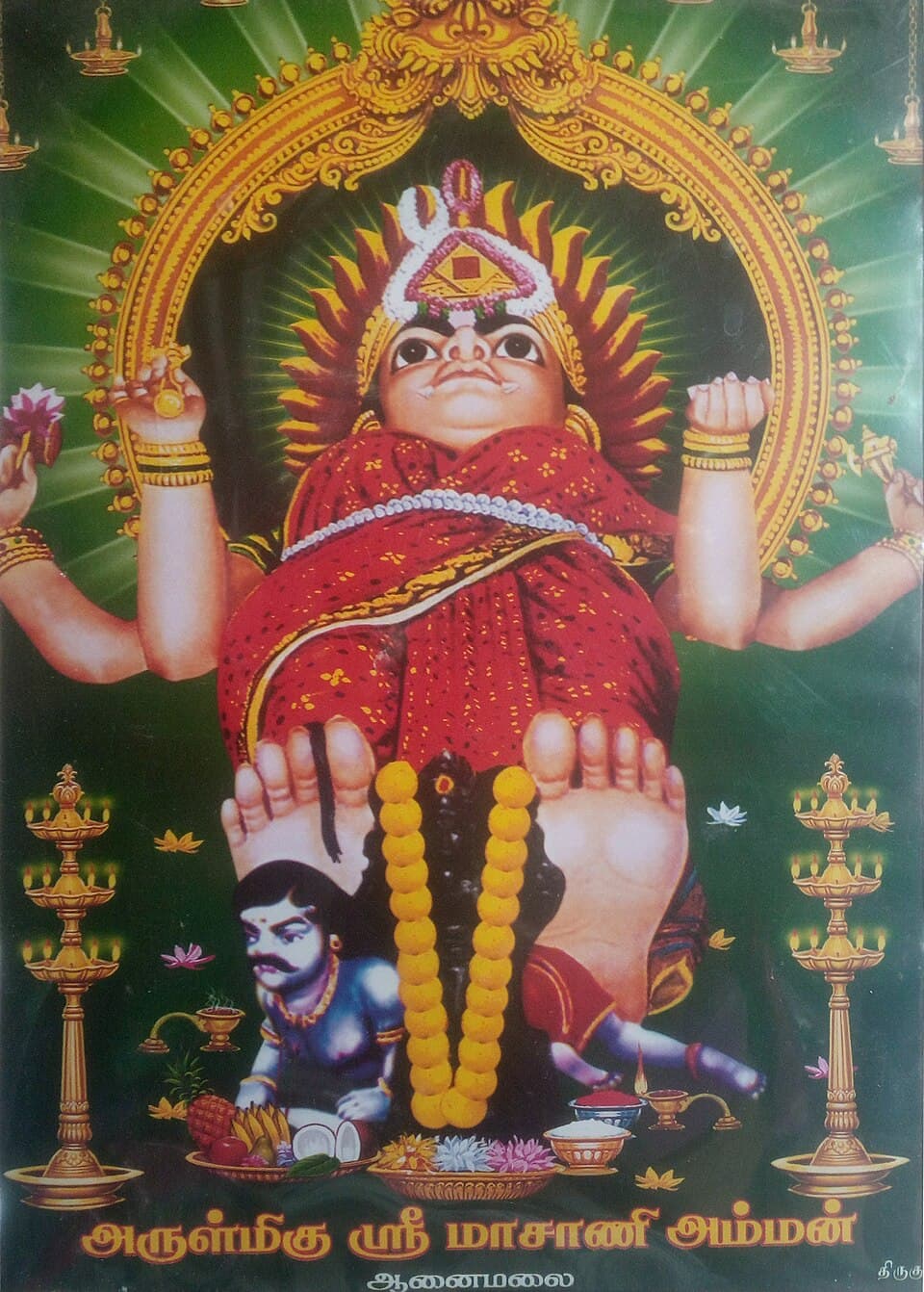
Masani Amman is a Hindu deity. She is primarily worshipped as a family deity (kuladevi) by certain classes in Tamil Nadu, where She is regarded as an avatar (incarnation) of Adi Parashakti. Her chief temple is located in Anaimalai, Pollachi area, Coimbatore district of Tamil Nadu state, India.
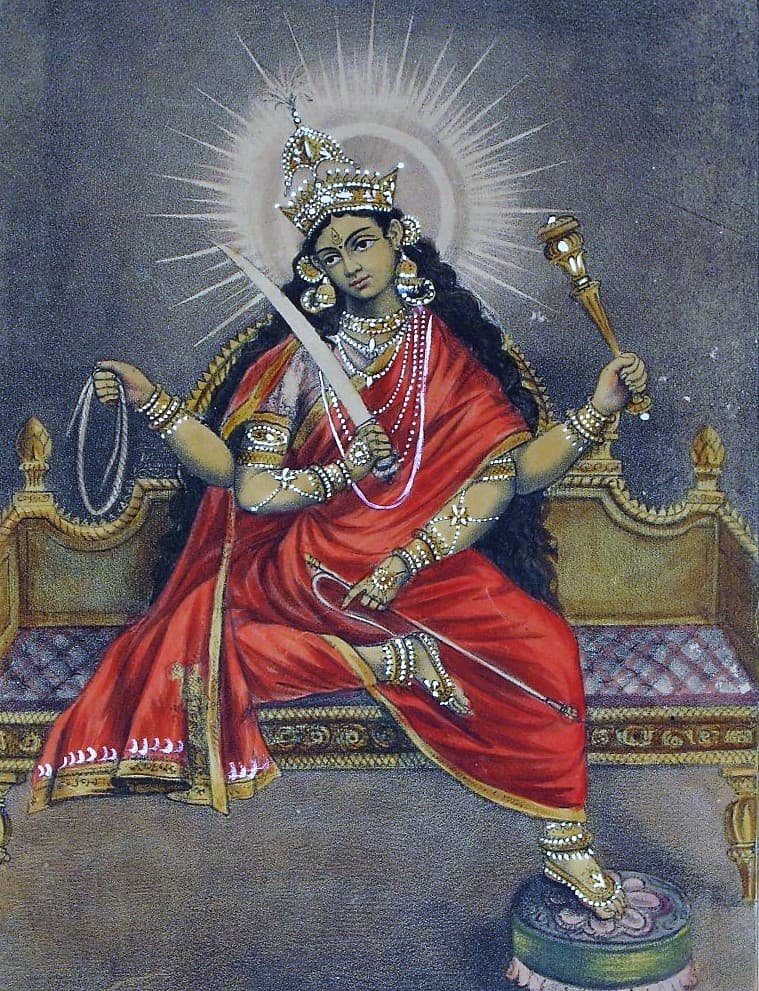
Matangi is a Hindu goddess. She is one of the Mahavidyas, ten Tantric goddesses and an aspect of the Hindu Divine Mother. She is considered to be the Tantric form of Sarasvati, the goddess of music and learning.
Matrikas (Sanskrit: मातृका (singular), IAST: mātṛkā, lit. "mothers"), also called Mataras or Matri, are a group of mother goddesses in Hinduism. The Matrikas are often depicted in a group of seven, the Saptamatrika(s) (Seven Mothers).
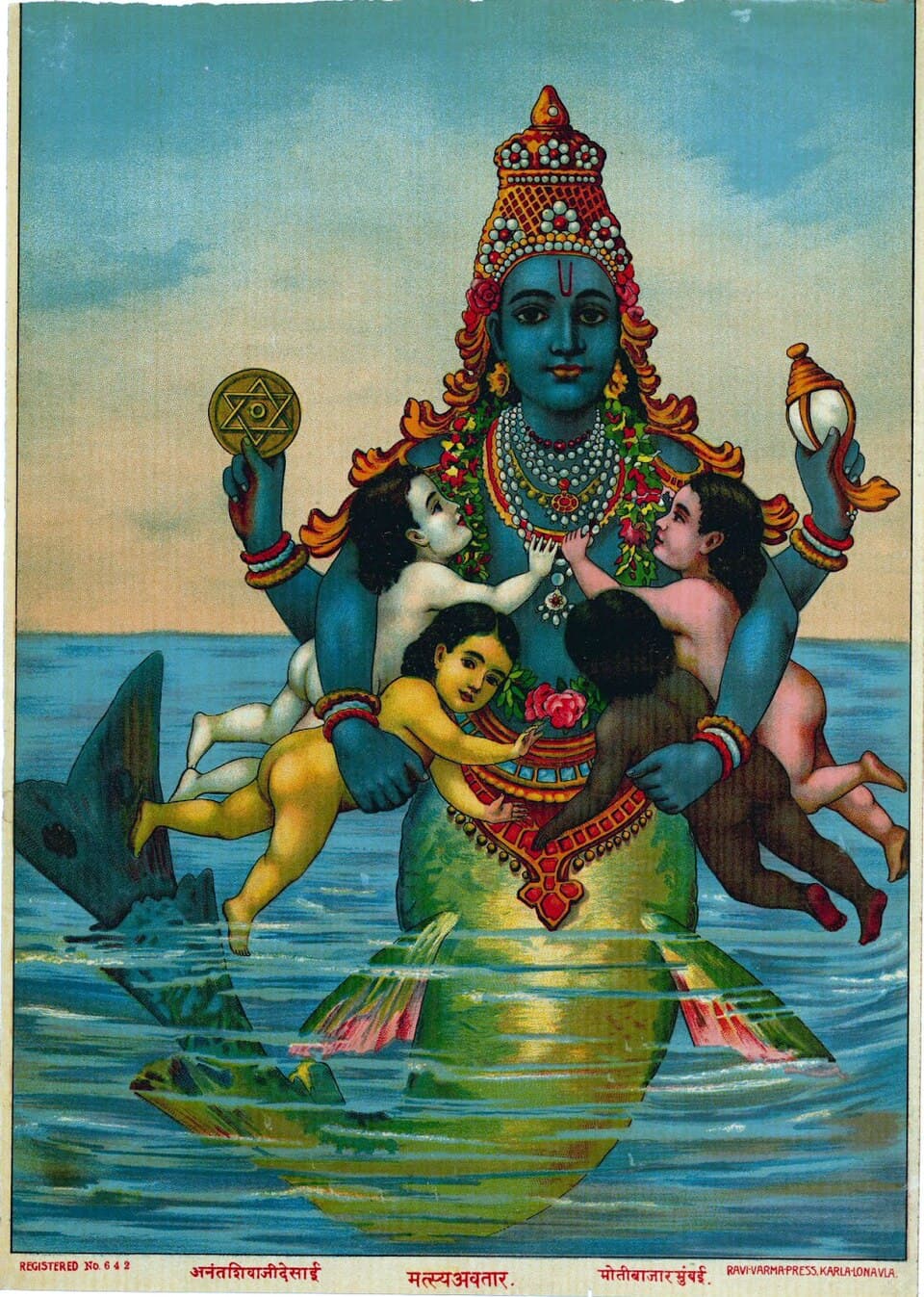
Matsya is the fish avatar of the Hindu god Vishnu. Often described as the first of Vishnu's ten primary avatars, Matsya is described to have rescued the first man, Manu, from a great deluge. Matsya may be depicted as a giant fish, often golden in color, or anthropomorphically with the torso of Vishnu connected to the rear half of a fish.

The Matsya Purana is one of the eighteen major Puranas (Mahapurana), and among the oldest and better preserved in the Puranic genre of Sanskrit literature in Hinduism. The text is a Vaishnavism text named after the half-human and half-fish avatar of Vishnu. However, the text has been called by the 19th-century Sanskrit scholar Horace Hayman Wilson, "although a Shaivism (Shiva-related) work, it is not exclusively so"; the text has also been referred to one that simultaneously praises various Hindu gods and goddesses.

Matsyendranātha, also known as Matsyendra, Macchindranāth, Mīnanātha and Minapa was a saint and yogi in a number of Buddhist and Hindu traditions. He is considered the revivalist of hatha yoga as well as the author of some of its earliest texts. He is also seen as the founder of the natha sampradaya, having received the teachings from Shiva.
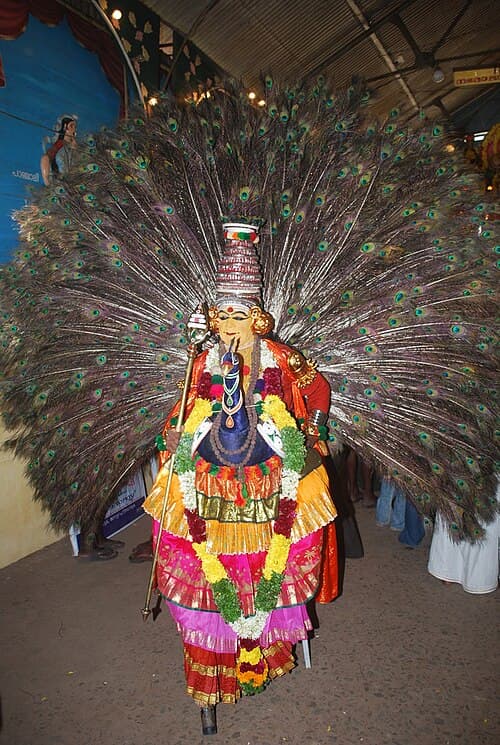
Mayilattam is an artistic and religious form of dance performed in the Hindu temples of Tamil Nadu and Kerala in reverence to Murugan, a regional form of the Hindu deity Kartikeya. Literally translating as the "peacock dance", the performers seat themselves upon a peacock replica, which is the mount of the deity.
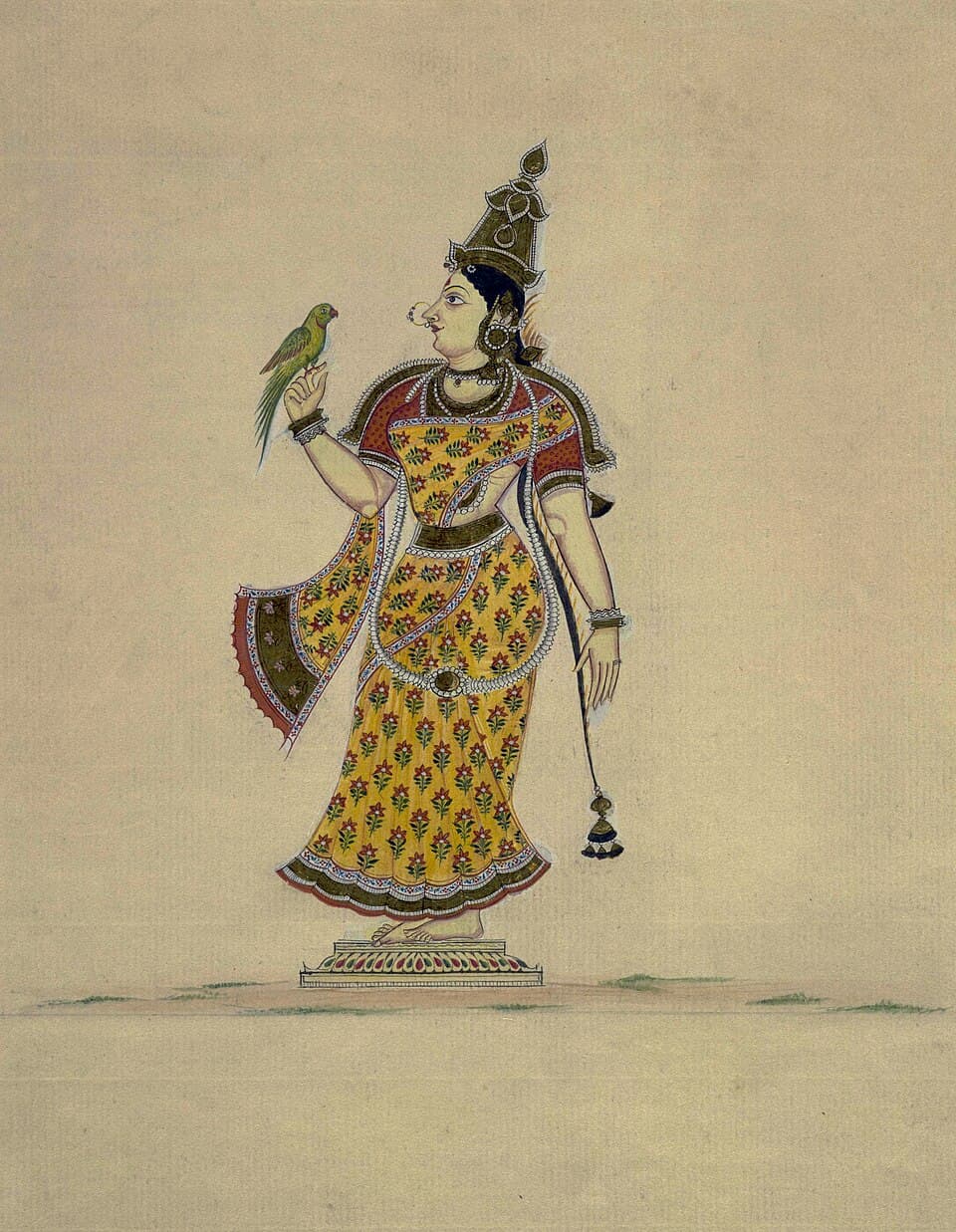
Meenakshi is a Hindu goddess. She is considered as a form of the goddess Parvati, and is the tutelary deity of Madurai. Along with Kamakshi (Kanchipuram), and Visalakshi (Varanasi), she is considered as one of the three avatars of Adi Shakti.
Meldi Mata is a Hindu goddess and household deity who protects farmland. A legend says that she can grant any wish. She is mainly famous in the western state of Gujarat.
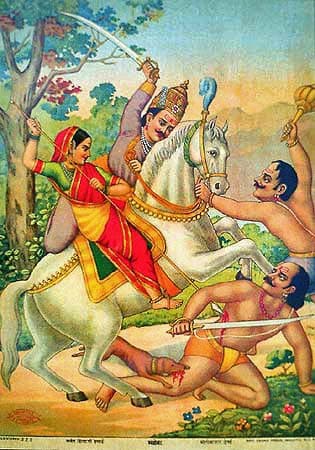
Mhalsa, also spelled as Mhalasa or Mahalasa, महालसा is a Hindu goddess. As an independent goddess, she is worshipped as a form of Mohini, the avatar of Vishnu. Meanwhile in the Khandoba sect of Maharashtra, she is worshipped as the consort of the folk deity Khandoba, a form of Shiva.
Mitra is a Hindu god and generally one of the Adityas, though his role has changed over time. In the Mitanni inscription, Mitra is invoked as one of the protectors of treaties. In the Rigveda, Mitra appears primarily in the dvandva compound Mitra-Varuna, which has essentially the same attributes as the god Varuna alone, e.
Mitra is a Hindu god and generally one of the Adityas, though his role has changed over time. In the Mitanni inscription, Mitra is invoked as one of the protectors of treaties. In the Rigveda, Mitra appears primarily in the dvandva compound Mitra-Varuna, which has essentially the same attributes as the god Varuna alone, e.
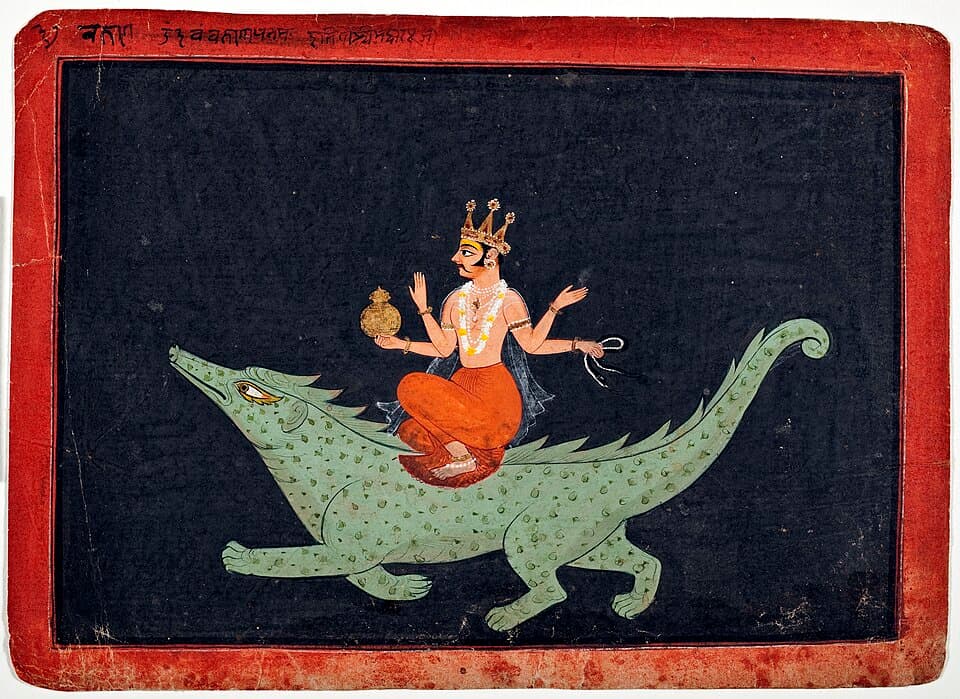
Mitra and Varuna are two deities frequently referred to in the ancient Indian scripture of the Rigveda. They are both considered Ādityas, meaning sons of Aditi; and they are protectors of the righteous order of Ṛta. Their connection is so close that they are frequently linked in the dvandva compound Mitra–Varuna.
Modheshwari Mata is an aspect of the devi Matangi. She is the clan deity of the Modh community of Gujarat.
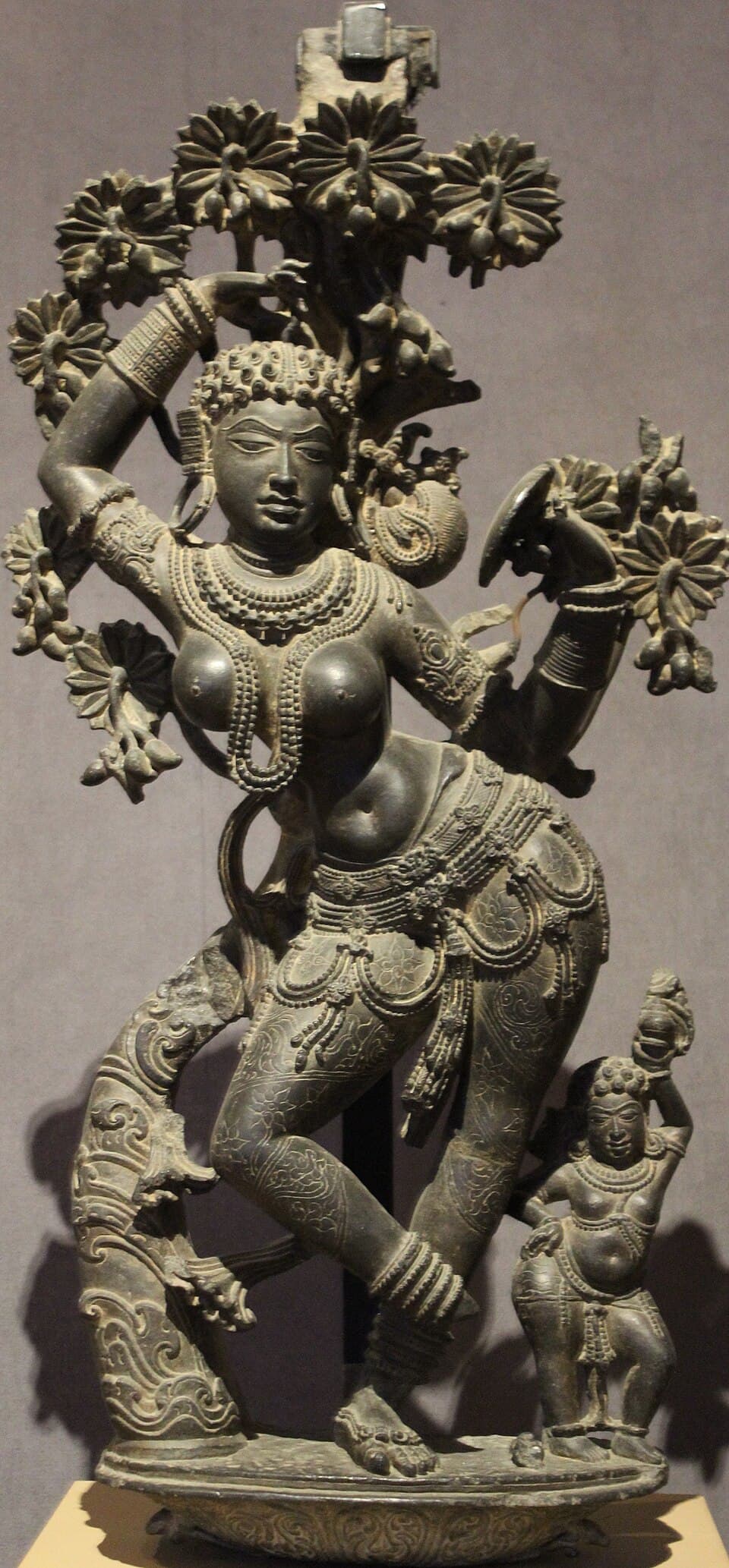
Mohini is the Hindu goddess of enchantment. She is the only female avatar of the Hindu god Vishnu. She is portrayed as a femme fatale, an enchantress, who maddens lovers and demons, sometimes leading them to their doom.
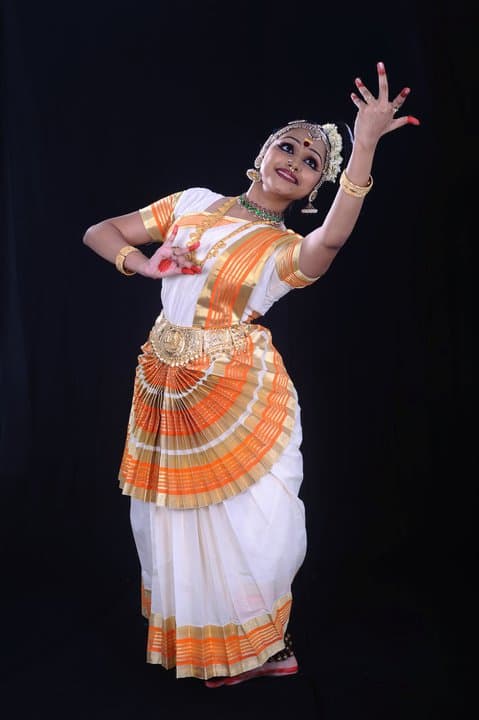
Mohiniyattam is an Indian classical dance form originating from the state of Kerala. The dance gets its name from Mohini—the female enchantress avatar of the Hindu deity Vishnu, who helps the devas prevail over the asuras using her feminine charm.
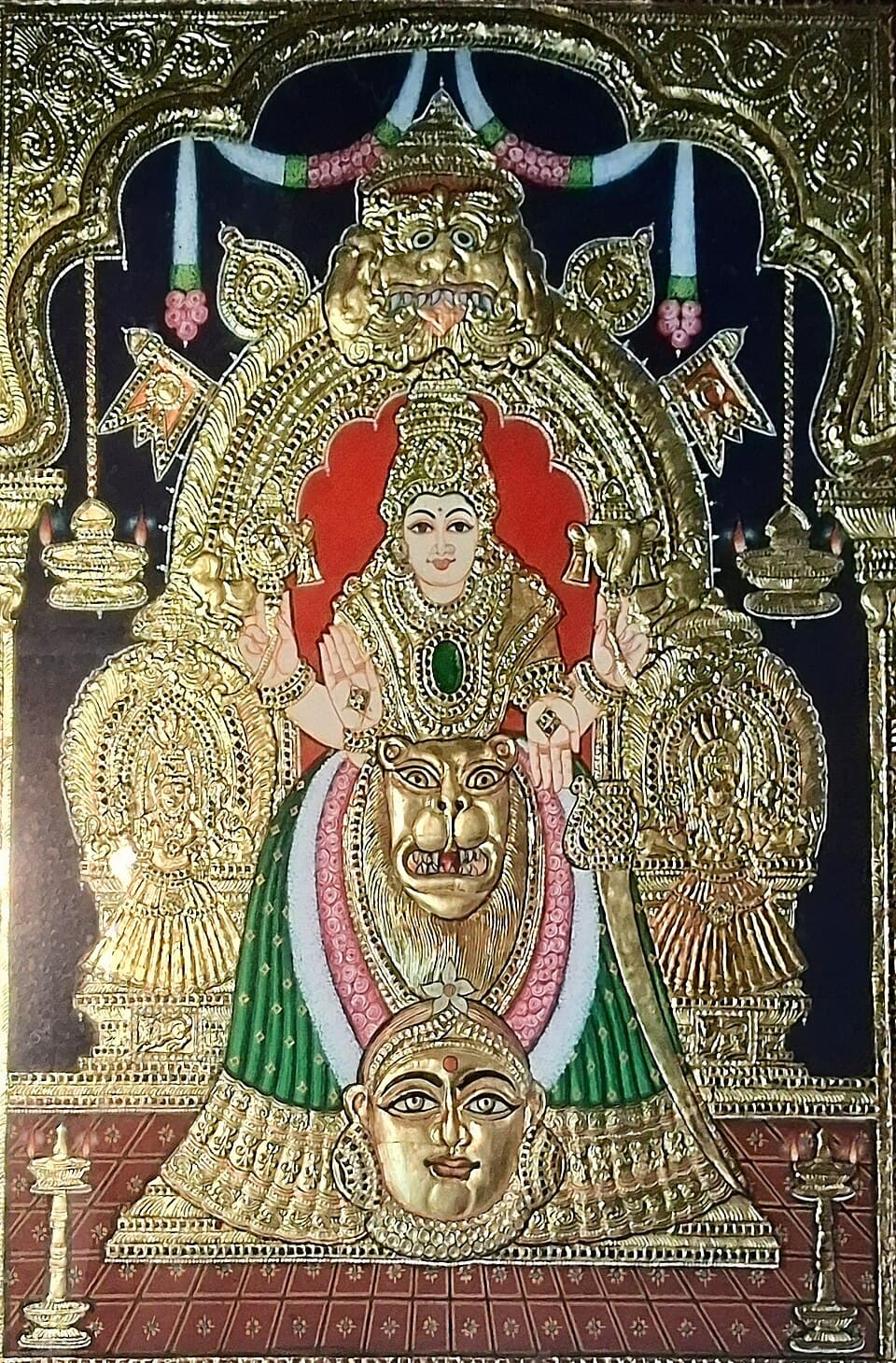
Mookambika is a Hindu goddess, an aspect of Adi Parashakti, the supreme goddess of Hinduism. She is regarded to be the form of Shakti, the divine feminine energy, that represents creativity and ingenuity. She is widely worshipped in the states of Karnataka, Kerala and Tamil Nadu.
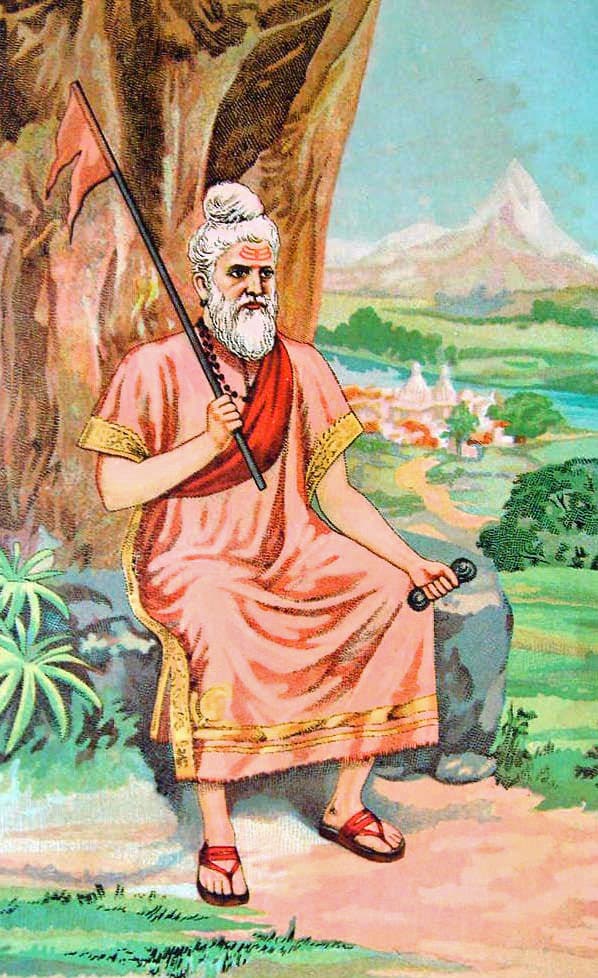
Morya Gosavi or Moraya Gosavi alias Moroba Gosavi was a saint of the Hindu Ganapatya sect, which considers Ganesha as the Supreme God. Morya Gosavi is considered the chief spiritual progenitor of the Ganapatyas and has been described as the "most famous devotee" of Ganesha.

Muchilot Bhagavathi Is The Tutelary Deity Of Vaniyar Community In North Malabar.

In the Hindu tradition, a murti is a devotional image, such as a statue or icon, of a deity or saint used during puja and/or in other customary forms of actively expressing devotion or reverence – whether at Hindu temples or shrines. A mūrti is a sacred image or embodiment of a deity and is worshipped for devotional activities. Thus, not all icons of gods and saints are mūrti; for example, purely decorative depictions of divine figures often adorn Hindu temple architecture in intricately carved doorframes, on colourfully painted walls, and ornately sculpted rooftop domes.
Muthyalamma is a Hindu goddess who is a form of Durga / Kali Matha. There are hundreds of temples to her in Hyderabad.
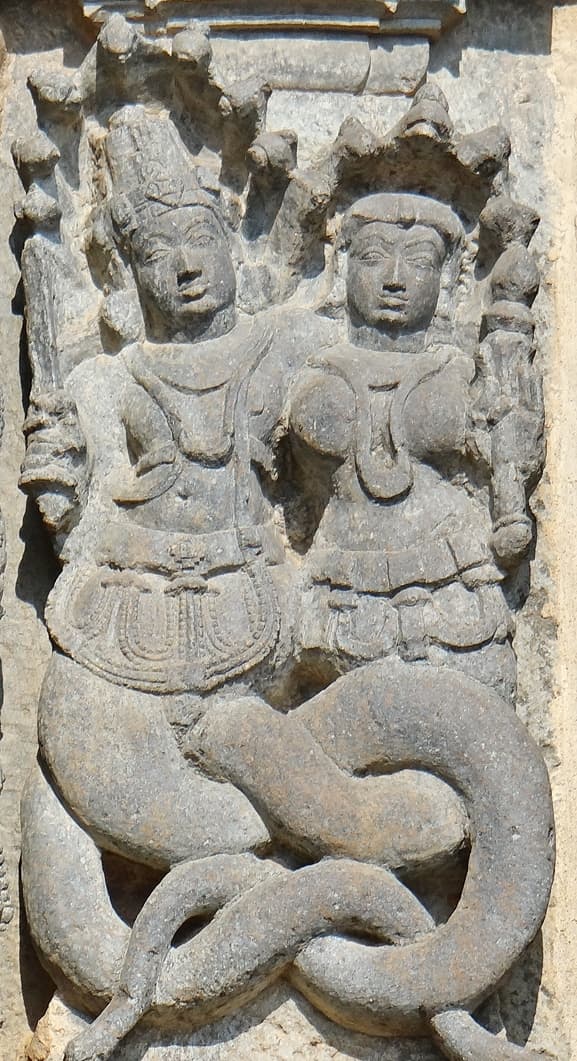
In various Asian religious traditions, the Nāgas are a divine, or semi-divine, race of half-human, half-serpent beings that reside in the netherworld (Patala), and can occasionally take human or part-human form, or are so depicted in art. Furthermore, nāgas are also known as dragons and water spirits. A female nāga is called a Nagini.
Nagalakshmi is a serpent goddess and the wife of Shesha, a nagaraja and one of the two mounts of Vishnu featured in Hindu mythology. She is considered to be the personification of the divine ocean called the Kshira Sagara.

Nagnechiya Mata or Naganechi Mata is an aspect of Devi, a Hindu goddess. She is the Kuldevi of the Rathore Rajputs of the Kingdom of Marwar, Bikaner state and her main temple is located in the village of Nagana, near Jodhpur in Rajasthan.
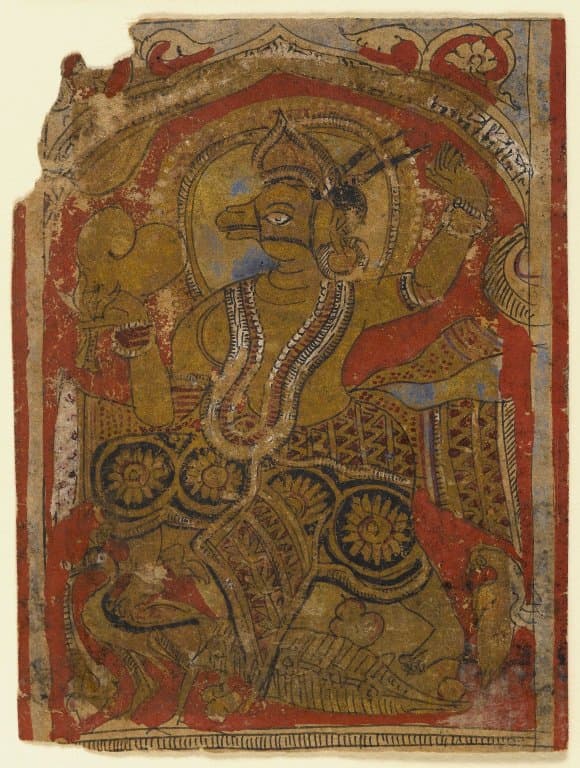
Naigamesha, also known as Harinegameshi, is a goat-headed or deer-headed deity, associated with children. He also appears in Jain as well as Hindu traditions, associated with the war-god Kartikeya and childbirth.
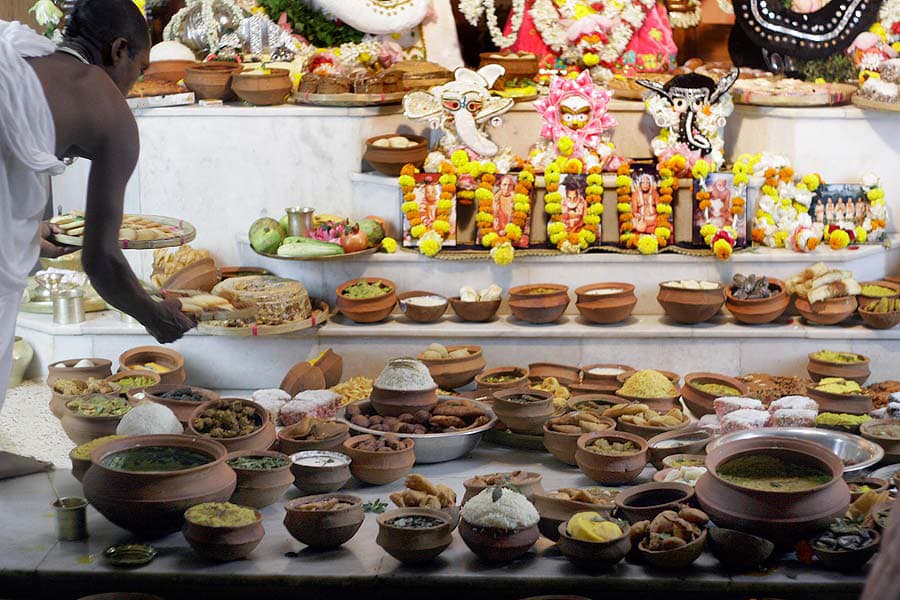
Prasāda, prasad or prasadam is a religious offering in Hinduism. Most often prasada is vegetarian food especially cooked for devotees after praise and thanksgiving to a god. Mahaprasada, is the consecrated food offered to the deity in a Hindu temple which is then distributed and partaken by all the devotees regardless of any orientation.
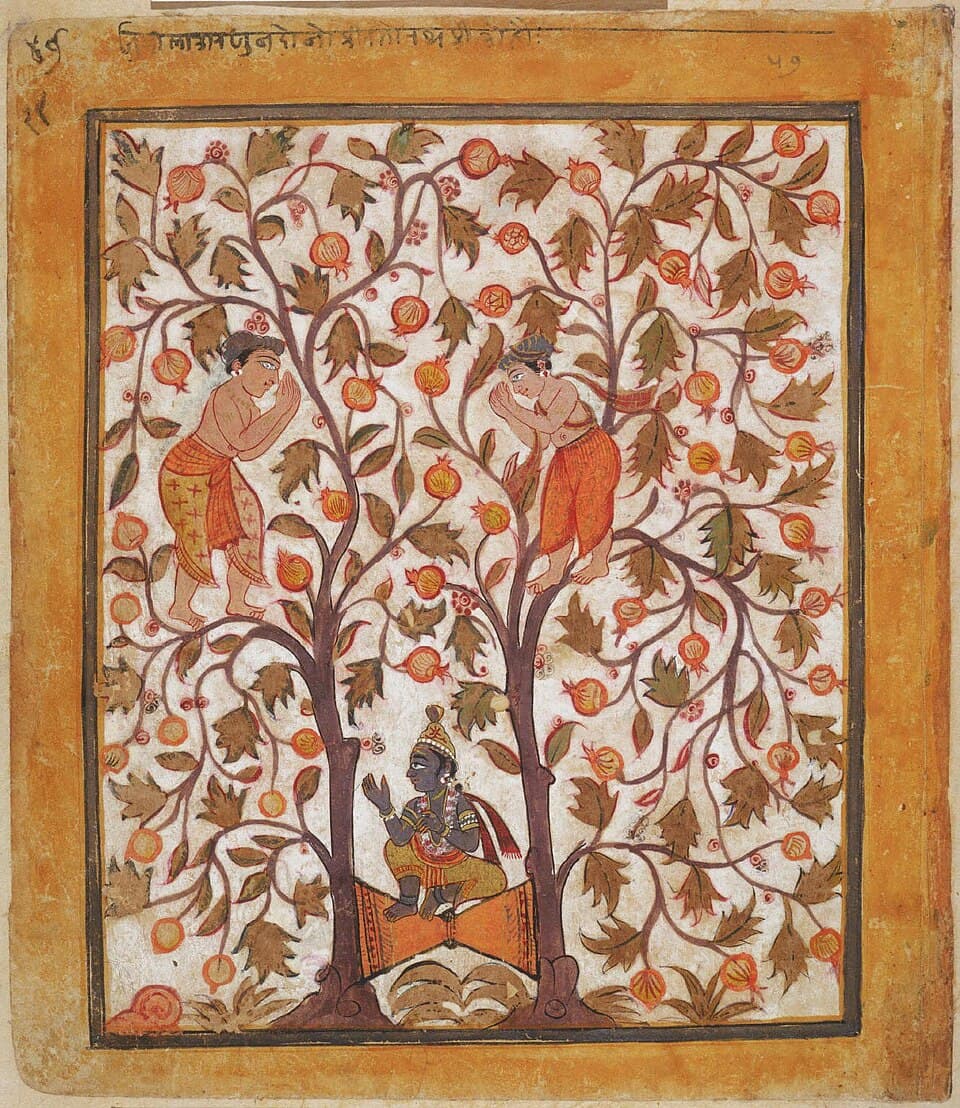
Nalakuvara, also known as Nalakubara, appears in Hindu and Buddhist mythology as the brother of Manigriva, the son of the yaksha king Kubera, and husband of Rambha and Ratnamala. Nalakuvara often appears as a sexual trickster figure in Hindu and Buddhist literature.
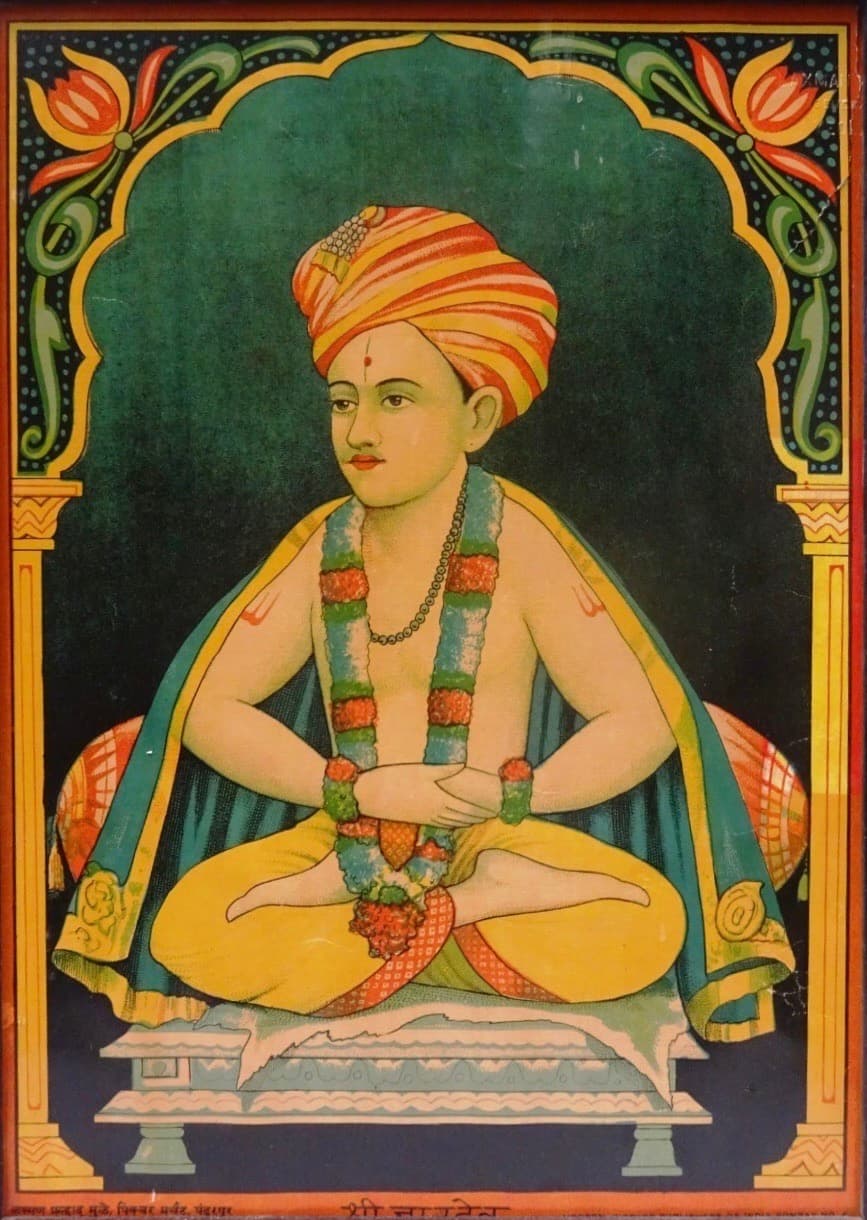
Namdev, also transliterated as Namdeo was a Marathi Vaishnava saint from Narsi, Hingoli, Maharashtra, Medieval India within the Varkari tradition of Hinduism. He was a devotee of the deity Vithoba of Pandharpur.
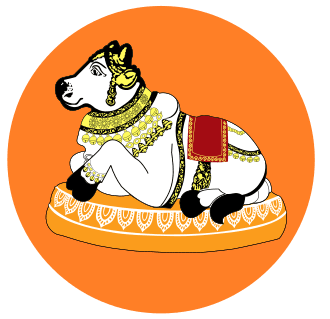
Nandi, also known as Nandhiyamperuman நந்தி Nandikeshvara or Nandideva, is the bull vahana (mount) of the Hindu god Shiva. He is also the guardian deity of Kailash, the abode of Shiva. Almost all Shiva temples display stone images of a seated Nandi, generally facing the main shrine.

The Nandipada is an ancient Indian symbol, also called a taurine symbol, representing a bull's hoof or the mark left by the foot of a bull in the ground. The nandipada and the zebu bull are generally associated with Nandi, Shiva 's humped bull in Hinduism. The Nandipada symbol also happens to be similar to the Brahmi letter "ma".
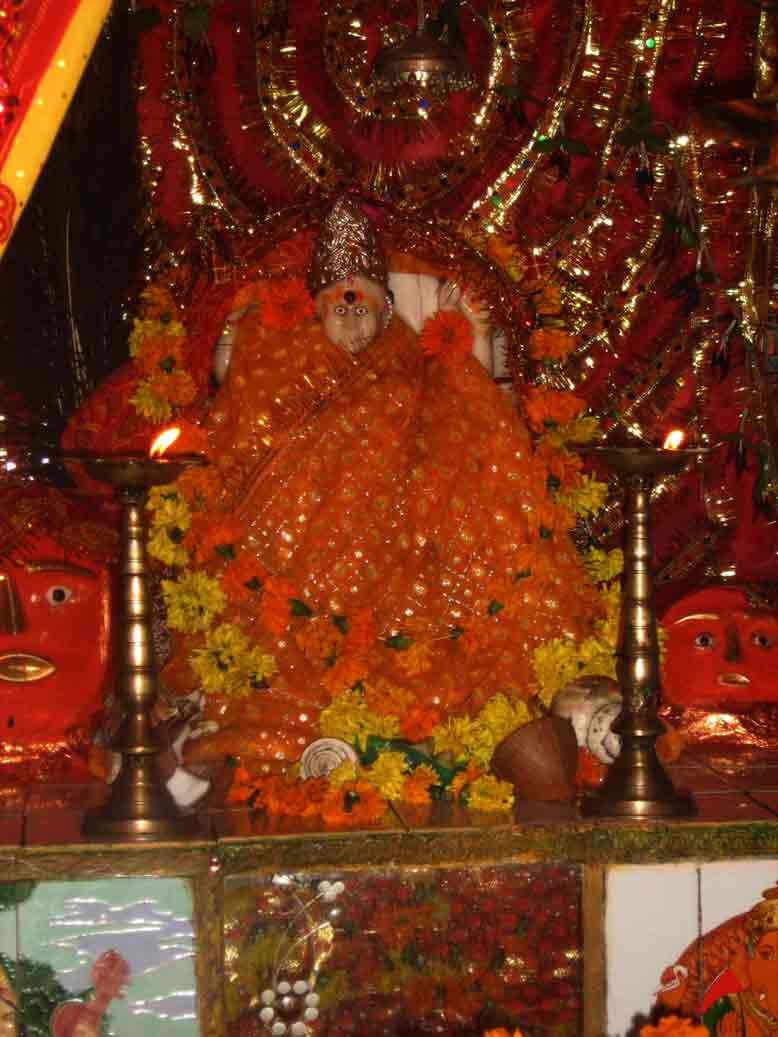
Nandni Mata is a Hindu goddess. The name Nandni is another name for Durga, which means "daughter".
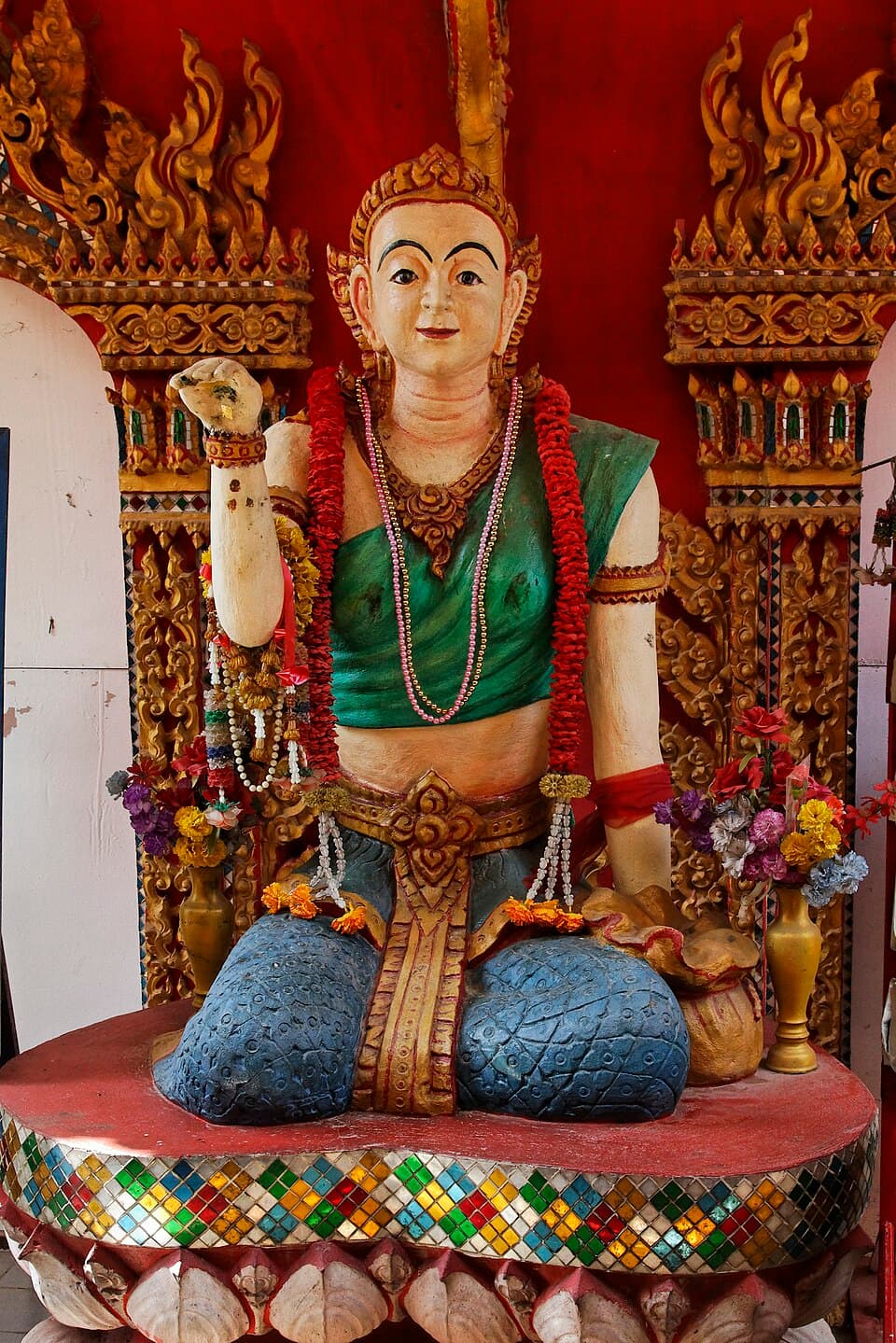
Nang Kwak is a Bodhisattva, household goddess or Spirit of Thai folklore. She is deemed to bring good fortune, prosperity and attract customers to a business. Although Nang Kwak is more a figure of popular folklore than a deity, there are Buddhist legends that seek to incorporate her into the Buddhist fold.
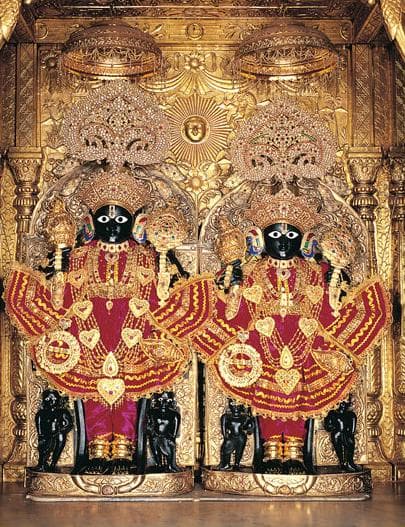
Naranarayana, also rendered Nara-Narayana, are a pair of sage-brothers in Hinduism. They are generally regarded as partial-incarnation (aṃśa-avatara) of the preserver deity Vishnu on earth. Nara-Narayana are described as the sons of Dharma and Murti.

Narasimha, is a deity in Hinduism, revered as the fourth of the ten principal avatars (Dashavatara) of the god Vishnu. Depicted with a human torso and a lion's head and claws, Narasimha is venerated as a fierce protector who destroys evil and safeguards his devotees. He is most widely known for protecting his devotee Prahlada and for slaying the tyrannical demon king Hiranyakashipu.