John Shaqi
Greek341 BC – 270 BC

Epicurus

Samos

Founder of Epicureanism, teaching that tranquility and modest pleasure are the highest good.
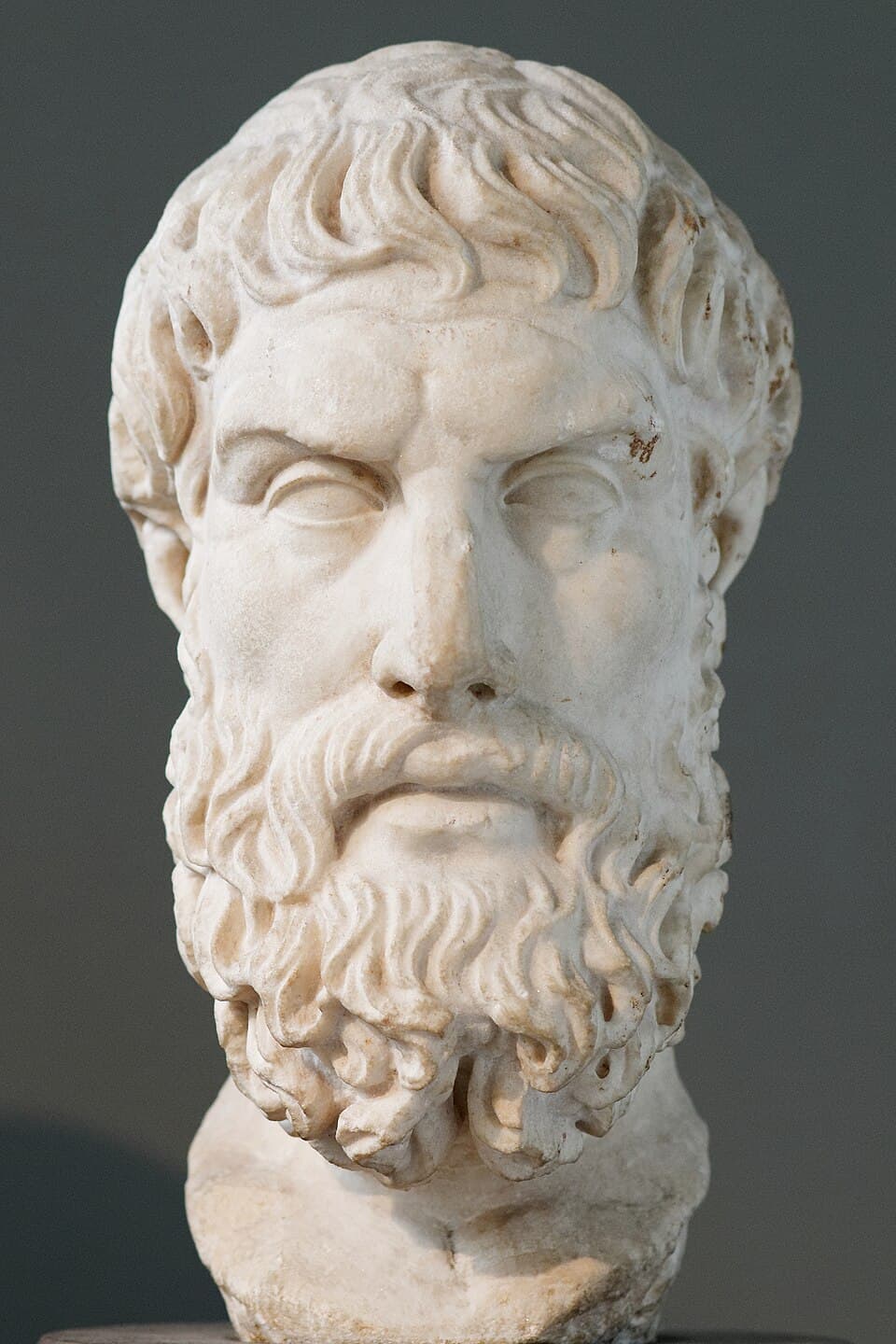
Epicurus
Unknown artist · Public domain · Wikimedia Commons

Biography

Epicurus founded his school in an Athenian garden in 306 BC and admitted women and slaves — scandal enough before a word was taught. The teaching scandalized further: the gods do not concern themselves with us, the soul is atoms and dies with the body, and the goal of life is pleasure — by which he meant not the banquet but ataraxia, tranquility: the absence of pain in body and of turmoil in soul. Bread, water, friends, and philosophy; "a little cheese," he wrote a friend, "so I may feast when I wish."

Of some three hundred scrolls, almost everything is lost; three letters and collections of maxims survive in Diogenes Laertius, plus the magnificent secondhand monument of Lucretius' Latin poem On the Nature of Things. The physics is Democritus repaired: atoms falling through void, with an unpredictable swerve (clinamen) that breaks determinism's chain. The purpose of studying nature is therapeutic — to dissolve the two great fears that poison life: the gods and death. The gods exist, serene and indifferent, models of blessedness rather than agents of punishment; and "death is nothing to us: when we are, death is not; when death is, we are not."

The Epicurean legacy in philosophy of religion is a trilemma still argued under his name — recorded by the Christian Lactantius: if God is willing to prevent evil but not able, he is not omnipotent; if able but not willing, not benevolent; if both, whence evil? Whether or not the formulation is his verbatim, it is the problem of evil in its most portable form, and Hume's Philo quotes it as "Epicurus' old questions."

For centuries "Epicurean" was a slur meaning atheist and glutton — the Talmud's apikoros, the churchmen's bogeyman. Jefferson, calmer, wrote: "I am an Epicurean."

Works

Quote Attribution

Identify the philosopher behind a quote using AI.

Books by & about Epicurus

Works by and about Epicurus — readable in full, right here in the Library.

A Discourse of a Method for the Well Guiding of Reason: and the Discovery of Truth in the SciencesDescartes, René

A Discourse of a Method for the Well Guiding of Reason: and the Discovery of Truth in the Sciences

Descartes, René

Read on site →
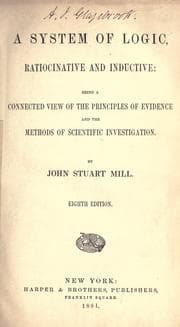
A System of Logic, Ratiocinative and InductiveMill, John Stuart
A System of Logic, Ratiocinative and Inductive

A System of Logic, Ratiocinative and Inductive

Mill, John Stuart

Read on site →
A Theological-Political Treatise [Part III]Spinoza, Benedictus de

A Theological-Political Treatise [Part III]

Spinoza, Benedictus de

Read on site →
A Theological-Political Treatise [Part IV]Spinoza, Benedictus de

A Theological-Political Treatise [Part IV]

Spinoza, Benedictus de

Read on site →
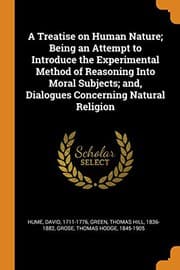
A Treatise of Human Nature: Being an Attempt to Introduce the Experimental Method Into Moral Subjects; and Dialogues Concerning Natural ReligionHume, David
A Treatise of Human Nature: Being an Attempt to Introduce the Experimental Method Into Moral Subjects; and Dialogues Concerning Natural Religion

A Treatise of Human Nature: Being an Attempt to Introduce the Experimental Method Into Moral Subjects; and Dialogues Concerning Natural Religion

Hume, David

Read on site →
Alice in Wonderland: A Dramatization of Lewis Carroll's "Alice's Adventures in Wonderland" and "Through the Looking Glass"Carroll, Lewis
Alice in Wonderland: A Dramatization of Lewis Carroll's "Alice's Adventures in Wonderland" and "Through the Looking Glass"

Alice in Wonderland: A Dramatization of Lewis Carroll's "Alice's Adventures in Wonderland" and "Through the Looking Glass"

Carroll, Lewis

Read on site →
Alice's Adventures in WonderlandCarroll, Lewis
Alice's Adventures in Wonderland

Alice's Adventures in Wonderland

Carroll, Lewis

Read on site →
An Enquiry Concerning Human UnderstandingHume, David
An Enquiry Concerning Human Understanding

An Enquiry Concerning Human Understanding

Hume, David

Read on site →
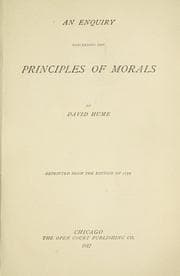
An Enquiry Concerning the Principles of MoralsHume, David
An Enquiry Concerning the Principles of Morals

An Enquiry Concerning the Principles of Morals

Hume, David

Read on site →
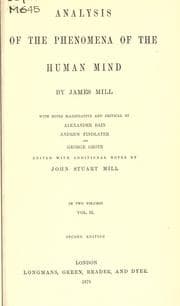
Analysis of the Phenomena of the Human MindMill, James
Analysis of the Phenomena of the Human Mind

Analysis of the Phenomena of the Human Mind

Mill, James

Read on site →
AnthemRand, Ayn
Anthem

Anthem

Rand, Ayn

Read on site →
ApologyPlato
Apology

Apology

Plato

Read on site →
Apology, Crito, and Phaedo of SocratesPlato

Apology, Crito, and Phaedo of Socrates

Plato

Read on site →
Aristotle on the art of poetryAristotle
Aristotle on the art of poetry

Aristotle on the art of poetry

Aristotle

Read on site →
Aristotle's History of Animals: In Ten BooksAristotle
Aristotle's History of Animals: In Ten Books

Aristotle's History of Animals: In Ten Books

Aristotle

Read on site →
Aristotle's works:: Containing the Master-piece, Directions for Midwives, and Counsel and Advice to Child-bearing Women with Various Useful RemediesAristotle, pseud.

Aristotle's works:: Containing the Master-piece, Directions for Midwives, and Counsel and Advice to Child-bearing Women with Various Useful Remedies

Aristotle, pseud.

Read on site →
Auguste Comte and PositivismMill, John Stuart
Auguste Comte and Positivism

Auguste Comte and Positivism

Mill, John Stuart

Read on site →
AutobiographyMill, John Stuart
Autobiography

Autobiography

Mill, John Stuart

Read on site →
Beyond Good and EvilNietzsche, Friedrich Wilhelm
Beyond Good and Evil

Beyond Good and Evil

Nietzsche, Friedrich Wilhelm

Read on site →
CandideVoltaire
Candide

Candide

Voltaire

Read on site →
CharmidesPlato
Charmides

Charmides

Plato

Read on site →
Considerations on Representative GovernmentMill, John Stuart
Considerations on Representative Government

Considerations on Representative Government

Mill, John Stuart

Read on site →
CratylusPlato
Cratylus

Cratylus

Plato

Read on site →
CritiasPlato
Critias

Critias

Plato

Read on site →