Rayhana bint Zayd: Wife or Concubine? Two Earliest Biographers, Two Different Stories
After the fall of Banu Qurayza, a widow named Rayhana entered the household of the Prophet of Islam. Ibn Ishaq says she remained a slave-concubine who at first refused Islam; Ibn Sa'd records that she was freed, converted, and married with a dower. The two earliest biographical sources tell two different stories — read both, exactly as they are.
By John Shaqi · July 24, 2026 · 15 min read
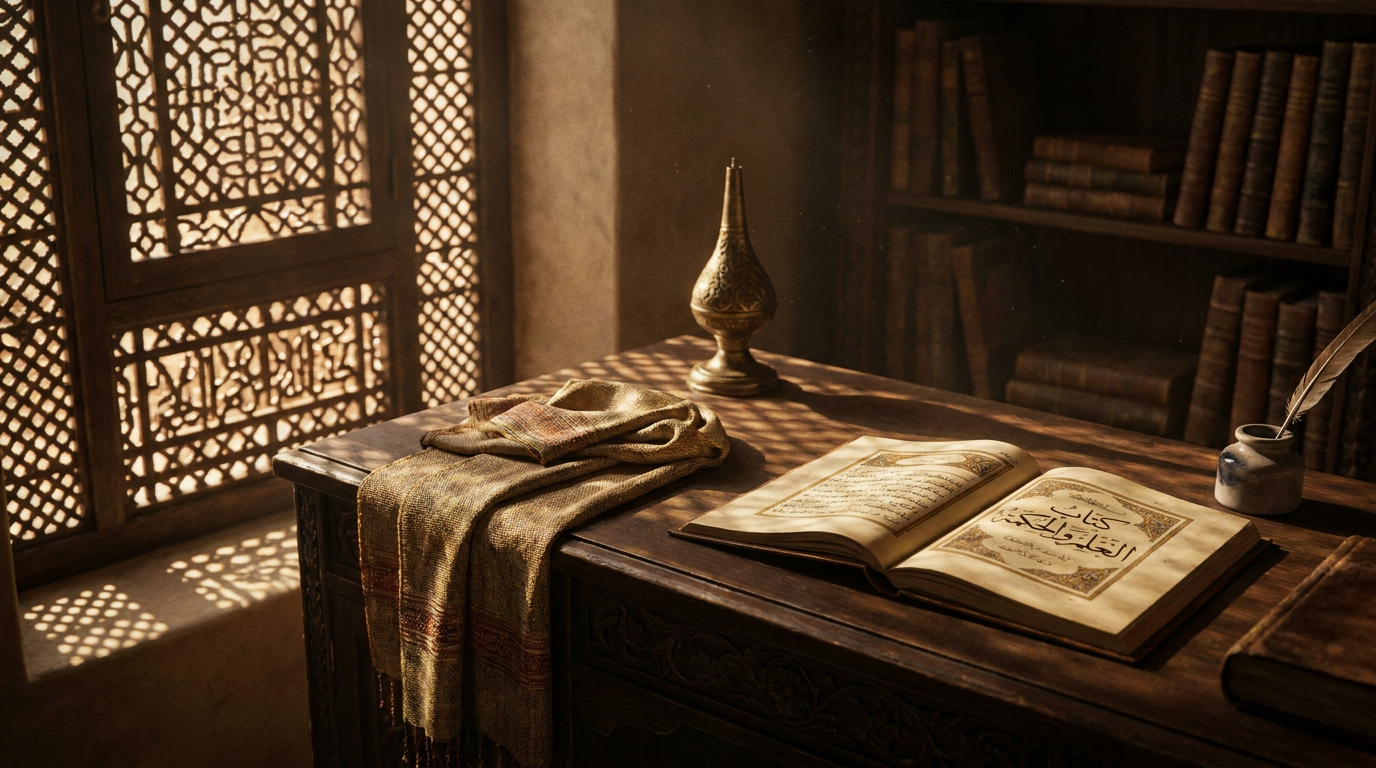
A Widow in the Ruins of Qurayza
Medina, early 627 CE — the fifth year of the Hijra. The siege of Banu Qurayza has ended. The men of the tribe have been executed in the marketplace of Medina; the women and children have been gathered as captives. Among them stands a young widow whose husband has just died with the rest. Her name is Rayhana.
Within days, she is in the household of the Prophet of Islam. On this, the earliest sources agree. On almost everything else about her, they do not. Was she a wife, married with a dower and a wedding night? Or a slave-concubine who never left the status of captive? Did she embrace Islam, refuse it, or refuse it first and accept it later? Was her father named 'Amr or Zayd? Was she of Banu Qurayza by blood, or a daughter of Banu al-Nadir married into Qurayza? The two earliest biographical authorities of Islam — Ibn Ishaq and Ibn Sa'd — give answers that cannot both be fully true as written.
Continue Reading
Continue reading this article
Sign in free to read in full. Become a member to join the discussion without limits.
Sign in free to read →- ✓Read every article
- ✓Comment and reply (up to 100 words, 10/month)
- ✓Browse the community
- ✓Reader badge