The 73 Sects Hadith: "All in the Fire Except One" — What the Books Actually Say
One hadith gave Islamic history a number: seventy-three sects, all in the Fire except one. Nearly every group has quoted it — and some of the tradition's own hadith masters, from Ibn Hazm to al-Shawkani, questioned its most famous words. The texts of both sides, presented as they are.
By John Shaqi · July 22, 2026 · 15 min read
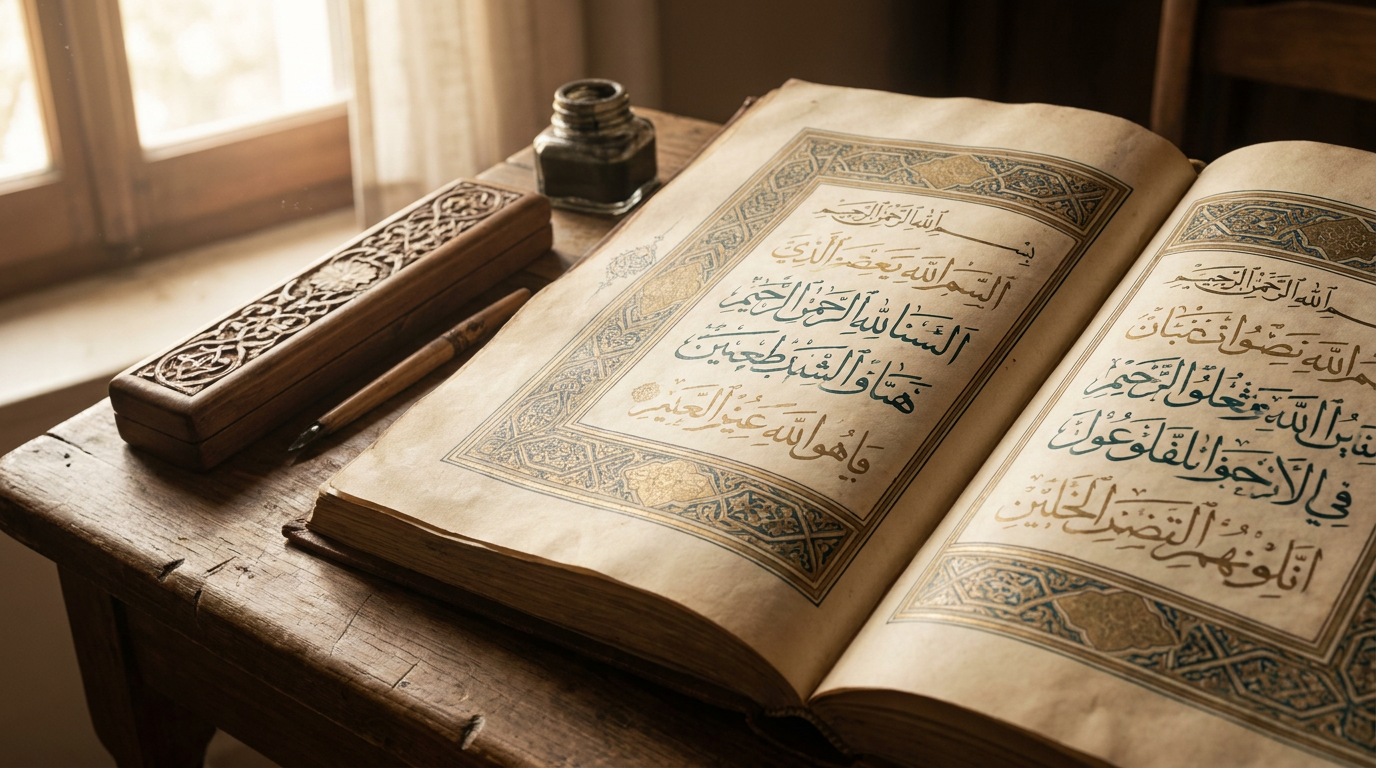
Seventy-Two Names on a List
In Baghdad, in the early eleventh century, the scholar Abd al-Qahir al-Baghdadi (d. 429 AH) sat down to write a book with an unusual constraint: the ending was already decided before the first page. His book, al-Farq bayn al-Firaq ("The Difference Between the Sects"), had to arrive at a precise count — seventy-two misguided sects, plus one saved. So he counted: sects of the Rafida, sects of the Khawarij, sects of the Qadariyya, of the Murji'a, of the Mushabbiha — merging some groups, splitting others, until the arithmetic landed exactly where a hadith said it must.
The hadith is short. It says this ummah will divide into seventy-three sects — and in its most quoted wording, "all of them in the Fire except one." For a thousand years, almost every group in Islamic history has cited it, and almost every group has identified the saved sect as itself. And for nearly as long, a smaller line of scholars — working entirely inside the tradition — has asked a quieter question: do the words "all in the Fire except one" actually pass the tradition's own science of chains?
Continue Reading
Continue reading this article
Sign in free to read in full. Become a member to join the discussion without limits.
Sign in free to read →- ✓Read every article
- ✓Comment and reply (up to 100 words, 10/month)
- ✓Browse the community
- ✓Reader badge