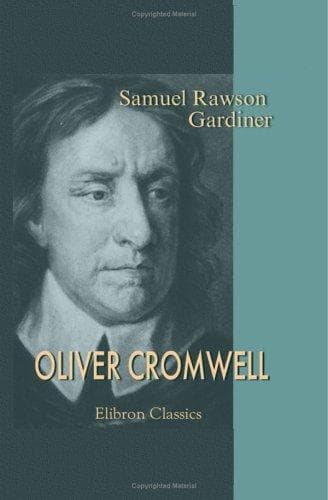
Cromwell, Oliver, 1599-1658; Great Britain -- History -- Commonwealth and Protectorate, 1649-1660
The one conspicuous exception to these tales of disaster was found in
the news from the Eastern Association, where Cromwell's vigour upheld
the fight. Yet Cromwell had no slight difficulties against which to
contend. When, by the end of April, he had cleared the shires of the
association from hostile forces, he made his way into Lincolnshire,
and called on the neighbouring military commanders of his own party
to join him in an attack on the Royalist garrison at Newark, from
which parties issued forth to overawe and despoil the Parliamentarians
of the neighbourhood. Those upon whom he called--Sir John Gell at
Nottingham, the Lincolnshire gentry, and Stamford's son, Lord Grey of
Groby, in Leicestershire, were in command of local forces, and placed
the interests of their own localities above the common good. Stamford's
mansion at Broadgates, hard by Leicester, was exposed to attack from
the Royalist garrison at Ashby-de-la-Zouch, and consequently Lord Grey
hung back from joining in an enterprise which would leave Leicester at
the mercy of the enemy, and his example was followed in other quarters.
"Believe it," wrote Cromwell wrathfully, "it were better, in my poor
opinion, Leicester were not, than that there should not be found an
immediate taking of the field by our forces to accomplish the common
ends." To subordinate local interests to the 'common ends' was as much
the condition of Cromwell's success as the discipline under which he
had brought the fiery troops under his command.
The result of that discipline was soon to appear. On May 13 he fell
in near Grantham with a cavalry force from Newark far outnumbering
his own. Taking a lesson from Rupert, who had taught him at Edgehill
that the horse, and not the pistol, was the true weapon of the mounted
horseman, he dashed upon the enemy, who weakly halted to receive the
charge, and was thoroughly beaten in consequence. Cromwell, as usual,
piously attributed his success to the Divine intervention. "With this
handful," he wrote "it pleased God to cast the scale."
The success of Cromwell's horse was all the more reason why financial
support should be accorded to its commander. Voluntary contributions
were still the backbone of the resources of Parliament, though a system
of forced payments was being gradually established. "Lay not," wrote
Cromwell to the Mayor of Colchester, "too much on the back of a poor
gentleman who desires, without much noise, to lay down his life and
bleed the last drop to serve the cause and God. I ask not money for
myself; I desire to deny myself, but others will not be satisfied."
Public-domain text, read in full here on John Shaqi.
Reviews
Reviews
No reviews yet
Be the first to share your thoughts on this work.
Join the Discussion
Join the discussion
Sign in to leave a comment or review.
Sign InorCreate an account