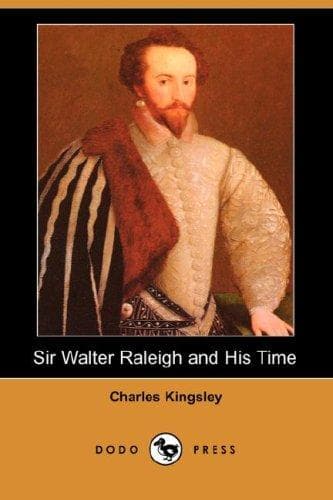
Great Britain -- History; Raleigh, Walter, Sir, 1552?-1618
Raleigh, as well as Elizabeth, bidding the man begone and try his hand at
government, and be filled with the fruit of his own devices. He goes;
does nothing; or rather worse than nothing; for in addition to the
notorious ill-management of the whole matter, we may fairly say that he
killed Elizabeth. She never held up her head again after Tyrone’s
rebellion. Elizabeth still clings to him, changing her mind about him
every hour, and at last writes him such a letter as he deserves. He has
had power, money, men, such as no one ever had before. Why has he done
nothing but bring England to shame? He comes home frantically—the story
of his bursting into the dressing-room rests on no good authority—with a
party of friends at his heels, leaving Ireland to take care of itself.
Whatever entertainment he met with from the fond old woman, he met with
the coldness which he deserved from Raleigh and Cecil. Who can wonder?
What had he done to deserve aught else? But he all but conquers; and
Raleigh takes to his bed in consequence, sick of the whole matter; as one
would have been inclined to do oneself. He is examined and arraigned;
writes a maudlin letter to Elizabeth. Elizabeth has been called a fool
for listening to such pathetical ‘love letters’: and then hardhearted for
not listening to them. Poor Lady! do what she would, she found it hard
enough to please all parties while alive; must she be condemned over and
above _in æternum_ to be wrong whatsoever she did? Why is she not to
have the benefit of the plain straightforward interpretation which would
be allowed to any other human being; namely, that she approved of such
fine talk as long as it was proved to be sincere by fine deeds: but that
when these were wanting, the fine talk became hollow, fulsome, a fresh
cause of anger and disgust? Yet still she weeps over Essex when he falls
sick, as any mother would; and would visit him if she could with honour.
But a ‘malignant influence counteracts every disposition to relent.’ No
doubt, a man’s own folly, passion, and insolence has generally a very
malignant influence on his fortunes; and he may consider himself a very
happy man if all that befalls to him thereby is what befell Essex,
namely, deprivation of his offices and imprisonment in his own house. He
is forgiven after all; but the spoilt child refuses his bread and butter
without sugar. What is the pardon to him without a renewal of his
licence of sweet wines? Because he is not to have that, the Queen’s
‘conditions are as crooked as her carcase.’ Flesh and blood can stand no
more, and ought to stand no more. After all that Elizabeth has been to
him, that speech is the speech of a brutal and ungrateful nature. And
such he shows himself to be in the hour of trial. What if the patent for
sweet wines is refused him? Such gifts were meant as the reward of
merit; and what merit has he to show? He never thinks of that. Blind
Public-domain text, read in full here on John Shaqi.
Reviews
Reviews
No reviews yet
Be the first to share your thoughts on this work.
Join the Discussion
Join the discussion
Sign in to leave a comment or review.
Sign InorCreate an account