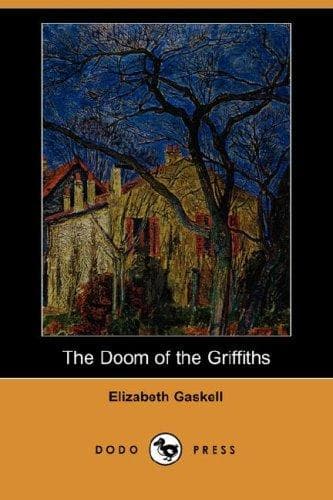
The Doom of the GriffithsGaskell, Elizabeth Cleghorn
General
The Doom of the Griffiths
Gaskell, Elizabeth Cleghorn
England -- Social life and customs -- 19th century -- Fiction; Horror tales, English
When the father and daughter had left, Owen slowly prepared for his ride
home; but encountering the hostess, he could not resist asking a few
questions relative to Ellis Pritchard and his pretty daughter. She
answered shortly but respectfully, and then said, rather hesitatingly—
“Master Griffiths, you know the triad, ‘Tri pheth tebyg y naill i’r
llall, ysgnbwr heb yd, mail deg heb ddiawd, a merch deg heb ei geirda’
(Three things are alike: a fine barn without corn, a fine cup without
drink, a fine woman without her reputation).” She hastily quitted him,
and Owen rode slowly to his unhappy home.
Ellis Pritchard, half farmer and half fisherman, was shrewd, and keen,
and worldly; yet he was good-natured, and sufficiently generous to have
become rather a popular man among his equals. He had been struck with
the young Squire’s attention to his pretty daughter, and was not
insensible to the advantages to be derived from it. Nest would not be
the first peasant girl, by any means, who had been transplanted to a
Welsh manor-house as its mistress; and, accordingly, her father had
shrewdly given the admiring young man some pretext for further
opportunities of seeing her.
As for Nest herself, she had somewhat of her father’s worldliness, and
was fully alive to the superior station of her new admirer, and quite
prepared to slight all her old sweethearts on his account. But then she
had something more of feeling in her reckoning; she had not been
insensible to the earnest yet comparatively refined homage which Owen
paid her; she had noticed his expressive and occasionally handsome
countenance with admiration, and was flattered by his so immediately
singling her out from her companions. As to the hint which Martha Thomas
had thrown out, it is enough to say that Nest was very giddy, and that
she was motherless. She had high spirits and a great love of admiration,
or, to use a softer term, she loved to please; men, women, and children,
all, she delighted to gladden with her smile and voice. She coquetted,
and flirted, and went to the extreme lengths of Welsh courtship, till the
seniors of the village shook their heads, and cautioned their daughters
against her acquaintance. If not absolutely guilty, she had too
frequently been on the verge of guilt.
Even at the time, Martha Thomas’s hint made but little impression on
Owen, for his senses were otherwise occupied; but in a few days the
recollection thereof had wholly died away, and one warm glorious summer’s
day, he bent his steps toward Ellis Pritchard’s with a beating heart;
for, except some very slight flirtations at Oxford, Owen had never been
touched; his thoughts, his fancy, had been otherwise engaged.
Public-domain text, read in full here on John Shaqi.
Reviews
Reviews
No reviews yet
Be the first to share your thoughts on this work.
Join the Discussion
Join the discussion
Sign in to leave a comment or review.
Sign InorCreate an account