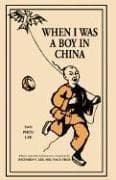
China -- Social life and customs -- 1644-1912; Lee, Yan Phou, 1861-1938?
Tea is drank about the same time. It is taken without milk or sugar.
Coffee is not common in China, and we are not accustomed to drink cold
water. Tea is the national beverage and is taken to assuage thirst at
all times and occasions as water is in America. At noon a lunch of
cakes or pastry may be served. The majority of people are satisfied
with two meals a day. Supper, or dinner, is served at five P.
M.
In the interval between the two meals, the ladies of our family sewed,
spun flax, embroidered or received company, that is, their lady friends
who come in sedan-chairs, some to make short visits, some to spend the
day. Guests were regaled at noon with confections and pastry, but tea
was always presented to a guest soon after arrival. It would have been
uncourteous to omit it. In the evening, after the lamps were lighted,
the ladies, young and old, would sit down to a game of dominoes, tell
stories, or gossip.
A peculiar feature in Chinese domestic arrangements is that when sons
are married they continue to live with their parents, while daughters,
when married, are expected to live with their husband’s parents. Such
an arrangement often causes a deal of trouble, and most of the domestic
infelicity in Chinese home-life is ascribed to it. But the custom has
been handed down from time immemorial, each succeeding generation
being educated for it. It sometimes happens that the mother-in-law
and the daughter-in-law are suited to each other and live pleasantly
together; but this presumes that both entertain exalted views of duty
and are blessed with forbearing natures and yielding dispositions. The
Chinese say that all depends on the son and husband; if he be dutiful
to his parents and strict in family discipline, he can prevent domestic
broils; if he only shut his ear against the complaints of his wife,
peace will be preserved. But the son and husband is apt to lean to one
side or the other, so either harbors resentment towards his mother or
acts unjustly towards his wife. The father usually steers clear of the
trouble, though he sometimes acts as peacemaker. Then again if the
mother-in-law gets along well with one of her daughters-in-law, it is
not certain that she can with the rest, or that the latter can get
along peacefully with one another.
“Every family has a skeleton in the closet,” it is said here in
America. It is no less true of Chinese families. My grandmother’s was
a character that inspired respect; so she had little trouble in the
management of her large family. She had administrative talent of a high
order, and therefore a fair share of household happiness fell to our
lot.
CHAPTER IV.
GAMES AND PASTIMES.
The active sports of Chinese boys are few.
Public-domain text, read in full here on John Shaqi.
Reviews
Reviews
No reviews yet
Be the first to share your thoughts on this work.
Join the Discussion
Join the discussion
Sign in to leave a comment or review.
Sign InorCreate an account