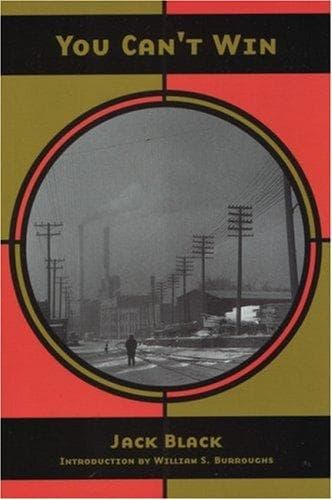
Black, Jack, 1871-1932; Criminals -- Canada -- Biography; Criminals -- United States -- Biography
There was an aspect of the Canadian-prison experience less commendable
than its order and its providing the prisoners with a good library,
its wholesome and on the whole human management so glaringly in
contrast with the American prisons pictured in this story—and that
was flogging. In these days of a return to medieval punishments
for criminals, advocated by many leading citizens, it is well to
realize how devastating to Black were his two experiences of brutal
force—flogging in Canada, the strait-jacket in Folsom. They made
him—and many others—inhuman wild beasts ready for murder or suicide.
They left Black not cowed, but mutinous, hating and hateful. The
experience was wholly bad and futile, except possibly as a test of his
own growing self-control. It does not need Jack Black’s corroborative
evidence to know that brutality does not pay, even when applied to the
dangerous and to the outcast. In spite of the talk about reviving the
whipping post, we know that the use of physical brutality—floggings,
strait-jackets, and third-degree methods—will disappear: they are
failures in getting results from human beings. It is only a crude
society, as ours still is largely, that would tolerate what goes on
often in our larger prisons, where the application of “justice” is left
to a class little removed from the criminals on whom they operate. To
maim and mutilate human beings, to terrify and brutalize them in order
to correct them, is so obviously foolish and wicked that it hardly
needs statement.
Public-domain text, read in full here on John Shaqi.
Reviews
Reviews
No reviews yet
Be the first to share your thoughts on this work.
Join the Discussion
Join the discussion
Sign in to leave a comment or review.
Sign InorCreate an account