
Roman750 BCE – 400 CE
Flora (goddess)
Ancient Rome
Flora is a Roman goddess of flowers and spring. She was one of the twelve deities of traditional Roman religion who had…
Read →
Research Index
An archive of 3,493 gods, deified rulers, and mythological figures across civilizations — from living gods of Egypt to the dying gods of antiquity.
Ancient Rome
Flora is a Roman goddess of flowers and spring. She was one of the twelve deities of traditional Roman religion who had…
Read →
Iron Age Europe
In Irish mythology, Fódla or Fótla, daughter of Delbáeth and Ernmas of the Tuatha Dé Danann, is one of the tutelary godd…
Read →
Ancient Mesopotamia
The folk deities of Sylhet are the various devas and devis that were traditionally worshipped by the syncretist societie…
Read →
Scandinavia
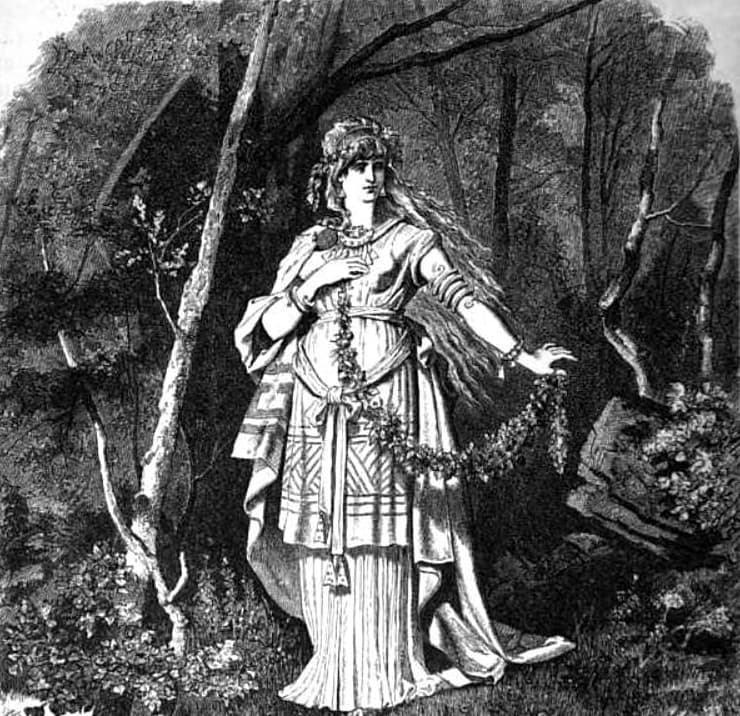
Fólkvangr is a meadow or field ruled over by the goddess Freyja where half of those that die in combat go upon death, wh…
Read →
Ancient Rome
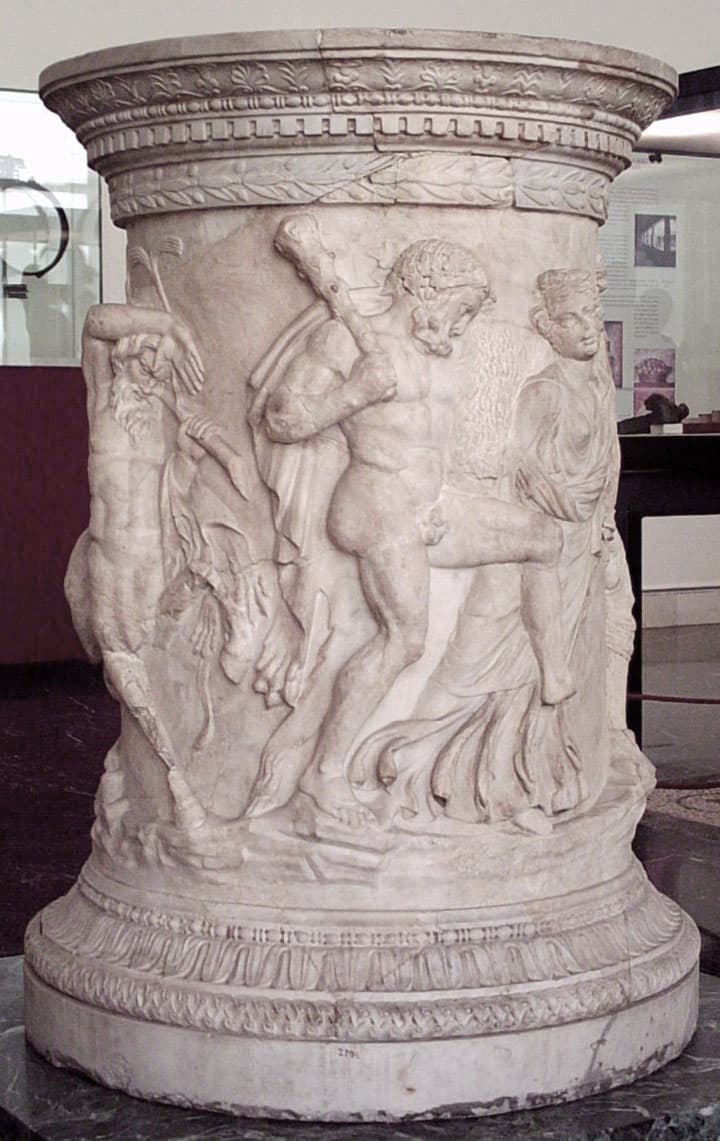
Fontus or Fons was a god of wells and springs in ancient Roman religion. A religious festival called the Fontinalia was…
Read →
Ancient Rome
Cardea or Carda was the ancient Roman goddess of the hinge, Roman doors being hung on pivot hinges. The Augustan poet O…
Read →
Scandinavia
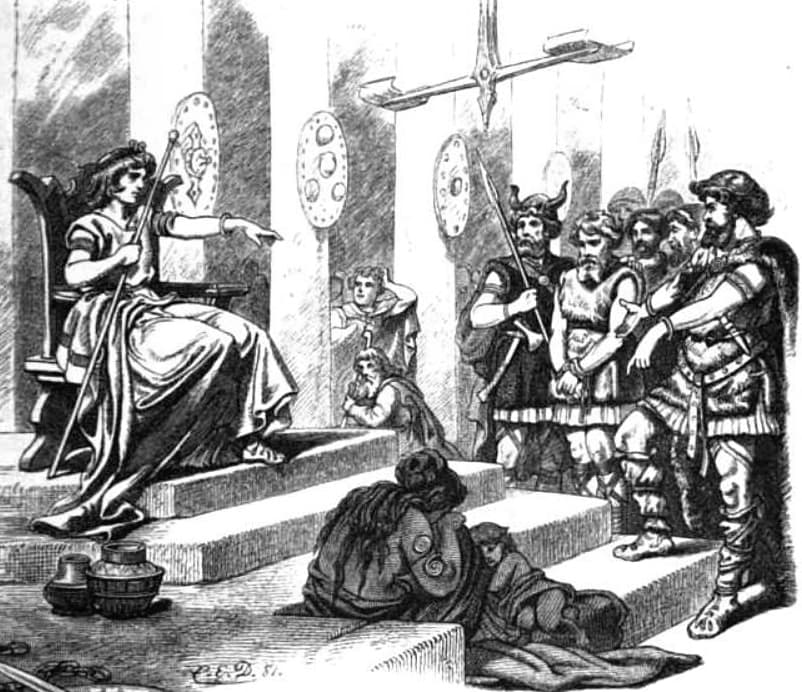
Forseti is the Norse god of justice and reconciliation. He is generally identified with Fosite, a god of the Frisians.
Read →
Ancient Rome
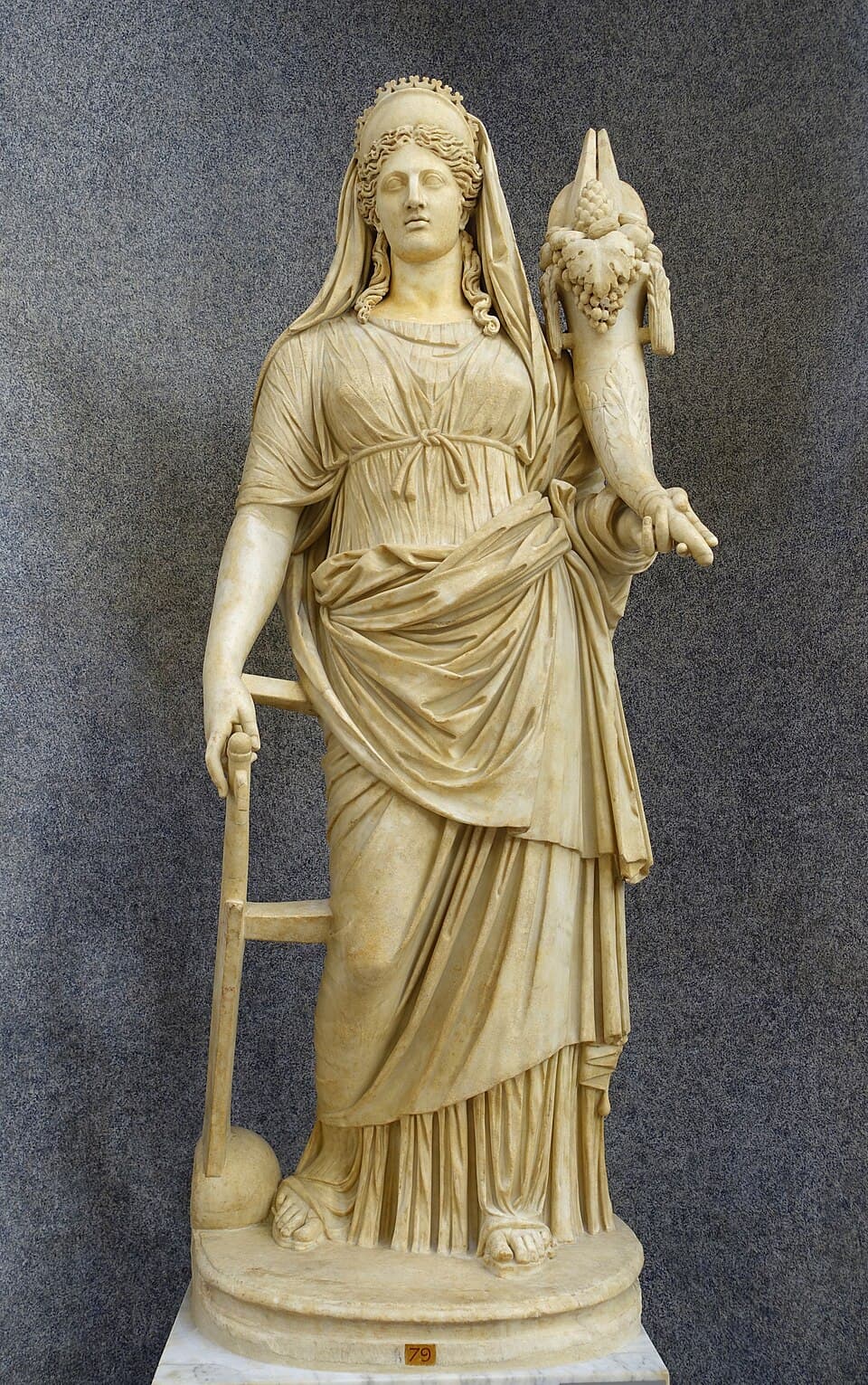
Fortuna, sometimes anglicized as Fortune, is the goddess of luck or fortune in Roman religion. She came to represent li…
Read →
China
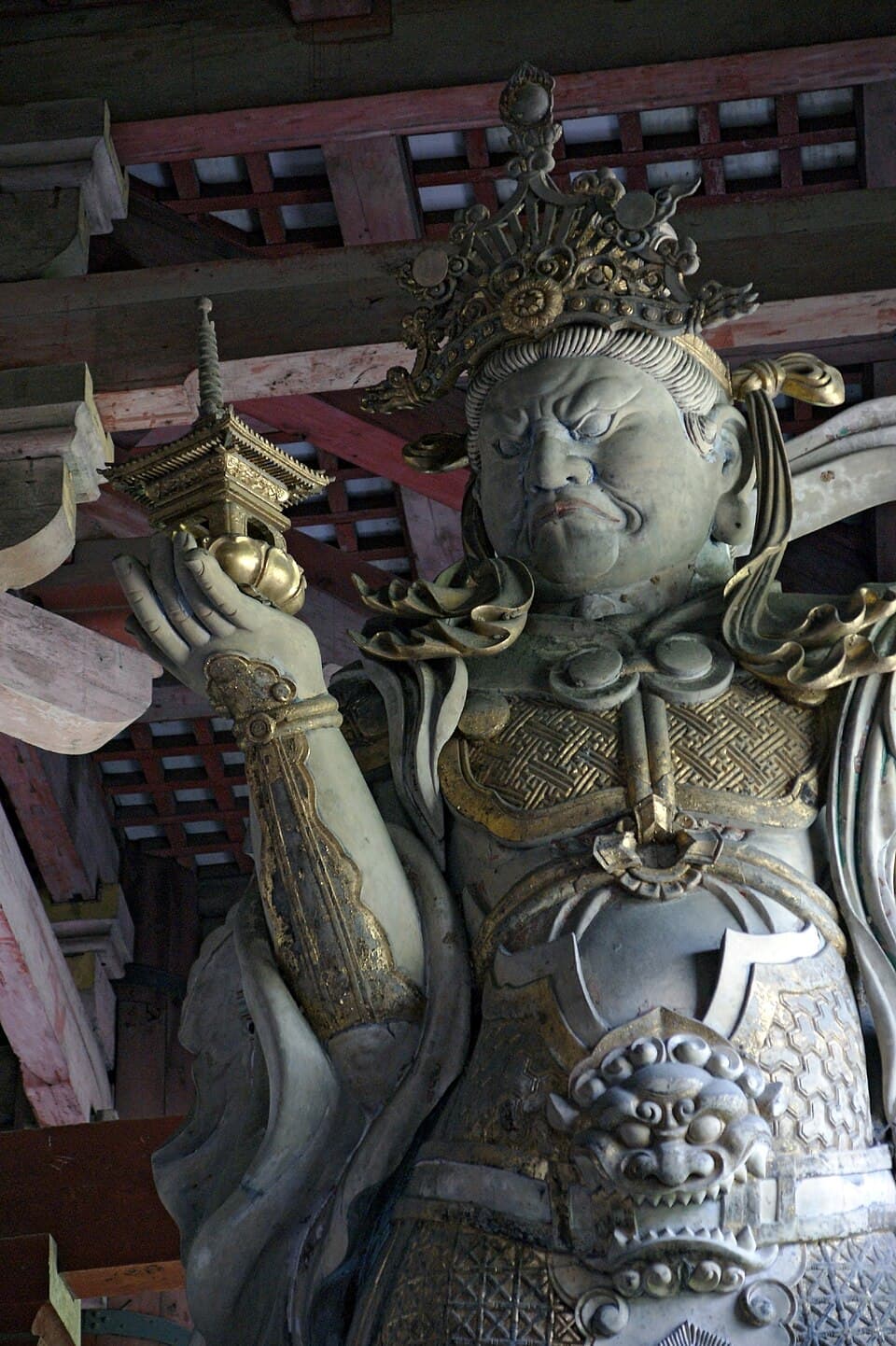
The Four Heavenly Kings are four Buddhist gods or devas, each of whom is believed to watch over one cardinal direction o…
Read →
China
The Four Heavenly Ministers , also translated as the Four Sovereigns, are four of the highest sky deities of Daoism and …
Read →
China
Four Mountains or Four Peaks variously interpreted from Chinese mythology or the most ancient level of Chinese history a…
Read →

China
The Four Perils are four malevolent beings that exist in Chinese mythology.
Read →

Ancient Egypt
The four sons of Horus were a group of four deities in ancient Egyptian religion who were believed to protect the dead i…
Read →
Iron Age Europe
In Irish mythology, Fragarach, known as "The Answerer" or "The Retaliator", was the sword of the sea god Manannán mac Li…
Read →
Ancient Persia
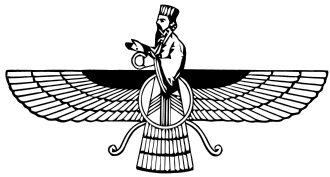
Frashokereti is the Avestan language term for the Zoroastrian doctrine of a final renovation of the universe, when evil …
Read →
Ancient Rome
In Roman mythology, Fraus was the goddess of personification of treachery and fraud.
Read →

Ancient Persia
Fravashi is the Avestan term for the Zoroastrian concept of a personal spirit of an individual, whether dead, living, or…
Read →

Ancient Egypt
Free will is generally understood as the capacity or ability of people to (a) choose between different possible courses …
Read →
Scandinavia
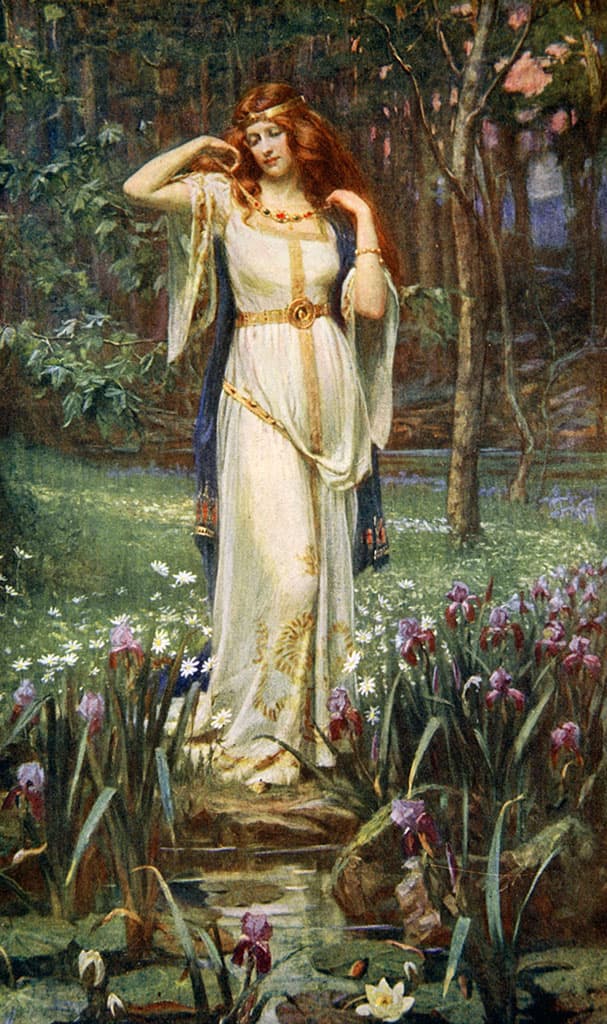
In Norse mythology, Freyja is a goddess associated with love, beauty, fertility, sex, war, gold, and seiðr. Freyja is t…
Read →
Scandinavia
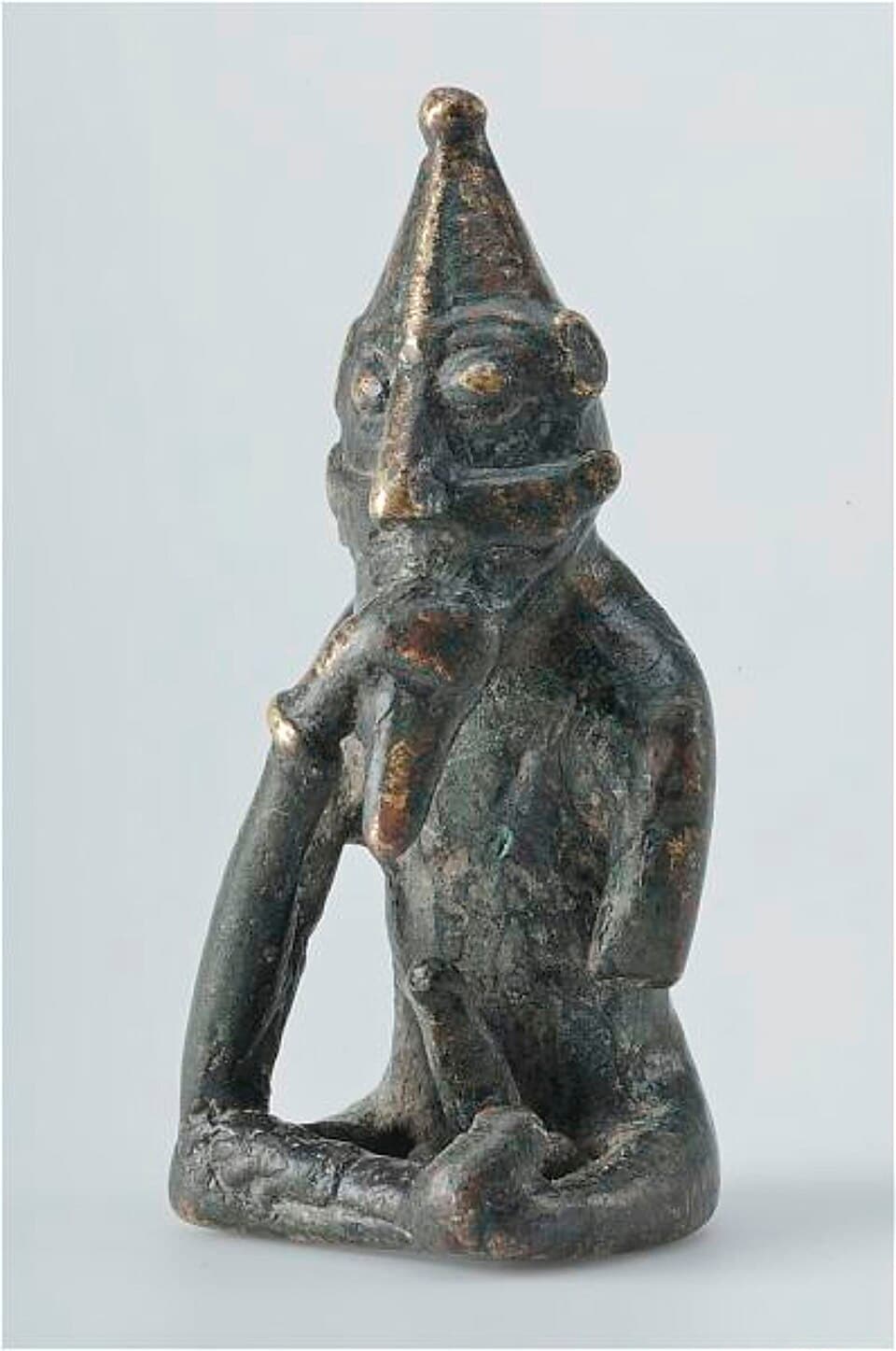
In Norse mythology, Freyr is the god associated with kingship, fertility, peace, prosperity, fair weather, and good harv…
Read →
Ancient Persia
The Friends of Man are a Christian denomination founded in 1919 by Frédéric-Louis-Alexandre Freytag, the former Branch m…
Read →
Scandinavia
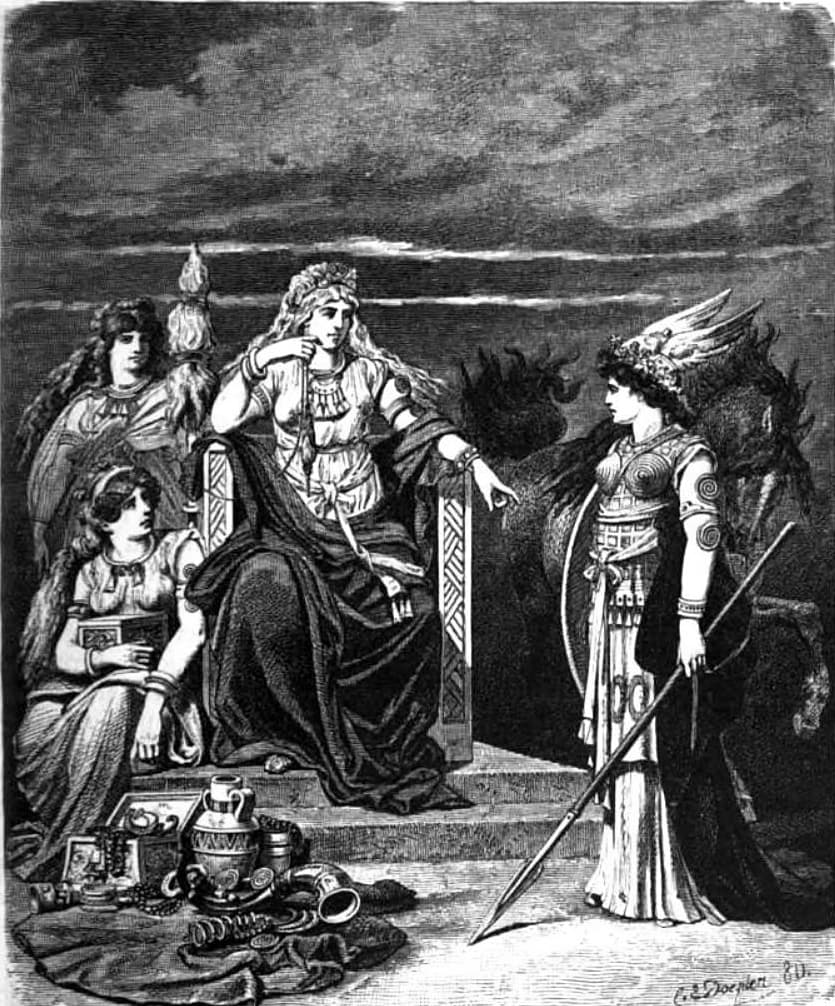
Frigg is a goddess, one of the Æsir, in Germanic mythology. In Norse mythology, the source of most surviving informatio…
Read →
Ancient Rome
In Etruscan religion, Fufluns or Puphluns was a god of plant life, happiness, wine, health, and growth in all things. H…
Read →
Japan
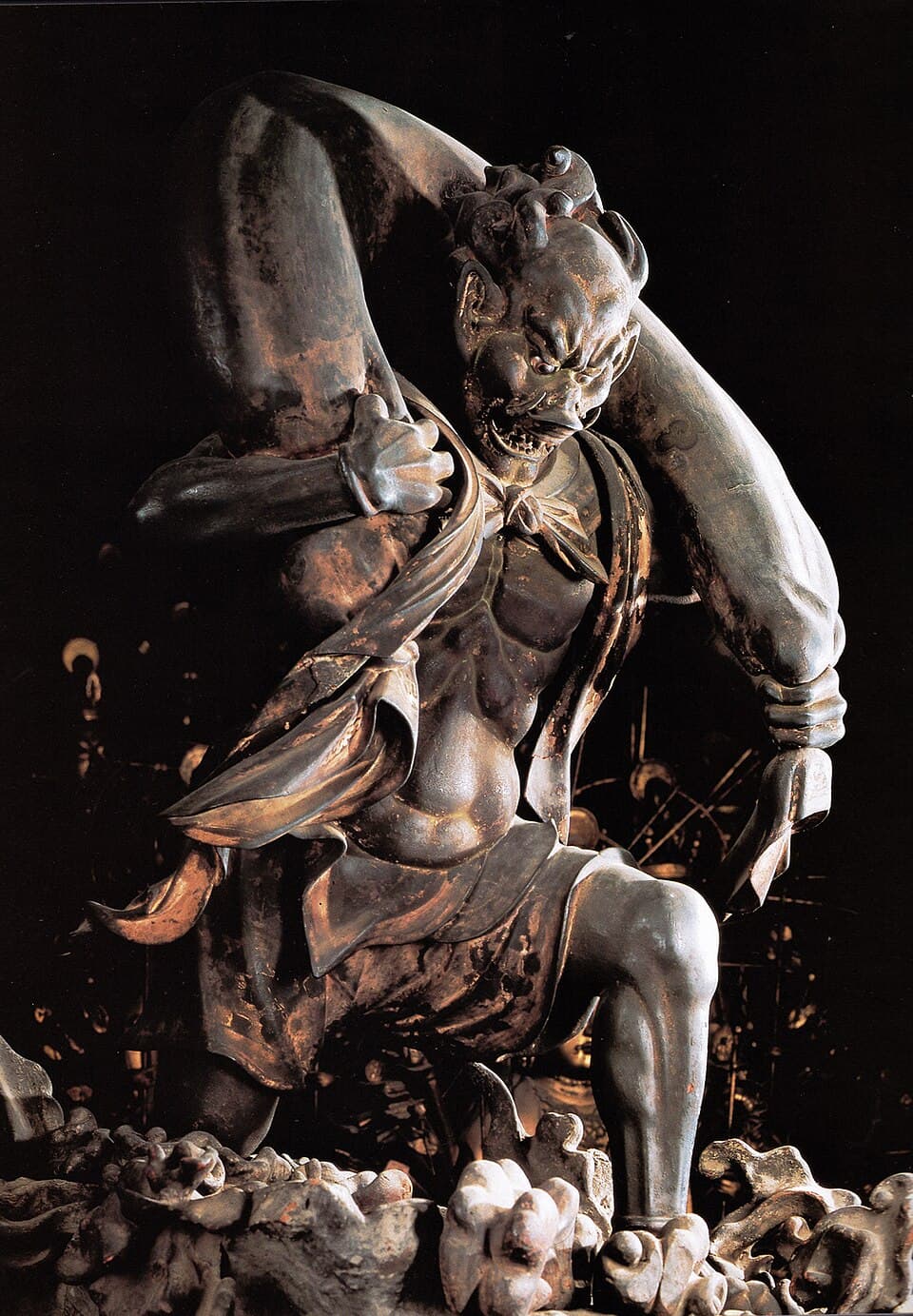
Fūjin or Fūten , sometimes also known as Ryobu, is the Japanese god of the wind and one of the eldest Shinto and Buddhis…
Read →

Japan
The Fujiwara clan was a powerful family of imperial regents in Japan, descending from the Nakatomi clan and, as legend h…
Read →
Scandinavia
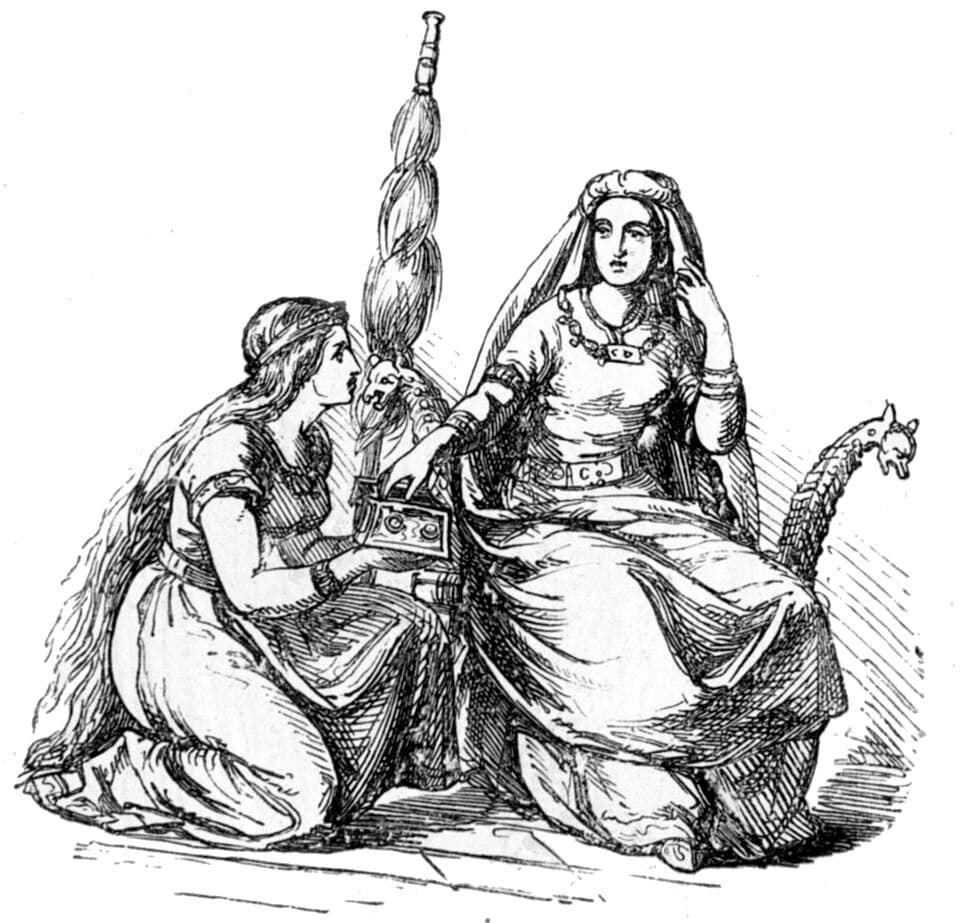
Fulla or Volla is a goddess in Germanic mythology. In Norse mythology, Fulla is described as wearing a golden band and …
Read →
Ancient Rome
Furrina, also spelled Furina, was an ancient Roman goddess whose function had become obscure by the 1st century BC. Her…
Read →
China
Fusu was the eldest son and heir apparent of Qin Shi Huang, the First Emperor of the Qin dynasty.
Read →

Japan
Futsunushi , also known as Iwainushi , is a warrior god in Japanese mythology. Also known under the epithet Katori Daim…
Read →
China
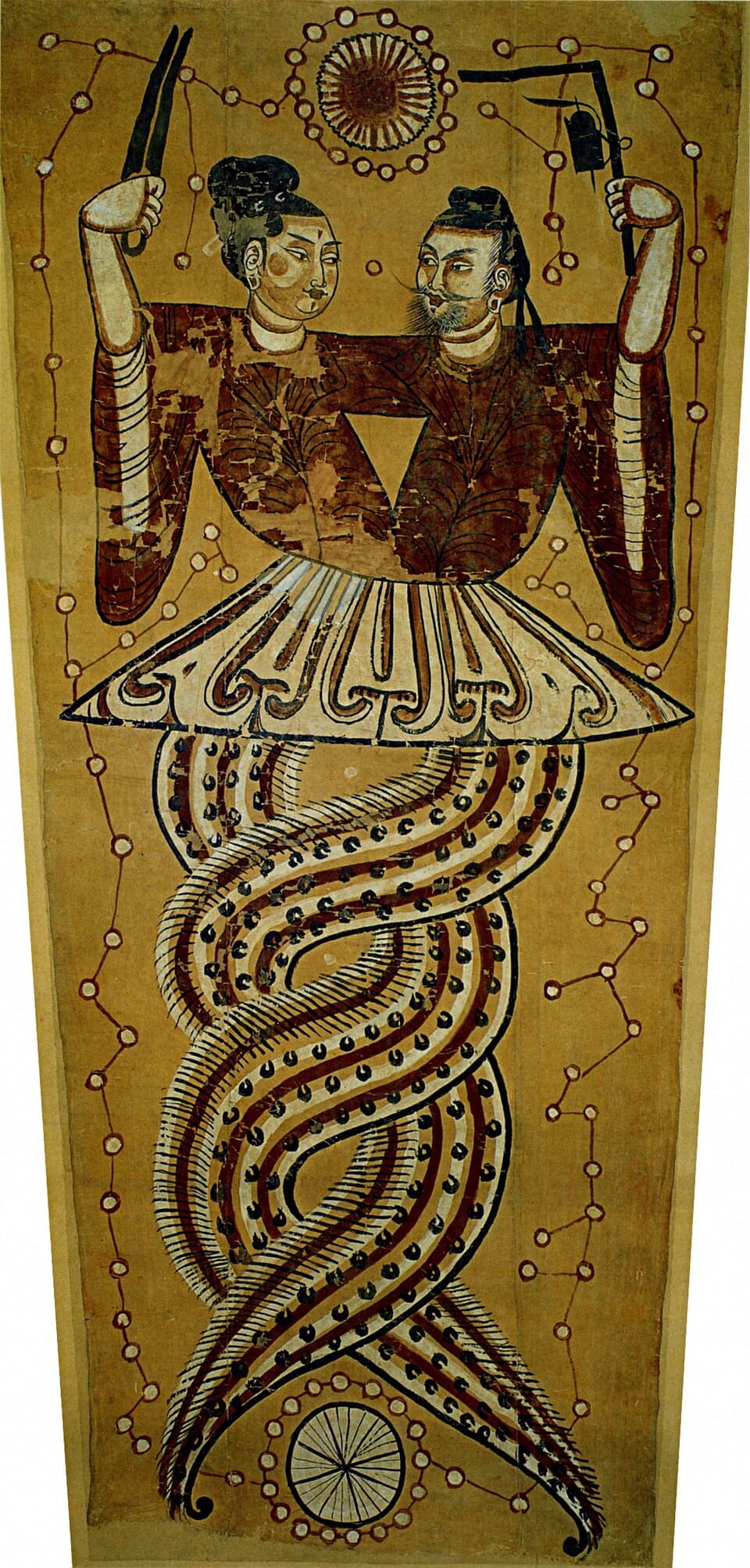
Fuxi or Fu Hsi is a culture hero in Chinese mythology, credited along with his sister and wife Nüwa with creating humani…
Read →
Scandinavia
In Nordic folklore and mythology, a fylgja is a supernatural being or spirit which accompanies a person in connection to…
Read →
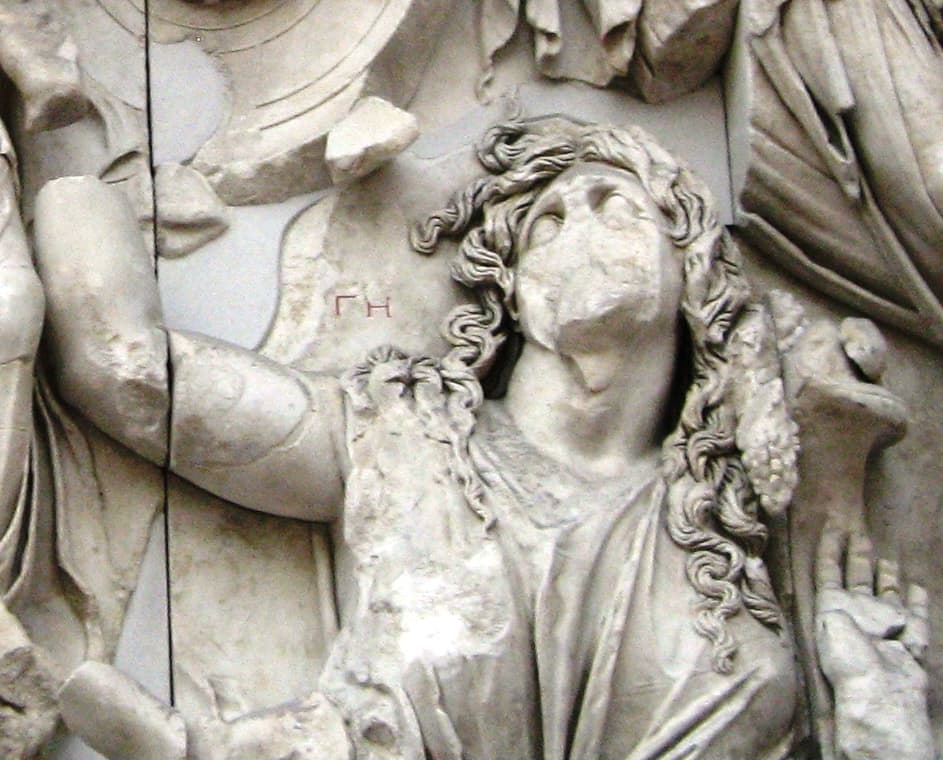
Ancient Greece
In Greek mythology, Gaia, also spelled Gaea, is the personification of Earth. She is the mother of Uranus (Sky), with w…
Read →
Ancient Rome
Gallia was a Romano-Gallic goddess, possibly related to the region of Europe known to the Romans as Gallia (Gaul). The …
Read →
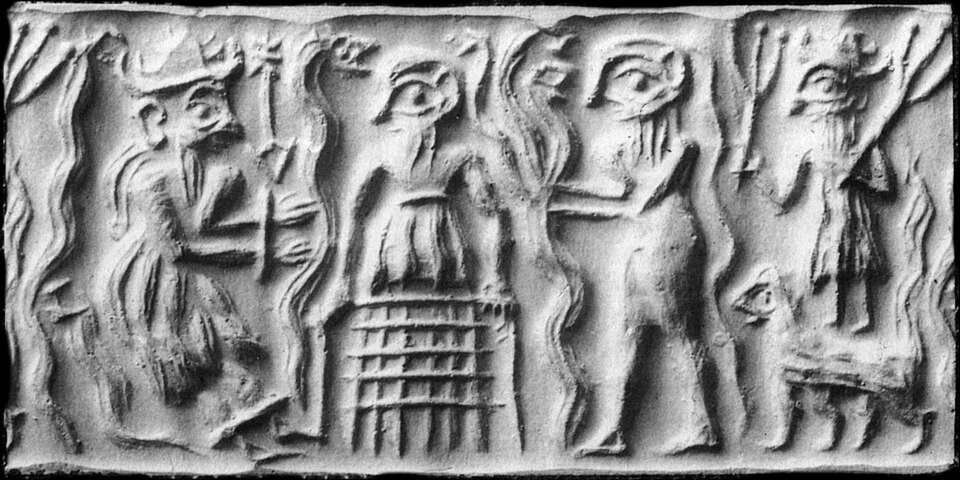
Ancient Mesopotamia
In Sumerian and ancient Mesopotamian religion, gallûs were demons or devils of the ancient Mesopotamian Underworld.
Read →
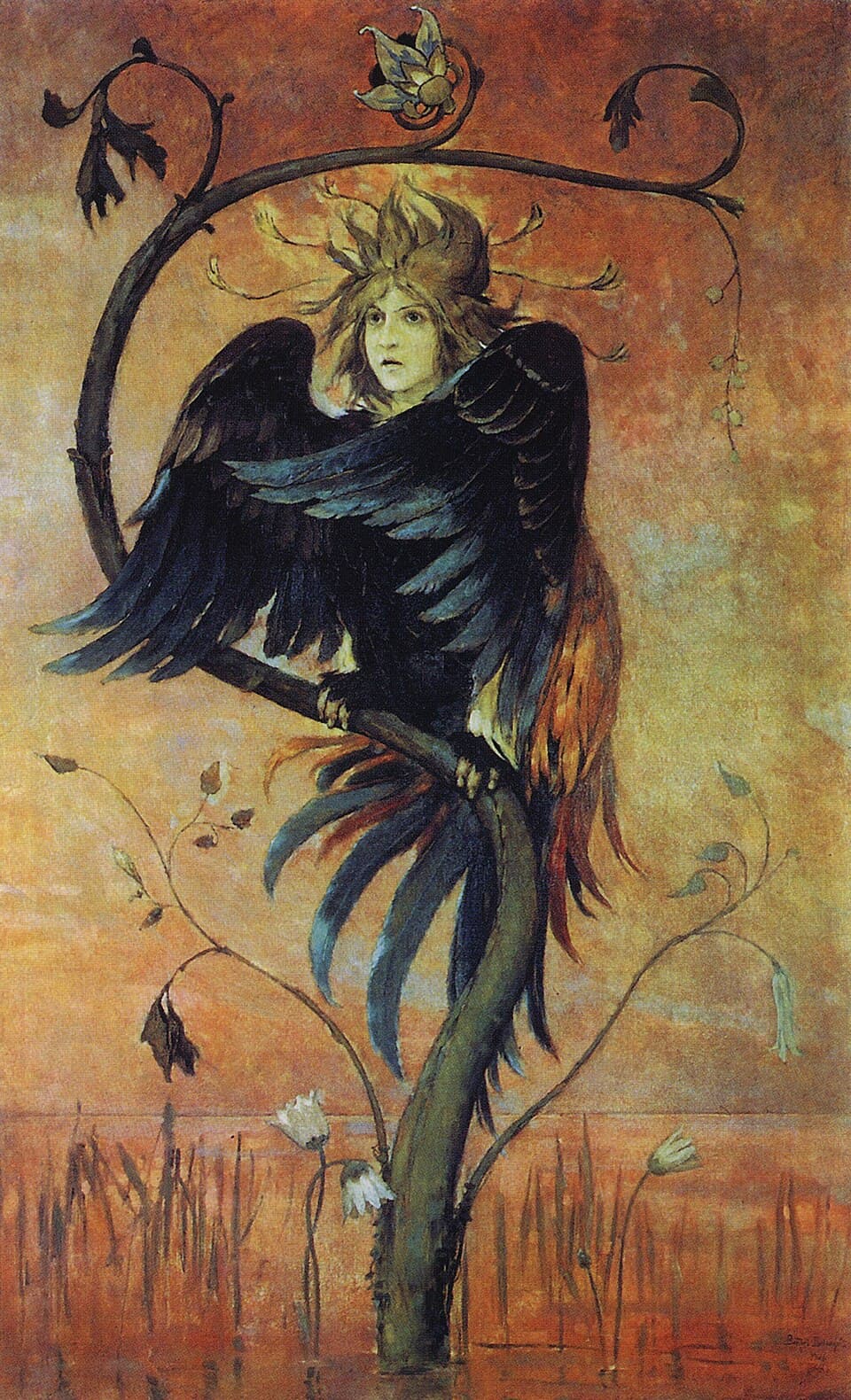
Early Slavs
Gamayun is a prophetic bird of Russian folklore. It is a symbol of wisdom and knowledge and lives on an island in the m…
Read →
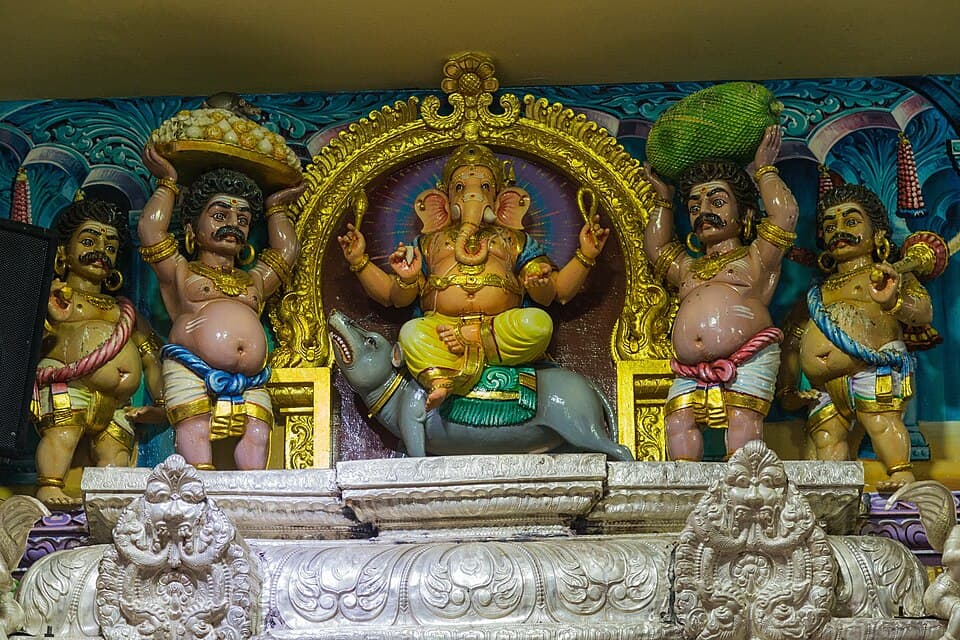
Indian subcontinent
In Hinduism, the Gaṇas are attendants of Shiva and live on Mount Kailash. Ganesha was chosen as their leader by Shiva; …
Read →
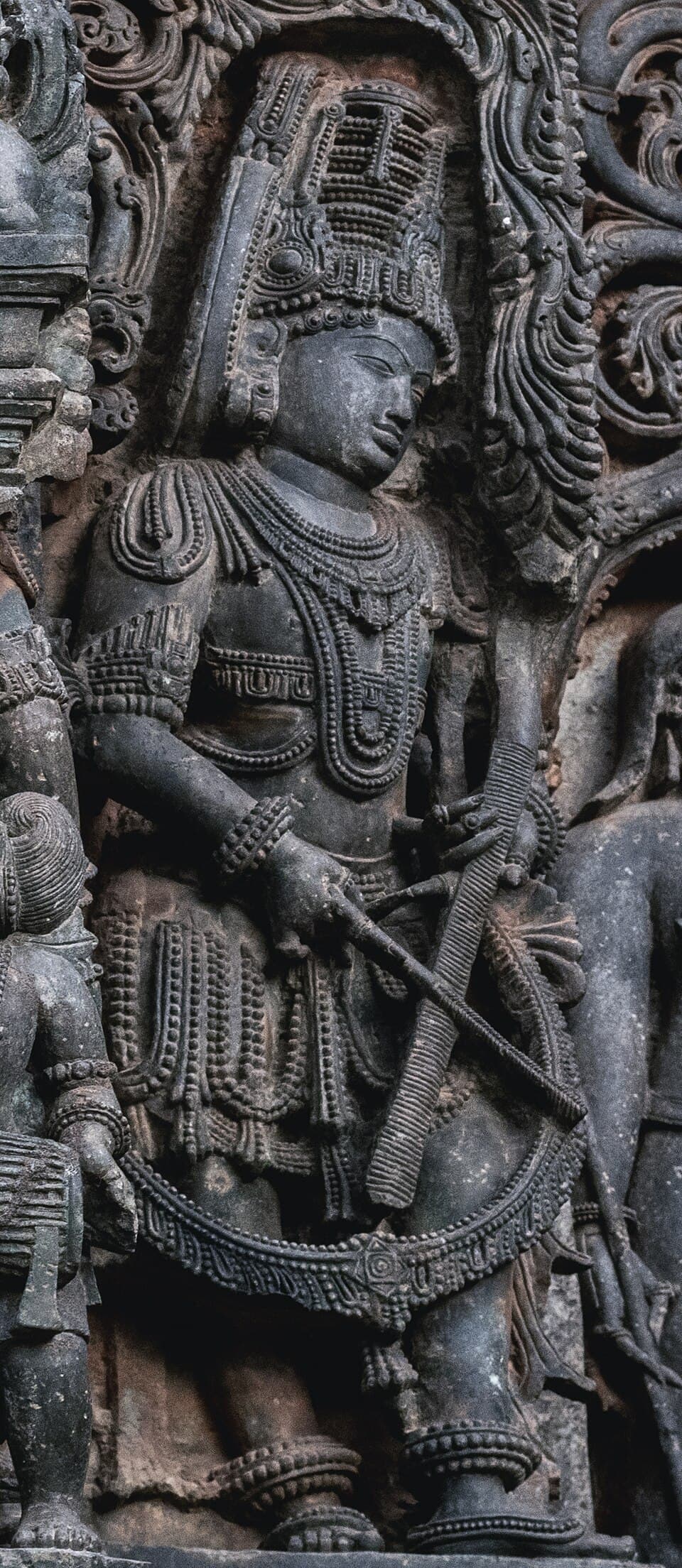
Indian subcontinent
A gandharva is a member of a class of celestial beings in Indian religions, such as Hinduism, Buddhism, and Jainism, who…
Read →
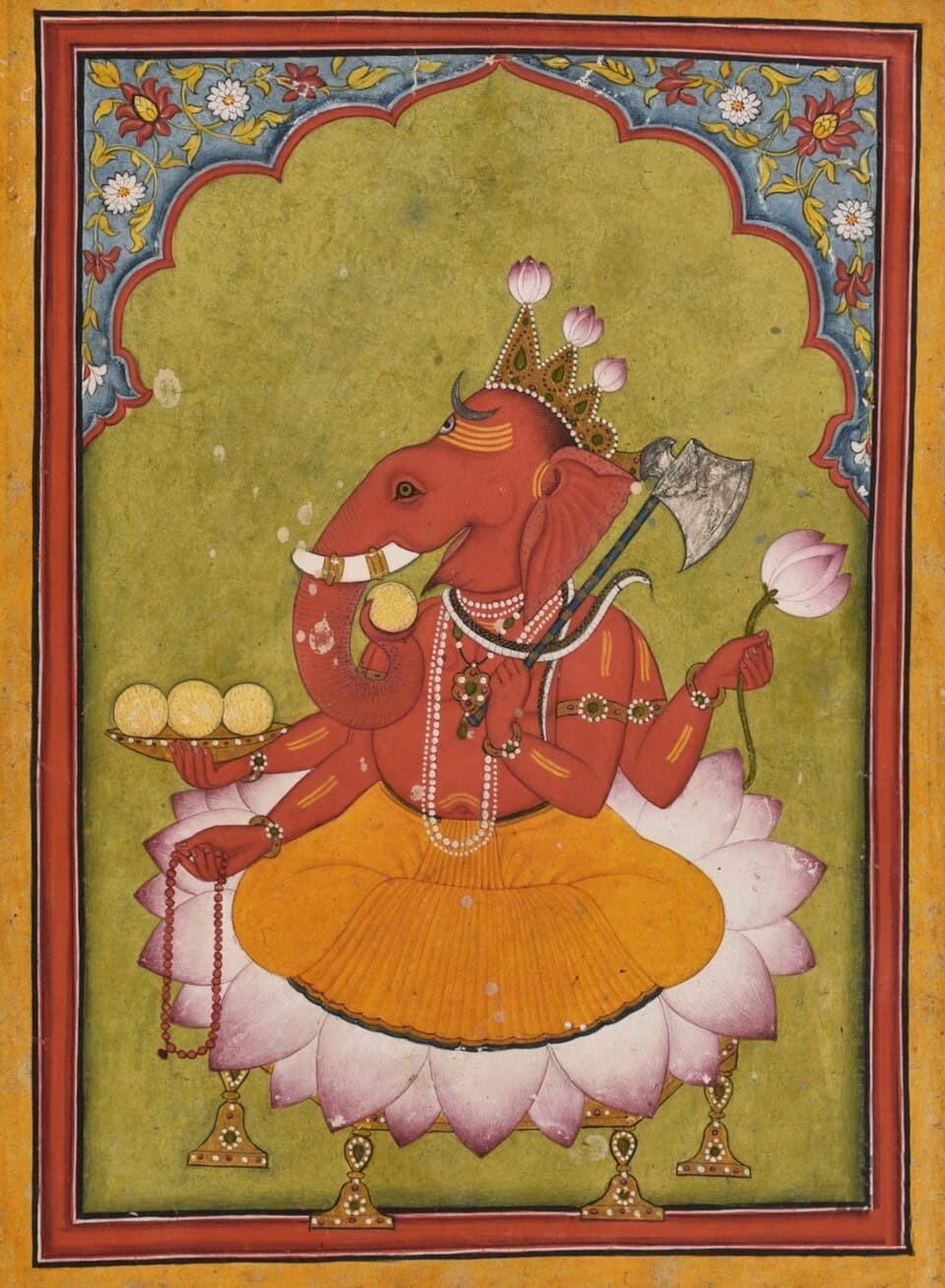
Indian subcontinent
Ganesha or Ganesh, also known as Ganapati, Vinayaka and Pillaiyar, is one of the best-known and most revered and worship…
Read →

Indian subcontinent
Ganga is the personification of the river Ganges, who is worshipped by Hindus as the goddess of purification and forgive…
Read →
Ancient Mesopotamia
Gareus is a Mesopotamian deity who was introduced to Uruk by the Parthians, who built a temple attributed to him there a…
Read →
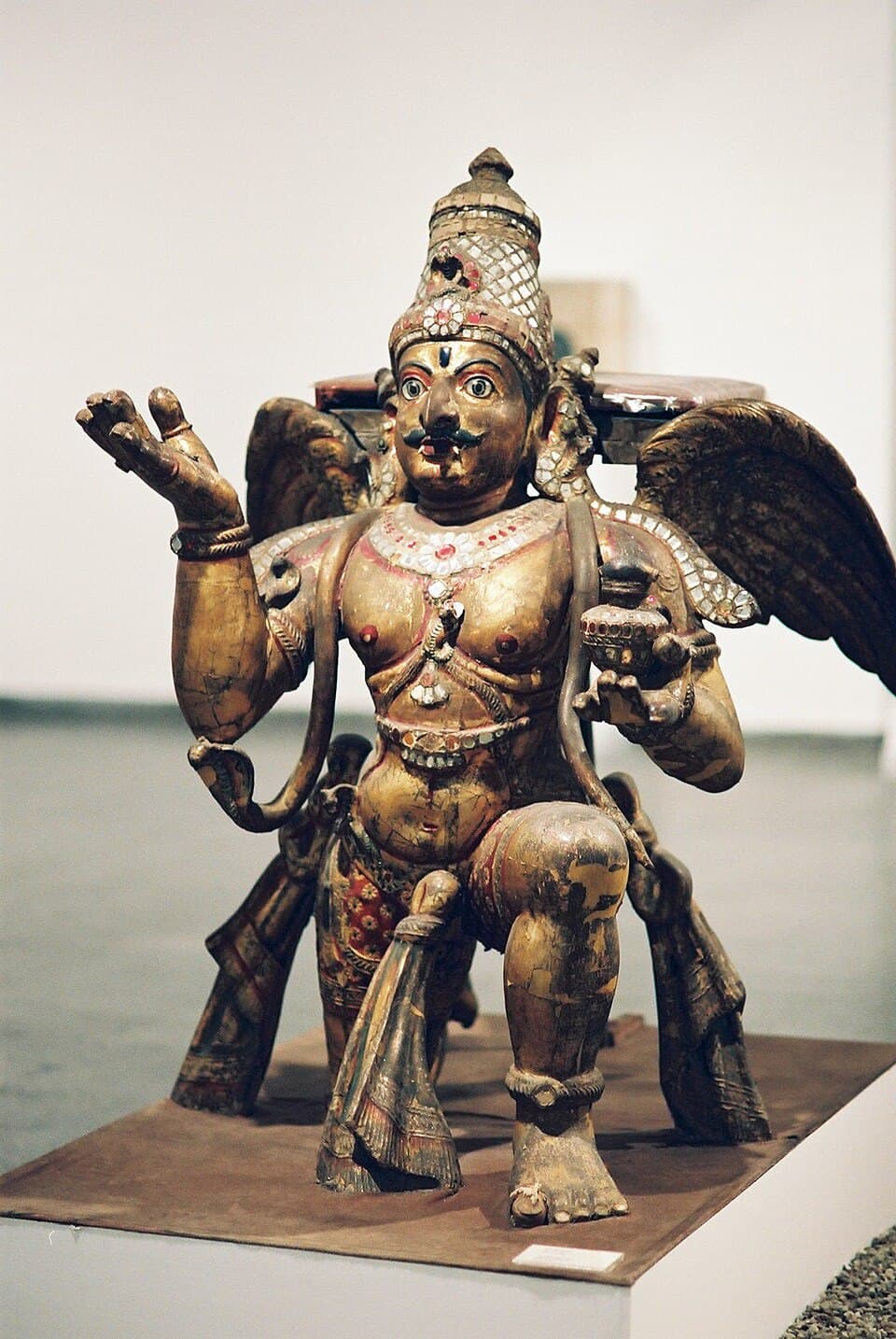
Indian subcontinent
Garuda is a Hindu deity who is primarily depicted as the mount (vahana) of the Hindu god Vishnu. This divine creature i…
Read →
Ancient Mesopotamia
Gaṯaru or Gašru was a god worshiped in Ugarit, Emar and Mari in modern Syria, and in Opis in historical Babylonia in Ira…
Read →

Ancient Egypt
The gate deities of the underworld were ancient Egyptian minor deities charged with guarding the gates of the Egyptian u…
Read →
Ancient Mesopotamia
Gatumdug was a Mesopotamian goddess regarded as the tutelary deity of Lagash and closely associated with its kings. She…
Read →
Ancient Mesopotamia
Gatumdug was a Mesopotamian goddess regarded as the tutelary deity of Lagash and closely associated with its kings. She…
Read →
Iron Age Europe
In Book 6 of his Commentaries on the Gallic War, Julius Caesar refers to a Gaulish god whom the druids believed that all…
Read →

Indian subcontinent
The Buddha is considered the ninth avatar among the ten major avatars of the god Vishnu, according to the Vaishnava trad…
Read →
Ancient Persia
Gavaevodata is the Avestan language name of the primordial bovine of Zoroastrian cosmogony and cosmology, one of Ahura M…
Read →
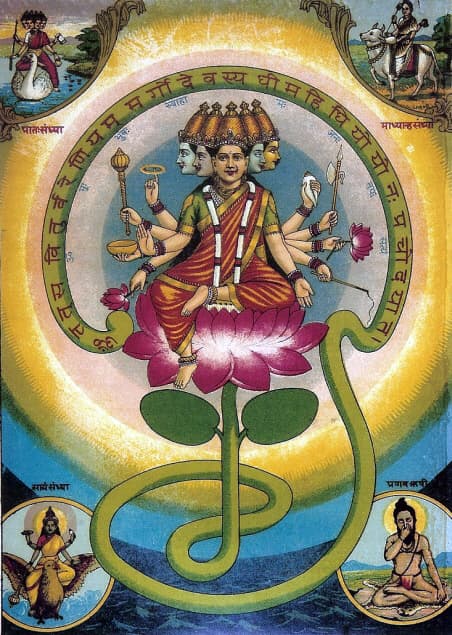
Indian subcontinent
Gayatri is the personified form of the Gayatri Mantra, a popular hymn from Vedic texts. She is also known as Savitri, a…
Read →
Indian subcontinent
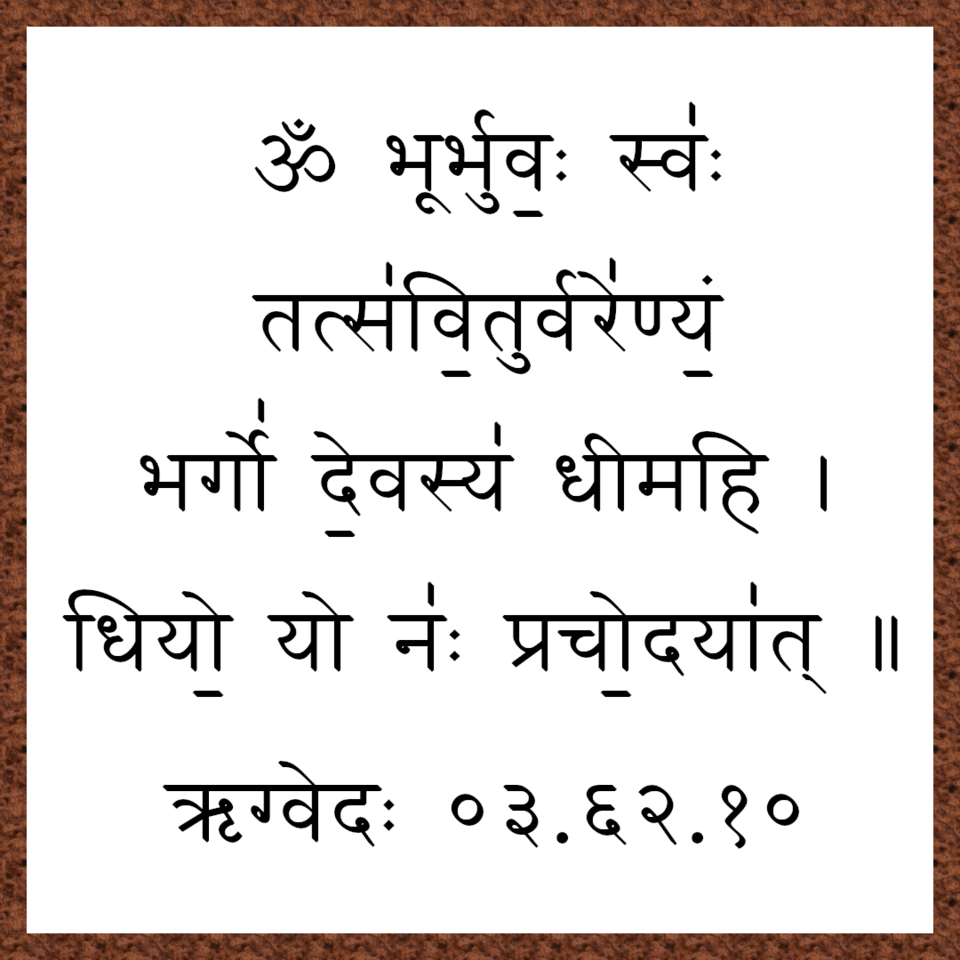
The Gāyatrī Mantra, also known as the Sāvitrī Mantra, is a sacred mantra from the Ṛig Veda, dedicated to the Vedic deity…
Read →
Ancient Mesopotamia
Gazbaba, also known as Kazbaba or Kazba, was a Mesopotamian goddess closely associated with Inanna, Nanaya and Kanisurra…
Read →
Ancient Egypt
Geb, also known as Ceb,, was the Egyptian god of the Earth and a mythological member of the Ennead of Heliopolis. He co…
Read →
Scandinavia
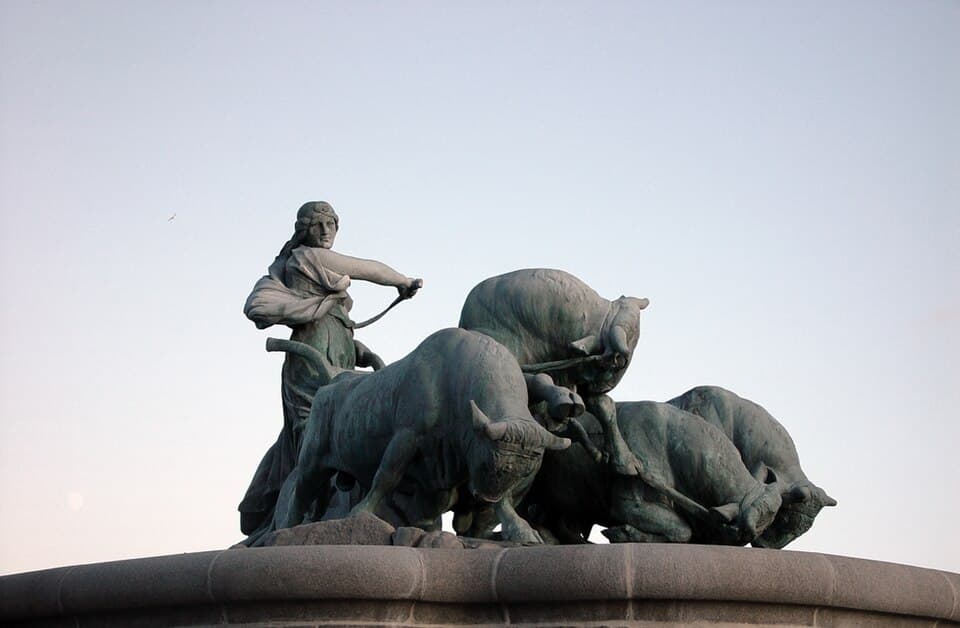
In Norse mythology, Gefjon is a goddess associated with ploughing, the Danish island of Zealand, the legendary Swedish k…
Read →
Scandinavia
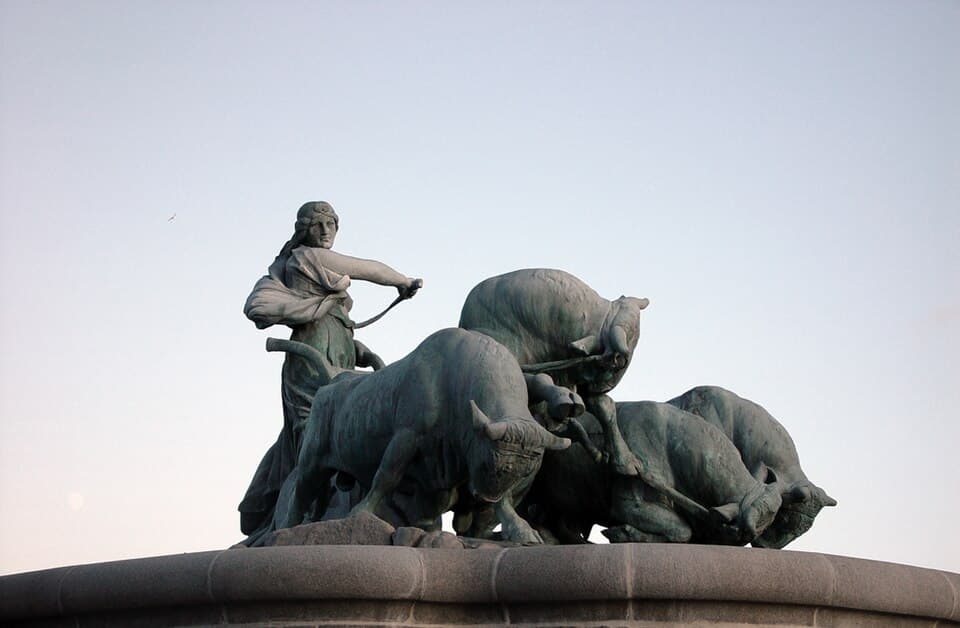
In Norse mythology, Gefjon is a goddess associated with ploughing, the Danish island of Zealand, the legendary Swedish k…
Read →
Scandinavia
Geirröðr is a jötunn in Norse mythology. He is the father of the jötnar Gjálp and Greip, who are killed by the thunder-…
Read →

West Africa
The Gẹlẹdẹ spectacle of the Yoruba is a public display by colorful masks which combines art and ritual dance to amuse, e…
Read →

China
General Baokeng, formerly known as 'General Shen Zi Keng ', was a decorative piece in a Banqiao District, New Taipei Cit…
Read →
Ancient Egypt
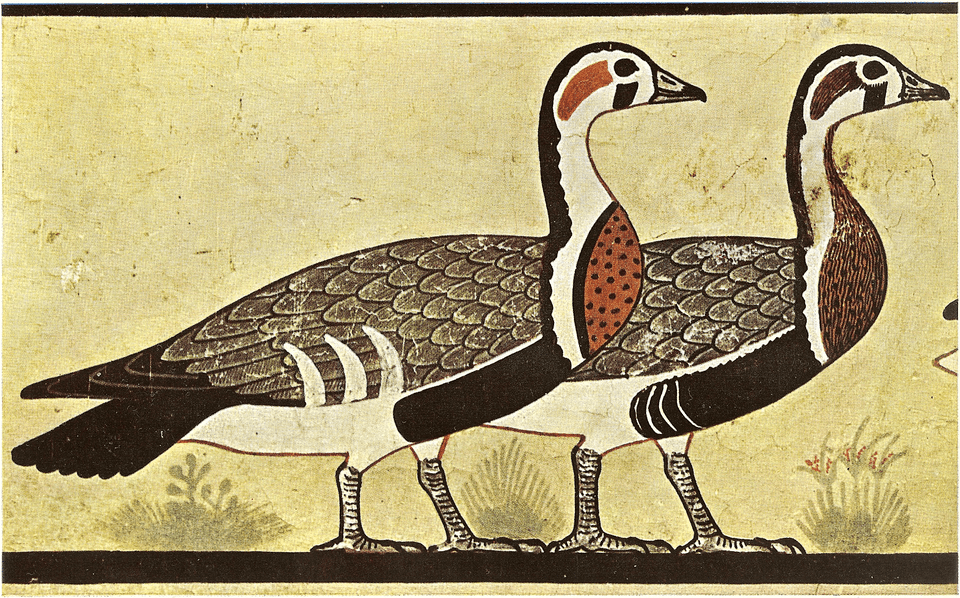
Gengen-Wer or Negeg-Wer is an Ancient Egyptian god of creation who appeared like a goose, possibly an Egyptian goose. H…
Read →
Ancient Rome
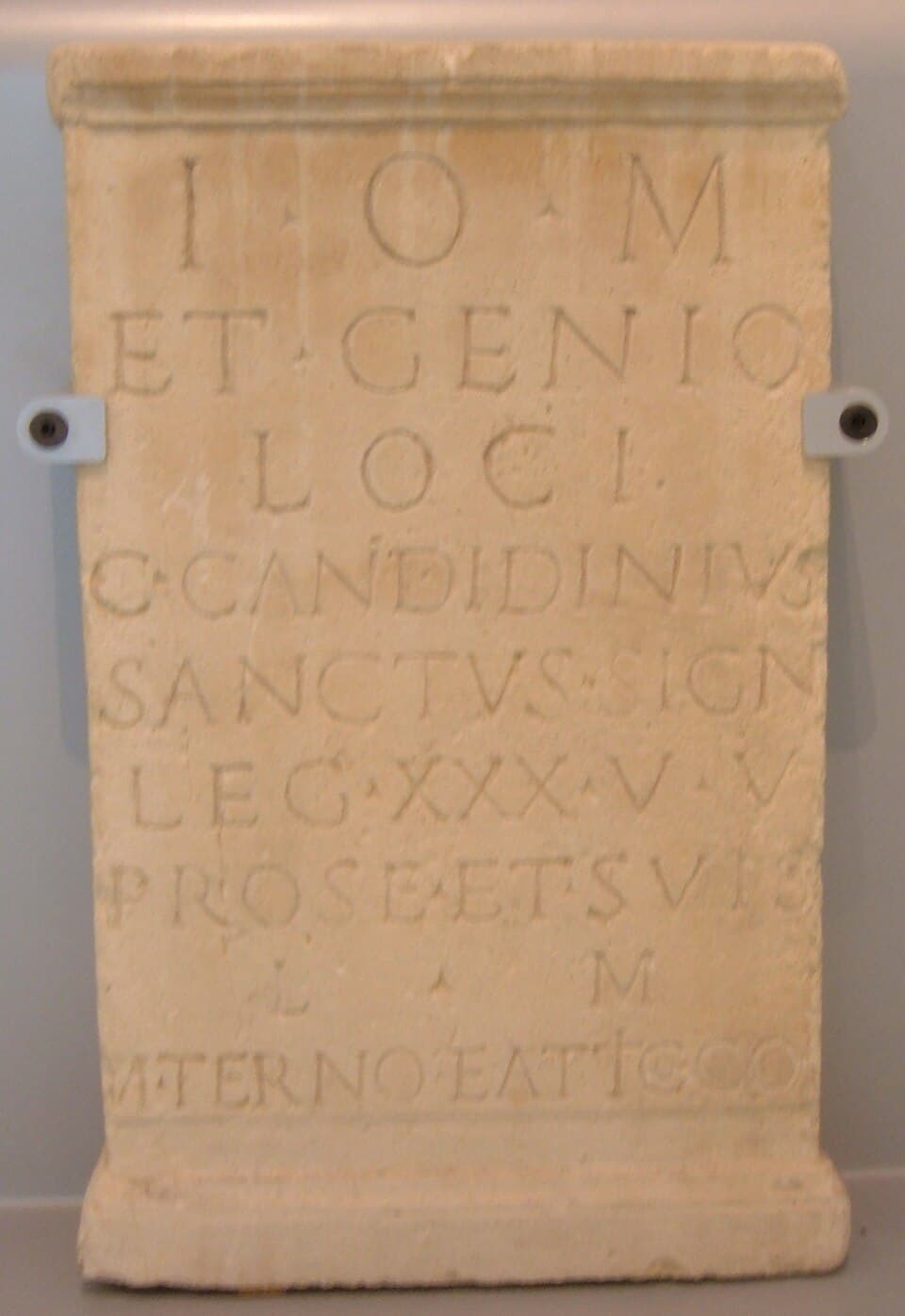
In classical Roman religion, a genius loci was the protective spirit of a place. It was often depicted in religious ico…
Read →
Ancient Greece
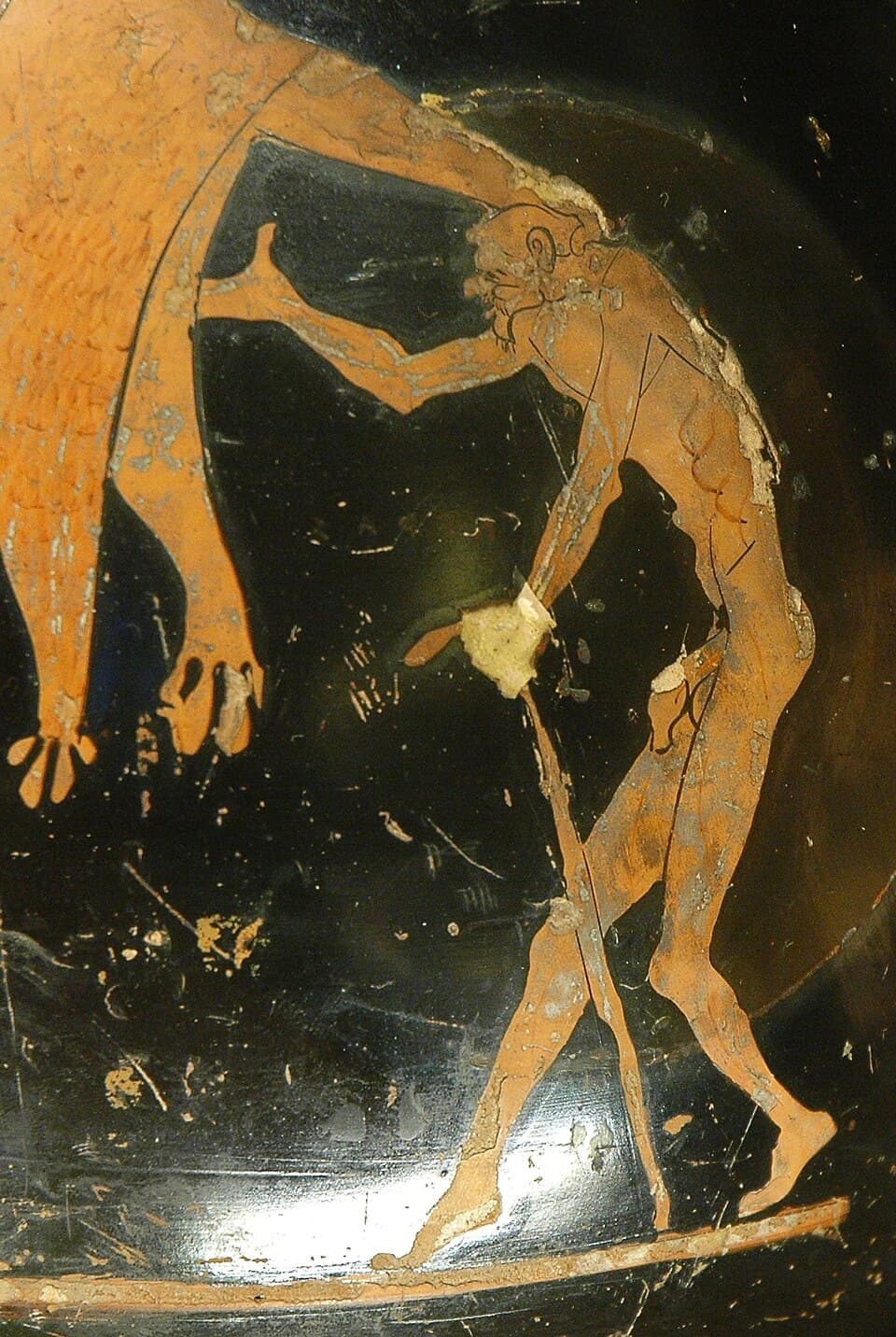
In Greek mythology, Geras is the god of old age. He was typically depicted as a tiny, shriveled old man. Gēras's oppos…
Read →
Scandinavia
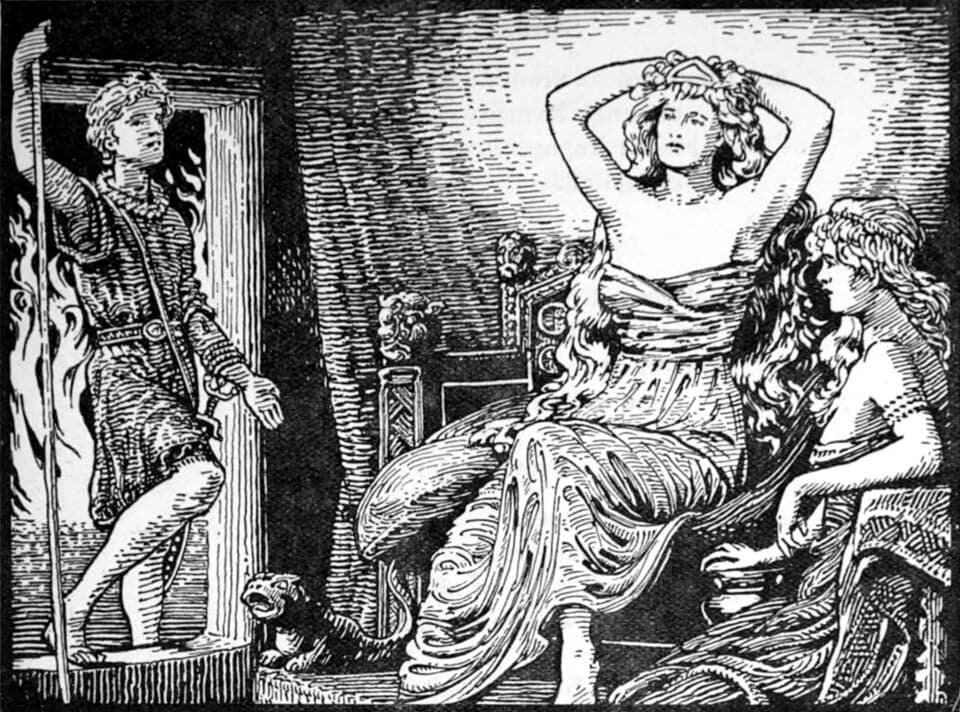
In Norse mythology, Gerðr is a jötunn, goddess, and the wife of the god Freyr. Gerðr is attested in the Poetic Edda, co…
Read →

Scandinavia
In Norse mythology, Geri and Freki are two wolves which are said to accompany the god Odin. They are attested in the Po…
Read →
Scandinavia
In Norse mythology, Gersemi is the daughter of Freyja and Óðr, and the twin sister of Hnoss. She is the goddess of beau…
Read →

Ancient Mesopotamia
Geshtinanna was a Mesopotamian goddess best known due to her role in myths about the death of Dumuzi, her brother. It i…
Read →
Ancient Mesopotamia
Ilawela is, in Sumerian and Akkadian mythology, a minor god of intelligence. In the Atra-Hasis Epic he was sacrificed b…
Read →
Indian subcontinent
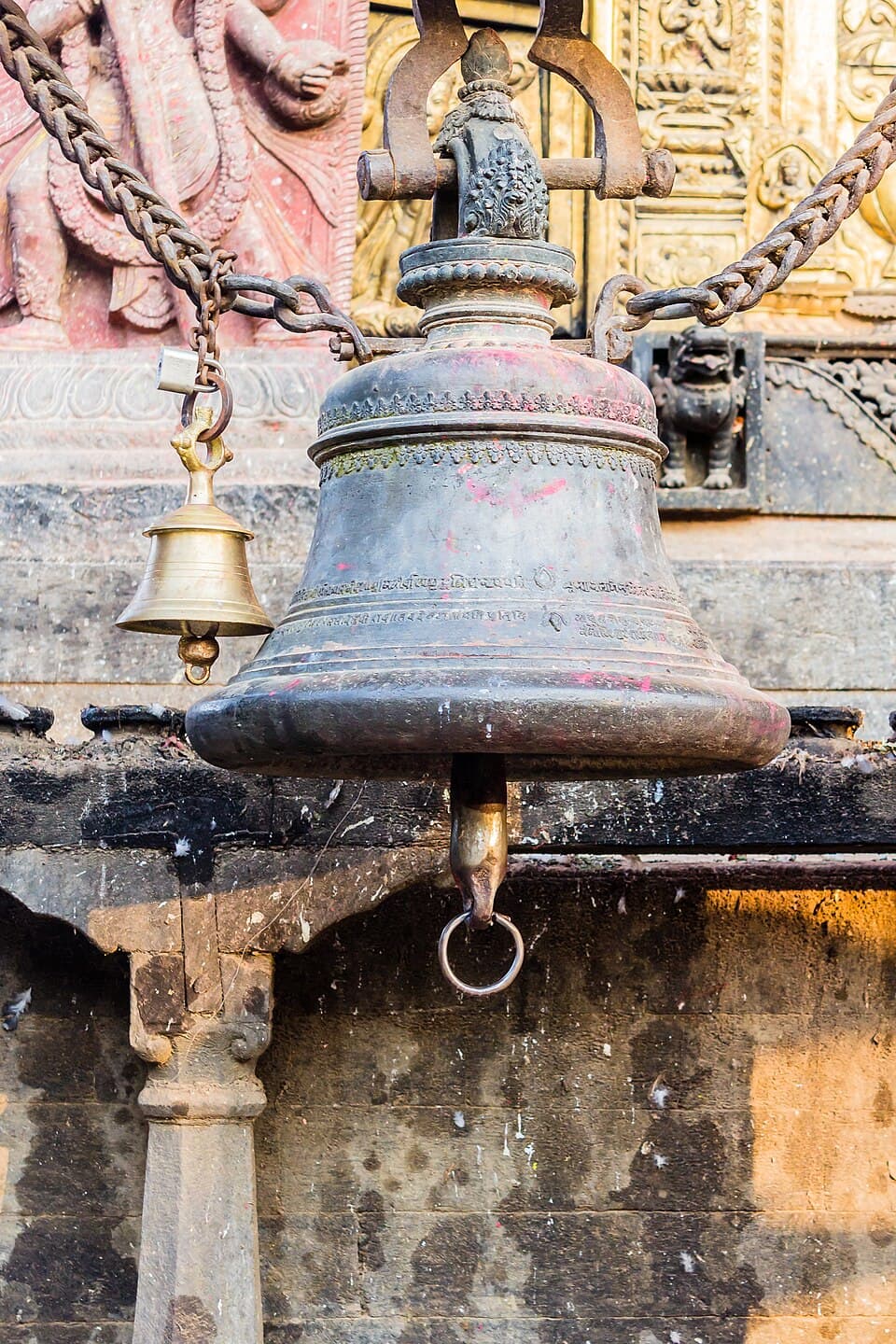
Ghanta is the Sanskrit term for a ritual bell used in Hindu religious practices. The ringing of the bell produces what …
Read →

North America
In folklore, a ghost is the soul or spirit of a dead person or non-human animal that is believed by some people to be ab…
Read →
Ancient Mesopotamia
Gibil (𒀭𒉈𒄀), also known under the Akkadian name Girra, was a Mesopotamian god associated with fire, both in its posit…
Read →
Iron Age Europe
In Welsh mythology, Gilfaethwy was a son of the goddess Dôn and brother of Gwydion and Arianrhod in the Fourth Branch of…
Read →

Ancient Mesopotamia
Gilgamesh was a hero in ancient Mesopotamian mythology and the protagonist of the Epic of Gilgamesh, an epic poem writte…
Read →
Scandinavia
In Norse mythology, Ginnungagap is the primordial, magical void mentioned in three poems from the Poetic Edda and the Gy…
Read →
Ancient Mesopotamia
Girsu was a city of ancient Sumer, situated some 25 km (16 mi) northwest of Lagash, at the site of what is now Tell Tell…
Read →
Scandinavia
Gjálp and Greip are two jötnar in Norse mythology and the daughters of the jötunn Geirröðr. They are killed by the thun…
Read →
Scandinavia
In Norse mythology, Glær (transparent) or Glenr is a horse listed in both Grímnismál and Gylfaginning among the steeds r…
Read →
Iron Age Europe
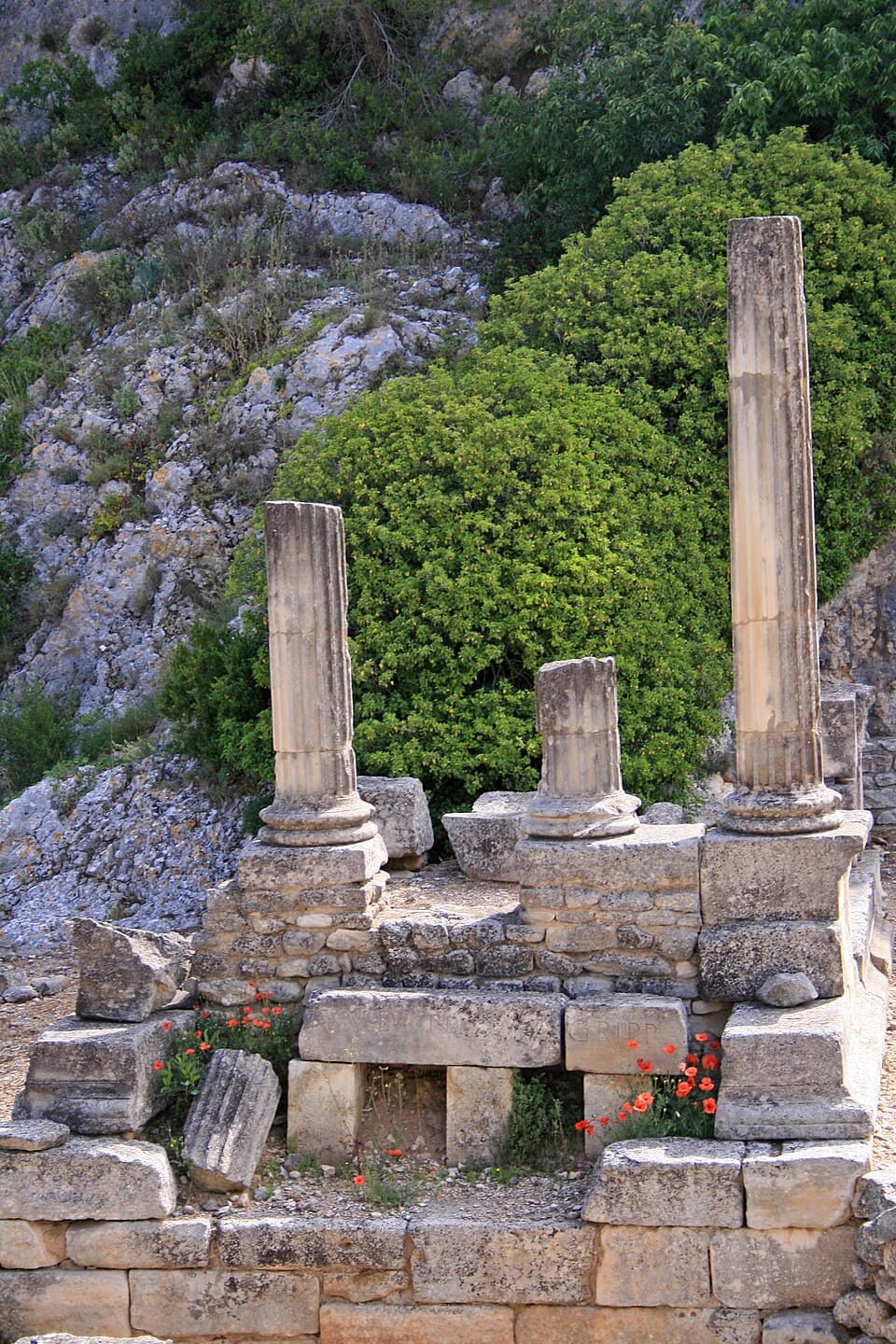
Glanis was a Gaulish god associated with a healing spring at the town of Glanum in the Alpilles mountains of Provence in…
Read →
Ancient Greece
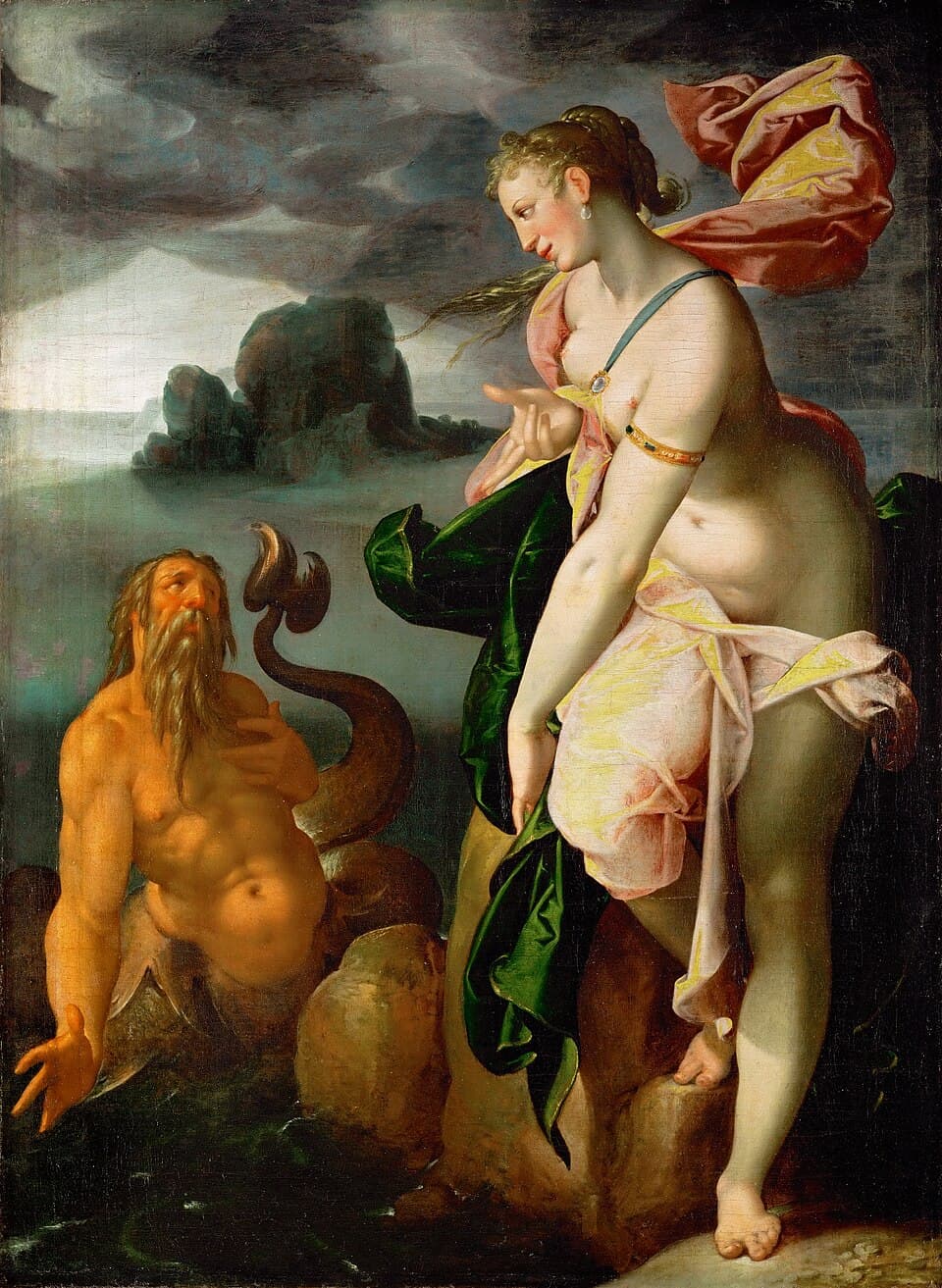
In Greek mythology, Glaucus was a Greek prophetic sea-god, born mortal and turned immortal upon eating a magical herb. …
Read →
Scandinavia
In Norse mythology, Glenr is the husband of the goddess Sól, who drives the horses of the sun across the sky. It is sta…
Read →
Scandinavia
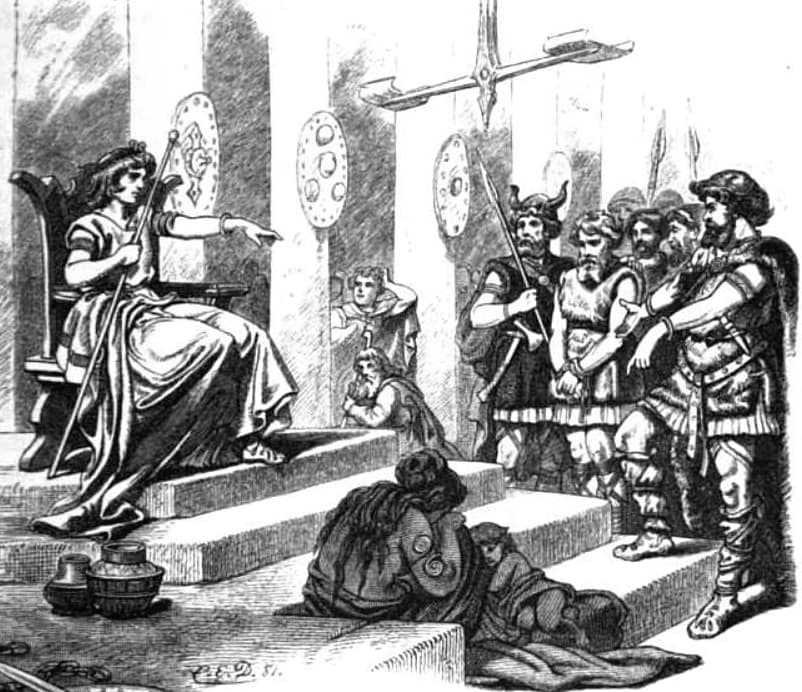
Forseti is the Norse god of justice and reconciliation. He is generally identified with Fosite, a god of the Frisians.
Read →
Ancient Rome
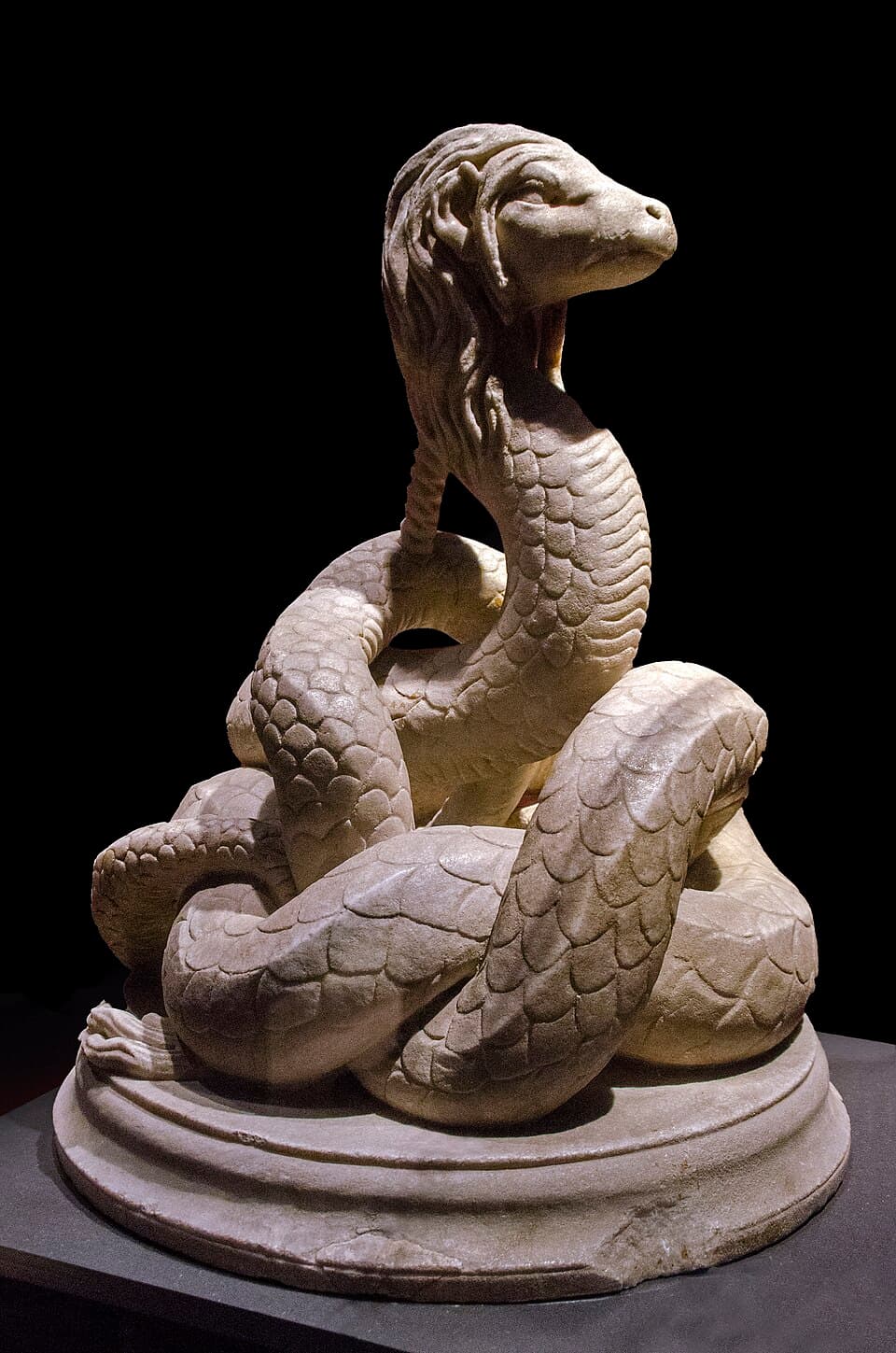
Glycon, also spelled Glykon, was an ancient snake god. He had a large and influential cult within the Roman Empire in t…
Read →
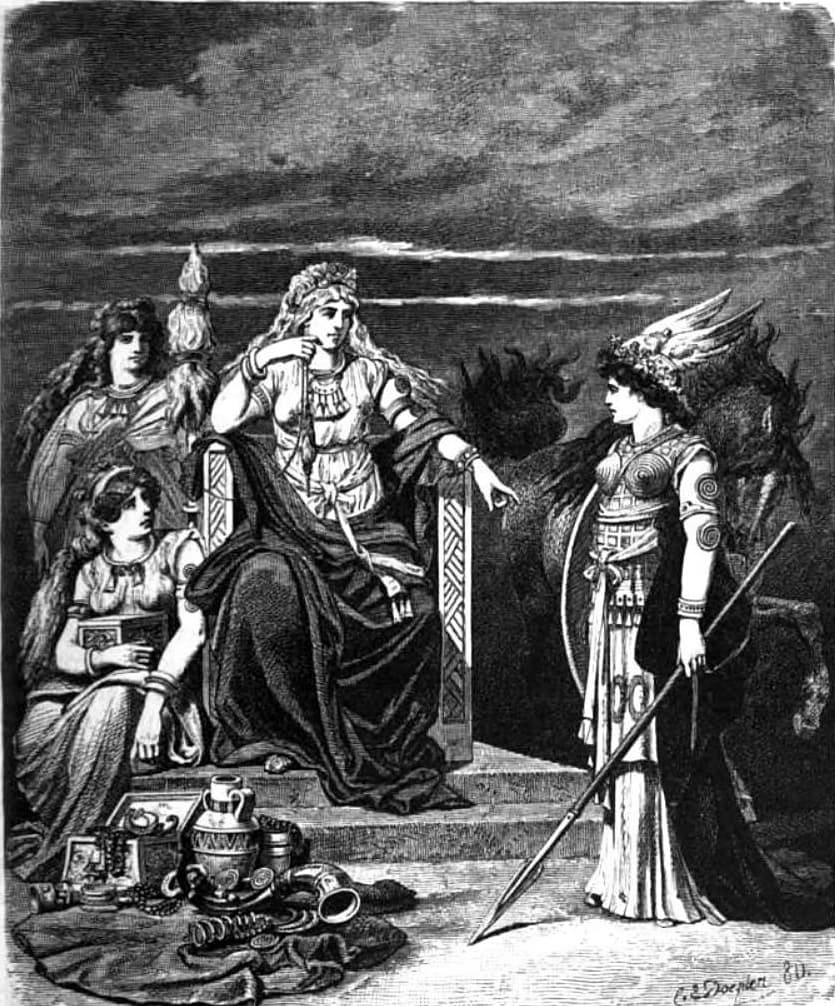
Scandinavia
In Norse mythology, Gná is a goddess who runs errands in other worlds for the goddess Frigg and rides the flying, sea-tr…
Read →

Scandinavia
In Norse mythology, Gná is a goddess who runs errands in other worlds for the goddess Frigg and rides the flying, sea-tr…
Read →
Ancient Egypt
Gnosticism is a collection of different religious and philosophical ideas and systems that fully developed by the mid-se…
Read →
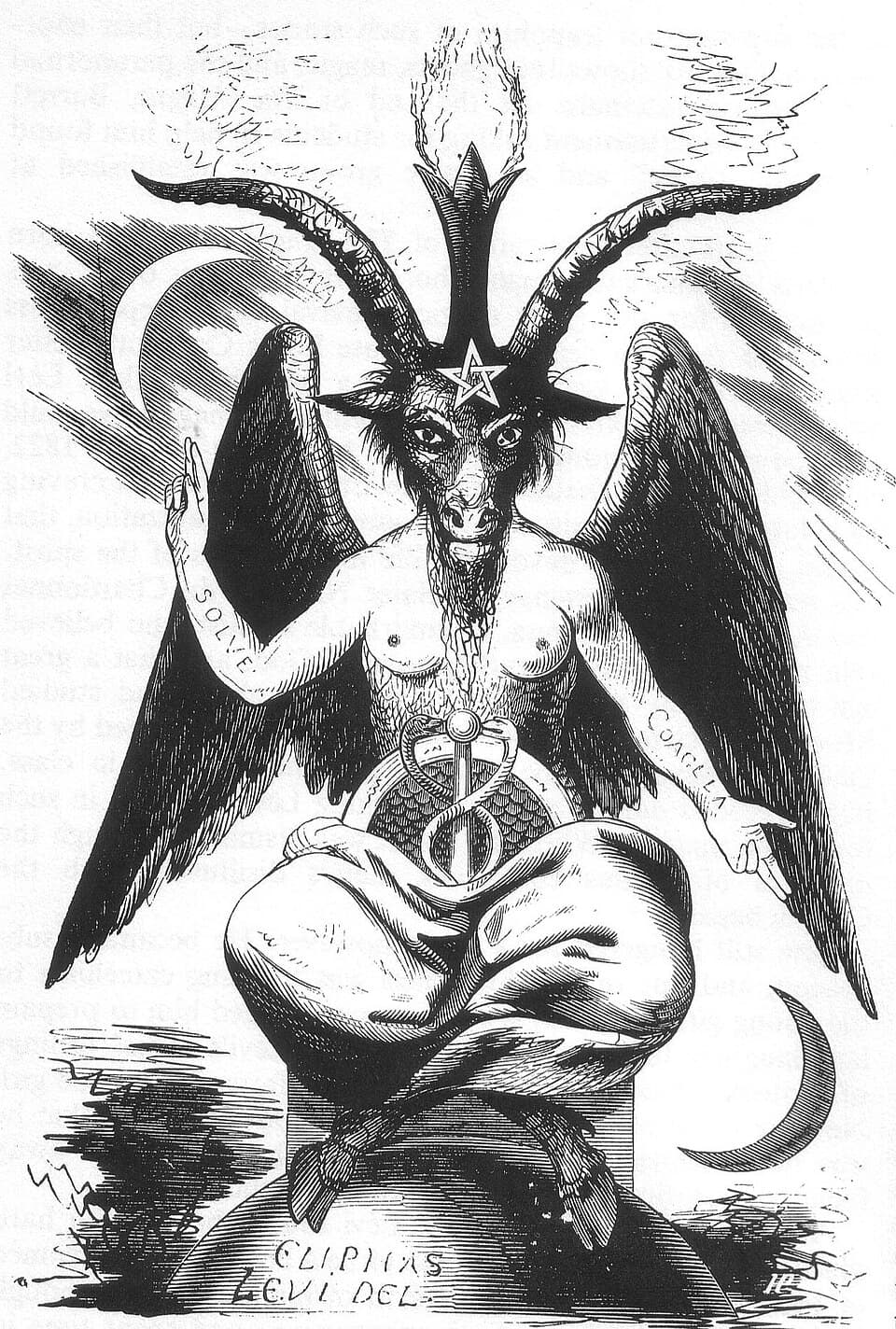
Ancient Egypt
Baphomet is a figure rooted within the occult and Western esoteric traditions. The name first emerged in the 14th centu…
Read →
Iron Age Europe
Gobannus was a Gallo-Roman smithing god.
Read →
Ancient Egypt
Conceptions of God in classical theist, monotheist, pantheist, and panentheist traditions – or of the supreme deity in h…
Read →
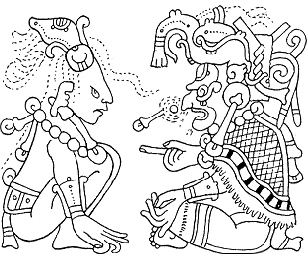
Maya civilization
The Maya death gods known by a variety of names, are two basic types of death gods who are respectively represented by t…
Read →

Indian subcontinent
In Hinduism, there are diverse approaches to conceptualizing God and gender. Many Hindus focus upon the impersonal Abso…
Read →
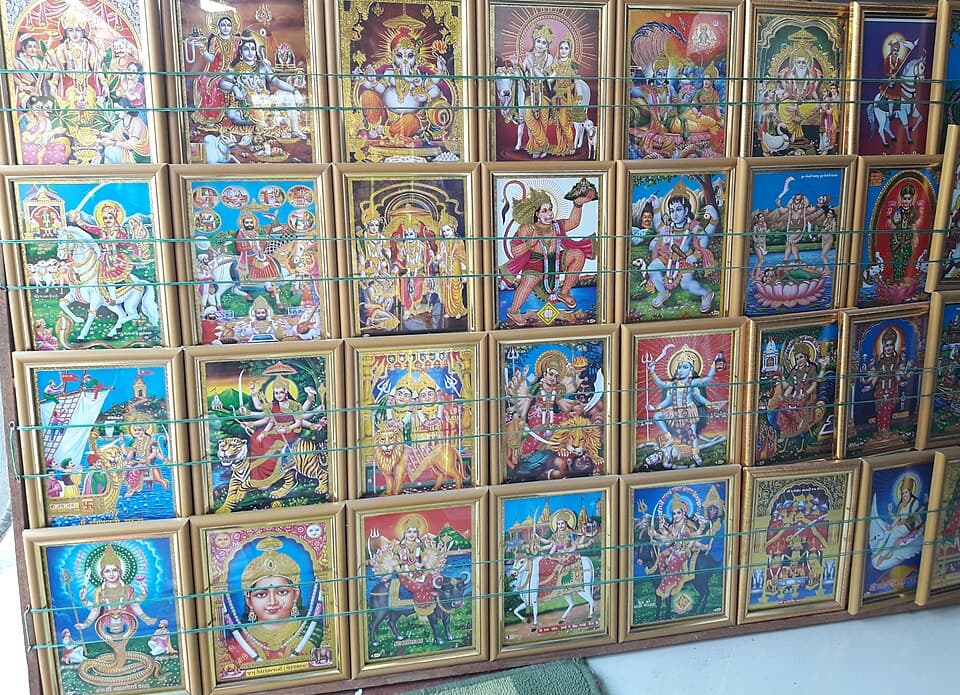
Indian subcontinent
In Hinduism, the conception of God varies in its diverse religio-philosophical traditions. Hinduism comprises a wide ra…
Read →
Ancient Mesopotamia
In Jainism, godliness is said to be the inherent quality of every soul. This quality, however, is subdued by the soul's…
Read →
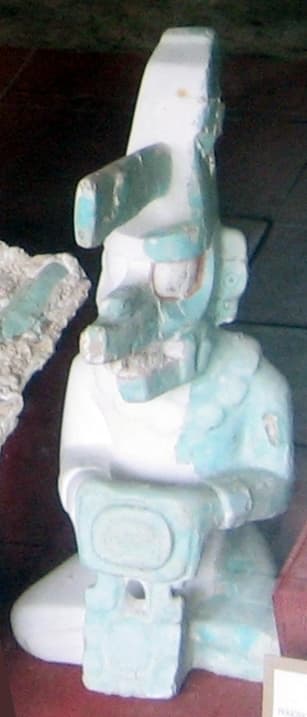
Maya civilization
Kʼawiil, in the Post-Classic codices corresponding to God K, is a Maya deity identified with power, creation, and lightn…
Read →
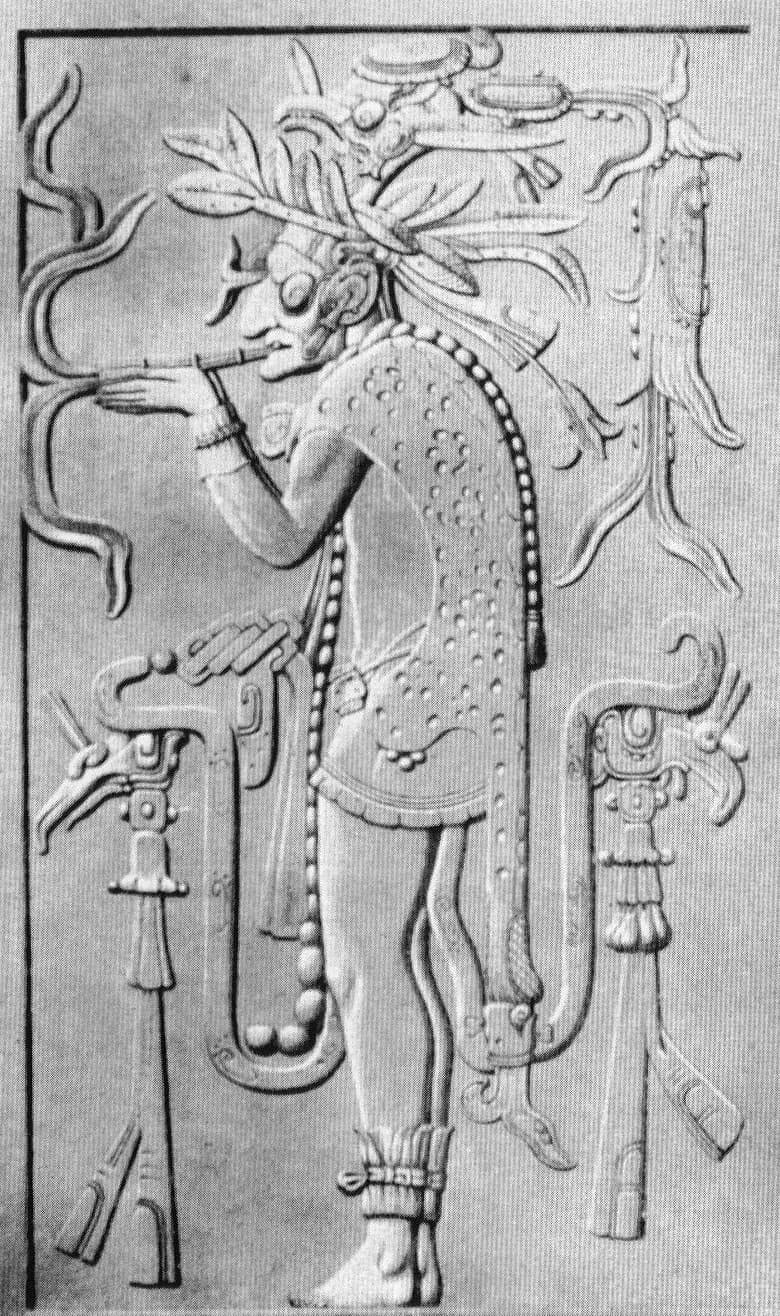
Maya civilization
God L of the Schellhas-Zimmermann-Taube classification of codical gods is one of the major pre-Spanish Maya deities, spe…
Read →
Early Slavs
God-Building is the idea that in place of the abolition of religion, there should be a meta-religious context in which r…
Read →

West Africa
God's Wife of Amun was the highest-ranking priestess of the Amun cult, an important religious institution in ancient Egy…
Read →
China
Goddess Golden Flower is a deity of the Chinese pantheon.
Read →
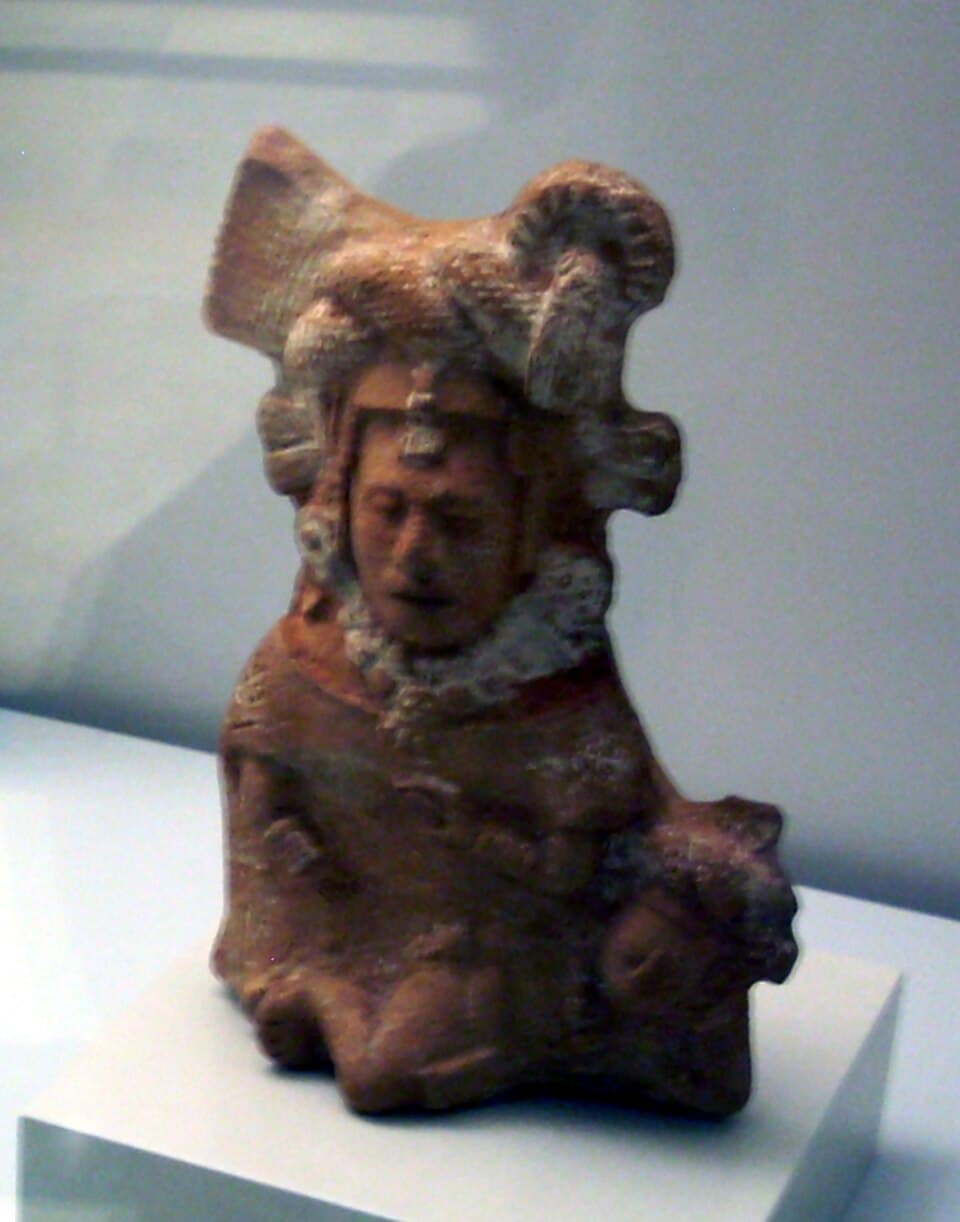
Maya civilization
Goddess I is the Taube's Schellhas-Zimmermann letter designation for one of the most important Maya deities: a youthful …
Read →

Ancient Persia
The Goddess movement is a revivalistic Neopagan religious movement which includes spiritual beliefs and practices that e…
Read →
Maya civilization
Ixchel or Ix Chel is the 16th-century name of the aged jaguar goddess of midwifery and medicine in ancient Maya culture.
Read →
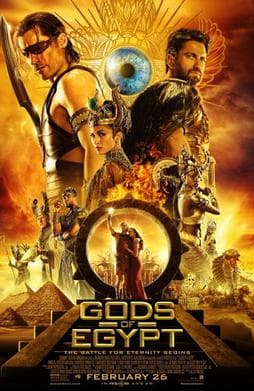
Ancient Egypt
Gods of Egypt is a 2016 fantasy action film directed by Alex Proyas based on a fantastical version of ancient Egyptian d…
Read →
Iron Age Europe
Gofannon is a figure in Middle Welsh literature as a great metal worker and as the son of Dôn. His name can be compared…
Read →
Iron Age Europe
In Irish mythology, Goibniu was the metalsmith of the Tuatha Dé Danann. He is believed to have been a smithing god and …
Read →
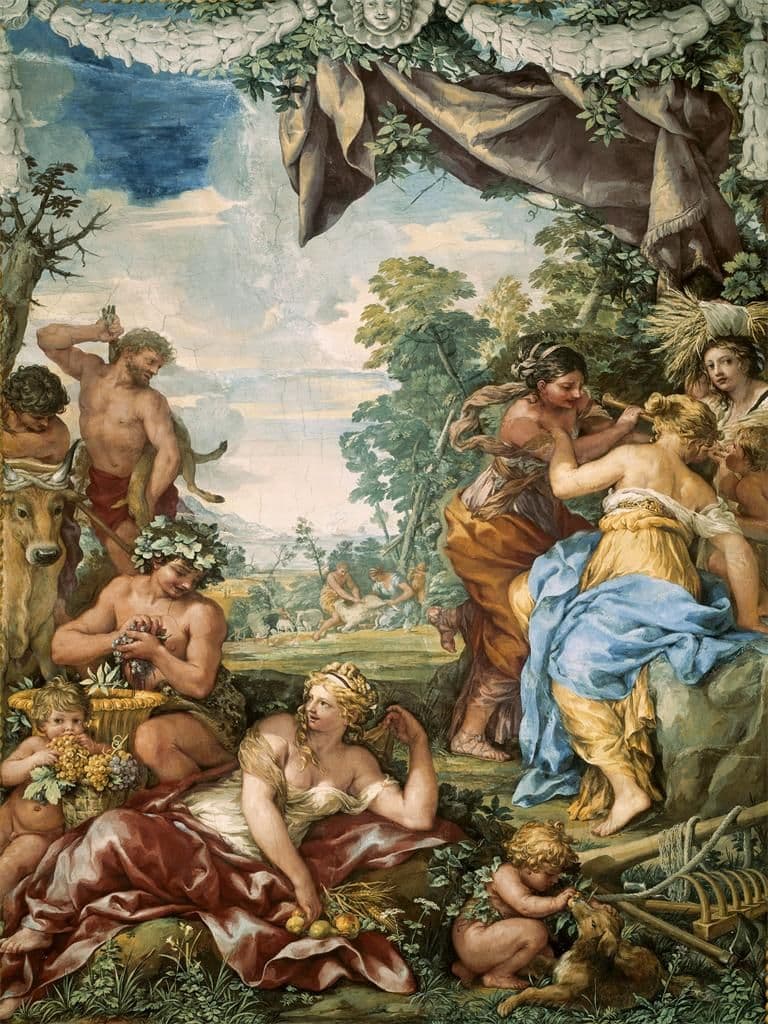
Ancient Greece
The term Golden Age comes from Greek mythology, particularly the Works and Days of Hesiod, and is part of the descriptio…
Read →
China
Gongcao Shizhe, often shortened to Gongcao, are Daoist deities responsible for monitoring human behavior, recording meri…
Read →
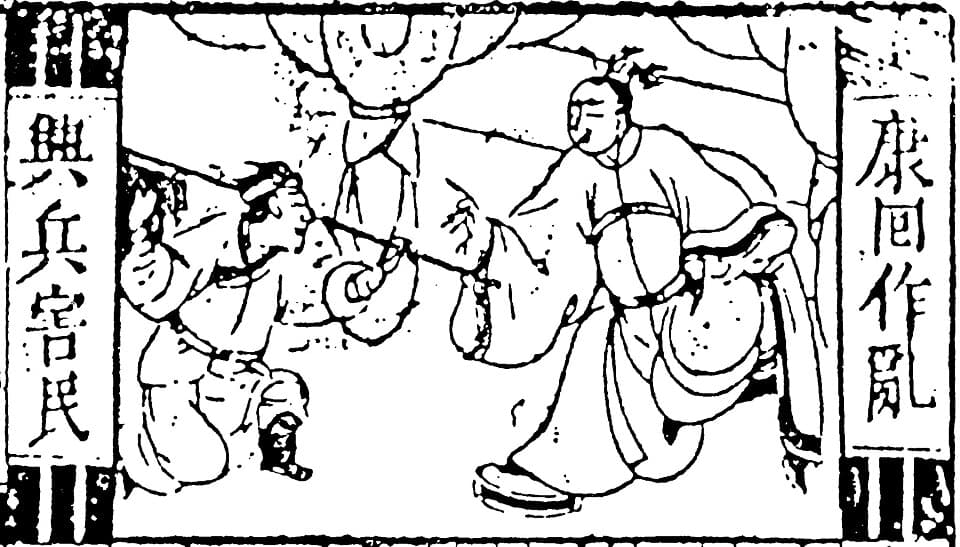
China
Gonggong is a Chinese water god who is depicted in Chinese mythology and folktales as having a copper human head with an…
Read →
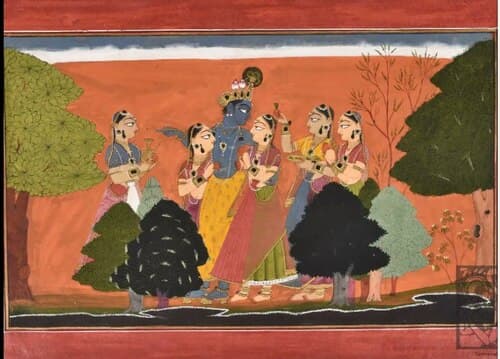
Indian subcontinent
Gopi or Gopika in Hinduism are commonly referred to the group of milkmaids of the Braj region in India. They are regard…
Read →
China
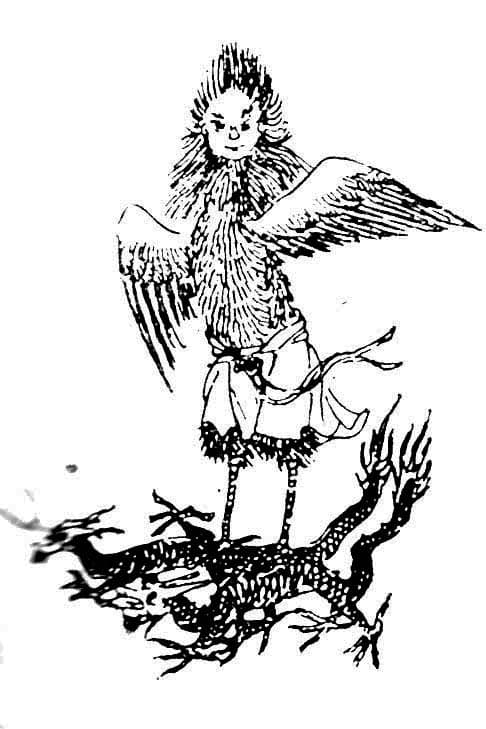
Goumang, also known as Jumang (句芒), is an auxiliary god of the Fuxi family. The Classic of Mountains and Seas described…
Read →
Ancient Greece
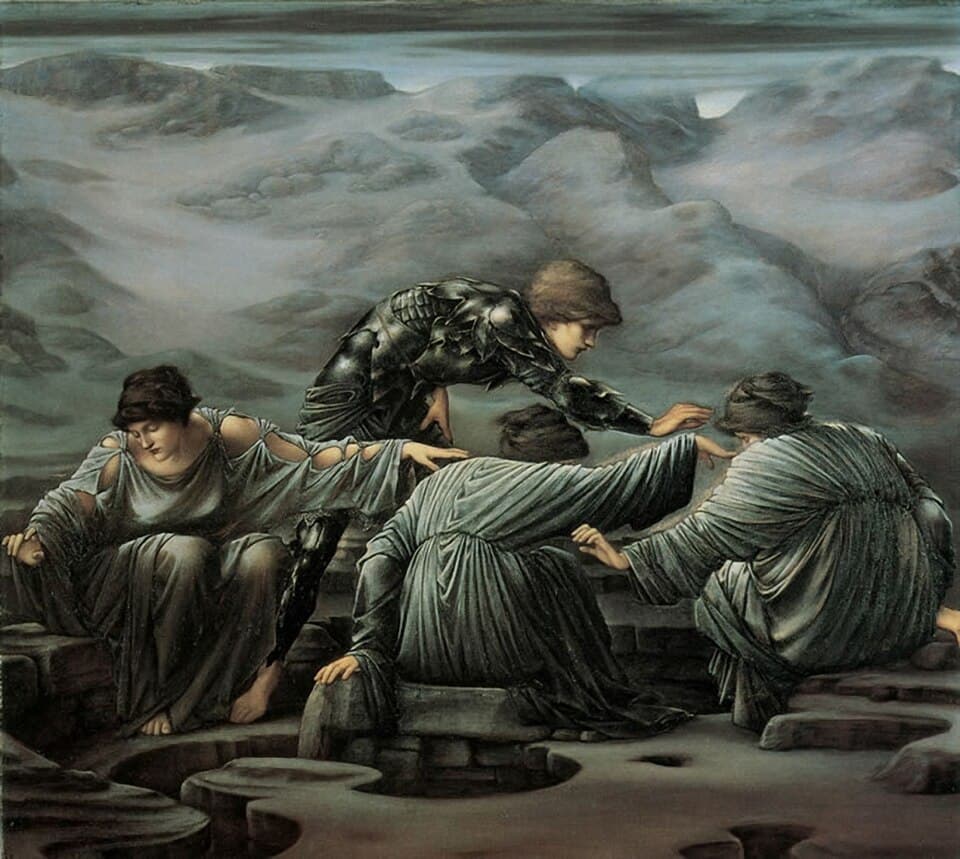
The Graeae, also called the Grey Sisters and the Phorcides, were three sisters of Greek mythology who had gray hair from…
Read →
Iron Age Europe
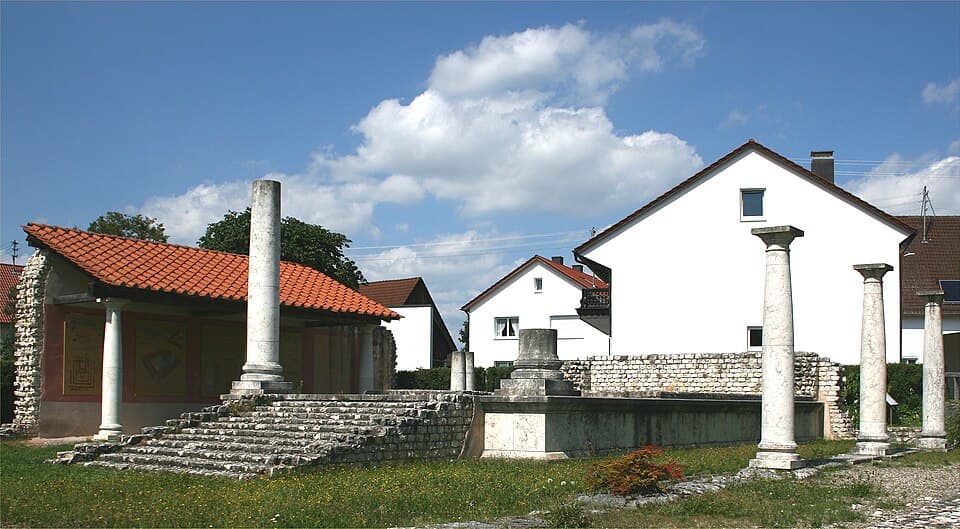
Grannus was a Celtic deity of classical antiquity. He was regularly identified with Apollo as Apollo Grannus and freque…
Read →

Ancient Egypt
The Great Hymn to the Aten is the longest of a number of hymn-poems written to the sun-disk deity Aten. Composed in the…
Read →