
Hindu1500 BCE – present
Ramprasad Sen
Indian subcontinent
Rāmprasād Sen was a Hindu Shakta poet and saint of 18th-century Bengal. His bhakti poems, known as Ramprasadi, are stil…
Read →
Research Index
An archive of 3,493 gods, deified rulers, and mythological figures across civilizations — from living gods of Egypt to the dying gods of antiquity.
Indian subcontinent
Rāmprasād Sen was a Hindu Shakta poet and saint of 18th-century Bengal. His bhakti poems, known as Ramprasadi, are stil…
Read →
Scandinavia
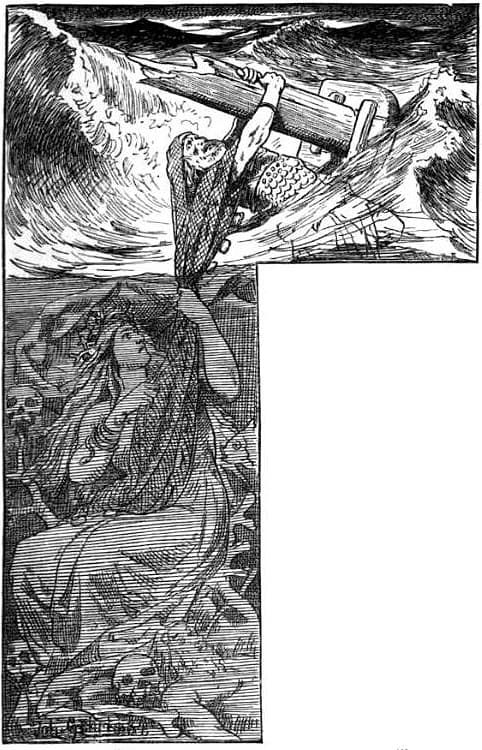
In Norse mythology, Rán is a goddess and personification of the sea. Rán and her husband Ægir, a jötunn who also person…
Read →

China
Randeng Daoren is a character in the famed classic Chinese novel Fengshen Yanyi. He was renowned as the Superiorman of …
Read →
Indian subcontinent
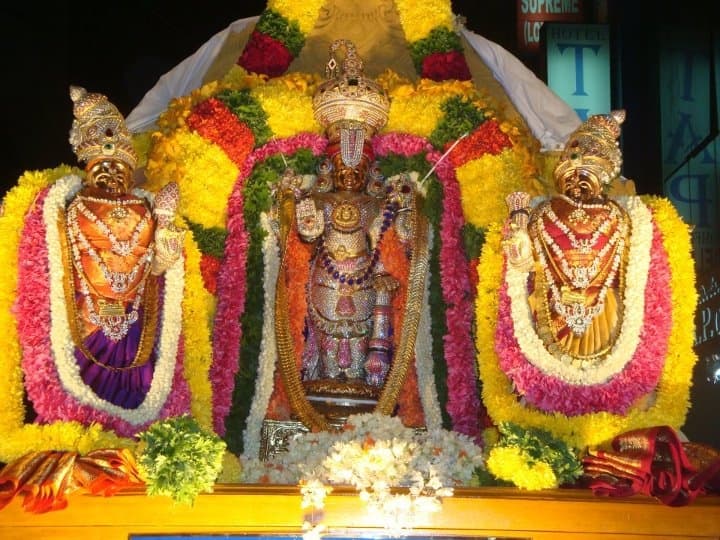
Ranganatha is a Hindu deity with his origin in southern India, serving as the chief deity of the Sri Ranganathaswamy Tem…
Read →
Indian subcontinent
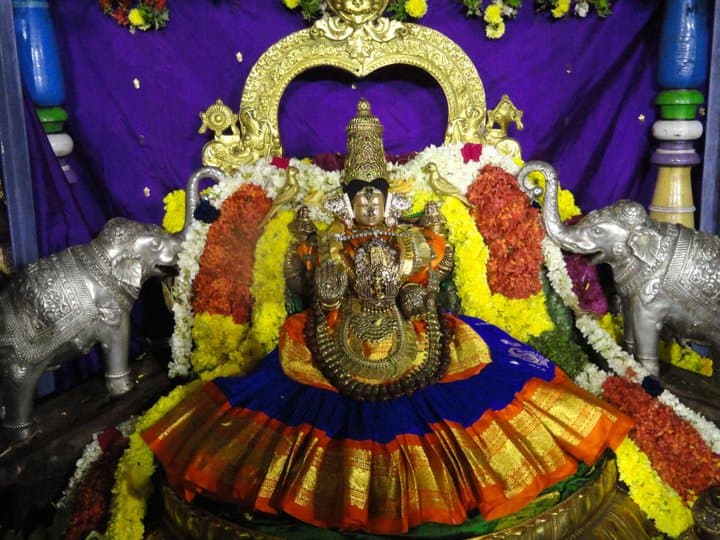
Ranganayaki, also known by her epithet Tayar, is a Hindu goddess. She is the presiding goddess of the Sri Ranganathaswa…
Read →

Polynesia
In Māori mythology the primal couple Rangi and Papa appear in a creation myth explaining the origin of the world and the…
Read →
Early Slavs
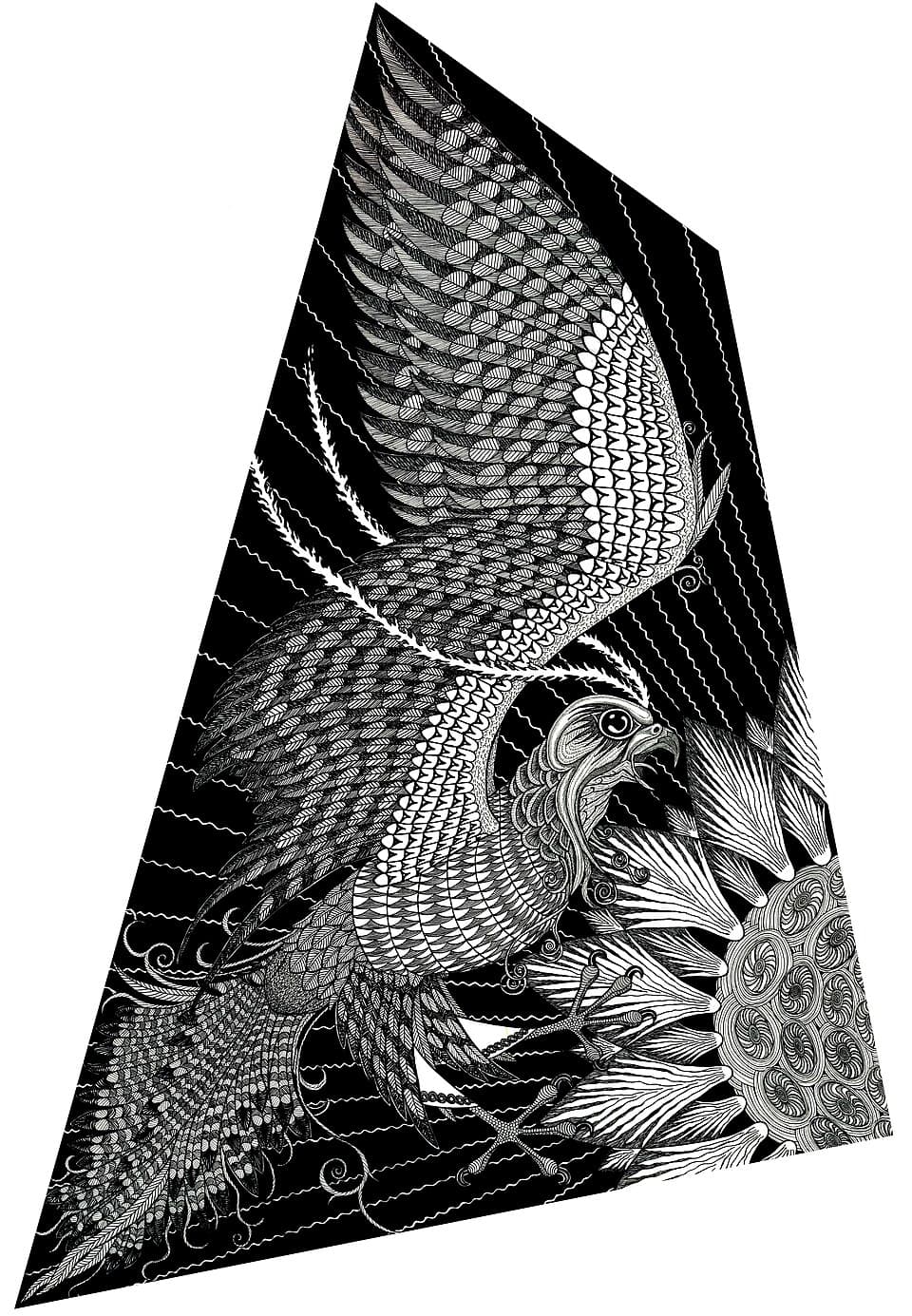
In Slavic mythology, the Raróg or Raróh is a fire demon, often depicted as a fiery falcon.
Read →

Ancient Persia
Rashnu is the Avestan language name of the Zoroastrian yazata of justice. Together with Mithra and Sraosha, Rashnu is o…
Read →
Indian subcontinent
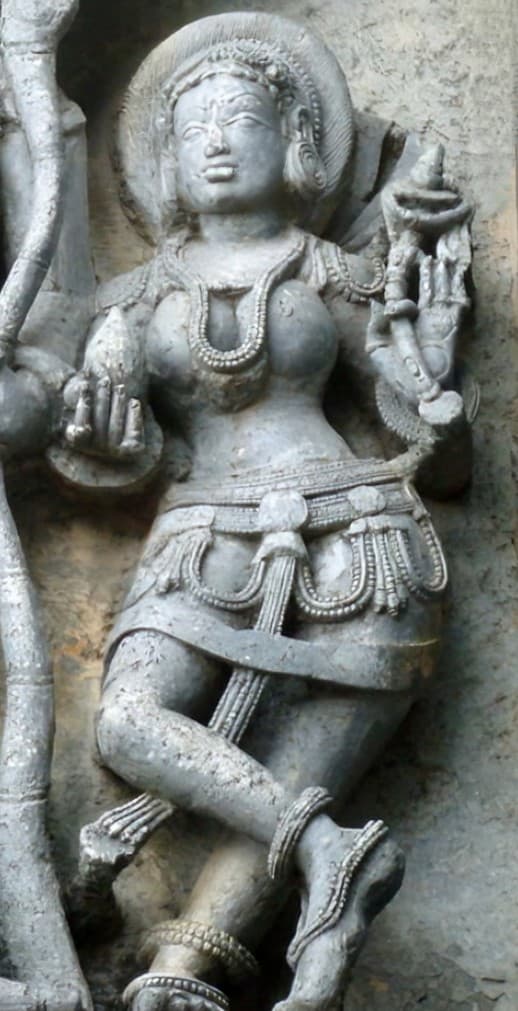
Rati is the Hindu goddess of love, physical desire, passion, and sexual pleasure. Usually described as the daughter of …
Read →

Indian subcontinent
Ratri, is a Vedic goddess in Hinduism. She is the personification of the night. The majority of references to Ratri ar…
Read →
Indian subcontinent
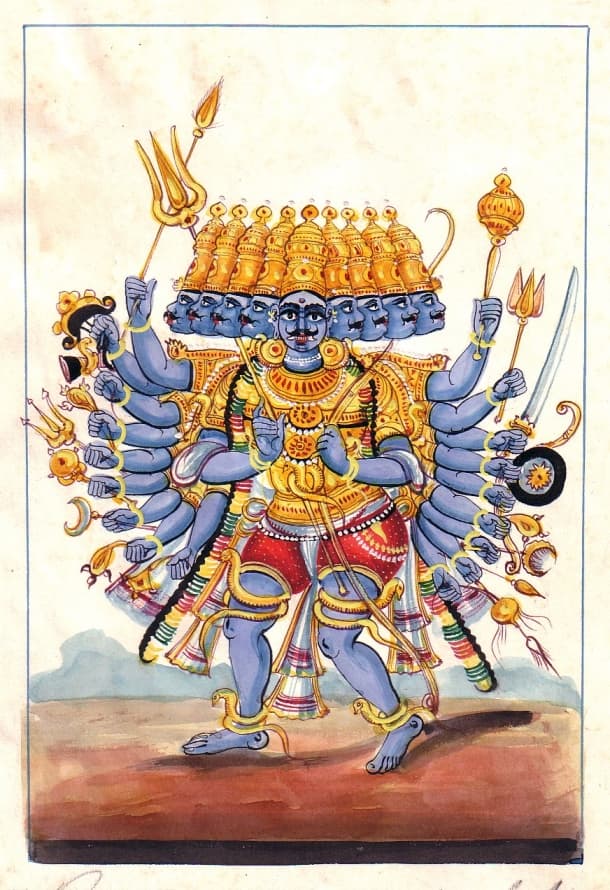
Ravana is the principal antagonist of the ancient Hindu epic Ramayana and its several other versions. He is traditional…
Read →

Indian subcontinent
Ravananugraha or Ravananugraha-murti is a benevolent aspect of the Hindu god Shiva, depicted seated on his abode Mount K…
Read →

Ancient Egypt
Re-Hor-achti is one of the ancient Egyptian gods in whom the ancient Egyptians combined the god Ra represented by the su…
Read →

Early Slavs
The Lutici or Liutizi (known by various spelling variants) were a federation of West Slavic Polabian tribes, who between…
Read →
Ancient Rome
Rediculus is an ancient Roman divinity. His cult had a temple near the Porta Capena, and a campus on the Appian Way.
Read →
Polynesia
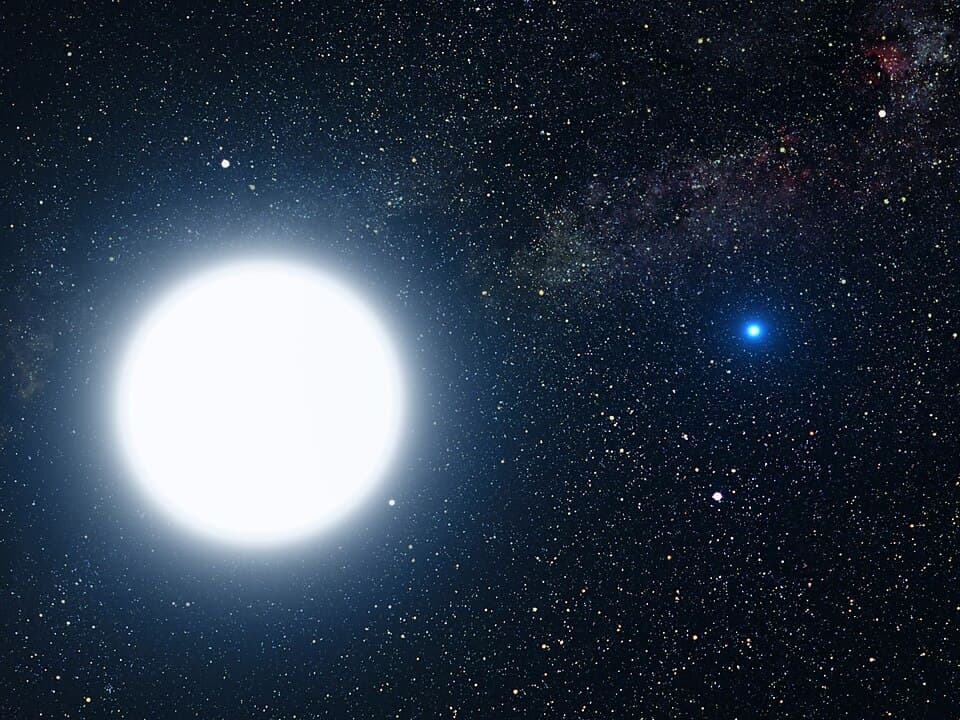
In Māori mythology, Rehua is a very sacred personage, who lives in Te Putahi-nui-o-Rehua in Rangi-tuarea, the tenth and …
Read →
Ancient Egypt
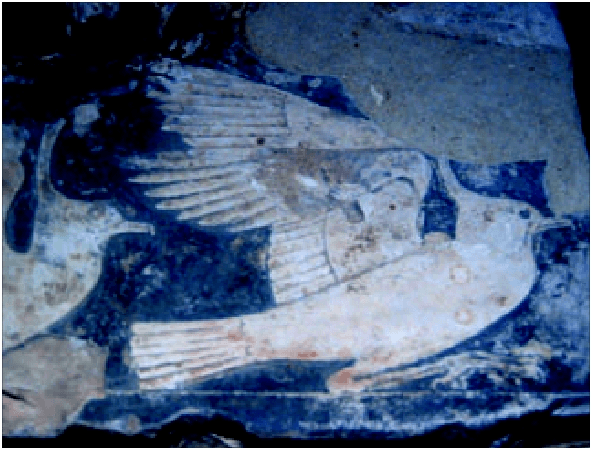
The word Rekhyt from Ancient Egyptian: rḫyt, also romanized as Rechit, referred to a people living in the northern Nile …
Read →

Etruria
Religion is a range of social-cultural systems, including designated behaviors and practices, ethics, morals, beliefs, w…
Read →
Ancient Egypt
Renenūtet was a goddess of grain, grapes, nourishment and the harvest in the ancient Egyptian religion. The importance …
Read →
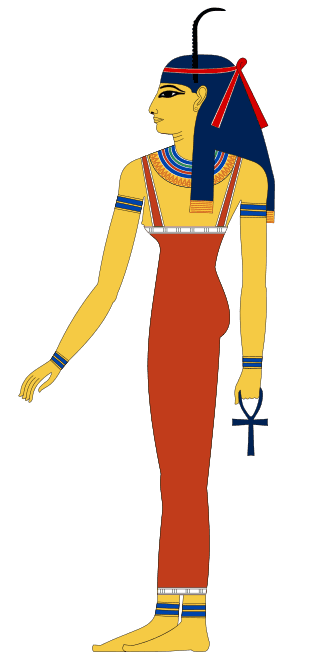
Ancient Egypt
Renpet was, in the Egyptian language, the word for "year". Its hieroglyph was figuratively depicted in art as a woman w…
Read →

Ancient Egypt
Renpetneferet is a minor goddess who is credited as being either the sister or the wife of Imhotep in Late Period Egypti…
Read →
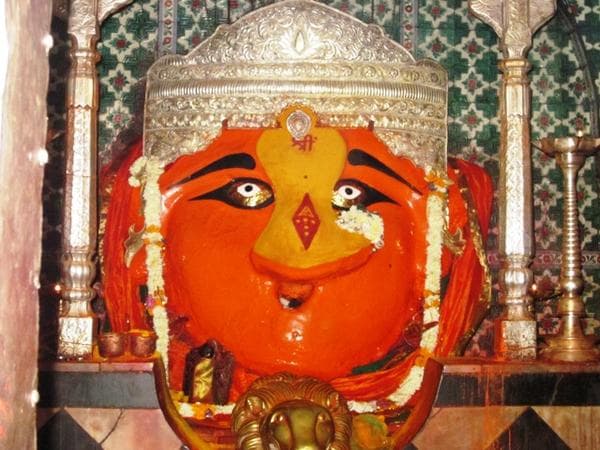
Indian subcontinent
Renuka, i. e. the Goddess Renuka or Mahur Renuka, is a Hindu goddess venerated predominantly in the South and West Indi…
Read →
Iron Age Europe
Reo is a name appearing on Latin dedications to a Lusitanian-Gallaecian deity, usually with an epithet relating to a pla…
Read →
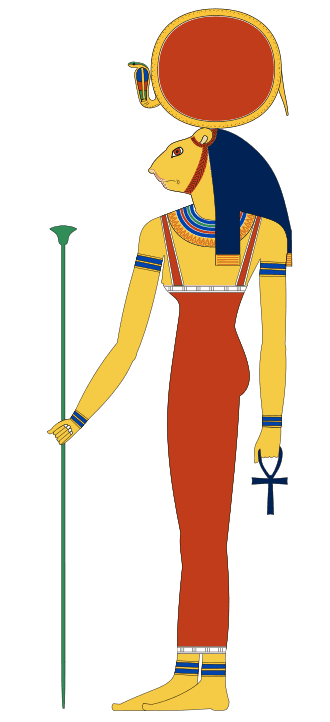
Ancient Egypt
Repyt, or Repit, was an ancient Egyptian goddess. Typically, she was portrayed as one of the lioness goddesses of Egypt…
Read →
West Africa
Olowo Rerengenjen was the traditional ruler of Owo Kingdom, an ancient Yoruba city-state, modern day southwestern Nigeri…
Read →
Ancient Levant
Resheph was a god associated with war and plague, originally worshiped in Ebla in the third millennium BCE. He was one …
Read →
Early Slavs
Rethra was, in the 10th to the 12th centuries, the main town and political center of the Slavic Redarians, one of the fo…
Read →
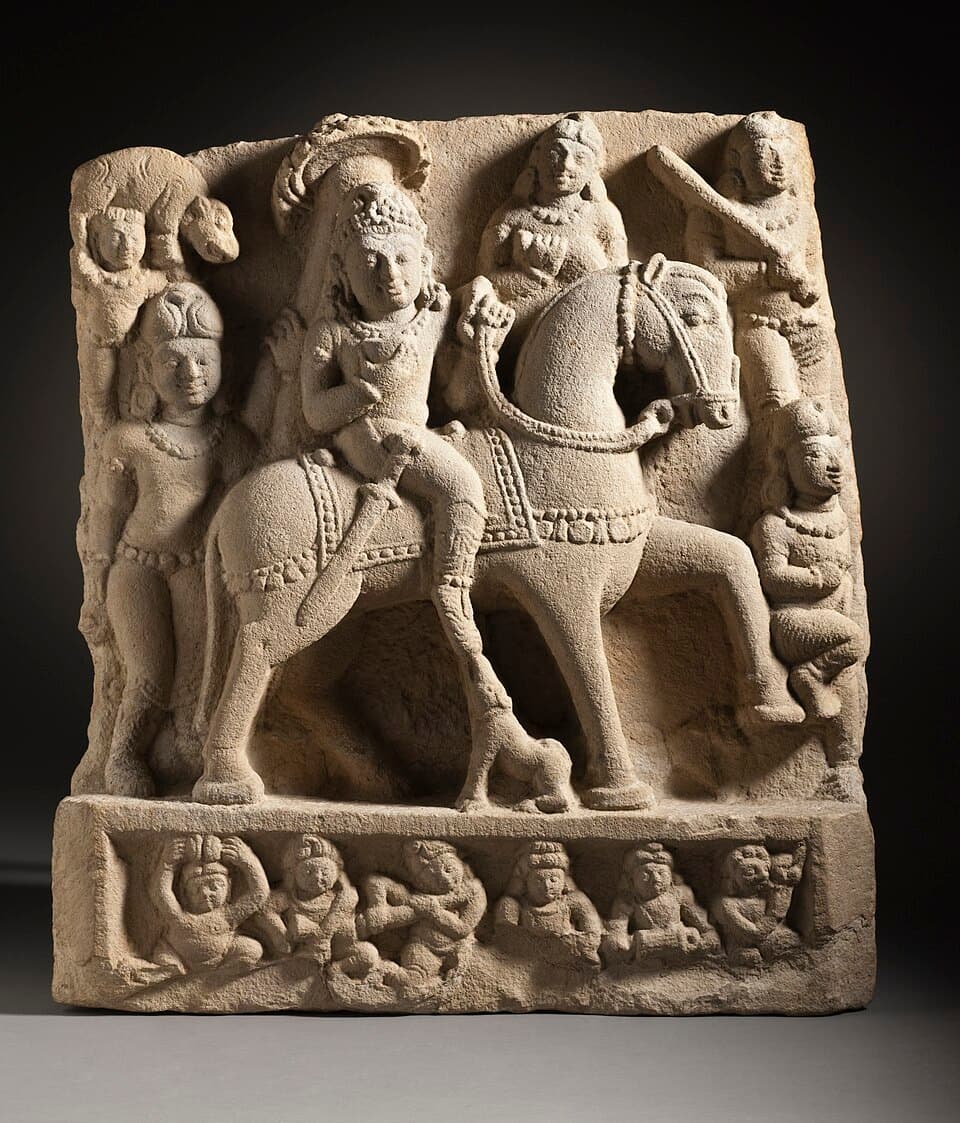
Indian subcontinent
Revanta or Raivata is a minor Hindu deity. According to the Rig-Veda, Revanta is the youngest son of the sun-god Surya,…
Read →
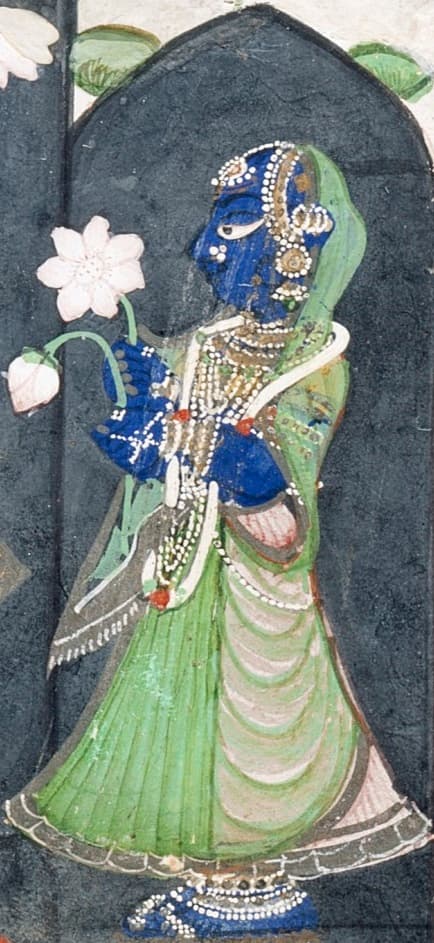
Indian subcontinent
Revati is a goddess featured in Hindu scriptures. She is King Kakudmi's daughter and Krishna's elder brother Balarama's…
Read →

Etruria
Revelation, or divine revelation, is the disclosing of some form of truth or knowledge through communication with a deit…
Read →
Ancient Greece
In Greek mythology, Rhapso was a nymph or a minor goddess worshipped at Athens. She is known solely from an inscription…
Read →
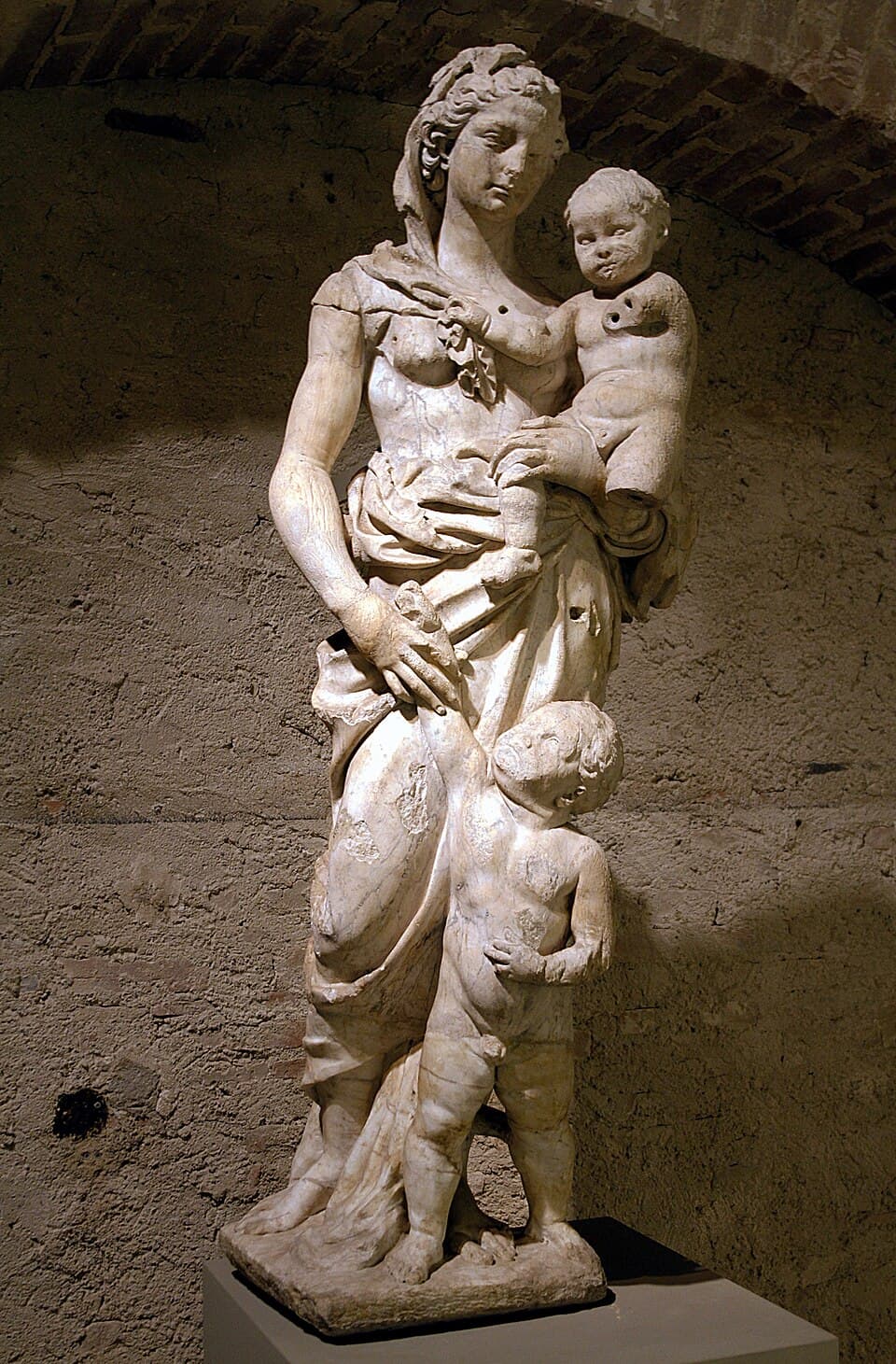
Ancient Rome
Rhea Silvia, also known as Ilia, was the mythical mother of the twins Romulus and Remus, who founded the city of Rome. …
Read →
Ancient Greece
In Greek mythology, Rhodos/Rhodus or Rhode, was the goddess and personification of the island of Rhodes and a wife of th…
Read →
China
Ri Ye Youshen are a pair of deities in Chinese folk religion and Taoism. They are the Day Wandering Deity (日遊神) and the…
Read →
Indian subcontinent
Ribhus are deities of ancient India whose referent has evolved over time. In early layers of the Vedic literature, it r…
Read →
Iron Age Europe
Ricagambeda was a Celtic goddess worshipped in Roman Britain. She is attested in a single inscription, RIB 2107, on an …
Read →
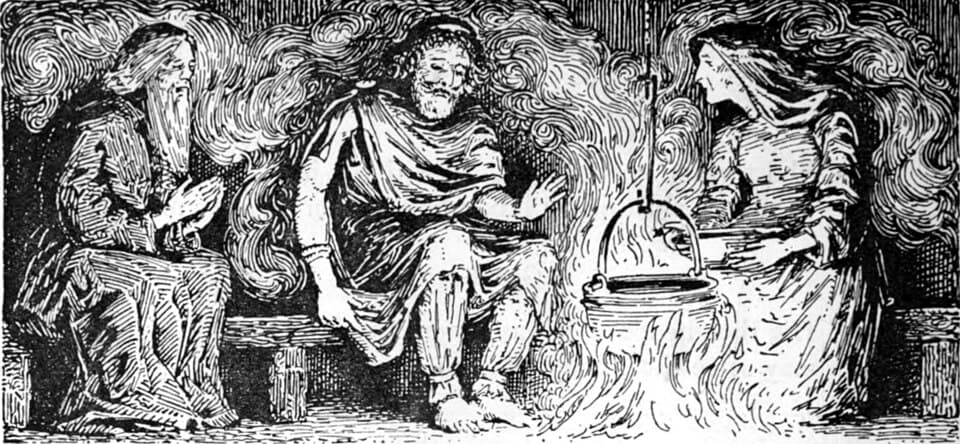
Scandinavia
Rígsþula or Rígsmál is an Eddic poem, preserved in the Codex Wormianus, in which a Norse god named Ríg or Rígr, describe…
Read →
Ancient Mesopotamia
Rigvedic deities are deities mentioned in the sacred texts of Rigveda, the principal text of the historical Vedic religi…
Read →
Scandinavia
Rindr or Rinda (Latin) is a female character in Norse mythology, described either as a goddess or a human princess. She…
Read →
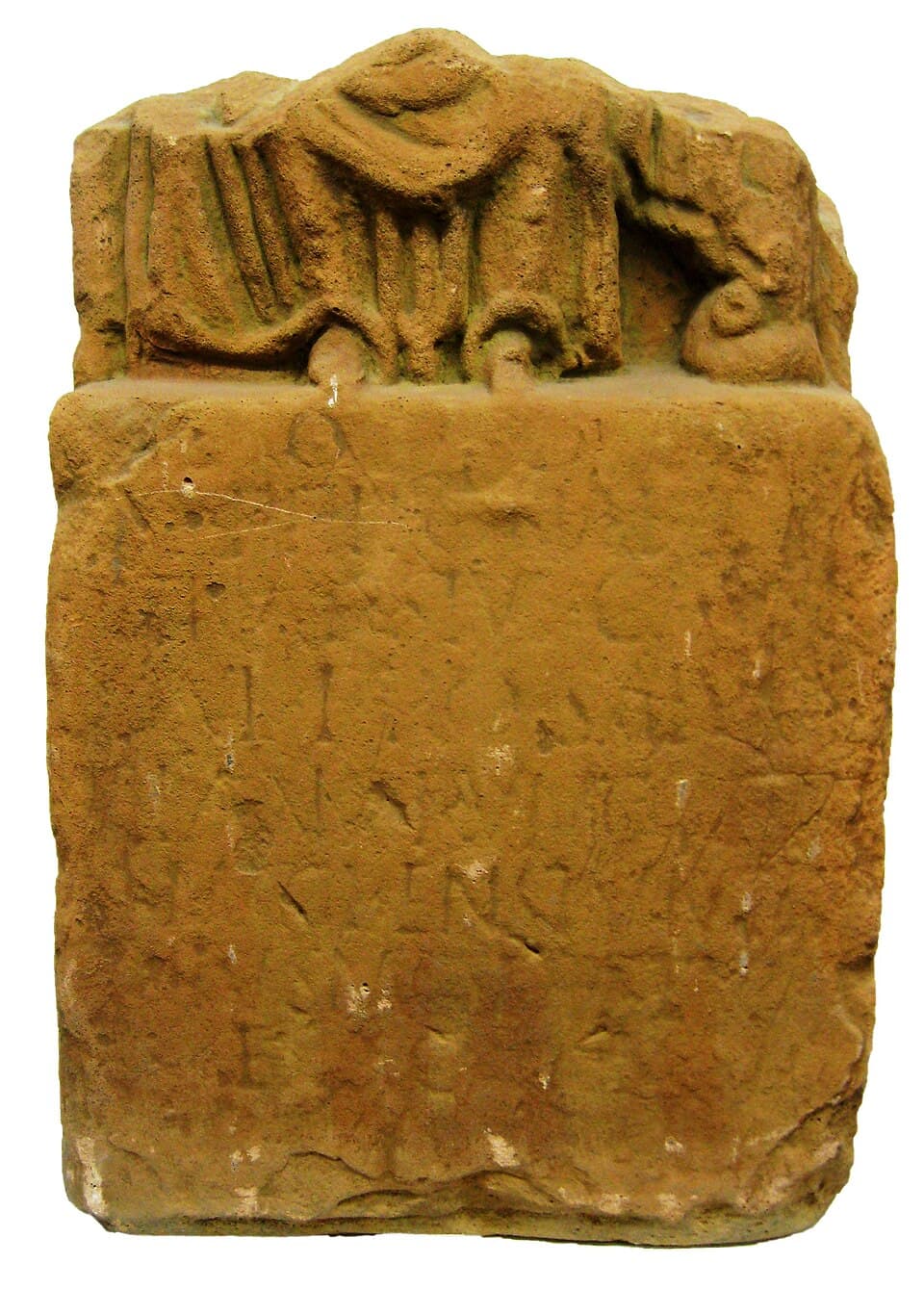
Iron Age Europe
Ritona is a Gallo-Roman Celtic goddess chiefly venerated in the land of the Treveri in what is now Germany. Her cult is…
Read →
Maya civilization
Ritual of the Bacabs is the name given to a manuscript from the Yucatán containing shamanistic incantations written in t…
Read →
Ancient Rome
The Robigalia was a festival in ancient Roman religion held April 25, named for the god Robigus. Its main ritual was a …
Read →
Iron Age Europe
In Gallo-Roman religion, Robor or Roboris was a god invoked alongside the genius loci on a single inscription found in A…
Read →
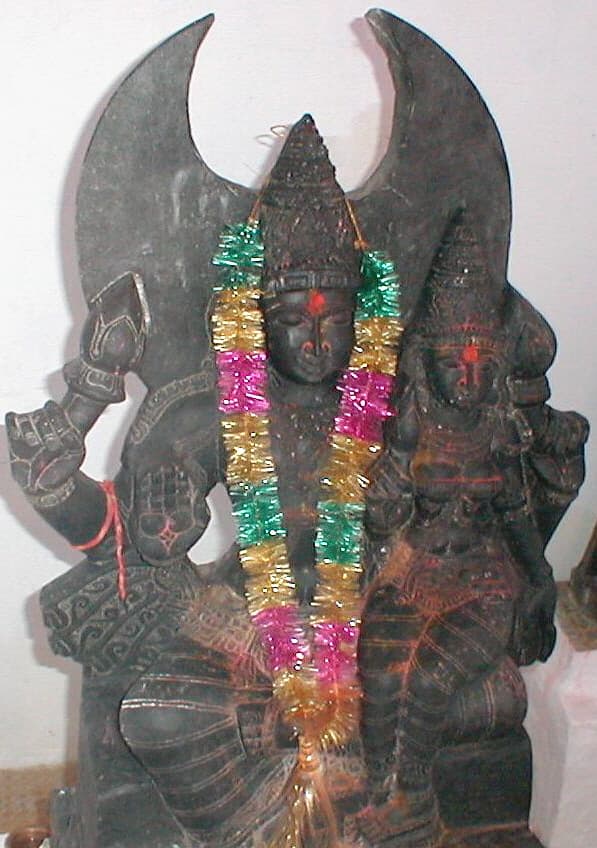
Indian subcontinent
Rohini is the goddess of stars in Hinduism and the favorite consort of Chandra, the moon god. She is one of the 27 daug…
Read →

Indian subcontinent
Rohini is the goddess of stars in Hinduism and the favorite consort of Chandra, the moon god. She is one of the 27 daug…
Read →

Ancient Rome
In ancient Roman religion, Roma was a female deity who personified the city of Rome and, more broadly, the Roman state. …
Read →
Ancient Rome
The Roman theology of victory also referred to as Jovian theology is a concept that considered victory as a legitimator …
Read →

Polynesia
In Māori mythology, Rongo or Rongo-mā-Tāne is a major god (atua) of cultivated plants, especially kūmara, a vital crop. …
Read →
Polynesia
In Māori mythology, Rongomai refers to several entities:a deity by whose assistance Haungaroa traveled from Hawaiki to N…
Read →
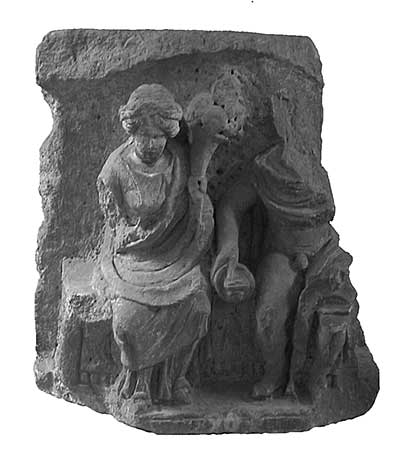
Iron Age Europe
In Gallo-Roman religion, Rosmerta was a goddess of fertility and abundance, her attributes being those of plenty such as…
Read →

Polynesia
In Māori mythology, Rūaumoko is the god of earthquakes, volcanoes and seasons. He is the youngest son of Ranginui and P…
Read →
Iron Age Europe
In ancient Celtic religion, Rudianos was a war god worshiped in Gaul. In Roman times he was connected with Mars.
Read →
Iron Age Europe
Rudiobus is a Celtic god known only from a single inscription, on a bronze figurine of a prancing horse: "sacred to the …
Read →
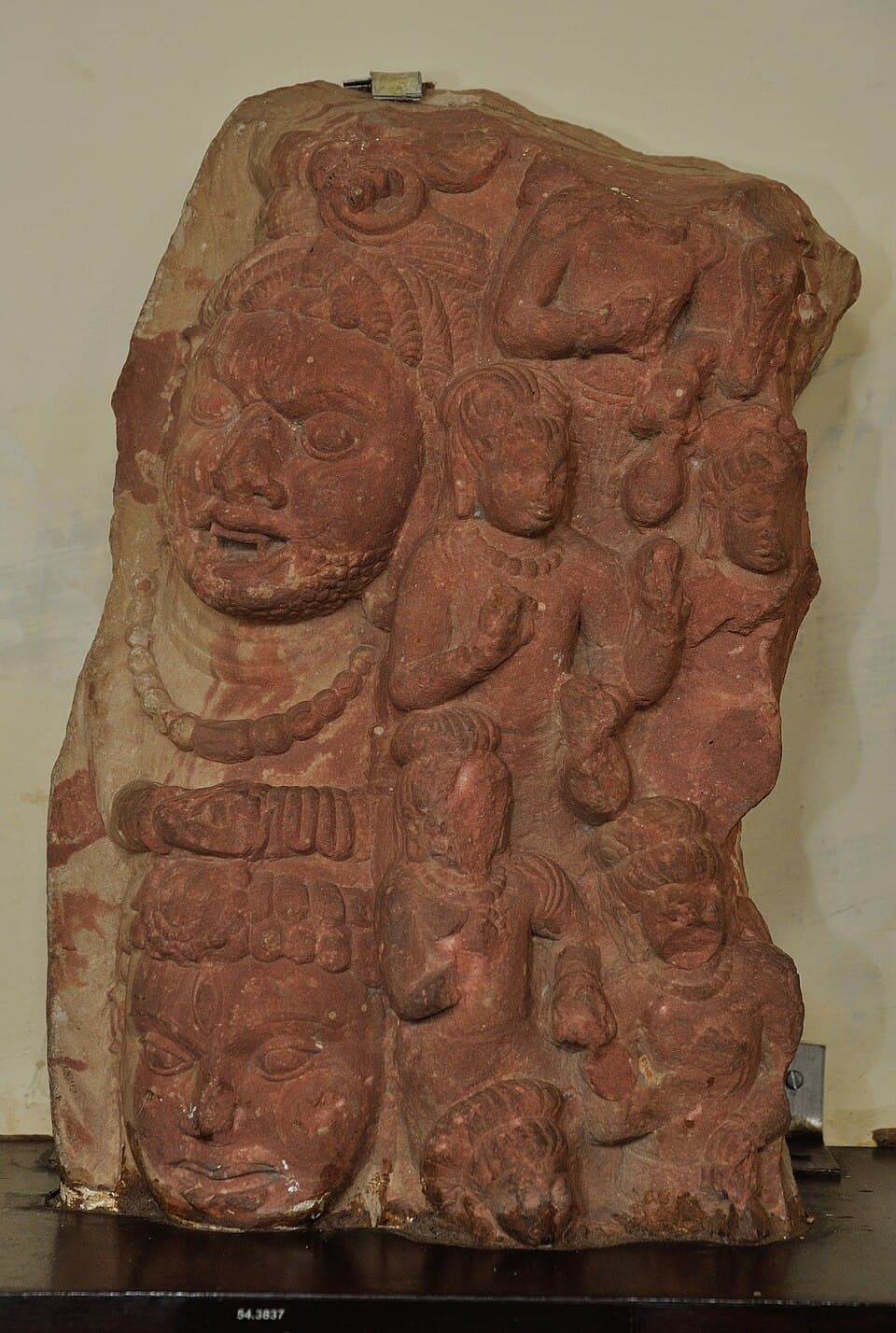
Indian subcontinent
Rudra is a Rigvedic deity associated with Shiva, the wind or storms, Vayu, medicine, and wildlife. One translation of t…
Read →
Indian subcontinent
Rudrani is the consort of Rudra, a Vedic deity regarded to be a form of Shiva in contemporary Hinduism. Rudrani is an e…
Read →
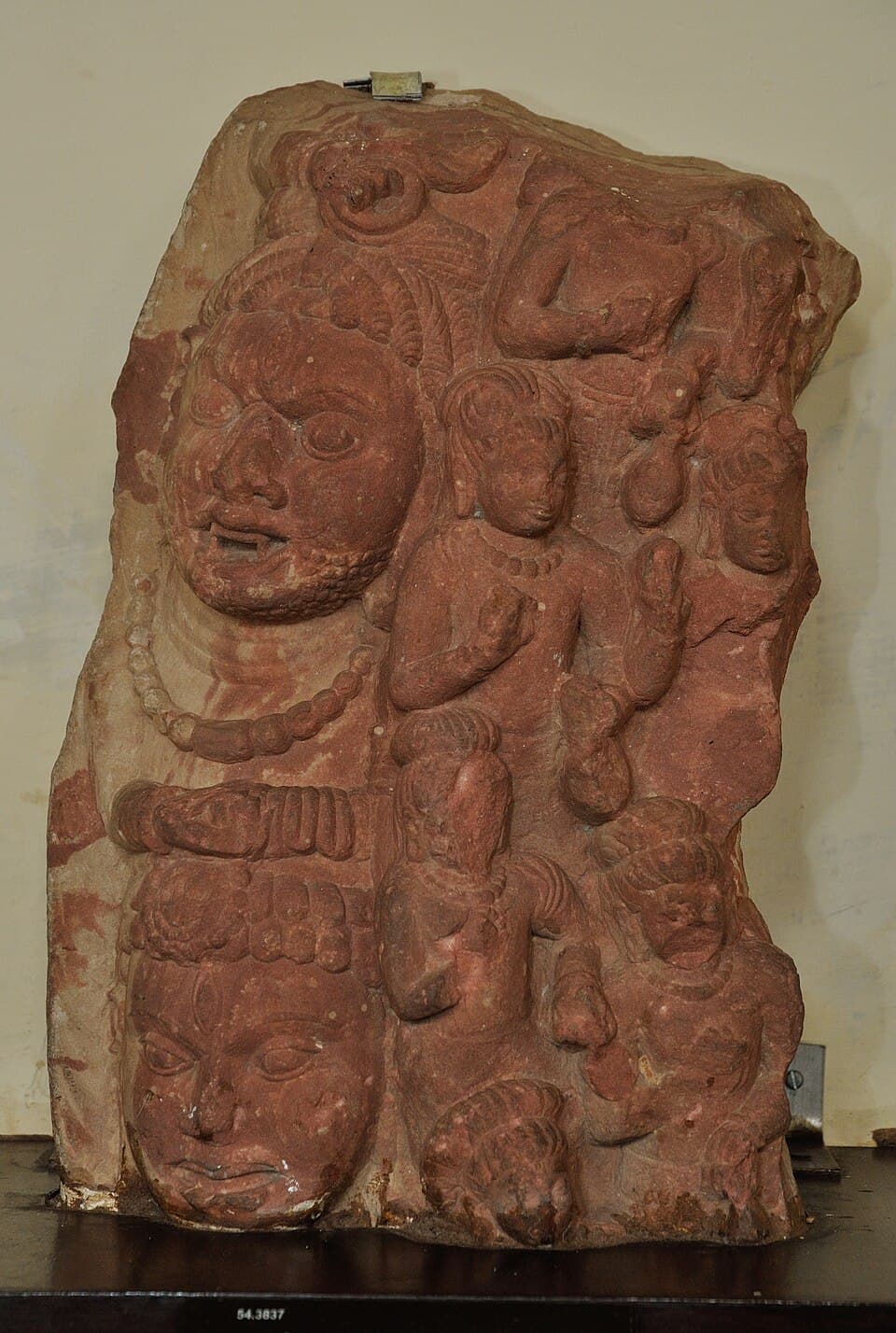
Indian subcontinent
Rudras refer to the forms of the god Rudra, whose traditions have since been associated with Shiva. They make up eleven…
Read →
Indian subcontinent
Rudrasundarī (रुद्रसुन्दरी) is a form of the Hindu goddess Mahadevi. She is mainly known as a Pīṭhadevi, the presiding …
Read →

Early Slavs
Rugiaevit, Rugievit or Ruyevit is a god of the Slavic Rani worshipped on Rügen, mentioned in only two sources: Gesta Dan…
Read →
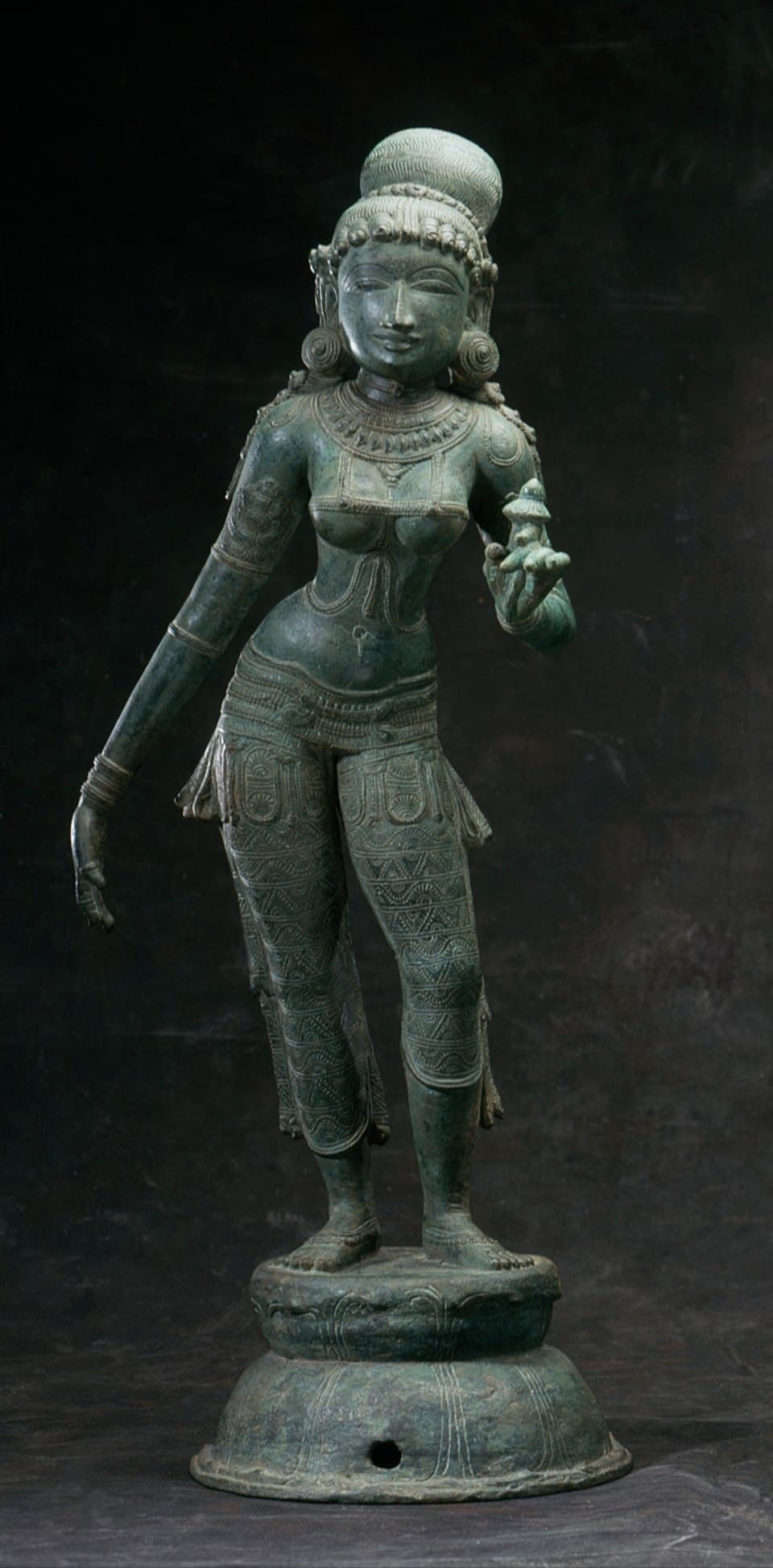
Indian subcontinent
Rukmini is a Hindu goddess and the first queen consort of Krishna. She is described as the chief of Krishna's wives in …
Read →
Ancient Rome
In ancient Roman religion, Rumīna, Rumilia or Rumia, also known as Dīva Rumīna, was a goddess who protected breastfeedin…
Read →
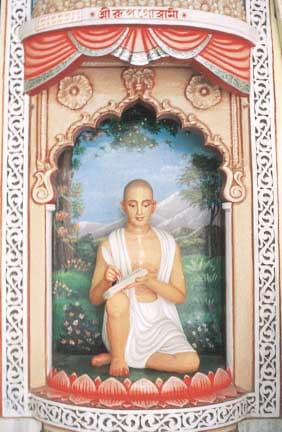
Indian subcontinent
Rupa Goswami was a devotional teacher (guru), poet, and philosopher of the Gaudiya Vaishnava tradition. With his brothe…
Read →
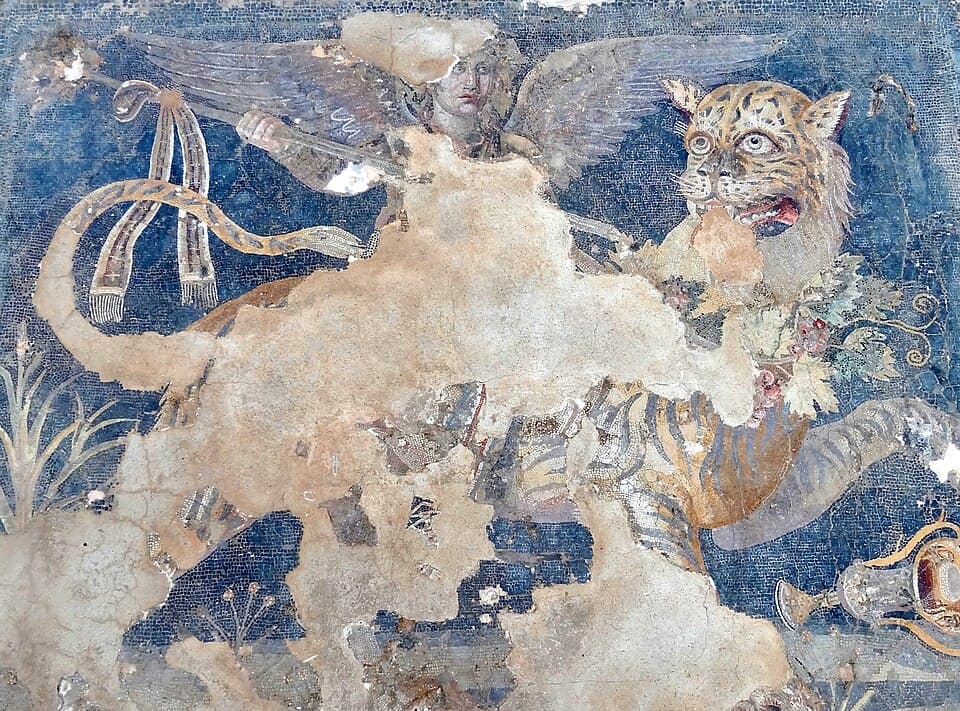
Ancient Greece
The Dionysia was a large festival in ancient Athens in honor of the god Dionysus, the central events of which were proce…
Read →
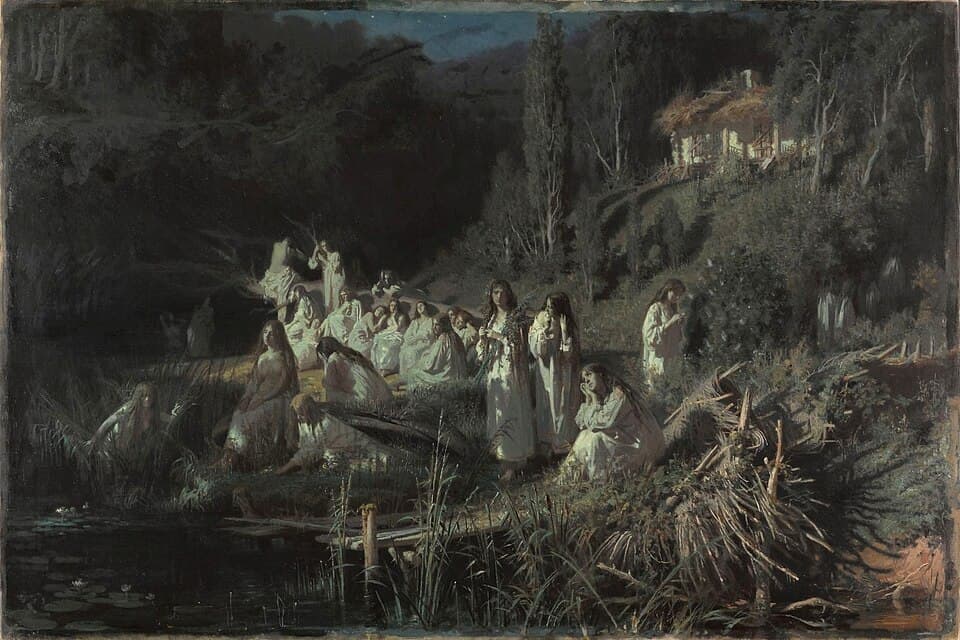
Early Slavs
In Slavic folklore, the rusalka is a female entity, often malicious toward mankind and frequently associated with water.…
Read →

Inca Empire
Russian Authentism, incorporated as the Thesaurus Non-Confessional Spiritual Union, is a Rodnover philosophy and psychol…
Read →
Ancient Egypt
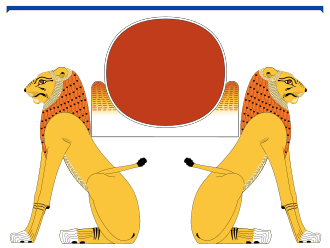
Ruty was an ancient Egyptian god. He was commonly depicted as two lions sejant facing away from each other, with the si…
Read →
Japan
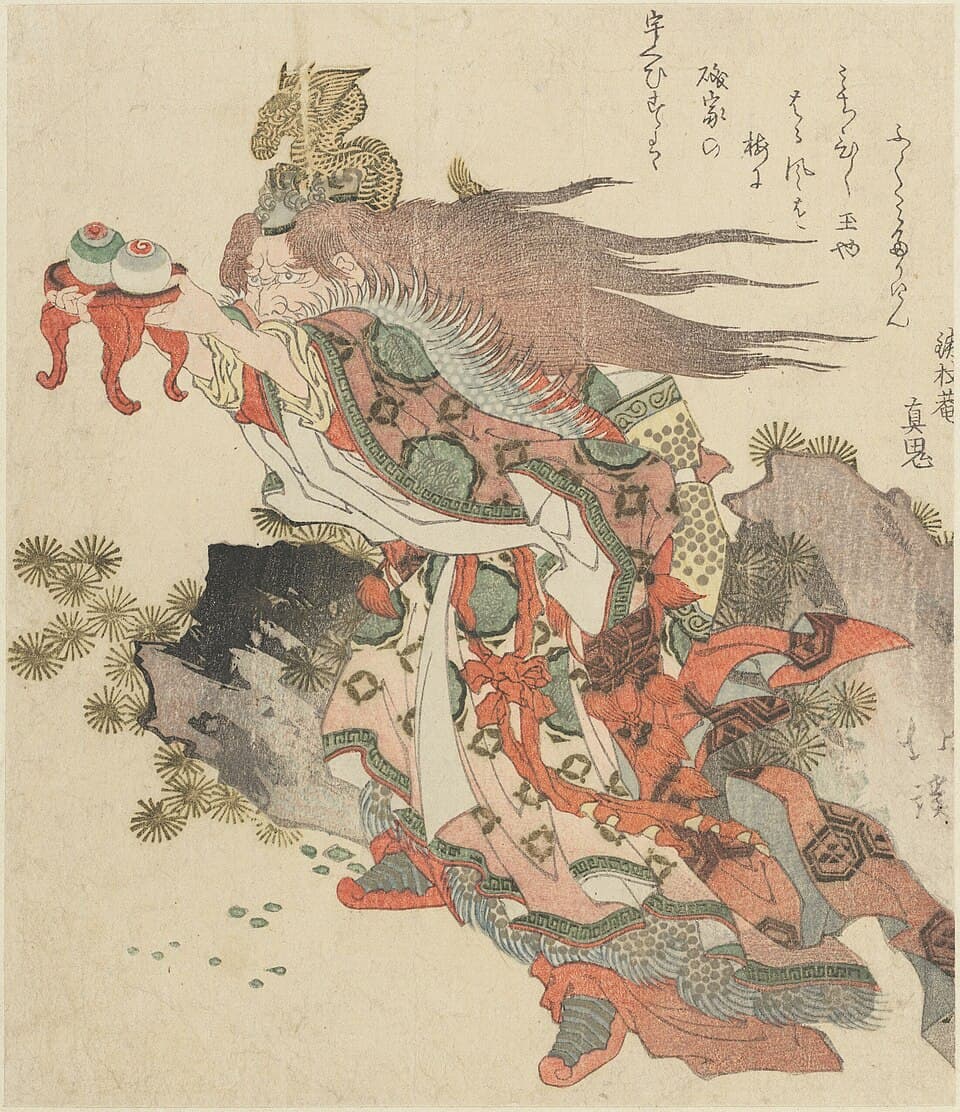
Ryūjin, which in some traditions is equivalent to Ōwatatsumi, was the tutelary deity of the sea in Japanese mythology. …
Read →
Indian subcontinent
The name Saat Behna translates to "Seven Sisters. " It refers to a group of goddess shrines found in the hills of North …
Read →
Ancient Greece
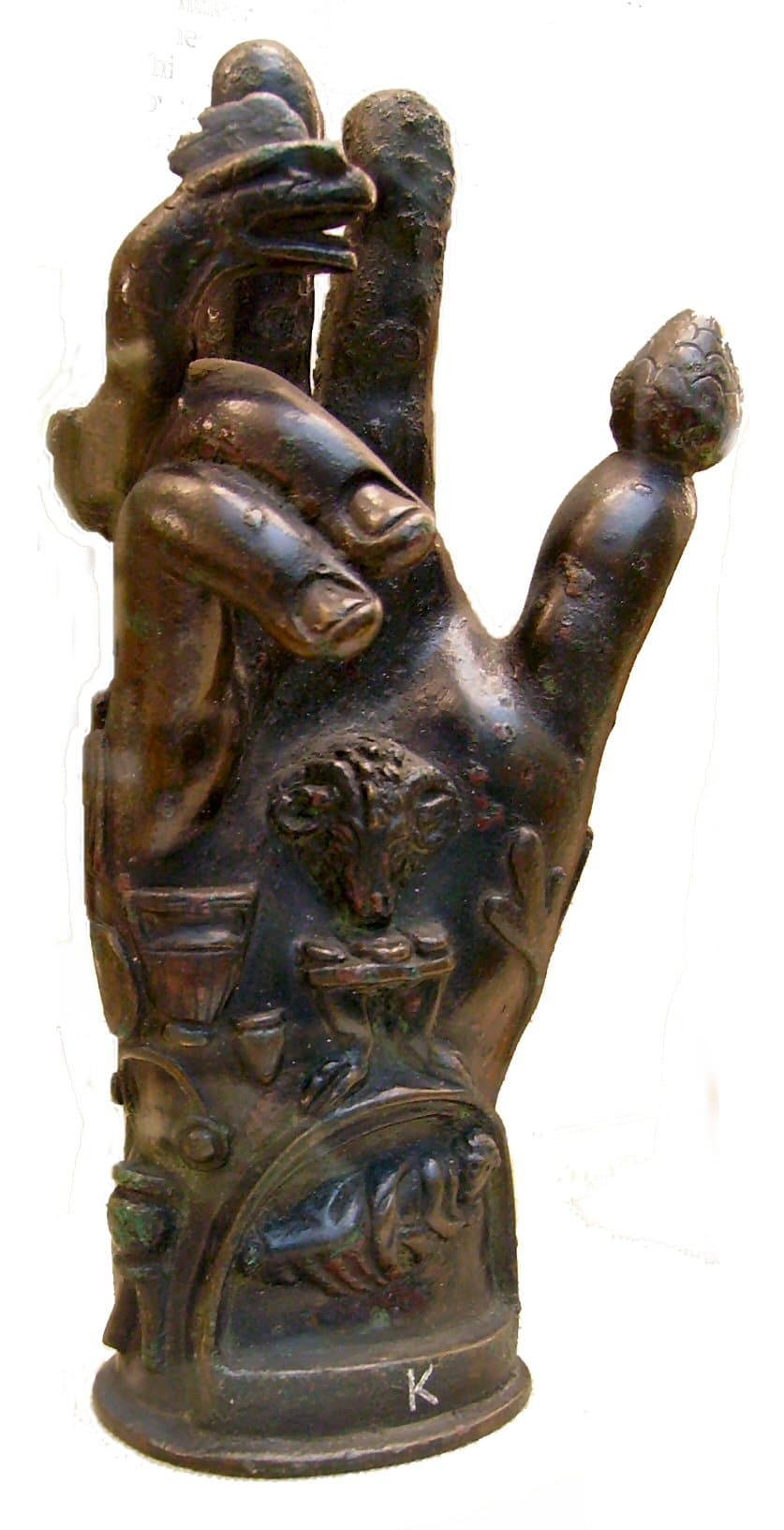
Sabazios is a deity originating in Asia Minor. He is the horseman and sky father god of the Phrygians and Thracians.
Read →
Ancient Rome
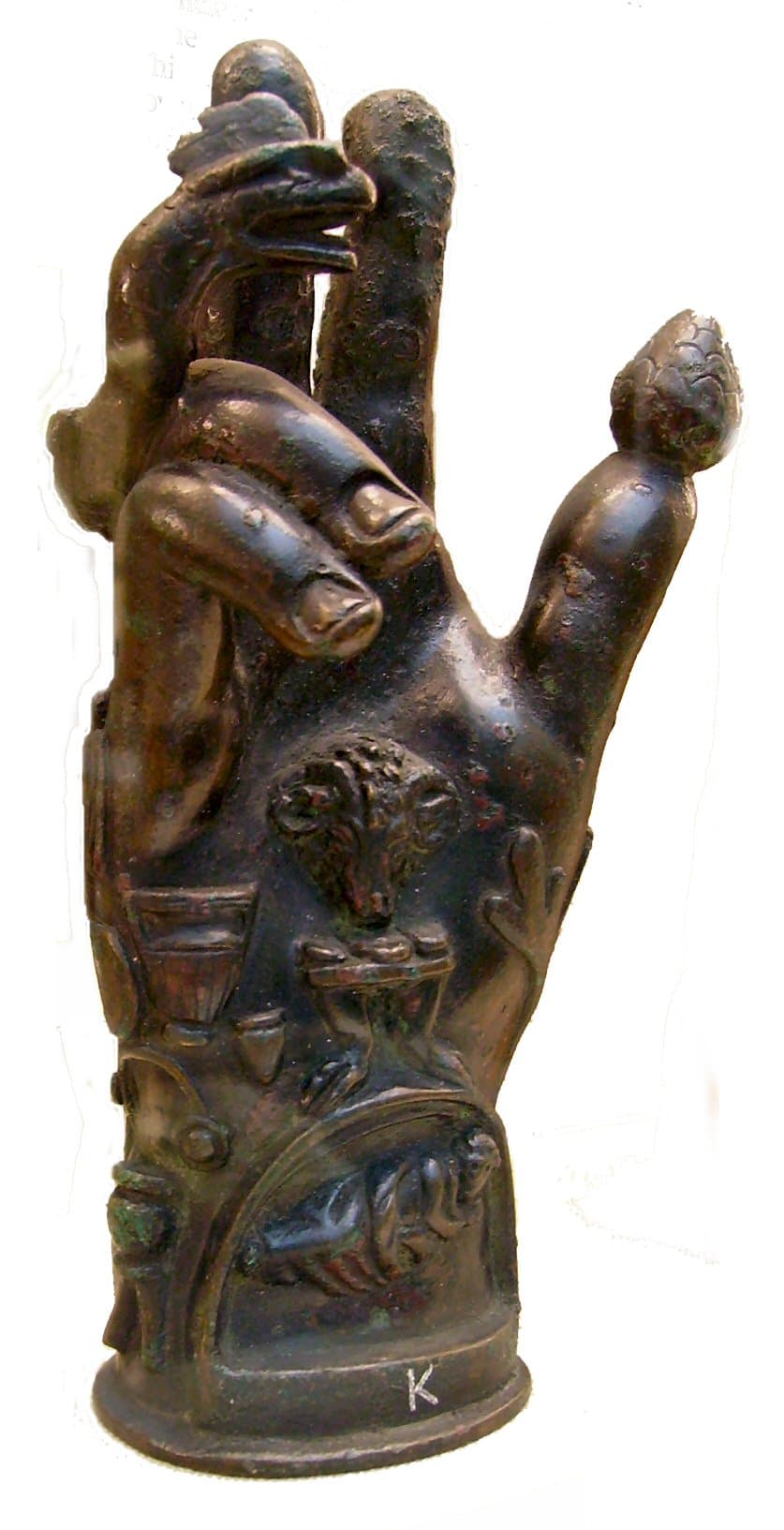
Sabazios is a deity originating in Asia Minor. He is the horseman and sky father god of the Phrygians and Thracians.
Read →
Ancient Egypt
In many historical societies, the position of kingship carried a sacral meaning and was identical with that of a high pr…
Read →

Inca Empire
Sacred mountains are central to certain religions, and are usually the subjects of many legends. For many, the most sym…
Read →

China
The Sacred Mountains of China are divided into several groups. The Five Great Mountains refers to five of the most reno…
Read →
Inca Empire
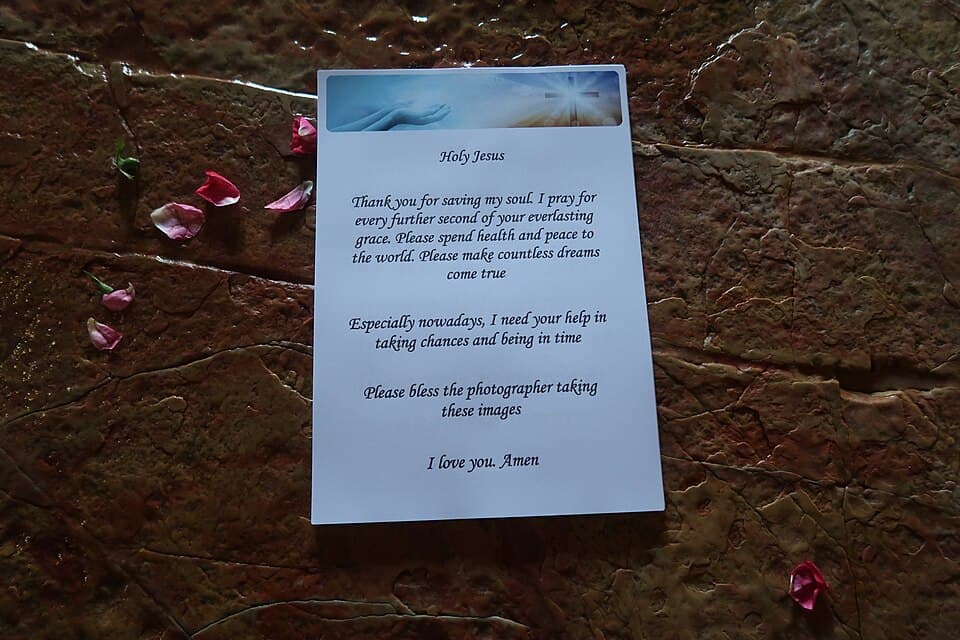
A sacred place or holy site is a location which is regarded to be sacred or hallowed. The sacredness of a natural featu…
Read →
Ancient Egypt
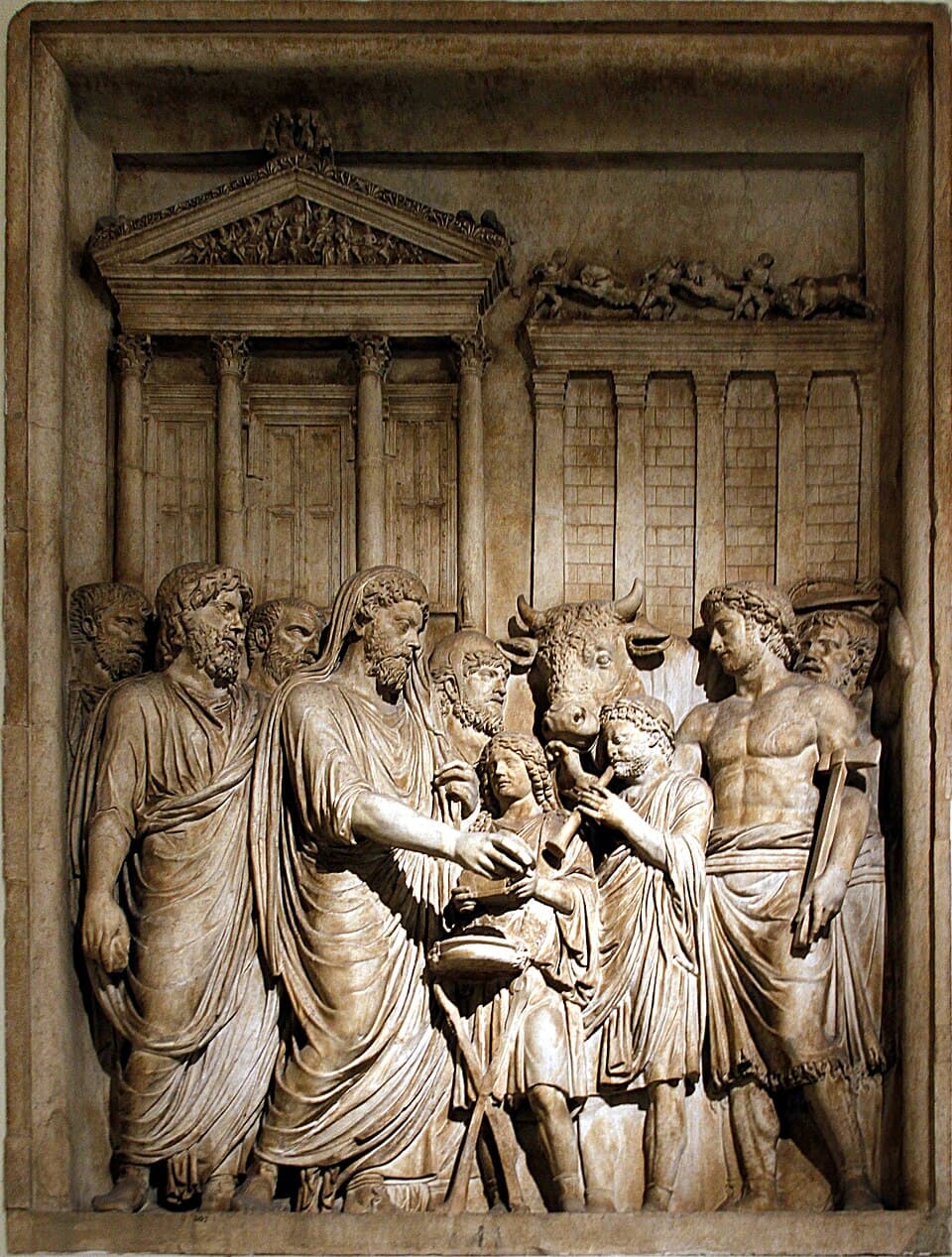
Sacrifice is an act or offering made to a deity. A sacrifice can serve as propitiation, or a sacrifice can be an offeri…
Read →
Asia
Sadāparibhūta Bodhisattva, Never Disparaging Bodhisattva, appears in Lotus Sutra Chapter 20 which describes the practice…
Read →
Ancient Mesopotamia
Sadarnunna was a Mesopotamian goddess regarded as the wife of Nuska. Very little is known about her individual characte…
Read →
Indian subcontinent
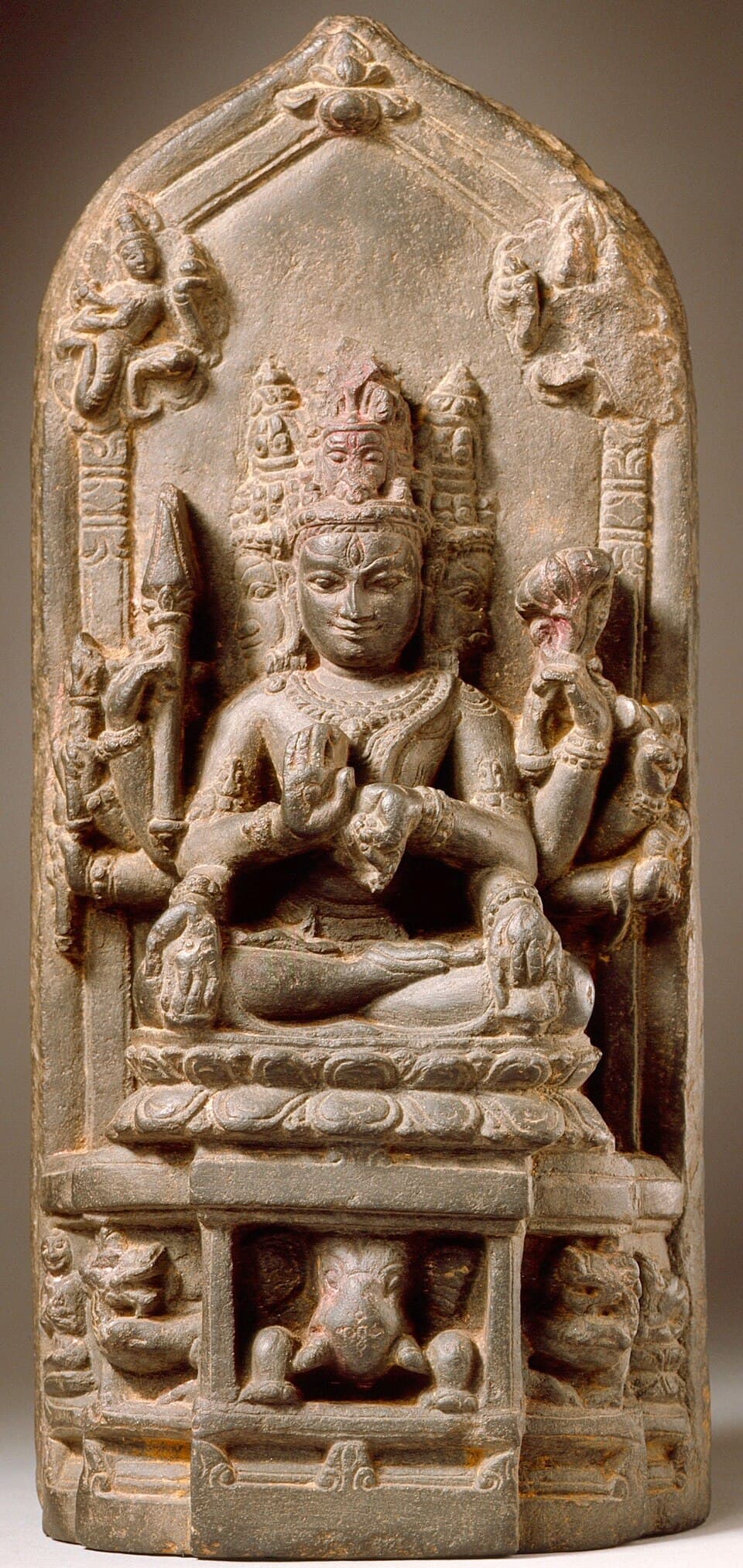
Sadashiva, is the Supreme Being in the Shaiva Siddhanta tradition of Hinduism. Sadasiva is the omnipotent, subtle, lumi…
Read →
Indian subcontinent
The sadhyas refers to a class of minor deities in Hinduism. According to the Puranas, they are the sons of Dharma and S…
Read →
Scandinavia
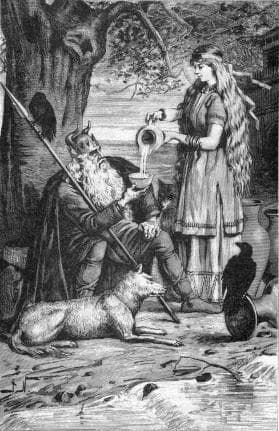
In Norse mythology, Sága is a goddess associated with the location Sökkvabekkr. At Sökkvabekkr, Sága and the god Odin m…
Read →
Ancient Mesopotamia
Saggar was a god worshiped in ancient Syria, especially in the proximity of Ebla and Emar, later incorporated into the H…
Read →
Ancient Mesopotamia
Saĝkud was a Mesopotamian god who might have been regarded as a divine tax collector or as a warrior deity. He belonged…
Read →
Indian subcontinent
Saguna Brahman is a concept of ultimate reality in Hinduism, close to the concept of immanence, the manifested divine pr…
Read →

Ancient Egypt
Sah was a god in Ancient Egyptian religion, representing a constellation that encompassed the stars in Orion and Lepus, …
Read →
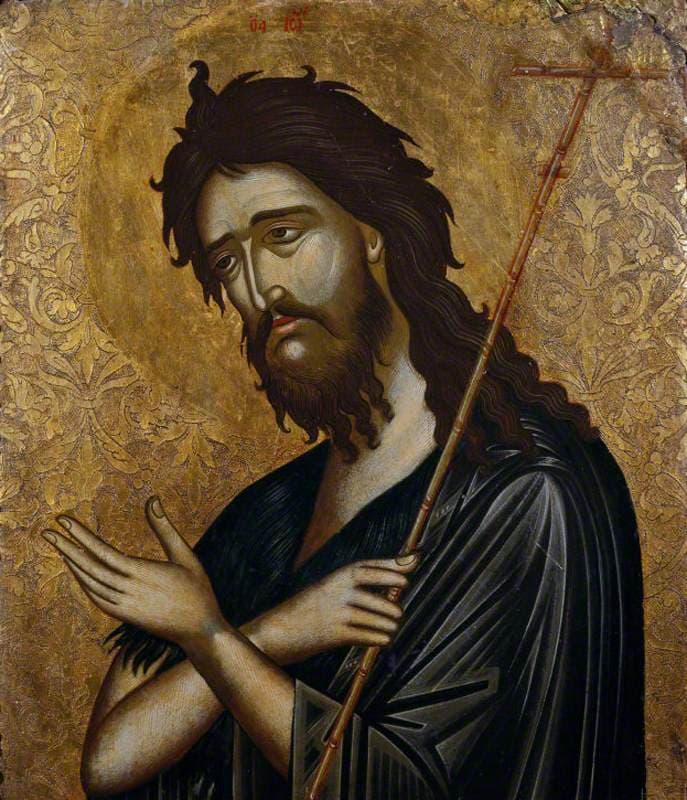
Early Slavs
In Christian belief, a saint, also known as a hallow, is a person who is recognized as having an exceptional degree of h…
Read →

Early Slavs
Saint Nedelya (St. Sunday, St. Anastasia, in folk Orthodoxy of the Slavs is the personification of Sunday as day of th…
Read →
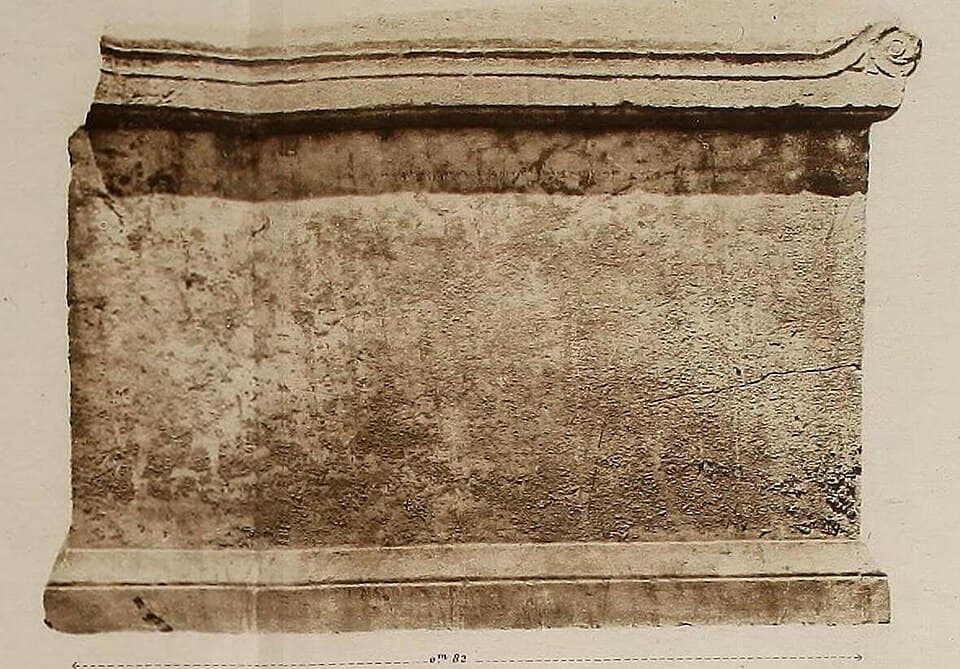
Ancient Levant
Sakkun was a Phoenician god. He is known chiefly from theophoric names such as Sanchuniathon and Gisgo. As of 1940, hi…
Read →
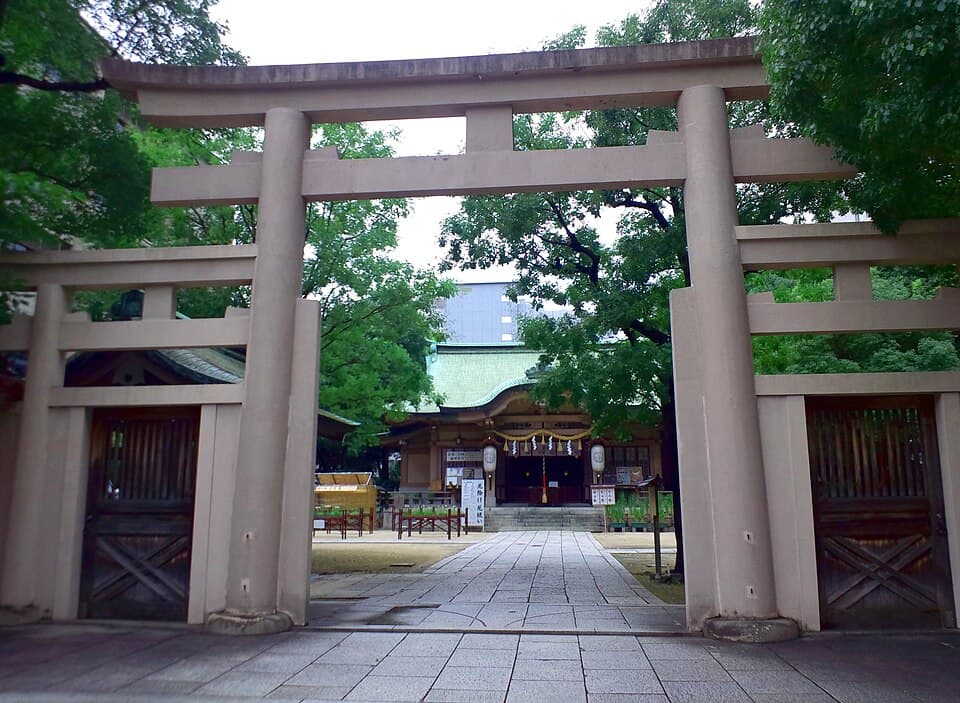
Japan
Ikasuri Shrine is a major Shinto shrine located in central Osaka, Japan. Its annual festival is on April 22. In the fo…
Read →

Ancient Rome
In ancient Roman mythology, Salacia was the female divinity of the sea, worshipped as the goddess of salt water who pres…
Read →
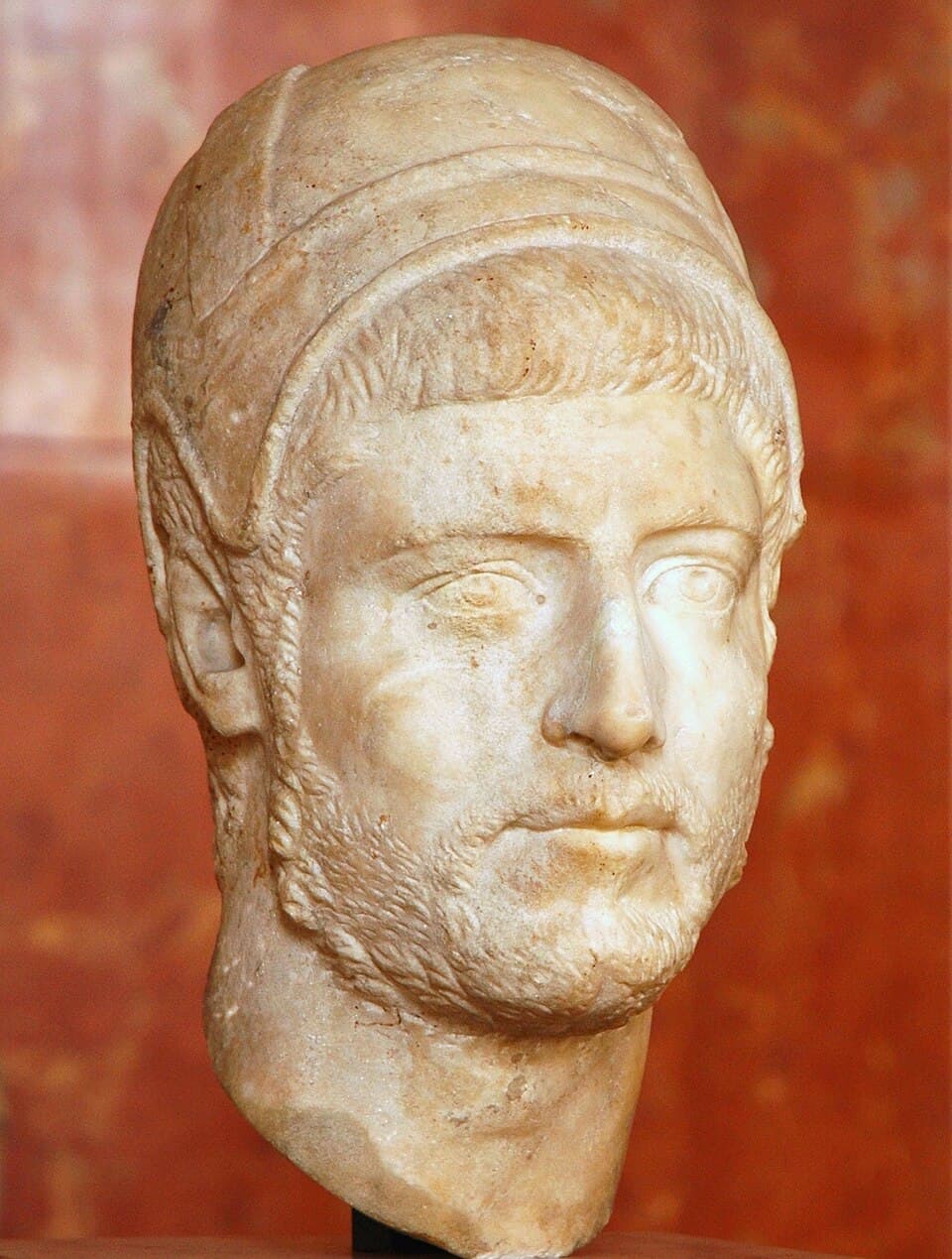
Etruria
The Salii, Salians, or Salian priests were the "leaping priests" of Mars in ancient Roman religion, supposed to have bee…
Read →
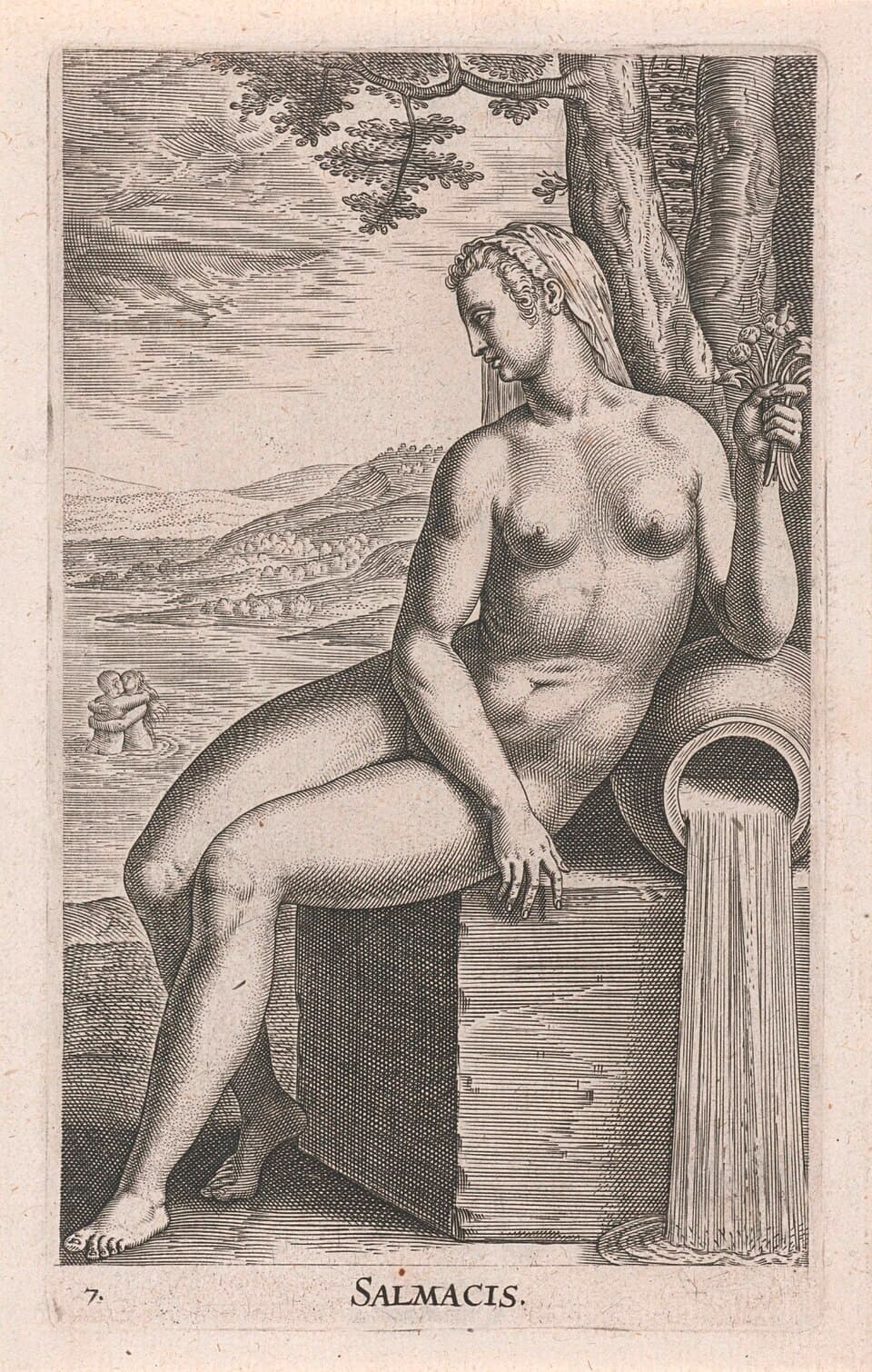
Ancient Greece
Salmacis was a naiad of Greek mythology. She rejected the ways of the virginal Greek goddess Artemis in favour of vanit…
Read →
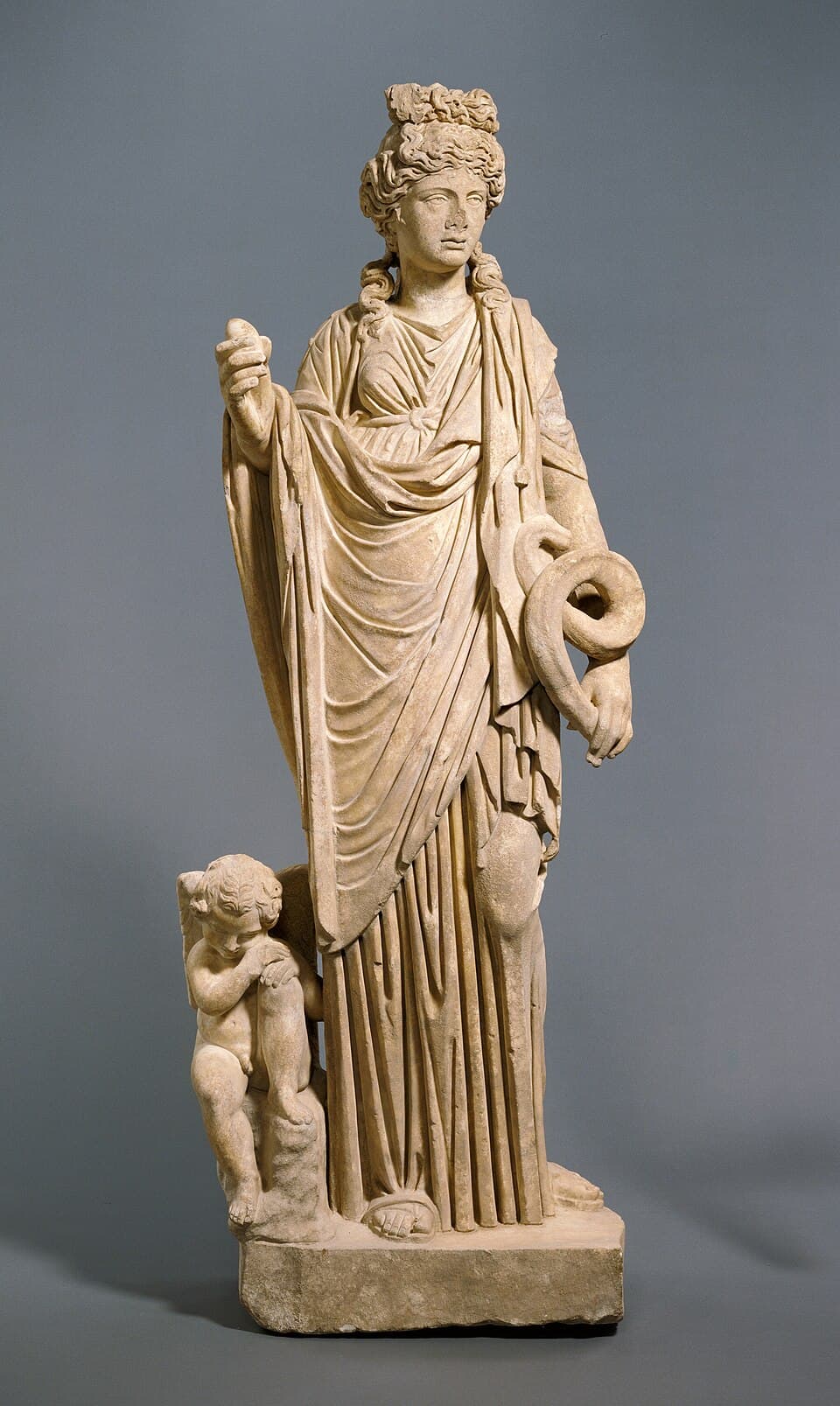
Ancient Rome
Salus was the Roman goddess of safety and well-being of both the individual and the state. She is sometimes equated wit…
Read →
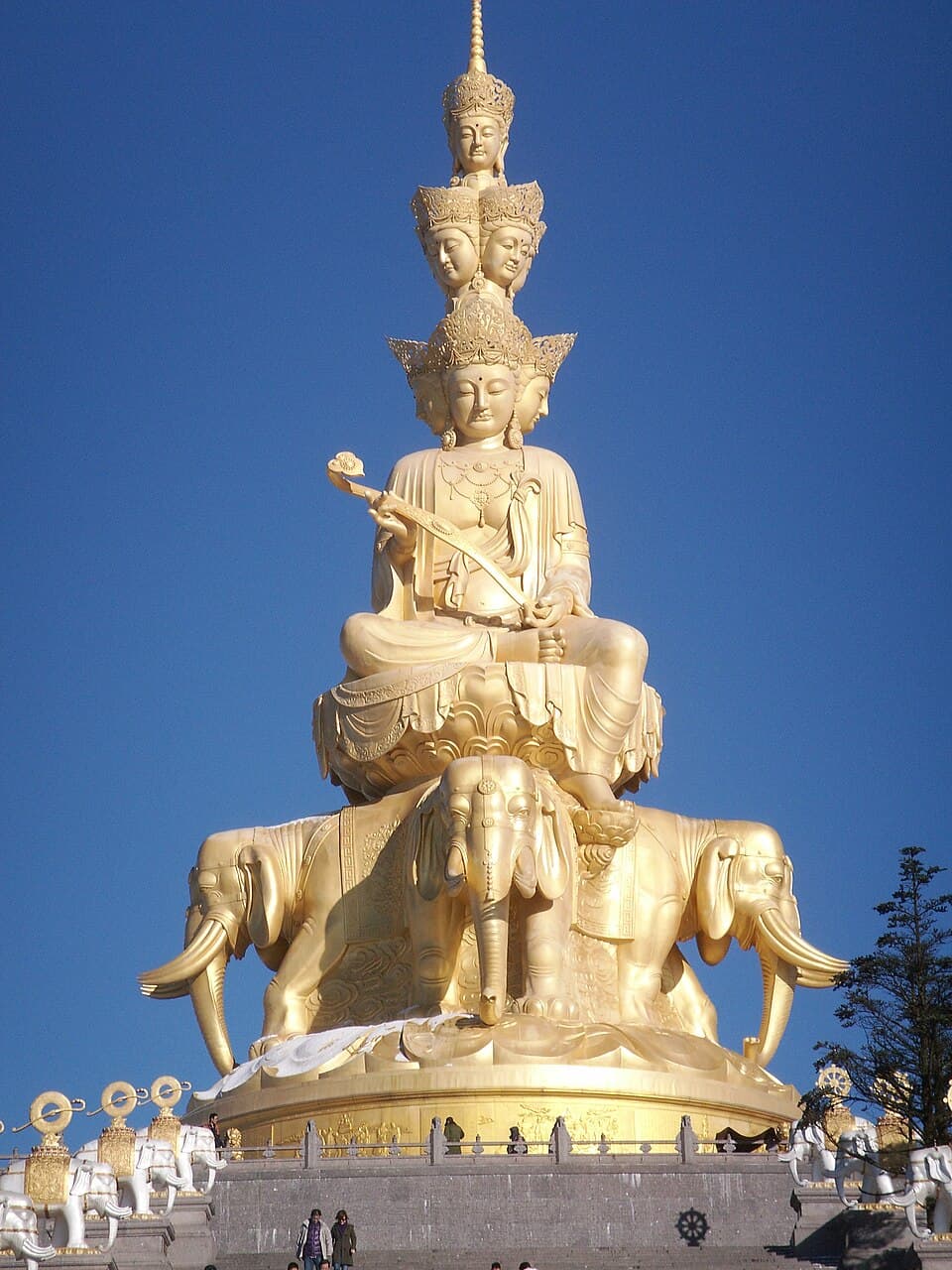
Asia
Samantabhadra is a great bodhisattva in Buddhism associated with practice and meditation. Together with Shakyamuni Budd…
Read →

Indian subcontinent
Ramdas, also Samarth Ramdas or Ramdas Swami, was an Indian Hindu saint, philosopher, poet, mystic and spiritual master. …
Read →
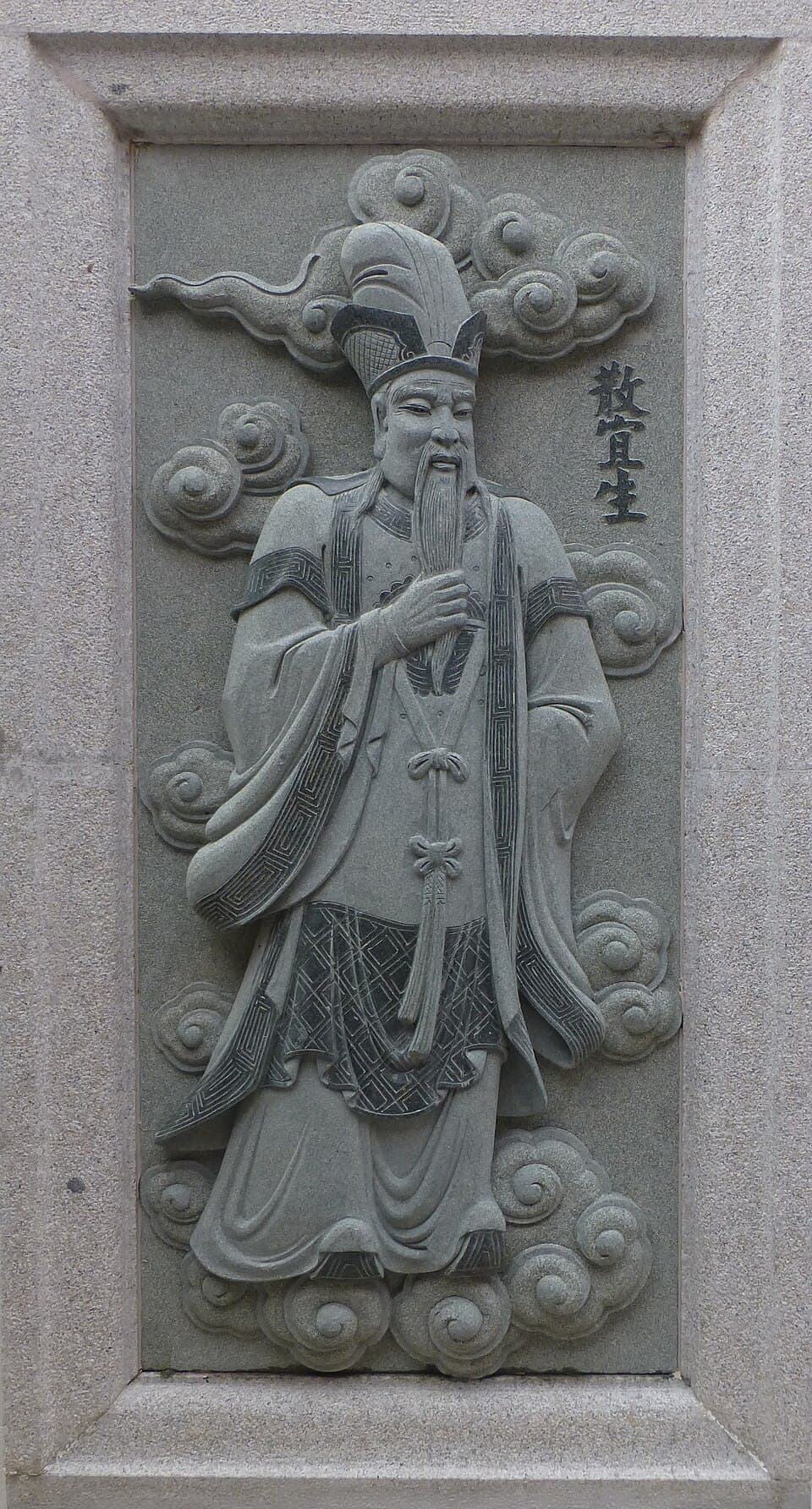
China
San Yisheng was a top official of the early Western Zhou dynasty.
Read →

Inca Empire
Sanamahism, also known as Meiteism, or Lainingthouism is an ethnic religion of the Meitei people of Manipur, in Northeas…
Read →
Ancient Rome
In ancient Roman religion, Sancus was a god of trust, honesty, and oaths. His cult, one of the most ancient amongst the…
Read →

Asia
Sándor Csoma de Kőrös was a Hungarian philologist and Orientalist, author of the first Tibetan–English dictionary and gr…
Read →
Scandinavia
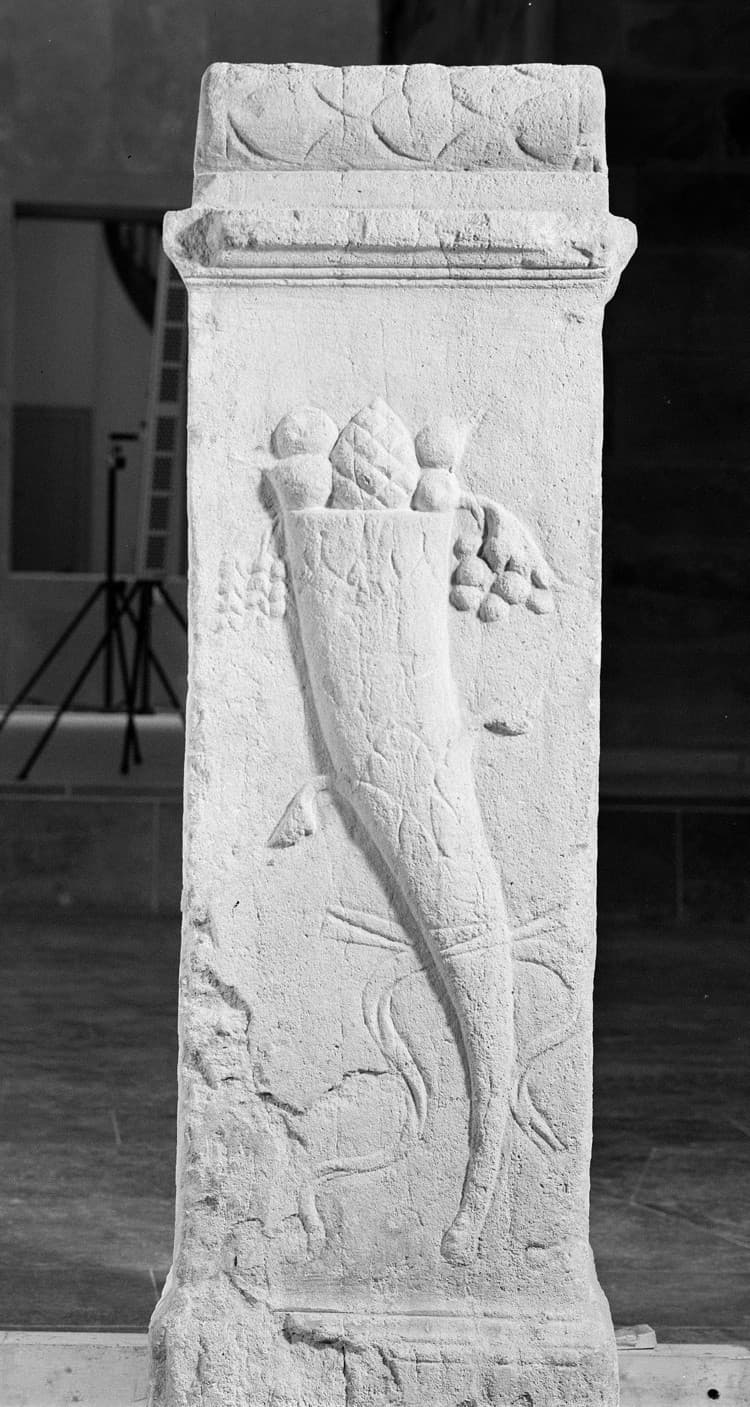
Sandraudiga is a Germanic goddess, attested on a stone with a Latin inscription, found in North Brabant, the Netherlands…
Read →
Indian subcontinent
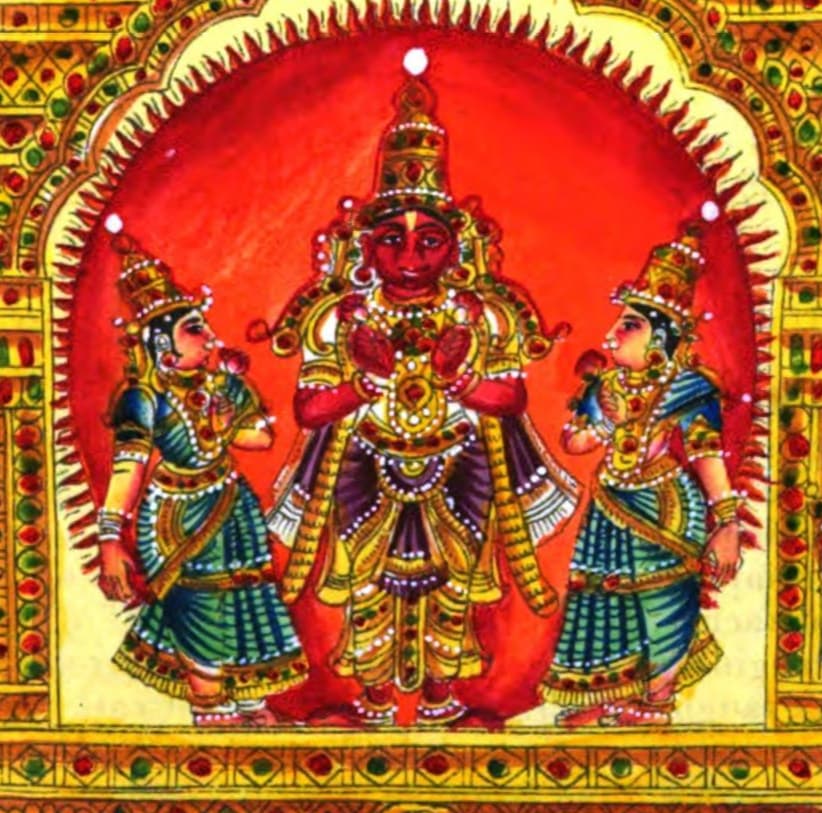
Sanjna, also known as Saranyu, is a Hindu goddess and the chief consort of Surya, the Sun god. She is mentioned in the …
Read →
Japan
Sanjūbanshin (三十番神) refers to the thirty deities in the syncretic Japanese Shinbutsu shūgō faith who were believed to pr…
Read →
Inca Empire
Sant Mat, also known as the Sant movement, was a spiritual movement on the Indian subcontinent during the 13th–17th cent…
Read →
Ancient Greece
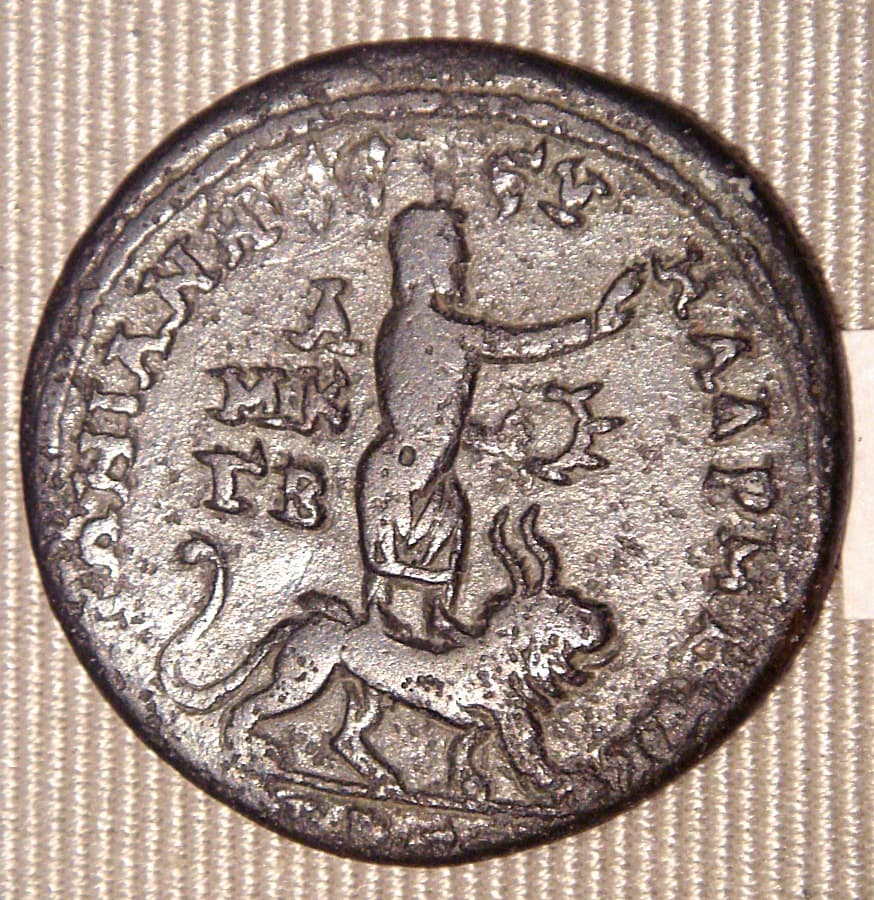
Šanta (Santa) was a god worshiped in Bronze Age Anatolia by Luwians and Hittites. It is presumed that he was regarded a…
Read →

North America
Nuestra Señora de la Santa Muerte, often shortened to Santa Muerte, is a new religious movement, female deity, folk-Cath…
Read →
Indian subcontinent
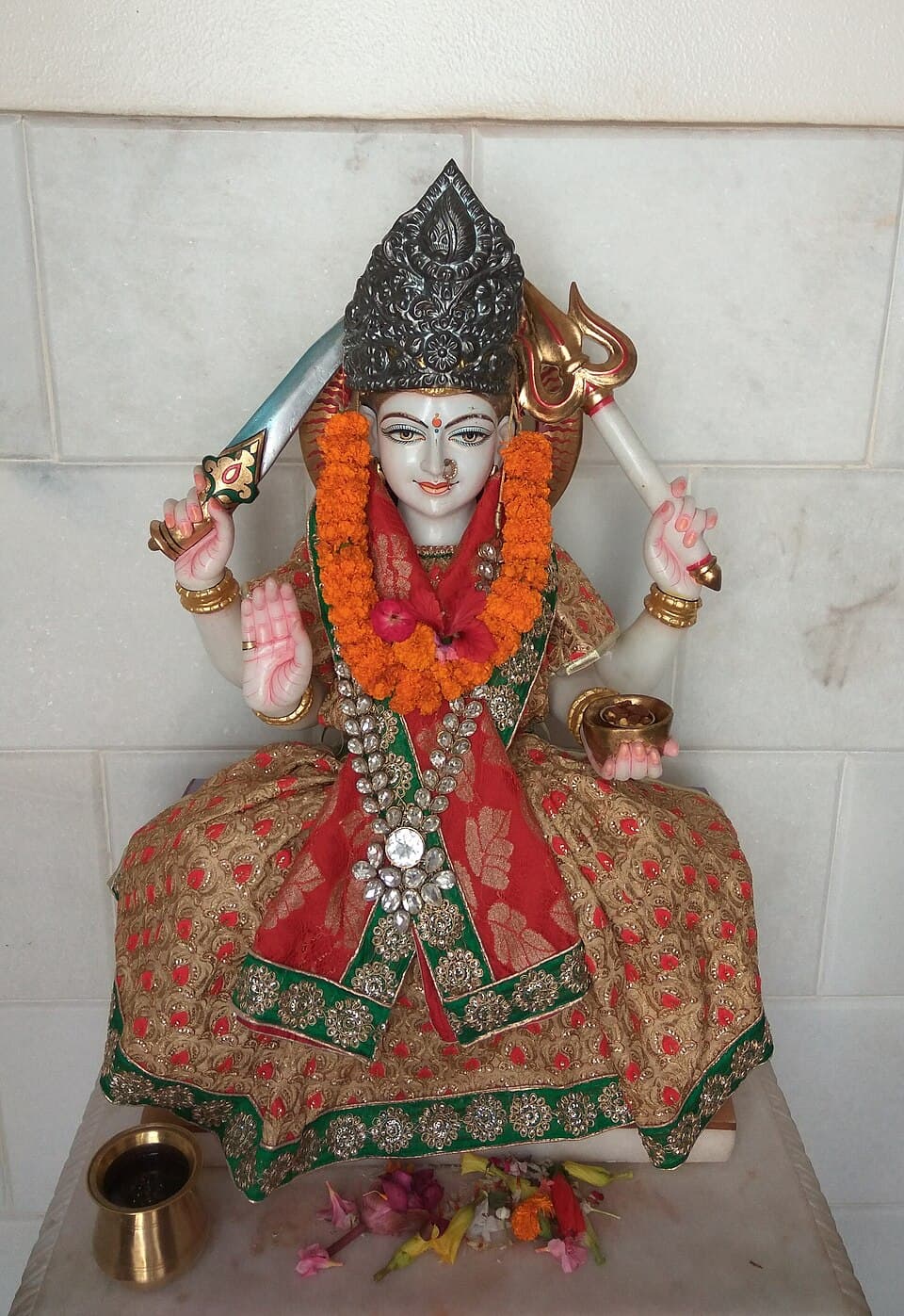
Santoshi Mata or Santoshi Maa is a Hindu goddess, who is venerated as "the Mother of Satisfaction", the meaning of her n…
Read →

China
The Sanxing are the gods of three celestial bodies of particular significance in Chinese astronomy and Chinese folk reli…
Read →
China
Saoqing Niang is a deity of the Chinese pantheon.
Read →
Indian subcontinent
Sarama or Devashuni is a female dog of the gods in Hindu mythology. She first appears in one of Hinduism's earliest tex…
Read →
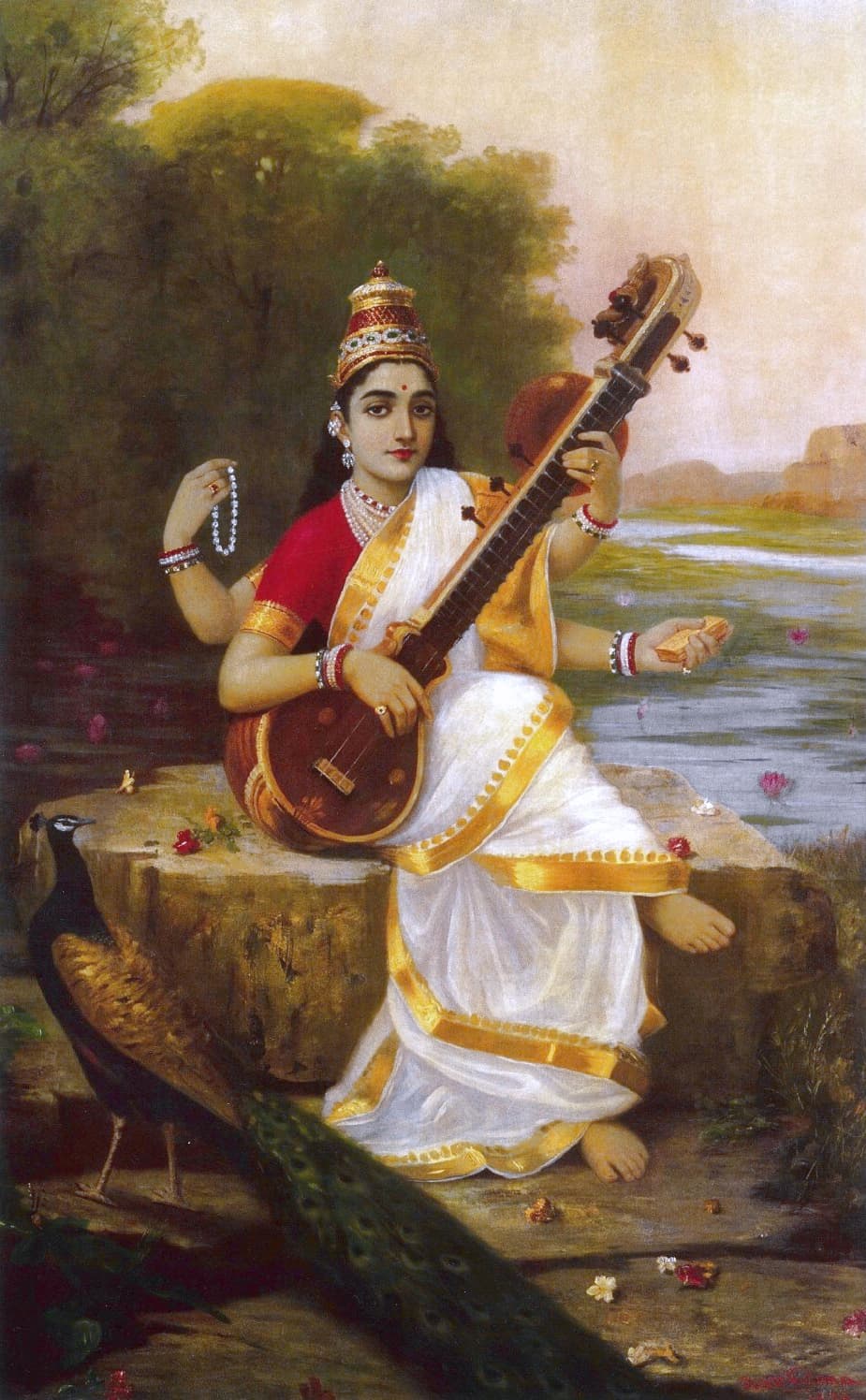
Indian subcontinent
Saraswati, also spelled as Sarasvati, is one of the principal goddesses in Hinduism, revered as the goddess of knowledge…
Read →