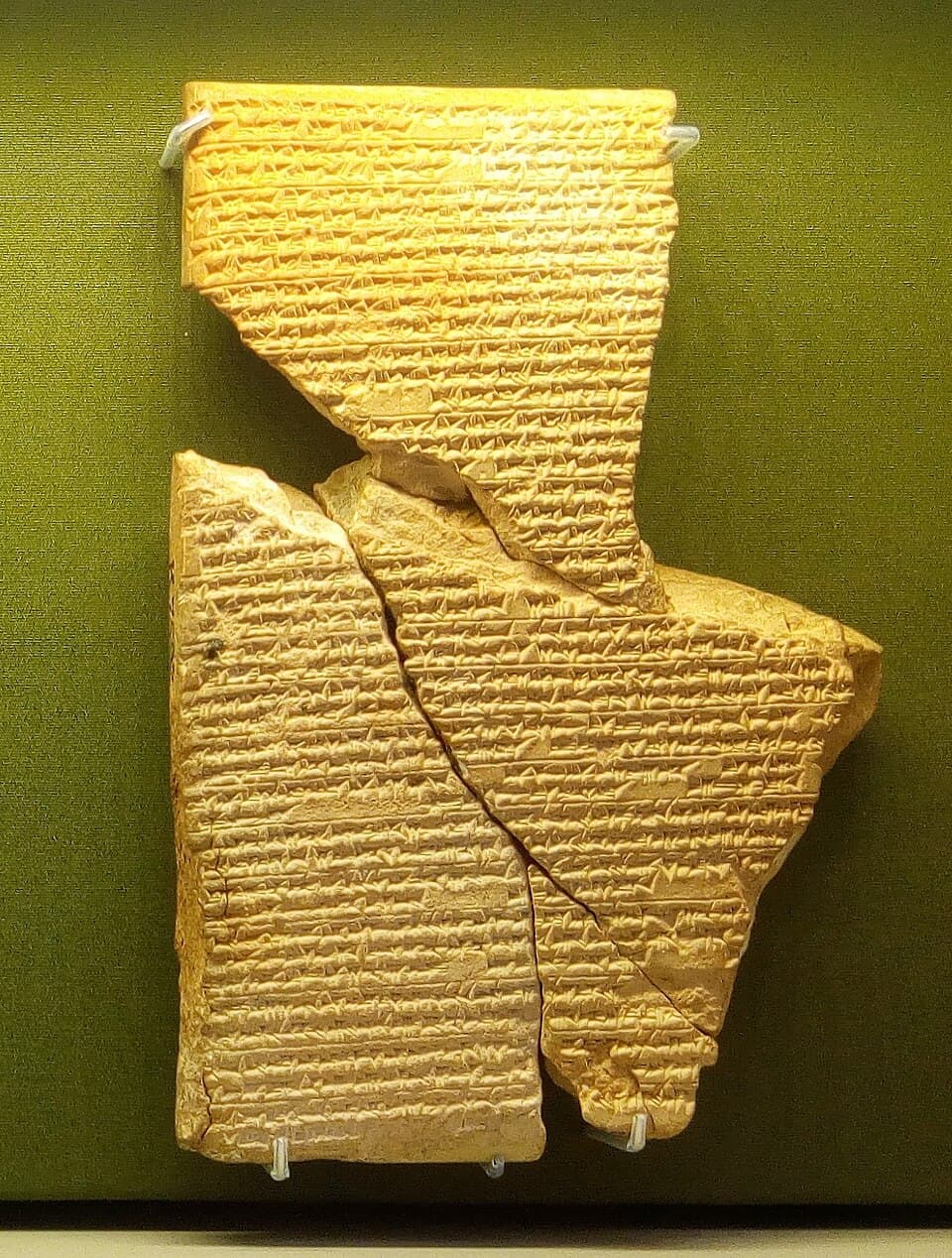
Mesopotamian3500 BCE – 500 BCE
Sarpanit
Ancient Mesopotamia
Zarpanitu was a Mesopotamian goddess regarded as the spouse of Marduk. Not much is known about her character, though la…
Read →
Research Index
An archive of 3,493 gods, deified rulers, and mythological figures across civilizations — from living gods of Egypt to the dying gods of antiquity.
Ancient Mesopotamia
Zarpanitu was a Mesopotamian goddess regarded as the spouse of Marduk. Not much is known about her character, though la…
Read →
Ancient Mesopotamia
Šarrāḫītu was a Mesopotamian goddess worshiped chiefly in Uruk from the Achaemenid period onward.
Read →
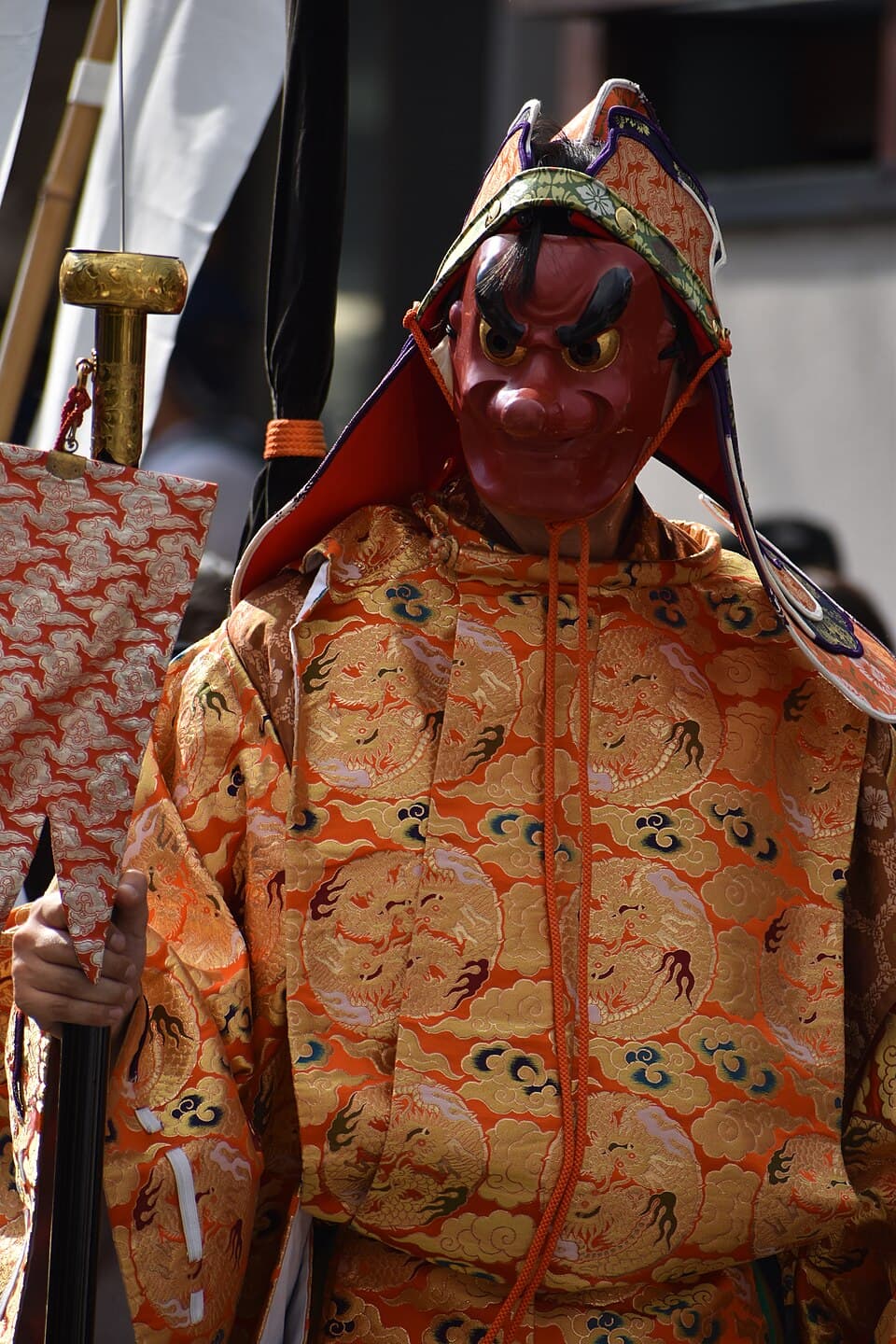
Japan
Sarutahiko/Sarudahiko/Sarutabiko Ōkami is a deity of the Japanese religion of Shinto; he is the leader of the earthly ka…
Read →
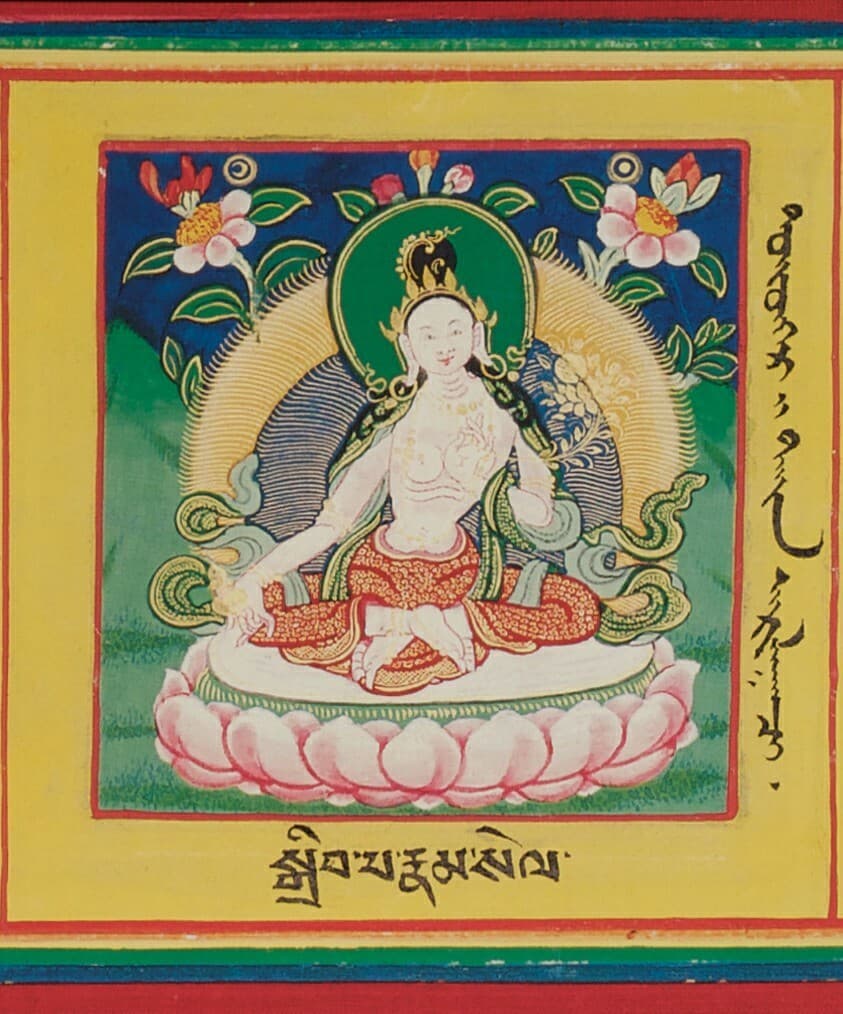
Asia
Sarvanīvaraṇaviṣkambhin is a bodhisattva revered in Mahāyāna Buddhism. He is one of the Eight Great Bodhisattvas with M…
Read →
Ancient Mesopotamia
Šassūrātu were a group of Mesopotamian goddesses regarded as the assistants of Ninmah. Their name can be translated as …
Read →
Indian subcontinent
Satguru, or sadguru, means a "true guru" in Sanskrit. The term is distinguished from other forms of gurus, such as musi…
Read →
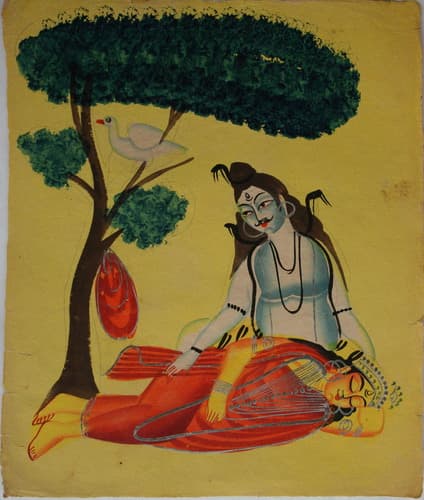
Indian subcontinent
Sati, also known as Dakshayani, is the Hindu goddess of marital felicity and longevity, and is worshipped as an aspect o…
Read →
Ancient Egypt
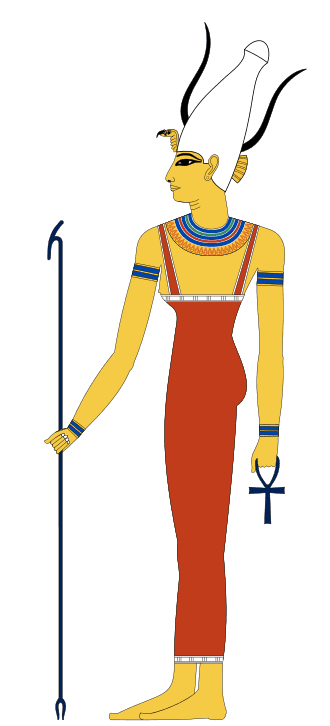
Satet, Satit or Satjet, Satjit in Ancient Egyptian, Greek: Satis, also known by numerous related names, was an Upper Egy…
Read →
Ancient Levant
Satrapes was a god in the Palmyrene pantheon, the name occurring in Syrian inscriptions from Palmyra and the Hauran. Pa…
Read →
Indian subcontinent
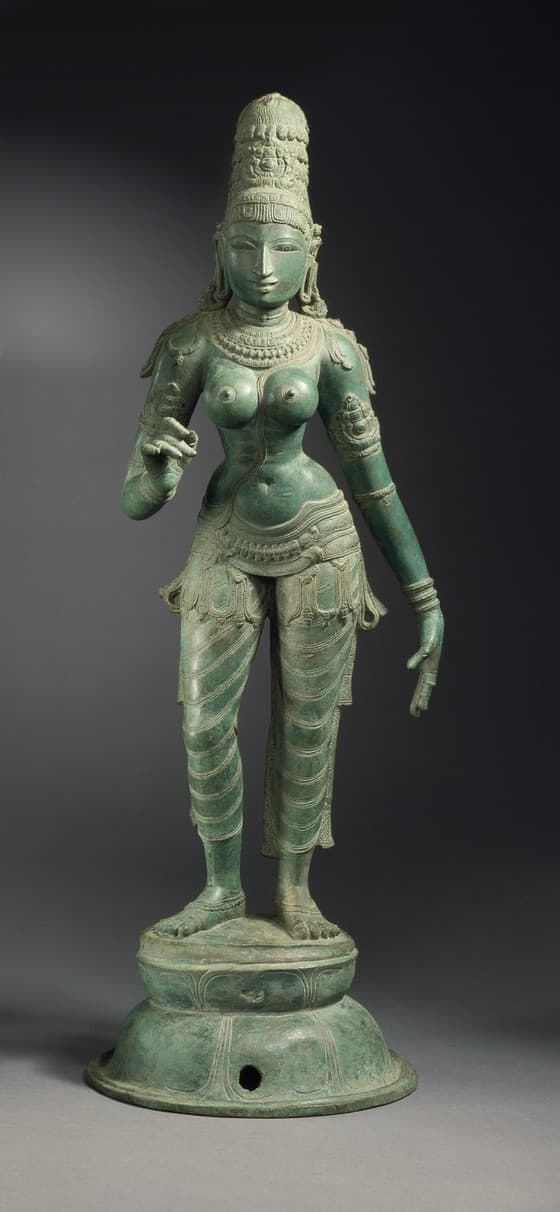
Satyabhama, also known as Satrajiti, is a Hindu goddess and the third queen consort of the Hindu god Krishna. Satyabham…
Read →
Ancient Greece
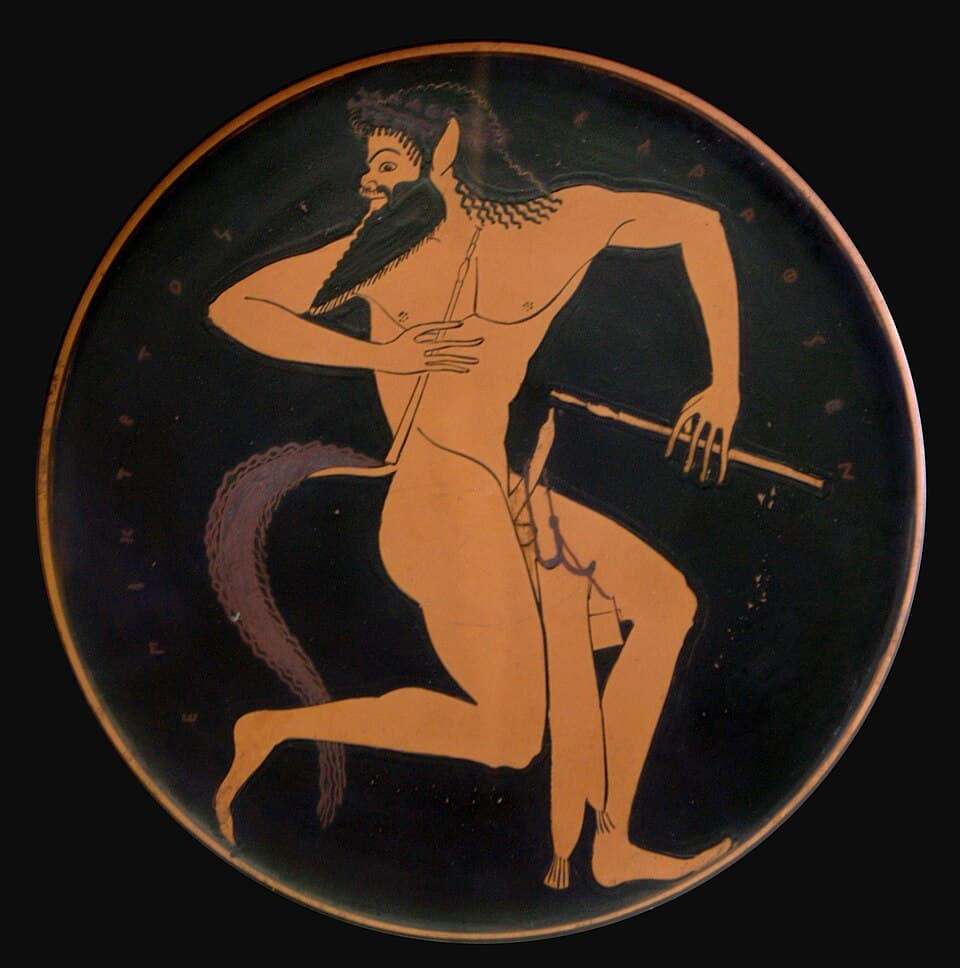
In Greek mythology, a satyr, also known as a silenus or silenos, and sileni (plural), is a male nature spirit with ears …
Read →

Ancient Mesopotamia
Šauška (Shaushka), also called Šauša or Šawuška, was the highest ranked goddess in the Hurrian pantheon. She was associ…
Read →
Indian subcontinent
Savitṛ, in Vedic scriptures is an Aditya. His name in Vedic Sanskrit connotes "impeller, rouser, vivifier.
Read →
Scandinavia
In Germanic mythology, Seaxnēat or Saxnôt was the national god of the Saxons. He is sometimes identified with either Tī…
Read →
Ancient Greece
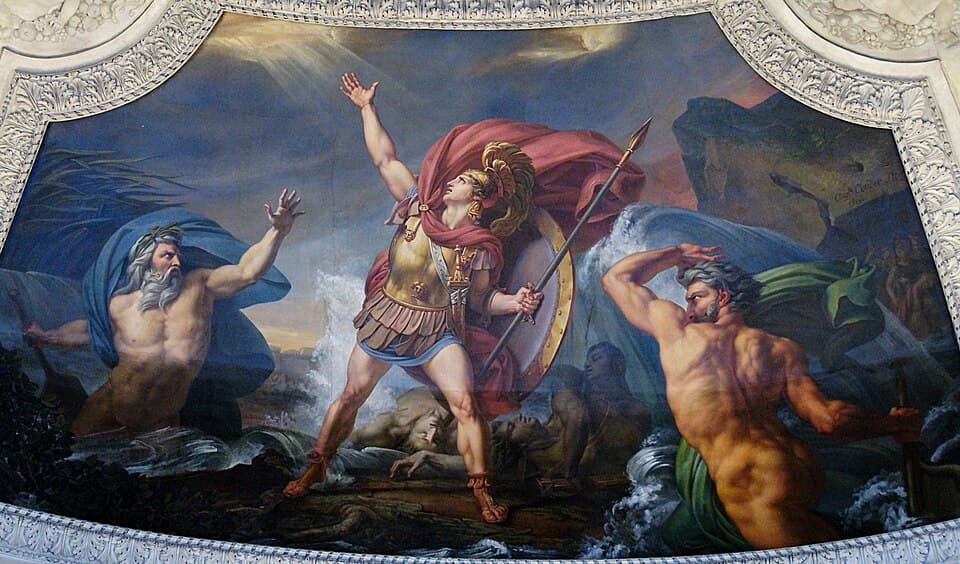
Scamander, also Skamandros or Xanthos (Ξάνθος), was a river god in Greek mythology.
Read →
Ancient Rome
In Greek mythology, Erebus, or Erebos, is the personification of darkness. In Hesiod's Theogony, he is the offspring of…
Read →
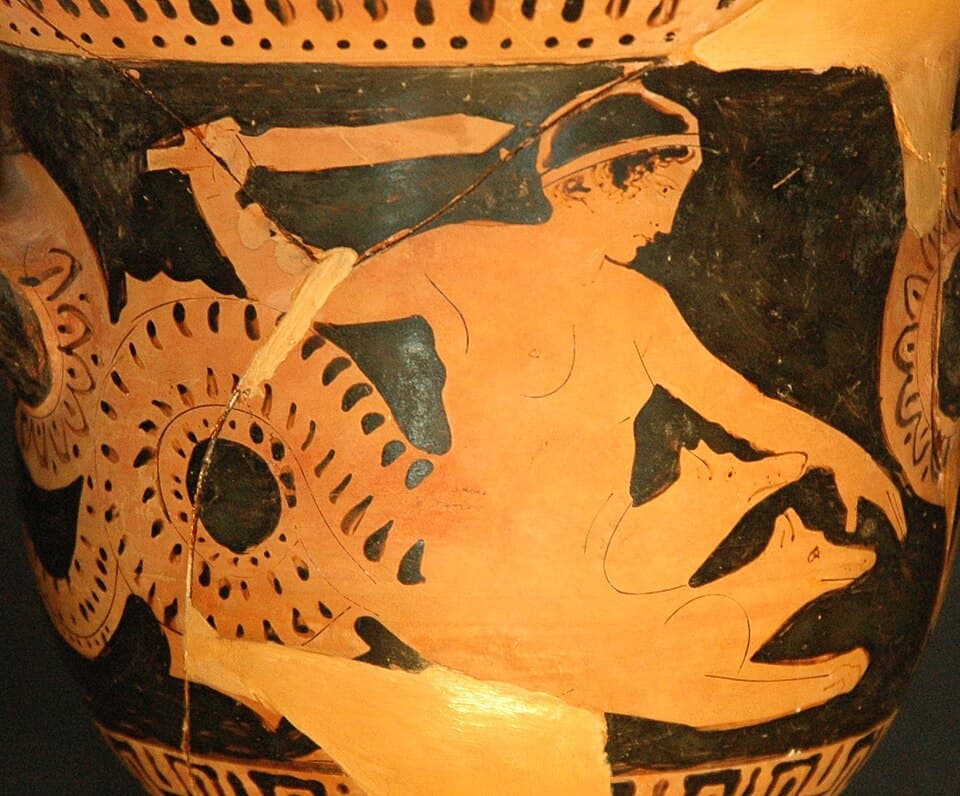
Ancient Greece
In Greek mythology, Scylla is a legendary, man-eating monster that lives on one side of a narrow channel of water, oppos…
Read →
Scandinavia
In Germanic mythology, Seaxnēat or Saxnôt was the national god of the Saxons. He is sometimes identified with either Tī…
Read →
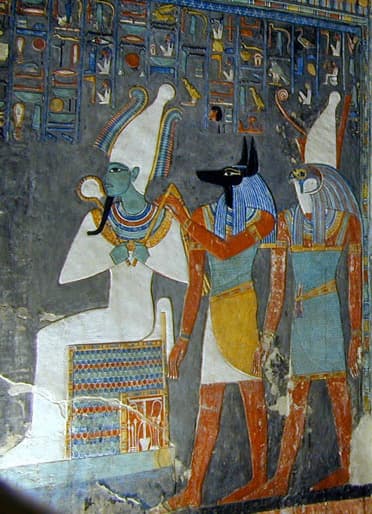
Ancient Egypt
Ancient Egyptian deities were an integral part of ancient Egyptian religion and were worshiped for millennia. Many of t…
Read →
Ancient Mesopotamia
The Sebitti or Sebittu are a group of seven minor war gods in Neo-Sumerian, Akkadian, Babylonian and especially Assyrian…
Read →
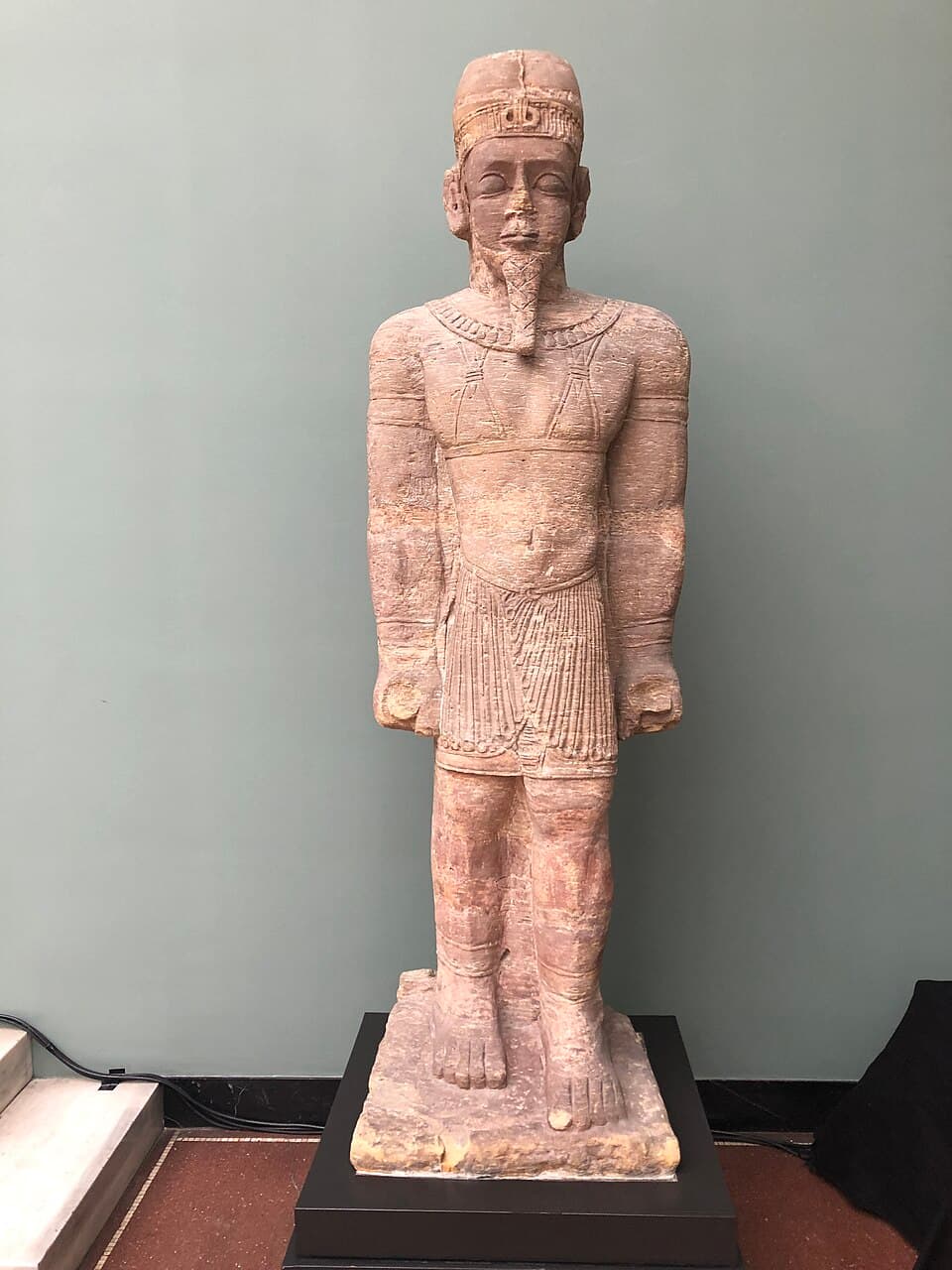
Ancient Egypt
Sebiumeker was a major supreme god of procreation and fertility in Nubian mythology who was primarily worshipped in Mero…
Read →
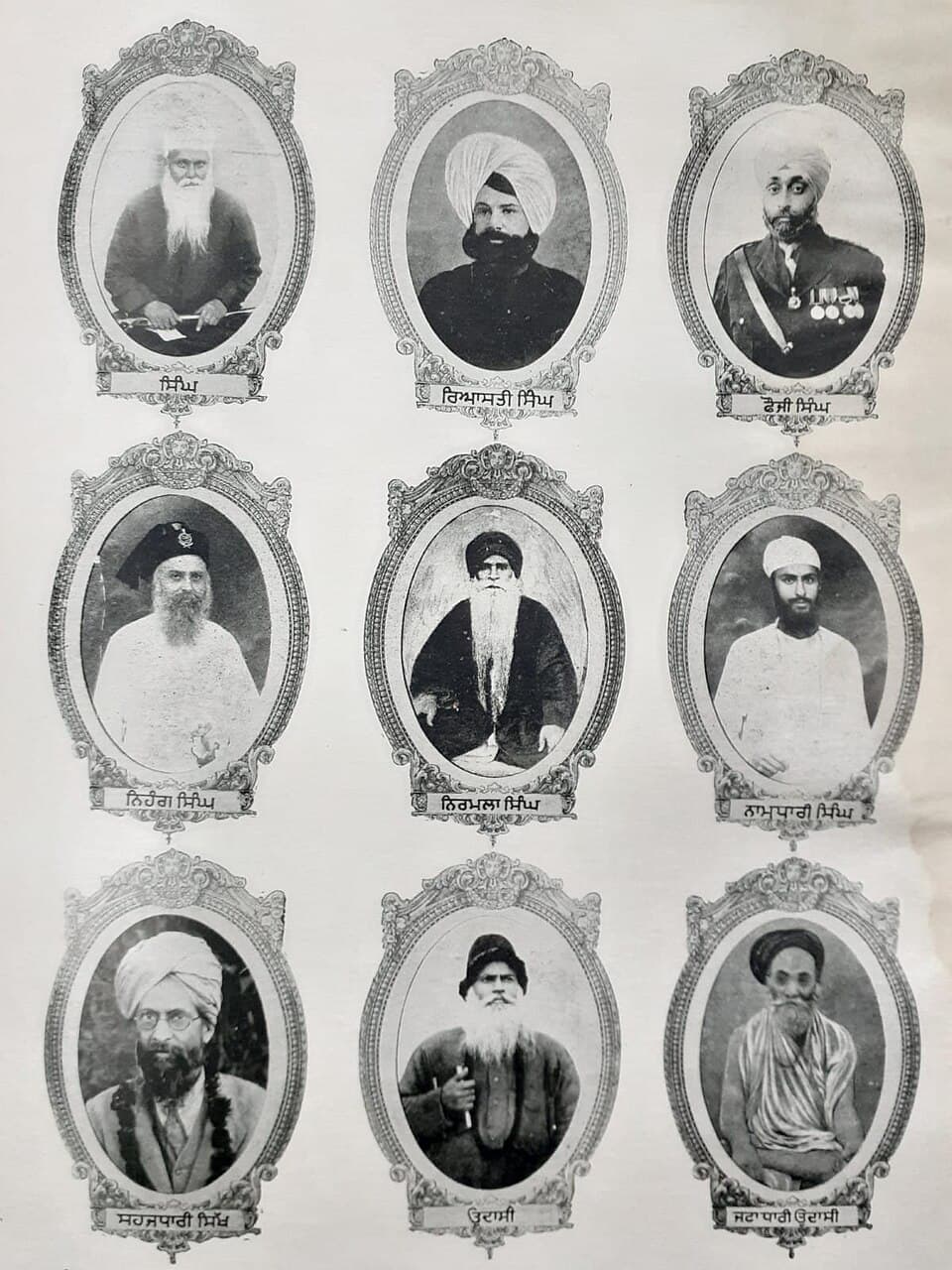
Inca Empire
Sikh sects, denominations, traditions, movements, sub-traditions, also known as sampardai in the Punjabi language, are s…
Read →
Inca Empire
Secular theology is a term applied to theological positions influenced by humanism and secularism, rejecting supernatura…
Read →
Ancient Rome
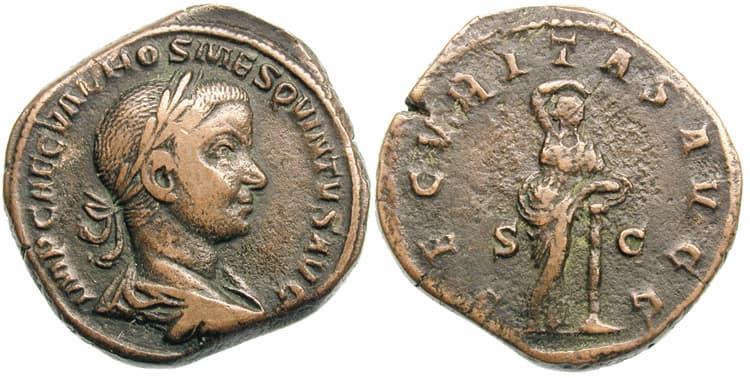
In Roman mythology, Securitas was the goddess of security and stability, especially the security of the Roman Empire. O…
Read →
Ancient Egypt
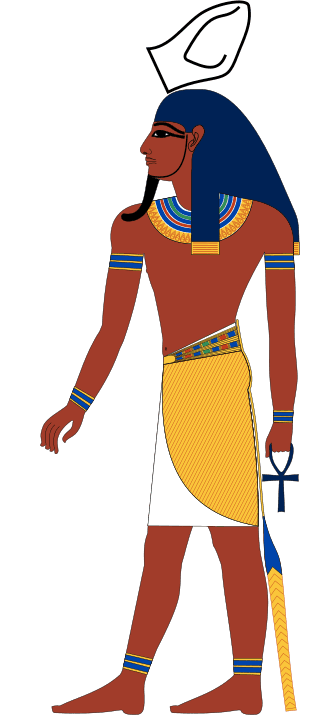
Sedjem (sḏm) was an ancient Egyptian god who, along with Irer, join Hu and Sia as creative powers of the gods. Sedjem, …
Read →
Iron Age Europe
In Gallo-Roman religion, Segomo was a war god worshipped in Gaul. In Roman times he was equated with Mars and Hercules.…
Read →
Ancient Egypt
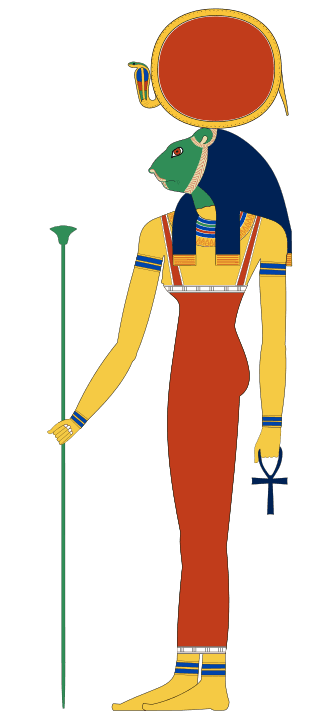
In Egyptian mythology, Sekhmet is a warrior goddess as well as goddess of medicine.
Read →
Aztec Empire
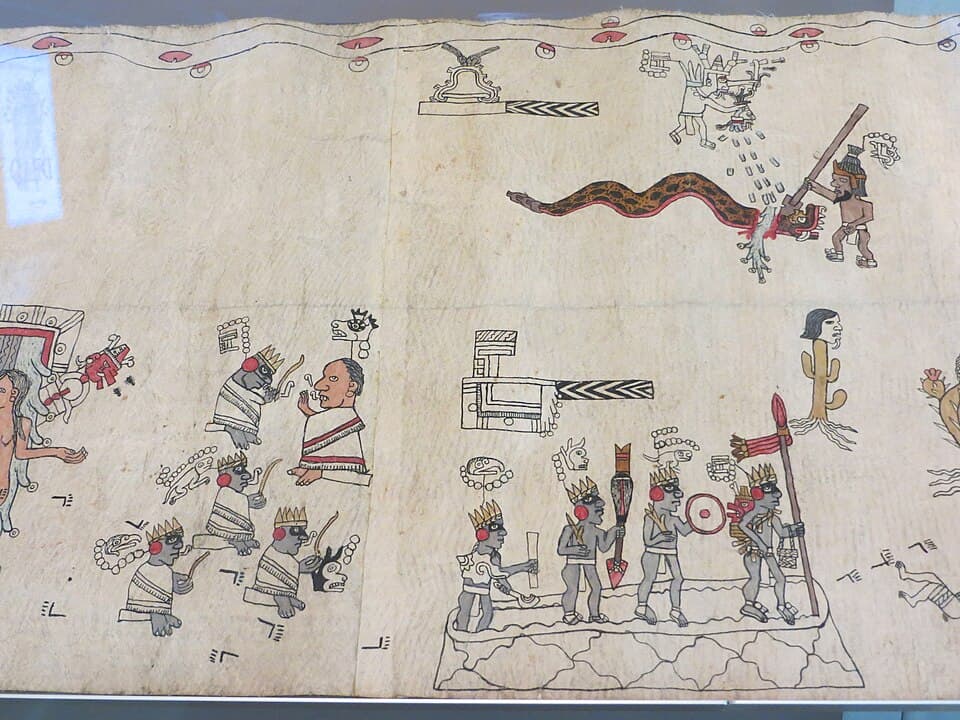
The Selden Roll is a 16th-century Mexican manuscript painted roll from the Coixtlahuaca region, incorporating both Mixte…
Read →
Ancient Greece
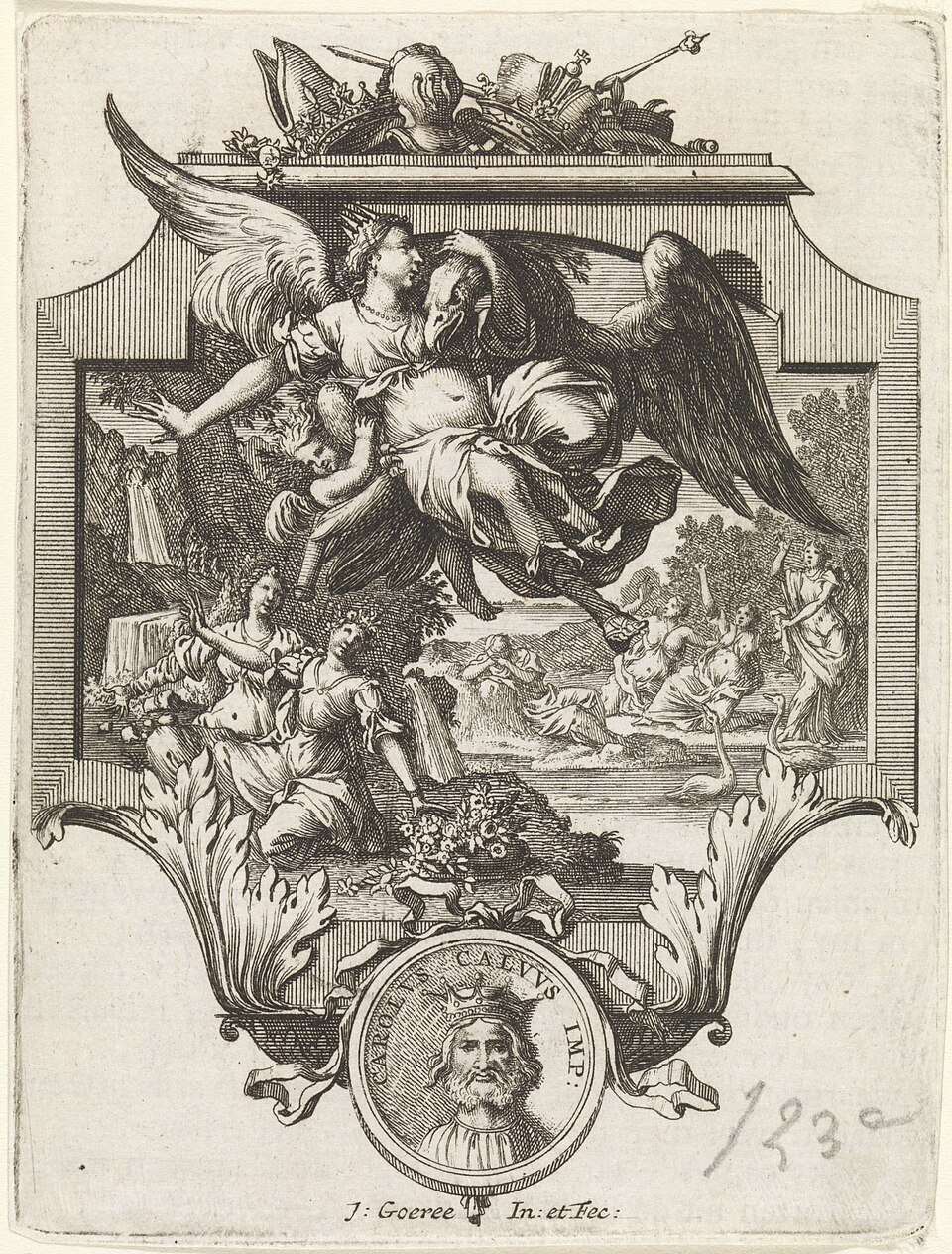
In Greek mythology, Selemnus is a young shepherd boy turned river god from the Peloponnese in southern Greece. He was t…
Read →
Ancient Greece
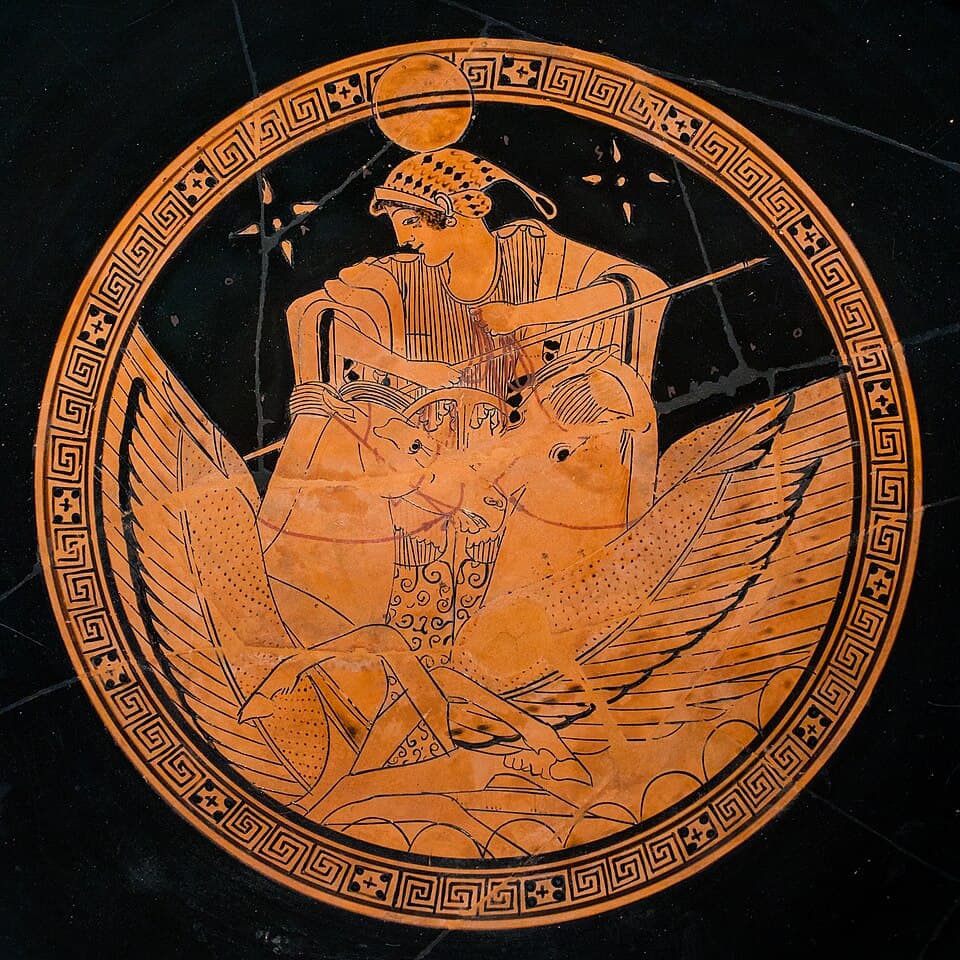
In ancient Greek mythology and religion, Selene is the goddess and personification of the Moon. Also known as Mene, she…
Read →
Etruria
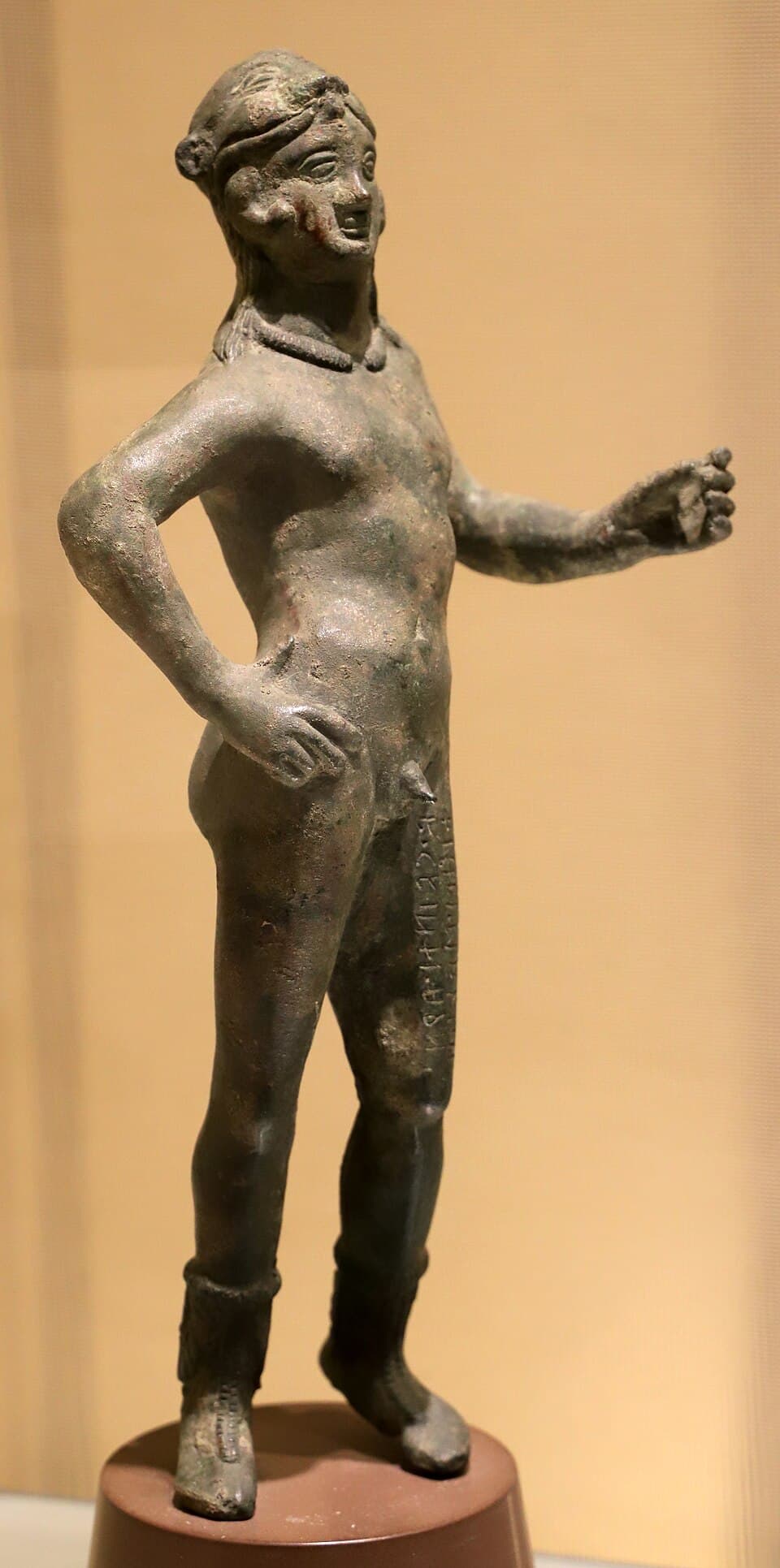
In Etruscan mythology and religion, Selvans is god of the woodlands and boundaries, including sacred boundaries. He is …
Read →
Ancient Greece
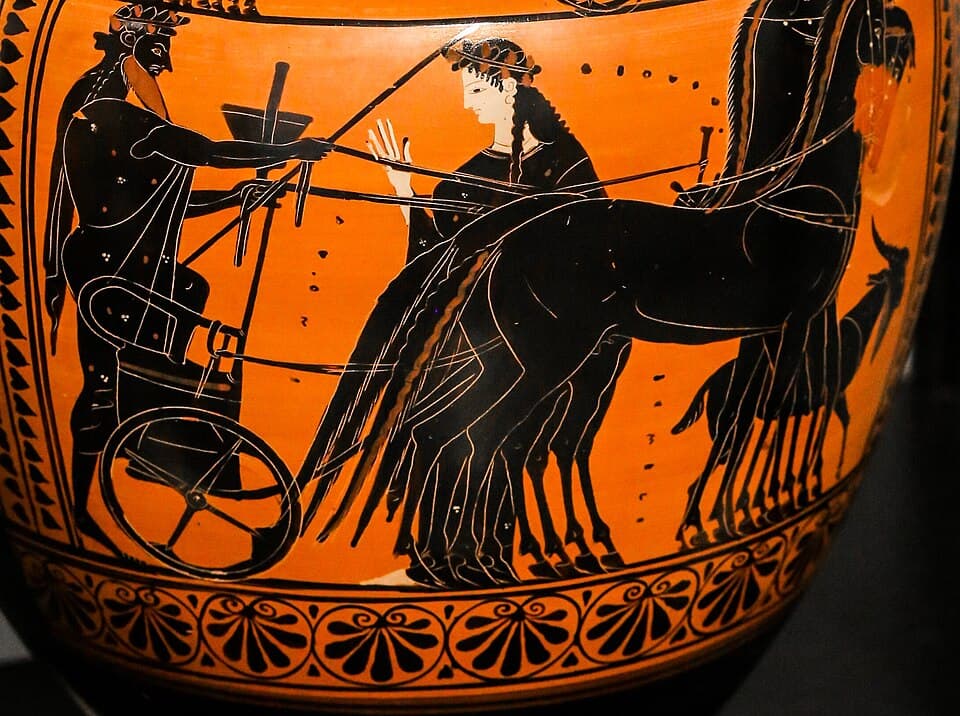
In Greek mythology, Semele, or Thyone, was the youngest daughter of Cadmus and Harmonia, and the mother of Dionysus by Z…
Read →
Ancient Rome
In ancient Roman religion, Sancus was a god of trust, honesty, and oaths. His cult, one of the most ancient amongst the…
Read →
Ancient Rome
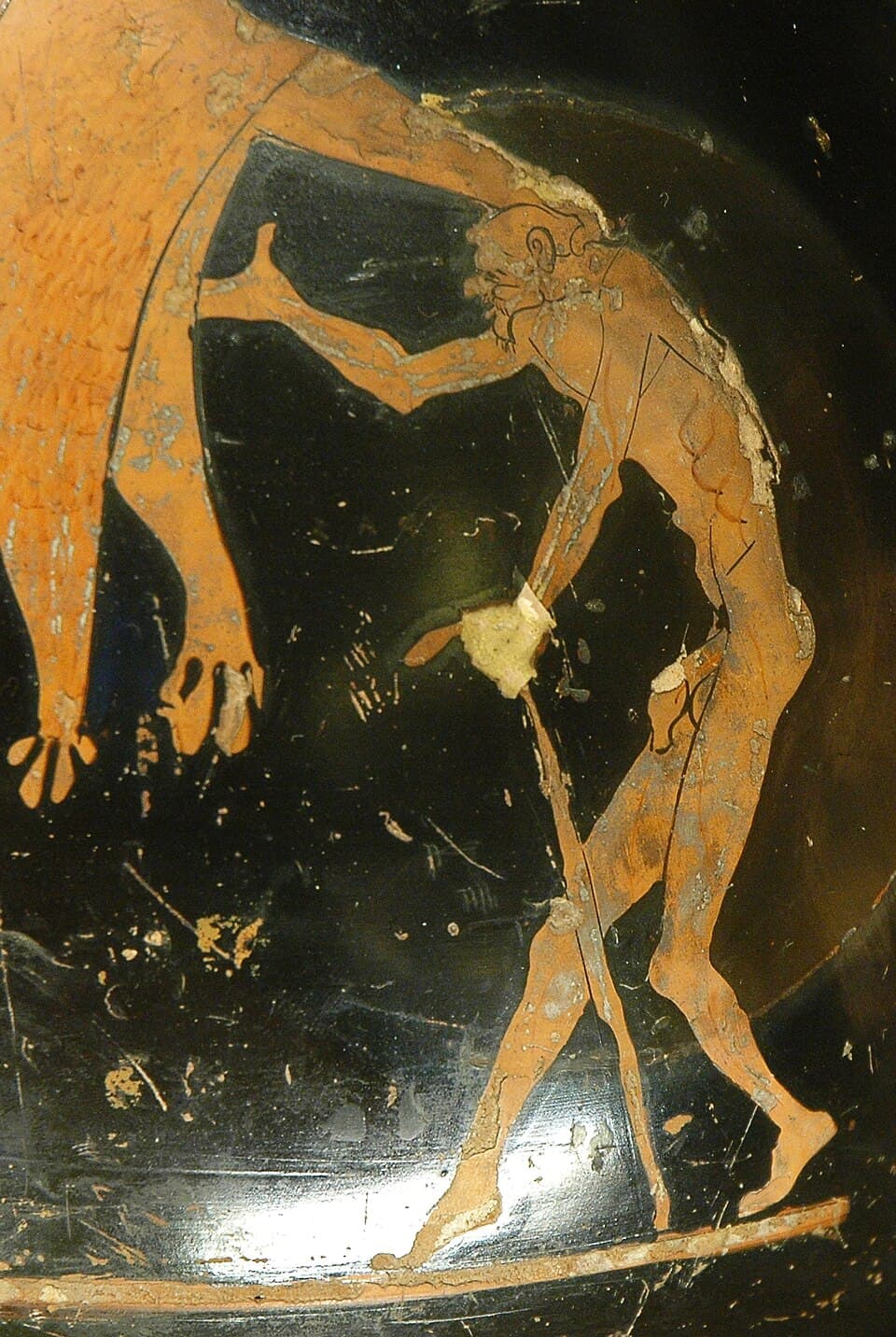
In Greek mythology, Geras is the god of old age. He was typically depicted as a tiny, shriveled old man. Gēras's oppos…
Read →
Ancient Rome
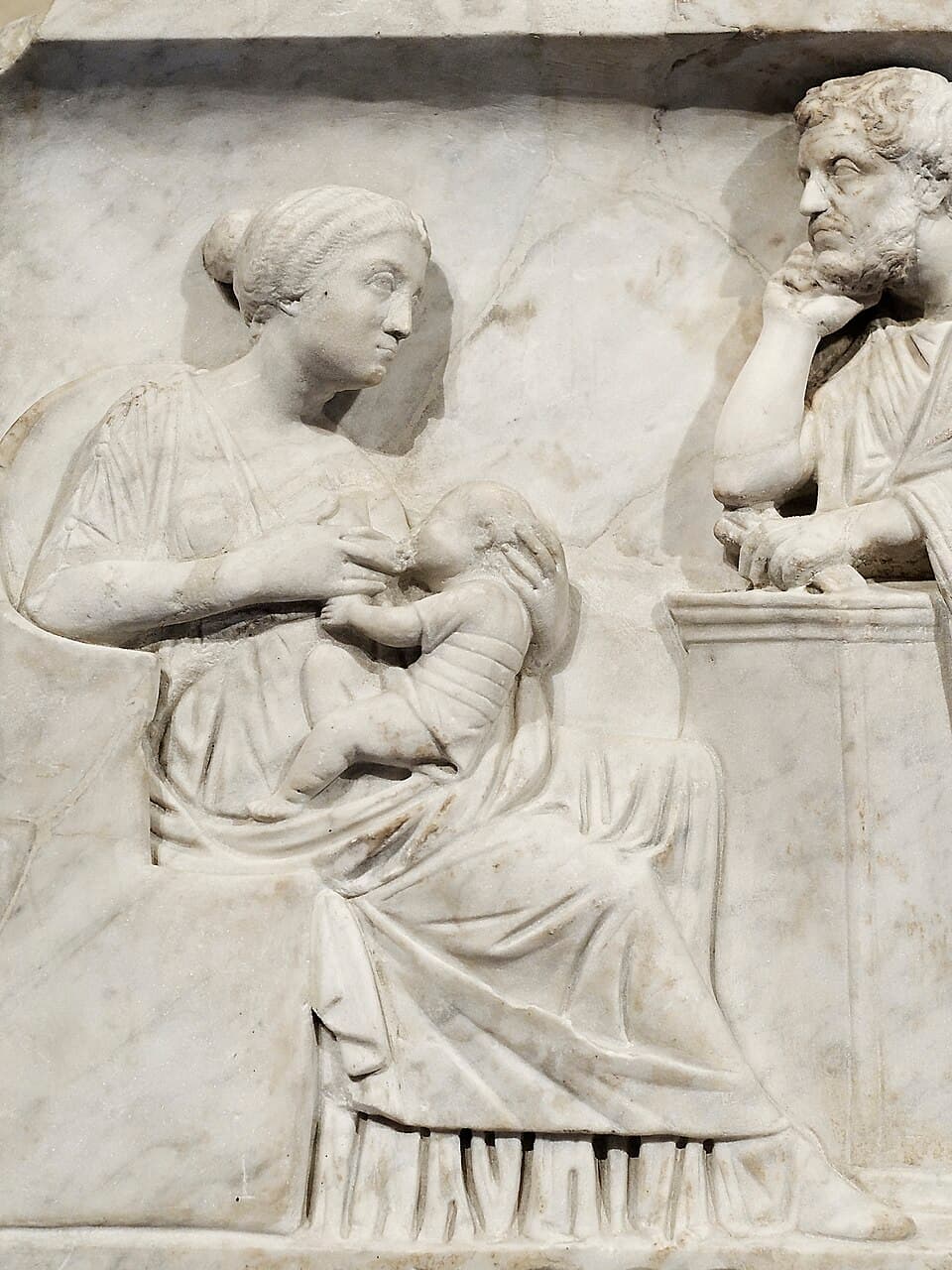
In ancient Roman religion, birth and childhood deities were thought to care for every aspect of conception, pregnancy, c…
Read →
Iron Age Europe
Senuna was a Celtic goddess worshipped in Roman Britain. She was unknown until a cache of 26 votive offerings to her we…
Read →
Ancient Egypt
Sepa was an ancient Egyptian centipede deity. He was believed to have control over venomous animals and was worshiped t…
Read →

Ancient Egypt
Solar barques were the vessels used by the sun god Ra in ancient Egyptian mythology. During the day, Ra was said to use…
Read →
Ancient Egypt
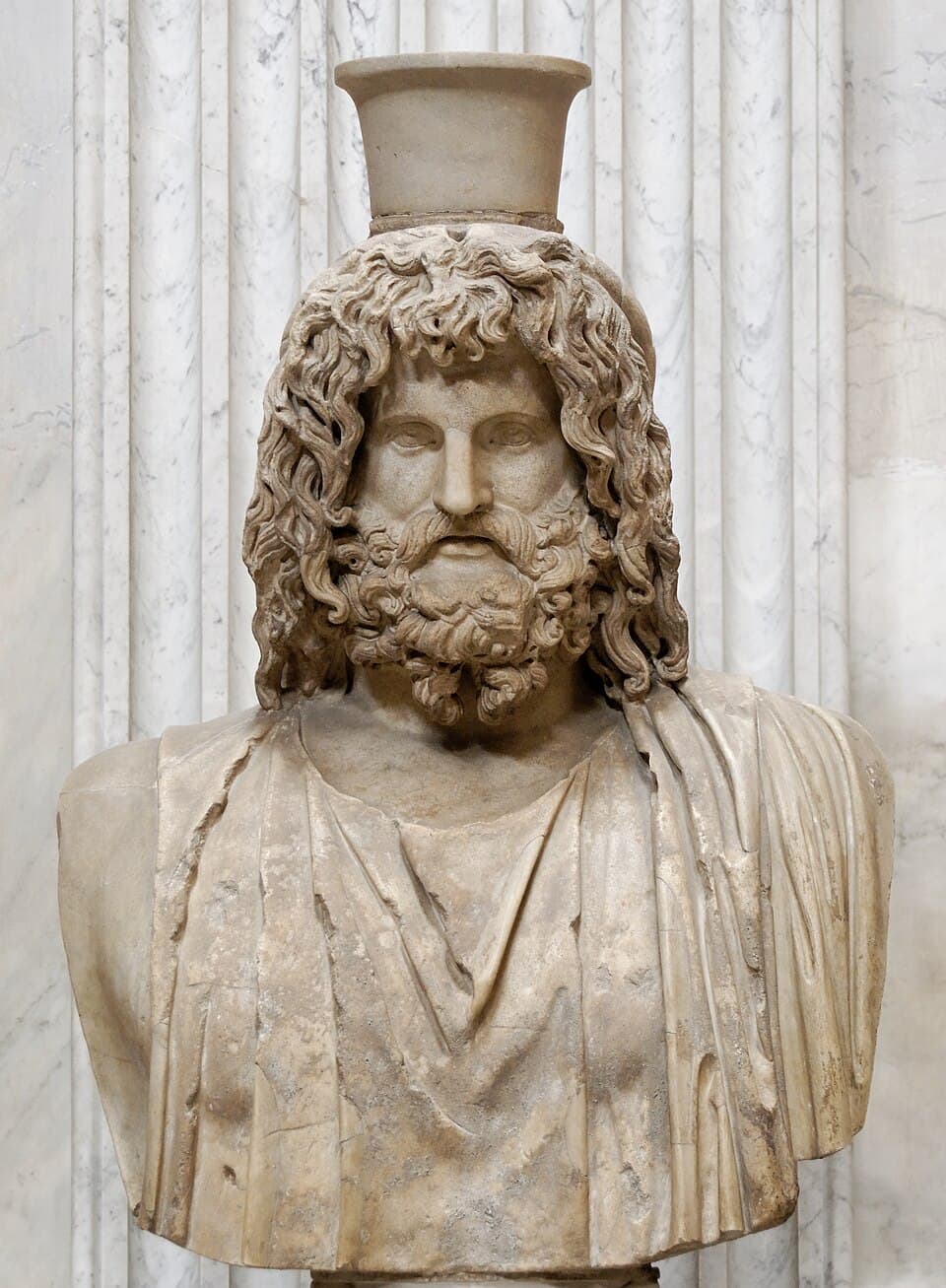
Serapis or Sarapis is a Graeco-Egyptian god. A syncretic deity derived from the worship of the Egyptian gods Osiris and…
Read →
Ancient Mesopotamia
Šeri and Ḫurri were a pair of theriomorphic Hurrian gods who almost always appear together in known sources. They were …
Read →
Ancient Egypt
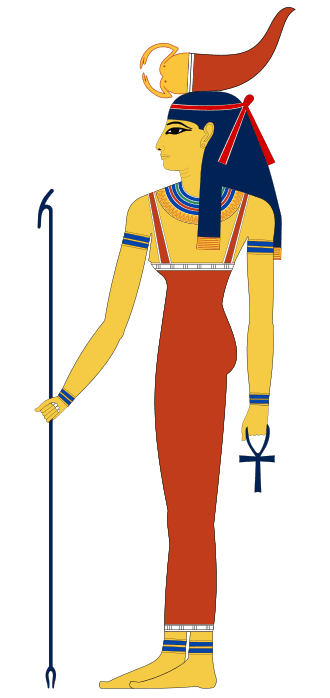
Serket /ˈsɜːrˌkɛt/ is the goddess of protection against the venomous stings and bites of scorpions in Egyptian mythology…
Read →
Ancient Rome
In Roman mythology, Saritor was the god of hoeing and weeding. His name was invoked during the Cerealia, along with the…
Read →
Ancient Mesopotamia
Šerua was a Mesopotamian goddess closely associated with the Assyrian head god Ashur. It is uncertain in which way they…
Read →

Ancient Egypt
Seshat was the ancient Egyptian goddess of writing, wisdom, and knowledge. She was seen as a scribe and record keeper. …
Read →
Scandinavia
In Norse mythology, Sessrúmnir is both the goddess Freyja's hall located in Fólkvangr, a field where Freyja receives hal…
Read →
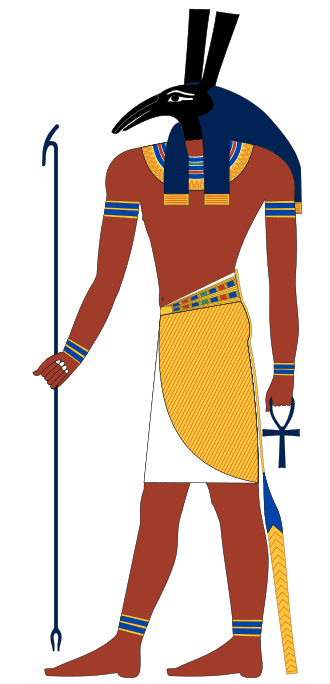
Ancient Egypt
Set is a god of deserts, storms, disorder, violence, and foreigners in ancient Egyptian religion. In Ancient Greek, the…
Read →
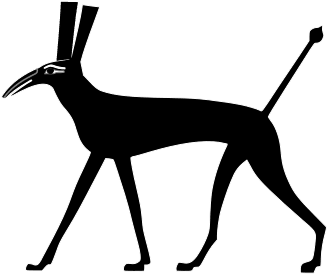
Ancient Egypt
In ancient Egyptian art, the Set animal, or sha, is the affiliated animal of the god Set. Because Set was identified wi…
Read →
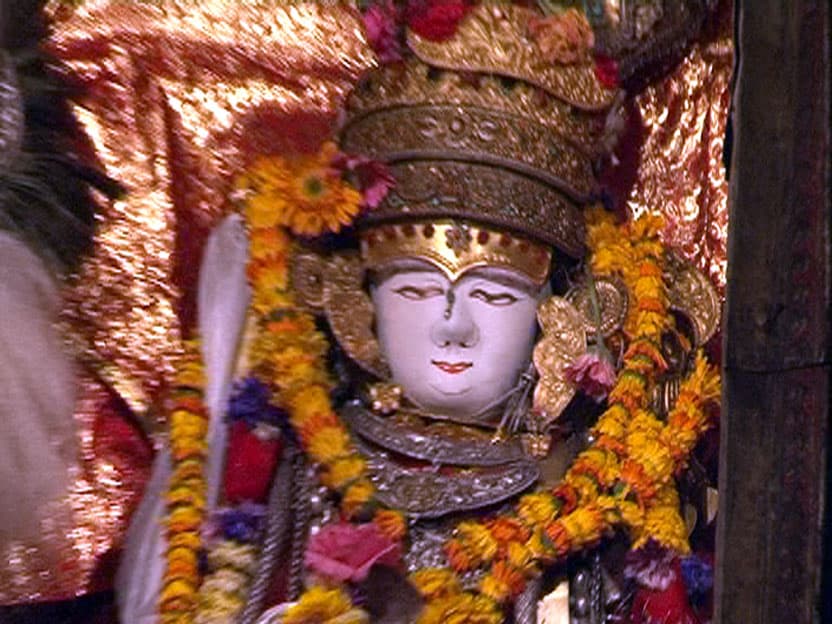
Asia
Seto Machindranath, also known as Janabaha Dyo, Avalokiteśvara, Karunamaya, Guanyin is a deity worshiped by both Hindus …
Read →

China
Seven Fairies (China) is a deity of the Chinese pantheon.
Read →

Japan
In Japanese mythology, the Seven Lucky Gods or Seven Gods of Fortune are believed to grant good luck and are often repre…
Read →
China
The Seven Sages of Meishan are a group of legendary deities and the subordinates of the god Erlang Shen in Chinese folkl…
Read →
Ancient Mesopotamia
The Seven-headed Serpent in Sumerian religion was one of the Heroes slain by Ninurta, patron god of Lagash, in ancient I…
Read →
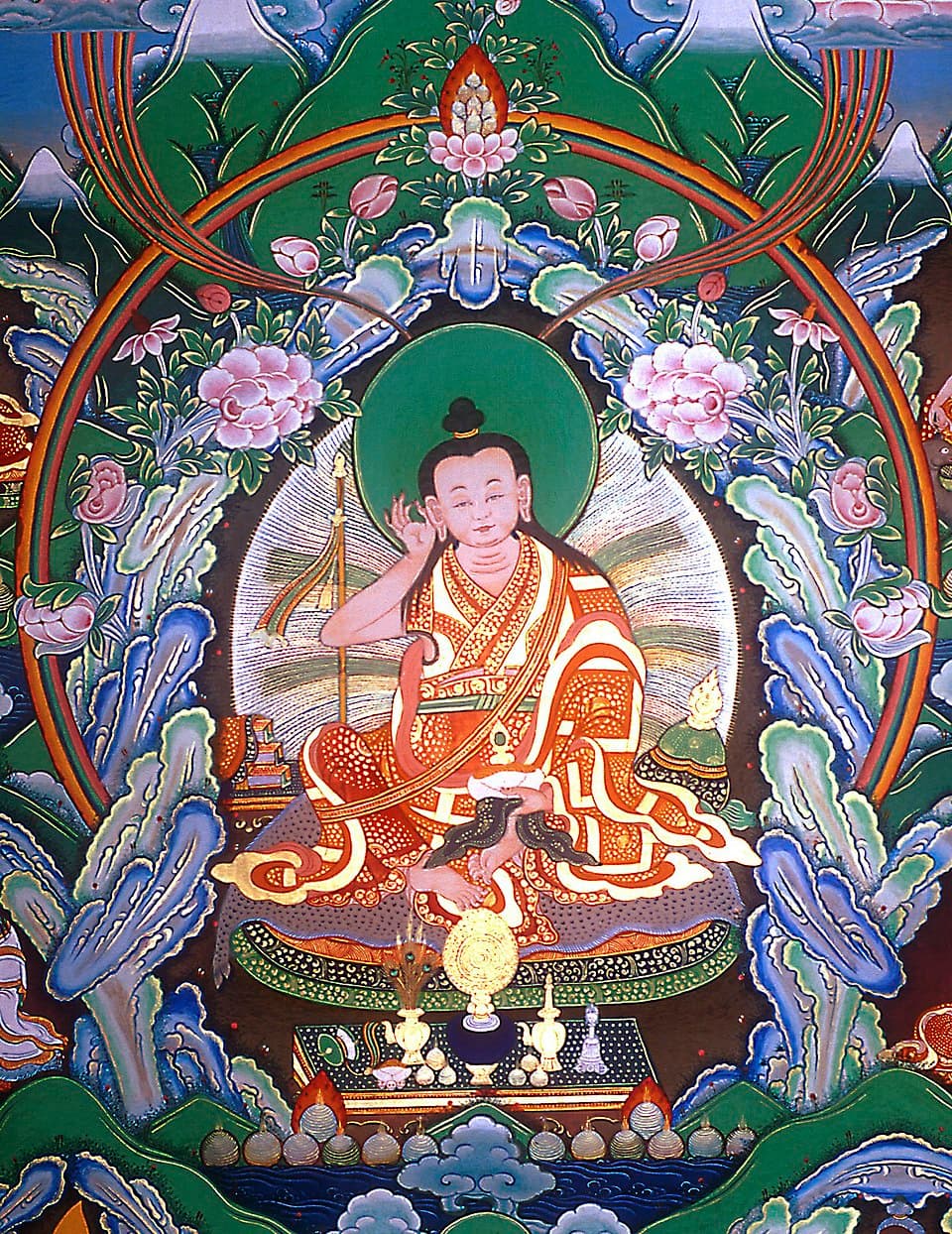
Asia
Shabkar Tsokdruk Rangdrol (1781–1851) was a Tibetan Buddhist yogi and poet from Amdo. Shabkar's yogic and poetic skill …
Read →
Ancient Levant
Shadrafa is a poorly-attested Canaanite (Punic) god of healing or medicine.
Read →
Ancient Levant
Shahar ("dawn") is a god in Ugaritic and Canaanite religion first mentioned in inscriptions found in Ugarit.
Read →

Ancient Egypt
Shai was the deification of the concept of fate in Egyptian mythology. As a concept, with no particular reason for asso…
Read →
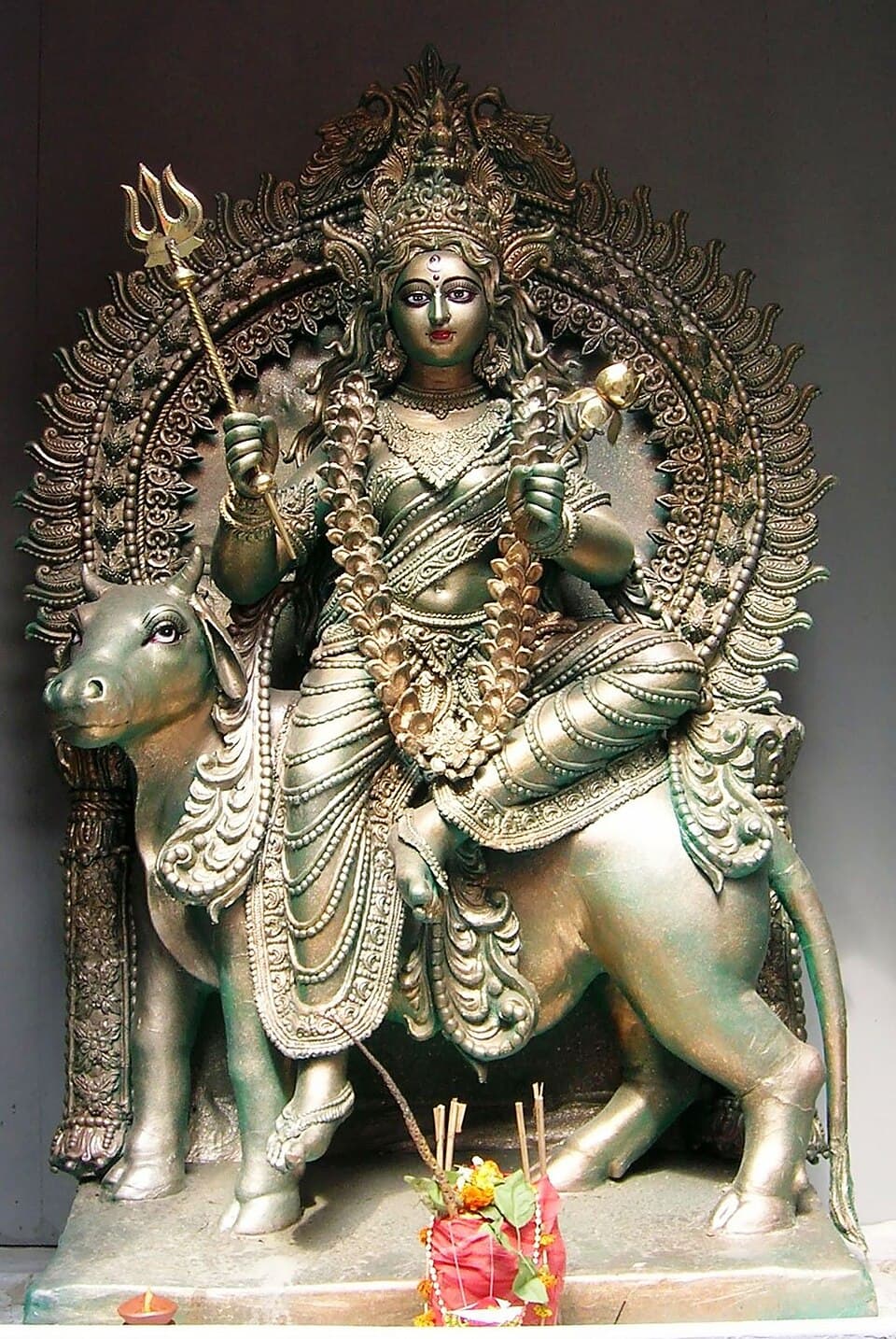
Indian subcontinent
Shailaputri is a form of the Hindu goddess Mahadevi, venerated as Parvati, daughter of the mountain king Himavat. She i…
Read →
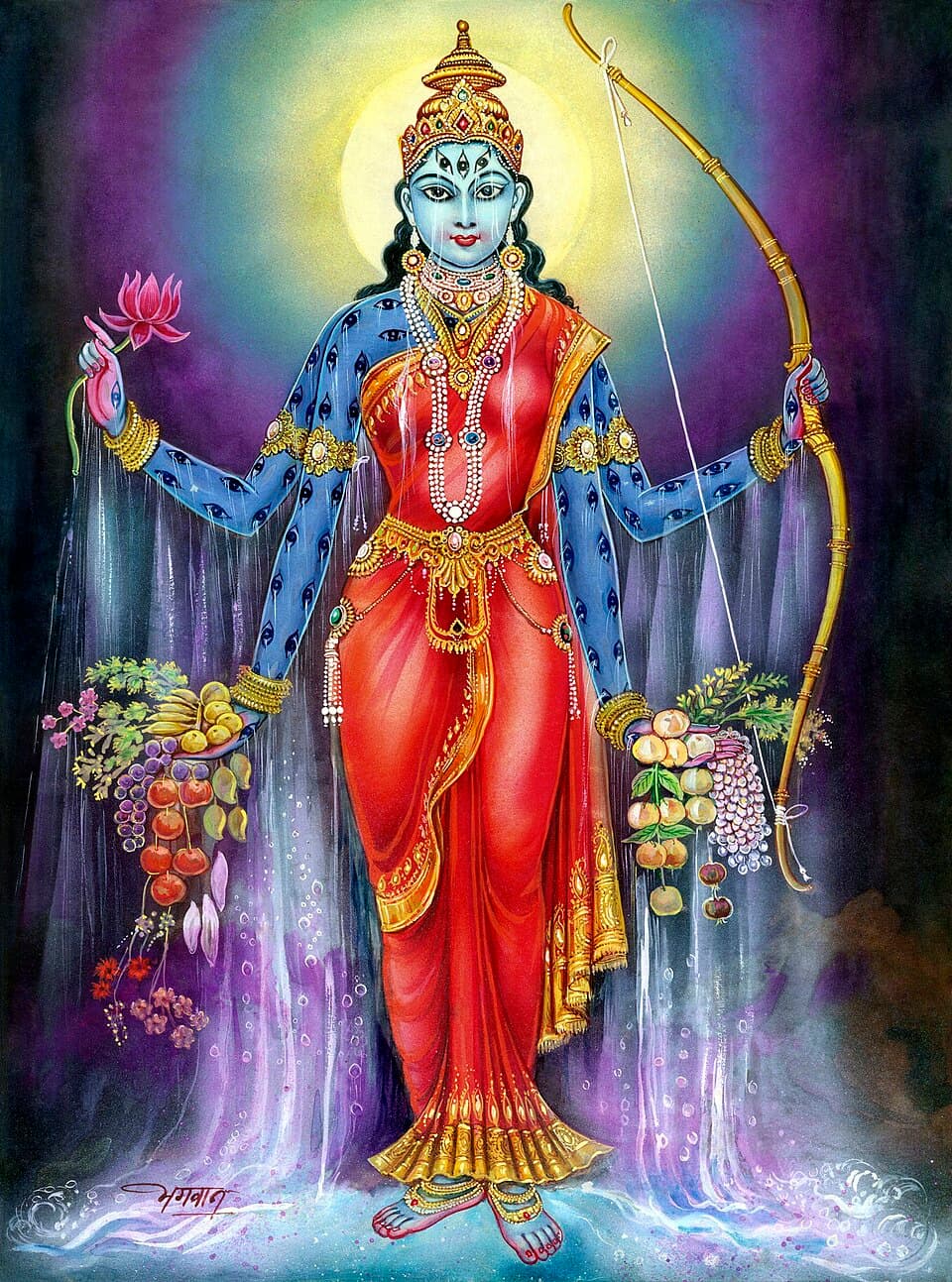
Indian subcontinent
Shakambhari, also referred to as Shatakshi, is the goddess of nourishment. She is regarded as a form of Mahadevi, and i…
Read →

Indian subcontinent
The Shakta pithas, also called Shakti pithas or Sati pithas, are significant shrines and pilgrimage destinations in Shak…
Read →
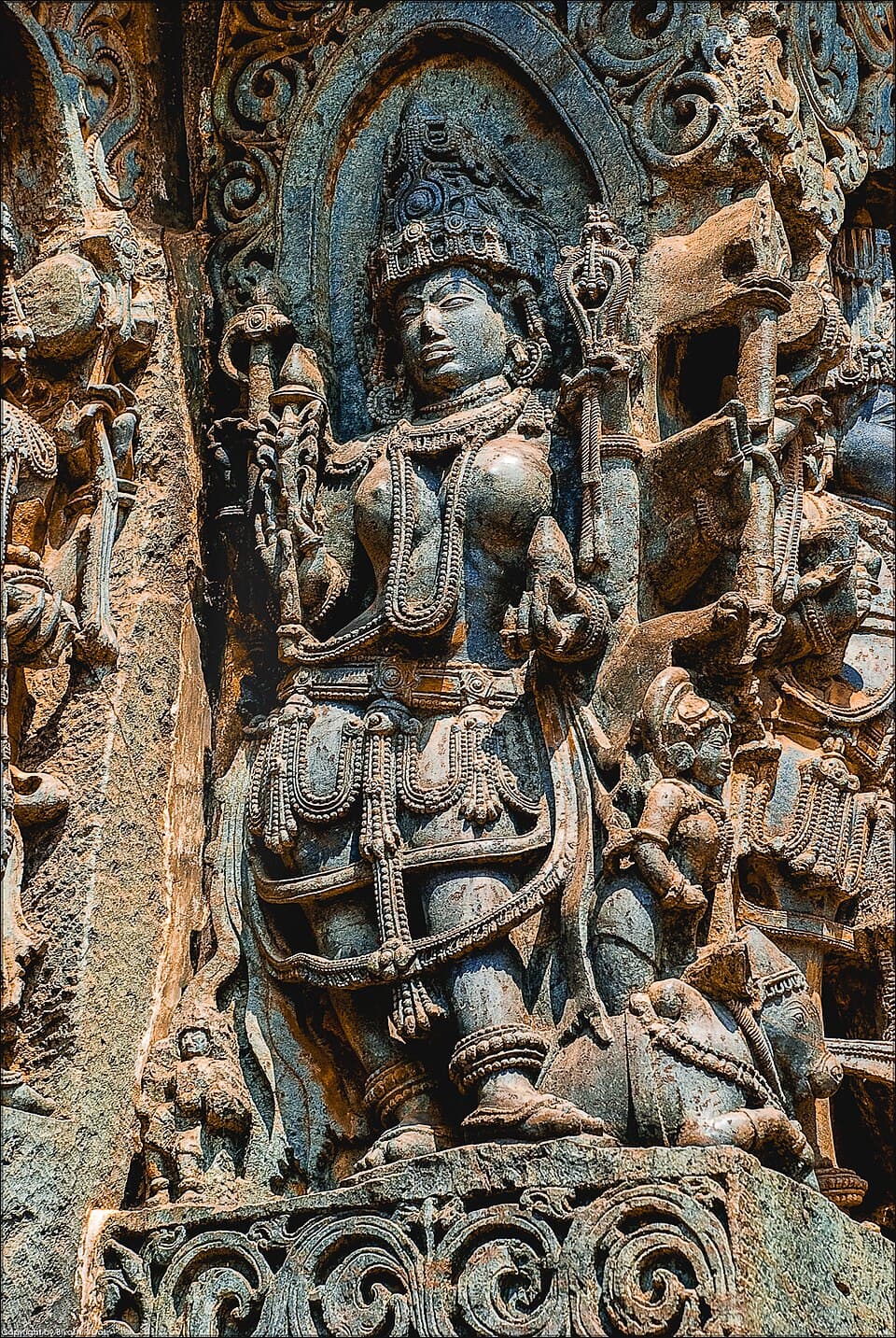
Indian subcontinent
Shakti in Hinduism, is the "Universal Power" that underlies and sustains all existence. Conceived as feminine in essenc…
Read →
Indian subcontinent
Shaktipata or Shaktipat in Hinduism is the transmission of spiritual energy upon one person by another or directly from …
Read →
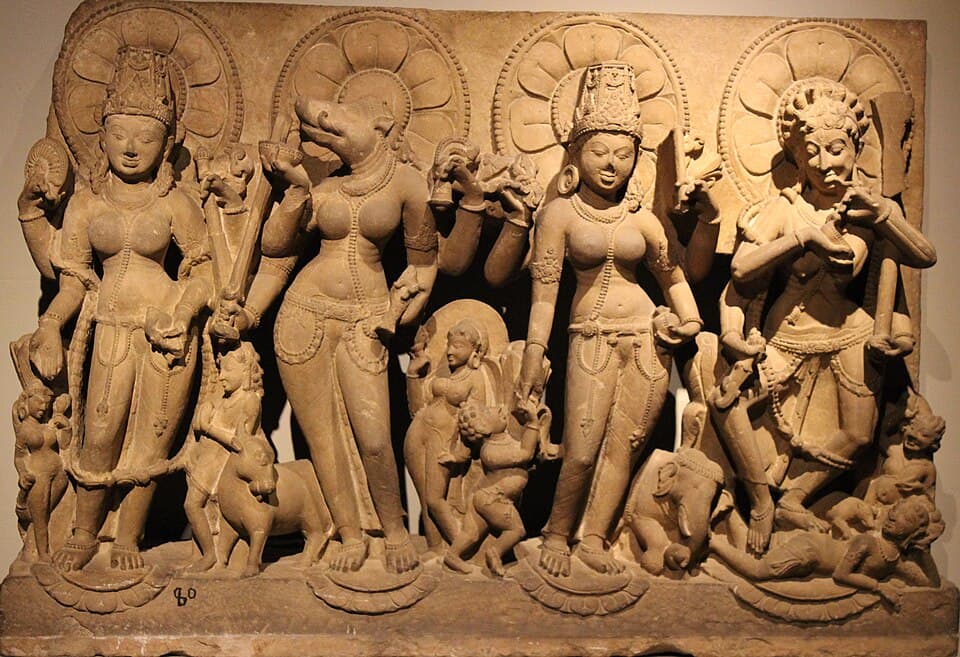
Indian subcontinent
Shaktism is a major Hindu denomination in which Shakti or the divine feminine energy is revered as the Ultimate reality,…
Read →
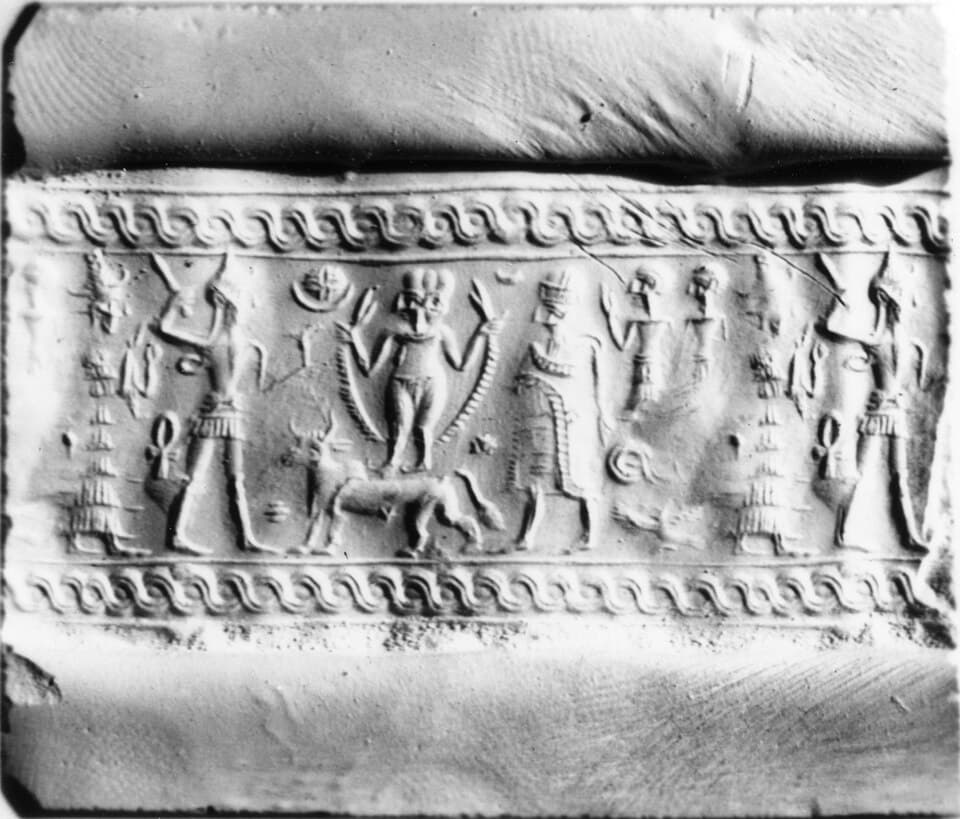
Ancient Mesopotamia
Shala (Šala) was a Mesopotamian goddess of weather and grain and the wife of the weather god Adad. It is assumed that s…
Read →
Ancient Mesopotamia
Shalash was a Syrian goddess best known as the wife of Dagan, the head of the pantheon of the middle Euphrates area. Sh…
Read →
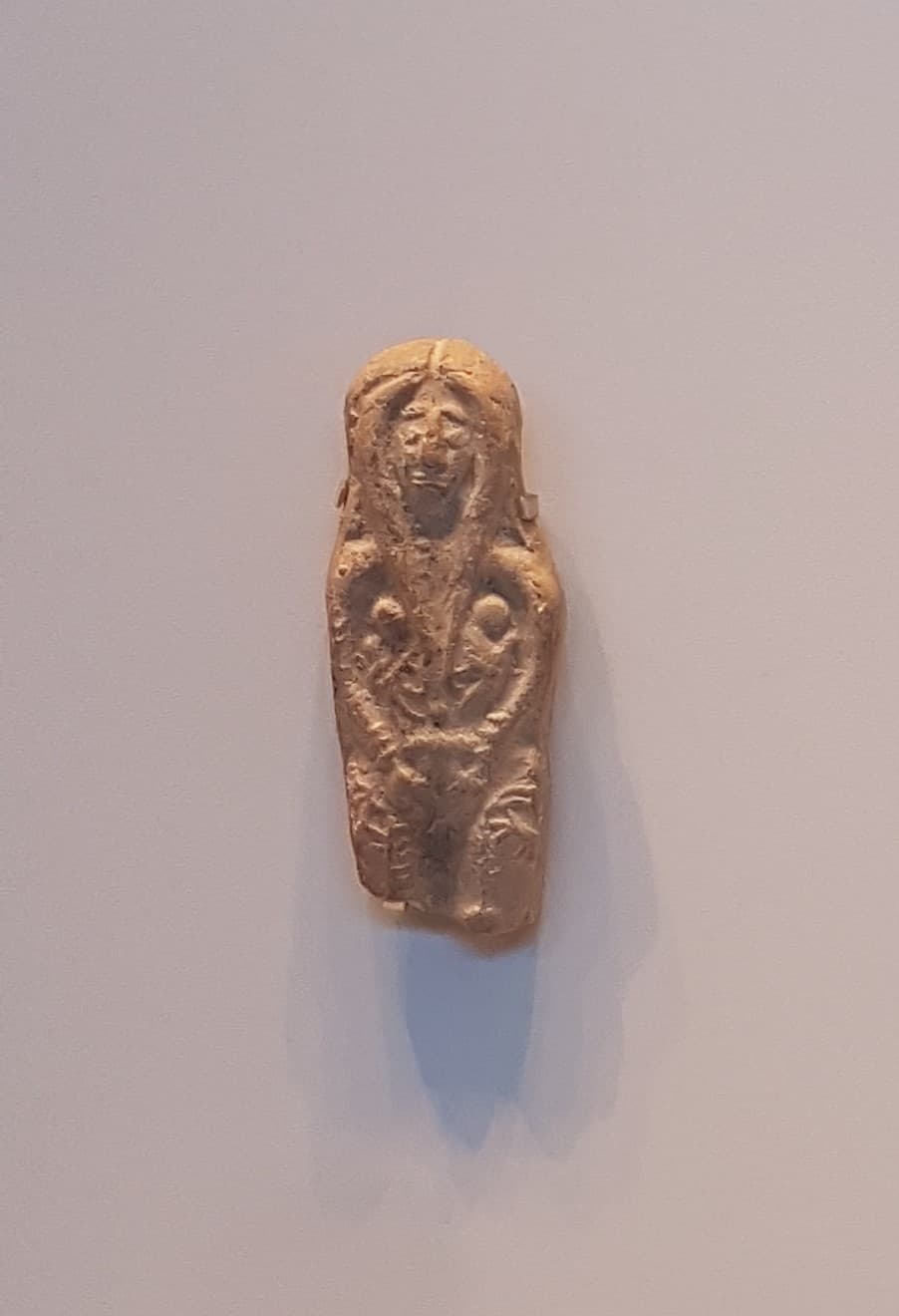
Ancient Levant
Shalim is a god in Canaanite religion, mentioned in inscriptions found in Ugarit. William F. Albright identified Shali…
Read →

North America
Shamanism is a spiritual practice that involves a practitioner (shaman) interacting with the spirit world through altere…
Read →

Ancient Mesopotamia
Shamash, also known as Utu, was the ancient Mesopotamian sun god. He was believed to see everything that happened in th…
Read →
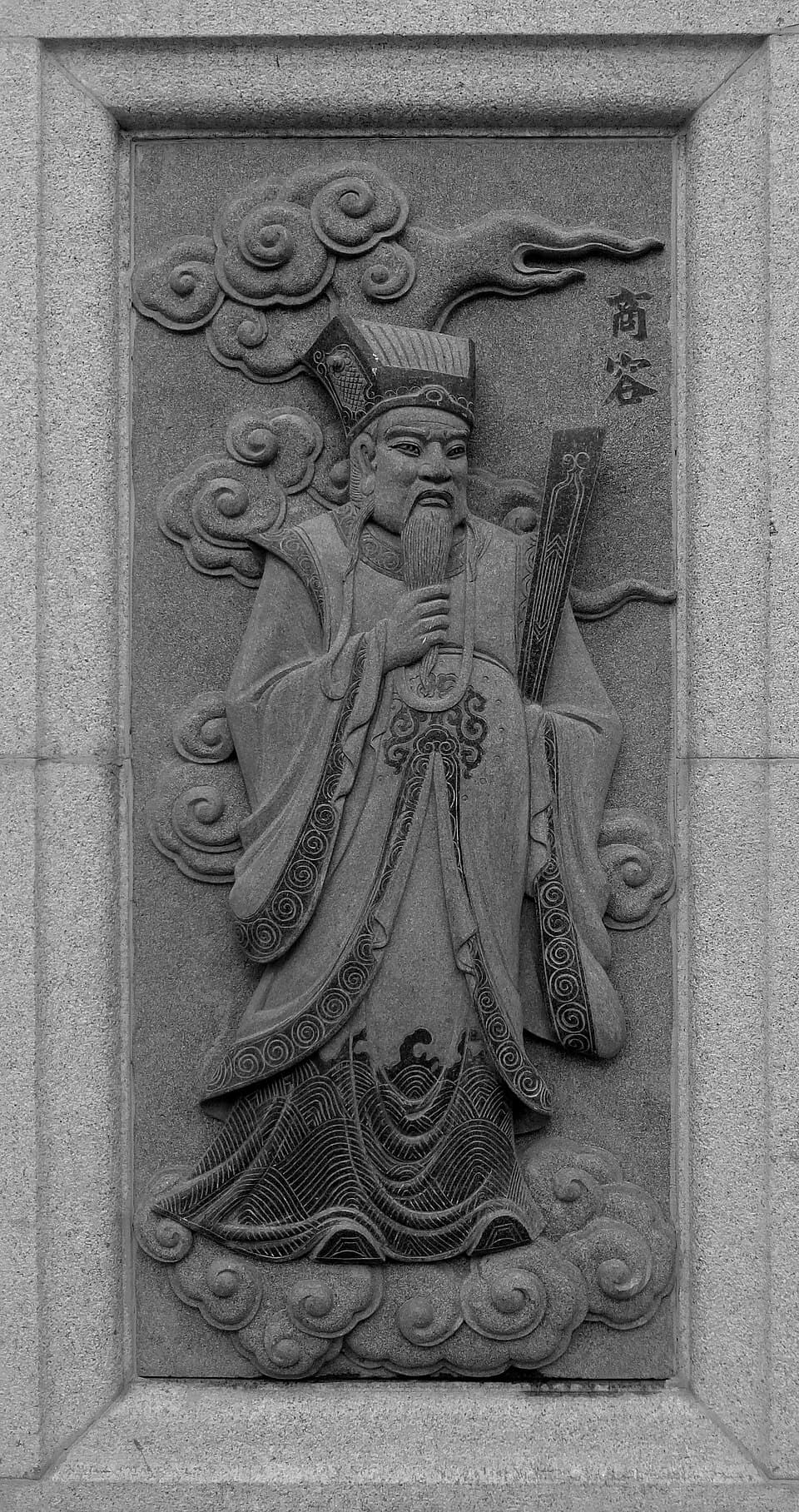
China
Shang Rong was a high official during the reign of Di Xin in the Late Shang period. He is also a major character featur…
Read →

China
Shangdi (Chinese: 上帝; pinyin: Shàngdì; Wade–Giles: Shang4 Ti4), also called simply Di (Chinese: 帝; pinyin: Dì; lit. 'Lo…
Read →
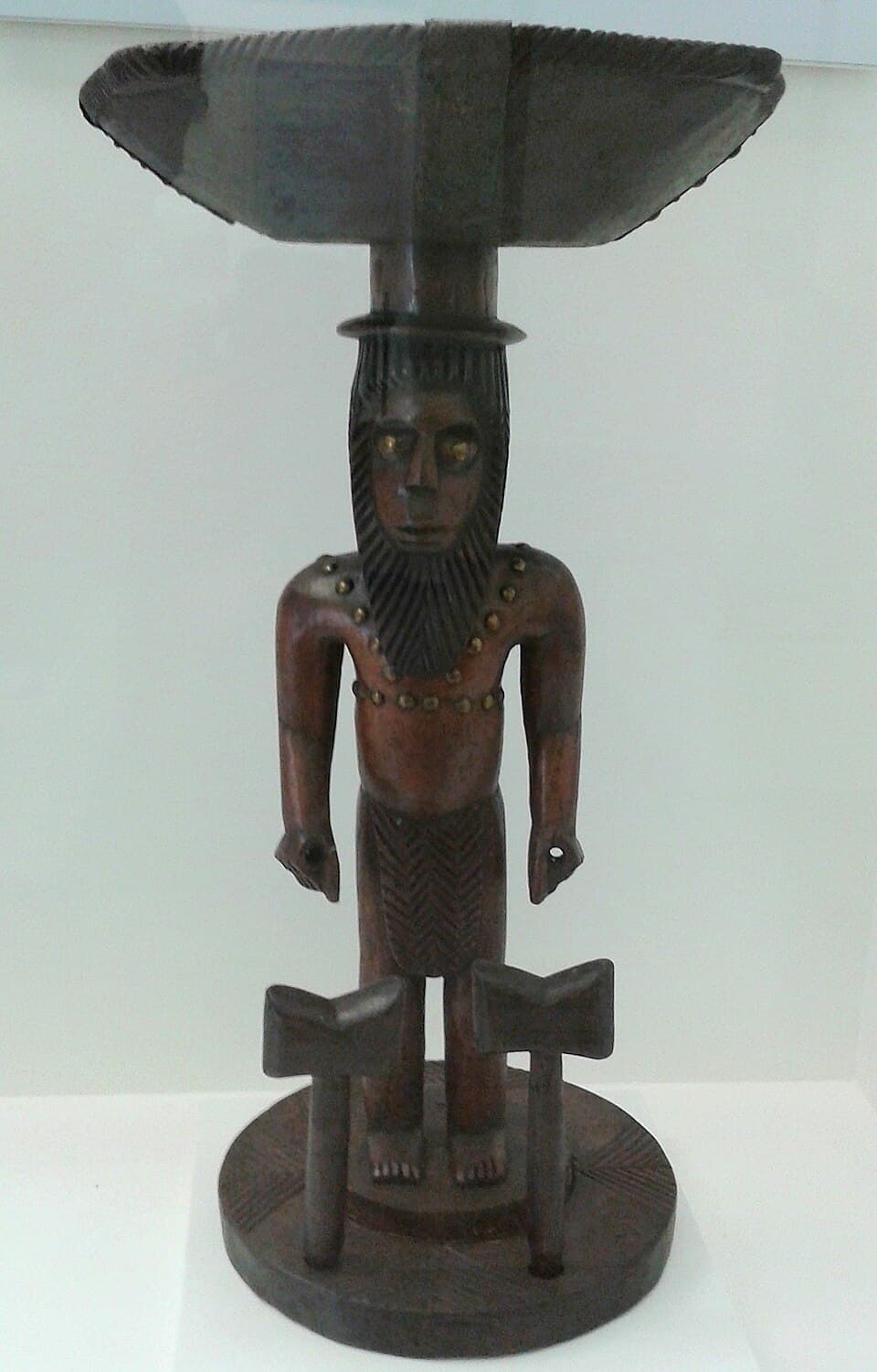
West Africa
Shango is the Orisha of fire, thunder, lightning, virility, dance, drumming, strength and justice in the Yoruba religion…
Read →
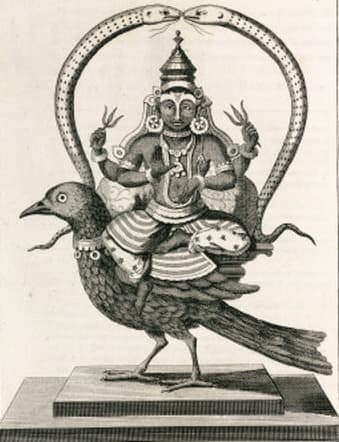
Indian subcontinent
Shani, or Shanaishchara, is the divine personification of the planet Saturn in Hinduism, and is one of the nine heavenly…
Read →
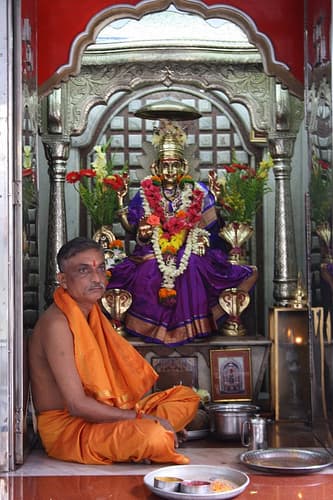
Indian subcontinent
Shantadurga is the most popular form of the Hindu goddess Durga revered in Goa, India, as well some parts of Karnataka. …
Read →
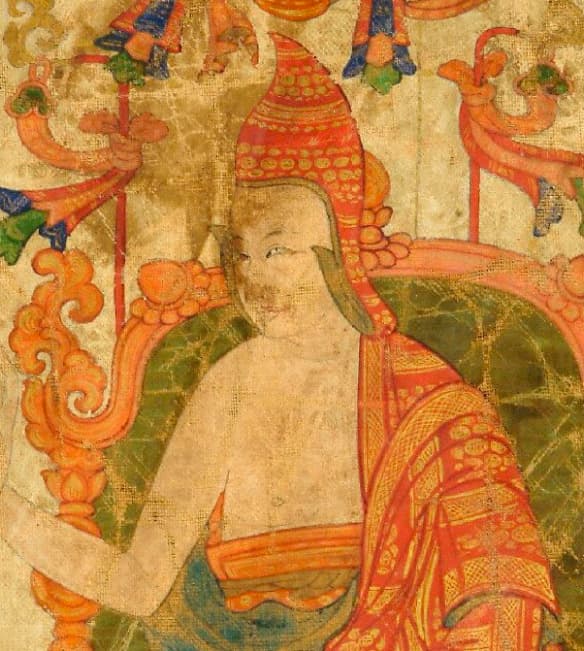
Asia
Shantideva was an 8th-century CE Indian philosopher, Buddhist monk, poet, and scholar at the mahavihara of Nalanda. He …
Read →

China
Shao Siming is an primordial Chinese deity of fate, paired with Da Siming (大司命) as one of a dual male dyadic pair of god…
Read →
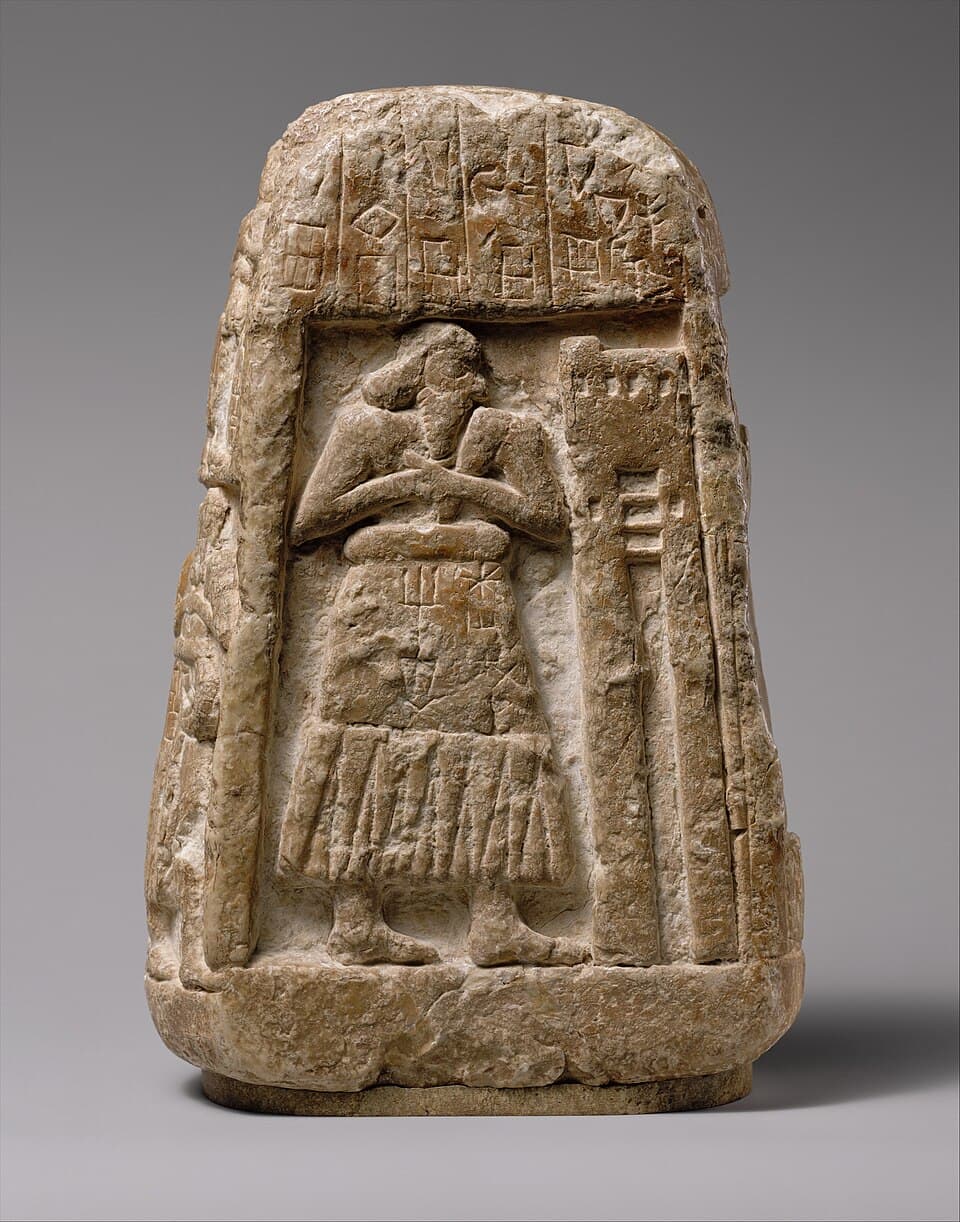
Ancient Mesopotamia
Shara was a Mesopotamian god associated with the city of Umma and other nearby settlements. He was chiefly regarded as …
Read →
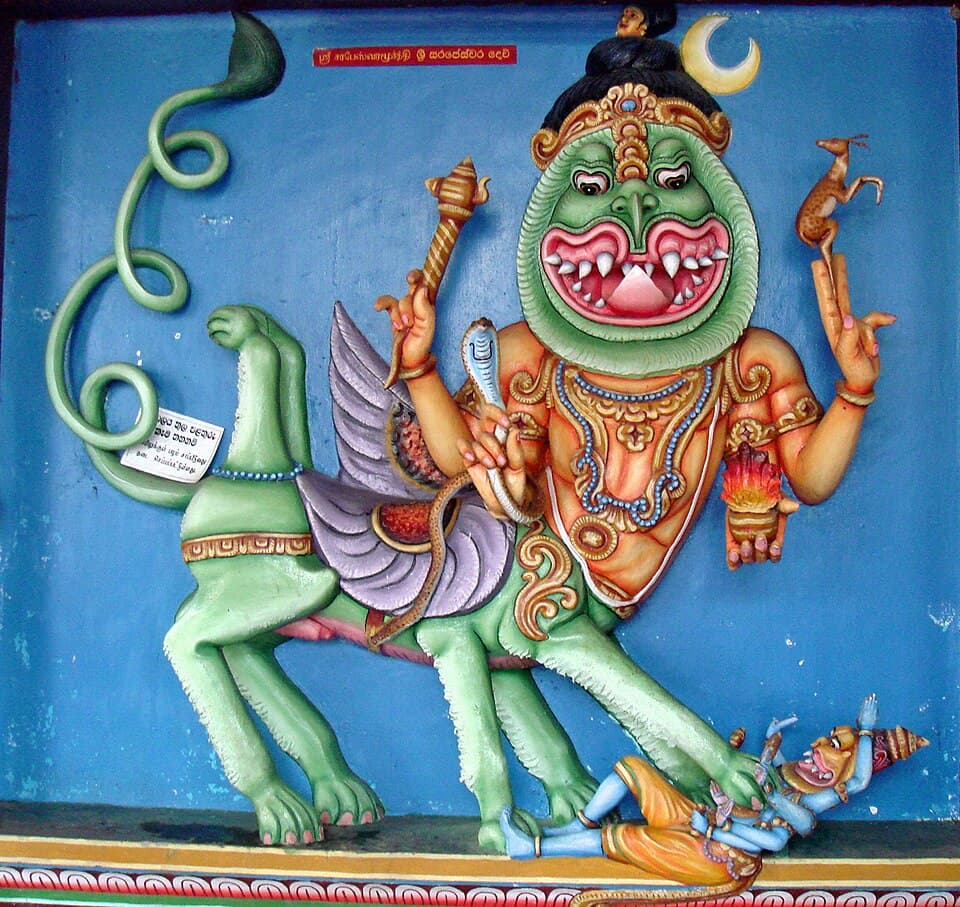
Indian subcontinent
Sharabha or Sarabha is an eight-legged part-lion and part-bird deity in Hindu religion, who is described as more powerfu…
Read →
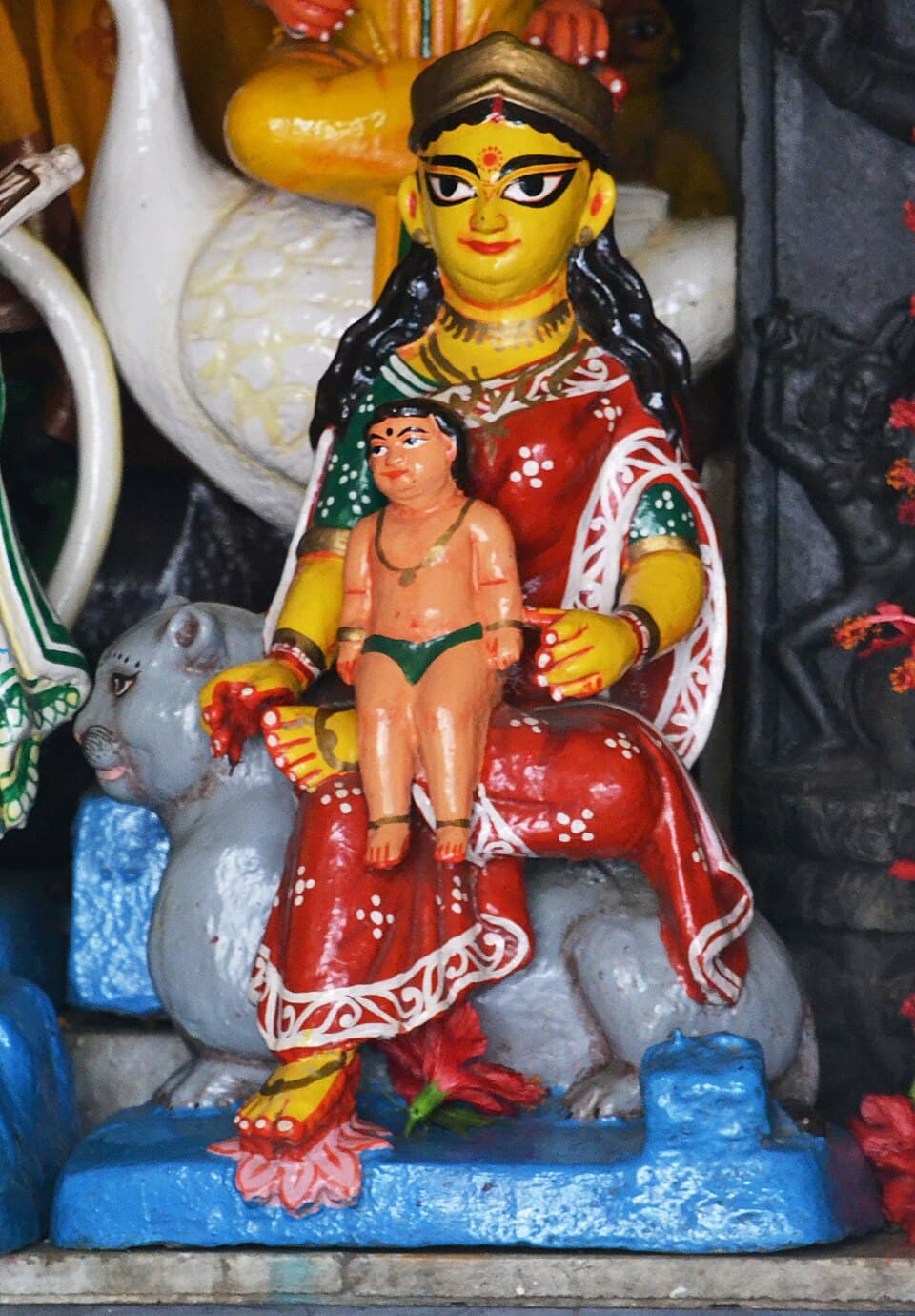
Indian subcontinent
Shashthi, Shashti, Soshthi or Chhathi is a Hindu goddess, venerated in India and Nepal as the benefactor and protector o…
Read →
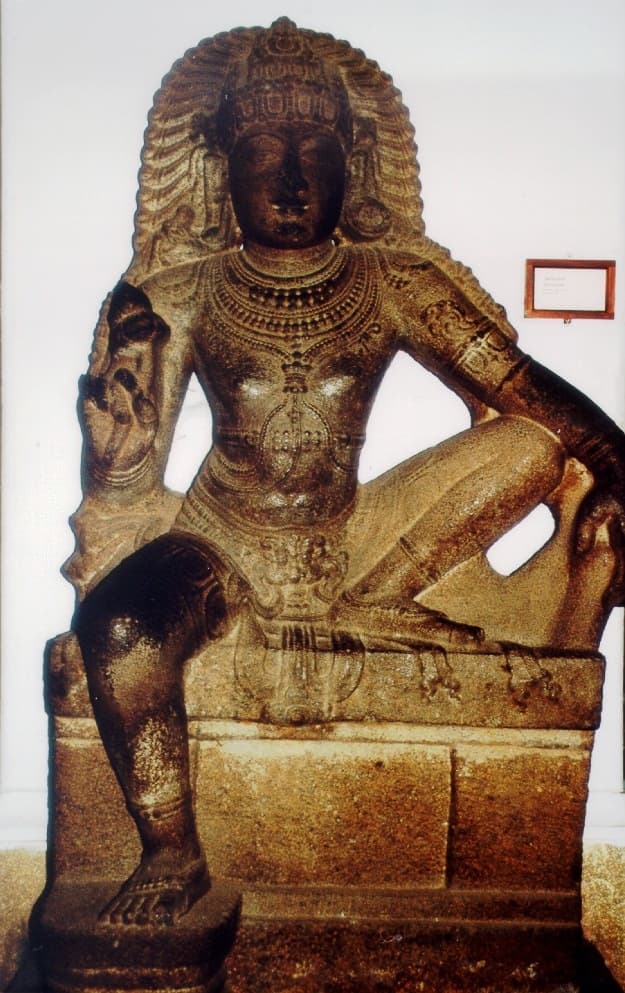
Indian subcontinent
Shasta is a Hindu deity, described as the son of the deities Shiva and Mohini, Vishnu's female avatar. In South India, …
Read →

Ancient Mesopotamia
Šauška (Shaushka), also called Šauša or Šawuška, was the highest ranked goddess in the Hurrian pantheon. She was associ…
Read →

Ancient Egypt
Shed was a deity from ancient Egyptian religion. The meaning of the name Shed (šd) is "one who saves" or "the saviour".…
Read →
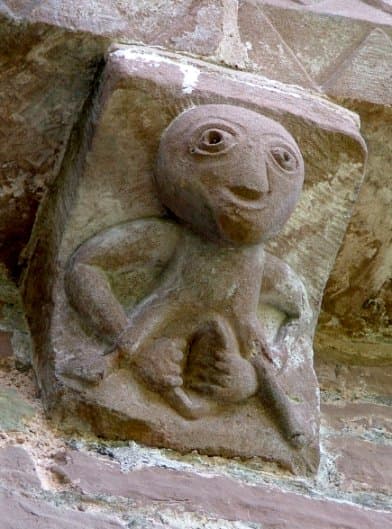
Iron Age Europe
A sheela na gig is a figurative carving of a naked woman displaying an exaggerated vulva. These carvings, from the Midd…
Read →
Ancient Egypt
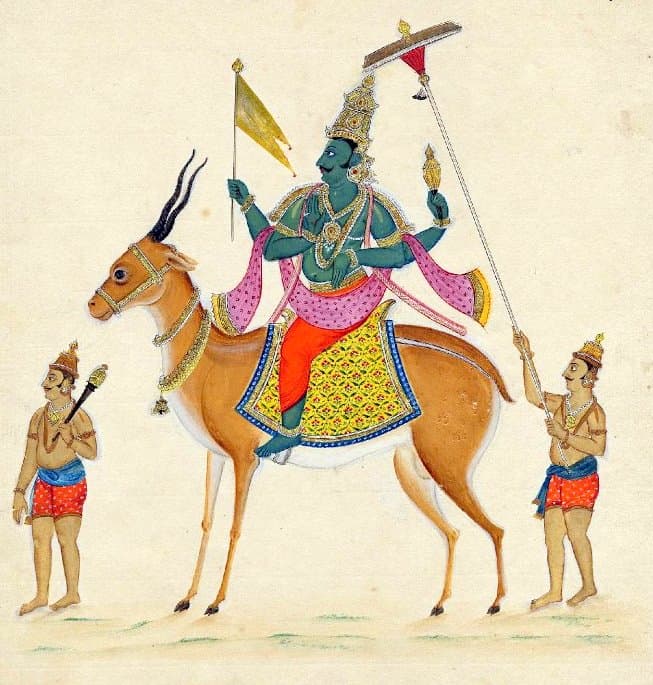
A wind god is a god who controls the wind(s). Air deities may also be considered here as wind is nothing more than movi…
Read →
Ancient Egypt
Shemanefer was a crocodile god worshipped in Esna in the Greco-Roman period of Ancient Egypt. He had an ambiguous ident…
Read →

China
Shen Gongbao is a major character featured within the famed classic Chinese novel Investiture of the Gods. Shen Gongbao…
Read →
Ancient Egypt
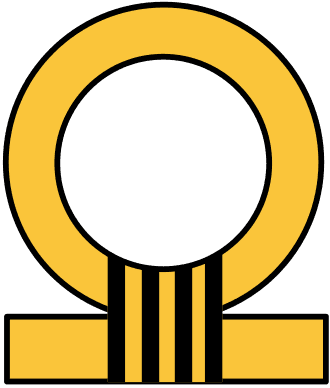
In ancient Egypt, a shen ring was a circle with a line tangent to it, represented in hieroglyphs as a stylised loop of a…
Read →
China
Shenlong is the spirit dragon from Chinese mythology who is the dragon god of the tempest and also a master of rain. He…
Read →
China
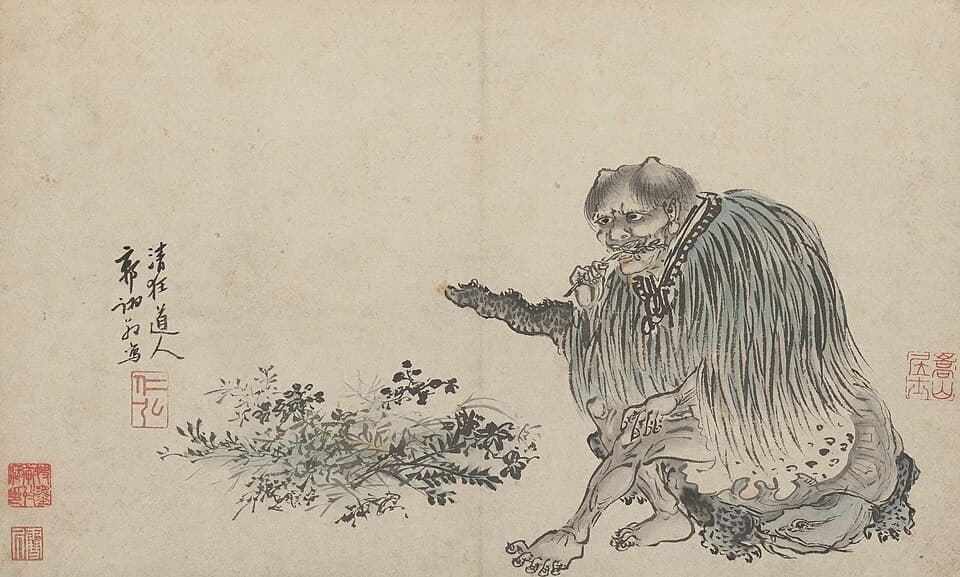
Shennong, variously translated as "Divine Farmer" or "Divine Husbandman", born Jiang Shinian (姜石年), was a mythological C…
Read →

China
Shenshu or Shentu and Yulü or Yulei are a pair of deities in Chinese mythology who punished evil spirits by binding them…
Read →
Ancient Egypt
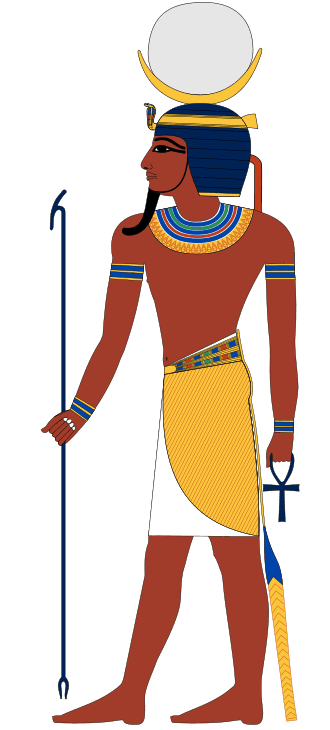
Shepsy was an Ancient Egyptian sun god worshiped in Hermopolis. He is believed to be either the son of or husband of Ne…
Read →
Ancient Mesopotamia
Aya was a Mesopotamian goddess associated with dawn. Multiple variant names were attributed to her in god lists. She w…
Read →
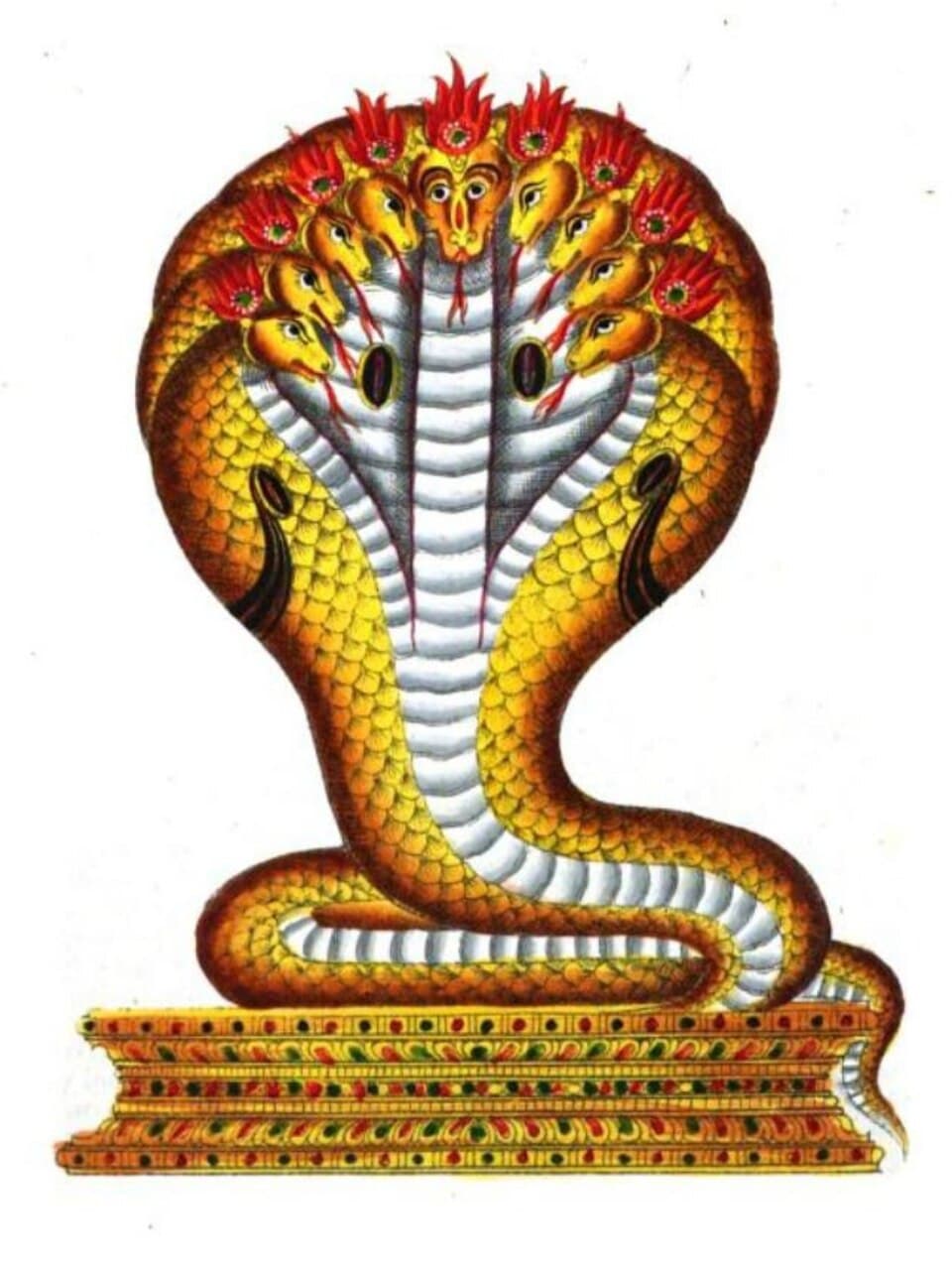
Indian subcontinent
Shesha, also known by his epithets Sheshanaga and Adishesha, is a serpentine demigod (naga) and king of the serpents (Na…
Read →
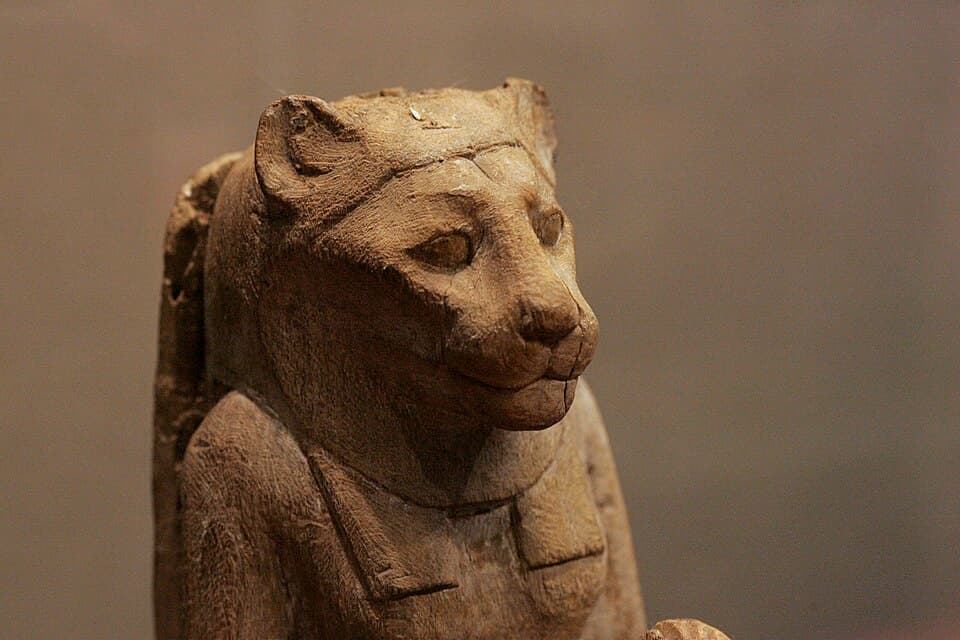
Ancient Egypt
Shesmetet (šsm. t. t) is an ancient Egyptian goddess.
Read →

Ancient Egypt
Shezmu is an ancient Egyptian deity with a contradictory character. He is an Underworld judge of the damned. He was wo…
Read →
Inca Empire
Shia Islam is the second-largest branch of Islam. It is rooted in the belief that the Islamic prophet Muhammad explicit…
Read →

China
Shiji Niangniang is a deity of the Chinese pantheon.
Read →
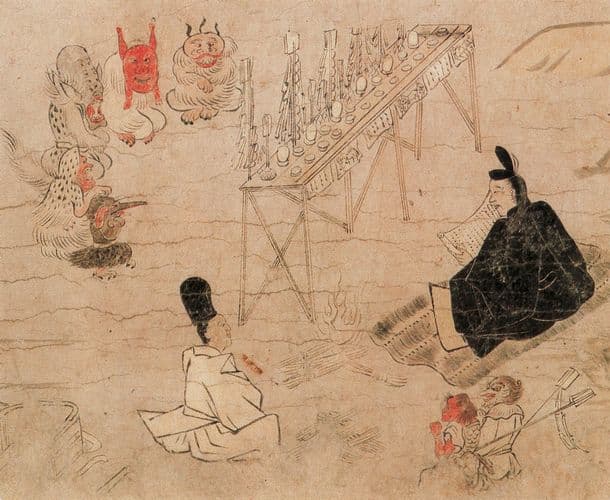
Japan
Shikigami (式神) is the term for a being from Japanese folklore. According to the Shinto scholar Inoue Nobutaka, it is th…
Read →
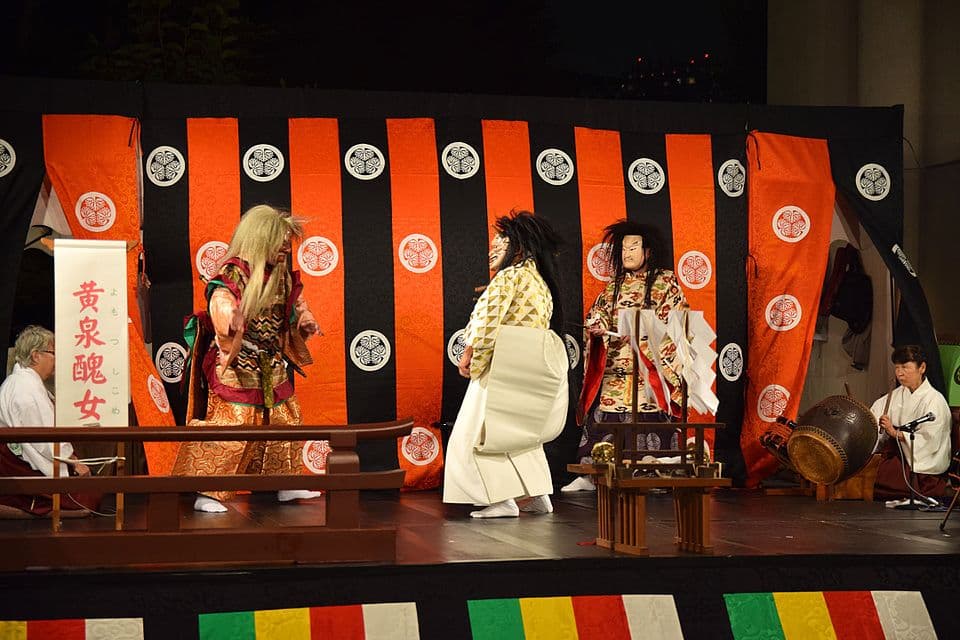
Japan
Yomotsu-shikome , in Japanese mythology, was a hag sent by the dead Izanami to pursue her husband Izanagi, for shaming h…
Read →
Japan
Shinatsuhiko is a Japanese mythological god of wind (Fūjin). Another name for this deity is Shinatobe, who may original…
Read →
Japan
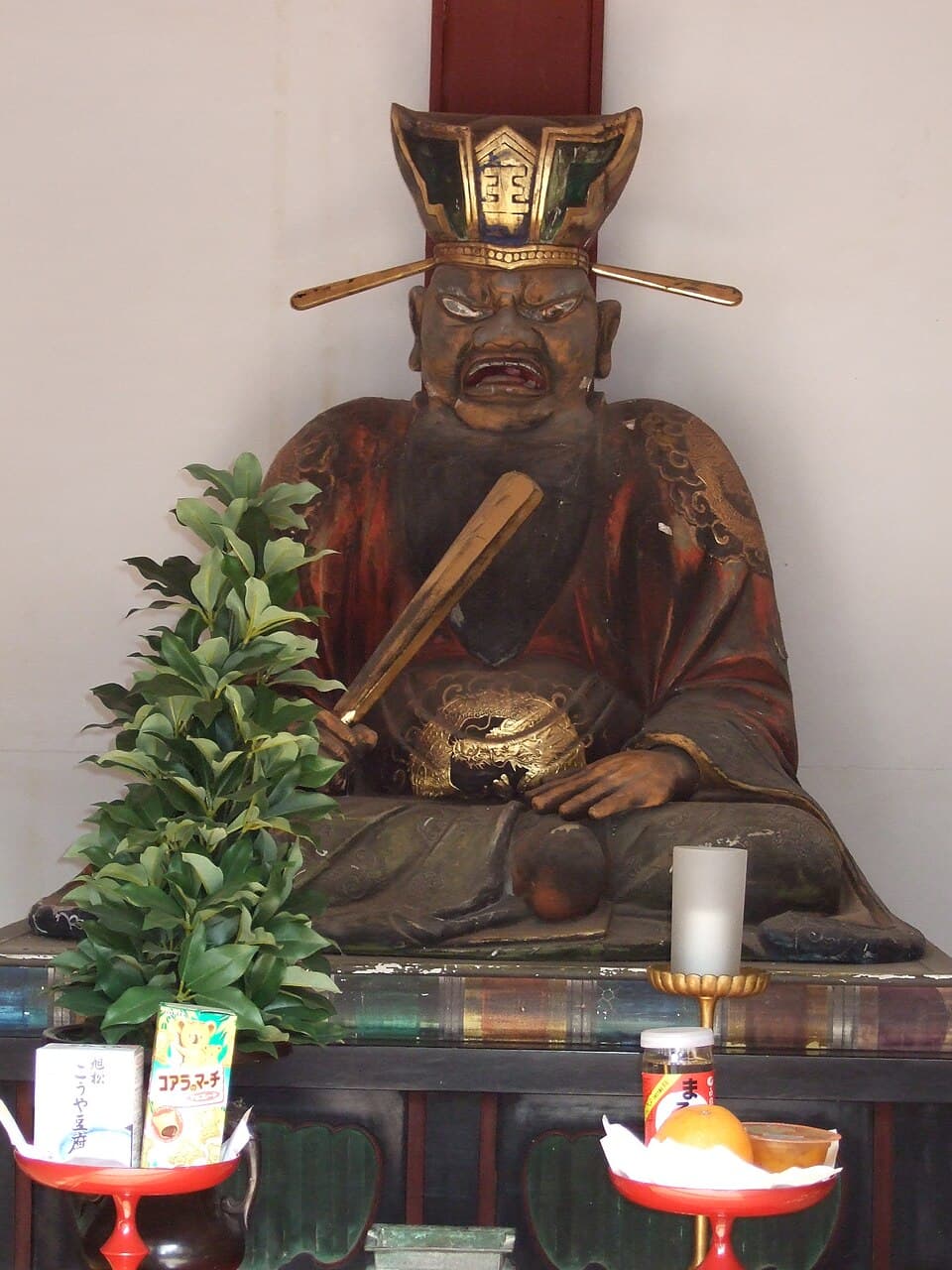
Shinigami are kami that invite humans toward death in certain aspects of Japanese religion and culture. Shinigami have …
Read →

Japan
Shinkai is a system of ranking kami in Shinto. Higher rank meant more lands were given to the shrine and it became weal…
Read →
Japan
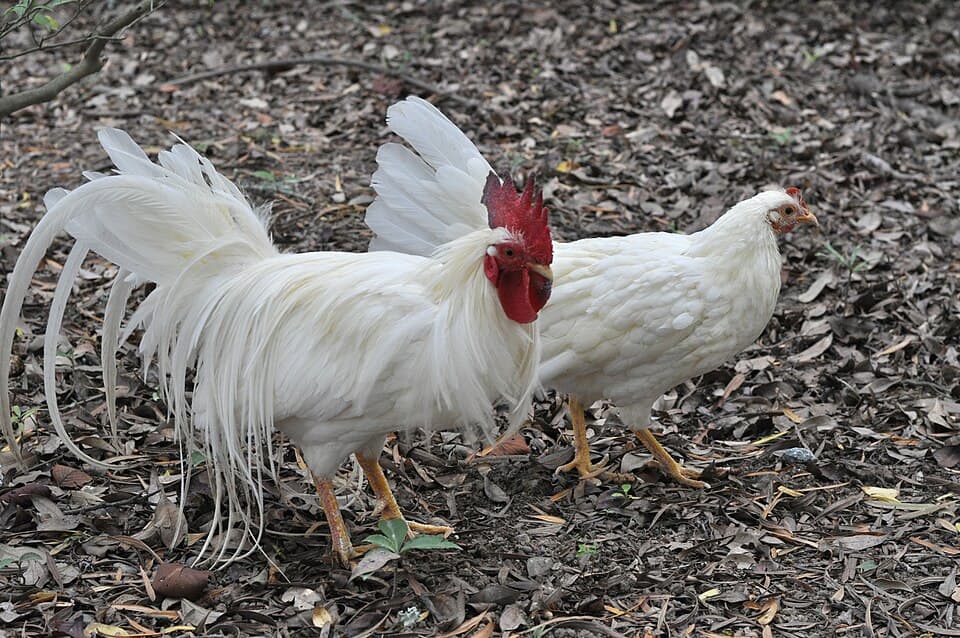
Shinshi are animals in Japanese mythology that are believed to be associated with a kami, a divine being. These animals…
Read →
Indian subcontinent
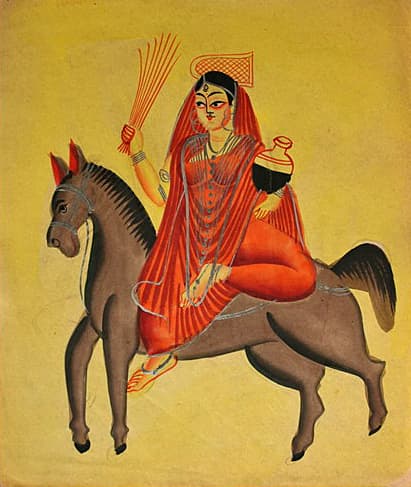
Shitala lit. 'coolness', also spelled as Sheetala, śītalā and Seetla, is a Hindu goddess venerated primarily in North I…
Read →
Indian subcontinent
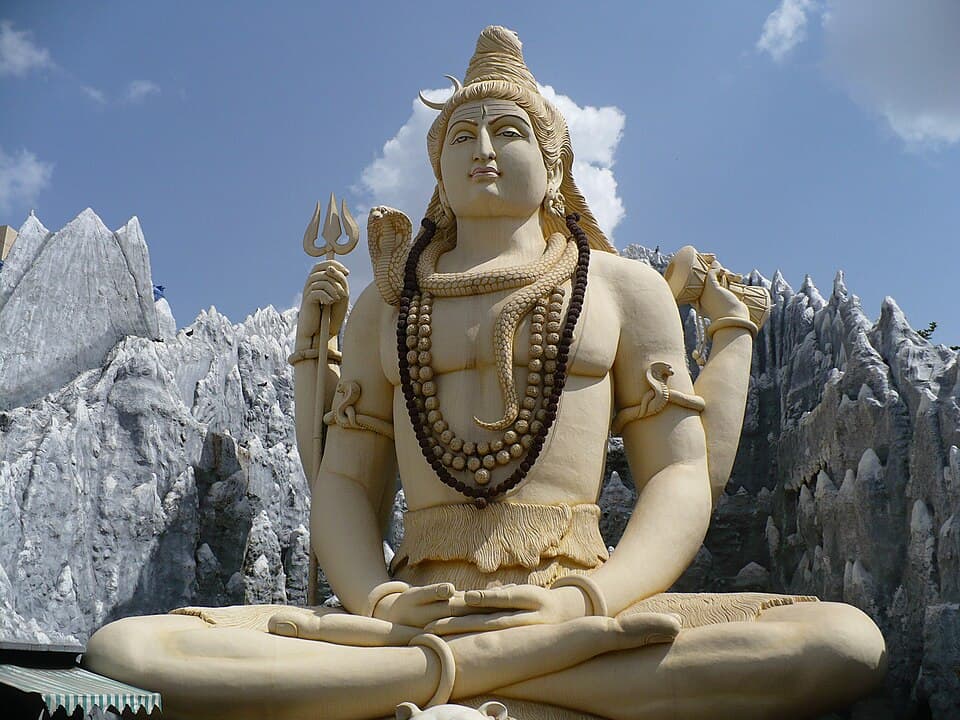
Shiva, also known as Mahadeva and Hara, is one of the principal deities of Hinduism. He is the Supreme Being in Shaivis…
Read →
Indian subcontinent
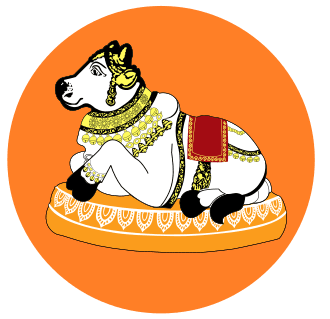
The Shiva Purana (original Sanskrit title: Śivapurāṇa and Śivamahāpurāṇa is one of eighteen major texts of the Purana ge…
Read →
Indian subcontinent
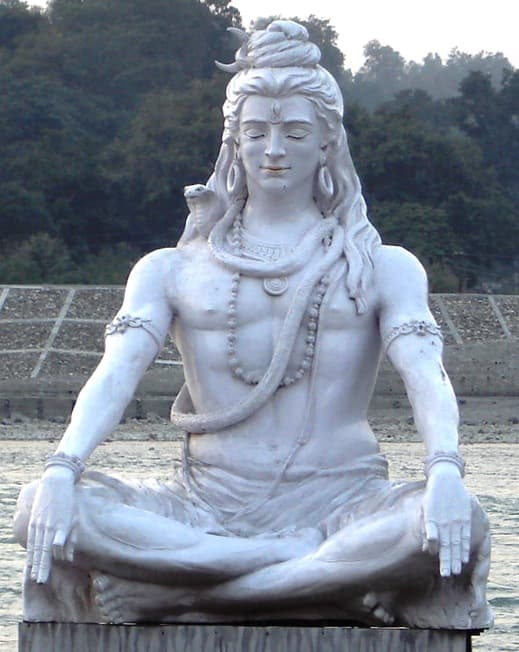
The Shiva Stuti, is a famous stuti (poem) composed by Narayana Panditacharya in praise of the deity Shiva written in the…
Read →
Indian subcontinent
Shivaduti is a manifestation of the Hindu mother goddess Adi Parashakti.
Read →
Indian subcontinent
Shivaduti is a manifestation of the Hindu mother goddess Adi Parashakti.
Read →
Polynesia
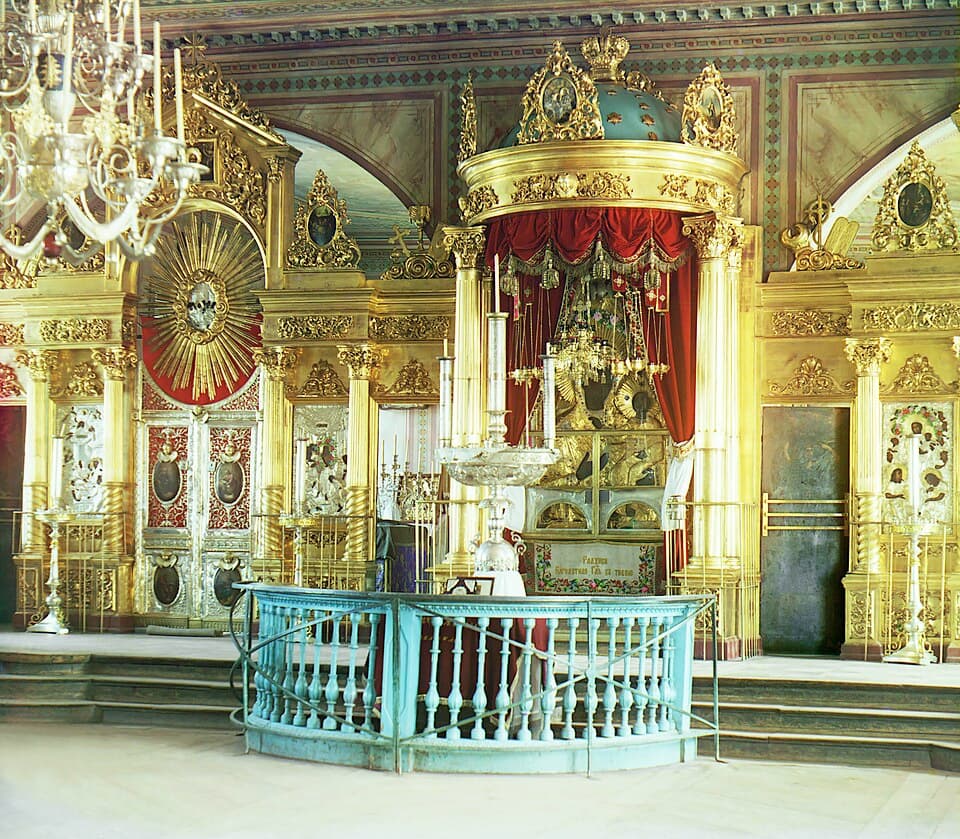
A shrine is a sacred space dedicated to a specific deity, ancestor, hero, martyr, saint, daemon, or similar figure of re…
Read →