Japanese300 CE – present
Tenjin (kami)
Japan
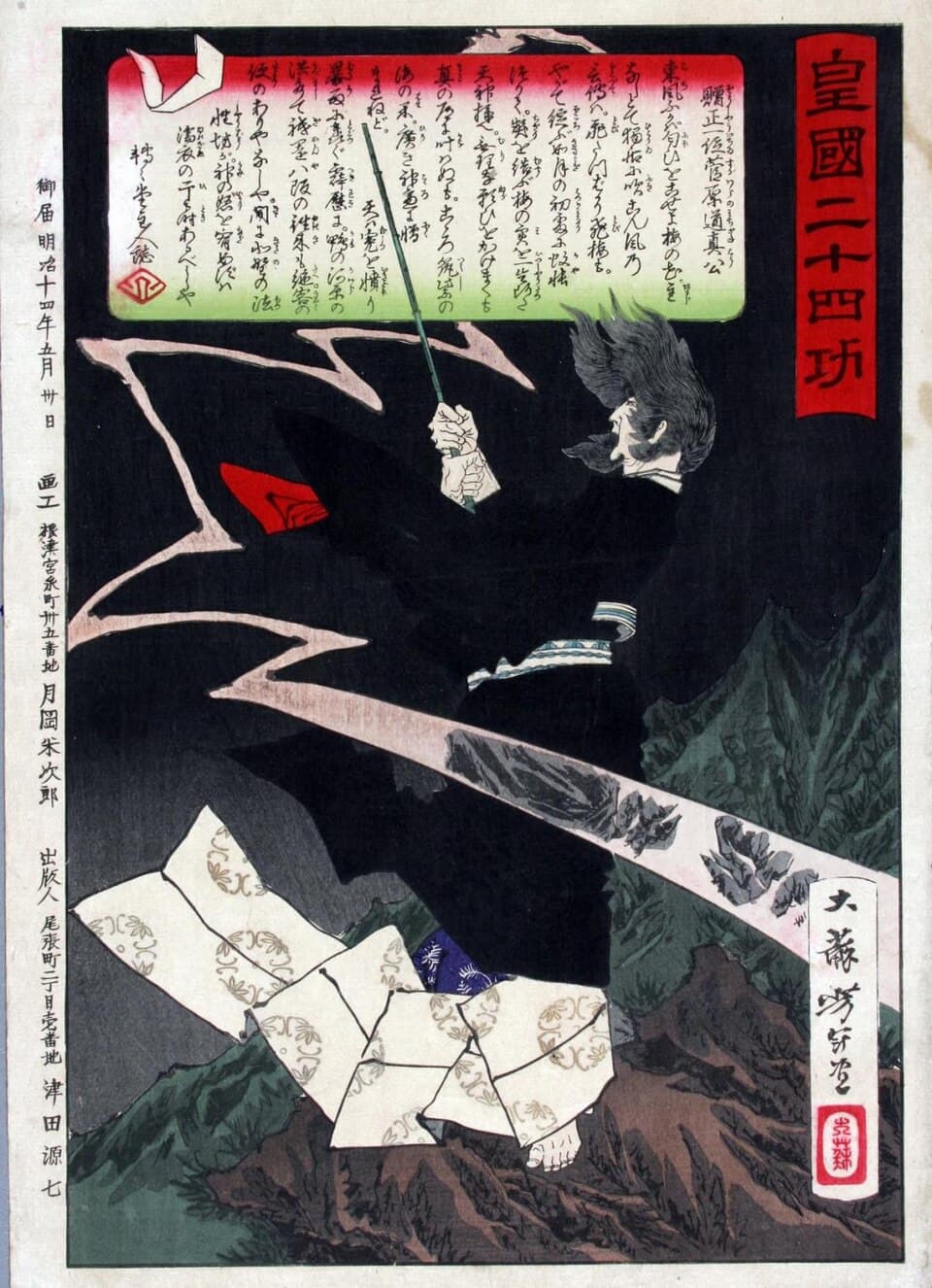
In the Shinto religion of Japan, Tenjin (天神), also called Tenman Daijizai Tenjin (天満大自在天神), is the patron kami (deity) o…
Read →
Research Index
An archive of 3,493 gods, deified rulers, and mythological figures across civilizations — from living gods of Egypt to the dying gods of antiquity.
Japan
In the Shinto religion of Japan, Tenjin (天神), also called Tenman Daijizai Tenjin (天満大自在天神), is the patron kami (deity) o…
Read →
Inca Empire
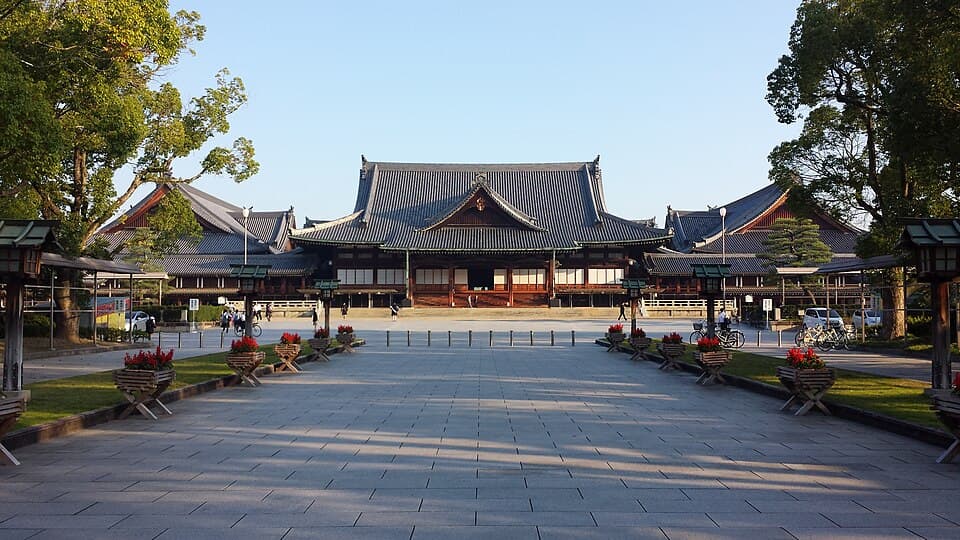
Tenrikyo is a Japanese new religion which is neither strictly monotheistic nor pantheistic, originating from the teachin…
Read →
Maya civilization
Tepeu is a word of the Kʼicheʼ Maya language meaning "sovereign". The title is associated with the god Qʼuqʼumatz of th…
Read →
Aztec Empire
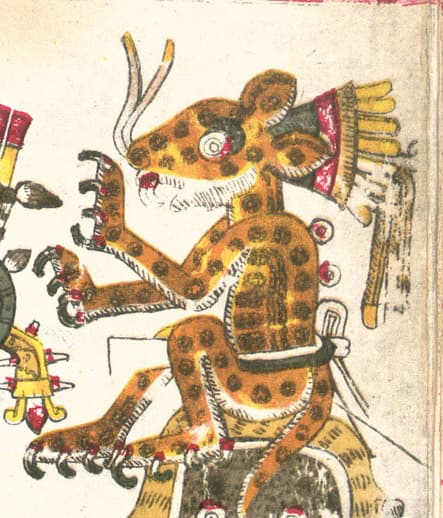
In Aztec mythology, Tepēyōllōtl was the god of darkened caves, earthquakes, echoes and jaguars. He is the god of the Ei…
Read →
Aztec Empire
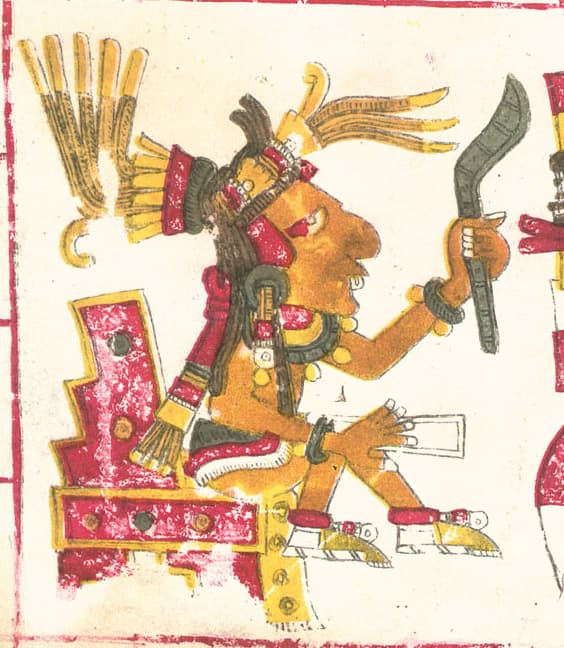
In Aztec mythology, Tepoztēcatl or Tēzcatzontēcatl was the god of pulque, of drunkenness and fertility. The deity was a…
Read →
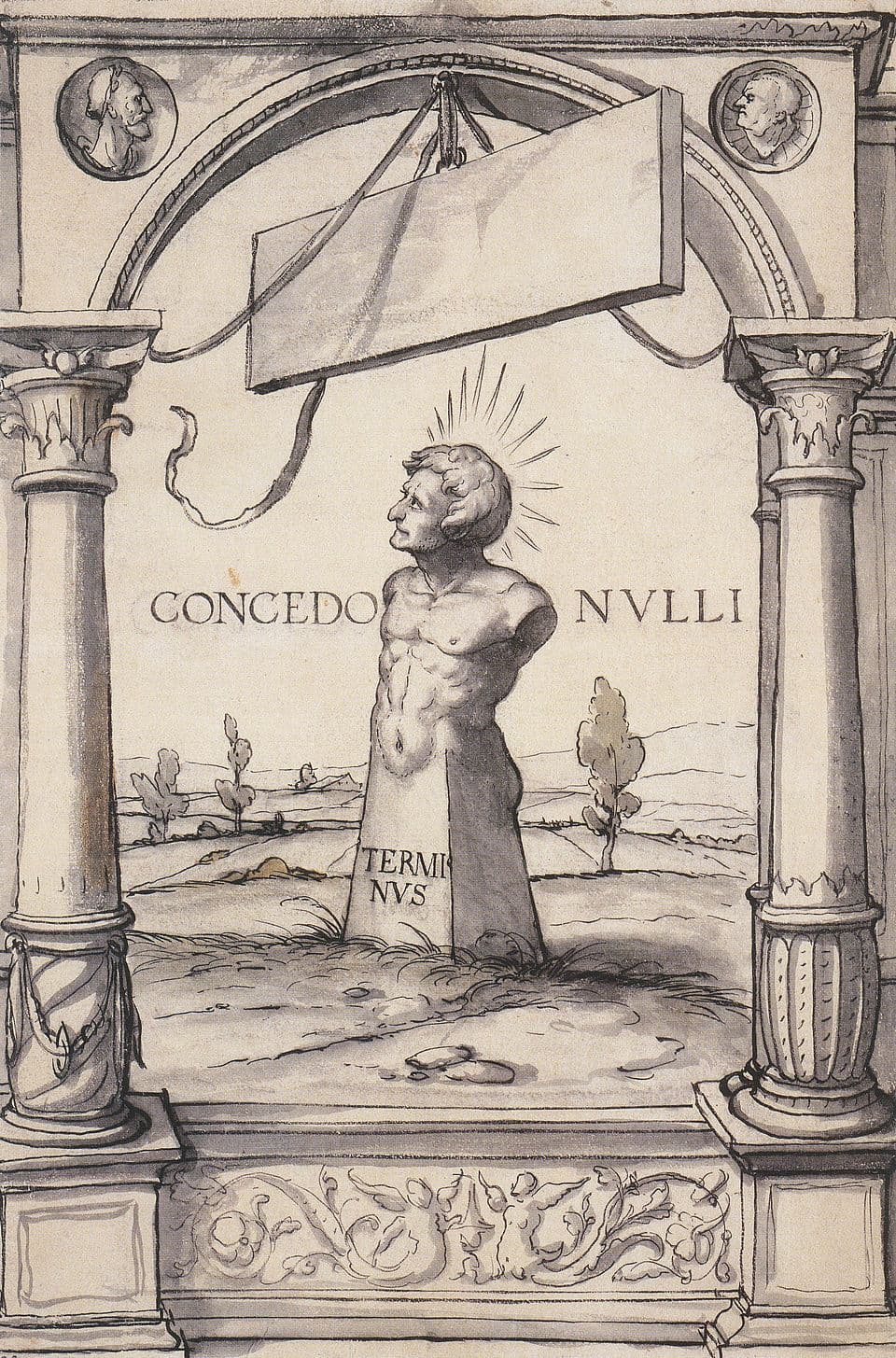
Ancient Rome
In Roman religion, Terminus was the god who protected boundary markers; his name was the Latin word for such a marker. …
Read →
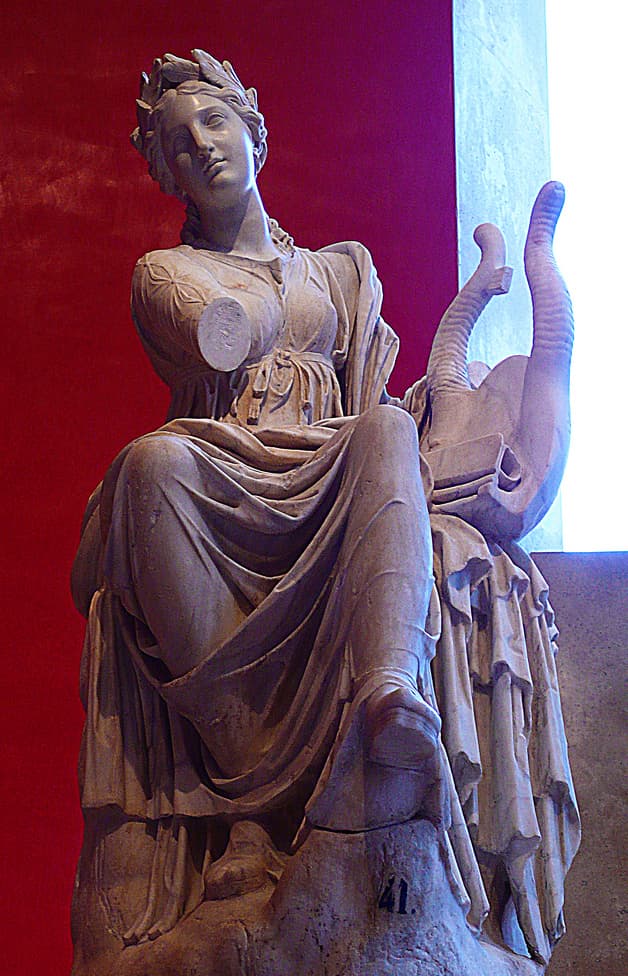
Ancient Greece
In Greek mythology, Terpsichore is one of the nine Muses and goddess of dance and chorus. She lends her name to the wor…
Read →
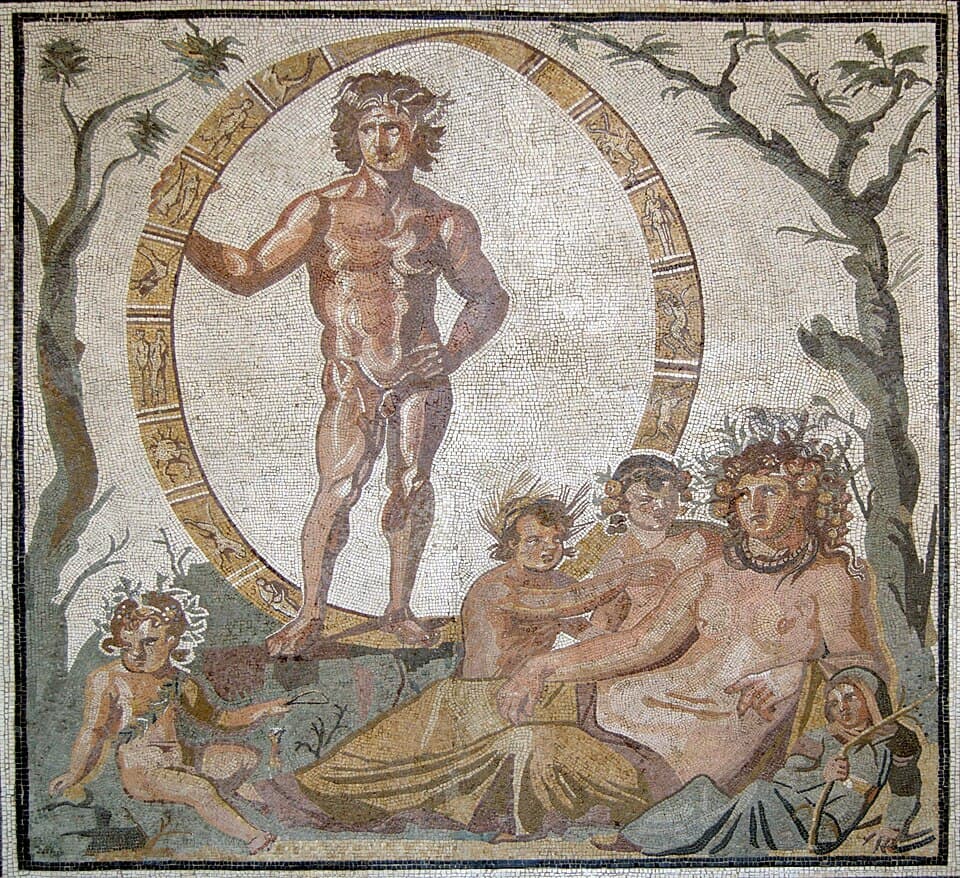
Ancient Rome
In ancient Roman religion and mythology, Tellus or Terra is the personification of the Earth. Although Tellus and Terra…
Read →
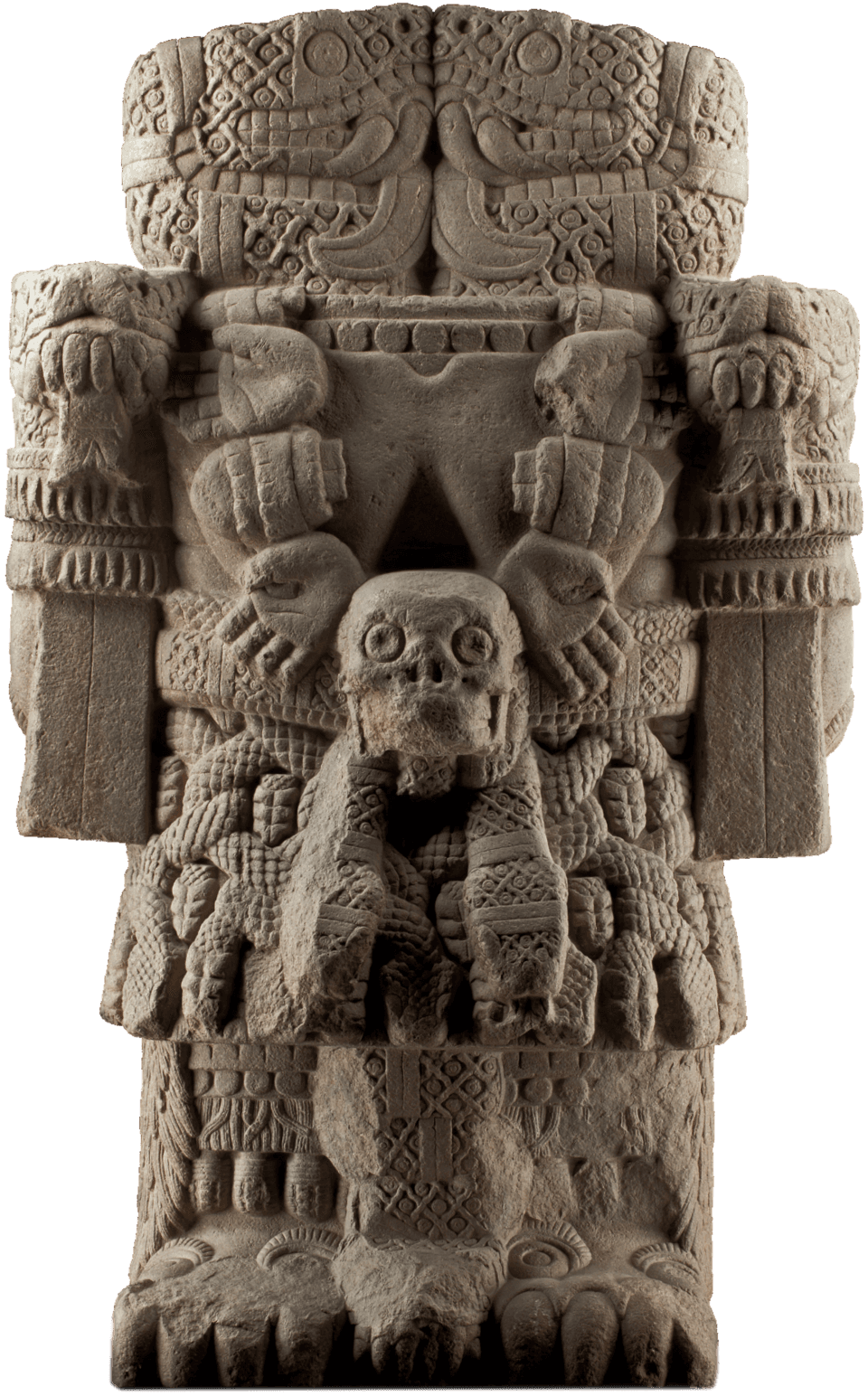
Aztec Empire
Coatlicue, wife of Mixcōhuātl, also known as Tēteoh īnnān is the Aztec goddess who gave birth to the moon, stars, and Hu…
Read →
Iron Age Europe
In Irish mythology, Tethra of the Fomorians ruled Mag Mell after dying in the Second Battle of Mag Tuiredh. After the b…
Read →
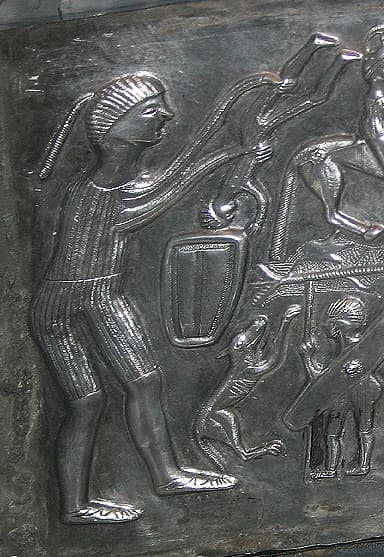
Iron Age Europe
Teutates is a Celtic god attested in literary and epigraphic sources. His name, which is derived from a proto-Celtic wo…
Read →
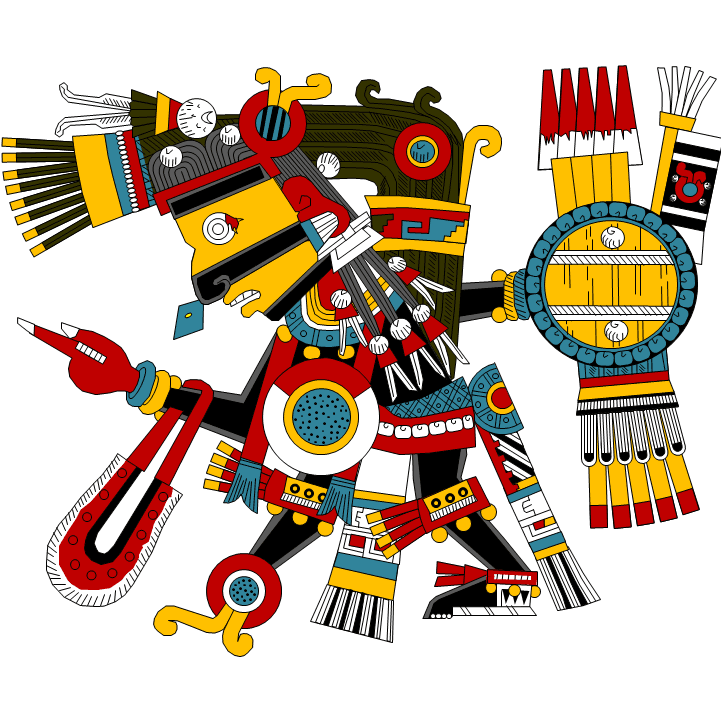
Aztec Empire
Tezcatlipoca or Tezcatl Ipoca was a central deity in Aztec religion. He is associated with a variety of concepts, inclu…
Read →

Aztec Empire
In Aztec mythology, Tepoztēcatl or Tēzcatzontēcatl was the god of pulque, of drunkenness and fertility. The deity was a…
Read →
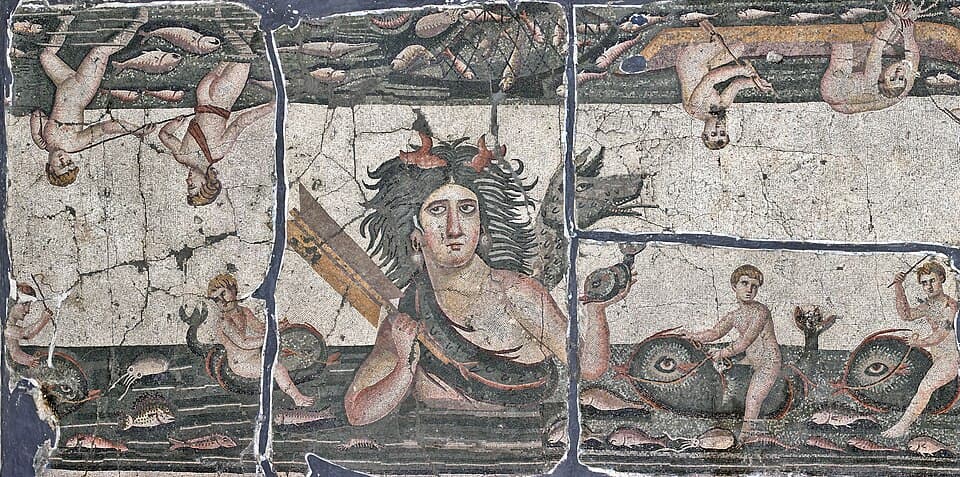
Ancient Greece
In Greek mythology, Thalassa is a divine female personification of the sea. Her name may have been of Pre-Greek origin …
Read →
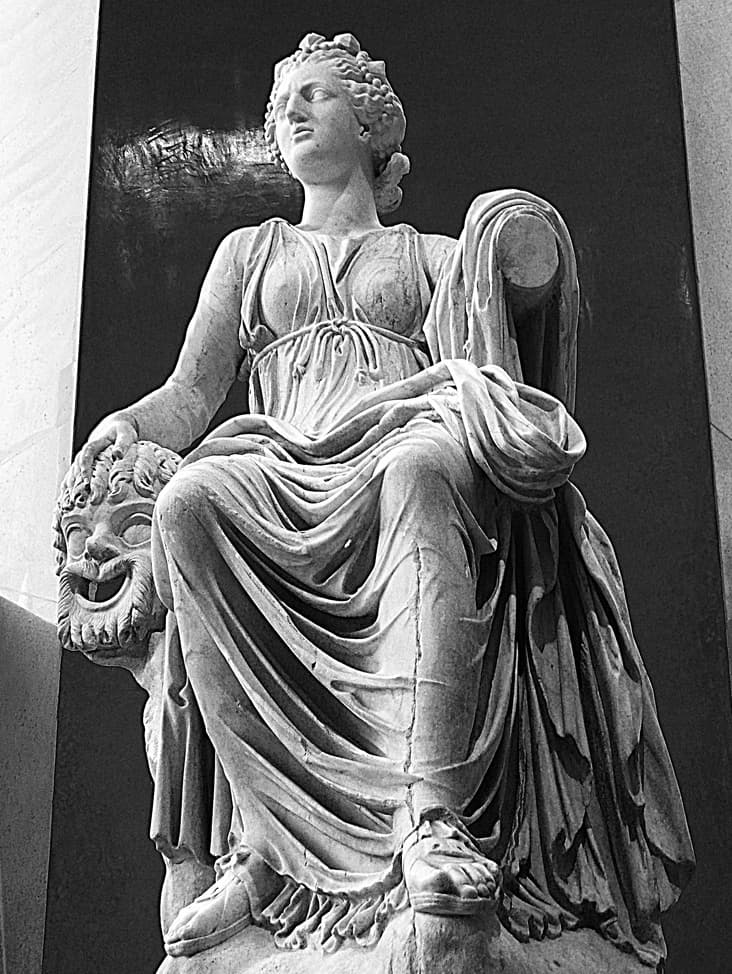
Ancient Greece
In Greek mythology, Thalia, also spelled Thaleia, was one of the Muses, the goddess who presided over comedy and idyllic…
Read →
Etruria
In Etruscan religion and myth, Thalna was a divine figure usually regarded as a goddess of childbirth. Determinate gend…
Read →
Ancient Greece
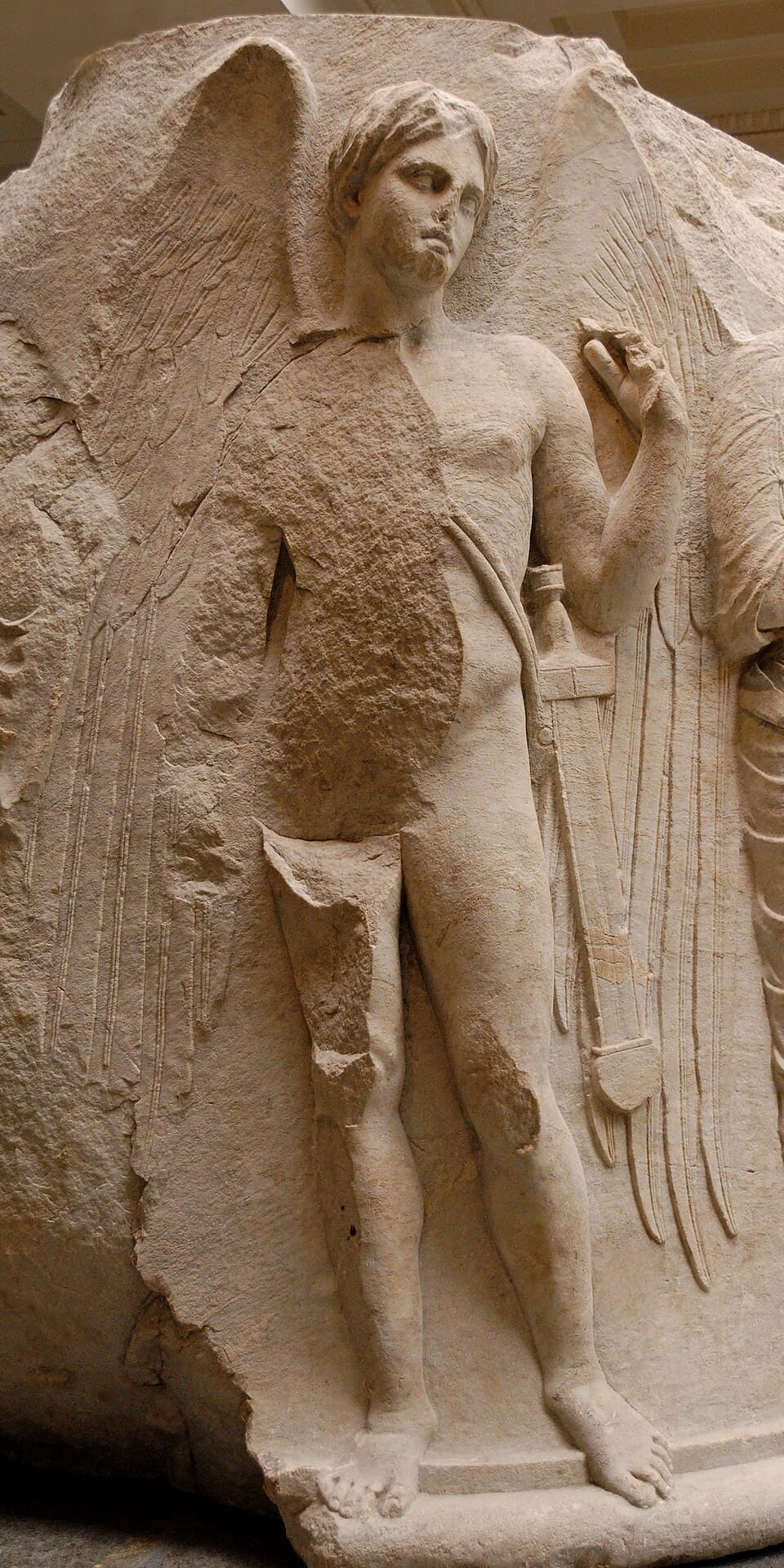
In Greek mythology, Thanatos was the personification of death. He was a minor figure in Greek mythology, often referred…
Read →

Asia
Thangtong Gyalpo, is also known as Chakzampa, the "Iron Bridge Maker", Tsöndrü Zangpo "Excellent Persistence", and the K…
Read →
Ancient Greece
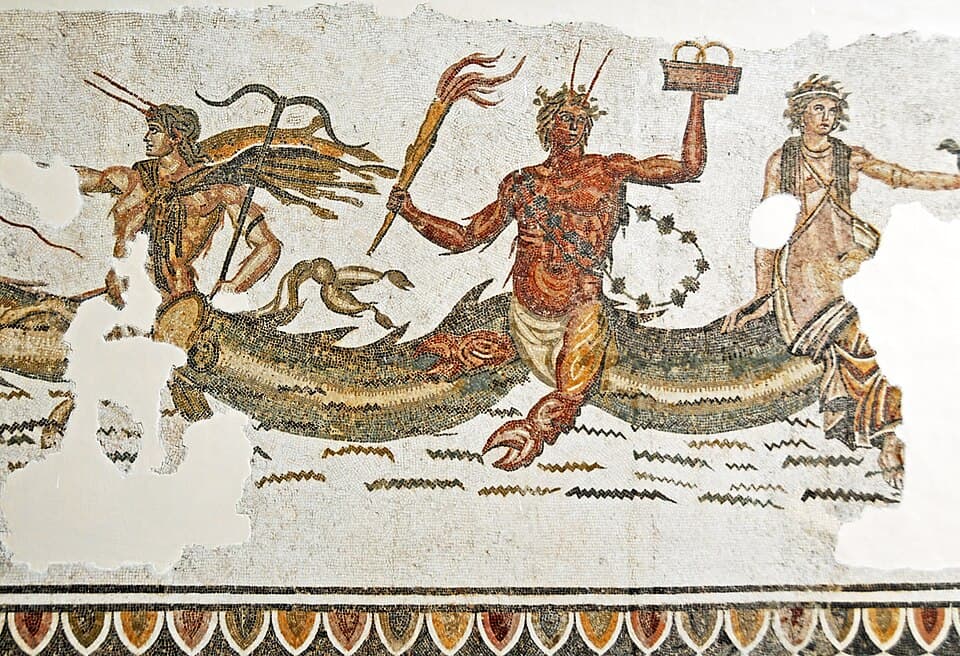
In Greek mythology, Thaumas or Thaumant was a sea god, son of Pontus and Gaia, and the full brother of Nereus, Phorcys, …
Read →

Indian subcontinent
The Buddha is considered the ninth avatar among the ten major avatars of the god Vishnu, according to the Vaishnava trad…
Read →
Iron Age Europe
The Dagda is considered the great god of Irish mythology. He is the chief god of the Tuatha Dé Danann, with the Dagda p…
Read →
Ancient Mesopotamia
The Four Winds are a group of mythical figures in Mesopotamian mythology whose names and functions correspond to four ca…
Read →

Scandinavia
The Fourteen Infallibles in Twelver Shia Islam are the Islamic prophet Muhammad, his daughter Fatima Zahra, and the Twel…
Read →

Iron Age Europe
The Morrígan or Mórrígan, also known as Morrígu, is a figure from Irish mythology. The name is Mór-ríoghan in modern Ir…
Read →
Ancient Egypt
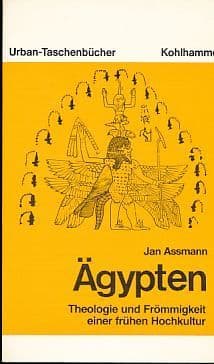
The Search for God in Ancient Egypt is a 1984 book by the German egyptologist Jan Assmann. It is a study of ancient Egy…
Read →
Ancient Greece
In Greek religion and mythology, Theandrios or Theandrates (Θεανδράτης) is a deity that was worshipped in towns and vill…
Read →

Ancient Egypt
The Theban Triad is a triad of Egyptian gods most popular in the area of Thebes, Egypt.
Read →
Ancient Greece
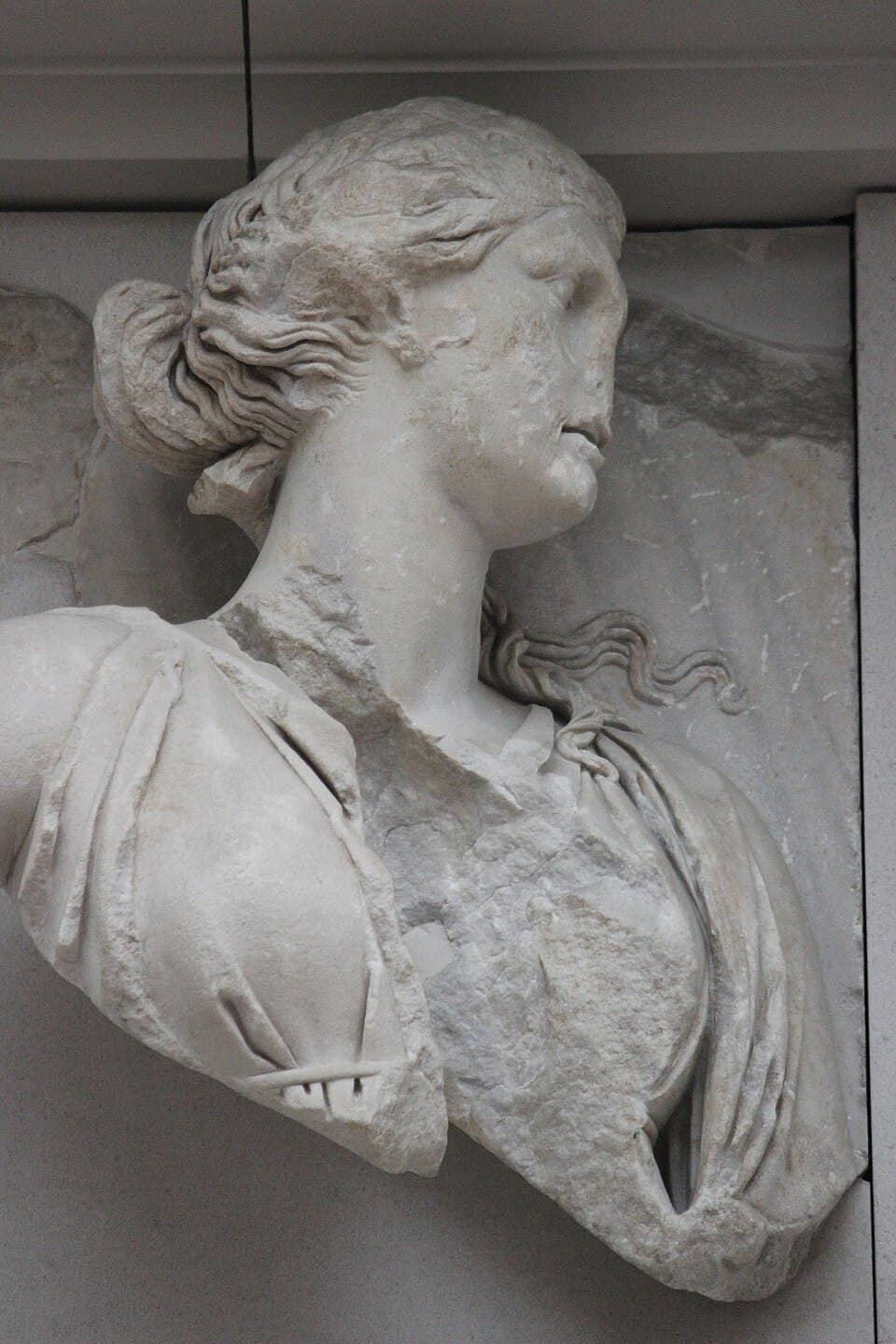
In Greek mythology, Theia also called Thea, Thia, Euryphaessa, Aethra or Basileia, was one of the Titans, the children o…
Read →

Inca Empire
Theism is broadly defined as the belief in the existence of at least one deity. In common parlance, or when contrasted …
Read →
Ancient Egypt
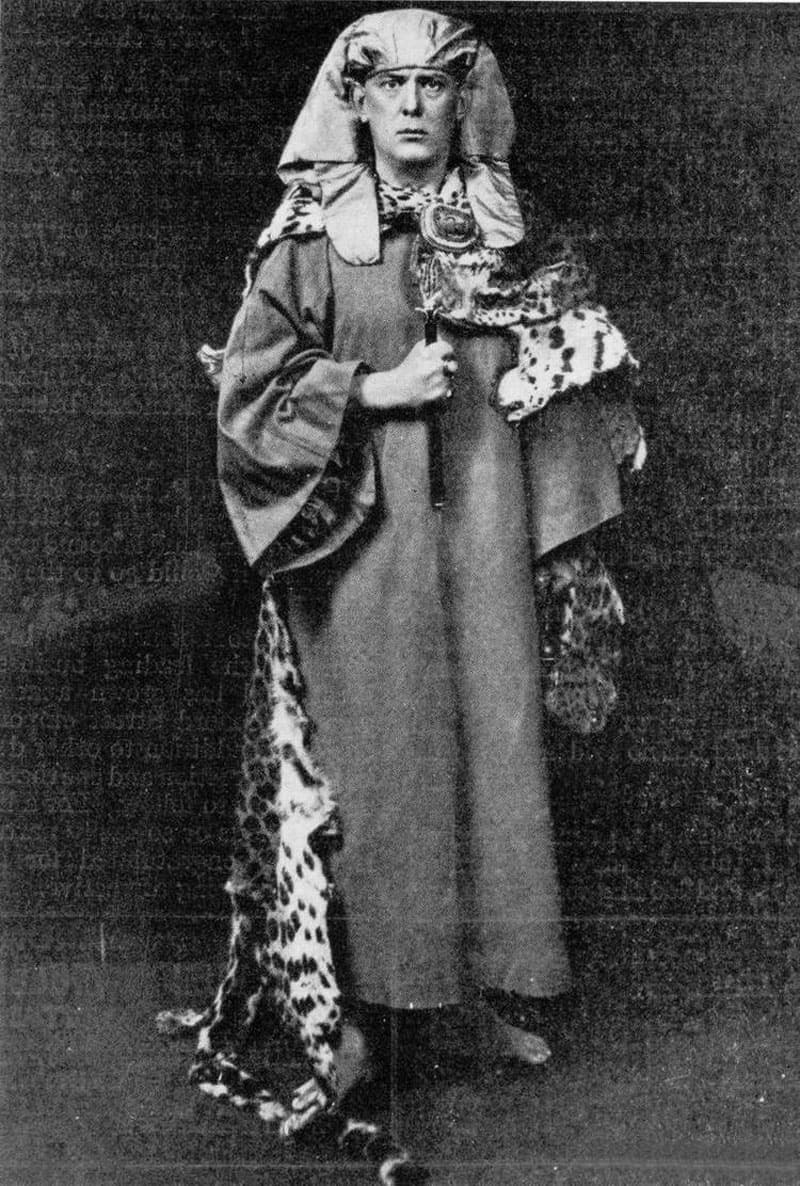
Thelema is a Western esoteric and occult social and spiritual philosophy, and a new religious movement. It was founded …
Read →
Ancient Greece
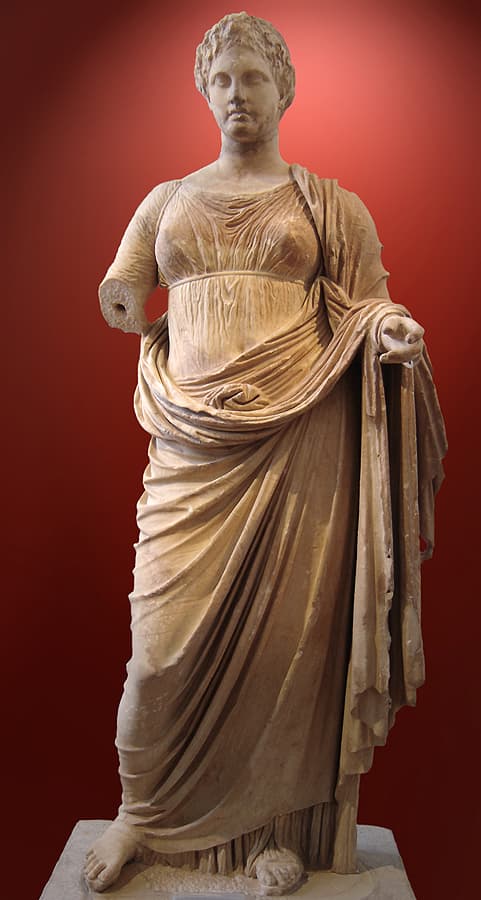
In Greek mythology and religion, Themis is the goddess and personification of justice, divine order, law, and custom. S…
Read →
Inca Empire
Theocracy or ethiocracy is a form of autocracy or oligarchy in which one or more deities are recognized as supreme rulin…
Read →

Ancient Egypt
A theodicy, meaning 'vindication of God', is an argument in the philosophy of religion that attempts to resolve the prob…
Read →
North America
Theology is the study of religious belief from a religious perspective, with a focus on the nature of divinity and the h…
Read →
Ancient Egypt
A theophoric name embeds the word equivalent of 'god' or a god's name in a person's name, reflecting something about the…
Read →
Inca Empire
Theravāda is Buddhism's oldest existing school. The school's adherents, termed Theravādins, have preserved their versio…
Read →
Ancient Greece
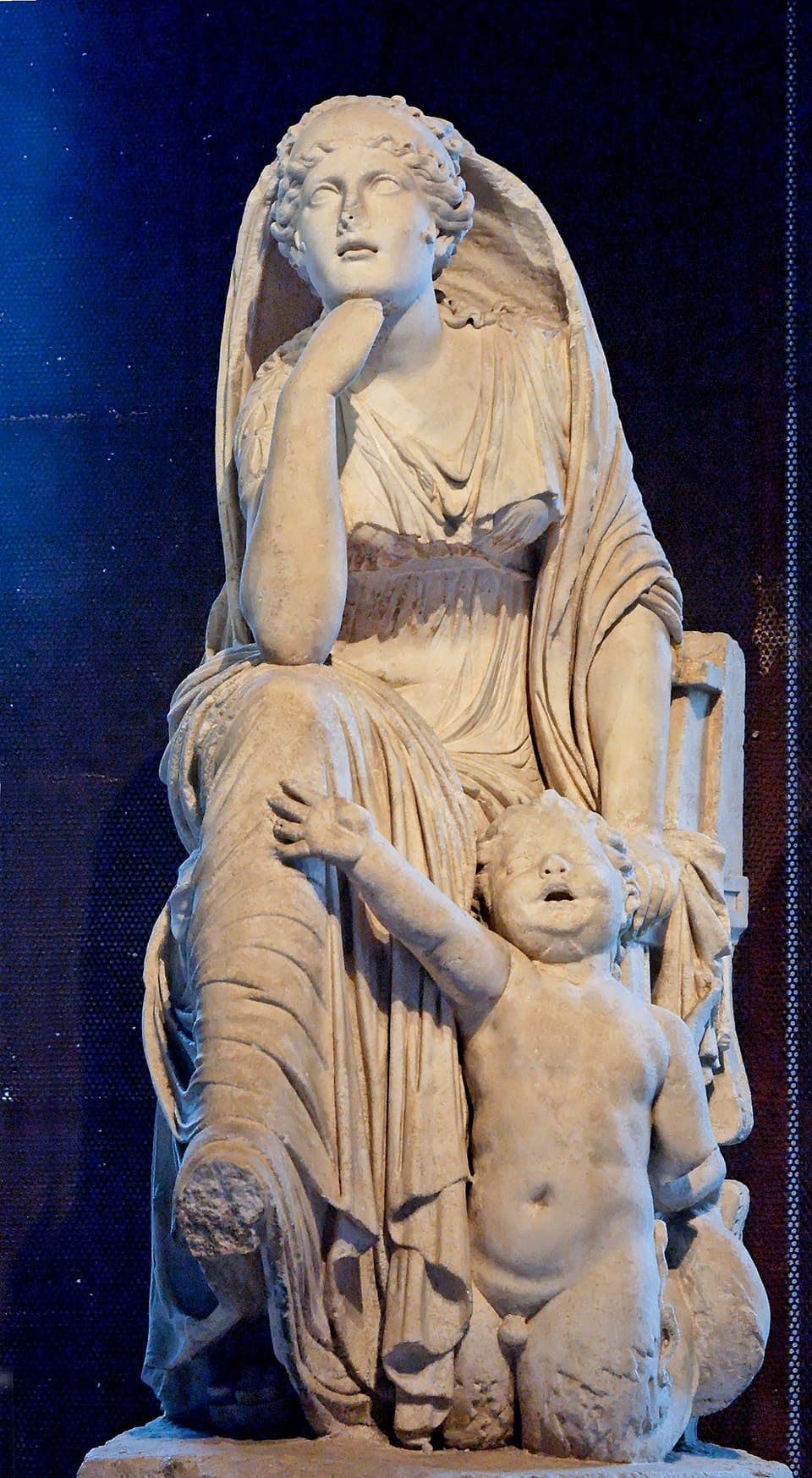
Thetis is a figure from Greek mythology with varying mythological roles. She mainly appears as a sea nymph, a goddess o…
Read →

Asia
The Thirteen Buddhas is a Japanese grouping of Buddhist deities, particularly in the Shingon and Tendai sects of Buddhis…
Read →
Indian subcontinent
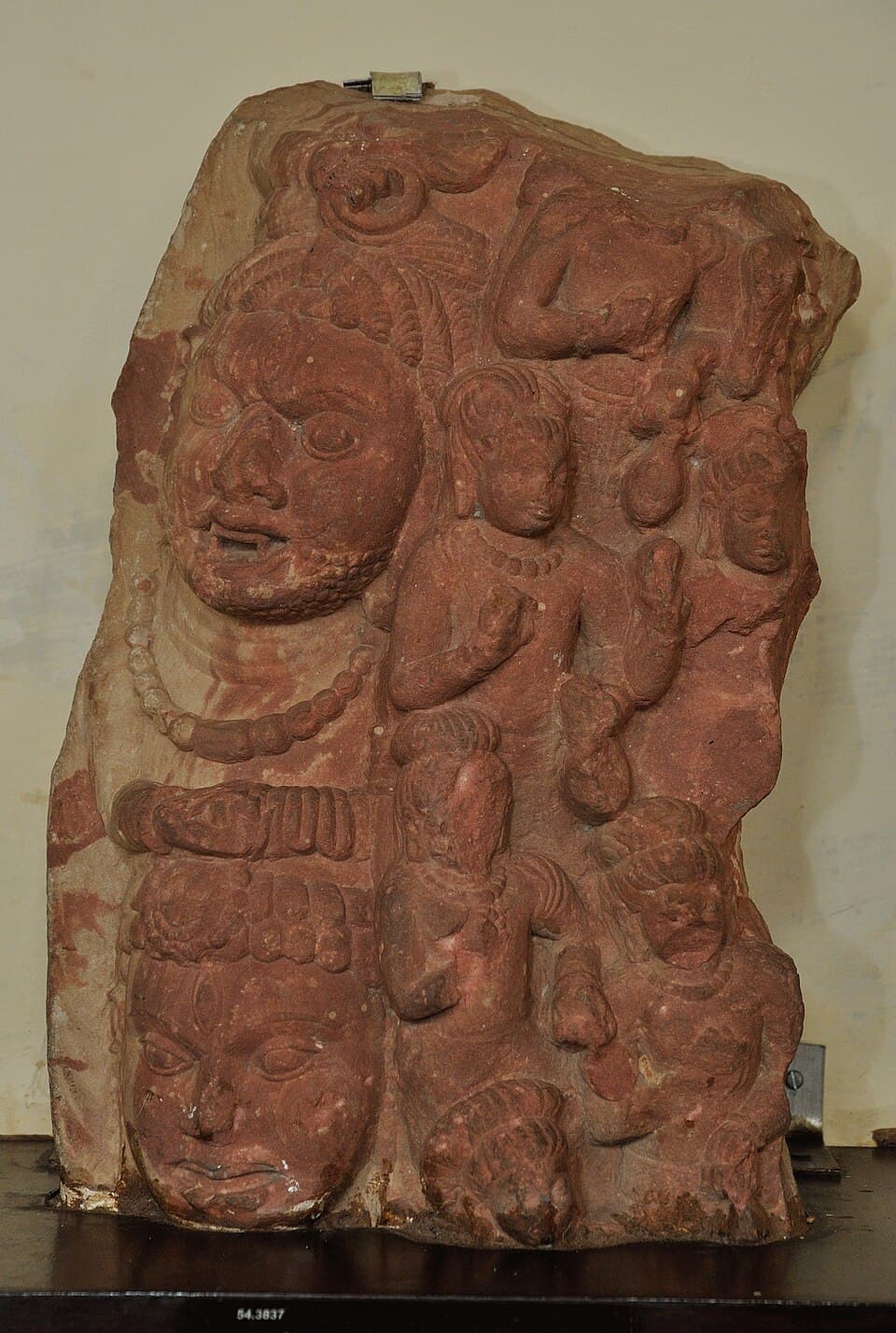
The Thirty-three gods, or Trayastrimshaddevas, is a pantheon of Rigvedic deities of the current manvantara. The Samhita…
Read →
Ancient Greece
In Greek mythology, Thoosa, also spelled Thoösa, was, according to Homer, the sea nymph daughter of the primordial sea g…
Read →
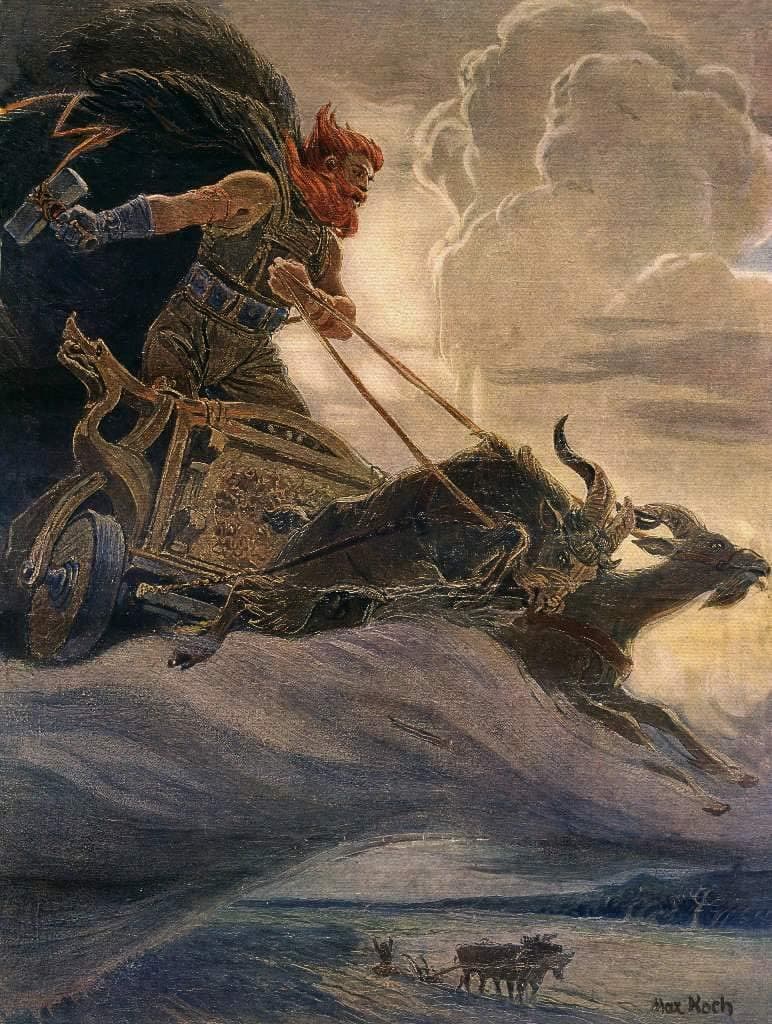
Scandinavia
Thor is a prominent god in Germanic paganism. In Norse mythology, he is a hammer-wielding god associated with thunder, …
Read →
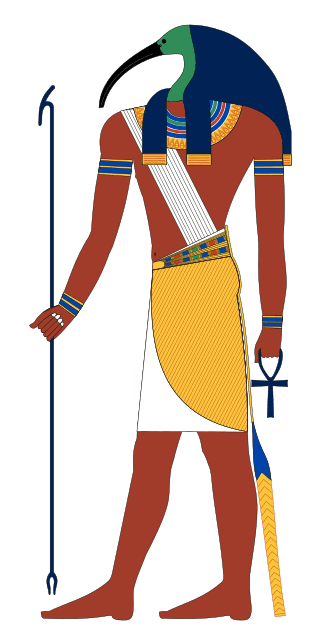
North America
Thoth is an ancient Egyptian deity. In art, he was often depicted as a man with the head of an ibis or a baboon, animal…
Read →
Ancient Greece
In Greek mythology, Thrasos is the personified concept of boldness.
Read →

China
The Three Great Emperor-Officials, Sanguan, or the Three Officials are three of the highest shen in some branches of rel…
Read →
Japan
Three Noble Children are three gods in Japanese mythology who were created when Izanagi, having returned from Yomi, wash…
Read →

China
The Three Pure Ones, also translated as the Three Pure Pellucid Ones, the Three Purities, the Three Pristine Ones, the T…
Read →

China
Thunder Ancestor (雷祖) is a Taoist deity in charge of thunder and the thirty-six heavens. His full name is Ninth Heaven …
Read →
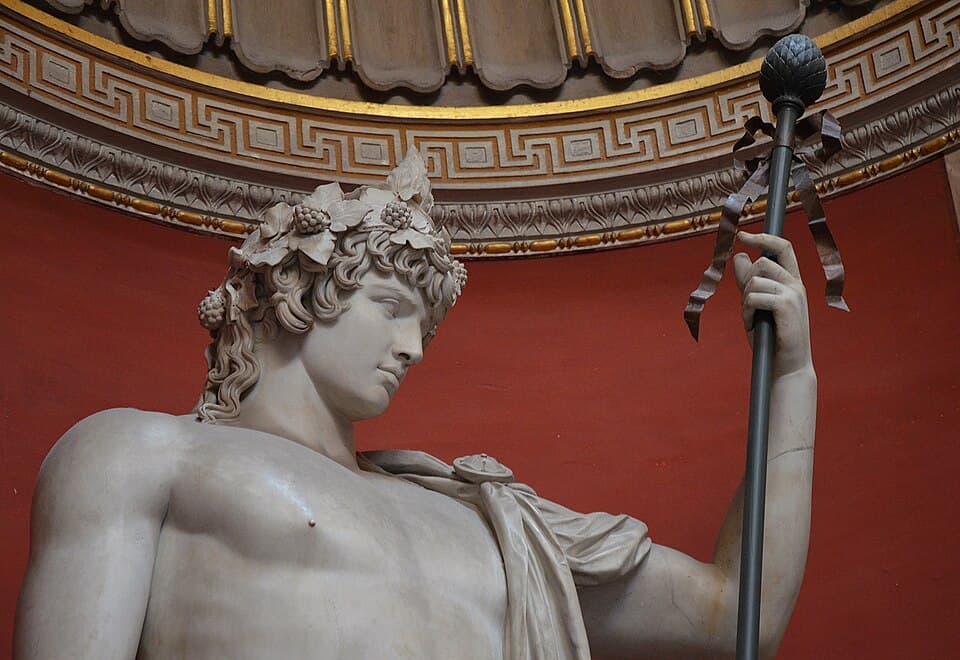
Ancient Greece
In Ancient Greece a thyrsus or thyrsos was a wand or staff of giant fennel covered with ivy vines and leaves, sometimes …
Read →

Ancient Mesopotamia
In ancient Mesopotamian religion, Tiamat is the cosmic ocean that mates with Abzû, the groundwater, to produce the Bably…
Read →

China
Tian (天) is one of the oldest Chinese terms for heaven or the cosmos and is a central concept in Chinese mythology, phil…
Read →
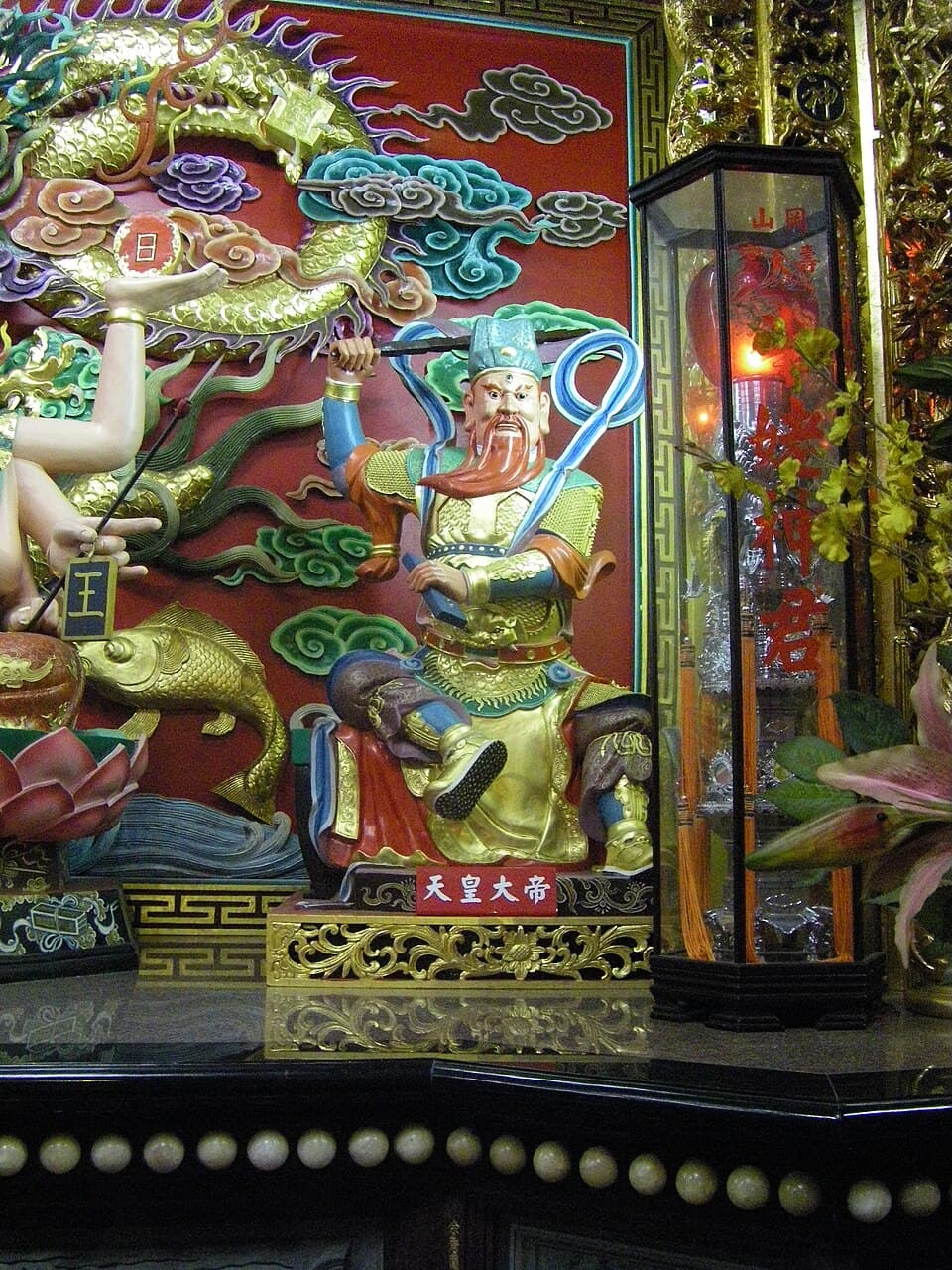
China
The Great Emperor of the Curved Array, also called the Gouchen Emperor and Tianhuang Emperor, is one of the highest sky …
Read →
China
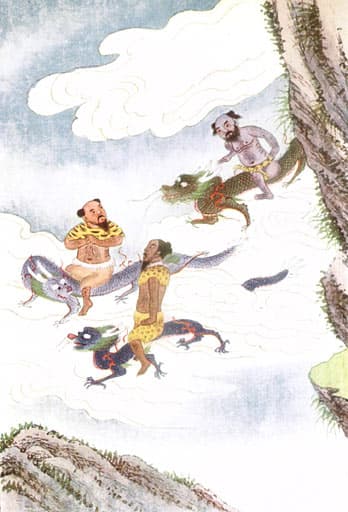
Tianlong is a flying dragon in Chinese mythology, a star in Chinese astrology, and a proper name.
Read →

Ancient Rome
Tiberinus is a figure in Roman mythology. He was the god of the Tiber River. He was added to the 3,000 rivers, as the …
Read →
Polynesia
According to a legend in Samoan mythology Tilafaiga was one of the twin sisters who brought the art of tatau to Samoa fr…
Read →
Asia
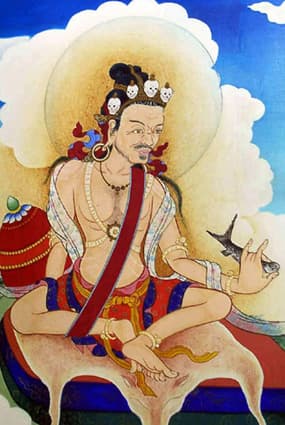
Tilopa was a Buddhist tantric mahasiddha who lived in northeast India around the 10th century -- perhaps from 988 to 106…
Read →
Ancient Mesopotamia
Time and fate deities are personifications of time, often in the sense of human lifetime and human fate, in polytheistic…
Read →
Etruria
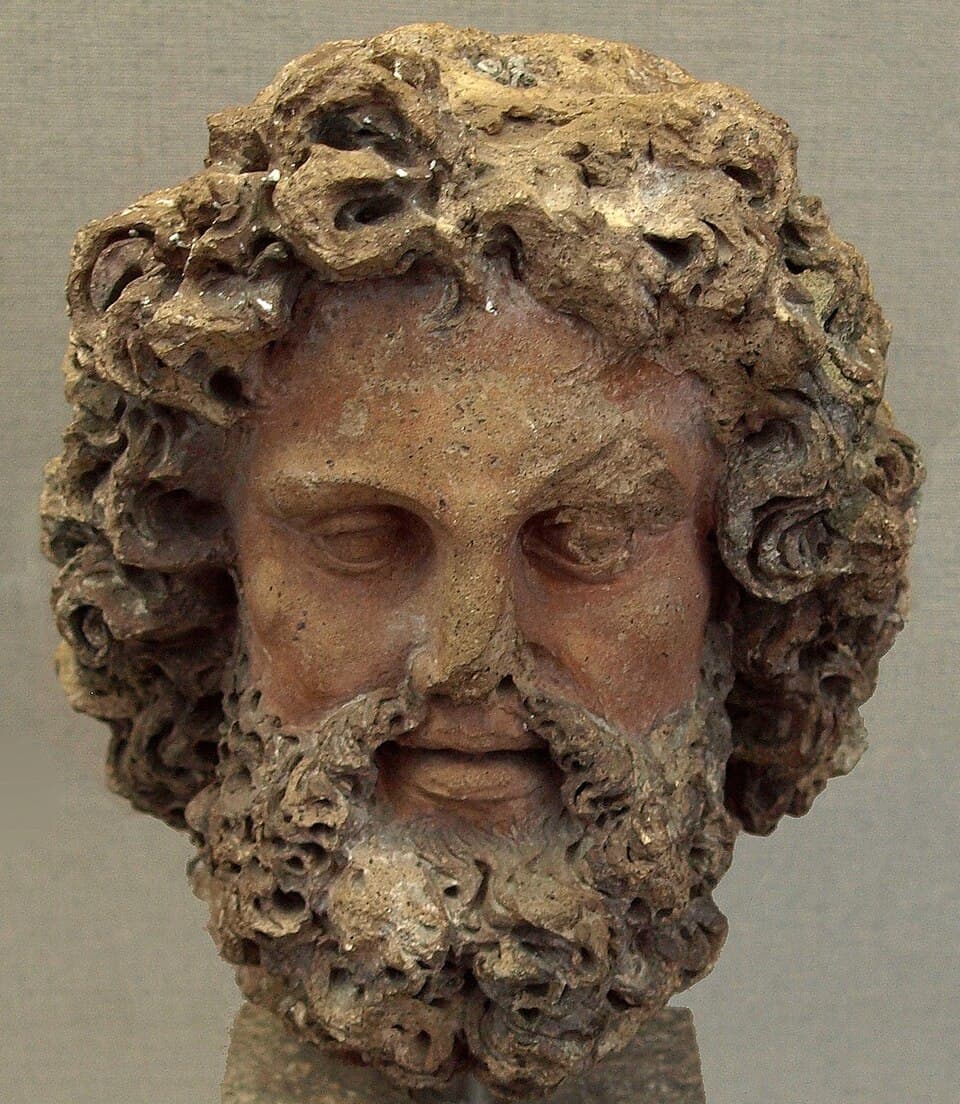
Tinia was the sky god and the highest deity in Etruscan religion, equivalent to the Roman Jupiter and the Greek Zeus.
Read →
Asia
Tiphupa was an Indian Buddhist teacher from the 11th and 12th century who was considered to be the rebirth of Darma Dode…
Read →
Ancient Mesopotamia
Tishpak (Tišpak) was a Mesopotamian god associated with the ancient city Eshnunna and its sphere of influence, located i…
Read →
Ancient Persia
Tishtrya is the Avestan name of a Zoroastrian benevolent divinity associated with life-bringing rainfall and fertility. …
Read →
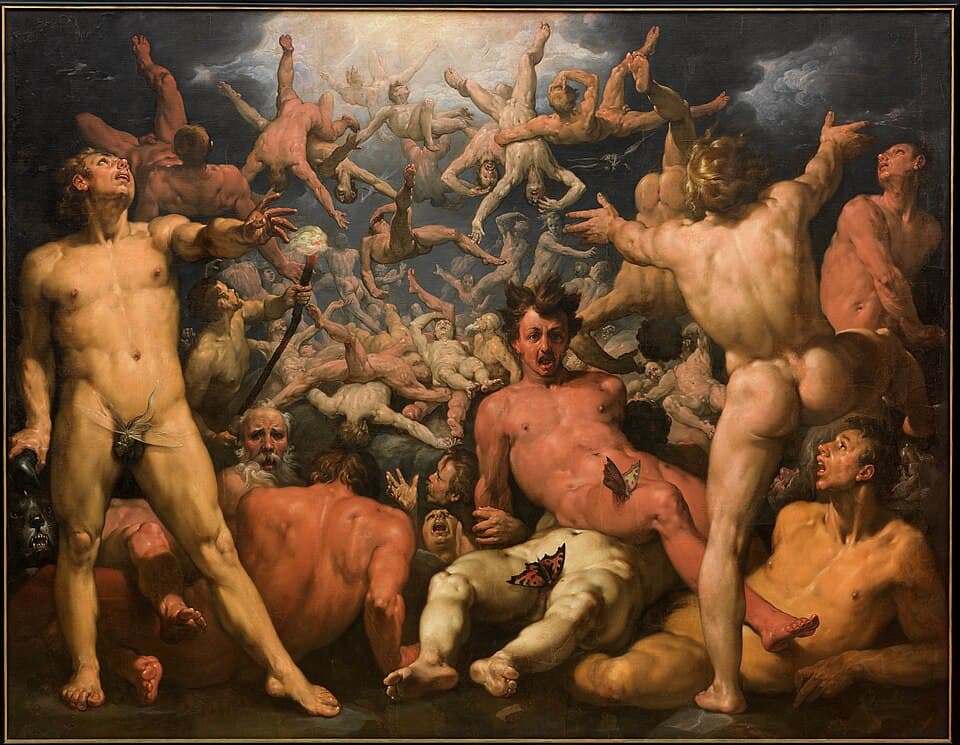
Ancient Greece
In Greek mythology, the Titans were the deities who preceded the Olympians. According to the Theogony of Hesiod, they w…
Read →
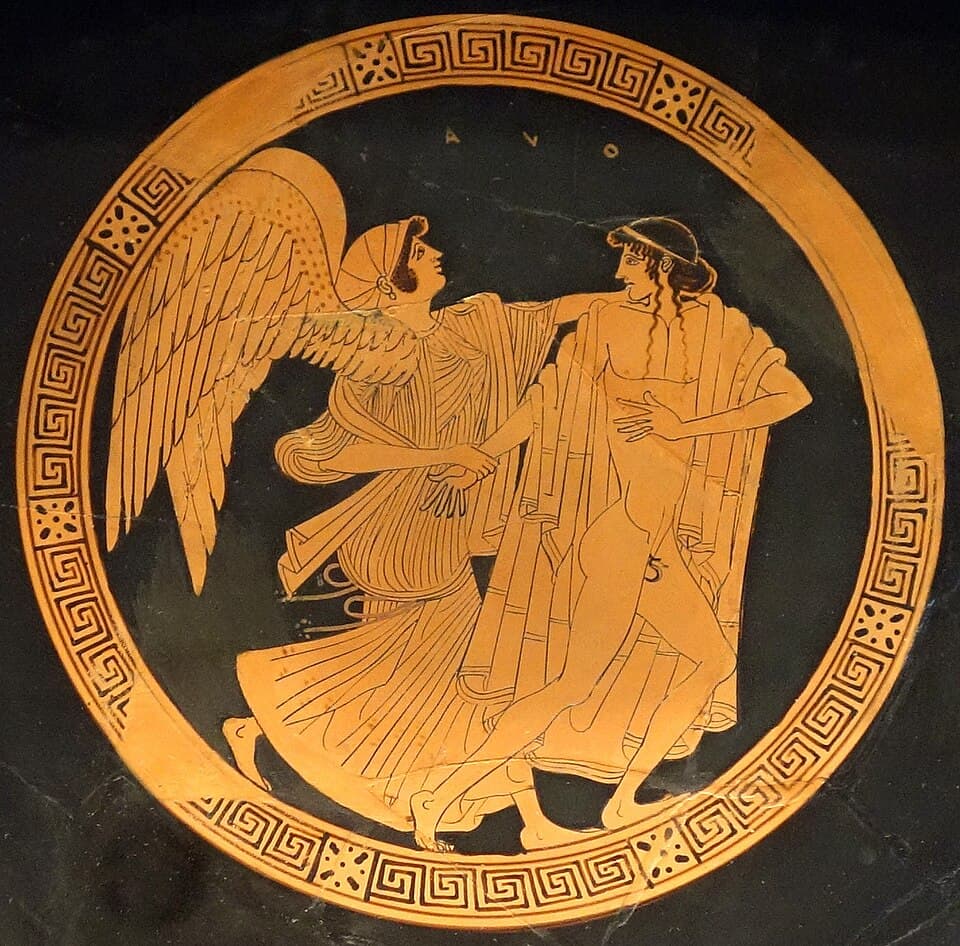
Ancient Greece
In Greek mythology, Tithonus was the lover of Eos, Goddess of the Dawn. He was a prince of Troy, the son of King Laomed…
Read →
Indian subcontinent
Tiksha or titikṣā is defined by the Uddhava Gita as the "patient endurance of suffering. " In Vedanta philosophy it is t…
Read →
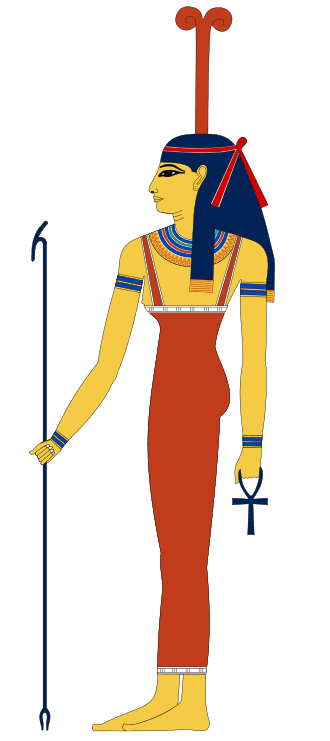
Ancient Egypt
Tjenenyet, alternatively Tenenet, Tjenenet, Zenenet, Tanenet, Tenenit, Manuel de Codage transliteration Tnn. t, was an a…
Read →
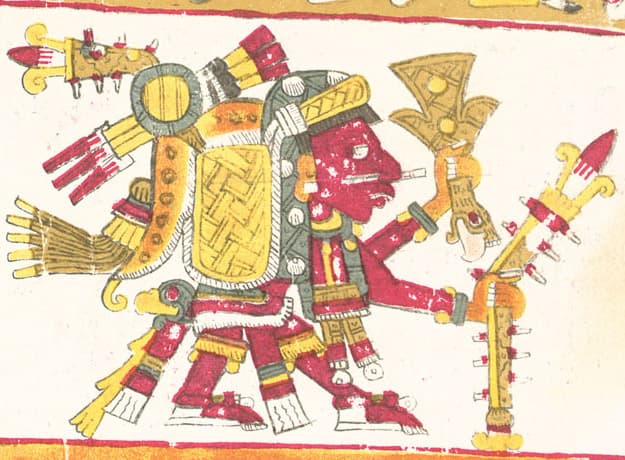
Aztec Empire
Tlacotzontli is an Aztec god of roads. He was also the protector of roads to the native Mexicans.
Read →
Aztec Empire
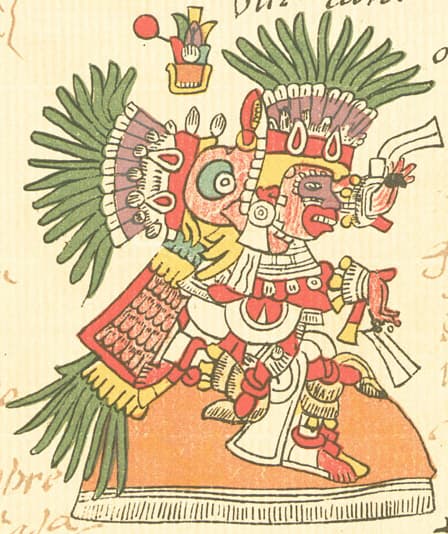
Tlāhuizcalpantēcuhtli is a principal member of the pantheon of gods within the Aztec religion, representing the Morning …
Read →
Maya civilization
Tlalchitonatiuh was a Mesoamerican deity associated with the setting sun, when the stars start to appear in the night sk…
Read →
Aztec Empire
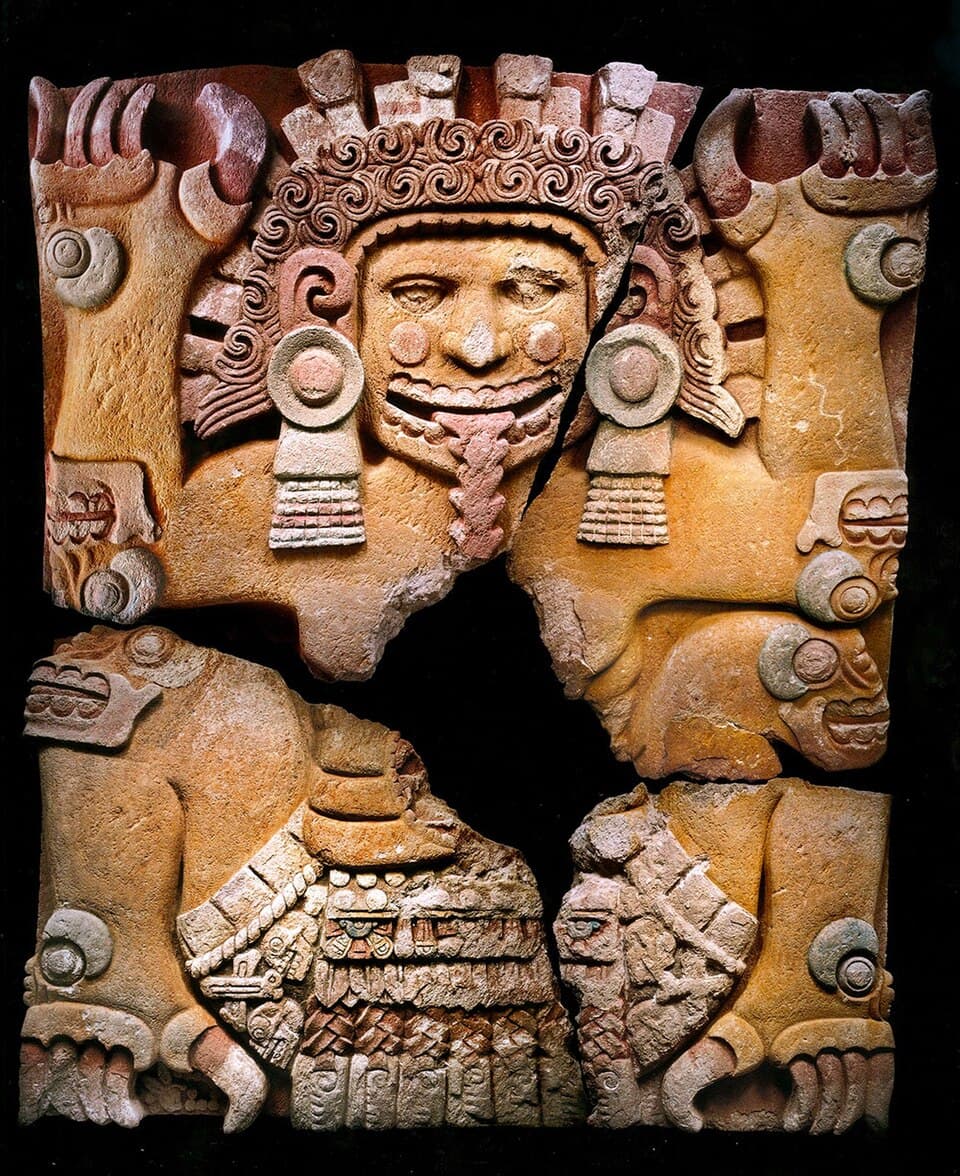
Tlaltecuhtli is a pre-Columbian Mesoamerican deity worshipped primarily by the Mexica (Aztec) people. Sometimes referre…
Read →

Aztec Empire
Tláloc is the god of rain in Aztec religion. He was also a deity of earthly fertility and water, and worshipped as a gi…
Read →
Maya civilization
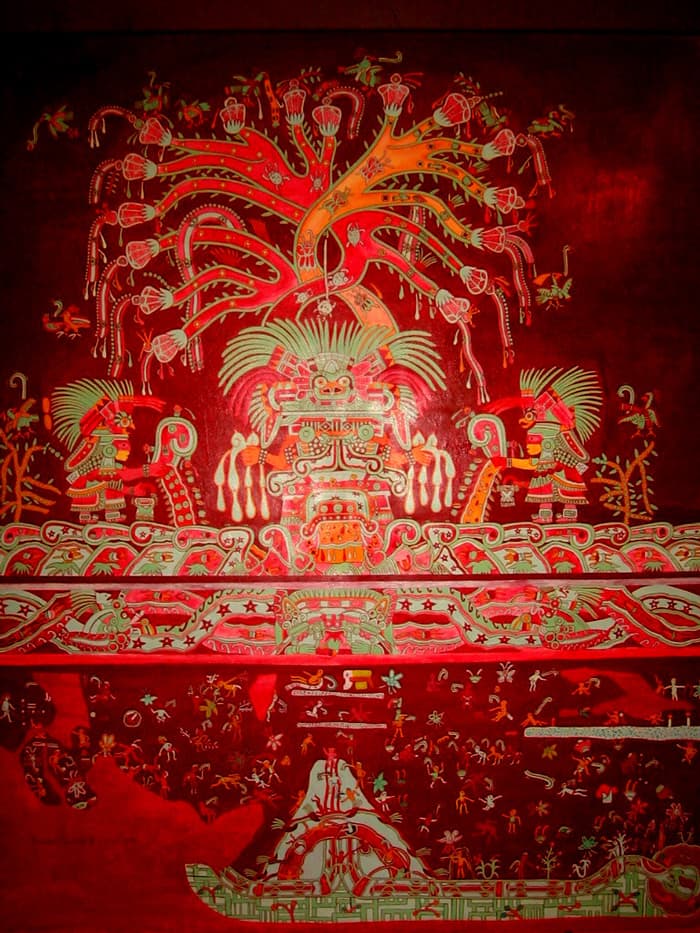
Tlālōcān is described in several Aztec codices as a paradise, ruled over by the rain deity Tlāloc and his consort Chalch…
Read →
Aztec Empire
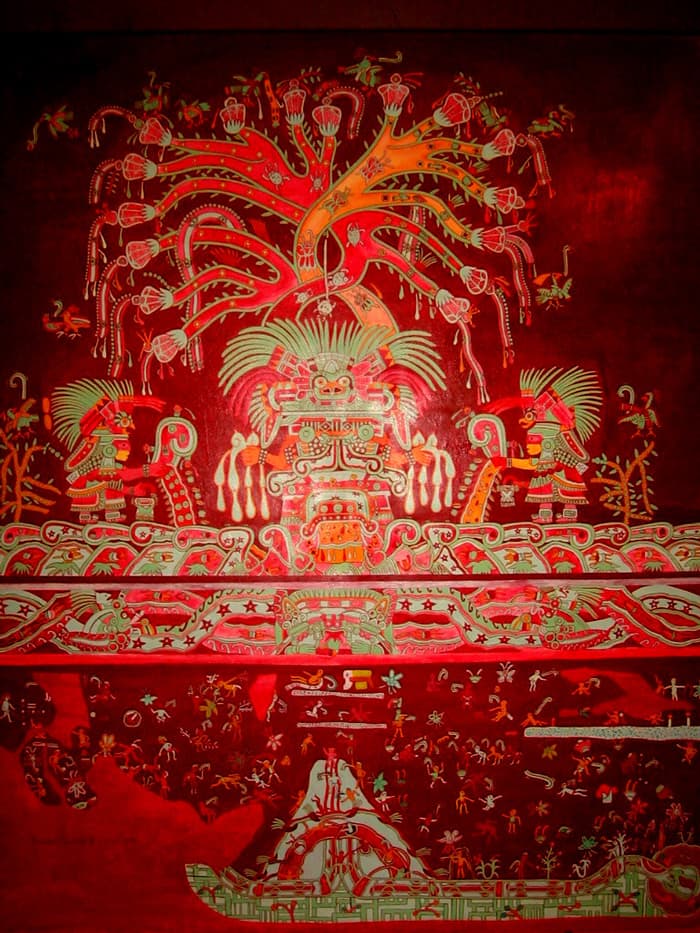
Tlālōcān is described in several Aztec codices as a paradise, ruled over by the rain deity Tlāloc and his consort Chalch…
Read →
Aztec Empire
In Aztec mythology, Tlalocayotl is the god of the East wind. His brothers are Cihuatecayotl, Mictlanpachecatl, and Huit…
Read →
Maya civilization
Tláloc is the god of rain in Aztec religion. He was also a deity of earthly fertility and water, and worshipped as a gi…
Read →
Aztec Empire
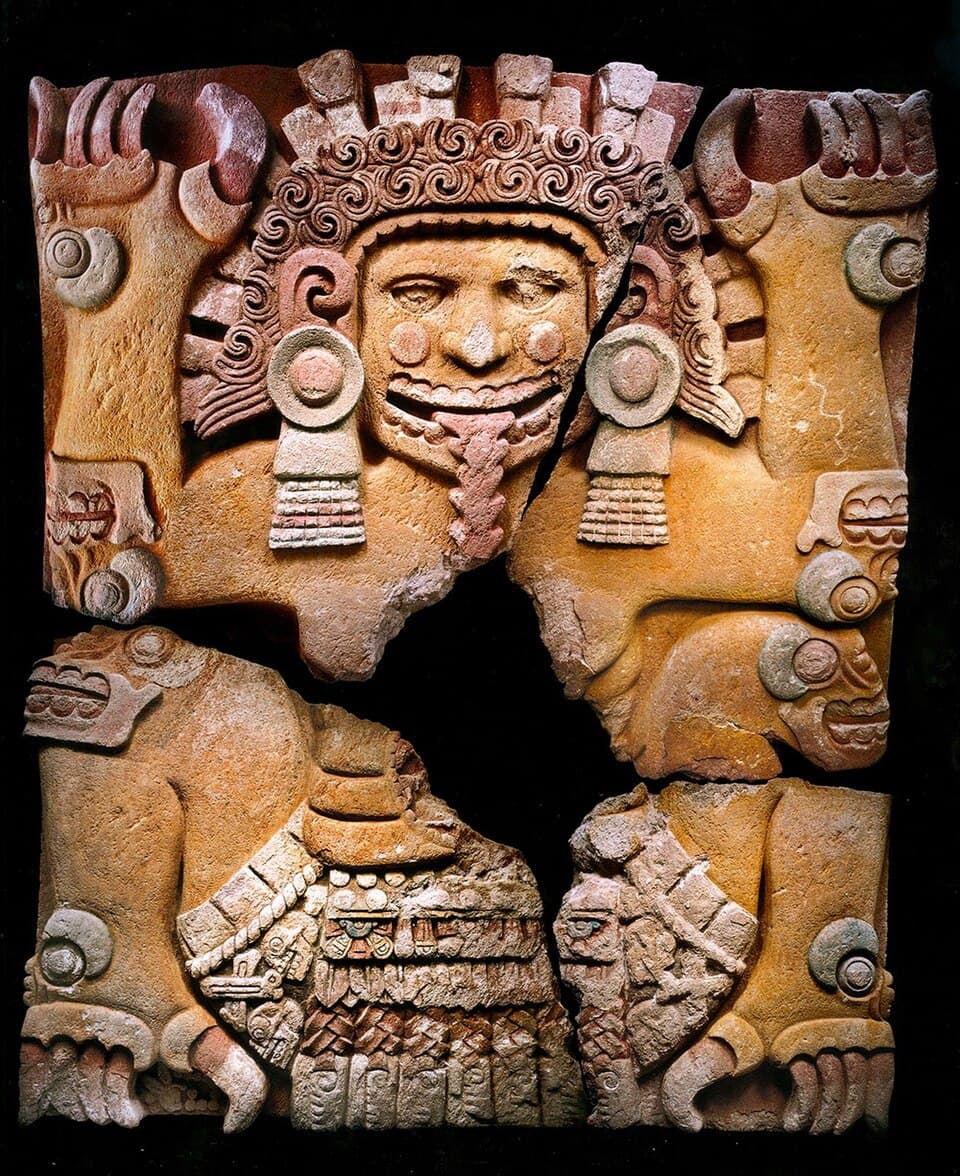
Tlaltecuhtli is a pre-Columbian Mesoamerican deity worshipped primarily by the Mexica (Aztec) people. Sometimes referre…
Read →
Aztec Empire
In Aztec mythology, the Cintēteo are the four gods of maize. They are sons of the goddess Centeōtl and the god Cinteōtl…
Read →
Aztec Empire
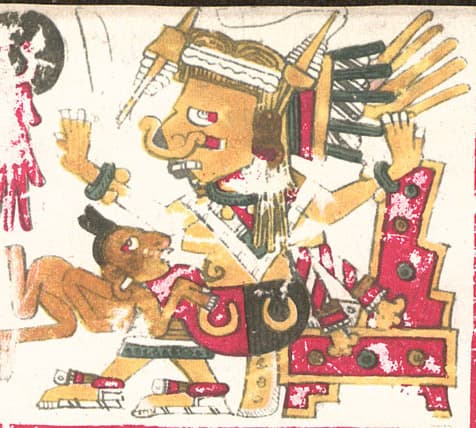
In Aztec mythology, Tlahzolteōtl is a deity of sex, sexuality, lust, carnality, sin, vice, impurity, temptation, fertili…
Read →
Aztec Empire
In Aztec mythology, Tlīlhua is one of the Centzontotochtin, the gods of pulque.
Read →
Aztec Empire
Tlapallan From Aztec mythology: a legendary place on the coast of Mexico. When the divine lord Quetzalcoatl was afflict…
Read →
Aztec Empire
In Aztec mythology, Tloquenahuaque, Tloque Nahuaque or Tloque Naoaque was one of the epithets of Tezcatlipoca. Miguel L…
Read →
Aztec Empire
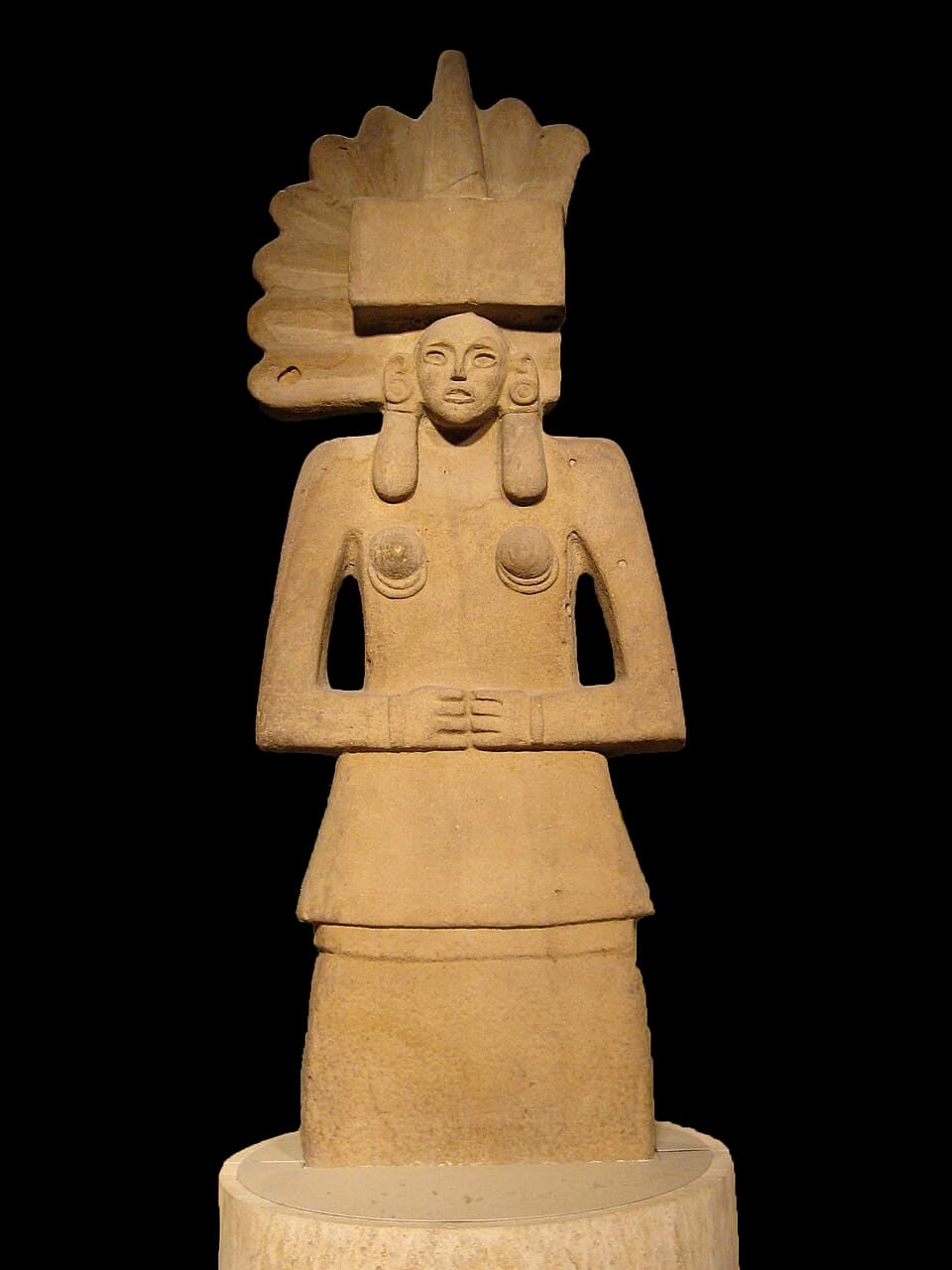
Toci is a prominent deity in the religion and mythology of the pre-Columbian Aztec civilization of Mesoamerica.
Read →
Maya civilization
Tohil is the Maya god of fire. He is a deity of the Kʼicheʼ Maya in the Late Postclassic period of Mesoamerica.
Read →

Etruria
The Tomb of Orcus, sometimes called the Tomb of Murina, is a 4th-century BC Etruscan hypogeum in Tarquinia, Italy. Disc…
Read →

Aztec Empire
In Aztec mythology, Tōnacācihuātl was a creator and goddess of fertility, worshiped for peopling the earth and making it…
Read →

Aztec Empire
In Aztec mythology, Tonacatecuhtli was a creator and fertility god, worshipped for populating the earth and making it fr…
Read →
Aztec Empire
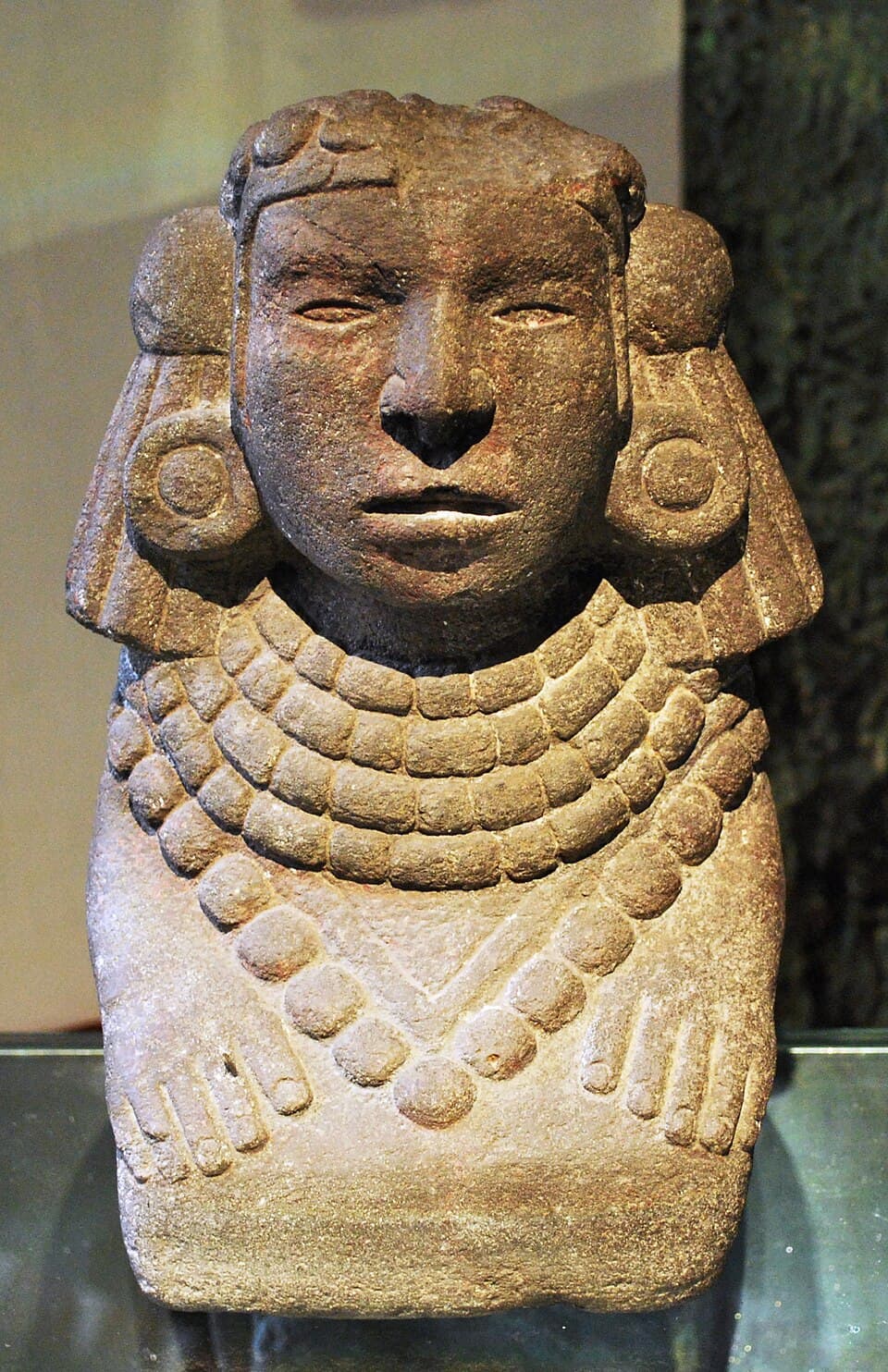
Tonantzin is a Nahuatl title composed of to- "our" + nān "mother" + -tzin "(honorific suffix)". When addressing Tonantz…
Read →
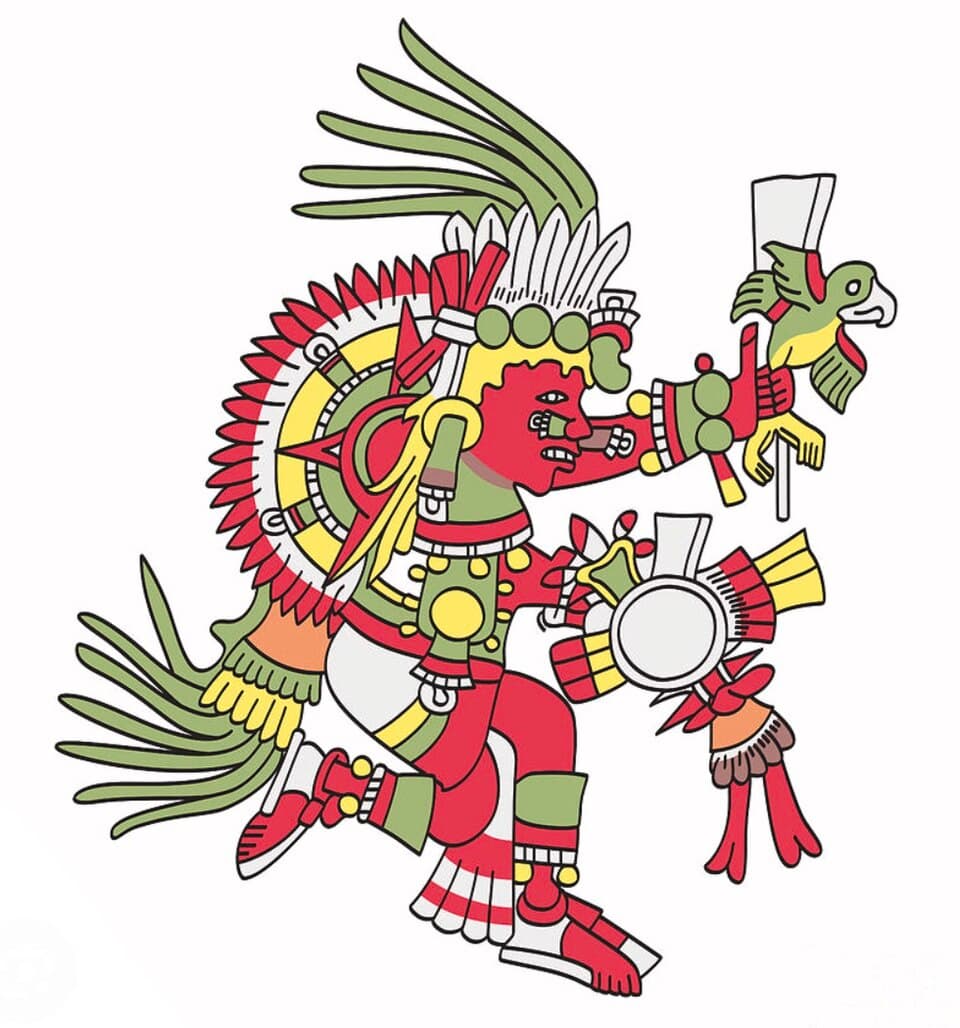
Aztec Empire
In Mesoamerican culture, Tonatiuh is an Aztec sun deity of the daytime sky who rules the cardinal direction of east. Ac…
Read →

China
Tongtian Jiaozhu (通天教主) or sometimes translated as Grandmaster of Heaven is the third disciple of Hongjun Laozu and youn…
Read →

Maya civilization
Like other Mesoamerican peoples, the Maya peoples recognize in their staple crop, maize, a vital force with which they s…
Read →
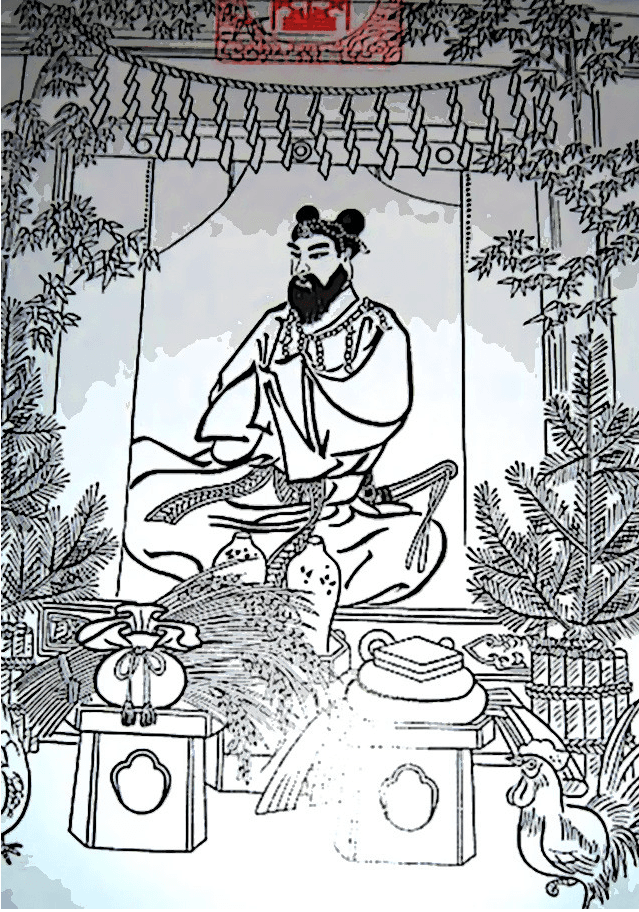
Japan
Toshigami , also known as Ōtoshi-no-kami , is a Japanese kami and a part of the Shinto pantheon.
Read →
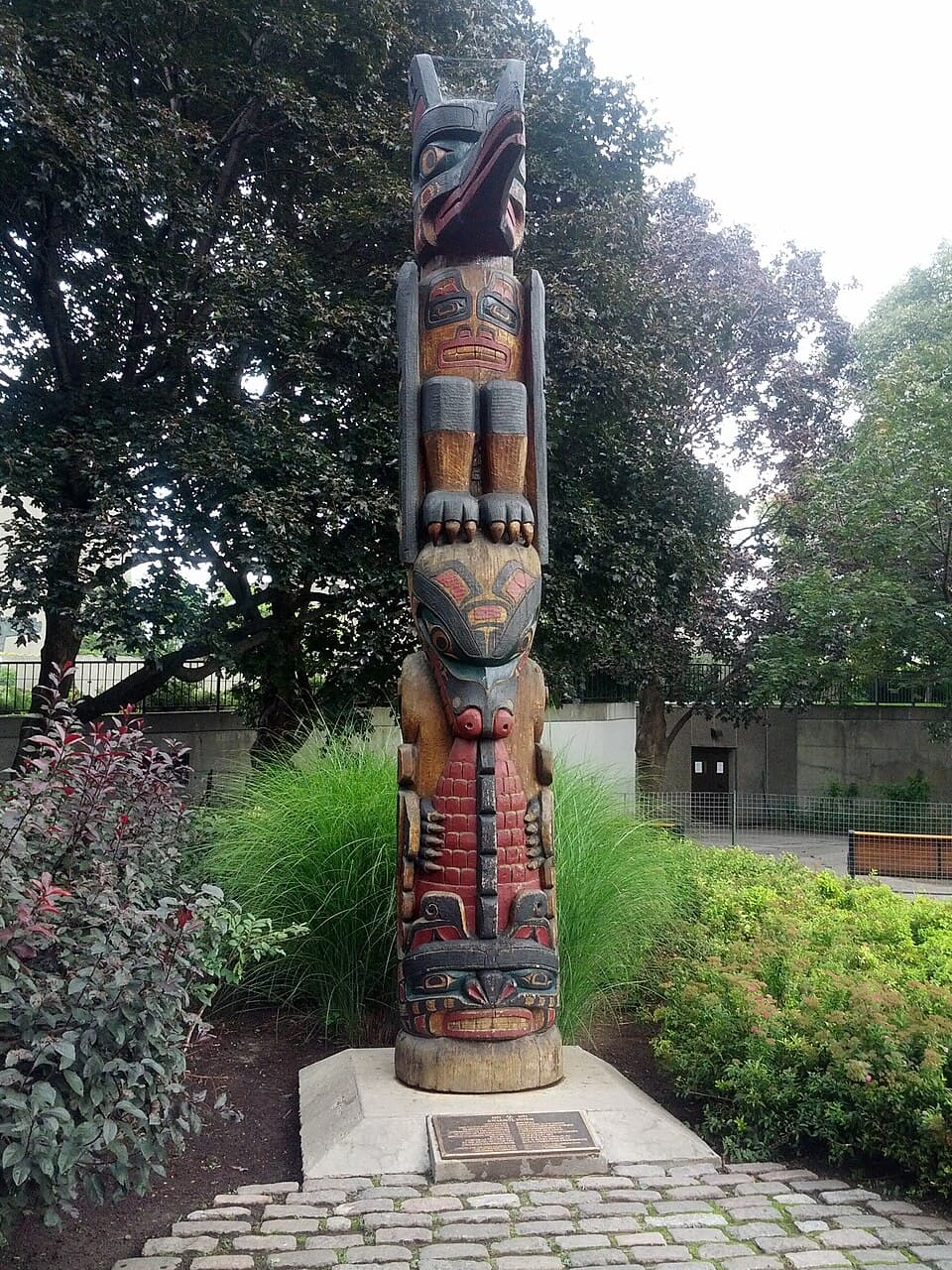
Inca Empire
A totem is a spirit being, sacred object, or symbol that serves as an emblem of a group of people, such as a family, cla…
Read →
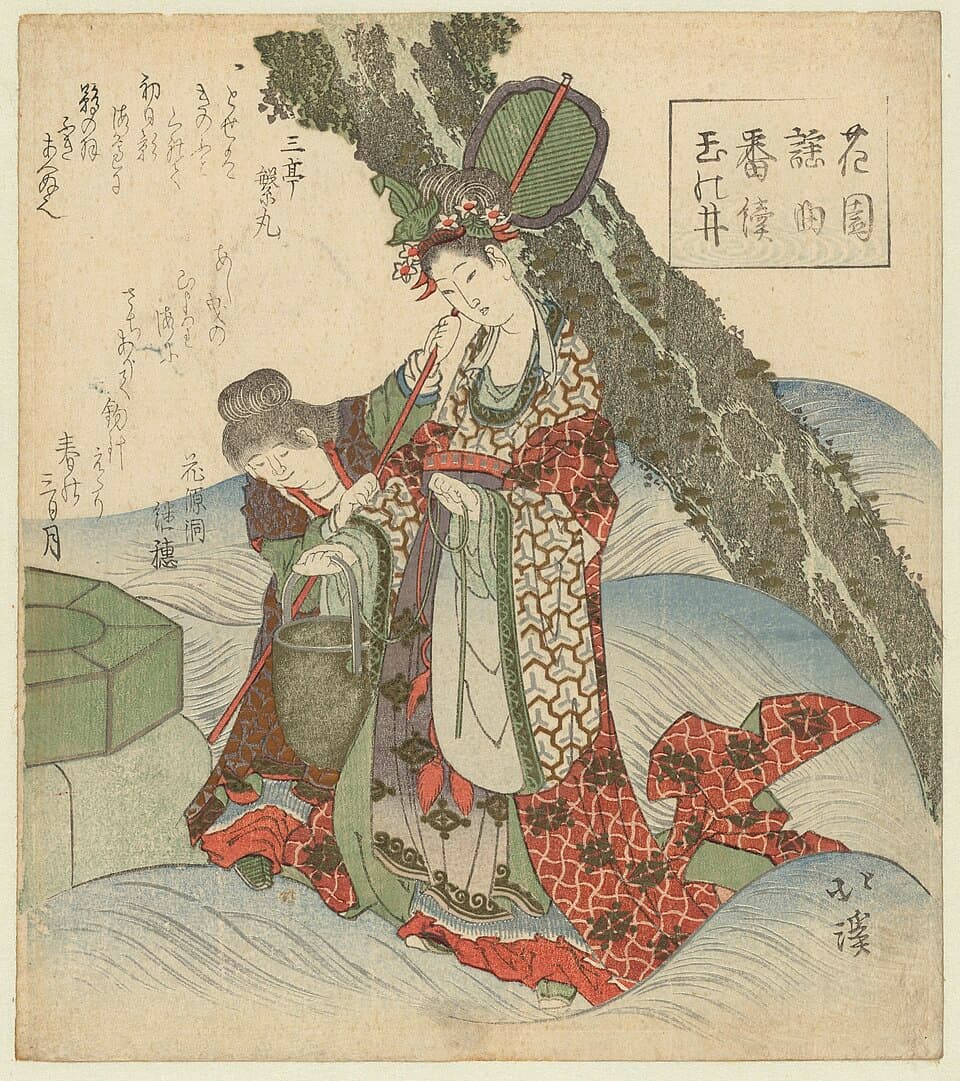
Japan
Toyotama-hime is a goddess in Japanese mythology who appears in Kojiki and Nihon Shoki. She is the daughter of the sea …
Read →

Japan
Toyouke-hime is the deity (kami) of food and grain in Japan. Originally enshrined in the Tanba Province, it is said she…
Read →
Asia
Trāṇamukta is a Bodhisattva that appears toward the end of the Bhaiṣajyaguruvaiḍūryaprabharāja Sūtra, the Mahāyāna text …
Read →

Ancient Rome
In Roman mythology, Tranquillitas was one of the Imperial virtues and the personification of tranquility. She began to …
Read →
Polynesia
Transcendentalism is a philosophical, spiritual, and literary movement that developed in the late 1820s and 1830s in the…
Read →

Asia
Transfer of merit is a standard part of Buddhist spiritual discipline where the practitioner's merit, resulting from goo…
Read →

Ancient Mesopotamia
Trial by ordeal was an ancient judicial practice by which the guilt or innocence of the accused was determined by subjec…
Read →

North America
In mythology and the study of folklore and religion, a trickster is a character in a story who exhibits a great degree o…
Read →
Indian subcontinent
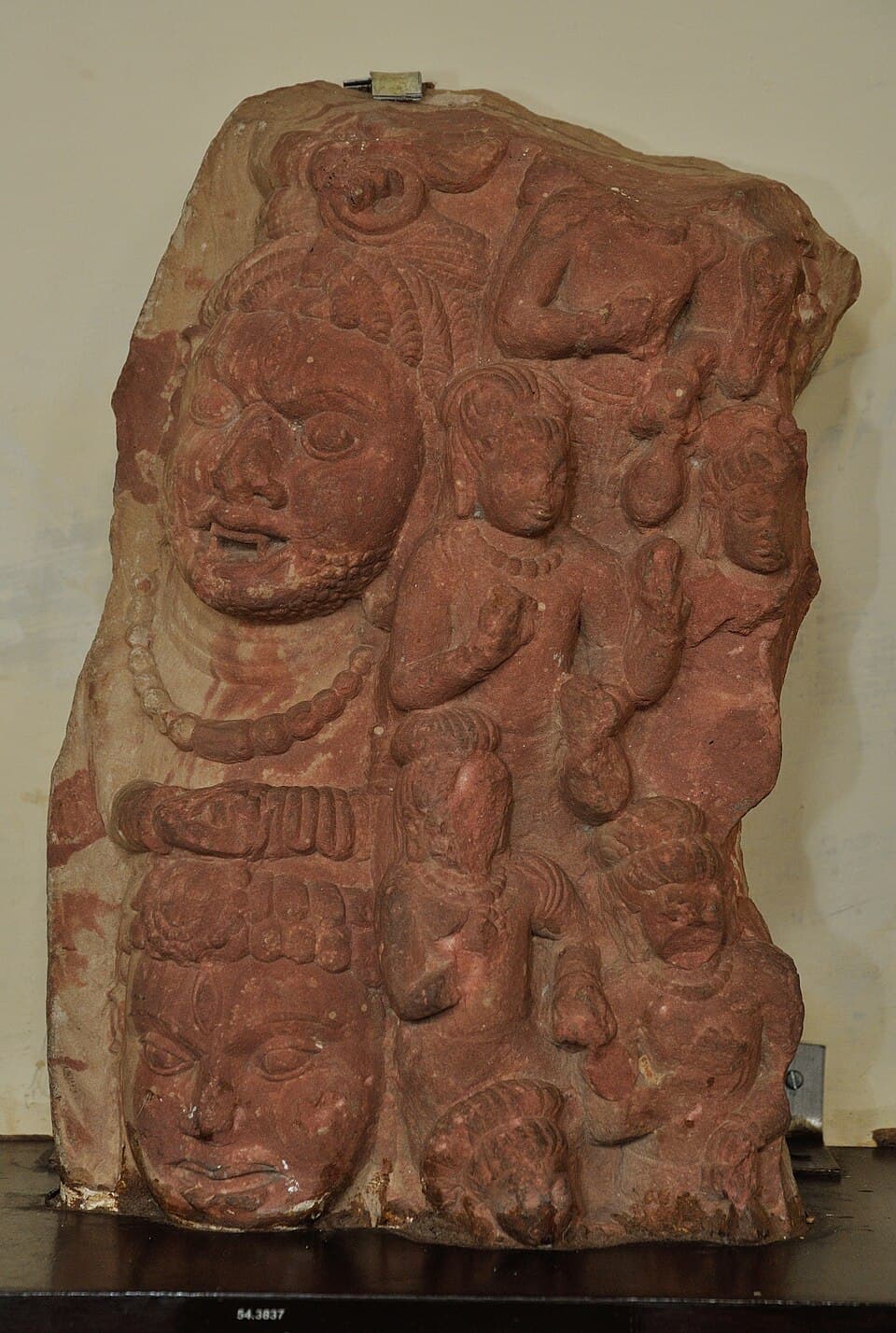
The Thirty-three gods, or Trayastrimshaddevas, is a pantheon of Rigvedic deities of the current manvantara. The Samhita…
Read →

Ancient Greece
The trident of Poseidon and his Roman equivalent, Neptune, has been their traditional divine attribute in many ancient d…
Read →
Indian subcontinent
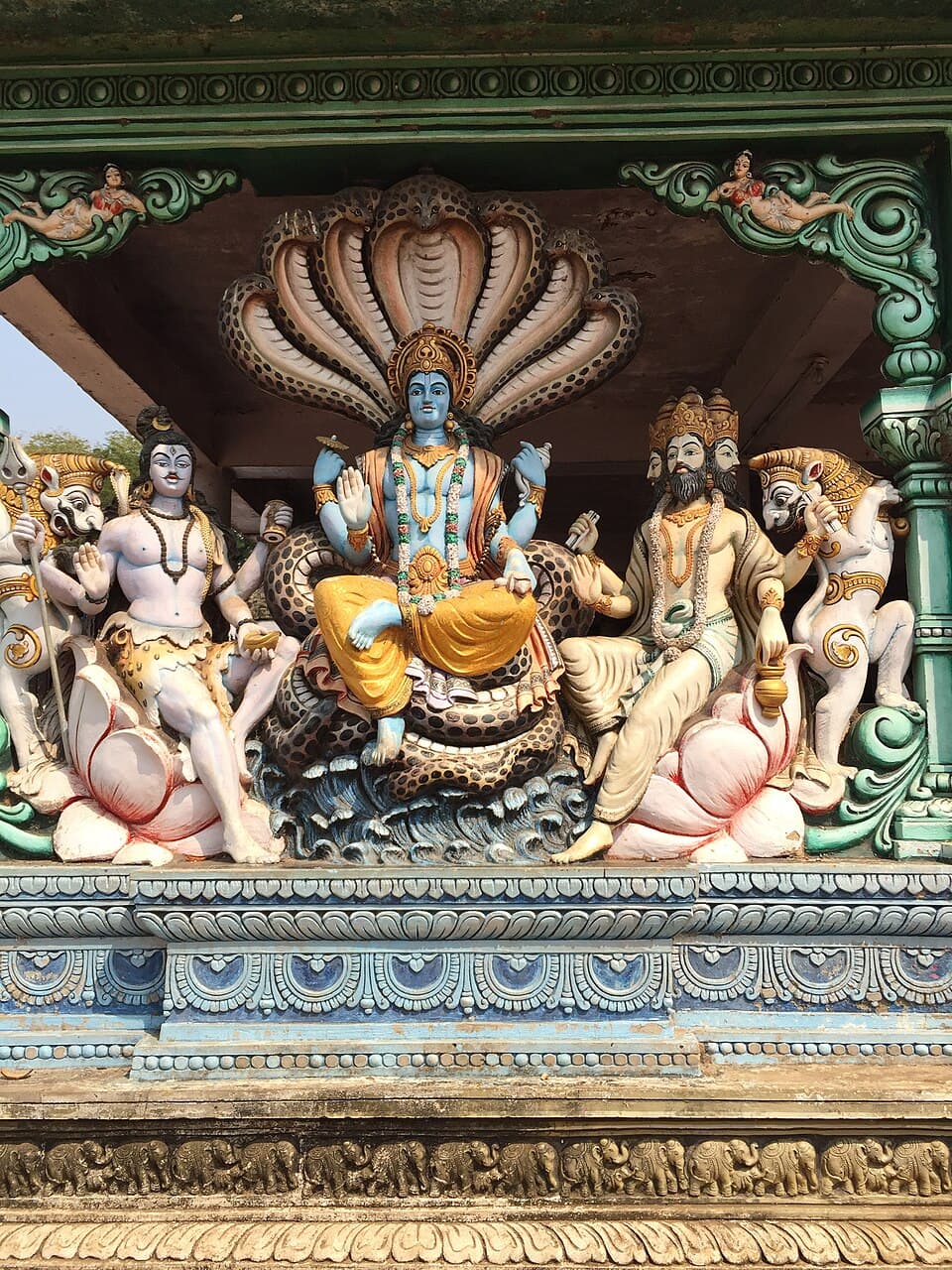
The Trimurti is the triple deity of supreme divinity in Hinduism, in which the cosmic functions of creation, preservatio…
Read →
Indian subcontinent
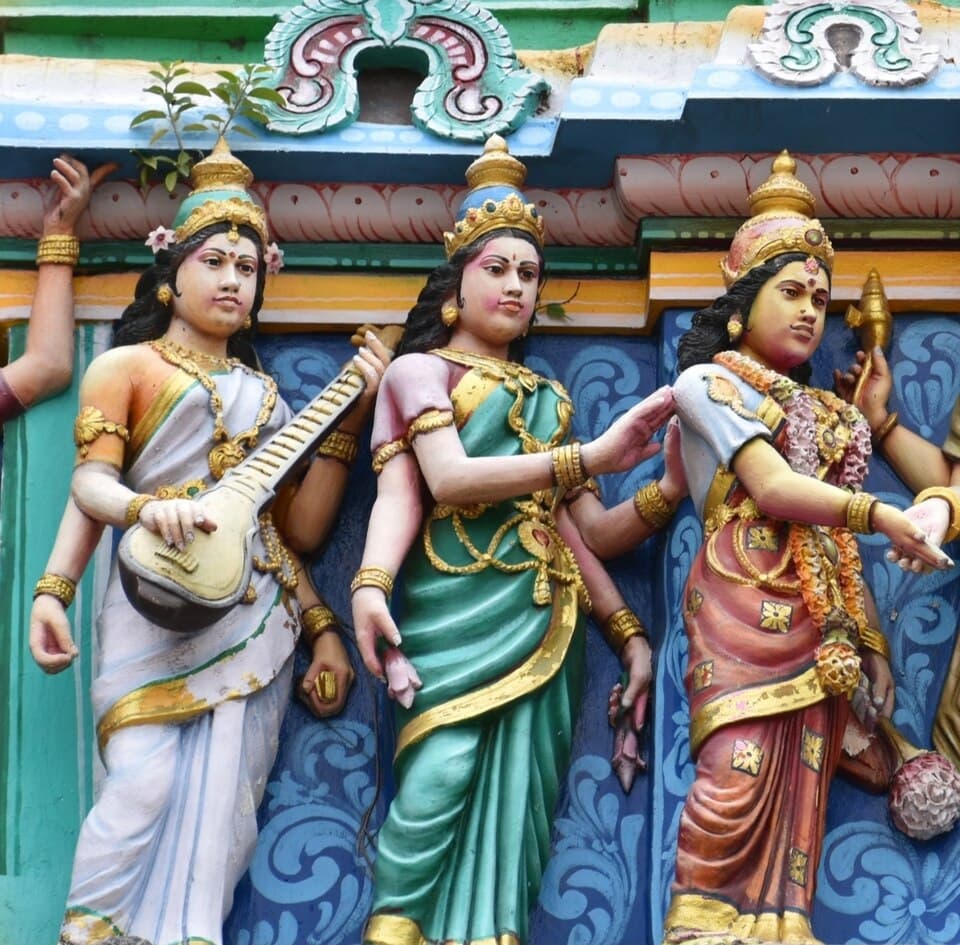
The Tridevi form a trinity of supreme divinity in Hinduism, combining a triad of eminent goddesses either as a feminine …
Read →
Indian subcontinent
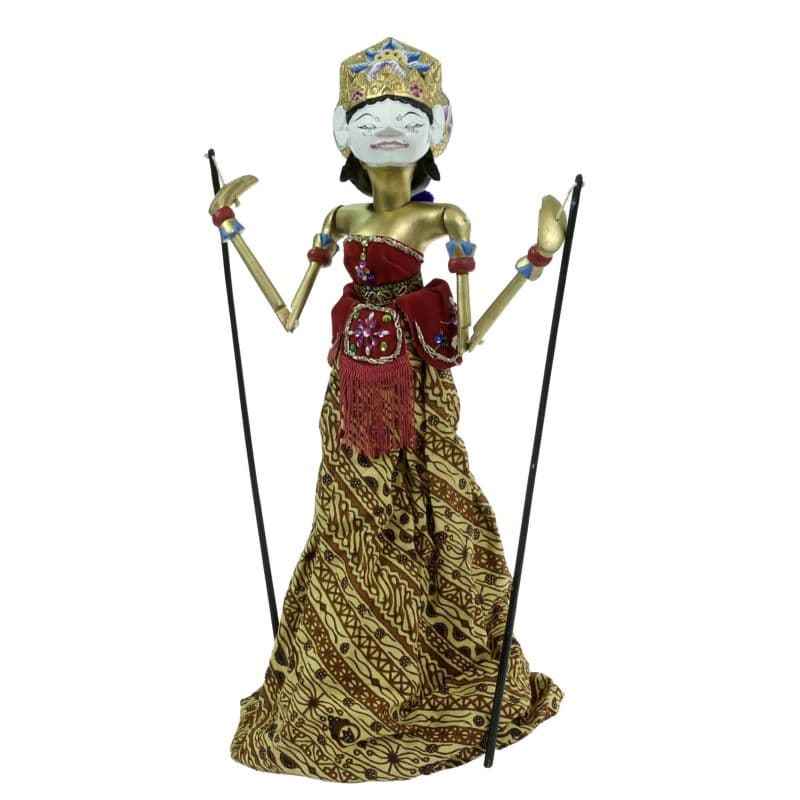
Trijata is a rakshasi (demoness) in the Hindu epic Ramayana who is assigned the duty of guarding goddess Sita who was ki…
Read →
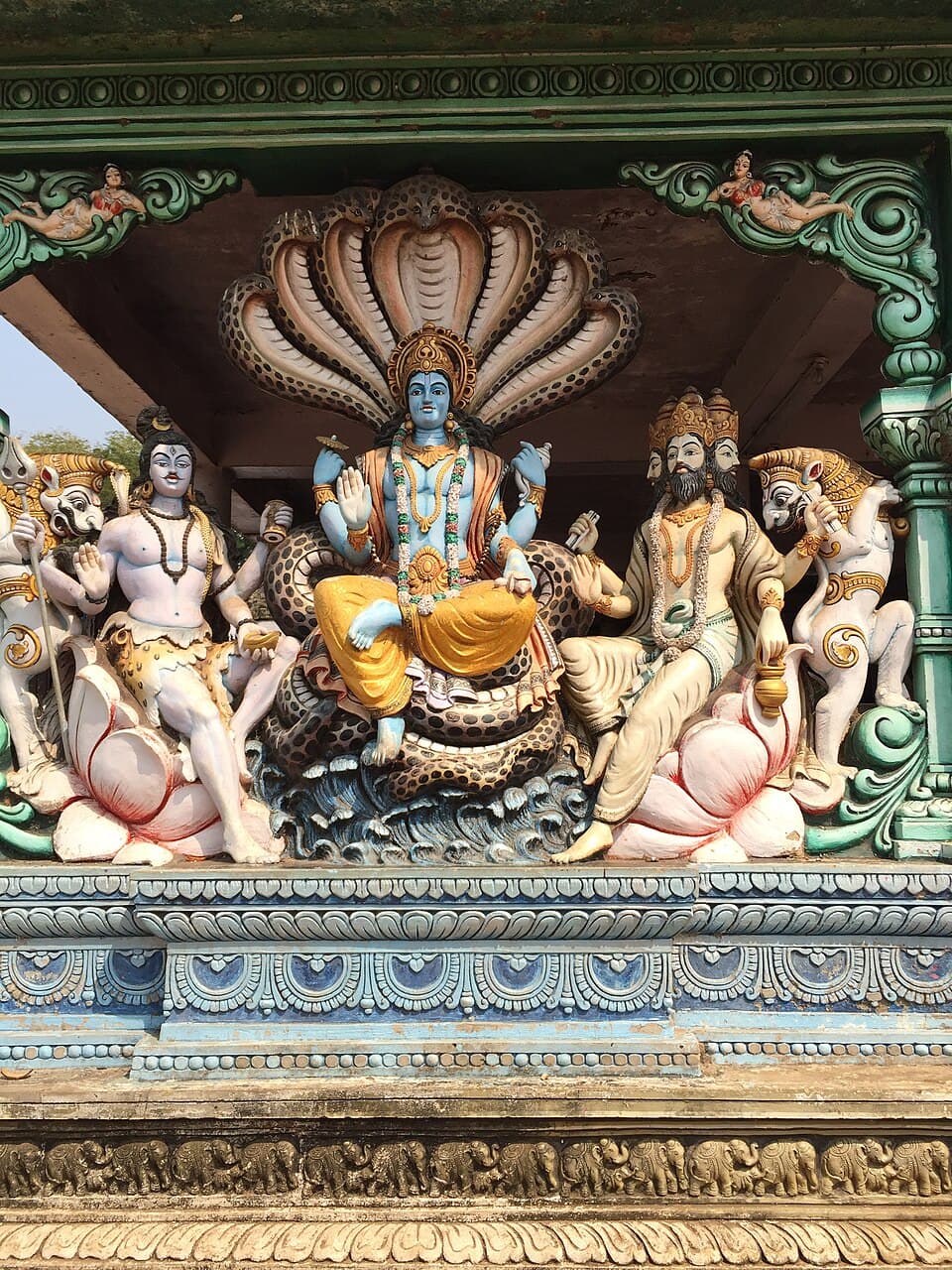
Indian subcontinent
The Trimurti is the triple deity of supreme divinity in Hinduism, in which the cosmic functions of creation, preservatio…
Read →

Inca Empire
Trinidad Orisha, also known as Orisha religion and Shango, is a syncretic religion in Trinidad and Tobago and the Caribb…
Read →
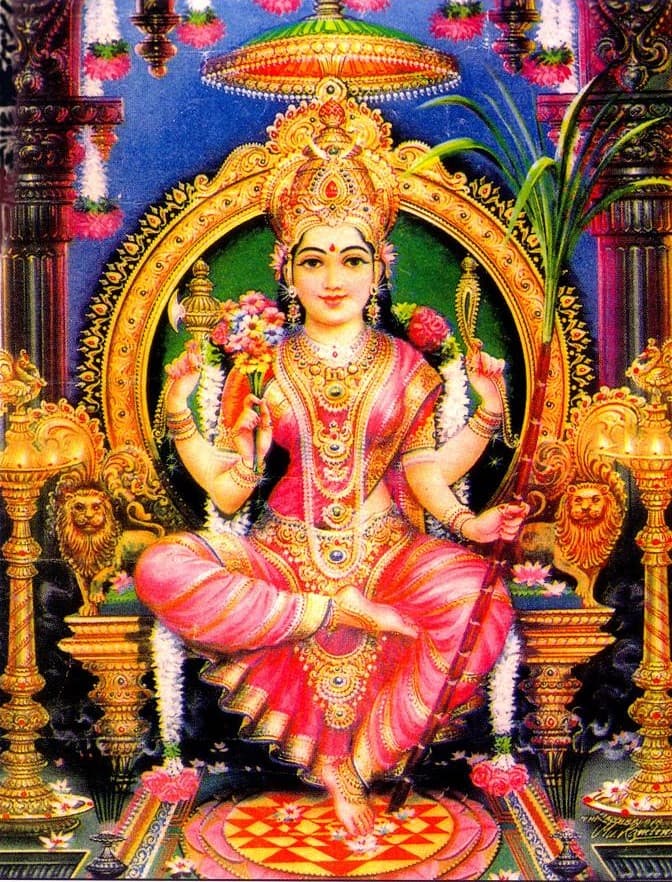
Indian subcontinent
Tripura Sundari, also known as Lalita, Shodashi, Kamakshi, and Rajarajeshvari, is a Hindu goddess revered primarily with…
Read →
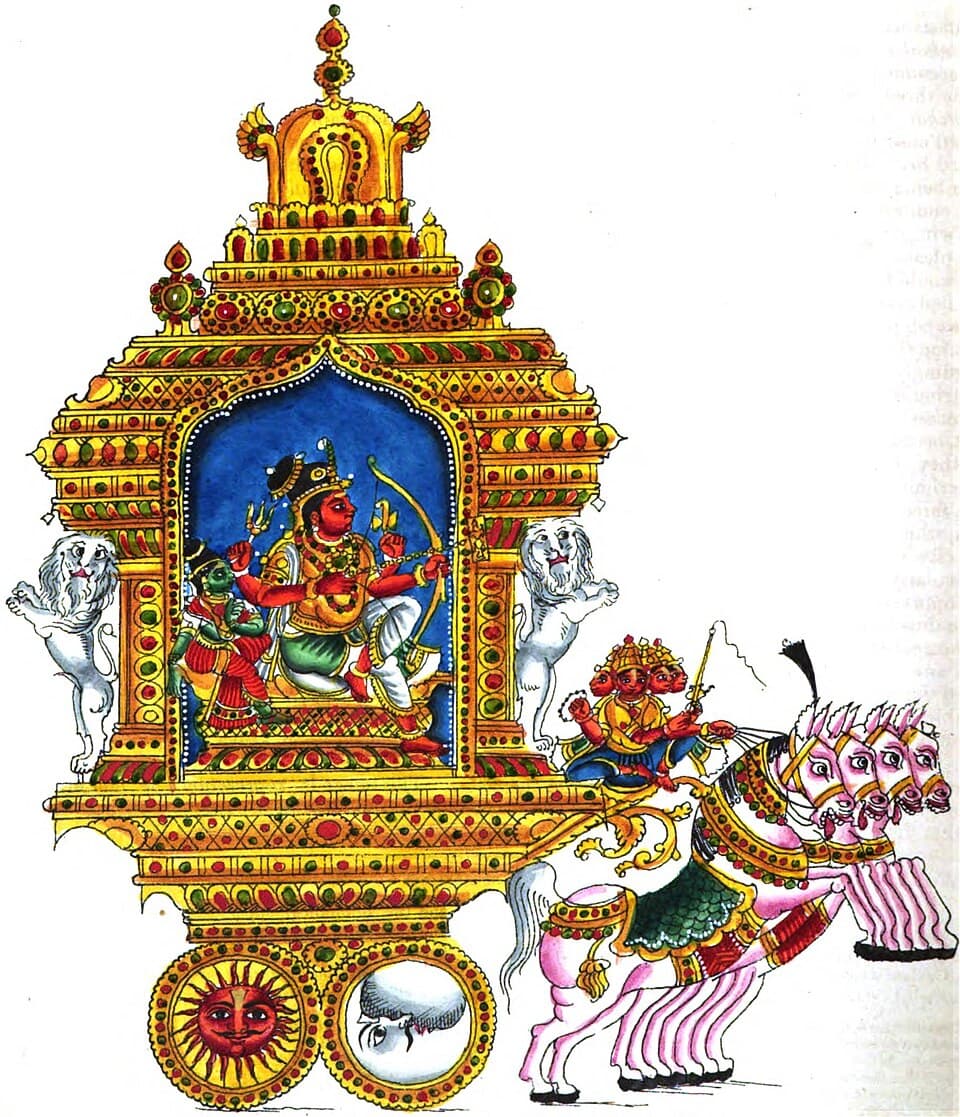
Indian subcontinent
Tripurantaka or Tripurari is a manifestation of the Hindu god Shiva. This form of the deity is written in a Purana lite…
Read →
Ancient Greece
Triteia was, in Greek mythology, the daughter of the sea god Triton and the nymph Tritonis as well as the mother, by Are…
Read →