Greek800 BCE – 400 CE
Tritopatores
Ancient Greece
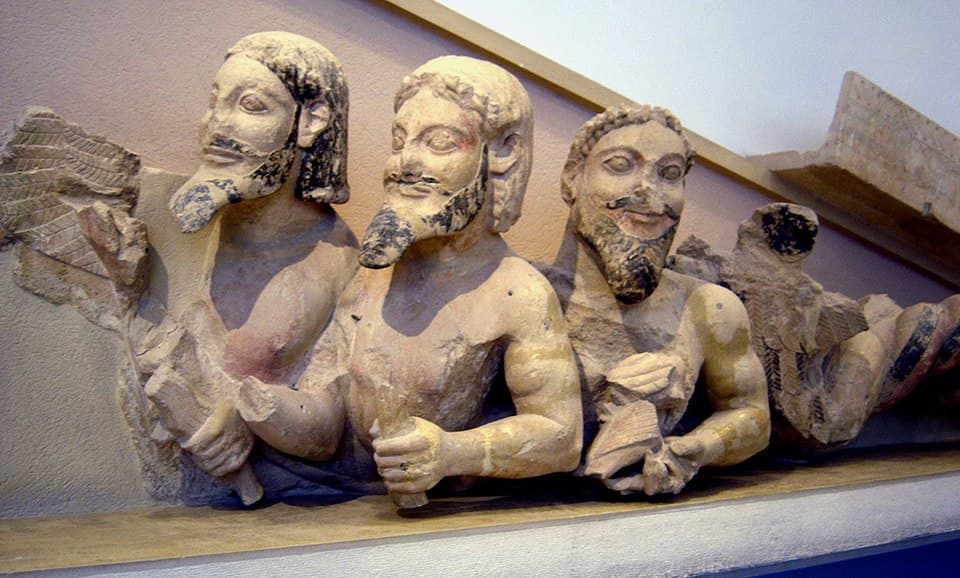
In ancient Greek religion and mythology, the Tritopatores are three benevolent wind gods worshipped in Athens as deities…
Read →
Research Index
An archive of 3,493 gods, deified rulers, and mythological figures across civilizations — from living gods of Egypt to the dying gods of antiquity.
Ancient Greece
In ancient Greek religion and mythology, the Tritopatores are three benevolent wind gods worshipped in Athens as deities…
Read →
Ancient Greece
Trophonius was a Greek hero or daimon or god—it was never certain which one—with a rich mythological tradition and an or…
Read →
Japan
Tsukuyomi or Tsukiyomi (ツキヨミ), also Tsukuyomi-no-Mikoto , is the moon kami in Japanese mythology and the Shinto religion…
Read →
Polynesia
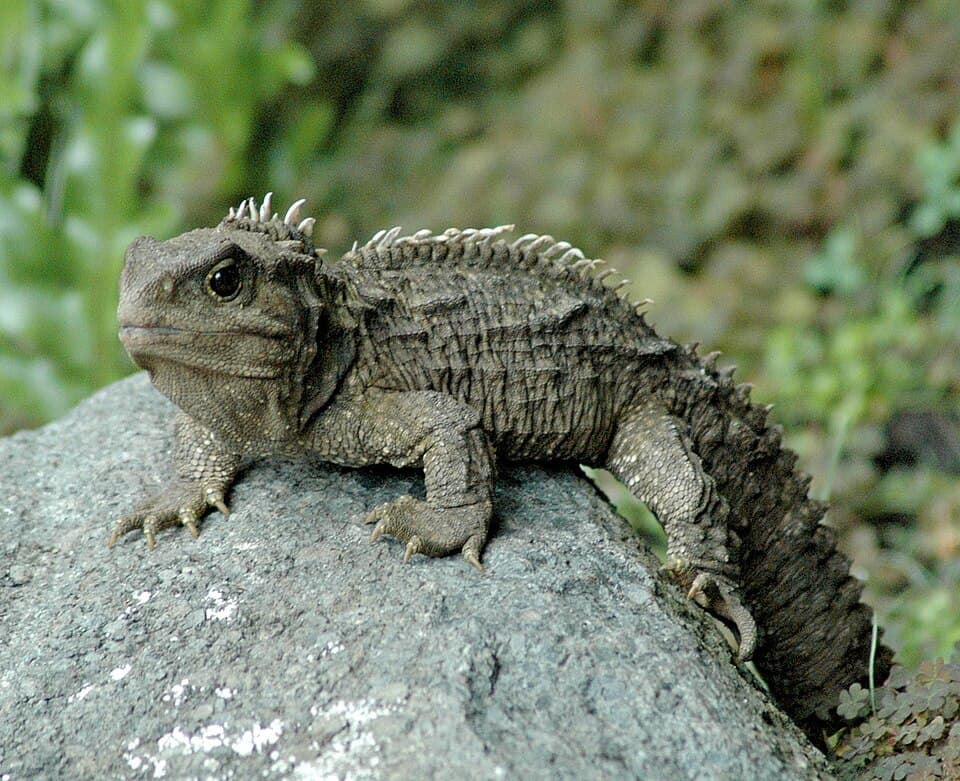
Tū-te-wehiwehi is the father of all reptiles in Māori mythology.
Read →
China
Tu'er Shen, Hu Tianbao or Tu Shen, is a Chinese deity who manages love and sex between men. His name literally means "r…
Read →
Etruria
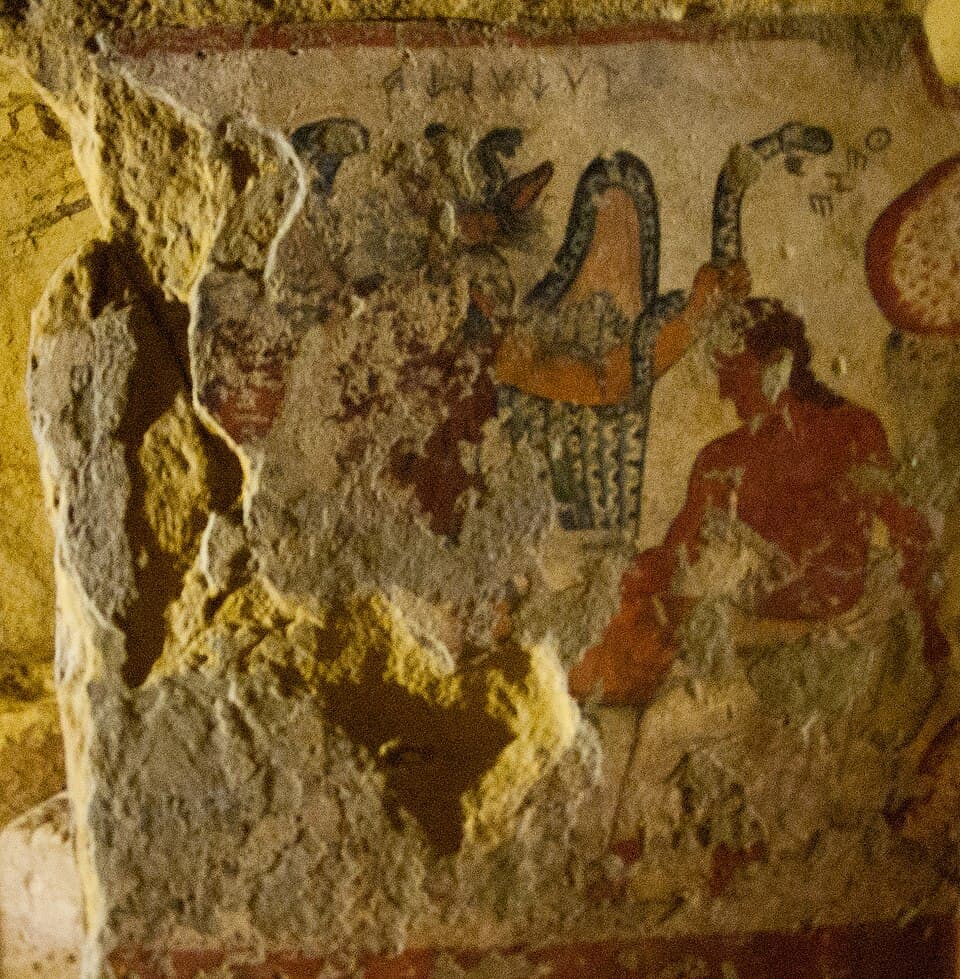
In Etruscan mythology, Tuchulcha was a chthonic daemon with pointed ears, hair made of snakes, and a beak. Tuchulcha li…
Read →
China
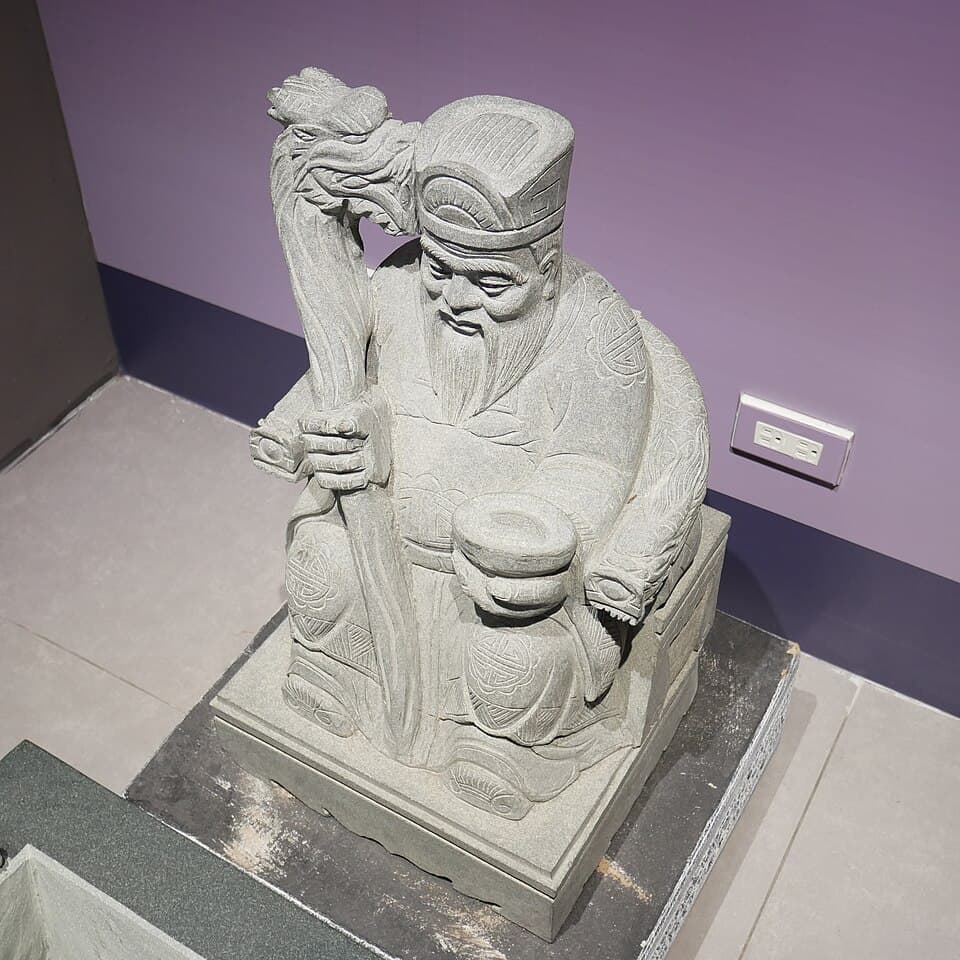
A Tudigong is a kind of Chinese tutelary deity of a specific location. There are several Tudigongs corresponding to dif…
Read →
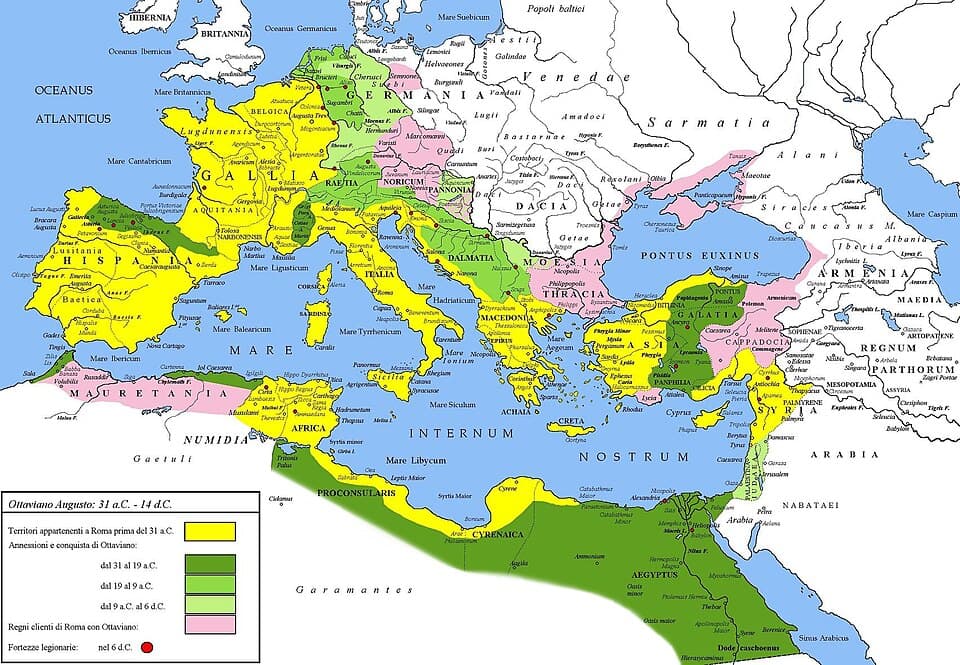
Scandinavia
According to Tacitus's Germania, Tuisto is the legendary divine ancestor of the Germanic peoples. The figure remains th…
Read →
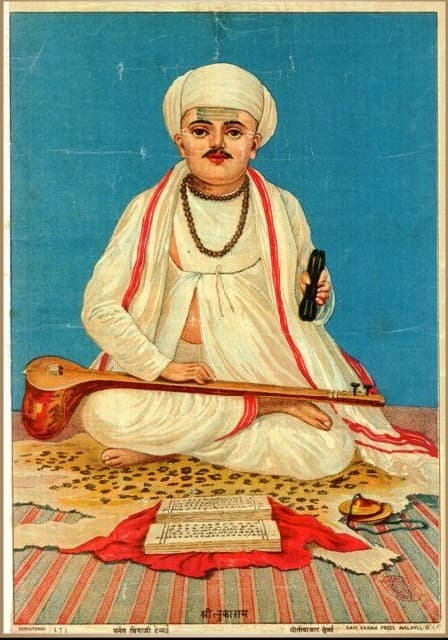
Indian subcontinent
Tukaram, also known as Tuka, Tukobaraya, and Tukoba, was a Hindu Marathi saint of the Warkari Sampradaya who lived in th…
Read →
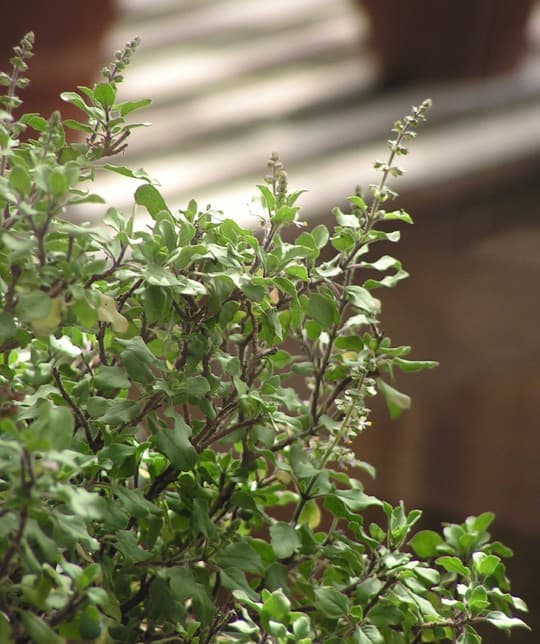
Indian subcontinent
Tulasi, Tulsi or Vrinda is a sacred plant in Hindu tradition. Hindus regard it as an earthly manifestation of the godde…
Read →
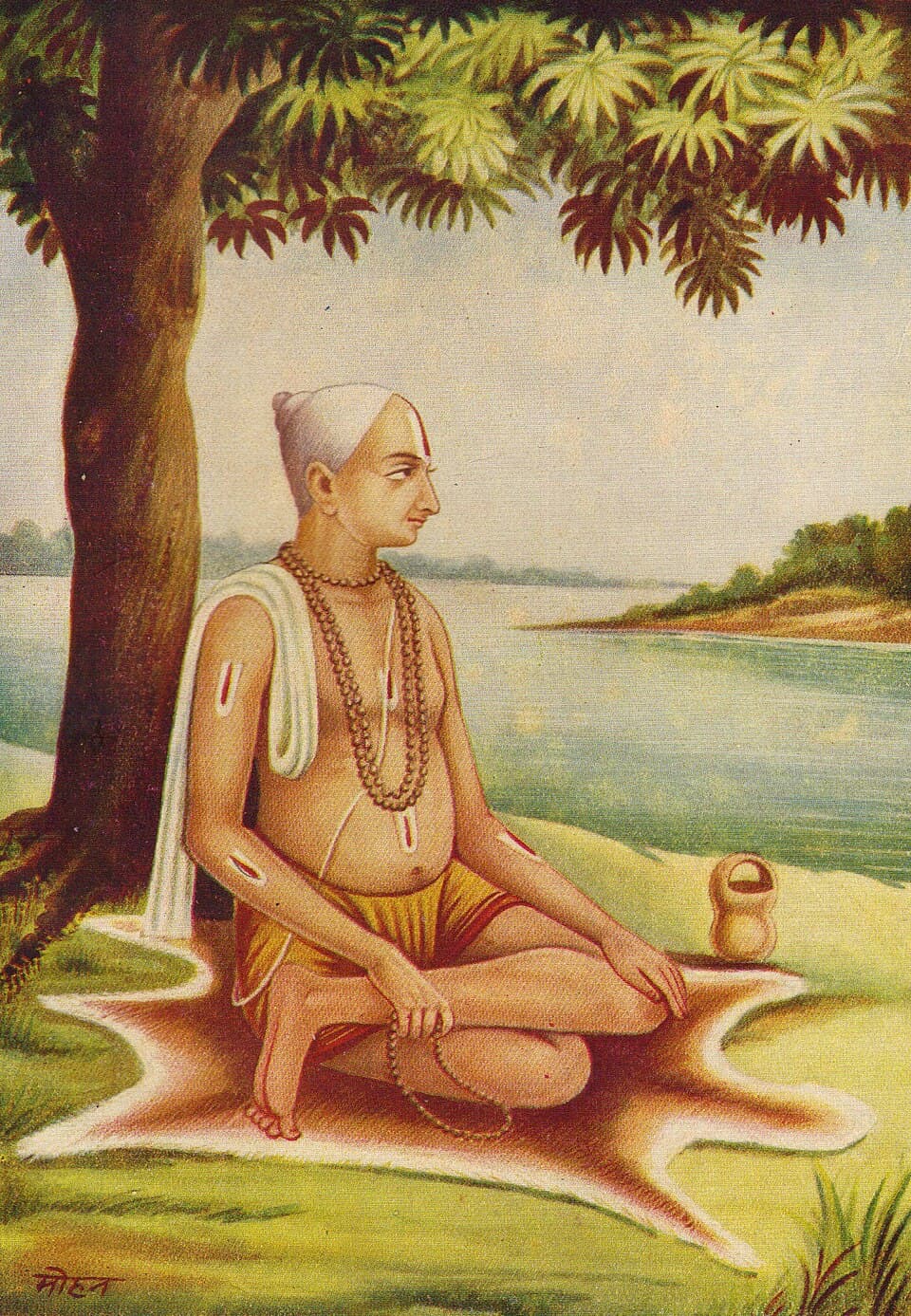
Indian subcontinent
Rambola Dubey, popularly known as Goswami Tulsīdās, was a Vaishnava (Ramanandi) Hindu saint, devotee (भक्त) and poet, re…
Read →

Polynesia
In Māori mythology, Tūmatauenga is the primary god of war and human activities such as hunting, food cultivation, fishin…
Read →
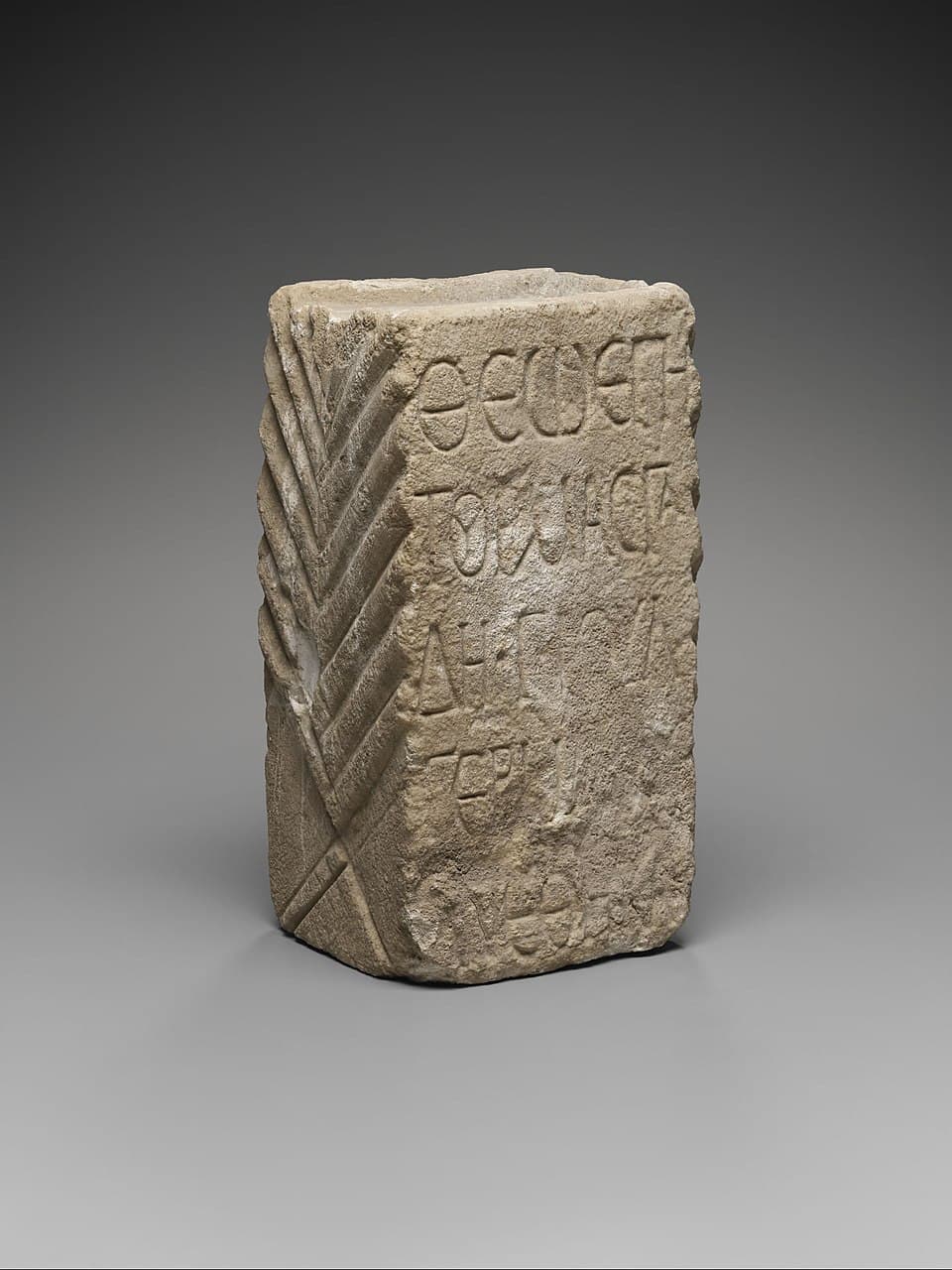
Ancient Levant
Turmasgade is a little known god, known from about 10 inscriptions from the Roman Empire. The name 'Turmasgade' is Aram…
Read →
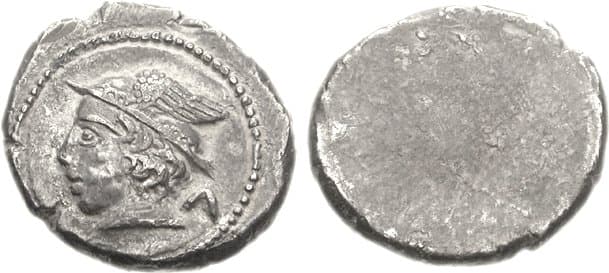
Etruria
In Etruscan religion, Turms was the equivalent of Roman Mercury and Greek Hermes, both gods of trade and the messenger g…
Read →
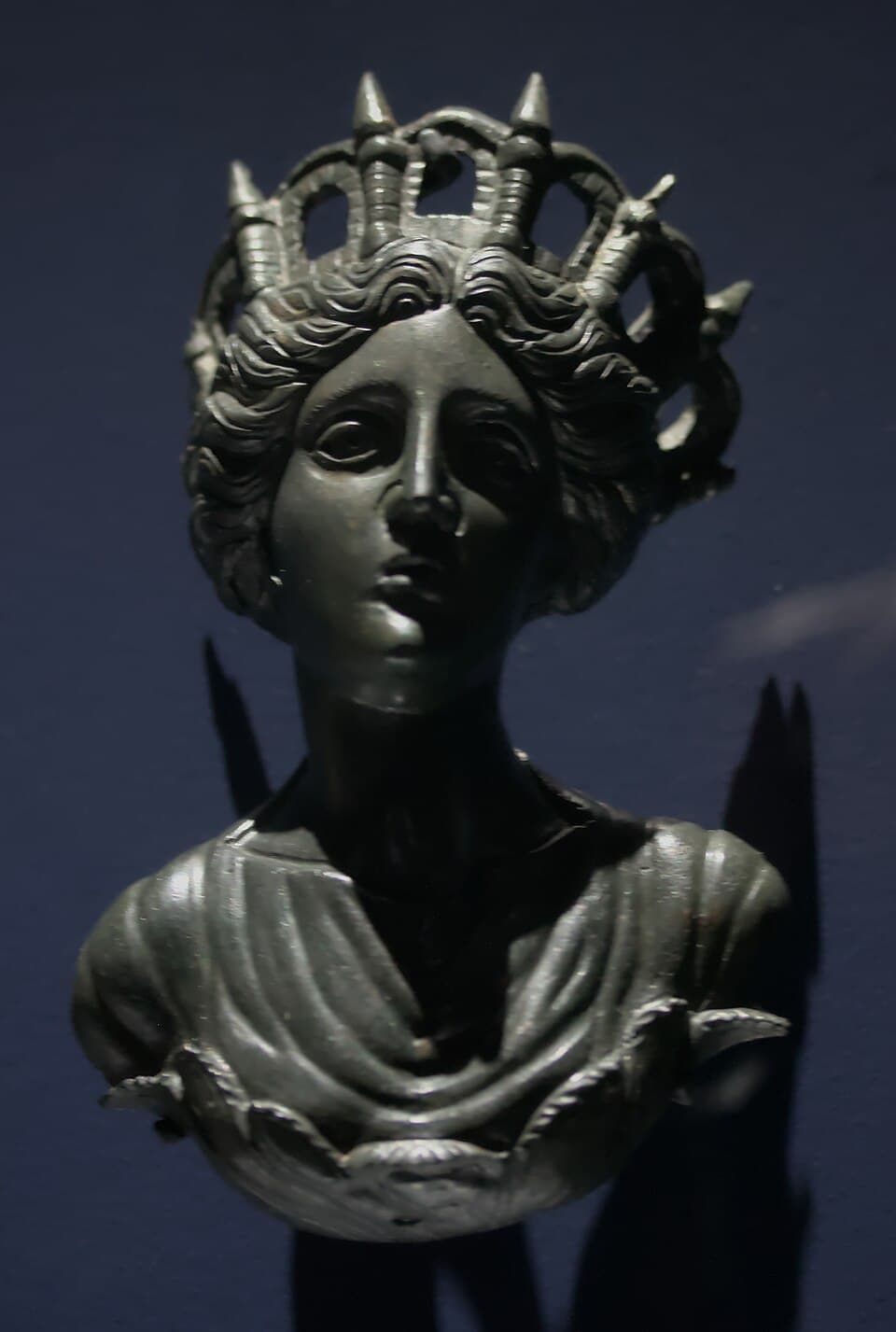
Ancient Rome
In ancient Roman culture and mythology, Tutela was a goddess and divine personification of "guardianship. " As a concept…
Read →
Ancient Mesopotamia
A tutelary is a deity or a spirit who is a guardian, patron, or protector of a particular place, geographic feature, per…
Read →
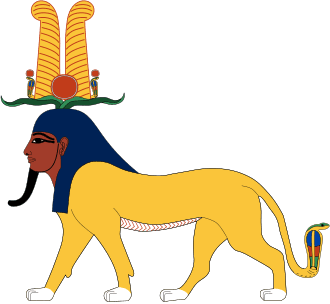
Ancient Egypt
Tutu was an Egyptian god worshipped by ordinary people all over Egypt during the Late Period. The only known temple ded…
Read →
Ancient Mesopotamia
Tutu is a god from ancient Mesopotamia and patron deity of Borsippa, a city near Babylon. He appears in the name of an …
Read →
Indian subcontinent
Tvarita is a goddess primarily featured in Tantric Hinduism. She is depicted to be a member of the group of fifteen yog…
Read →
Indian subcontinent
Tvashtr or Tvashta is a Vedic Hindu artisan god or fashioner. Tvashtr is sometimes identified with another artisan deit…
Read →
Indian subcontinent
Tvashtr or Tvashta is a Vedic Hindu artisan god or fashioner. Tvashtr is sometimes identified with another artisan deit…
Read →
China
Twelve Flower Fairies is a deity of the Chinese pantheon.
Read →
Ancient Greece
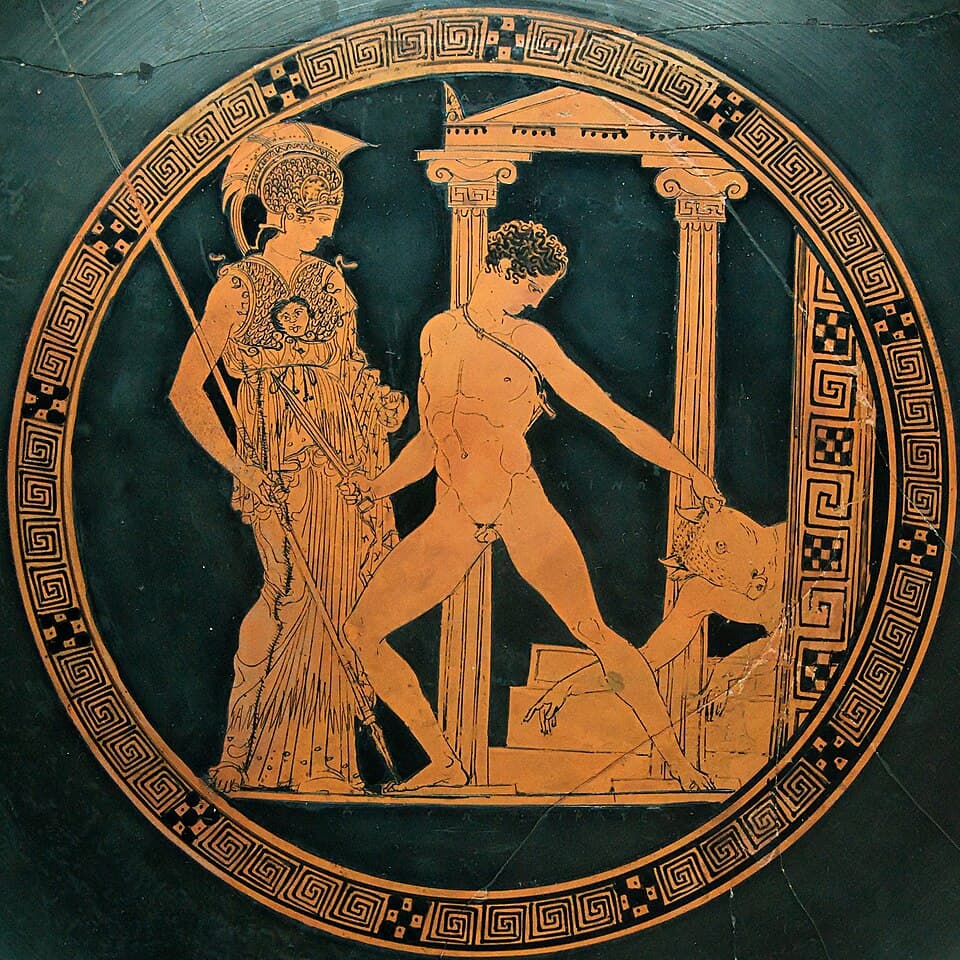
In ancient Greek religion and mythology, the twelve Olympians are the major deities of the Greek pantheon, commonly cons…
Read →

Inca Empire
Twelver Shi'ism is the largest branch of Shia Islam. Twelver Shi'as believe that the Twelve Imams are divinely appointe…
Read →
Ancient Egypt
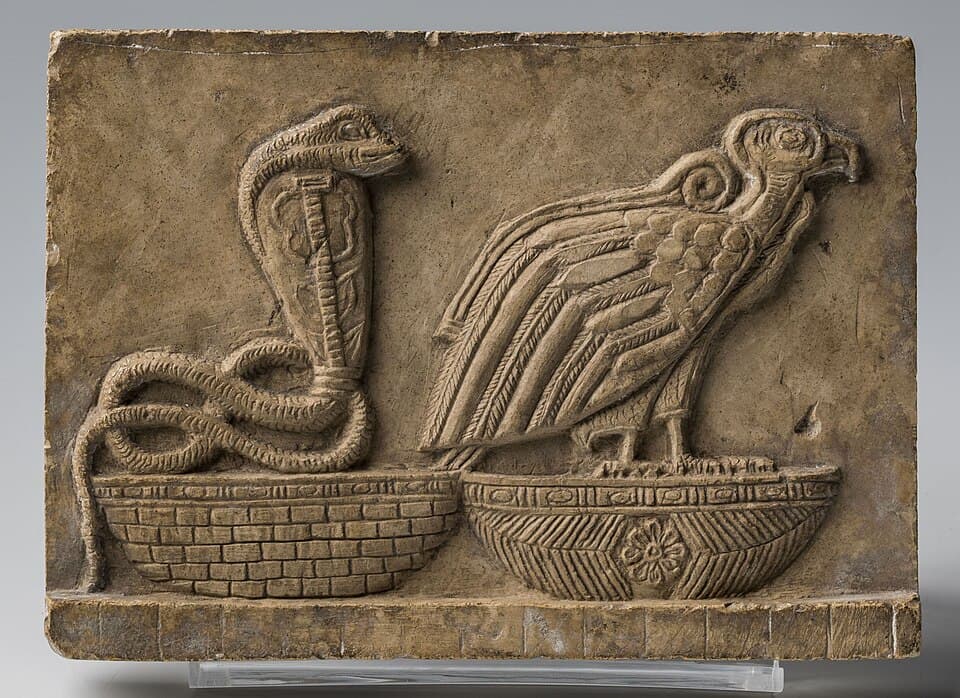
In Ancient Egyptian texts, the "Two Ladies" was a religious epithet for the goddesses Wadjet and Nekhbet, two deities wh…
Read →

Ancient Mesopotamia
Tyche was the presiding tutelary deity who governed the fortune and prosperity of a city, its destiny. In Classical Gre…
Read →
Ancient Rome
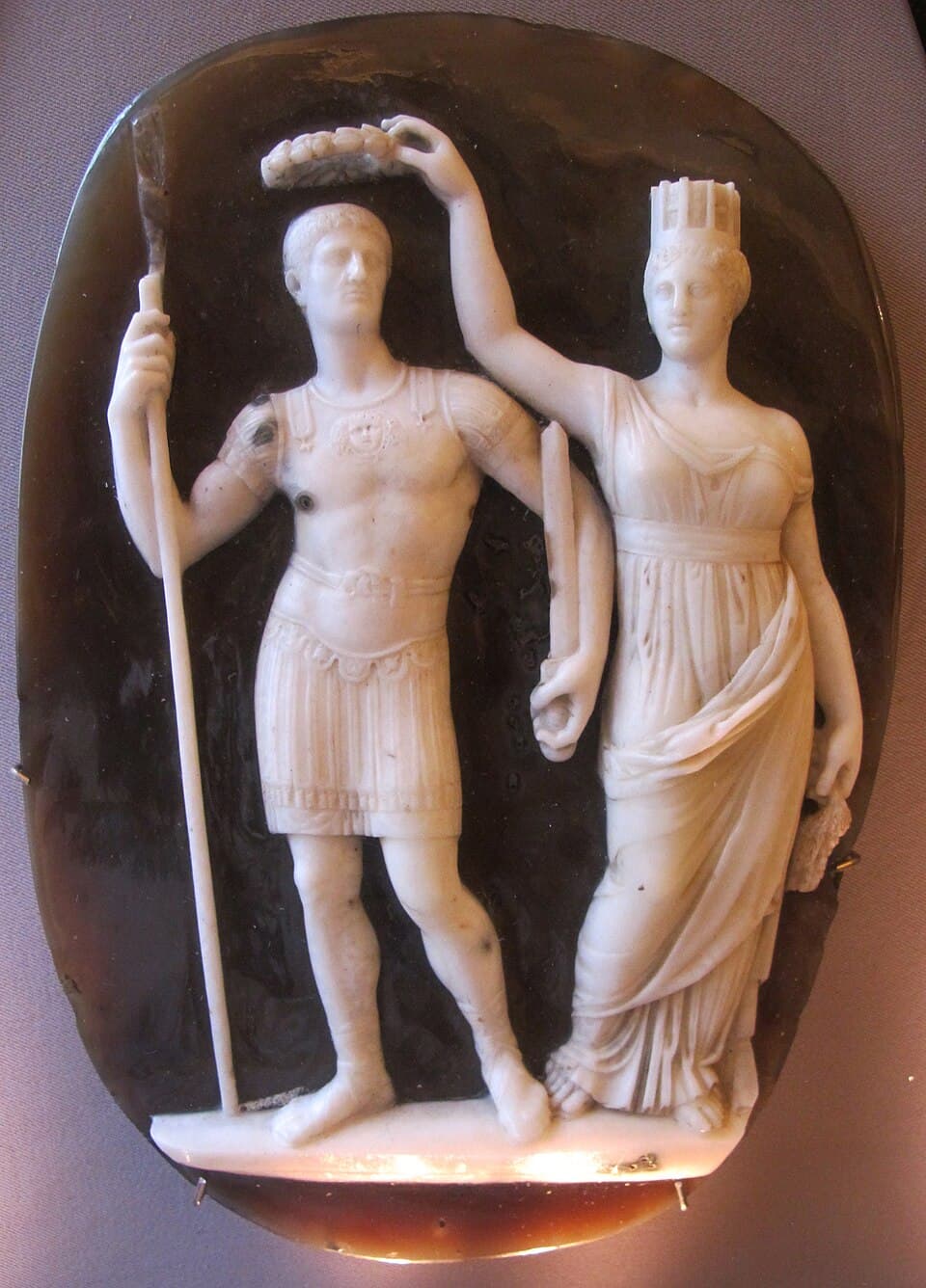
The Tyche of Constantinople was the deity of fortune (Tyche) who embodied the guardianship (tutela) of the city of Const…
Read →
Ancient Greece
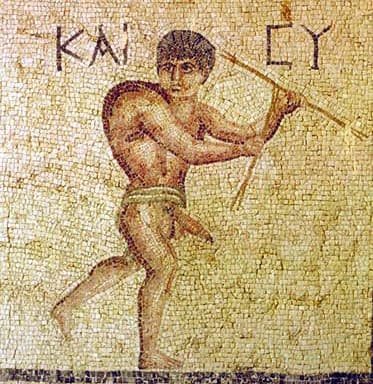
Tychon or Tykhon is the name of two minor deities in Greek mythology. One was a daemon of fertility associated with Pha…
Read →

Ancient Egypt
The tyet, sometimes called the knot of Isis or girdle of Isis, is an ancient Egyptian symbol that came to be connected w…
Read →
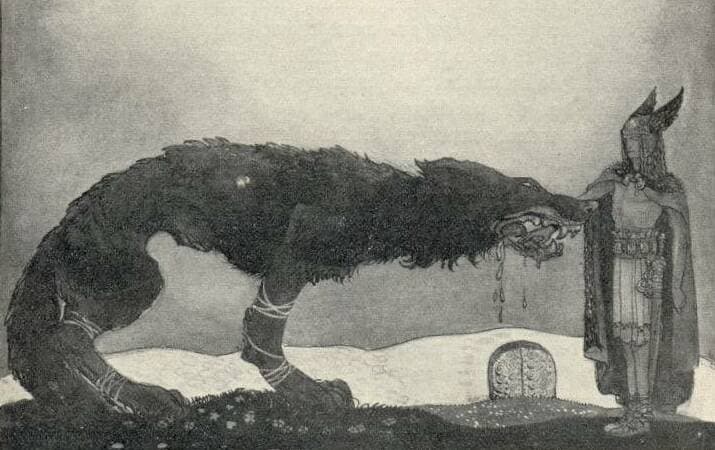
Scandinavia
Týr is a god in Germanic mythology and member of the Æsir. In Norse mythology, which provides most of the surviving nar…
Read →
Maya civilization
In Maya mythology, Tzacol or Tzakol was a sky god and one of the creator deities.
Read →
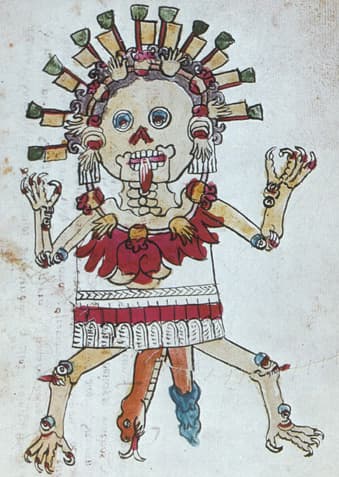
Aztec Empire
A Tzitzimītl is a type of celestial deity associated with stars in Aztec mythology. They were depicted as skeletal fema…
Read →
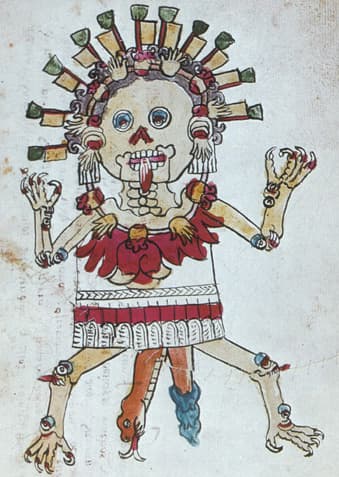
Aztec Empire
A Tzitzimītl is a type of celestial deity associated with stars in Aztec mythology. They were depicted as skeletal fema…
Read →
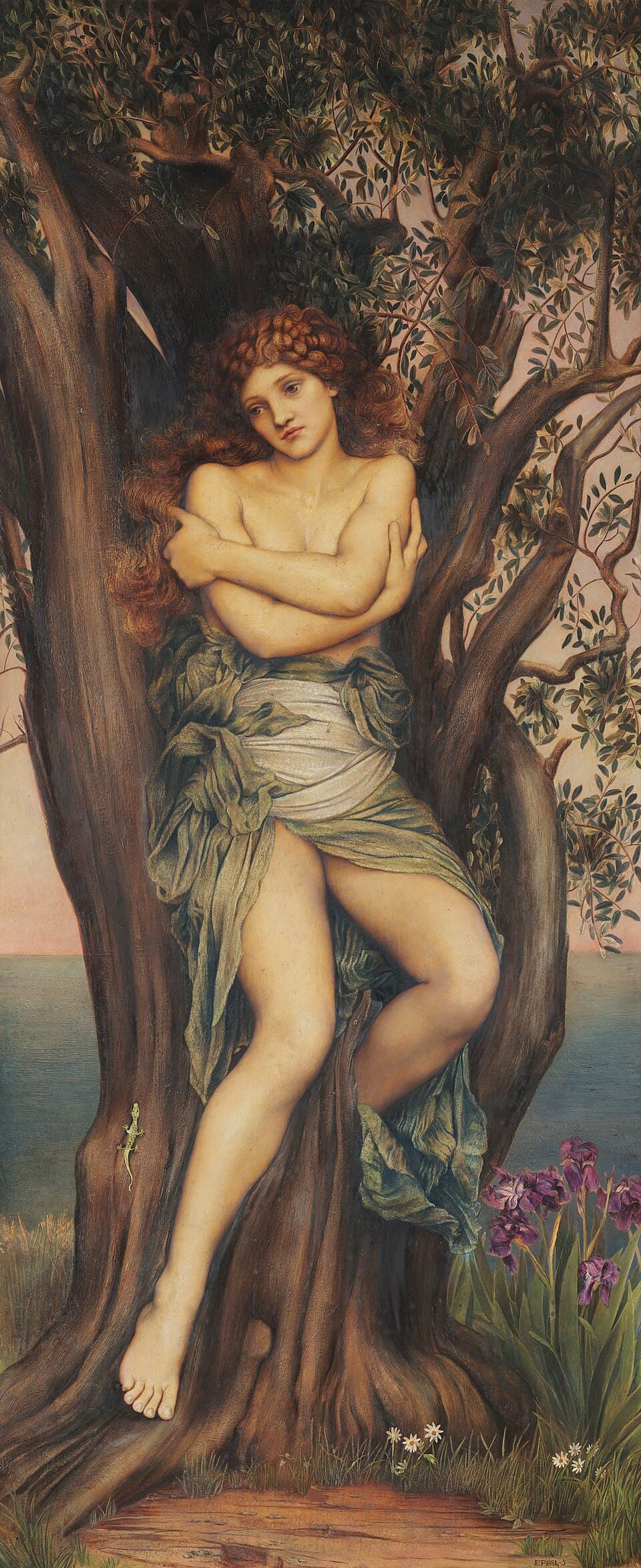
Ancient Mesopotamia
In religion, a nature deity is a deity in charge of forces of nature, such as water, biological processes, or weather. …
Read →
Japan
Ubusunagami in Shinto are tutelary kami of one's birthplace.
Read →
Ancient Mesopotamia
The udug, later known in Akkadian as the utukku, were an ambiguous class of demons from ancient Mesopotamian mythology f…
Read →
Polynesia
Uenuku is an atua of rainbows and a prominent ancestor in Māori tradition. Māori believed that the rainbow's appearance…
Read →
Japan
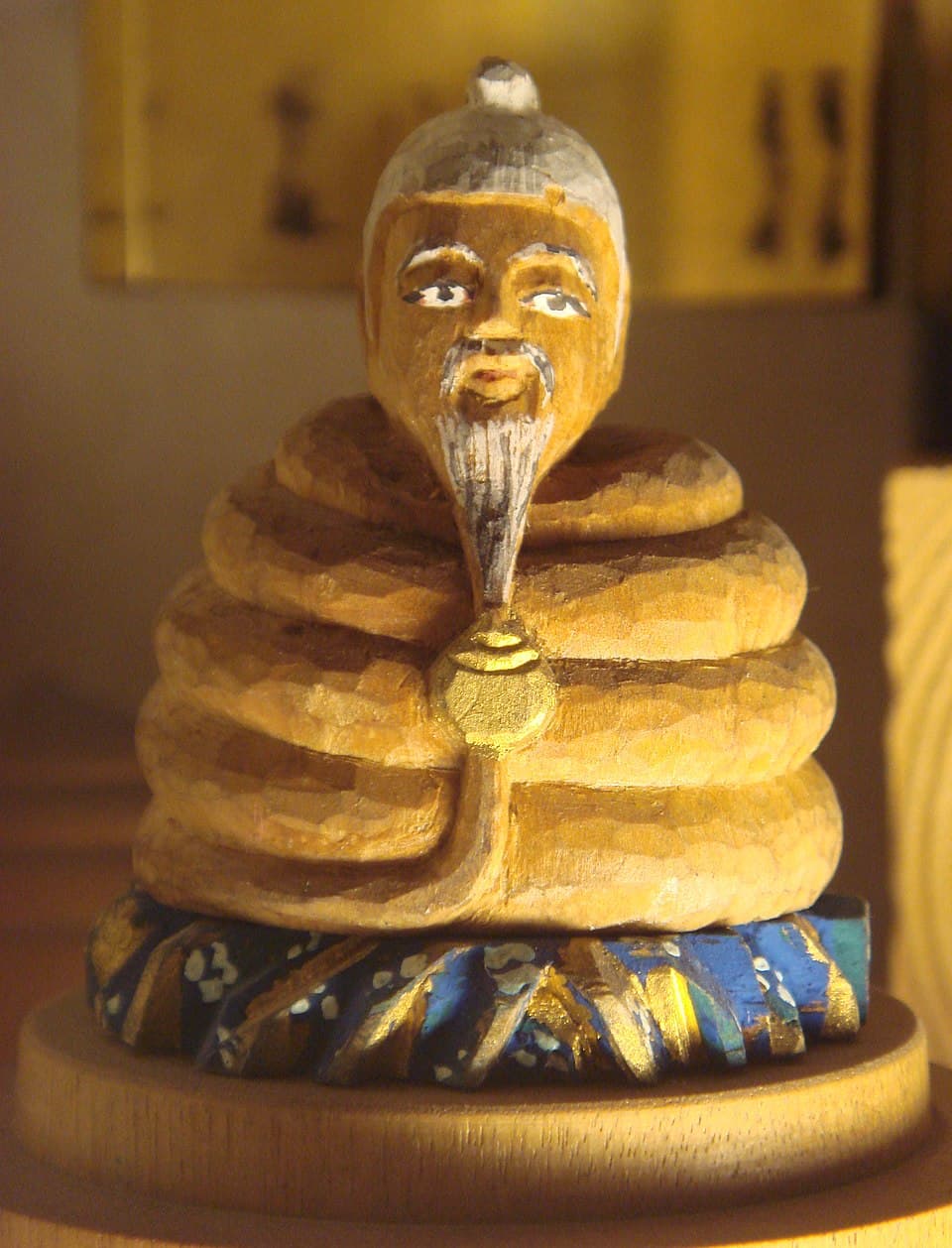
Ugajin (宇賀神) is a harvest and fertility kami of Japanese mythology. Ugajin is represented both as a male and a female, …
Read →
Ancient Mesopotamia
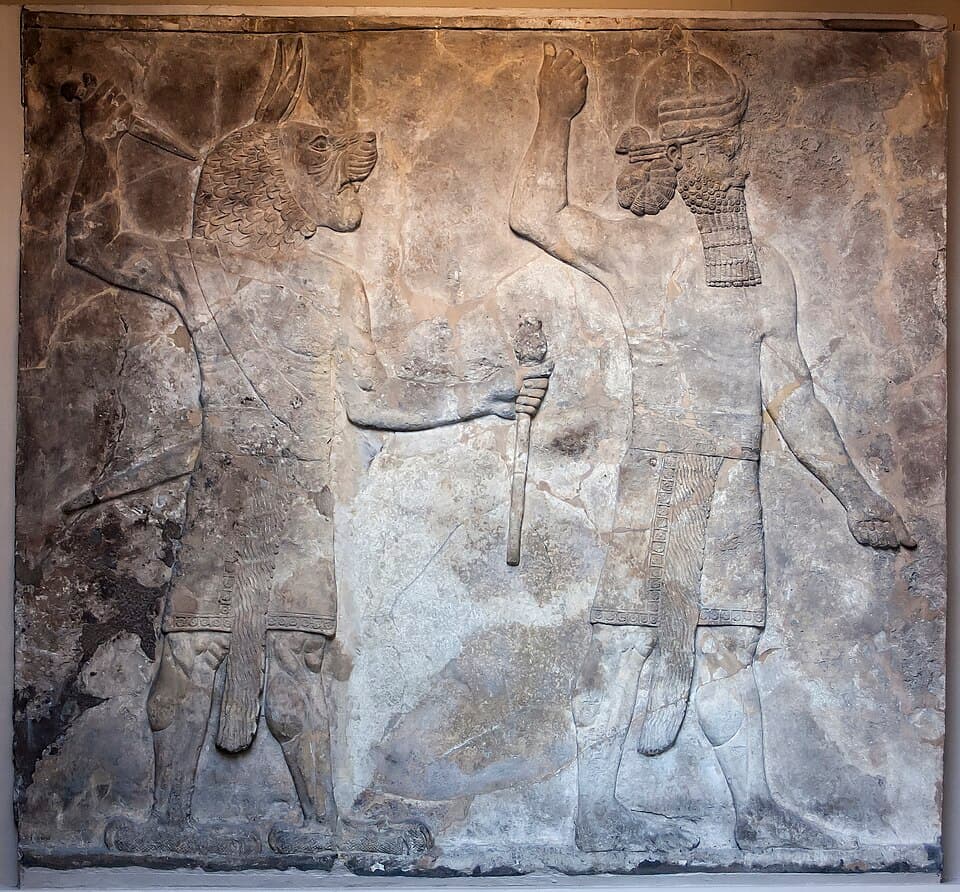
Ugallu, the "Big Weather-Beast",. It was a lion-headed storm-demon and has the feet of a bird who is featured on protec…
Read →
Ancient Egypt
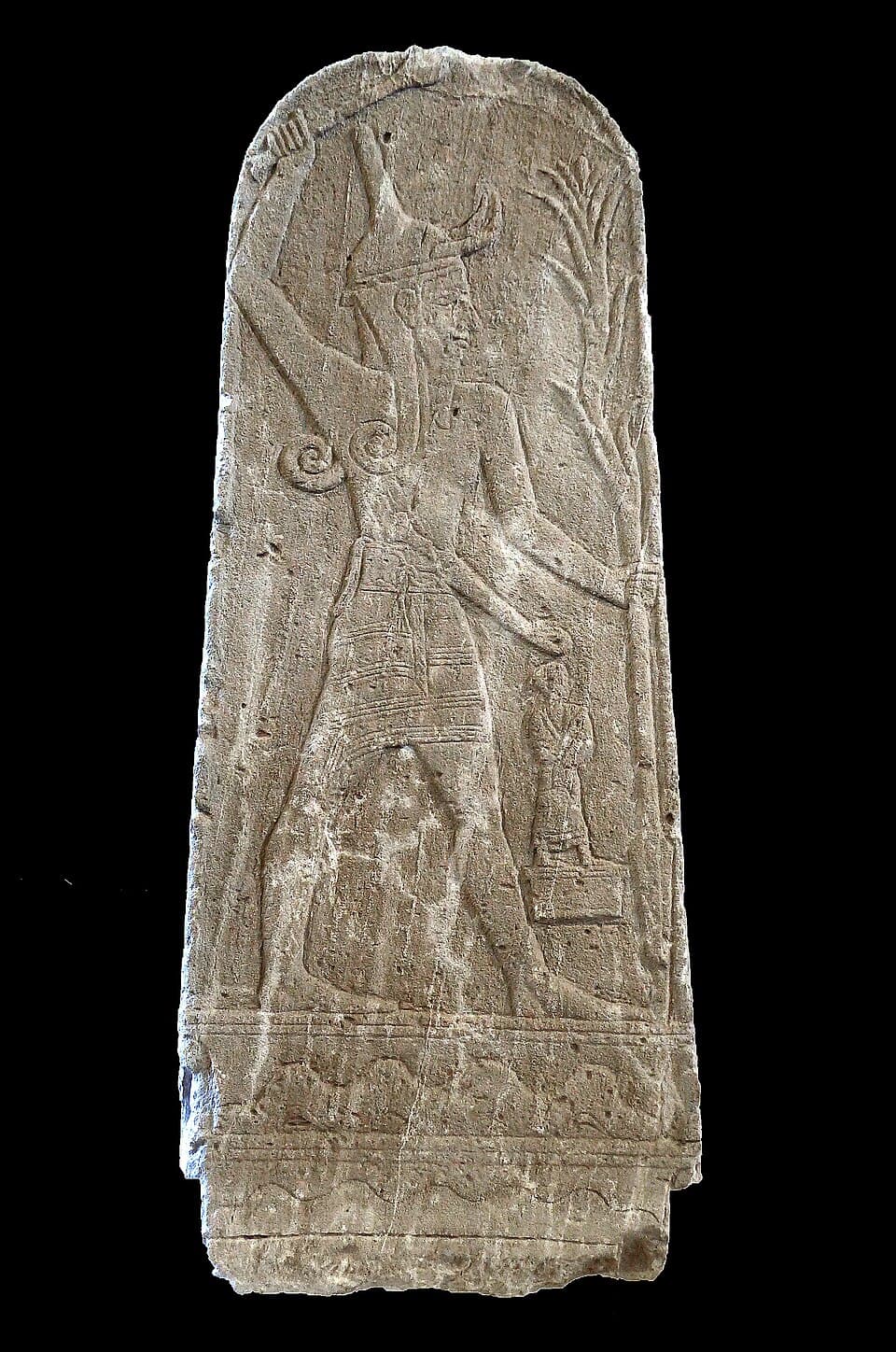
The Ugaritic pantheon included deities of local origin, many of whom are also known from Eblaite sources from the third …
Read →
Japan
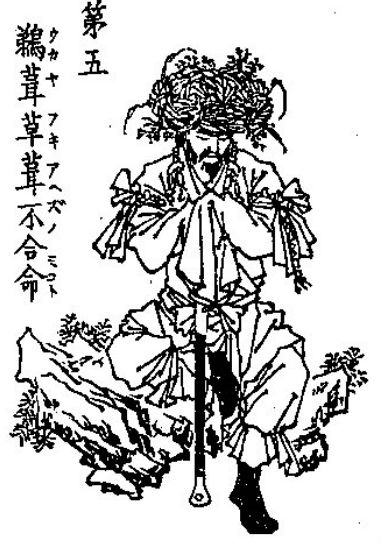
Ugayafukiaezu no Mikoto (鵜葺草葺不合命) is a Shinto kami, and is in Japanese mythology, the father of Japan's first Emperor, E…
Read →
Ancient Mesopotamia
Ugur was a Mesopotamian god associated with war and death, originally regarded as an attendant deity (sukkal) of Nergal.…
Read →
Japan
An ujigami is a guardian kami of a particular place in the Shinto religion of Japan. The ujigami are prayed to for a nu…
Read →
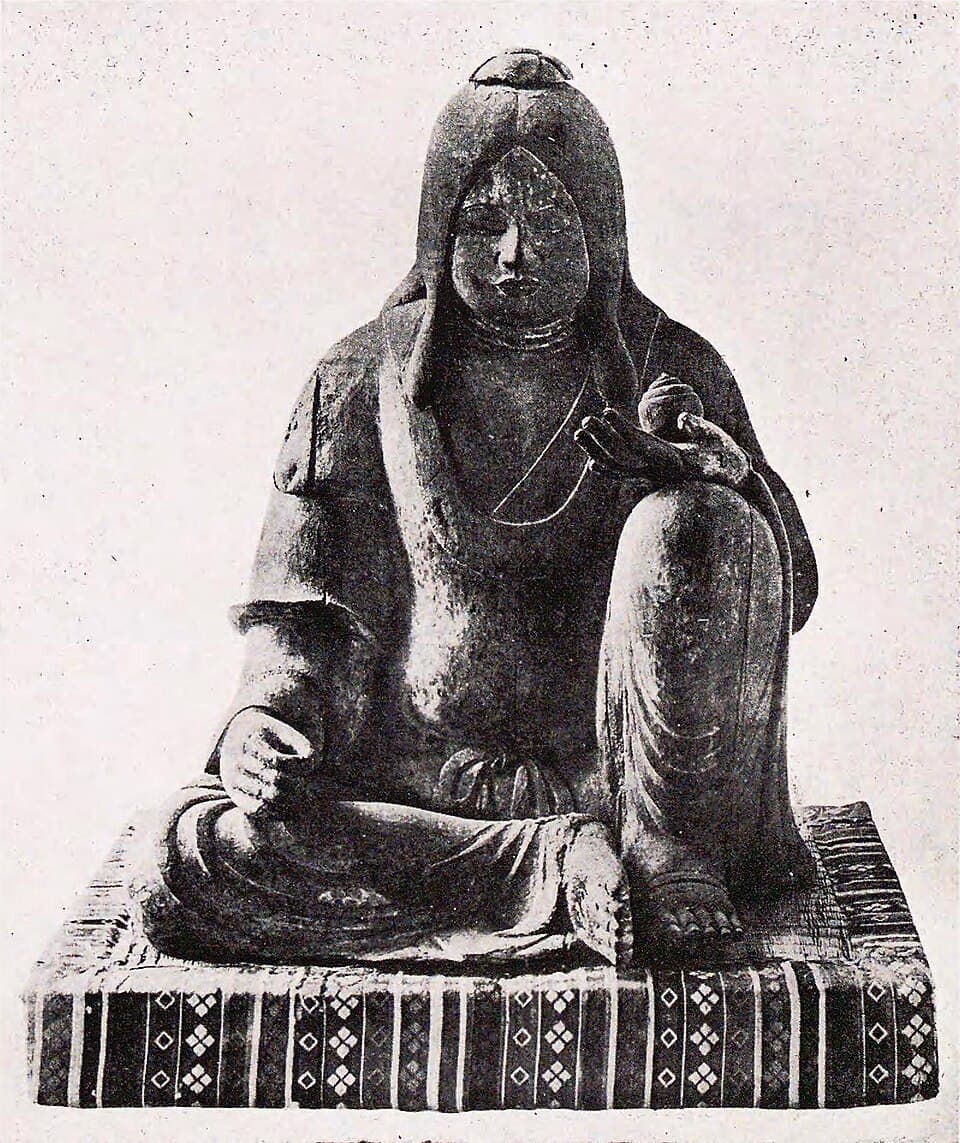
Japan
Ukanomitama is a kami in classical Japanese mythology, associated with food and agriculture, often identified with Inari…
Read →
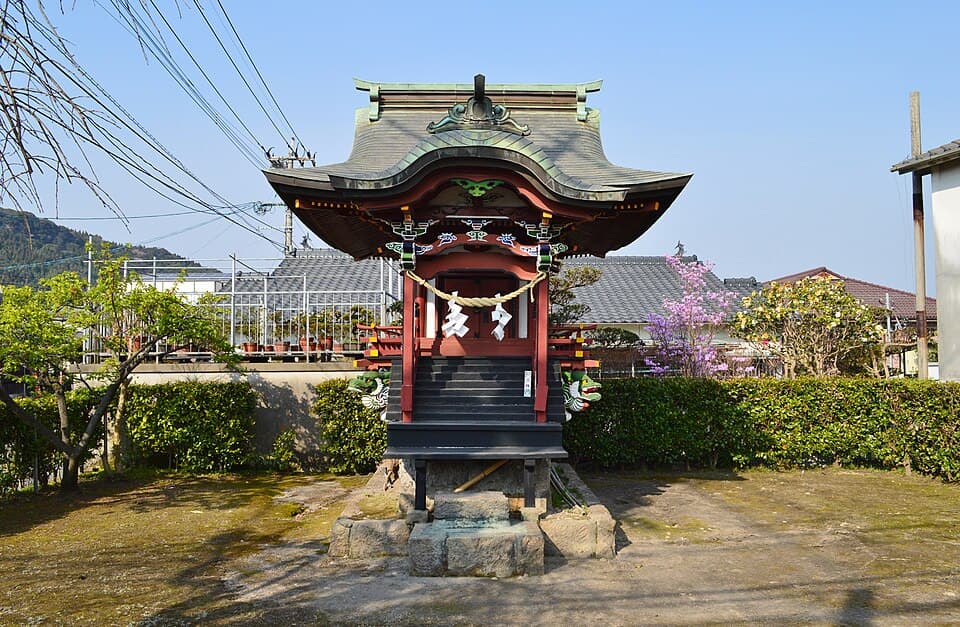
Japan
Ōgetsu-hime , commonly known as Ukemochi , the daughter of the deities Izanagi and Izanami, is a goddess of food in Japa…
Read →
Ancient Mesopotamia
Ukulla, also called Ugulla, Kulla or Kullab, was a Mesopotamian goddess regarded as the wife of Tishpak. She was chiefl…
Read →
Polynesia
In Hawaiian mythology, Ukupanipo is a shark god who controls the amount of fish close enough for the fisherman to catch.…
Read →
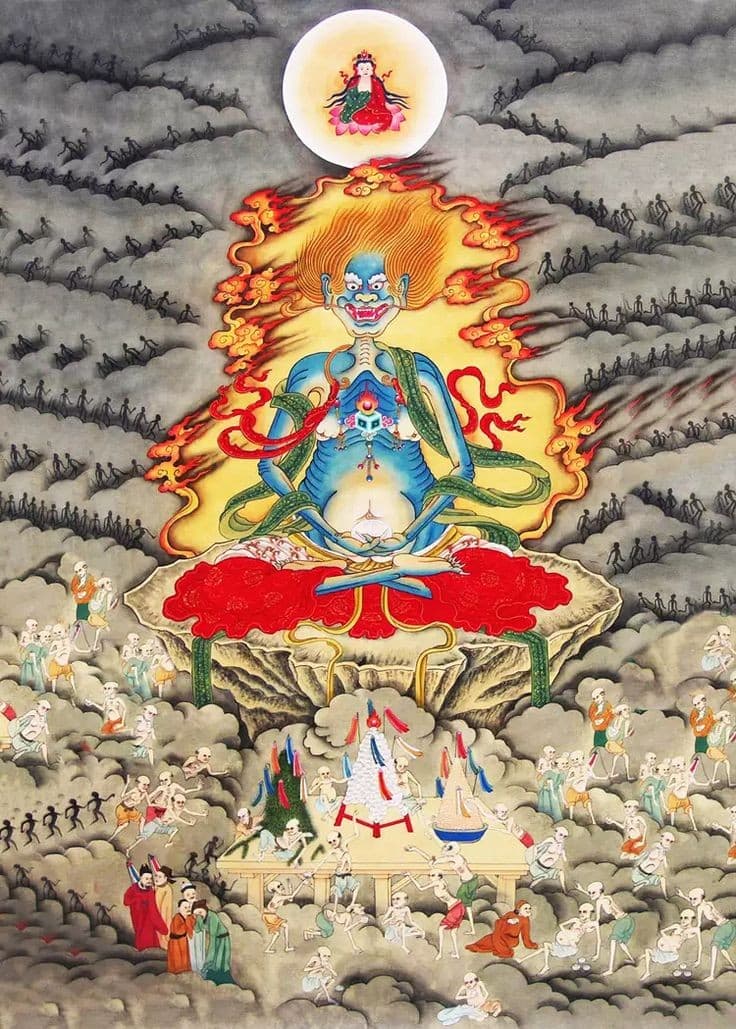
Asia
Ulkāmukha Pretarāja, commonly known in Chinese as Mianran Dashi, is a deity within Mahayana and Vajrayana Buddhist tradi…
Read →

Scandinavia
In Norse mythology, Ullr is a god associated with snow, bows, hunting, and potentially the sun. Although literary attes…
Read →
Ancient Mesopotamia
Ulmašītum was a Mesopotamian goddess regarded as warlike. Her name was derived from (E-)Ulmaš, a temple in the city of …
Read →
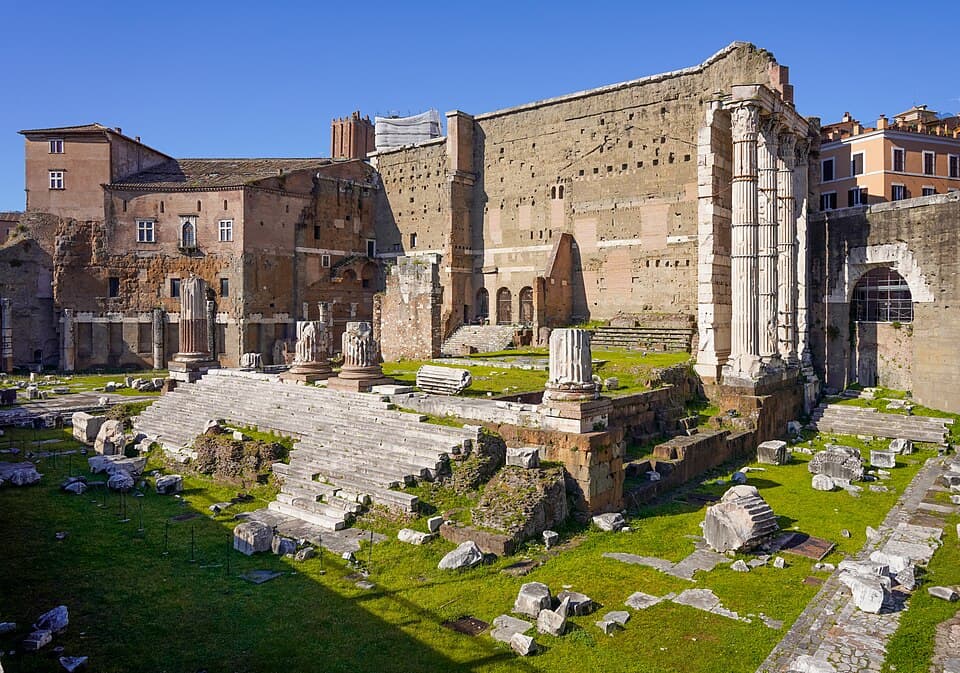
Ancient Rome
Ultio ("Vengeance") was an ancient Roman goddess whose cultus was associated with Mars. An altar and golden statue of U…
Read →
Japan
Umashiashikabihikoji is a kami. According to the Kojiki, he came into being as a hitorigami early in the creation of th…
Read →
Japan
Umisachi-hiko (海佐知毘古/海幸彦), in Japanese mythology and folklore, was a deity of the bounty of the sea and enchanted fisher…
Read →
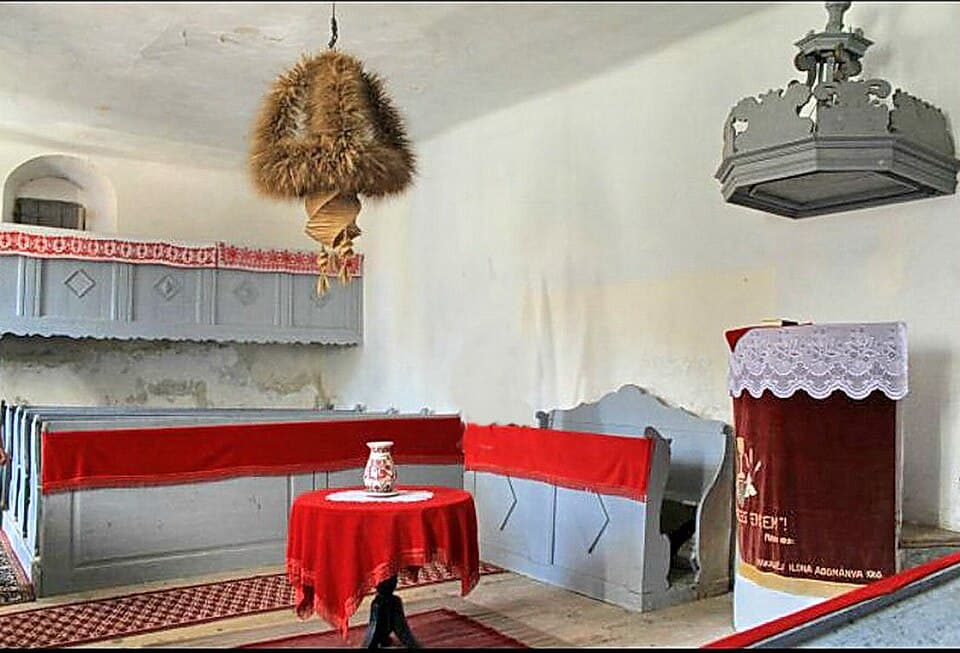
Inca Empire
Unitarianism is a nontrinitarian movement of Christianity, which affirms the unitary nature of God as the singular and u…
Read →

Ancient Egypt
Unut, also known as Wenut or Wenet, was a prehistoric Ancient Egyptian hare and snake goddess of fertility and new birth…
Read →
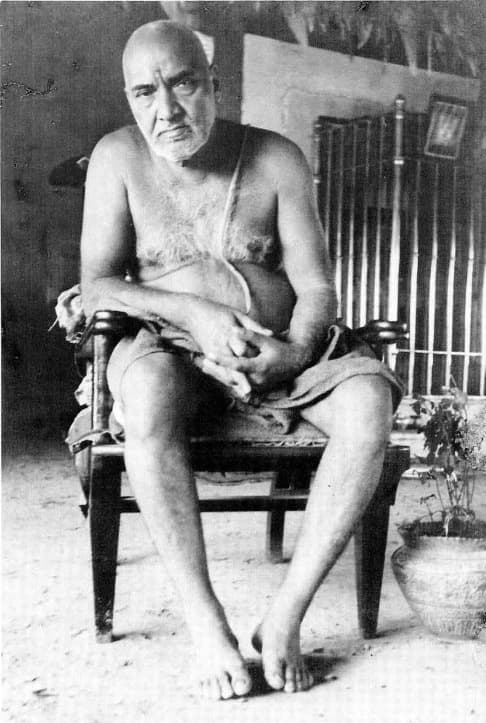
Indian subcontinent
Upasani Maharaj, born Kashinath Govindrao Upasni, was an Indian spiritual teacher, considered by his disciples to be a s…
Read →
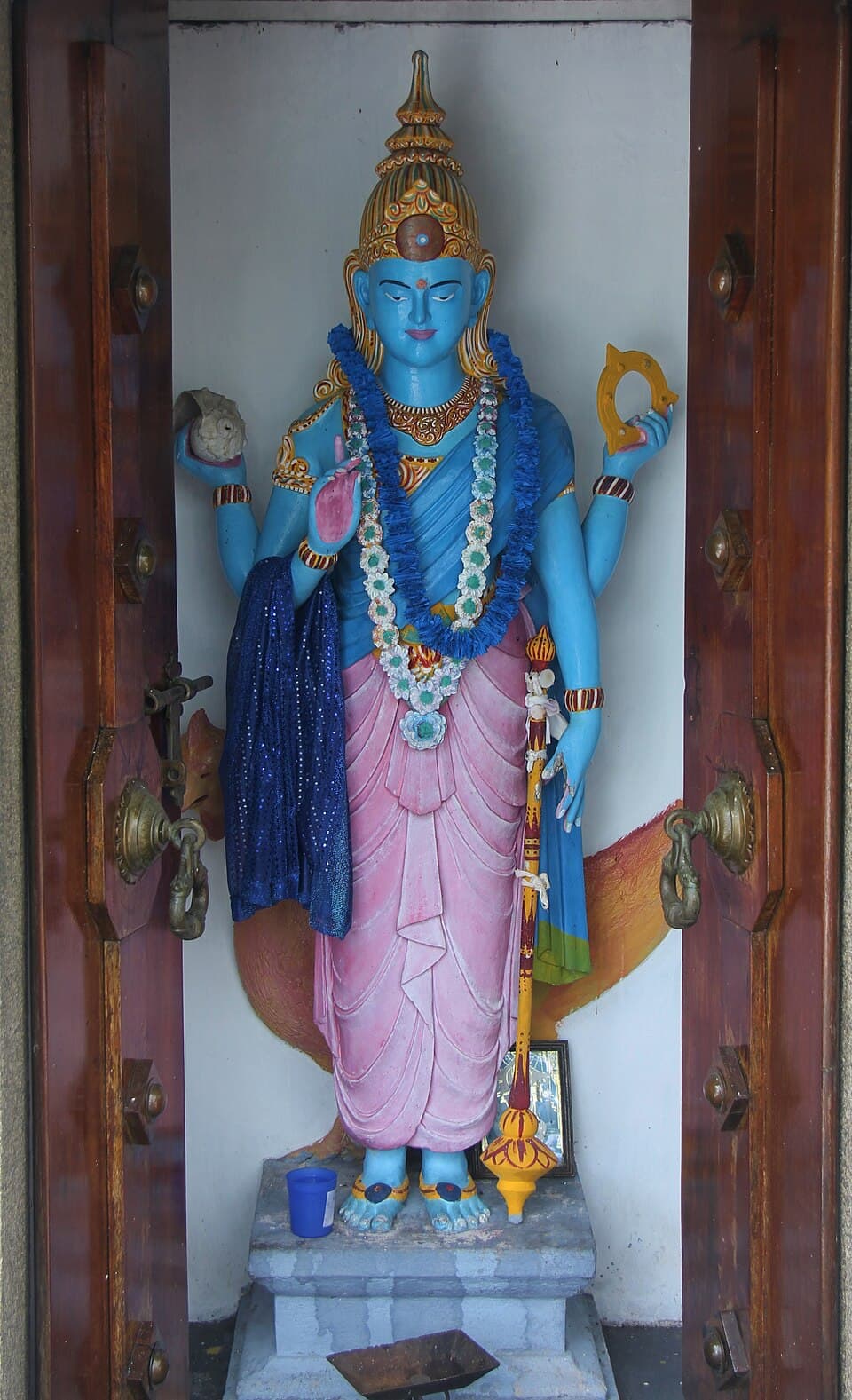
Indian subcontinent
Upulvan is a guardian deity of Sri Lanka. Sri Lankan Buddhists believe him also as a protector of the Buddhism in the c…
Read →

Ancient Mesopotamia
Ur-Nammu was a Sumerian king who founded the Sumerian Third Dynasty of Ur, in southern Mesopotamia, following several ce…
Read →
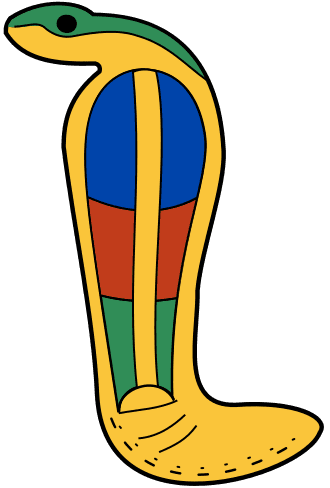
Ancient Egypt
The uraeus or ouraeus is the stylized, upright form of an Egyptian cobra, used as a symbol of sovereignty, royalty, deit…
Read →
Ancient Greece
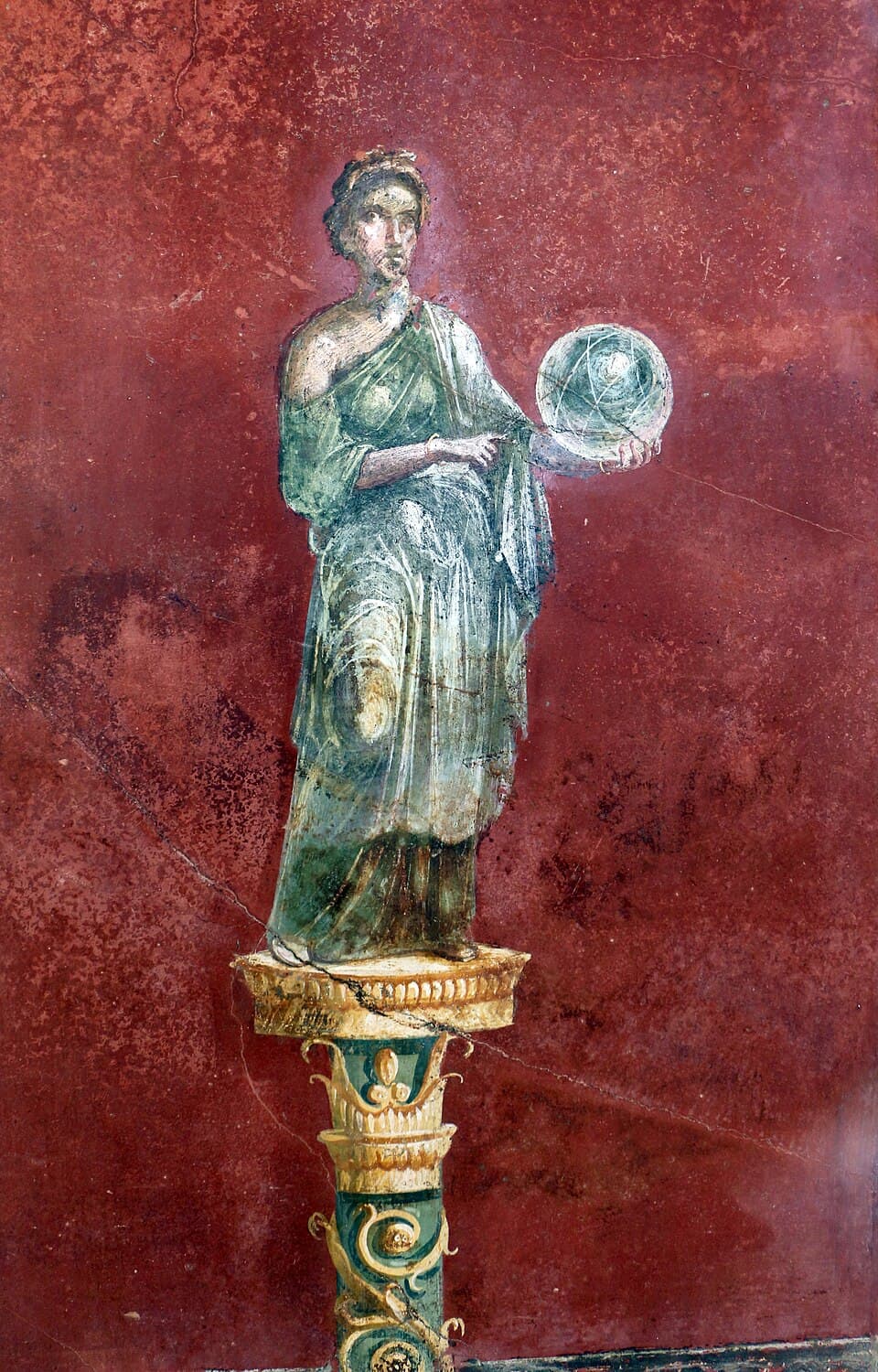
Urania was, in Greek mythology, the muse of astronomy and astrology. In ancient art, her attributes include the globe a…
Read →
Ancient Mesopotamia
Uraš, or Urash, was a Mesopotamian goddess regarded as the personification of the earth. She should not be confused wit…
Read →
Ancient Mesopotamia
Uraš, or Urash, was a Mesopotamian goddess regarded as the personification of the earth. She should not be confused wit…
Read →
Ancient Mesopotamia
Urash (Uraš) was a Mesopotamian god who was the tutelary deity of Dilbat. He was an agricultural god, and in that capac…
Read →
Inca Empire
Urcuchillay, sometimes spelled as Urcachillay, was a god worshiped by Incan herders, believed to be a multicolored male …
Read →
Ancient Mesopotamia
Urkayītu, also known as Urkītum, was a Mesopotamian goddess who likely functioned as the divine representation of the ci…
Read →
Ancient Mesopotamia
Urkayītu, also known as Urkītum, was a Mesopotamian goddess who likely functioned as the divine representation of the ci…
Read →
Ancient Mesopotamia
Urnunta-ea was a Mesopotamian goddess originally worshiped in Girsu as one of the daughters of Ningirsu and Bau. She mi…
Read →
Polynesia
Urutengangana is the god of light in Māori mythology. He is the firstborn of the children of the primordial parents, Ra…
Read →

Indian subcontinent
Ushas is a Vedic goddess of dawn in Hinduism. She repeatedly appears in the Rigvedic hymns, states David Kinsley, where…
Read →
Etruria
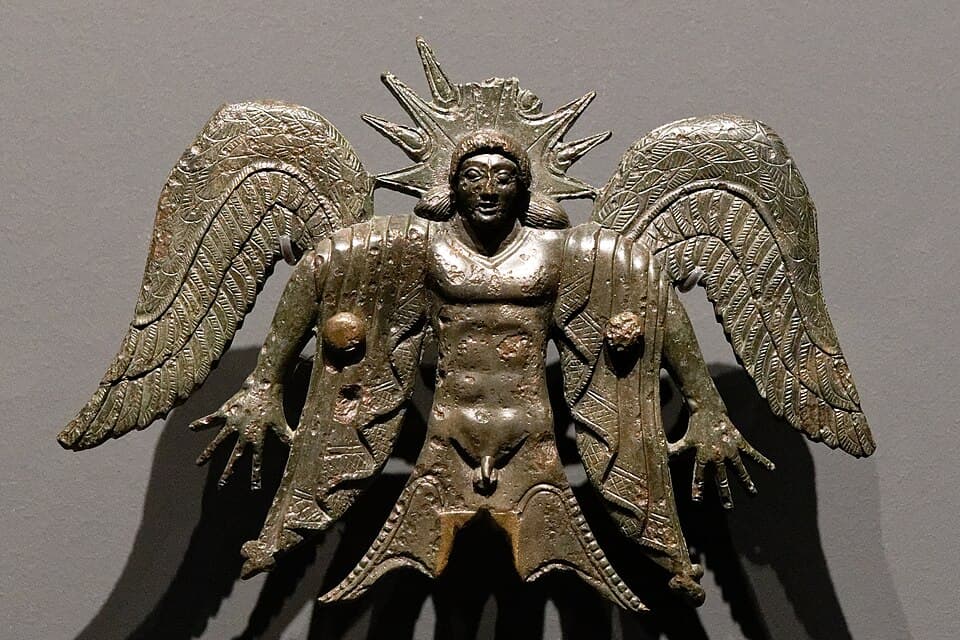
In ancient Etruscan religion, Usil was the god of the sun. After the Etruscans were defeated by the Romans and assimila…
Read →
Ancient Mesopotamia
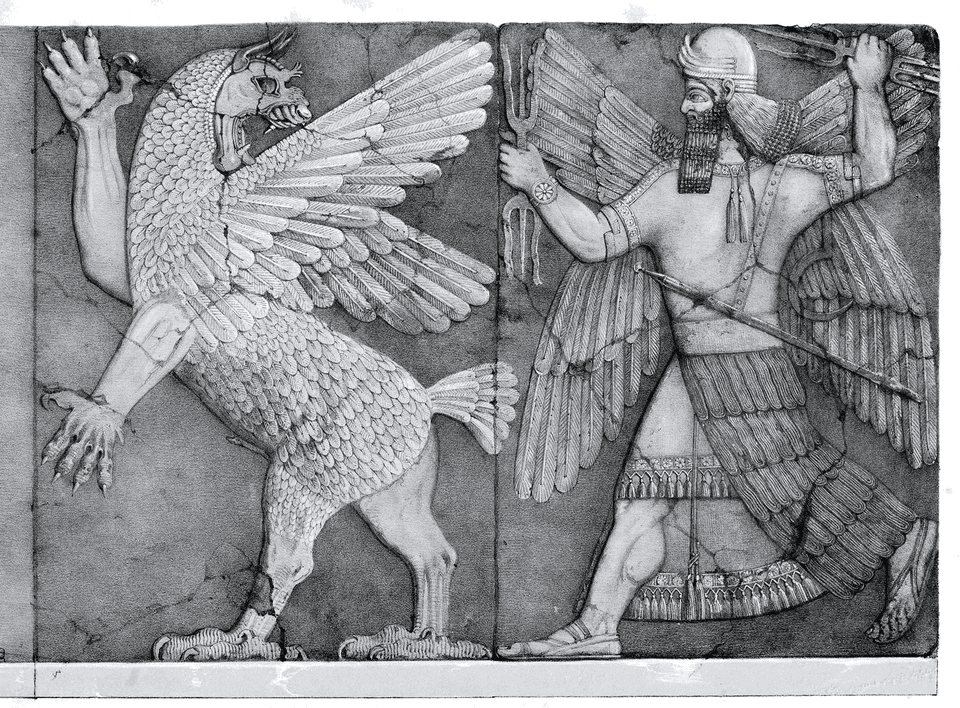
Ušumgallu or Ushumgallu was one of the three horned snakes in Akkadian mythology, along with the Bašmu and Mušmaḫḫū. Us…
Read →
Ancient Mesopotamia
Uṣur-amāssu was a Mesopotamian deity. While originally viewed as male, she later came to be regarded as a goddess. Reg…
Read →

Ancient Persia
An uthra or ʿutra is a "divine messenger of the light" in Mandaeism. Charles G. Häberl and James F.
Read →
Indian subcontinent
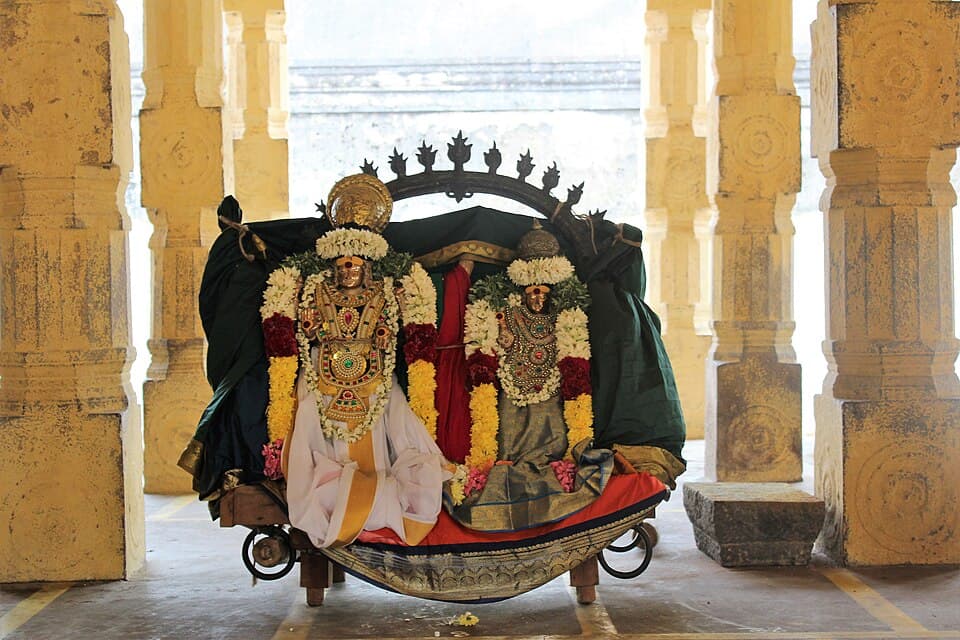
In Hinduism, utsava murti, utsavar or uthsavar, is a form of a murti (icon) which represents a deity. The portable utsa…
Read →
Ancient Mesopotamia
Uttu(𒋳𒌆 TAG. TUG₂) was a Mesopotamian goddess associated with weaving. It has been suggested that she was connected w…
Read →
Ancient Mesopotamia
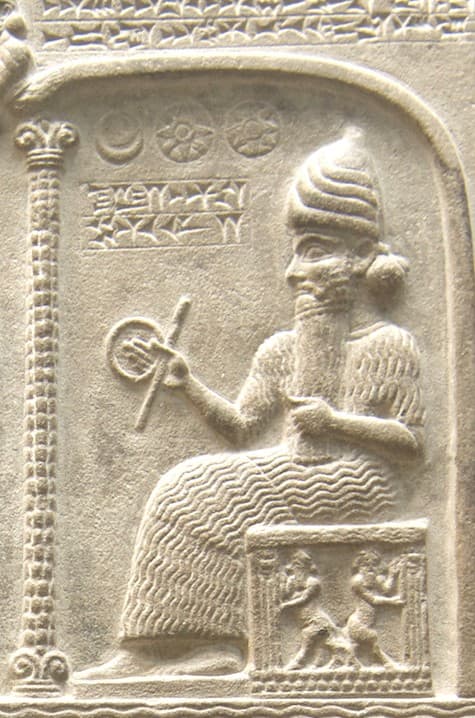
Shamash, also known as Utu, was the ancient Mesopotamian sun god. He was believed to see everything that happened in th…
Read →
Indian subcontinent
Vac is a Vedic goddess who is a personified form of divine speech. She enters into the inspired poets and visionaries, …
Read →
Ancient Rome
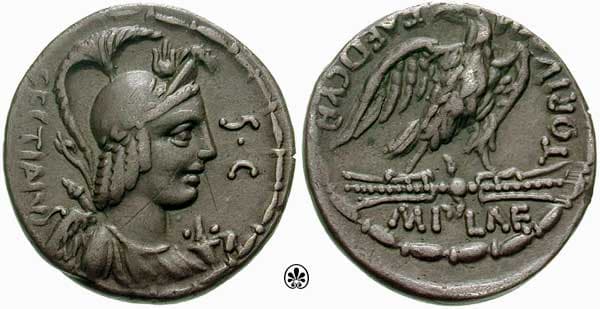
Vacuna was an ancient Sabine goddess, identified by ancient Roman sources and later scholars with numerous other goddess…
Read →
Scandinavia
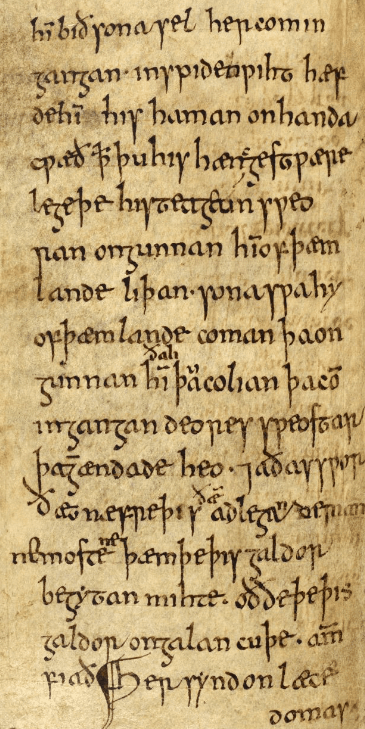
A wight is a being or thing. This general meaning of the term is shared by its cognates in other Germanic languages, bu…
Read →
Ancient Rome
In ancient Roman religion, Vagitanus or Vaticanus was one of a number of childbirth deities who influenced or guided som…
Read →
Indian subcontinent
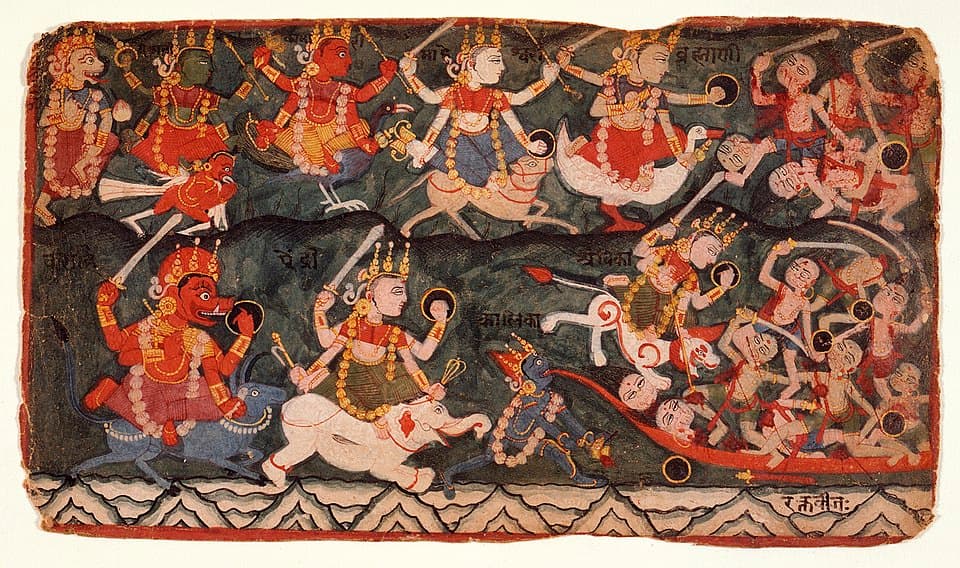
Vāhana or vahanam denotes the being, typically an animal or mythical entity, a particular Hindu deity is said to use as …
Read →
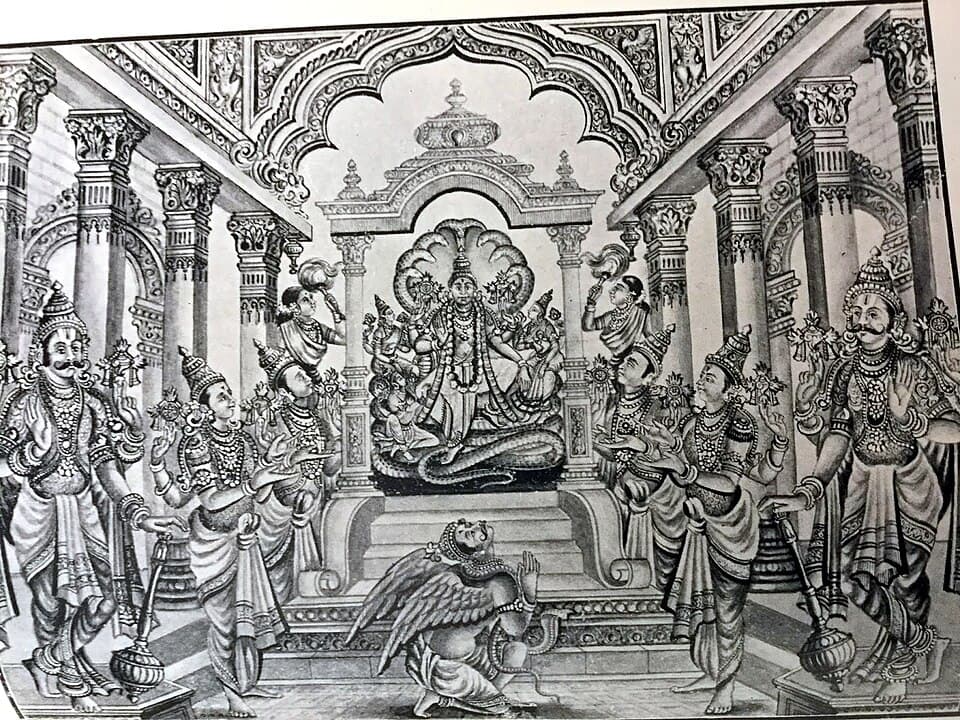
Indian subcontinent
Vaikuntha, also called Vishnuloka, is the abode of Vishnu, the supreme deity in the Vaishnava tradition of Hinduism, and…
Read →
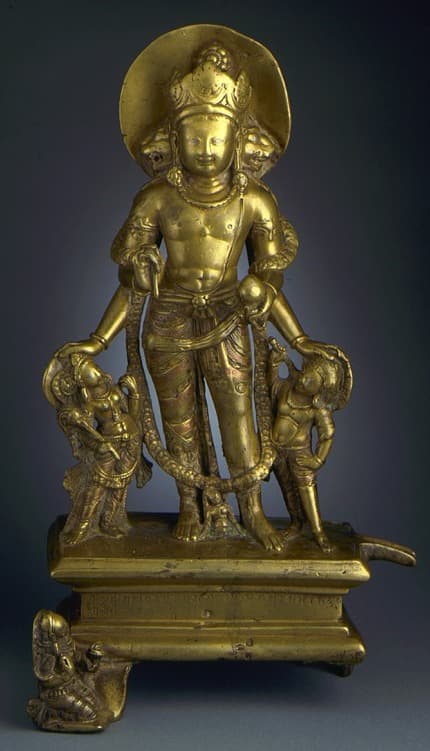
Indian subcontinent
Vaikuntha Chaturmurti or Vaikuntha Vishnu is a four-headed aspect of the Hindu god Vishnu, mostly found in Nepal and Kas…
Read →

Indian subcontinent
Vaikuntha-Kamalaja is a composite androgynous form of the Hindu god Vishnu and his consort Lakshmi. It is also known as…
Read →

Indian subcontinent
Vaishnavism, also called Vishnuism, is one of the major Hindu religious traditions, that considers Vishnu as the supreme…
Read →
Indian subcontinent
Vaishno Devi, also known as Vaishnavi, Trikuta, Sherawali is a Hindu deity considered to have the nature of Shakti and, …
Read →

Asia
Vajrapāṇi is one of the earliest-appearing bodhisattvas in Mahayana Buddhism. He is the protector and guide of Gautama …
Read →
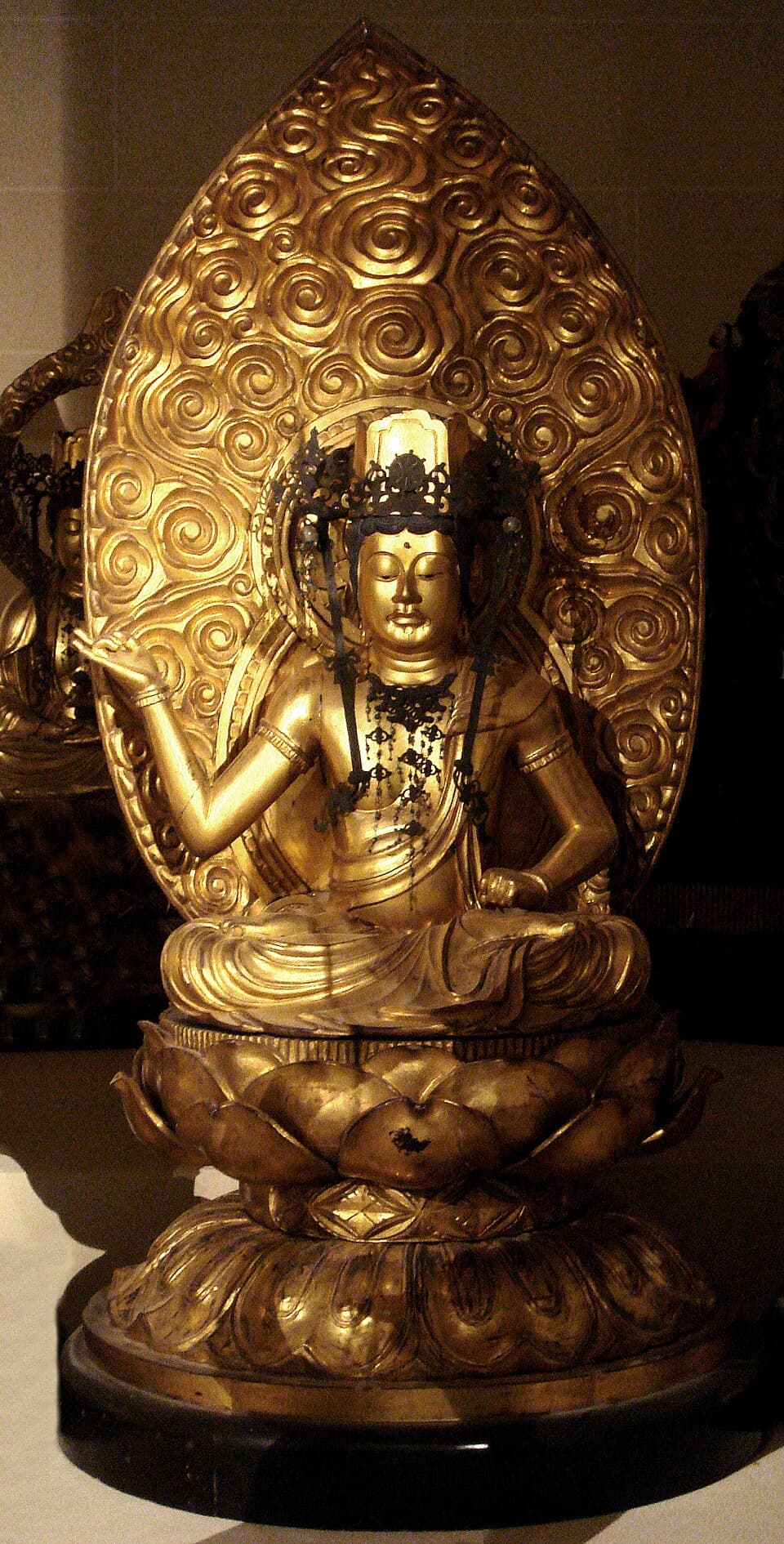
Asia
Vajraparamita, also Kongō-Haramitsu (金剛波羅蜜菩薩) is a Bodhisattva of the Buddhist Pantheon, belonging especially to the Eso…
Read →

Asia
Vajrasattva is a bodhisattva in the Mahayana and Mantrayana/Vajrayana Buddhist traditions.
Read →
Inca Empire
Vajrayāna, otherwise known as Mantrayāna, Guhyamantrayāna, Tantrayāna, Indo-Tibetan Buddhism, Tantric Buddhism, and Esot…
Read →

Indian subcontinent
Vajreshvari, also known as Bajreshwari, Kangra Devi, or Kangrawali, is a fierce form of the Hindu goddess Shakti, primar…
Read →
Indian subcontinent
Vakula Devi is the foster-mother of the Hindu god Venkateshwara, a form of Vishnu. As per the legend of Tirumala, the l…
Read →
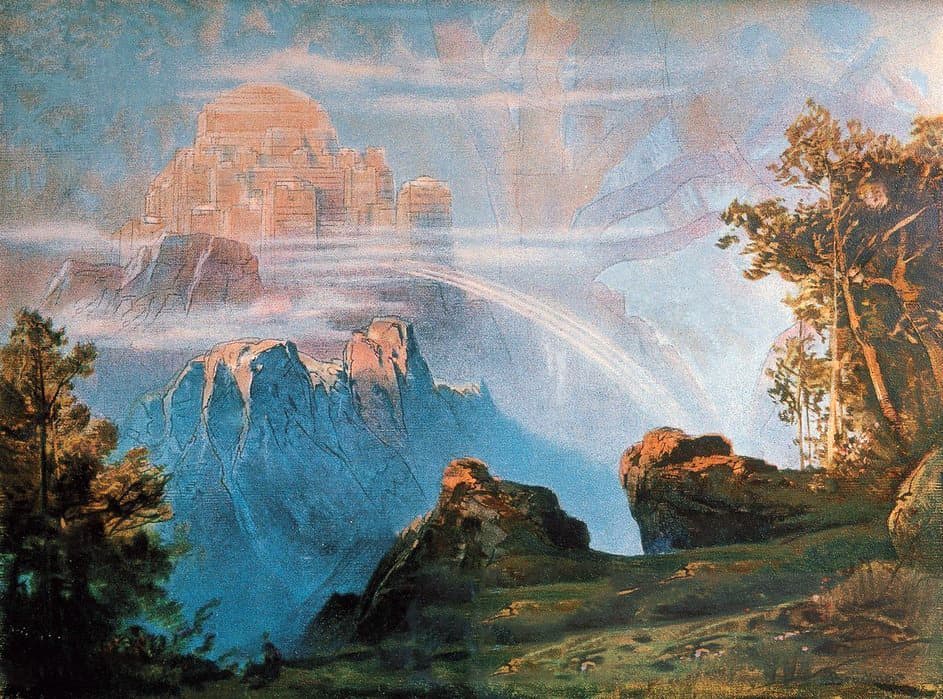
Scandinavia
In Norse mythology, Valhalla is described as a majestic hall located in Asgard and presided over by the god Odin. There…
Read →

Scandinavia
In Norse mythology, Váli or Boe or Bous (Latin) is a god and the son of the god Odin and Rindr. Váli has numerous broth…
Read →

Scandinavia
In Norse mythology, Váli or Boe or Bous (Latin) is a god and the son of the god Odin and Rindr. Váli has numerous broth…
Read →
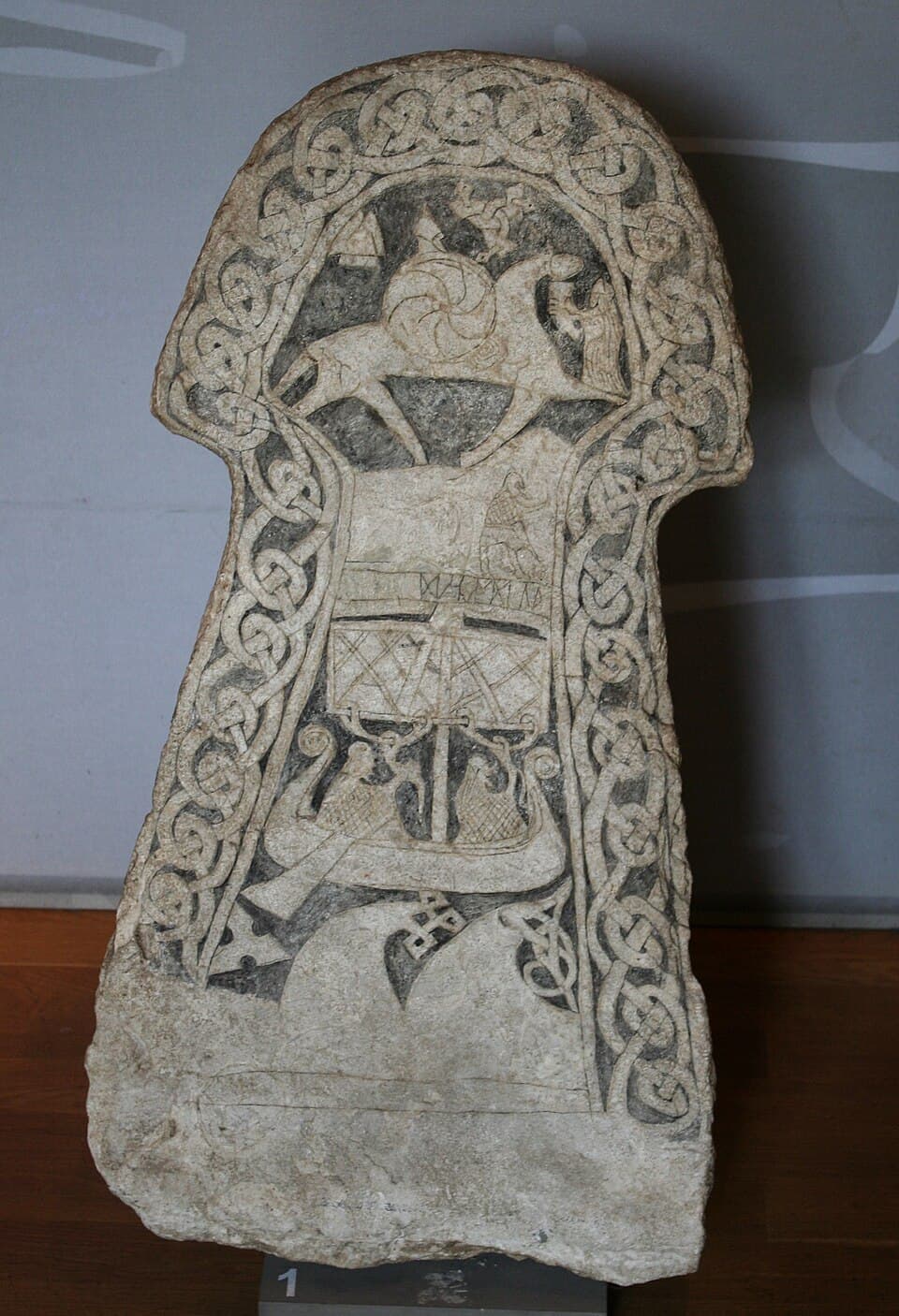
Scandinavia
In Norse mythology, a valkyrie is one of a host of female figures who guide souls of the dead to the god Odin's hall Val…
Read →
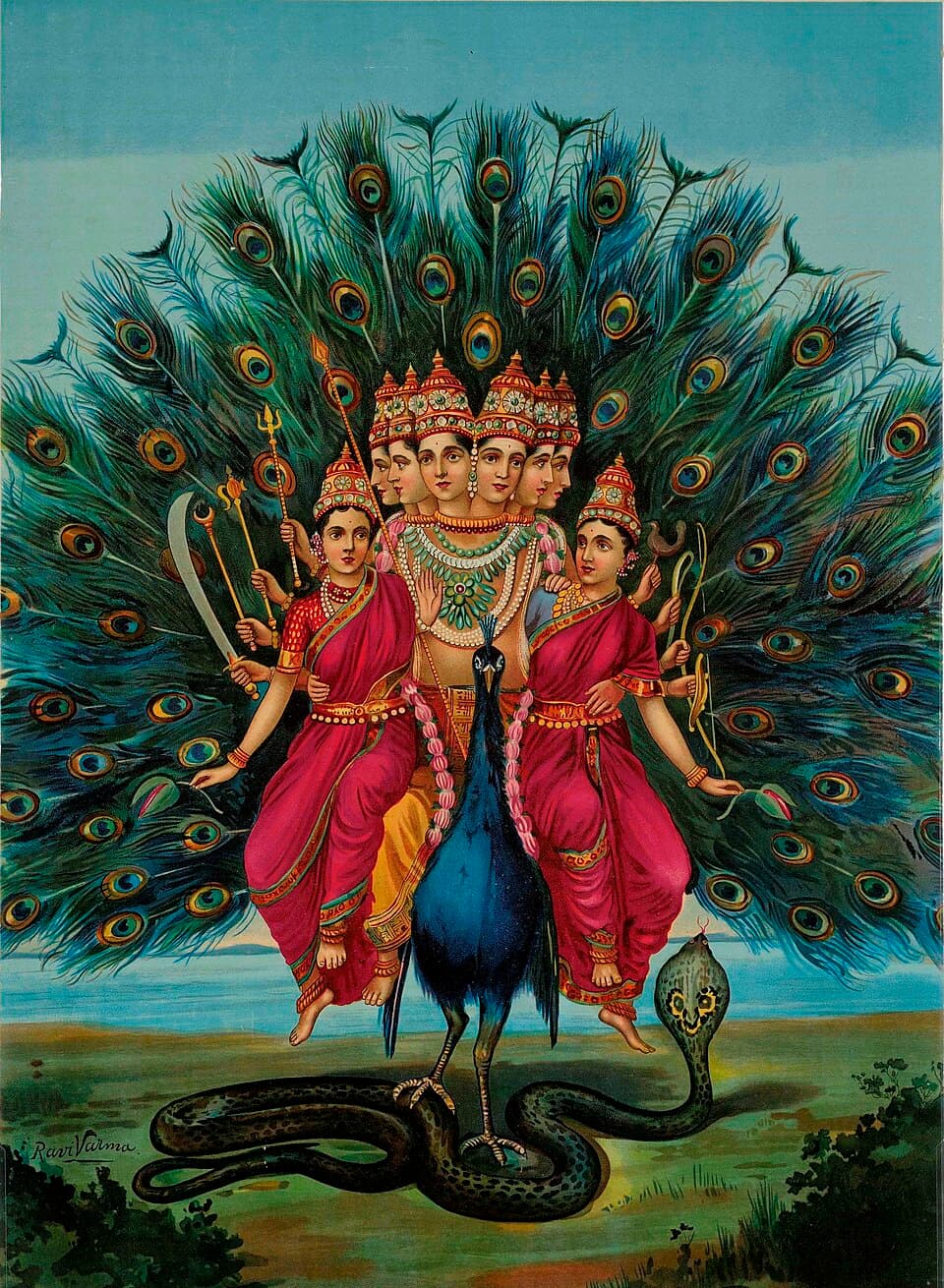
Indian subcontinent
Valli is a Hindu goddess, and the second consort of the deity Murugan. An incarnation of the goddess Sundaravalli, daug…
Read →
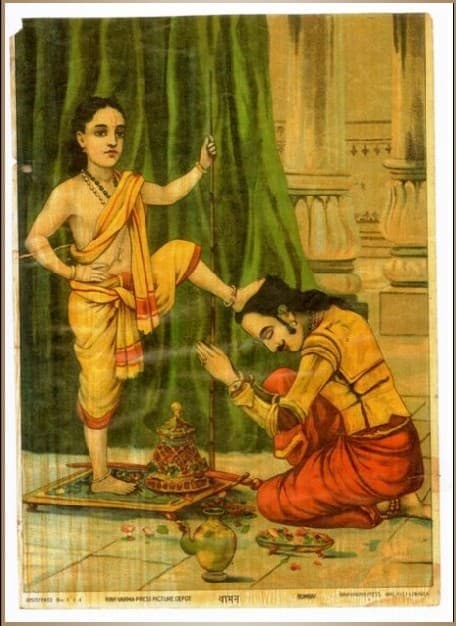
Indian subcontinent
Vamana, also known as Trivikrama, Urukrama, Upendra, Dadhivamana, Ulagalanthan and Balibandhana, is an avatar of the Hin…
Read →
Scandinavia
In Norse cosmology, Vanaheimr is a location associated with the Vanir, a group of gods themselves associated with fertil…
Read →
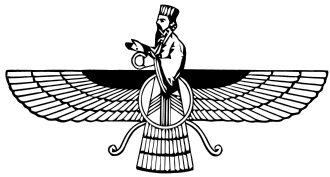
Ancient Persia
Vanant is the Avestan language name of a minor Zoroastrian divinity. The name literally means "conqueror", but in Zoroa…
Read →
Scandinavia
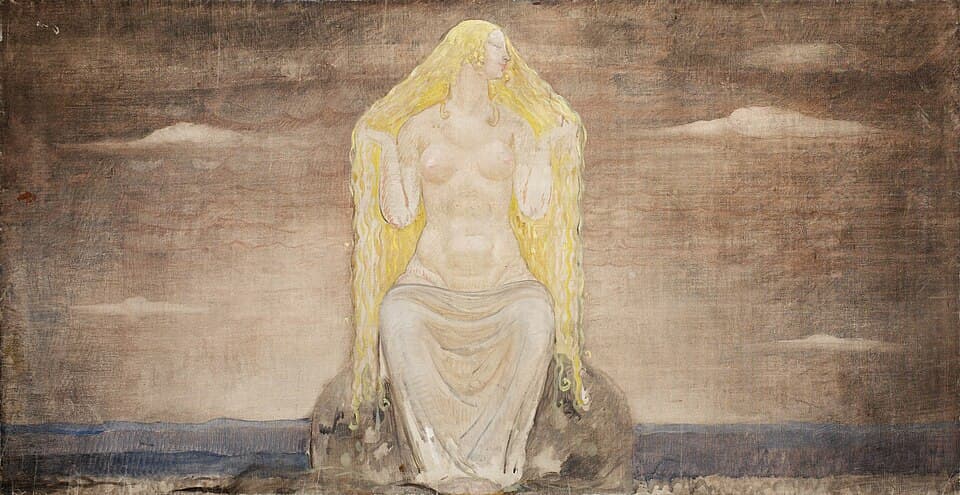
In Norse mythology, the Vanir are a group of gods associated with fertility, wisdom, and the ability to see the future. …
Read →
Scandinavia
In Norse mythology, Vár is a goddess associated with oaths and agreements. Vár is attested in the Poetic Edda, compiled…
Read →
Indian subcontinent
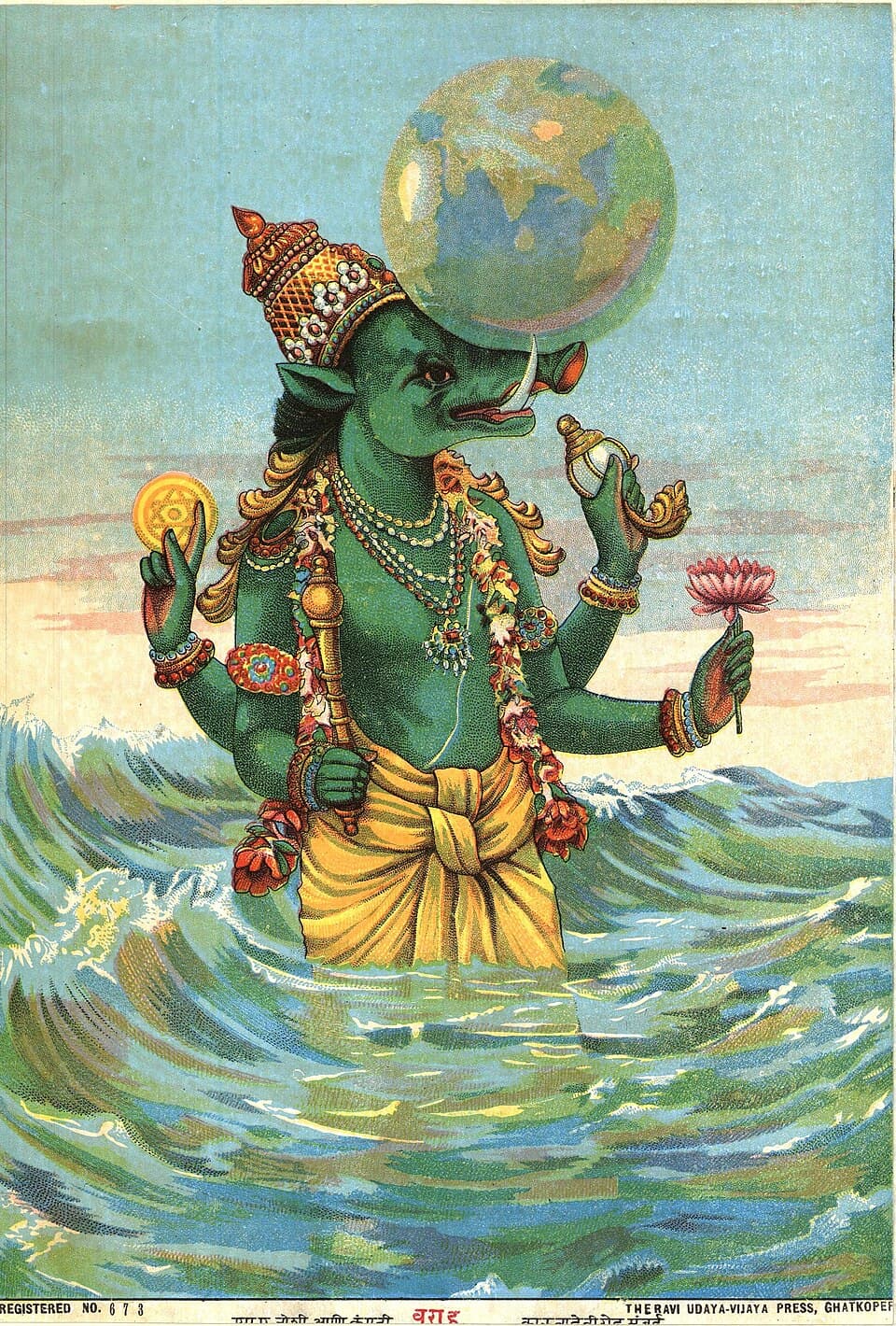
Varaha is the avatar of the Hindu god Vishnu, in the form of a boar. Varaha is generally listed as third in the Dashava…
Read →
Indian subcontinent
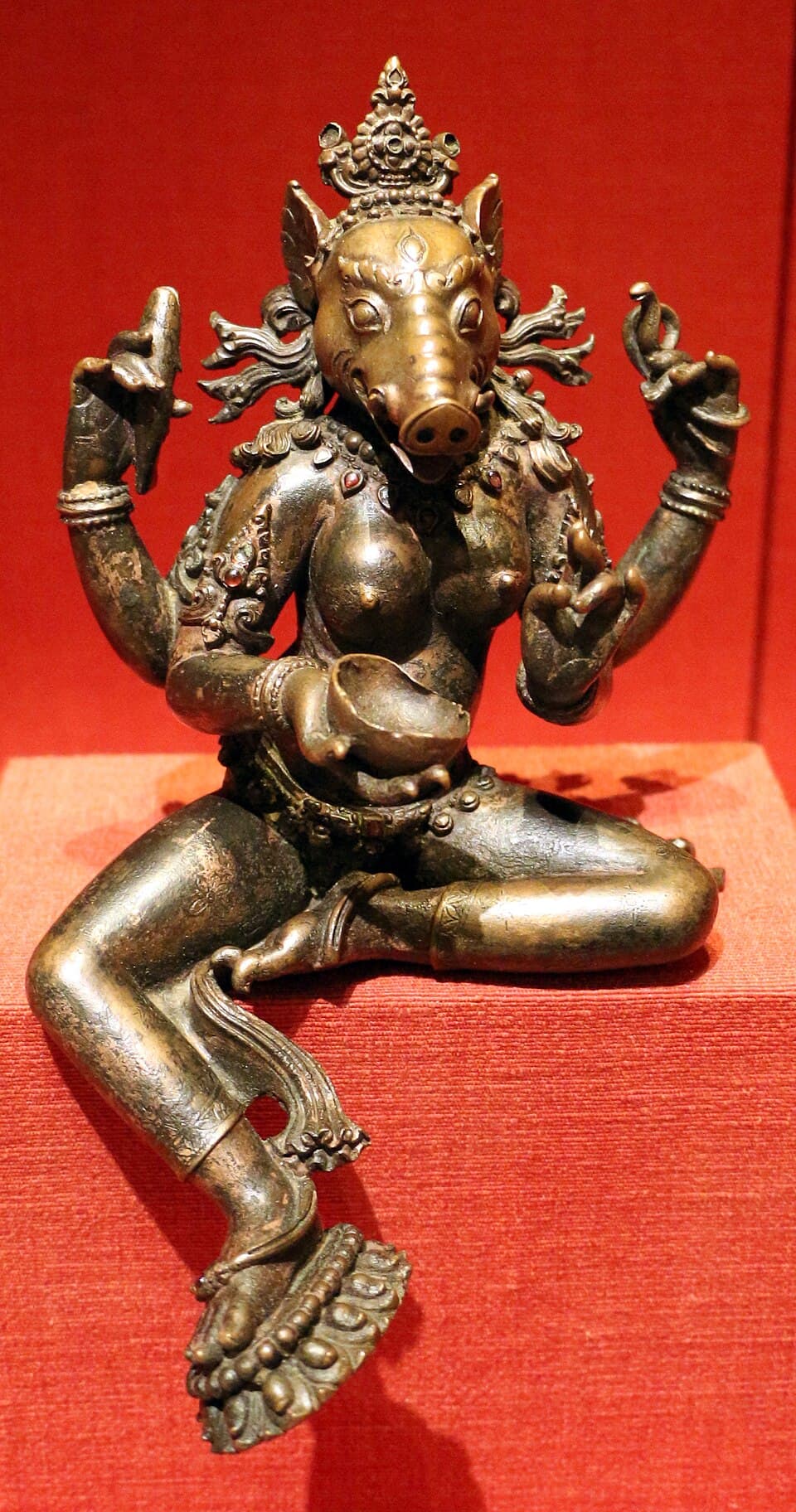
Varahi is one of the Matrikas, a group of seven mother goddesses in the Hindu religion who has the face of a sow. In Ne…
Read →
Polynesia
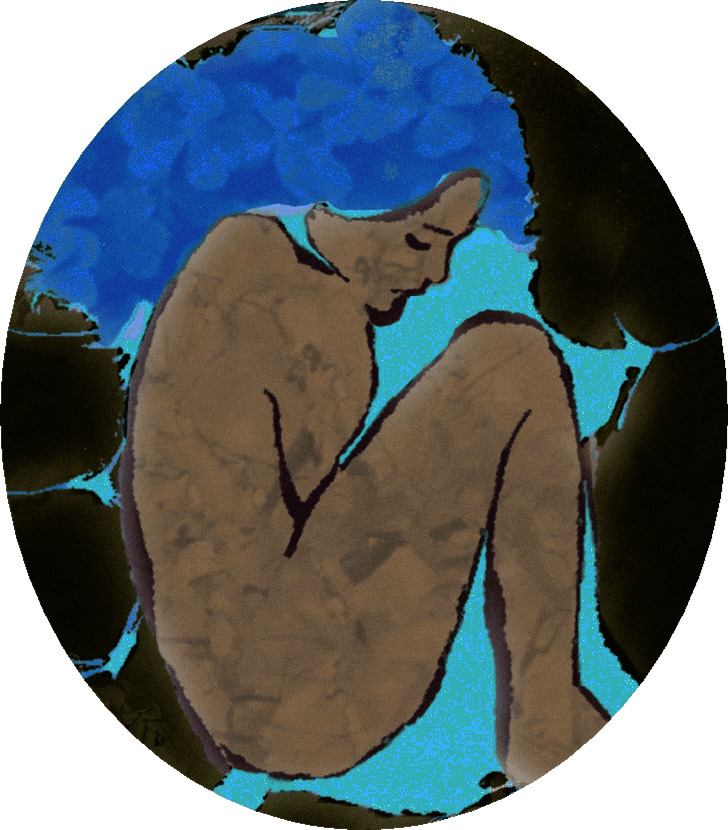
In Cook Islands mythology, Varima-te-takere also called Vari, was the primordial mother of the gods and mortals.
Read →
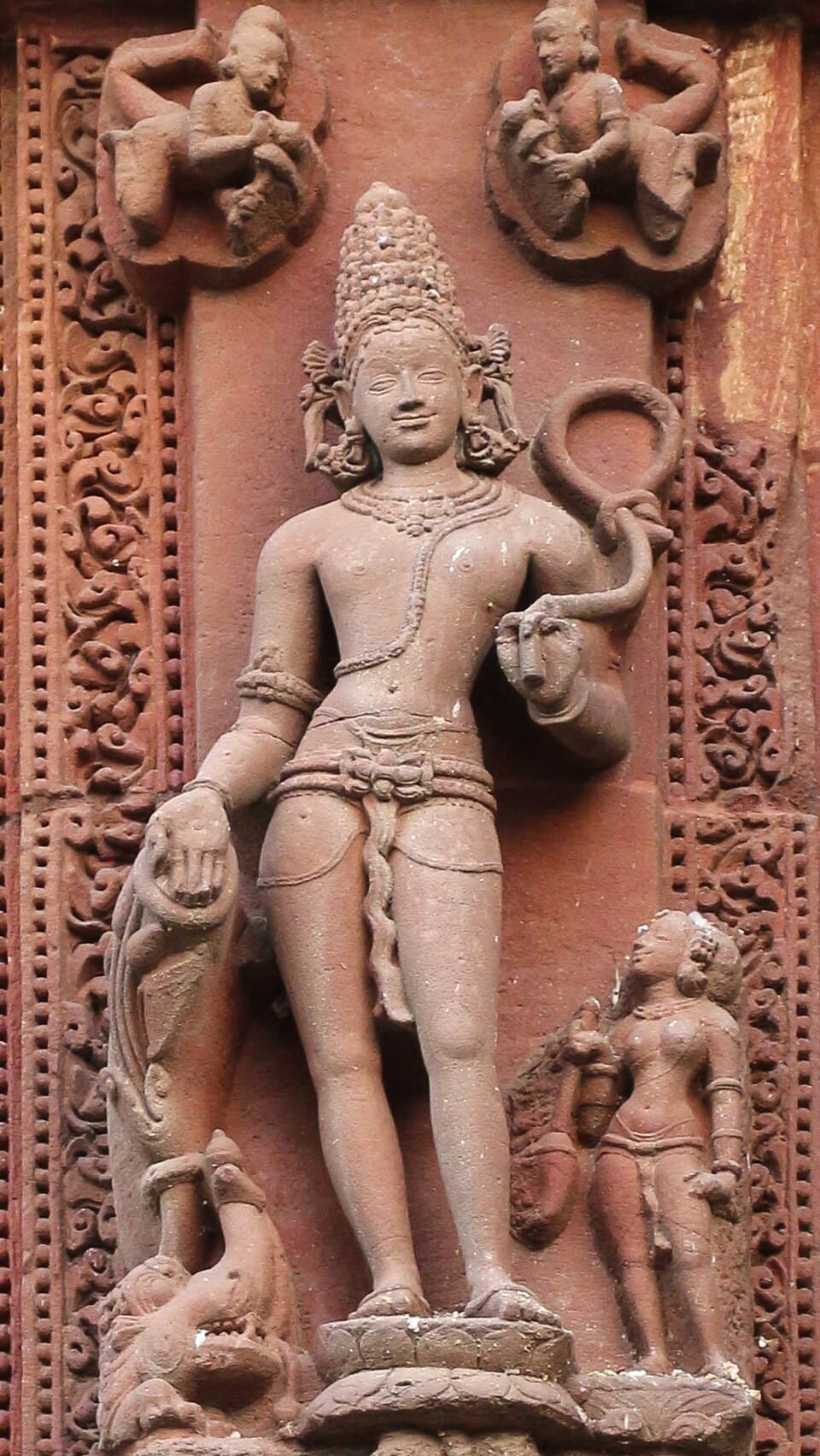
Indian subcontinent
Varuna is a Hindu god. He is one of the earliest deities in the pantheon, whose role underwent a significant transforma…
Read →
Indian subcontinent
Varuni is the goddess-personification of alcoholic beverages and intoxication in Hinduism. The drink named Varuni is ge…
Read →
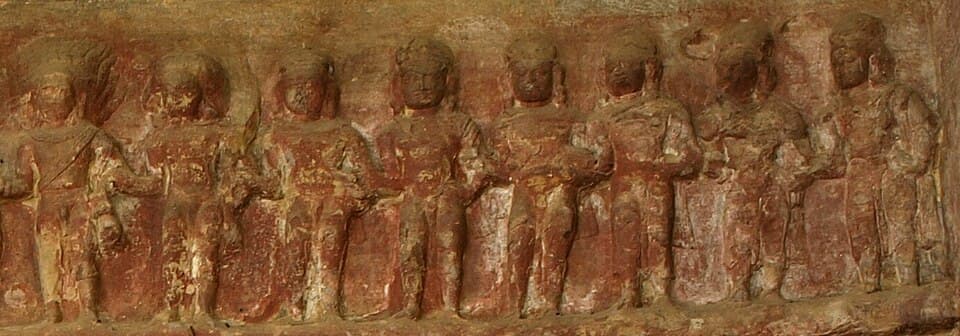
Indian subcontinent
The Vasus are a group of deities in Hinduism associated with fire and light. They are described as the attendant deitie…
Read →